BACKGROUND:Cervical dystonia (CD) motor severity is typically quantified with the Toronto Western Spasmodic Torticollis Rating Scale (TWSTRS). An expanded version of the Motor Severity section of the TWSTRS ("TWSTRS-Delphi") has been previously evaluated for its clinimetric properties but not for inter- and intrarater reliability. OBJECTIVE:In this study we quantified inter- and intrarater reliability of the Motor Severity section of the TWSTRS-Delphi for CD. METHODS:Ten raters familiar with the TWSTRS-Delphi and ten raters unfamiliar with it independently scored standardized videos from 90 patients with CD. We computed one-way random intraclass correlation coefficient (ICC, absolute agreement) for total and item scores. We repeated assessments and calculations with a subset of raters to assess intrarater reliability. RESULTS:Interrater reliability for the Total score was good for Familiar raters (ICC = 0.697) and fair for Unfamiliar raters (ICC = 0.566). Most individual items achieved fair-excellent interrater agreement in both groups (Familiar 0.415-0.763; Unfamiliar 0.416-0.769). Sagittal Shift, Duration, and Sensory Tricks showed poor agreement. Intrarater reliability was fair-excellent for most items in both groups (Familiar 0.494-0.927; Unfamiliar 0.413-0.877), but poor for Sagittal Shift and Duration among Familiar raters. CONCLUSIONS:The TWSTRS-Delphi yields reproducible Total and item scores across movement disorder raters. The data pinpoint Sagittal Shift, Duration, and Sensory Tricks as the principal sources of between-rater variability, defining immediate priorities for scale modification and focused training.
Objective: To evaluate the efficacy, safety, and tolerability of ubrogepant 100 mg when administered during the prodrome (premonitory phase) of a migraine attack. Background: Ubrogepant is a calcitonin gene-related peptide (CGRP) receptor antagonist approved for the acute treatment of migraine. The prodrome is the earliest phase of the migraine attack and is characterized by symptoms other than aura, which precede onset of headache. This study examined the potential of ubrogepant, when administered during the prodrome, to prevent or attenuate headache and disability. Design/Methods: PRODROME (NCT04492020) was a multicenter, randomized, double-blind, placebo-controlled, crossover trial. Eligible participants treated 2 "qualifying prodrome events," defined as a migraine attack with prodromal symptoms in which the participant was confident a headache would follow within 1–6 hours. The primary endpoint was absence of moderate/severe intensity headache within 24 hours post-dose. Secondary endpoints were absence of moderate/severe intensity headache within 48 hours, ability to function normally over 24 hours, and absence of a headache of any intensity within 24 hours post-dose. Results: The safety population included 480 participants and the modified intent-to-treat population included 477 participants. The absence of moderate/severe intensity headache within 24 hours was achieved following 45.5% of ubrogepant-treated qualifying prodrome events vs 28.6% of placebo-treated events (P<0.0001). Absence of moderate/severe intensity headache within 48 hours (40.7% vs 24.6%; P<0.0001), ability to function normally over 24 hours (OR=1.66; P<0.0001), and absence of headache of any intensity within 24 hours (23.7% vs 13.9%; P<0.0001) were achieved at significantly greater rates following ubrogepant-treated events vs placebo. Ubrogepant was well-tolerated with no new safety signals observed when administered during the prodrome. Conclusions: Treatment with ubrogepant 100 mg during the prodrome prevented the development of moderate/severe headache for 24 and 48 hours post-dose and headache of any intensity within 24 hours and reduced functional disability compared with treatment with placebo. Disclosure: Dr. Dodick has received personal compensation for serving as an employee of Mayo Clinic. Dr. Dodick has received personal compensation for serving as an employee of Atria Health. Dr. Dodick has received personal compensation for serving as an employee of Thomas Jefferson University . Dr. Dodick has received personal compensation for serving as an employee of Norwegian University of Science and Technology. Dr. Dodick has received personal compensation in the range of $10,000-$49,999 for serving as a Consultant for Amgen. Dr. Dodick has received personal compensation in the range of $5,000-$9,999 for serving as a Consultant for Allergan. Dr. Dodick has received personal compensation in the range of $10,000-$49,999 for serving as a Consultant for Abbvie. Dr. Dodick has received personal compensation in the range of $500-$4,999 for serving as a Consultant for Biohaven. Dr. Dodick has received personal compensation in the range of $500-$4,999 for serving as a Consultant for Biopharm Communications. Dr. Dodick has received personal compensation in the range of $10,000-$49,999 for serving as a Consultant for Lundbeck. Dr. Dodick has received personal compensation in the range of $10,000-$49,999 for serving as a Consultant for Eli Lilly. Dr. Dodick has received personal compensation in the range of $500-$4,999 for serving as a Consultant for Teva. Dr. Dodick has received personal compensation in the range of $500-$4,999 for serving as a Consultant for Inside Practice Australia. Dr. Dodick has received personal compensation in the range of $500-$4,999 for serving as a Consultant for Clinical Education Alliance. Dr. Dodick has received personal compensation in the range of $5,000-$9,999 for serving as a Consultant for Genentech. Dr. Dodick has received personal compensation in the range of $500-$4,999 for serving as a Consultant for Headache Cooperative of the Pacific . Dr. Dodick has received personal compensation in the range of $500-$4,999 for serving as a Consultant for Medica Communications. Dr. Dodick has received personal compensation in the range of $500-$4,999 for serving as a Consultant for MJ Healthcare. Dr. Dodick has received personal compensation in the range of $500-$4,999 for serving as a Consultant for Nocira. Dr. Dodick has received personal compensation in the range of $500-$4,999 for serving as a Consultant for Praxis. Dr. Dodick has received personal compensation in the range of $500-$4,999 for serving as a Consultant for Revance . Dr. Dodick has received personal compensation in the range of $500-$4,999 for serving as a Consultant for Synapse Medical Communications. Dr. Dodick has received personal compensation in the range of $10,000-$49,999 for serving as a Consultant for Vector Psychometrics. Dr. Dodick has received personal compensation in the range of $0-$499 for serving as a Consultant for Ayya Biosciences. Dr. Dodick has received personal compensation in the range of $0-$499 for serving as a Consultant for Theranica. Dr. Dodick has received personal compensation in the range of $100,000-$499,999 for serving as a Consultant for Atria. Dr. Dodick has received personal compensation in the range of $10,000-$49,999 for serving as a Consultant for WebMD. Dr. Dodick has received personal compensation in the range of $500-$4,999 for serving as a Consultant for Thomas Jefferson University. Dr. Dodick has received personal compensation in the range of $500-$4,999 for serving as a Consultant for Medforce. Dr. Dodick has received personal compensation in the range of $500-$4,999 for serving as a Consultant for Precision HEOR. Dr. Dodick has received personal compensation in the range of $0-$499 for serving as an officer or member of the Board of Directors for KingDevick Technologies. Dr. Dodick has received personal compensation in the range of $1,000,000+ for serving as an officer or member of the Board of Directors for Precon Health. Dr. Dodick has received personal compensation in the range of $0-$499 for serving as an officer or member of the Board of Directors for Ontologics. Dr. Dodick has received personal compensation in the range of $0-$499 for serving as an officer or member of the Board of Directors for Matterhorn. Dr. Dodick has received personal compensation in the range of $0-$499 for serving as an officer or member of the Board of Directors for Axon Therapeutics. Dr. Dodick has received personal compensation in the range of $0-$499 for serving as an officer or member of the Board of Directors for Cephalgia Group. Dr. Dodick has stock in Healint. Dr. Dodick has stock in Theranica. Dr. Dodick has stock in Aural Analytics . Dr. Dodick has stock in Epien. Dr. Dodick has stock in Matterhorn. Dr. Dodick has stock in Ontologics. Dr. Dodick has stock in Precon Health. Dr. Dodick has stock in King Devick Technologies. Dr. Dodick has stock in Nocira. Dr. Dodick has stock in Exsano. Dr. Dodick has stock in Palion. Dr. Dodick has stock in AYYA Biosciences. Dr. Dodick has stock in Perfood. Dr. Dodick has stock in Cephalgia Group. Dr. Dodick has stock in Atria Health. Dr. Dodick has stock in Man and Science. The institution of Dr. Dodick has received research support from Department of Defense. The institution of Dr. Dodick has received research support from Patient Centered Outcomes Research Institute. The institution of Dr. Dodick has received research support from Henry Jackson Foundation. Dr. Dodick has received intellectual property interests from a discovery or technology relating to health care. Dr. Dodick has received intellectual property interests from a discovery or technology relating to health care. Dr. Dodick has received intellectual property interests from a discovery or technology relating to health care. Dr. Dodick has received publishing royalties from a publication relating to health care. Dr. Dodick has received publishing royalties from a publication relating to health care. Dr. Dodick has received publishing royalties from a publication relating to health care. Dr. Dodick has a non-compensated relationship as a Chair with American Brain Foundation that is relevant to AAN interests or activities. Dr. Dodick has a non-compensated relationship as a Committee member/Course Director with American Academy of Neurology that is relevant to AAN interests or activities. Dr. Dodick has a non-compensated relationship as a Chair/Immediate Past Chair with American Migraine Foundation that is relevant to AAN interests or activities. Dr. Dodick has a non-compensated relationship as a Chair Global Patient Advocacy Coalition with International Headache Society that is relevant to AAN interests or activities. Dr. Goadsby has received personal compensation in the range of $10,000-$49,999 for serving as a Consultant for Amgen. Dr. Goadsby has received personal compensation in the range of $500-$4,999 for serving as a Consultant for Abbvie. Dr. Goadsby has received personal compensation in the range of $500-$4,999 for serving as a Consultant for Aeon BioPharmaceuticals. Dr. Goadsby has received personal compensation in the range of $10,000-$49,999 for serving as a Consultant for Biohaven Pharmaceuticals. Dr. Goadsby has received personal compensation in the range of $10,000-$49,999 for serving as a Consultant for Eli-Lilly. Dr. Goadsby has received personal compensation in the range of $500-$4,999 for serving as a Consultant for Epalex. Dr. Goadsby has received personal compensation in the range of $500-$4,999 for serving as a Consultant for Impel Neuropharma. Dr. Goadsby has received personal compensation in the range of $10,000-$49,999 for serving as a Consultant for Novartis. Dr. Goadsby has received personal compensation in the range of $500-$4,999 for serving as a Consultant for Teva Pharmaceuticals. Dr. Goadsby has received personal compensation in the range of $5,000-$9,999 for serving as a Consultant for Sanofi. Dr. Goadsby has received personal compensation in the range of $500-$4,999 for serving as a Consultant for Praxis. Dr. Goadsby has received personal compensation in the range of $5,000-$9,999 for serving as a Consultant for Lundbeck. Dr. Goadsby has received personal compensation in the range of $500-$4,999 for serving as a Consultant for Satsuma. Dr. Goadsby has received personal compensation in the range of $500-$4,999 for serving as a Consultant for Pfizer. Dr. Goadsby has received personal compensation in the range of $500-$4,999 for serving as a Consultant for Dr Reddys. Dr. Goadsby has received personal compensation in the range of $500-$4,999 for serving as a Consultant for Biodelivery Sciences International. Dr. Goadsby has received personal compensation in the range of $5,000-$9,999 for serving on a Scientific Advisory or Data Safety Monitoring board for Aeon Biopharma. Dr. Goadsby has received personal compensation in the range of $500-$4,999 for serving as an Editor, Associate Editor, or Editorial Advisory Board Member for Massachusetts Medical Society. The institution of Dr. Goadsby has received research support from Celgene. The institution of Dr. Goadsby has received research support from Eli-Lilly. The institution of Dr. Goadsby has received research support from Visual Snow Initiative. Dr. Goadsby has received publishing royalties from a publication relating to health care. Dr. Goadsby has received publishing royalties from a publication relating to health care. Dr. Goadsby has a non-compensated relationship as a Trustee with Migraine Trust that is relevant to AAN interests or activities. Dr. Goadsby has a non-compensated relationship as a Trustee with Organisation for Understanding Cluster Headache (UK) that is relevant to AAN interests or activities. Dr. Goadsby has a non-compensated relationship as a Executive roles with American Headache Society that is relevant to AAN interests or activities. Dr. Goadsby has a non-compensated relationship as a Scientific Officer with British Association for the Study of Headache that is relevant to AAN interests or activities. Dr. Goadsby has a non-compensated relationship as a Director with American Migraine Foundation that is relevant to AAN interests or activities. Dr. Schwedt has received personal compensation in the range of $10,000-$49,999 for serving as a Consultant for Allergan. Dr. Schwedt has received personal compensation in the range of $500-$4,999 for serving as a Consultant for Biohaven. Dr. Schwedt has received personal compensation in the range of $10,000-$49,999 for serving as a Consultant for Eli Lilly. Dr. Schwedt has received personal compensation in the range of $5,000-$9,999 for serving as a Consultant for Lundbeck. Dr. Schwedt has received personal compensation in the range of $500-$4,999 for serving as a Consultant for Novartis. Dr. Schwedt has received personal compensation in the range of $500-$4,999 for serving as a Consultant for Ipsen. Dr. Schwedt has received personal compensation in the range of $500-$4,999 for serving as a Consultant for Tonix Pharma. Dr. Schwedt has received personal compensation in the range of $500-$4,999 for serving as a Consultant for Satsuma. Dr. Schwedt has received personal compensation in the range of $5,000-$9,999 for serving as a Consultant for Biodelivery Science. Dr. Schwedt has received personal compensation in the range of $5,000-$9,999 for serving as a Consultant for Abbvie. Dr. Schwedt has received personal compensation in the range of $500-$4,999 for serving as a Consultant for Axsome. Dr. Schwedt has received personal compensation in the range of $500-$4,999 for serving as a Consultant for Collegium. Dr. Schwedt has received personal compensation in the range of $500-$4,999 for serving as a Consultant for Linpharma. Dr. Schwedt has received personal compensation in the range of $500-$4,999 for serving as a Consultant for Theranica. Dr. Schwedt has stock in Aural Analytics. Dr. Schwedt has stock in Nocira. The institution of Dr. Schwedt has received research support from Amgen. The institution of Dr. Schwedt has received research support from National Institutes of Health. The institution of Dr. Schwedt has received research support from United States Department of Defense. The institution of Dr. Schwedt has received research support from Patient Centered Outcomes Research Institute. The institution of Dr. Schwedt has received research support from SPARK Neuro. The institution of Dr. Schwedt has received research support from Henry Jackson Foundation. Dr. Schwedt has received intellectual property interests from a discovery or technology relating to health care. Dr. Schwedt has received publishing royalties from a publication relating to health care. Dr. Lipton has received personal compensation in the range of $10,000-$49,999 for serving as a Consultant for Allergan/Abbvie. Dr. Lipton has received personal compensation in the range of $10,000-$49,999 for serving as a Consultant for Amgen. Dr. Lipton has received personal compensation in the range of $10,000-$49,999 for serving as a Consultant for Biohaven. Dr. Lipton has received personal compensation in the range of $50,000-$99,999 for serving as a Consultant for Eli Lilly. Dr. Lipton has received personal compensation in the range of $10,000-$49,999 for serving as a Consultant for Lundbeck. Dr. Lipton has received personal compensation in the range of $5,000-$9,999 for serving as a Consultant for GlaxoSmithKline. Dr. Lipton has received personal compensation in the range of $10,000-$49,999 for serving as a Consultant for Teva. Dr. Lipton has received personal compensation in the range of $10,000-$49,999 for serving as a Consultant for Vedanta. Dr. Lipton has received personal compensation in the range of $500-$4,999 for serving as a Consultant for Merck. Dr. Lipton has received personal compensation in the range of $500-$4,999 for serving as a Consultant for Satsuma. Dr. Lipton has received personal compensation in the range of $50,000-$99,999 for serving as a Consultant for Eli Lilly. Dr. Lipton has received personal compensation in the range of $10,000-$49,999 for serving as a Consultant for Grifols. Dr. Lipton has received personal compensation in the range of $5,000-$9,999 for serving on a Scientific Advisory or Data Safety Monitoring board for Allergan/Abbvie. Dr. Lipton has received personal compensation in the range of $10,000-$49,999 for serving on a Scientific Advisory or Data Safety Monitoring board for Biohaven. Dr. Lipton has received personal compensation in the range of $10,000-$49,999 for serving on a Scientific Advisory or Data Safety Monitoring board for Eli Lilly. Dr. Lipton has received personal compensation in the range of $10,000-$49,999 for serving on a Scientific Advisory or Data Safety Monitoring board for Lundbeck. Dr. Lipton has stock in Biohaven. Dr. Lipton has stock in Manistee. The institution of Dr. Lipton has received research support from Teva. The institution of Dr. Lipton has received research support from Amgen. The institution of Dr. Lipton has received research support from Allergan/Abbvie. The institution of Dr. Lipton has received research support from Gammacore. The institution of Dr. Lipton has received research support from Axsome. The institution of Dr. Lipton has received research support from Charleston Labs. The institution of Dr. Lipton has received research support from Eli Lilly. The institution of Dr. Lipton has received research support from Satsuma. The institution of Dr. Lipton has received research support from NIH . The institution of Dr. Lipton has received research support from NIH. The institution of Dr. Lipton has received research support from NINDS. The institution of Dr. Lipton has received research support from NIH. The institution of Dr. Lipton has received research support from NIA. The institution of Dr. Lipton has received research support from NIH. The institution of Dr. Lipton has received research support from NIA. The institution of Dr. Lipton has received research support from NIH. The institution of Dr. Lipton has received research support from Veterans Administration. The institution of Dr. Lipton has received research support from NIH. Dr. Lipton has received publishing royalties from a publication relating to health care. Chengcheng Liu has received personal compensation for serving as an employee of AbbVie. Chengcheng Liu has received stock or an ownership interest from AbbVie. Kaifeng Lu has received personal compensation for serving as an employee of AbbVie. Kaifeng Lu has stock in AbbVie. Kaifeng Lu has stock in Beigene. Ms. Yu has received stock or an ownership interest from AbbVie. Lawrence Severt has nothing to disclose. Michelle Finnegan has received personal compensation for serving as an employee of AbbVie. Dr. Trugman has received personal compensation for serving as an employee of AbbVie. Dr. Trugman has stock in AbbVie.
Background and Objective:Limited data are available describing the frequency, severity, and consistency of prodromal symptoms followed by headache. This analysis of the PRODROME trial screening period characterized prodromal symptoms in people with migraine, including the most common symptoms and their severity, and the frequency and consistency with which prodromal symptoms were followed by headache. Methods:PRODROME was a multicenter, randomized, double-blind, placebo-controlled, crossover trial conducted in the United States that enrolled adults with 2-8 migraine attacks per month who stated they could identify prodromal symptoms that were reliably followed by a headache. The trial included a 60-day screening period designed to test the predictive validity of "qualifying prodrome events" before the onset of headache. Participants used an eDiary to report qualifying prodrome events, defined as prodromal symptoms whereby the participant was confident a headache would follow within 1-6 hours. This analysis evaluated common prodromal symptoms and their severity, time from prodrome onset to headache onset, and the percentage of participants who identified prodromal symptoms that were followed by a headache ≥75% of the time over the 60-day screening period. Results:A total of 920 participants entered eDiary data, with a mean of 5.2 qualifying prodrome events during the 60-day screening period. A total of 4,802 qualifying prodrome events were recorded. The most common prodromal symptoms identified were sensitivity to light (57.2%; 2,748/4,802), fatigue (50.1%; 2,408/4,802), neck pain (41.9%; 2,013/4,802), sensitivity to sound (33.9%; 1,630/4,802), either difficulty thinking or concentrating (30.0%; 1,442/4,802), and dizziness (27.8%; 1,333/4,802). Of all qualifying prodrome events reported, 81.5% (3,913/4,802) were followed by headache of any intensity within 1-6 hours. For each participant, a mean of 84.4% of their qualifying prodrome events were followed by a headache within 1-6 hours, with 76.9% of participants identifying qualifying prodrome events that were followed by headache within 1-6 hours ≥75% of the time. Discussion:Participants were able to identify migraine attacks in which prodromal symptoms were reliably followed by a headache within 1-6 hours. These findings suggest the potential for initiating treatment during the prodrome to prevent headache. Trial Registration Information:ClinicalTrials.gov NCT04492020. Submitted: July 27, 2020; First patient enrolled: August 21, 2020. clinicaltrials.gov/study/NCT04492020.
Objective: To characterize the improvement in patient-reported outcomes when ubrogepant is administered during the migraine prodrome (premonitory phase). Background: Ubrogepant is a calcitonin gene-related peptide (CGRP) receptor antagonist approved for the acute treatment of migraine. The PRODROME (NCT04492020) trial demonstrated that treatment during the prodrome prevents the onset of moderate or severe headache and reduces functional disability. Here we examine the benefits of treatment during the prodrome on patient-reported outcomes. Design/Methods: This was a multicenter, randomized, double-blind, placebo-controlled, crossover trial that enrolled adults who experienced 2–8 migraine attacks per month with moderate to severe headache. Eligible participants treated 2 "qualifying prodrome events," defined as a migraine attack with prodromal symptoms in which the participant was confident a headache would follow within 1–6 hours. Participants were randomized to treatment Sequence A (placebo then ubrogepant 100 mg) or Sequence B (ubrogepant 100 mg then placebo). This analysis evaluated the ability to function normally over 48 hours, activity limitation over 24 hours, and satisfaction with study medication at 8 and 24 hours. Results: Following treatment of qualifying prodrome events, higher rates of ability to function normally over 24 hours were observed following treatment with ubrogepant 100 mg compared with placebo (P<0.0001). Ubrogepant treatment was associated with a higher rate of ability to function normally as early as 2 hours post-dose compared with placebo (37.0% vs 26.1%; nominal P=0.0001). Ubrogepant-treated events also demonstrated higher rates of little or no activity limitations over 24 hours post-dose (65.4% vs 47.8%; nominal P<0.0001). At 24 hours post-dose, rates of being "satisfied" or "extremely satisfied" were higher for ubrogepant than placebo (65.6% vs 45.0%; nominal P<0.0001). Conclusions: Ubrogepant 100 mg administered during the prodrome was associated with significantly greater ability to function normally, greater satisfaction with study medication, and reductions in activity limitation compared with placebo. Disclosure: Dr. Lipton has received personal compensation in the range of $10,000-$49,999 for serving as a Consultant for Allergan/Abbvie. Dr. Lipton has received personal compensation in the range of $10,000-$49,999 for serving as a Consultant for Amgen. Dr. Lipton has received personal compensation in the range of $10,000-$49,999 for serving as a Consultant for Biohaven. Dr. Lipton has received personal compensation in the range of $50,000-$99,999 for serving as a Consultant for Eli Lilly. Dr. Lipton has received personal compensation in the range of $10,000-$49,999 for serving as a Consultant for Lundbeck. Dr. Lipton has received personal compensation in the range of $5,000-$9,999 for serving as a Consultant for GlaxoSmithKline. Dr. Lipton has received personal compensation in the range of $10,000-$49,999 for serving as a Consultant for Teva. Dr. Lipton has received personal compensation in the range of $10,000-$49,999 for serving as a Consultant for Vedanta. Dr. Lipton has received personal compensation in the range of $500-$4,999 for serving as a Consultant for Merck. Dr. Lipton has received personal compensation in the range of $500-$4,999 for serving as a Consultant for Satsuma. Dr. Lipton has received personal compensation in the range of $50,000-$99,999 for serving as a Consultant for Eli Lilly. Dr. Lipton has received personal compensation in the range of $10,000-$49,999 for serving as a Consultant for Grifols. Dr. Lipton has received personal compensation in the range of $5,000-$9,999 for serving on a Scientific Advisory or Data Safety Monitoring board for Allergan/Abbvie. Dr. Lipton has received personal compensation in the range of $10,000-$49,999 for serving on a Scientific Advisory or Data Safety Monitoring board for Biohaven. Dr. Lipton has received personal compensation in the range of $10,000-$49,999 for serving on a Scientific Advisory or Data Safety Monitoring board for Eli Lilly. Dr. Lipton has received personal compensation in the range of $10,000-$49,999 for serving on a Scientific Advisory or Data Safety Monitoring board for Lundbeck. Dr. Lipton has stock in Biohaven. Dr. Lipton has stock in Manistee. The institution of Dr. Lipton has received research support from Teva. The institution of Dr. Lipton has received research support from Amgen. The institution of Dr. Lipton has received research support from Allergan/Abbvie. The institution of Dr. Lipton has received research support from Gammacore. The institution of Dr. Lipton has received research support from Axsome. The institution of Dr. Lipton has received research support from Charleston Labs. The institution of Dr. Lipton has received research support from Eli Lilly. The institution of Dr. Lipton has received research support from Satsuma. The institution of Dr. Lipton has received research support from NIH . The institution of Dr. Lipton has received research support from NIH. The institution of Dr. Lipton has received research support from NINDS. The institution of Dr. Lipton has received research support from NIH. The institution of Dr. Lipton has received research support from NIA. The institution of Dr. Lipton has received research support from NIH. The institution of Dr. Lipton has received research support from NIA. The institution of Dr. Lipton has received research support from NIH. The institution of Dr. Lipton has received research support from Veterans Administration. The institution of Dr. Lipton has received research support from NIH. Dr. Lipton has received publishing royalties from a publication relating to health care. Dr. Harriott has received personal compensation in the range of $5,000-$9,999 for serving as an officer or member of the Board of Directors for Headache Cooperative of New England. The institution of Dr. Harriott has received research support from Electrocore. Dr. Harriott has a non-compensated relationship as a Author agreement with Abbvie that is relevant to AAN interests or activities. Dr. Ma has received personal compensation for serving as an employee of AbbVie. Dr. Ma has received stock or an ownership interest from AbbVie. Dr. Smith has received personal compensation for serving as an employee of AbbVie. Dr. Smith has stock in AbbVie. Dr. Smith has received publishing royalties from a publication relating to health care. Lawrence Severt has nothing to disclose. Jonathan Stokes has received personal compensation for serving as an employee of AbbVie. Jonathan Stokes has received stock or an ownership interest from AbbVie. Pranav Gandhi has received personal compensation for serving as an employee of AbbVie. Pranav Gandhi has stock in AbbVie Inc. Dr. Jariwala-Parikh has received personal compensation for serving as an employee of AbbVie. Dr. Jariwala-Parikh has stock in AbbVie. Dr. Trugman has received personal compensation for serving as an employee of AbbVie. Dr. Trugman has stock in AbbVie. Dr. Dodick has received personal compensation for serving as an employee of Mayo Clinic. Dr. Dodick has received personal compensation for serving as an employee of Atria Health. Dr. Dodick has received personal compensation for serving as an employee of Thomas Jefferson University . Dr. Dodick has received personal compensation for serving as an employee of Norwegian University of Science and Technology. Dr. Dodick has received personal compensation in the range of $10,000-$49,999 for serving as a Consultant for Amgen. Dr. Dodick has received personal compensation in the range of $5,000-$9,999 for serving as a Consultant for Allergan. Dr. Dodick has received personal compensation in the range of $10,000-$49,999 for serving as a Consultant for Abbvie. Dr. Dodick has received personal compensation in the range of $500-$4,999 for serving as a Consultant for Biohaven. Dr. Dodick has received personal compensation in the range of $500-$4,999 for serving as a Consultant for Biopharm Communications. Dr. Dodick has received personal compensation in the range of $10,000-$49,999 for serving as a Consultant for Lundbeck. Dr. Dodick has received personal compensation in the range of $10,000-$49,999 for serving as a Consultant for Eli Lilly. Dr. Dodick has received personal compensation in the range of $500-$4,999 for serving as a Consultant for Teva. Dr. Dodick has received personal compensation in the range of $500-$4,999 for serving as a Consultant for Inside Practice Australia. Dr. Dodick has received personal compensation in the range of $500-$4,999 for serving as a Consultant for Clinical Education Alliance. Dr. Dodick has received personal compensation in the range of $5,000-$9,999 for serving as a Consultant for Genentech. Dr. Dodick has received personal compensation in the range of $500-$4,999 for serving as a Consultant for Headache Cooperative of the Pacific . Dr. Dodick has received personal compensation in the range of $500-$4,999 for serving as a Consultant for Medica Communications. Dr. Dodick has received personal compensation in the range of $500-$4,999 for serving as a Consultant for MJ Healthcare. Dr. Dodick has received personal compensation in the range of $500-$4,999 for serving as a Consultant for Nocira. Dr. Dodick has received personal compensation in the range of $500-$4,999 for serving as a Consultant for Praxis. Dr. Dodick has received personal compensation in the range of $500-$4,999 for serving as a Consultant for Revance . Dr. Dodick has received personal compensation in the range of $500-$4,999 for serving as a Consultant for Synapse Medical Communications. Dr. Dodick has received personal compensation in the range of $10,000-$49,999 for serving as a Consultant for Vector Psychometrics. Dr. Dodick has received personal compensation in the range of $0-$499 for serving as a Consultant for Ayya Biosciences. Dr. Dodick has received personal compensation in the range of $0-$499 for serving as a Consultant for Theranica. Dr. Dodick has received personal compensation in the range of $100,000-$499,999 for serving as a Consultant for Atria. Dr. Dodick has received personal compensation in the range of $10,000-$49,999 for serving as a Consultant for WebMD. Dr. Dodick has received personal compensation in the range of $500-$4,999 for serving as a Consultant for Thomas Jefferson University. Dr. Dodick has received personal compensation in the range of $500-$4,999 for serving as a Consultant for Medforce. Dr. Dodick has received personal compensation in the range of $500-$4,999 for serving as a Consultant for Precision HEOR. Dr. Dodick has received personal compensation in the range of $0-$499 for serving as an officer or member of the Board of Directors for KingDevick Technologies. Dr. Dodick has received personal compensation in the range of $1,000,000+ for serving as an officer or member of the Board of Directors for Precon Health. Dr. Dodick has received personal compensation in the range of $0-$499 for serving as an officer or member of the Board of Directors for Ontologics. Dr. Dodick has received personal compensation in the range of $0-$499 for serving as an officer or member of the Board of Directors for Matterhorn. Dr. Dodick has received personal compensation in the range of $0-$499 for serving as an officer or member of the Board of Directors for Axon Therapeutics. Dr. Dodick has received personal compensation in the range of $0-$499 for serving as an officer or member of the Board of Directors for Cephalgia Group. Dr. Dodick has stock in Healint. Dr. Dodick has stock in Theranica. Dr. Dodick has stock in Aural Analytics . Dr. Dodick has stock in Epien. Dr. Dodick has stock in Matterhorn. Dr. Dodick has stock in Ontologics. Dr. Dodick has stock in Precon Health. Dr. Dodick has stock in King Devick Technologies. Dr. Dodick has stock in Nocira. Dr. Dodick has stock in Exsano. Dr. Dodick has stock in Palion. Dr. Dodick has stock in AYYA Biosciences. Dr. Dodick has stock in Perfood. Dr. Dodick has stock in Cephalgia Group. Dr. Dodick has stock in Atria Health. Dr. Dodick has stock in Man and Science. The institution of Dr. Dodick has received research support from Department of Defense. The institution of Dr. Dodick has received research support from Patient Centered Outcomes Research Institute. The institution of Dr. Dodick has received research support from Henry Jackson Foundation. Dr. Dodick has received intellectual property interests from a discovery or technology relating to health care. Dr. Dodick has received intellectual property interests from a discovery or technology relating to health care. Dr. Dodick has received intellectual property interests from a discovery or technology relating to health care. Dr. Dodick has received publishing royalties from a publication relating to health care. Dr. Dodick has received publishing royalties from a publication relating to health care. Dr. Dodick has received publishing royalties from a publication relating to health care. Dr. Dodick has a non-compensated relationship as a Chair with American Brain Foundation that is relevant to AAN interests or activities. Dr. Dodick has a non-compensated relationship as a Committee member/Course Director with American Academy of Neurology that is relevant to AAN interests or activities. Dr. Dodick has a non-compensated relationship as a Chair/Immediate Past Chair with American Migraine Foundation that is relevant to AAN interests or activities. Dr. Dodick has a non-compensated relationship as a Chair Global Patient Advocacy Coalition with International Headache Society that is relevant to AAN interests or activities.
BACKGROUND:Atogepant is a United States Food and Drug Administration-approved oral calcitonin gene-related peptide receptor antagonist for the preventive treatment of episodic migraine. The study objective was to evaluate the long-term safety and tolerability of atogepant in participants who completed the phase 3 ADVANCE trial (NCT03777059).METHODS:This 40-week, open-label extension trial (NCT03939312) monitored safety in participants receiving oral atogepant 60 mg once daily, followed by a four-week safety follow-up period.RESULTS:Of the 685 participants taking at least one dose of atogepant, the treatment period was completed by 74.6% of participants with a mean (standard deviation) treatment duration of 233.6 (89.3) days. Treatment-emergent adverse events occurred in 62.5% of participants, with upper respiratory tract infection (5.5%), urinary tract infection (5.3%), nasopharyngitis (4.8%), sinusitis (3.6%), constipation (3.4%), and nausea (3.4%) occurring at ≥3%. Serious adverse events were observed in 3.4% of participants (none were treatment-related), and there were no deaths. Adverse events leading to discontinuation occurring at >0.1% were nausea (0.4%) and abdominal pain, vomiting, weight decrease, dizziness, and migraine (0.3% each).CONCLUSION:These results are consistent with atogepant's known safety profile and support long-term use of atogepant 60 mg once daily dosing as safe and well tolerated.ClinicalTrials.gov Registration Number: NCT03939312.
Background Ubrogepant is a calcitonin gene-related peptide (CGRP) receptor antagonist that is approved for acute treatment of migraine. The prodrome is the earliest phase of a migraine attack and is characterised by non-aura symptoms that precede headache onset. The aim of this trial was to evaluate the efficacy, safety, and tolerability of ubrogepant 100 mg compared with placebo for the acute treatment of migraine when administered during the prodrome. Methods This PRODROME trial was a phase 3, multicentre, randomised, double-blind, placebo-controlled, crossover trial of ubrogepant 100 mg conducted at 75 research centres and headache clinics in the USA. Eligible participants were adults aged 18-75 years who had at least a 1-year history of migraine with or without aura and a history of two to eight migraine attacks per month with moderate to severe headache in each of the 3 months before screening. Eligible participants were randomly assigned (1:1) to either receive placebo to treat the first qualifying prodrome event and ubrogepant 100 mg to treat the second qualifying prodrome event or to receive ubrogepant 100 mg to treat the first qualifying prodrome event and placebo to treat the second qualifying prodrome event. An automated interactive web-response system used permuted blocks of four to manage randomisation. All people giving interventions and assessing outcomes were masked to group assignment during the study. People doing data analysis, which occurred after study completion, were not masked to group assignment. During the double-blind treatment period, each participant was instructed to orally take two tablets of the study drug at the onset of each qualifying prodrome event. The primary endpoint was absence of moderate or severe intensity headache within 24 h after study-drug dose; efficacy analyses were conducted with the modified intention-to-treat (mITT) population, defined as all randomly assigned participants with at least one headache assessment within 24 h after taking the study drug during the treatment period. The safety population included all treated participants who took at least one administration of study drug. The trial is registered with ClinicalTrials.gov (NCT04492020).Findings Between Aug 21, 2020, and April 19, 2022, 518 participants were randomly assigned to double-blind crossover treatment. The safety population included 480 participants and the mITT population included 477 participants; 421 (88%) of 480 participants were female and 59 (12%) were male. Absence of moderate or severe headache within 24 h after a dose occurred after 190 (46%) of 418 qualifying prodrome events that had been treated with ubrogepant and after 121 (29%) of 423 qualifying prodrome events that had been treated with placebo (odds ratio 2.09, 95% CI 1.63-2.69; p<0.0001). Adverse events that occurred within 48 h after study-drug administration were reported after 77 (17%) of 456 qualifying prodrome events that had been treated with ubrogepant and after 55 (12%) of 462 events that had been treated with placebo.Interpretation Ubrogepant was effective and well tolerated for the treatment of migraine attacks when taken during the prodrome.
OBJECTIVE:To assess long-term safety, tolerability, and efficacy of once-daily oral atogepant 60 mg in adults with migraine. BACKGROUND:Atogepant is an oral, small-molecule, calcitonin gene-related peptide receptor antagonist approved for the preventive treatment of episodic migraine. METHODS:A 52-week, multicenter, randomized, open-label trial of adults (18-80 years) with migraine. Lead-in trial completers or newly enrolled participants with 4-14 migraine days/month were enrolled and randomized (5:2) to atogepant 60 mg once daily or oral standard care (SC) migraine preventive medication. The primary objective was to evaluate the safety and tolerability of atogepant; safety assessments included treatment-emergent adverse events (TEAEs), clinical laboratory evaluations, vital signs, and Columbia-Suicide Severity Rating Scale scores. Efficacy assessments (atogepant only) included change from baseline in mean monthly migraine days (MMDs) and the proportion of participants with reductions from baseline of ≥50%, ≥75%, and 100% in MMDs. RESULTS:The trial included 744 participants randomized to atogepant 60 mg (n = 546) or SC (n = 198). The atogepant safety population was 88.2% female (n = 479/543) with a mean (standard deviation) age of 42.5 (12.0) years. TEAEs occurred in 67.0% (n = 364/543) of participants treated with atogepant 60 mg. The most commonly reported TEAEs (≥5%) were upper respiratory tract infection (10.3%; 56/543), constipation (7.2%; 39/543), nausea (6.3%; 34/543), and urinary tract infection (5.2%; 28/543). Serious TEAEs were reported in 4.4% (24/543) for atogepant. Mean (standard error) change in MMDs for atogepant was -3.8 (0.1) for weeks 1-4 and -5.2 (0.2) at weeks 49-52. Similarly, the proportion of participants with ≥50%, ≥75%, and 100% reductions in MMDs increased from 60.4% (310/513), 37.2% (191/513), and 20.7% (106/513) at weeks 1-4 to 84.2% (282/335), 69.9% (234/335), and 48.4% (162/335), at weeks 49-52. CONCLUSION:Daily use of oral atogepant 60 mg for preventive treatment of migraine during this 1-year, open-label trial was safe, well tolerated, and efficacious.
Background In this study, we aimed to evaluate the efficacy, safety, and tolerability of atogepant for the preventive treatment of chronic migraine.Methods We did this randomised, double-blind, placebo-controlled, phase 3 trial at 142 clinical research sites across the USA, the UK, Canada, China, Czech Republic, Denmark, France, Germany, Italy, Japan, South Korea, Poland, Russia, Spain, Sweden, and Taiwan. Adults aged 18-80 years with a 1-year or longer history of chronic migraine were randomly assigned (1:1:1) to receive oral atogepant 30 mg twice a day, oral atogepant 60 mg once a day, or placebo. The primary endpoint was change from baseline in mean monthly migraine days (MMDs) across the 12-week treatment period. The primary analysis was done in the modified intent-to-treat population and included all randomly assigned participants who received at least one dose of study intervention, had an evaluable baseline period of electronic diary (eDiary) data, and had at least one evaluable post-baseline 4-week period (weeks 1-4, 5-8, and 9-12) of eDiary data during the double-blind period. The safety population consisted of all participants who received at least one dose of study intervention. This trial is registered with ClinicalTrials.gov (NCT03855137).Findings Between March 11, 2019 and Jan 20, 2022, 1489 participants were assessed for eligibility. 711 were excluded, and 778 participants were randomly assigned to atogepant 30 mg twice a day (n=257), atogepant 60 mg once a day (n=262), or placebo (n=259). Participants in the safety population were aged 18-74 years (mean 421 years). 459 (59%) of 773 patients were White, 677 (88%) patients were female, and 96 (12%) were male. 84 participants discontinued treatment during the trial, and 755 comprised the modified intent-to-treat population (atogepant 30 mg twice a day n=253, atogepant 60 mg once a day n=256, and placebo n=246). Baseline mean number of MMDs were 186 (SE 51) with atogepant 30 mg twice a day, 192 (53) with atogepant 60 mg once a day, and 189 (48) with placebo. Change from baseline in mean MMDs across 12 weeks was -75 (SE 04) with atogepant 30 mg twice a day, -69 (04) with atogepant 60 mg once a day, and -51 (04) with placebo. Least squares mean difference from placebo was -24 with atogepant 30 mg twice a day (95% CI -35 to -13; adjusted p<00001) and -18 with atogepant 60 mg once a day (-29 to -08; adjusted p=00009). Most common adverse events for atogepant were constipation (30 mg twice a day 28 [109%]; 60 mg once a day 26 [10%]; and placebo 8 [3%]) and nausea (30 mg twice a day 20 [8%]; 60 mg once a day 25 [10%]; and placebo 9 [4%]). Potentially clinically significant weight decrease (>= 7% reduction at any time post baseline) was observed in each treatment group (atogepant 30 mg twice a day 14 [6%]; atogepant 60 mg once a day 15 [6%]; and placebo 5 [2%]).Interpretation Atogepant 30 mg twice a day and 60 mg once a day showed clinically relevant reductions in MMDs across 12 weeks in chronic migraine patients. Both atogepant doses were well tolerated, consistent with the known safety profile of atogepant.
Background Atogepant is an oral, small-molecule, calcitonin gene–related peptide receptor antagonist for the preventive treatment of migraine. Methods In the double-blind, phase 3 ADVANCE trial, participants with 4–14 migraine days/month were randomized to atogepant 10 mg, 30 mg, 60 mg, or placebo once daily for 12 weeks. We evaluated the time course of efficacy of atogepant for the preventive treatment of migraine. Analyses included change from baseline in mean monthly migraine days during each of the three 4-week treatment periods, change in weekly migraine days during weeks 1–4, and proportion of participants with a migraine on each day during the first week. Results We analyzed 873 participants (n = 214 atogepant 10 mg, n = 223 atogepant 30 mg, n = 222 atogepant 60 mg, n = 214 placebo). For weeks 1–4, mean change from baseline in mean monthly migraine days ranged from −3.1 to −3.9 across atogepant doses vs −1.6 for placebo ( p < 0.0001). For weeks 5–8 and 9–12, reductions in mean monthly migraine days ranged from −3.7 to −4.2 for atogepant vs −2.9 for placebo ( p ≤ 0.012) and −4.2 to −4.4 for atogepant vs −3.0 for placebo ( p < 0.0002), respectively. Mean change from baseline in weekly migraine days in week 1 ranged from −0.77 to −1.03 for atogepant vs −0.29 with placebo ( p < 0.0001). Percentages of participants reporting a migraine on post-dose day 1 ranged from 10.8% to 14.1% for atogepant vs 25.2% with placebo ( p ≤ 0.0071). Conclusion Atogepant demonstrated treatment benefits as early as the first full day after treatment initiation, and sustained efficacy across each 4-week interval during the 12-week treatment period. Clinical trial registration: ClinicalTrials.gov identifier: NCT03777059
IMPORTANCE Some patients with migraine, particularly those in primary care, require effective, well-tolerated, migraine-specific oral preventive treatments. OBJECTIVE To examine the efficacy of atogepant, an oral, small-molecule, calcitonin gene-related peptide receptor antagonist, using 4 levels of mean monthly migraine-day (MMD) responder rates. DESIGN, SETTING, AND PARTICIPANTS This secondary analysis of a phase 3, double-blind, placebo-controlled randomized clinical trial evaluated the efficacy and safety of atogepant for the preventive treatment of migraine from December 14, 2018, to June 19, 2020, in adults with 4 to 14 migraine-days per month at 128 sites in the US. INTERVENTIONS Patients were administered 10 mg of atogepant (n = 222), 30 mg of atogepant (n = 230), 60 mg of atogepant (n = 235), or placebo (n = 223) once daily in a 1:1:1:1 ratio for 12 weeks. MAIN OUTCOMES AND MEASURES These analyses evaluated treatment responder rates, defined as participants achieving 50% or greater (alpha-controlled, secondary end point) and 25% or greater, 75% or greater, and 100% (prespecified additional end points) reductions in mean MMDs during the 12-week blinded treatment period. RESULTS Of 902 participants (mean [SD] age, 41.6 [12.3] years; 801 [88.8%] female; 752 [83.4%] White; 825 [91.5%] non-Hispanic), 873 were included in the modified intention-to-treat population (placebo, 214; 10 mg of atogepant, 214; 30 mg of atogepant, 223; and 60 mg of atogepant, 222). For the secondary end point, a 50% or greater reduction in the 12-week mean of MMDs was achieved by 119 of 214 participants (55.6%) treated with 10 mg of atogepant (odds ratio, 3.1; 95% CI, 2.1-4.6), 131 of 223 participants (58.7%) treated with 30 mg atogepant (odds ratio, 3.5; 95% CI, 2.4-5.3), 135 of 222 participants (60.8%) treated with 60 mg of atogepant (odds ratio, 3.8; 95% CI, 2.6-5.7), and 62 of 214 participants (29.0%) given placebo (P < .001). The numbers of participants who reported a 25% or greater reduction in the 12-week mean of MM Ds were 157 of 214 (73.4%) for 10 mg of atogepant, 172 of 223 (77.1%) for 30 mg of atogepant, and 180 of 222 (81.1%) for 60 mg of atogepant vs 126 of 214(58.9%) for placebo (P < .002). The numbers of participants who reported a 75% or greater reduction in mean MMDs were 65 of 214 (30.4%) for 10 mg of atogepant, 66 of 223 (29.6%) for 30 mg of atogepant, and 84 of 222 (37.8%) for 60 mg of atogepant compared with 23 of 214 (10.7%) for placebo (P < .001). The numbers of participants reporting 100% reduction in mean MMDs were 17 of 214 (7.9%) for 10 mg of atogepant (P = .004),11 of 223 (4.9%) for 30 mg of atogepant (P = .02), and 17 of 222 (7.7%) for 60 mg of atogepant (P = .003) compared with 2 of 214 (0.9%) for placebo. CONCLUSIONS AND RELEVANCE At all doses, atogepant was effective during the 12-week double-blind treatment period beginning in the first 4 weeks, as evidenced by significant reductions in mean MMDs at every responder threshold level. Higher atogepant doses appeared to produce the greatest responder rates, which can guide clinicians in individualizing starting doses.
Background: A phase 3 trial, ADVANCE (NCT03777059), demonstrated that atogepant, an oral, CGRP receptor antagonist dosed once daily, results in clinically meaningful reductions in mean monthly migraine days. This open-label extension for ADVANCE trial completers evaluated long-term safety and tolerability of atogepant over 40-weeks. Methods: Participants in this trial (NCT03939312), rolled over from the ADVANCE trial, were treated with atogepant 60mg once daily for 40-weeks, with a 4-week safety follow-up. Only safety data were collected. Results: 685 participants took at least one dose of study drug, 74.6% completed the 40-week treatment period; mean age of 41.8 years, 88.2% female, 84.4% white, and mean BMI of 30.58 kg/m2. Mean (SD) treatment duration was 233.6 (89.32) days. 62.5% of participants experienced a treatment-emergent adverse event (TEAE), with 8.8% considered treatment-related by the investigator; serious adverse events (SAEs) occurred in 3.4% of participants, none were treatment-related. The most frequent AEs leading to discontinuation was nausea (0.4%, n=3); the most frequent TEAEs observed included upper respiratory tract infection (5.5%, n=38) and urinary tract infection (5.3%, n=36). No deaths or hepatic safety issues were observed. Conclusions: Safety results are consistent with known safety profile of atogepant and support long-term safety and tolerability of once daily dosing of atogepant 60mg.
Importance Some patients with migraine, particularly those in primary care, require effective, well-tolerated, migraine-specific oral preventive treatments. Objective To examine the efficacy of atogepant, an oral, small-molecule, calcitonin gene–related peptide receptor antagonist, using 4 levels of mean monthly migraine-day (MMD) responder rates. Design, Setting, and Participants This secondary analysis of a phase 3, double-blind, placebo-controlled randomized clinical trial evaluated the efficacy and safety of atogepant for the preventive treatment of migraine from December 14, 2018, to June 19, 2020, in adults with 4 to 14 migraine-days per month at 128 sites in the US. Interventions Patients were administered 10 mg of atogepant (n = 222), 30 mg of atogepant (n = 230), 60 mg of atogepant (n = 235), or placebo (n = 223) once daily in a 1:1:1:1 ratio for 12 weeks. Main Outcomes and Measures These analyses evaluated treatment responder rates, defined as participants achieving 50% or greater (α-controlled, secondary end point) and 25% or greater, 75% or greater, and 100% (prespecified additional end points) reductions in mean MMDs during the 12-week blinded treatment period. Results Of 902 participants (mean [SD] age, 41.6 [12.3] years; 801 [88.8%] female; 752 [83.4%] White; 825 [91.5%] non-Hispanic), 873 were included in the modified intention-to-treat population (placebo, 214; 10 mg of atogepant, 214; 30 mg of atogepant, 223; and 60 mg of atogepant, 222). For the secondary end point, a 50% or greater reduction in the 12-week mean of MMDs was achieved by 119 of 214 participants (55.6%) treated with 10 mg of atogepant (odds ratio, 3.1; 95% CI, 2.1-4.6), 131 of 223 participants (58.7%) treated with 30 mg atogepant (odds ratio, 3.5; 95% CI, 2.4-5.3), 135 of 222 participants (60.8%) treated with 60 mg of atogepant (odds ratio, 3.8; 95% CI, 2.6-5.7), and 62 of 214 participants (29.0%) given placebo (P < .001). The numbers of participants who reported a 25% or greater reduction in the 12-week mean of MMDs were 157 of 214 (73.4%) for 10 mg of atogepant, 172 of 223 (77.1%) for 30 mg of atogepant, and 180 of 222 (81.1%) for 60 mg of atogepant vs 126 of 214 (58.9%) for placebo (P < .002). The numbers of participants who reported a 75% or greater reduction in mean MMDs were 65 of 214 (30.4%) for 10 mg of atogepant, 66 of 223 (29.6%) for 30 mg of atogepant, and 84 of 222 (37.8%) for 60 mg of atogepant compared with 23 of 214 (10.7%) for placebo (P < .001). The numbers of participants reporting 100% reduction in mean MMDs were 17 of 214 (7.9%) for 10 mg of atogepant (P = .004), 11 of 223 (4.9%) for 30 mg of atogepant (P = .02), and 17 of 222 (7.7%) for 60 mg of atogepant (P = .003) compared with 2 of 214 (0.9%) for placebo. Conclusions and Relevance At all doses, atogepant was effective during the 12-week double-blind treatment period beginning in the first 4 weeks, as evidenced by significant reductions in mean MMDs at every responder threshold level. Higher atogepant doses appeared to produce the greatest responder rates, which can guide clinicians in individualizing starting doses. Trial Registration ClinicalTrials.gov Identifier:NCT03777059
BACKGROUND AND OBJECTIVES:The oral calcitonin gene-related peptide receptor antagonist atogepant is indicated for the preventive treatment of episodic migraine. We evaluated changes in patient-reported outcomes with atogepant in adults with migraine. METHODS:In this phase 3, 12-week, multicenter, randomized, double-blind, placebo-controlled, parallel-group trial (ADVANCE), adults with 4-14 migraine days per month received atogepant (10, 30, or 60 mg) once daily or placebo. Secondary endpoints included changes from baseline in Migraine-Specific Quality-of-Life Questionnaire (MSQ) version 2.1 Role Function-Restrictive (RFR) domain at week 12 and mean monthly Activity Impairment in Migraine-Diary (AIM-D) Performance of Daily Activities (PDA) and Physical Impairment (PI) domains across the 12-week treatment period. Exploratory endpoints included change in MSQ Role Function-Preventive (RFP) and Emotional Function (EF) domains; AIM-D total scores; and change in Headache Impact Test (HIT)-6 scores. RESULTS:Of 910 participants randomized, 873 comprised the modified intent-to-treat population (atogepant: 10 mg [n = 214]; 30 mg [n = 223]; and 60 mg [n = 222]; placebo [n = 214]). All atogepant groups demonstrated significantly greater improvements vs placebo in MSQ RFR that exceeded minimum clinically meaningful between-group difference (3.2 points) at week 12 (least-square mean difference [LSMD] vs placebo: 10 mg [9.9]; 30 mg [10.1]; 60 mg [10.8]; all p < 0.0001). LSMDs in monthly AIM-D PDA and PI scores across the 12-week treatment period improved significantly for the atogepant 30 (PDA: -2.54; p = 0.0003; PI: -1.99; and p = 0.0011) and 60 mg groups (PDA: -3.32; p < 0.0001; PI: -2.46; p < 0.0001), but not for the 10 mg group (PDA: -1.19; p = 0.086; PI: -1.08; p = 0.074). In exploratory analyses, atogepant 30 and 60 mg were associated with nominal improvements in MSQ RFP and EF domains, other AIM-D outcomes, and HIT-6 scores at the earliest time point (week 4) and throughout the 12-week treatment period. Results varied for atogepant 10 mg. DISCUSSION:Atogepant 30 and 60 mg produced significant improvements in key patient-reported outcomes including MSQ-RFR scores and both AIM-D domains. Nominal improvements also occurred for other MSQ domains and HIT-6, reinforcing the beneficial effects of atogepant as a new treatment for migraine prevention. TRIAL REGISTRATION INFORMATION:ClinicalTrials.gov NCT03777059. Submitted: December 13, 2018; First patient enrolled: December 14, 2018. CLINICALTRIALS:gov/ct2/show/NCT03777059. CLASSIFICATION OF EVIDENCE:This study provides Class II evidence that daily atogepant is associated with improvements in health-related quality-of-life measures in patients with 4-14 migraine days per month.
 Joel M. Trugman合作论文数35M. Finnegan合作论文数34
 Richard B. Lipton合作论文数Department of Neurology, Albert Einstein College of Medicine;Department of Psychiatry and Behavioral Sciences, Albert Einstein College of Medicine33R. Miceli合作论文数23
 Andrew Blumenfeld合作论文数16
 David W. Dodick合作论文数Mayo Clinic;Atria14Pozo-Rosich Patricia合作论文数13
 Peter Goadsby合作论文数NIHR-Wellcome Trust King’s Clinical Research Facility, King’s College London;King’s College Hospital;Department of Neurology, University of California, San Francisco12S. Yu合作论文数11Lu Kaifeng合作论文数11Rachel Saunders-Pullman合作论文数11Brett Dabruzzo合作论文数8Susan Hutchinson合作论文数8Stewart J. Tepper合作论文数8J. Ailani合作论文数7Uwe Reuter合作论文数7Ye Li合作论文数7
 Jessica Ailani合作论文数Headache Center, Georgetown University Hospital7
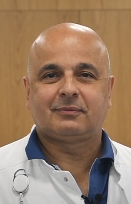 Messoud Ashina合作论文数Human Migraine Research Unit, Danish Headache Center;Department of Neurology, Faculty of Medical and Health Sciences, University of Copenhagen7
 Pranav K Gandhi合作论文数6Jing Xia合作论文数6S. Hutchinson合作论文数6A. M. Blumenfeld合作论文数6H. Guo合作论文数6Hua Guo合作论文数6Jonathan Stokes合作论文数6
 Todd J. Schwedt合作论文数Department of Neurology, Mayo Clinic6B. Klein合作论文数5P. McAllister合作论文数5K. Lu合作论文数5Matthew Butler合作论文数5
 Susan Bressman合作论文数Department of Neurology, Icahn School of Medicine at Mount Sinai5
 Stephen Silberstein合作论文数Jefferson Headache Center, Sidney Kimmel Medical College, Thomas Jefferson University;Methodist Hospital Division, Thomas Jefferson University Hospital5
 Joel Perlmutter合作论文数5Kerry Knievel合作论文数4Y. Li合作论文数4Chengcheng Liu合作论文数4Nirenberg Melissa J合作论文数4Peter Mcallister合作论文数4
 Hyder A. Buz Jinnah合作论文数Hess-Jinnah Lab, Departments of Neurology and Human Genetics, School of Medicine, Emory University4
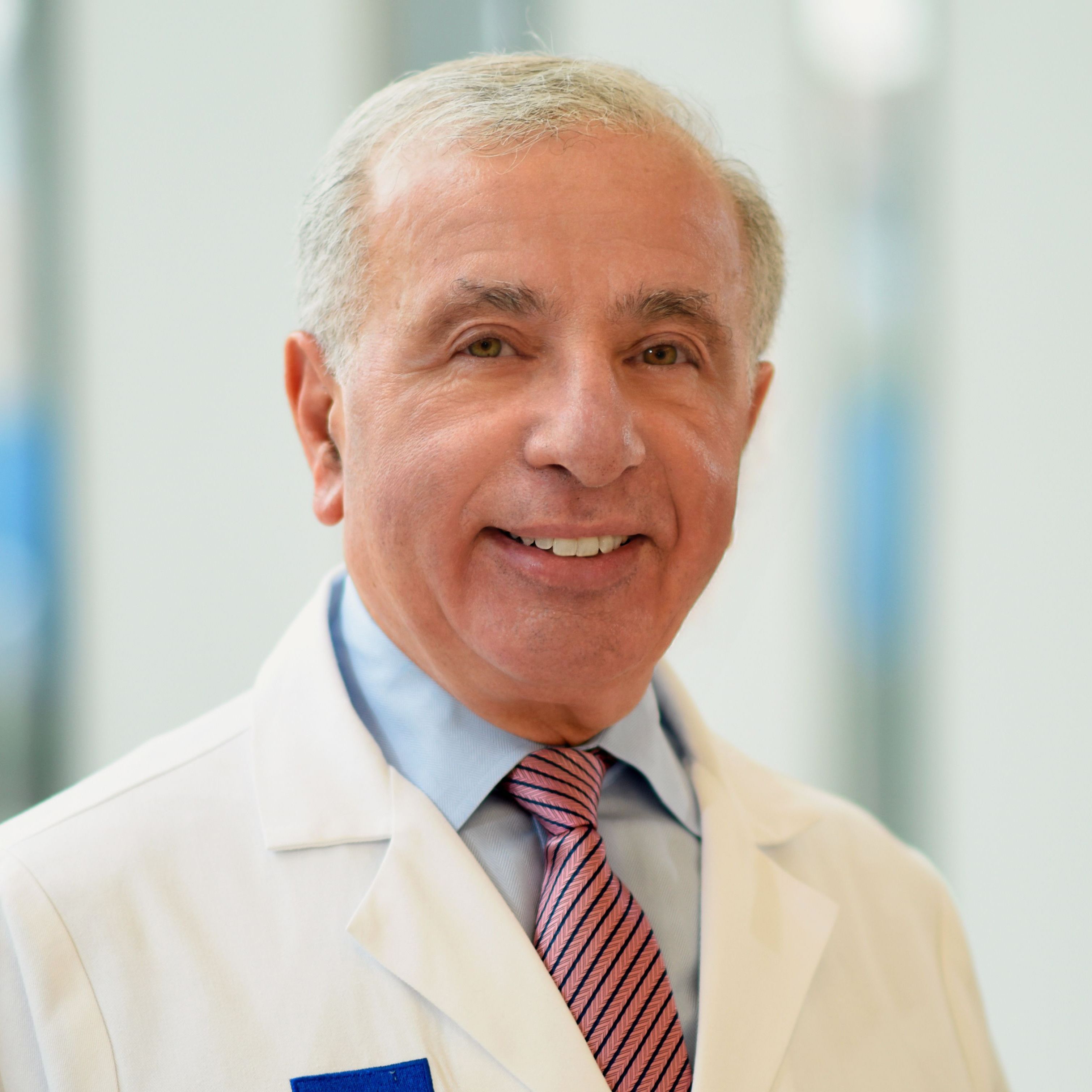 Joseph Jankovic合作论文数Parkinson's Disease Center and Movement Disorders Clinic, Baylor College of Medicine;Department of Neurology, Baylor College of Medicine4Charles H. Adler合作论文数4Cynthia L. Comella合作论文数4Laszlo L. Mechtler合作论文数4Armin Szegedi合作论文数4
 Laurie Jean Ozelius合作论文数Massachusetts General Hospital;Harvard Medical School4Er Jakoi合作论文数3
 Ann Hunt合作论文数3Kaili Stanley合作论文数3




