Monitoring divertor detachment is indispensable for sustained tokamak operation under reactor-relevant conditions, yet remains challenging with conventional diagnostics. A physics-informed framework termed the X–point Ionization and Radiation Interface Structure (X–IRIS) is proposed for robust detachment assessment. By leveraging the relative phase shift between two sightlines adjacent to the X–point, X–IRIS furnishes a calibration-free metric of detachment states, independent of direct electron-temperature measurements near the divertor targets. This approach quantifies the direction and magnitude of turbulent filament transport between the X–point and divertor, uncovering the link between cross-separatrix flow asymmetry and detachment states. X–IRIS thus provides a promising solution for non-invasive detachment monitoring in next-generation tokamak reactors.
High plasma density operation is crucial for a tokamak to achieve energy breakeven and burning plasma. However, there is often an empirical upper limit of electron density in tokamak operation, namely, the Greenwald density limit [Formula: see text], above which tokamaks generally disrupt. Achieving high-density operation above the density limit has been a long-standing challenge in magnetic confinement fusion research. Here, we report experimental results on the Experimental Advanced Superconducting Tokamak (EAST) achieving line-averaged electron density in the range of (1.3 to 1.65) [Formula: see text], significantly above the typical EAST operational range of (0.8 to 1.0) [Formula: see text]. This is performed with electron cyclotron resonance heating (ECRH)-assisted ohmic start-up and sufficiently high initial neutral density. These experiments are shown to operate in the density-free regime first predicted by a recent plasma-wall self-organization theory. These results suggest a promising scheme for substantially increasing the density limit in tokamaks, a critical advancement toward achieving burning plasma.
The study on scaling the scrape-off layer (SOL) power width (lambda q) is crucial for deepening the understanding of the SOL particle and heat transports. Due to the sparse distribution of the divertor Langmuir probes and the erosion of probe tips during the long-pulse high-performance operations on EAST, the estimation of SOL particle flux width (lambda js, used to approximate lambda q) from the measured ion saturation current density profile (js) usually has relatively large uncertainty. This paper introduces a maximum a posteriori estimation method based on the Bayes' theorem to reduce the fitting uncertainty for lambda js (the fitting accuracy increases by 33% in terms of mean absolute error compared with the traditional ordinary least squares estimation). With the new estimation method and the FreeGS equilibrium code, the databases in Liu et al (2024 Nucl. Fusion 64 026002) are updated, which are further used to scale lambda js. Compared with the old lambda js scalings for the L-mode and H-mode databases in deuterium and helium plasmas, the updated lambda js scalings show better regression quality with similar results. The deuterium and helium databases for L-mode and H-mode plasmas can be combined to get a unified scaling, lambda js[mm]= 1.35(Lc[ m])1.07fGW0.46 beta p-0.38(PSOL/SLCFS[MW & sdot;m-2])0.27Z0.23, where Lc is the averaged SOL connection length, fGW is the fraction of Greenwald density, beta p is the poloidal beta, PSOL is the power crossing the last closed flux surface (LCFS), SLCFS is the surface area of the LCFS, and Z is the charge number. The unified scaling reveals that: (i) lambda js has a strong scaling dependence on the SOL connection length suggesting the missing scaling dependence on the machine size for the Eich scaling; (ii) the helium lambda js is slightly larger than the deuterium lambda js. Furthermore, the scalings for integrated particle flux width are also given in this paper.
The alkali beam emission spectroscopy diagnostic is an active spectroscopic diagnostic method that can measure edge electron density profile and density fluctuation. Due to the limitations of the previous lithium beam emission spectroscopy (Li-BES) (Zoletnik et al 2018 Rev. Sci. Instrum. 89 063503) installed on the Experimental Advanced Superconducting Tokamak (EAST), providing edge electron density profile and density fluctuation, its upgrade to a sodium beam emission spectroscopy (Na-BES) is now in process. Here, we report a performance prediction of upgrading the existing Li-BES diagnostic detecting the Li-I(2p-2s) line emission to the ongoing Na-BES diagnostic detecting the Na-I(3p-3s) line emission on EAST. This is done by calculating the occupation numbers of different atomic states of sodium and lithium resulting from collisions with the bulk plasma particles using a collisional-radiative model. During the calculations, the beam energy and the electron density profile (starting from an experimental measurement in an EAST H-mode discharge) are respectively varied. Calculation results demonstrate that, in contrast to Li(2p) state, the radial extension of Na(3p) occupation number distribution is shallower (still appropriate for pedestal measurements) and less influenced by the change in either beam energy or electron density profile. Moreover, although the occupation numbers of Na(3p) are approximately half those of Li(2p), under identical beam current conditions, the lower velocity of the sodium particles with a much higher density results in a higher total population of Na(3p) than that of Li(2p). Considering the significantly higher spontaneous transition coefficient of Na(3p) compared to Li(2p), along with the improved optical system, the signal intensity of Na-BES with a 50% pixel size is predicted to be 2-6 times higher than that of Li-BES in the edge region of EAST. When we further consider a much lower background impurity emission close to the Na-I line wavelength, our calculation suggests that a significantly improved system performance of such a Li-BES to Na-BES upgrade may be accomplished on EAST.
Impurity seeding is crucial for power exhaust in future power plants. In the presented analysis, neon seeding for the Experimental Advanced Superconducting Tokamak (EAST) tokamak is studied. Experiments from the 2019 campaign are taken as a starting point for SOLPS-ITER simulations. In a next step, these simulations are used to study the effect of neon seeding in EAST. It is shown that drift flows are crucial to predict correctly where the ionization sources are located and determines the stagnation point, both for the main ion species (deuterium) as for the neon impurities. Line radiation of neon is only a major contribution to the radiated power fraction when detachment is achieved. In the other cases neutral radiation, and radiation due to background impurities (in the simulations assumed as a carbon–oxygen mixture) is dominating the radiation. This large neutral radiation indicates the importance of neutral transport. In the simulations elastic collisions, ionizing dissociation and charge exchange are considered. Volumetric recombination does not play an important role, even not in the detached simulation. Comparison with findings on other devices shows that the observed patterns are similar. The transport analysis shows that Ne ^+ leaks towards the core explaining why it is difficult to perform experiments with only neon as a radiative species for EAST-size devices.
Tungsten erosion and re-deposition have been simulated by the Monte Carlo code ERO for the EAST upper outer divertor, with a comparative study specifically addressing the effects of carbon and lithium impurities on tungsten target erosion under helium versus deuterium plasma discharge conditions. The simulations indicate that tungsten erosion in helium discharges is significantly higher than in deuterium discharges due to a higher sputtering yield by helium ions. In deuterium discharges, the tungsten gross erosion rate initially rises with increasing carbon concentration in background plasma due to enhanced tungsten sputtering by carbon, and then decreases due to the protective effects of carbon deposition on the tungsten surface. In contrast, in helium discharges, an increase in background carbon concentration leads directly to a lower tungsten gross erosion rate, as helium sputtering dominates the tungsten erosion process. Lithium impurities play a notable protective role against tungsten erosion in both helium and deuterium discharges. Assuming suitable lithium and carbon concentrations, the modelling results align well with experimental data. The simulations offer key insights into tungsten erosion processes in deuterium and helium discharges.
Geodesic acoustic mode (GAM) is the finite frequency counterpart of zonal flow in toroidal plasmas, which could be excited by and regulate turbulence. This article reports a stationary eigenmode GAM at the inner side of the edge radial electric field contributing to an extreme high confinement plasma with H-98 > 1.3. Such GAM could be observed exclusively in the vicinity of the pedestal top, but not in the pedestal region itself, which represents a previously unreported phenomenon. The bicoherence analysis demonstrates a robust interaction between the GAM and quasi coherent mode (QCM). Statistical evidence indicates that GAMs with such characteristics display a proclivity for a large q(95) and low collisionality in all instances of H-mode accompanied by QCM. Based on the Gyro-kinetic simulation, the QCM is the low n trapped electron mode (TEM) and that the GAM is driven by TEM. Furthermore, the simulations show that the amplitude of GAM declines in conjunction with an increase in the collisionality, which is consistent with the experimental statistics. Additionally, the simulations demonstrate that the turbulent transport exhibits a corresponding decrease as GAM amplitude declines, implying that GAM and its interaction with the QCM would play an important role in the stability and confinement enhancement of such H-mode.
Recent high-poloidal-beta (high-beta P) experiments on DIII-D and EAST have made coordinated breakthroughs for high confinement quality at high density near the Greenwald limit. Density gradient amplification of turbulence suppression at high beta P can explain both of these achievements. Experiments on DIII-D have achieved Greenwald fraction (f(Gr) = line-averaged density/Greenwald density) above 1 simultaneously with normalized energy confinement (H98y2) around 1.5, as required in fusion reactor designs but never before verified in tokamak experiments with the divertor configuration. A synergy between increased H98y2 and f(Gr )is observed with strong gas puffing, due to the build-up of an internal transport barrier at large radius in the temperature and density channels. Transport simulations reveal that the favorable trend of reduced turbulent energy transport at higher density is only expected when increasing the density gradient at high local safety factor and high beta, thus at high beta P to ensure strong alpha-stabilization. These conditions are crucial to many conceptual designs for steady-state reactors. New experiments on EAST have nearly doubled the ion temperature at f(Gr)similar to 0.9, consistent with predict-first modeling results based on the same physics revealed from the DIII-D analysis. All previous EAST long-pulse H-modes have Ti << Te near plasma axis. Transport modeling indicates that the profiles are limited by ion-temperature-gradient modes at mid-radius. The modeling also suggested potential solutions, including reducing magnetic shear, enhancing density gradients, and higher impurity concentration. Following this guidance, EAST experiments directly show a strong enhancement of Ti achieved with a combination of a second plasma current ramp-up, a density gradient increase, and a Zeff perturbation by a short pulse (100 ms) of impurity injection, as predicted by the earlier modeling.
Upper single-null H-mode detachment experiments on EAST were carried out with an ITER-like tungsten divertor, and it was found that the detachment threshold of the upper outer divertor was significantly lower under an unfavorable toroidal magnetic field (B-t) than a favorable B-t. In this work, SOLPS-ITER simulations are carried out to study the effects of B-t direction on the detachment threshold to explain the experimental observations. The simulation results are compared with the experiments, showing reasonable agreement with the diagnostics, and the simulation setups and parameters are thus determined. Based on the simulation data, two-point model formatting is applied to the flux tube where detachment occurs. A quantitative comparison highlights the critical roles of the upstream parallel heat flux and the downstream momentum and energy loss factors on the ion saturation current density at the target ( j(sat,t)). Further analysis of the simulation results indicates that due to the influence of ExB drift on the convective heat flux, combined with the presence of heat transport associated with parallel current, the upstream heat flux is reduced under unfavorable B-t, while in the downstream region the divergence of the ExB drift flux acts as a particle source under unfavorable B-t and as a sink under favorable B-t, leading to increased momentum and energy losses under unfavorable B-t. These factors collectively cause a lower detachment threshold under unfavorable B-t.
The three-dimensional (3D) edge Monte Carlo transport code EMC3-EIRENE has been employed to study edge plasma and impurity transport with toroidally localized argon seeding using the Chinese fusion engineering testing reactor (CFETR) X-divertor configuration. The argon impurity seeded at different poloidal locations was investigated to evaluate the varied profile of the main plasma in the scrape-off layer (SOL) and on the divertor targets, which showed a strong dependence on the poloidal position of argon gas puffing. The argon impurity seeded in the upstream SOL regions can result in a toroidally asymmetric distribution of electron density and temperature, while a toroidally symmetric distribution was obtained for argon seeded in the strike point regions. The deposition pattern of electron density and temperature showed several lobe-like and island-like structures on the 3D divertor targets of CFETR with upstream argon injection, whereas a perturbed profile was achieved for argon seeding in the strike point regions. In order to verify the toroidal asymmetry of heat load distribution, the argon impurity seeded at different poloidal locations was investigated to estimate its influence on the toroidal heat load on divertor plates. The argon injected in the strike point regions gave rise to a toroidal asymmetry of heat load distribution on divertor targets, while a toroidal symmetry of heat load distribution was observed for argon injected in upstream SOL locations.
Velocity fluctuations are of significant importance in plasma transport in magnetic confinement devices. Measurements of the (E) over right arrow x (B) over right arrow velocity fluctuation ((v) over tilde (ExB)) in the core region associated with the fishbone instability have been carried out on EAST using a W-band X-mode Doppler reflectometry (DR). For internal kink-like mode, Doppler shift fluctuations of probing beams due to deformation or advection of the cut-off layer are small. The (v) over tilde (ExB) amplitude inside the resonant surface is measured to be 1 - 5 km s(-1) and is linearly proportional to the poloidal magnetic fluctuation, as expected from the ideal MHD instabilities. Furthermore, the radial velocity fluctuation ((v) over tilde (r)) inferred from the density fluctuation is comparable to (v) over tilde (ExB), which is consistent with the plasma incompressibility. This is the first measurement on the poloidal flow fluctuation generated by fishbone bursts. The potential impact of such significant flow fluctuations on turbulence in core plasma through flow shear or dynamo effect is a subject that merits further investigation.
Radiative divertor detachment with impurity seeding is considered one of the most promising means for mitigating particle and heat fluxes on the divertor target. To measure the impurity radiation distribution, a tangentially viewing camera system for lower divertor plasma observation has been developed and installed on EAST. A reconstructed 2D distribution of N II line radiation is obtained based on Phillips-Tikhonov regularization, revealing the electron temperature region in the range of 6-10 eV during a nitrogen (N2) seeding experiment. With N2 seeding, the deep detachment with the stable X-point radiator (XPR) has been achieved on EAST with a tungsten divertor and metal first wall components. The profiles of Tet and qt with a distance to the strike point larger than 6 cm (rho similar to 1.06) are radially flat on the outer divertor target in the deeply detached state. The XPR contributes to the effective divertor protection with mitigation of heat/particle fluxes and suppression of divertor target sputtering.
Divertor detachment is crucial for particle and power exhaust in future fusion reactors. The EAST lower tungsten divertor, with its ‘corner slot’ structure, exhibits remarkable geometric closure, and thus enhances neutral trapping. In this work, SOLPS-ITER modeling based on EAST experiments is conducted to explore the underlying mechanisms of the effects of strike point location on energy and particle detachment. Three H-mode cases with strike point locations on the horizontal target, corner and vertical target are selected for the investigation. Comparisons of the detachment thresholds between the three cases via density scan modeling demonstrate satisfactory consistency with experiments. It is found that among the three cases the horizontal target has the lowest detachment threshold. This is attributed to recycled neutrals accumulating in the closed corner to form a neutral cushion with intense neutral–plasma interactions, where energy and momentum losses are more significant. Furthermore, the energy and momentum losses are closely linked, and the correlation between volumetric losses and target temperature is established. Additionally, the contributions of different collisions on the energy and momentum balance in the particle detachment regime are quantitatively evaluated. The simulations indicate that atom–plasma charge exchange collisions make significant contributions to the momentum loss, thus reducing the ion flux to the target; meanwhile, molecule–plasma elastic collisions play a key role in the closed corner with strong molecule accumulation. Molecule-associated recombination also provides a potential volumetric recombination channel to reduce the ion target flux. This study improves the understanding of strike point location and neutral–plasma collisions on momentum and energy detachment, which is important for divertor optimization and heat flux control, supporting long-pulse detachment operation in EAST.
The self-consistent simulation of the edge plasma is crucial for exploring the edge plasma solution compatible with high-performance plasma. While self-consistent edge plasma simulation is subject to the large gap between the turbulence and transport time scales, the coupling simulation of the turbulence and transport code is considered a reasonable way with both solid physics foundations and tolerable computational consumption. In this work, for the purpose of implementing the self-consistent turbulence-transport coupling simulation of the edge plasma automatically and efficiently, a simulation framework called edge plasma coupling simulation (EPCS) is developed based on Python. EPCS consists of various components to provide the interfaces for the specified turbulence and transport codes (BOUT++ and SOLPS-ITER at the present stage), the data transfer interfaces between the turbulence and transport code, the code running drivers and the function for configuration of the specified coupling simulation workflow. The inverse bilinear interpolation/bivariate spline interpolation under the flux-surface-aligned coordinate system is used to realize the accurate data transfer between different codes, and the breadth-first search algorithm is adopted to accelerate the interpolation process. A quasi-steady state identification method based on the coefficient of variation is developed to speed up the coupling simulation by terminating the turbulence simulation in time. Based on the components in EPCS, a steady-state coupling simulation workflow is developed, where the edge plasma is simulated by iterations of turbulence and transport codes. The steady-state coupling simulation workflow is validated by comparing the converged plasma profiles with EAST experiments (edge-localized-mode-free stage) at both upstream and divertor target, which implies the capability and flexibility of EPCS for the self-consistent simulation of the edge plasma under steady state.
The effect of neon seeding on different transport mechanisms in EAST is investigated by analyzing SOLPSITER simulations. By evaluating the agreement between experimental observations and the performed simulations, four simulations are selected for a detailed analysis. In this analysis, it is shown that the presence of neon reduces the influence of drifts on the simulated profiles. In the simulation results, double peaked profiles/profiles with two valleys are observed at the divertor targets which can be explained by the parallel drift velocities These drifts move particles from the outboard towards the inboard side and, in that way, also increase the ionization sources at the inboard side. It is shown that Ne+ leaks towards the core making it difficult to perform experiments which contain as much neon as in the SOLPS-ITER simulations. In fact, the level of neon in the experiments is limited by the HL backtransition which takes place if higher order states of neon ionize in the core and cause in that way too much core radiation. Furthermore, the analysis of the radiated power profiles suggests that the presence of other radiators besides neon is important to bring the experiments into detachment. The ionization of deuterium is the most important neutral reaction present in the simulations. The amount of ionized deuterium is decreased when large amounts of neon are present and the anomalous transport is modified. Therefore, it is concluded that for the analyzed simulations, neon increases the radiated power fraction, decreases the deuterium ionization, increases the neutral friction, but does not manage to cause significant influence of deuterium recombination. As a consequence, volumetric recombination only plays a minor role in the studied simulations.
Silicon nitride (Si3N4) powder possesses a high refractive index and a significant ultraviolet (UV) absorptivity, consequently enabling great challenges in the fabrication of Si3N4 ceramics using vat photopolymerization. The TEM, SEM, XRD and XPS results indicate that the yttrium aluminum garnet (YAG) can be coated on the surface of Si3N4 ceramic powder using a non-aqueous chemical precipitation coating (NCP) process, and the effects of ceramic powder coating treatment on the curing behavior, rheological of Si3N4 slurry, and the microstructure and mechanical properties of Si3N4 ceramics were systematically investigated in this work, based on the detailed performance comparisons between the Si3N4 samples manufactured using the NCP and traditional wet ball-milling (WBM) methods, respectively. Results demonstrated that the uniform distribution of YAG film on the surface of Si3N4 powder notably can favor the enhancement of the rheological and curing behaviors of Si3N4 ceramic slurries. The viscosity of NCP ceramic slurry was observed to be 42.25 % lower than that of WBM ceramic slurry at a shear rate of 35 s(-1). Additionally, the cure depth of NCP ceramic slurry with the solid loading of 30 vol% at the exposure energy of 159.6 mJ/cm(2) was measured to be 35.4 mu m, which is 22.49 % higher than that of the WBM ceramic slurry. Moreover, compared with the WBM ceramic slurry at the same curing depth, the NCP ceramic slurry demonstrates higher precision in shaping dimensions. The bending strength and Weibull modulus of NCP-SN sample were 833.74 +/- 39.35 MPa and 25.15, respectively, which were 17.64 % and 173.07 % higher than those of WBM-SN sample. This improvement is attributed to the advantageous aspects of the NCP process, which promote the uniform distribution of the liquid phase, facilitate the sintering densification of Si3N4 ceramic, and accelerate the formation of elongated crystalline grains. Ultimately, superior-quality Si3N4 components with distinct contours were successfully fabricated. The methodology proposed in this work contributes to advancing the rapid manufacturing and performance optimization of the intricately structured Si3N4 ceramic components.
Impurity seeding is typically used to achieve plasma detachment. In this study, nitrogen (N 2 ) seeding detachment experiments are performed on EAST in high-confinement mode (H-mode) plasmas. The experiments are conducted under full-metal-wall conditions, featuring a tungsten divertor and boronized first wall surfaces. The radiation characteristics near the lower X-point region during plasma detachment are systematically investigated. The formation of the X-point radiation region is observed, primarily contributed by the radiation from seeded impurities. The X-point radiation intensity is related to the N 2 seeding rates and the degree of detachment. During the partial detachment with low N 2 seeding rates, the X-point radiation remains weak. However, as the N 2 seeding rate increases, a strong X-point radiation region emerges along with the deep detachment process. The strong X-point radiation can be a direct consequence of deep divertor detachment. When the amount of N 2 injected is excessive, the strong X-point radiation region can expand upwards toward the bulk plasma region, leading to modifications of the plasma parameter profiles. Nevertheless, the upward expansion of the strong X-point radiation region does not adversely affect the sustained deep detachment state and remains compatible with H-mode confinement, with only a slight confinement degradation of no more than 10%.
In the Experimental Advanced Superconducting Tokamak (EAST), a transition from electromagnetic to electrostatic turbulence is observed in the pedestal region as plasma density ramps up. This transition is manifested by the suppression of magnetic fluctuations and the presence of broadband electrostatic turbulence. The frequency domain of the electrostatic turbulence is typically beyond 300 kHz. It leads to a rapid build-up of density gradient and a sharp degradation of energy confinement. By reducing the gas puffing rate, a prolonged intermediate transition phase is observed, and the confinement improved with increasing density in this phase. The emergence of broad electrostatic turbulence is associated with the enhanced turbulence control parameter α _t , together with a weaken edge radial electric field. Furthermore, the impact of the turbulence transition to scrape-off layer (SOL) transport is evaluated. Measurements suggested that radial particle flux and intermittent structures are strengthened after the transition. Moreover, the profiles in the far SOL are broaden with increase of α _t . The properties of the magnetic fluctuations are consistent with the nature of the magnetic coherent mode previously observed in EAST, while the broad electrostatic turbulence is proposed to be an ion temperature gradient mode by the Gyrokinetic Electromagnetic Numerical Experiment simulation. It is clarified that the energy confinement degradation in high-density regimes is primarily driven by the broadband turbulence rather than divertor detachment. These findings advance our understanding of high-density H-mode plasmas and provides additional insights into the interplay between edge turbulence and global confinement properties.
Velocity fluctuations are of significant importance in plasma transport in magnetic confinement devices. Measurements of the $\vec{E}\times\vec{B}$ velocity fluctuation ( $\widetilde{v}_{E\times B}$ ) in the core region associated with the fishbone instability have been carried out on EAST using a W-band X-mode Doppler reflectometry (DR). For internal kink-like mode, Doppler shift fluctuations of probing beams due to deformation or advection of the cut-off layer are small. The $\widetilde{v}_{E\times B}$ amplitude inside the resonant surface is measured to be $1-5~\mathrm{km\,s}^{-1}$ and is linearly proportional to the poloidal magnetic fluctuation, as expected from the ideal MHD instabilities. Furthermore, the radial velocity fluctuation ( $\widetilde{v}_r$ ) inferred from the density fluctuation is comparable to $\widetilde{v}_{E\times B}$ , which is consistent with the plasma incompressibility. This is the first measurement on the poloidal flow fluctuation generated by fishbone bursts. The potential impact of such significant flow fluctuations on turbulence in core plasma through flow shear or dynamo effect is a subject that merits further investigation.
High plasma density operation is crucial for a tokamak to achieve energy breakeven and a burning plasma. However, there is often an empirical upper limit of electron density in tokamak operation, namely the Greenwald density limit $n_G$, above which tokamaks generally disrupt. Achieving high-density operations above the density limit has been a long-standing challenge in magnetic confinement fusion research. Here, we report experimental results on EAST tokamak achieving the line-averaged electron density in the range of 1.3 $n_G$ to 1.65 $n_G$,while the usual range in EAST is (0.8-1.0)$n_G$. This is performed with ECRH-assisted Ohmic start-up and a sufficiently high initial neutral density. This is motivated by and consistent with predictions of a recent plasma-wall self-organization (PWSO) theory, that increasing ECRH power or pre-filled gas pressure leads to lower plasma temperatures around divertor target and higher density limits. In addition, the experiments are shown to operate in the density-free regime predicted by the PWSO model. These results suggest a promising scheme for substantially increasing the density limit in tokamaks, a critical advancement toward achieving the burning plasma.
 Guosheng Xu (徐国盛)合作论文数Institute of Plasma Physics, Chinese Academy of Sciences;Hefei Institutes of Physical Science, Chinese Academy of Sciences;University of Science and Technology of China175
 Ning Yan合作论文数91
 Baonian Wan (万宝年)合作论文数Institute of Plasma Physics, Hefei Institutes of Physical Science, Chinese Academy of Sciences88
 Xianzu Gong (龚先祖)合作论文数Institute of Plasma Physics, Chinese Academy of Sciences84
 Houyang Guo (郭后扬)合作论文数Tri Alpha Energy83
 Huiqian Wang合作论文数General Atomics80
 Yanmin Duan (段艳敏)合作论文数Division of Plasma Diagnostics, Institute of Plasma Physics, Chinese Academy of Sciences75jie cheng xu合作论文数59R. Chen合作论文数56Siye Ding (丁斯晔)合作论文数Division of Plasma Diagnostics, Institute of Plasma Physics, Chinese Academy of Sciences56
 Haiqing Liu (刘海庆)合作论文数Division of Plasma Diagnostics, Chinese Academy of Sciences56
 Rui Ding (丁锐)合作论文数Institute of Plasma Physics, Chinese Academy of Sciences55
 Qingquan Yang合作论文数Institute of Plasma Physics, Chinese Academy of Sciences54
 Jiansheng Hu (胡建生)合作论文数Institute of Plasma Physics, Hefei Institutes of Physical Science, Chinese Academy of Sciences53
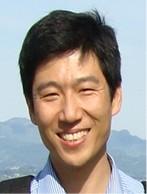 Yunfeng Liang (梁云峰)合作论文数Institute of Plasma Physics, Chinese Academy of Science52
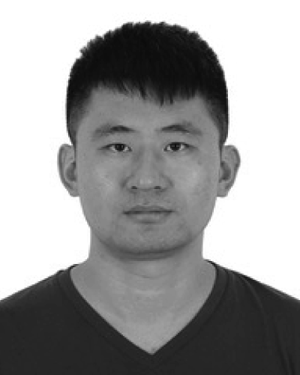 Bin Zhang合作论文数49
 L. Chen合作论文数48Guanghai Hu合作论文数48Liu,J合作论文数46
 Ling Zhang (张凌)合作论文数中国科学院宁波材料技术与工程研究所46Q. Zang合作论文数44
 Youwen Sun (孙有文)合作论文数Institute of Plasma Physics, Hefei Institutes of Physical Science, Chinese Academy of Sciences42
 Xiang Gao (高翔)合作论文数Hefei Institutes of Physical Science, Chinese Academy of Sciences;University of Science and Technology of China41Yifeng Wang合作论文数40W. Zhang合作论文数Brown Univ38
 Changsong Liu (刘长松)合作论文数Institute of Solid State Physics, Hefei Institutes of Physical Science, Chinese Academy of Sciences36L. M. Shao合作论文数35
 Chaofeng Sang (桑超峰)合作论文数School of Physics, Dalian University of Technology34
 Jiangang Li (李建刚)合作论文数Hefei Institutes of Physical Science, Chinese Academy of Sciences33Yang Ye合作论文数32
 Fang Ding合作论文数32
 Dezhen Wang (王德真)合作论文数School of Physics, Dalian University of Technology32J. Qian合作论文数32X. Lin合作论文数31
 Juan Huang (黄娟)合作论文数中国科学技术大学中科院合肥物质科学研究院等离子体所31
 Jizhong Sun (孙继忠)合作论文数School of Physics, Dalian University of Technology31
 Qing Zang (臧庆)合作论文数30Xinjun Zhang (张新军)合作论文数30
 Zhongshi Yang (杨钟时)合作论文数School of Materials and Chemical Engineering, Anhui Jianzhu University;Hefei Institutes of Physical Science, Chinese Academy of Sciences30
 Liqun Hu (胡立群)合作论文数Hefei Institutes of Physical Science, Chinese Academy of Sciences;Division of Plasma Diagnostics, Institute of Plasma Physics, Chinese Academy of Sciences30Jichan Xu合作论文数29Long Zeng (曾龙)合作论文数29
 Q. P. Yuan合作论文数29
 l z yu合作论文数27Guizhong Zuo合作论文数27
 Andrea M Garofalo合作论文数General Atomics27
 Lingyi Meng (孟令一)合作论文数Fujian Institute of Research on the Structure of Matter, Chinese Academy of Sciences;University of Chinese Academy of Sciences26
 Kaifu Gan合作论文数The University of Tennessee, Knoxville26




