Background and purpose: The objective of this article is to create guidelines for education interventions in the management of patients (>18 years old) with rheumatoid arthritis (RA).Methods: The Ottawa Methods Group identified and synthesized evidence from comparative controlled trials using Cochrane Collaboration methods. The group then formed an expert panel, which developed a set of criteria for grading the strength of the evidence and the recommendation. Patient-important outcomes were determined through consensus, provided that these outcomes were assessed with validated and reliable scales.Results: Sixty-four positive recommendations of clinical benefit (35 of A level and 29 of C+ level) were developed for patient education in RA.Discussion and conclusion: For the management of rheumatoid arthritis, the use of patient education is recommended by the Ottawa Panel.
Background and Purpose. The objective of this review was to construct an updated evidence-based clinical practice guideline on the use of physical activity and diet for the management of osteoarthritis (OA) in adults (>18 years of age) who are obese or overweight (body mass index >= 25 kg/m(2)).Data Sources. Articles were extracted from the following databases: MEDLINE, EMBASE (Current Contents), SPORTDiscus, SUM, Scopus, CINAHL, AMED, BIOMED, PubMed, ERIC, the Cochrane Controlled Trials, and PEDro.Study Selection. The Ottawa Panel and research assistance team strictly applied the inclusion and exclusion criteria from previous Ottawa Panel publications.Data Extraction. An a priori literature search was conducted for articles related to obesity and OA of the lower extremities that were published from January 1, 1966, to November 30, 2010. Inclusion criteria and the methods to grade the recommendations were created by the Ottawa Panel.Data Synthesis. Recommendations were graded based on the strength of evidence (A, B, C, C+, D, D+, or D-) as well as experimental design (I for randomized controlled trials and II for nonrandomized studies). In agreement with previous Ottawa Panel methods, Cochrane Collaboration methods were utilized for statistical analysis. Clinical significance was established by an improvement of >= 15% in the experimental group compared with the control group. There were a total of 79 recommendations from 9 articles. From these recommendations, there were 36 positive recommendations: 21 grade A and 15 grade C+. There were no grade B recommendations, and all recommendations were of clinical benefit.Limitations. Further research is needed, as more than half of the trials were of low methodological quality.Conclusions. This review suggests that physical activity and diet programs are beneficial, specifically for pain relief (9 grade A recommendations) and improved functional status (6 grade A and 7 grade C+ recommendations), for adults with OA who are obese or overweight. The Ottawa Panel was able to demonstrate that when comparing physical activity alone, diet alone, physical activity combined with diet, and control groups, the intervention including physical activity and diet produced the most beneficial results.
Background and Purpose: The objective of this study was to create guidelines for the use of strengthening exercises in the management of adult patients (>18 years of age) with fibromyalgia (FM), as defined by the 1990 American College of Rheumatology criteria. Methods: Following Cochrane Collaboration methods, the Ottawa Methods Group found and synthesized evidence from comparative controlled trials and formed the Ottawa Panel, with nominated experts from key stakeholder organizations. The Ottawa Panel then developed criteria for grading the recommendations based on experimental design (I for randomized controlled trials, II for nonrandomized studies) and strength of evidence (A, B, C+, C, D+, D, or D−). From the rigorous literature search, 5 randomized controlled trials were selected. Statistical analysis was based on Cochrane Collaboration methods. Continuous data were calculated with weighted mean differences between the intervention and control groups, and dichotomous data were analyzed with relative risks. Clinical improvement was calculated using absolute benefit and relative difference in change from baseline. Clinical significance was attained when an improvement of 15% relative to a control was found. Results: There were 5 positive recommendations: 2 grade A and 3 grade C+. All 5 were of clinical benefit. Discussion and Conclusion: The Ottawa Panel recommends strengthening exercises for the management of fibromyalgia as a result of the emerging evidence (grades A, B, and C+, although most trials were rated low quality) shown in the literature.
Background and Purpose. The objective of this study was to create guidelines for the use of strengthening exercises in the management of adult patients (> 18 years of age) with fibromyalgia (FM), as defined by the 1990 American College of Rheumatology criteria. Methods. Following Cochrane Collaboration methods, the Ottawa Methods Group found and synthesized evidence from comparative controlled trials and formed the Ottawa Panel, with nominated experts from key stakeholder organizations. The Ottawa Panel then developed criteria for grading the recommendations based on experimental design (I for randomized controlled trials, II for nonrandomized studies) and strength of evidence (A, B, C+, C, D+, D, or D-). From the rigorous literature search, 5 randomized controlled trials were selected. Statistical analysis was based on Cochrane Collaboration methods. Continuous data were calculated with weighted mean differences between the intervention and control groups, and dichotomous data were analyzed with relative risks. Clinical improvement was calculated using absolute benefit and relative difference in change from baseline. Clinical significance was attained when an improvement of 15% relative to a control was found. Results. There were 5 positive recommendations: 2 grade A and 3 grade C+. All 5 were of clinical benefit. Discussion and Conclusion. The Ottawa Panel recommends strengthening exercises for the management of fibromyalgia as a result of the emerging evidence (grades A, B, and C+, although most trials were rated low quality) shown in the literature.
Background and Purpose. The objective of this study was to create guidelines for the use of aerobic fitness exercises in the management of adult patients (> 18 years of age) with fibromyalgia, as defined by the 1990 American College of Rheumatology criteria.Methods. Following Cochrane Collaboration methods, the Ottawa Methods Group found and synthesized evidence from comparative controlled trials and formed the Ottawa Panel, with nominated experts from key stakeholder organizations. The Ottawa Panel then developed criteria for grading the recommendations based on experimental design (I for randomized controlled trials, 11 for nonrandomized studies) and strength of evidence (A, 13, C+, C, D+, D, or D-). From the rigorous literature search, 13 randomized control trials and 3 controlled clinical trials were selected. Statistical analysis was based on Cochrane Collaboration methods. Continuous data were calculated with weighted mean differences between the intervention and control groups, and dichotomous data were analyzed with relative risks. Clinical improvement was calculated using absolute benefit and relative difference in change from baseline. Clinical significance was attained when an improvement of 15% relative to a control was found.Results. There were 24 positive recommendations: 10 grade A, 1 grade B, and 13 grade C+. Of these 24 positive recommendations, only 5 were of clinical benefit.Discussion and Conclusion. The Ottawa Panel recommends aerobic fitness exercises for the management of fibromyalgia as a result of the emerging evidence (grades A, B, and C+, although most trials were rated low quality) shown in the literature.
 Russell-Doreleyers Marion合作论文数5Haines-Wangda Angela合作论文数5
 Peter Tugwell合作论文数Ottawa Hospital Research Institute;Centre for Global Health, University of Ottawa;Faculty of Medicine, University of Ottawa5
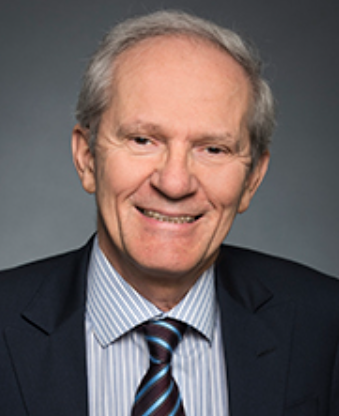 George A. Wells合作论文数School of Epidemiology and Public Health, Faculty of Medicine, University of Ottawa;Department of Medicine, University of Ottawa;Ottawa Hospital Research Institute, The Ottawa Hospital;Cardiovascular Research Methods Centre, Heart Institute, University of Ottawa5
 Mary Egan合作论文数5
 Claire-Jehanne Dubouloz合作论文数School of Rehabilitation Sciences, University of Ottawa5Lynn Casimiro合作论文数5
 Hillel M. Finestone合作论文数Sisters of Charity of Ottawa Health Centre, University of Ottawa5
 Lucie Brosseau合作论文数Faculty of Health Sciences, University of Ottawa5
 Alison L. Marshall合作论文数Institute of Health and Biomedical Innovation, Queensland University of Technology4
 Stéphane Poitras合作论文数Montreal Department of Public Health, McGill University4Veilleux Line合作论文数3
 Angela J Busch合作论文数3
 Harvey Moldofsky合作论文数Department of Psychiatry, Temerty Faculty of Medicine, University of Toronto3Vivian Robinson合作论文数3
 Warren Nielson合作论文数Department of Psychology, Western University;Lady Davis Institute for Medical Research3Jessie Mcgowan合作论文数3
 Keith G Wilson合作论文数Department of Psychology, State University of New York at Buffalo3Jessica McEwan合作论文数Hlth Sci Lib, Univ Ottawa2
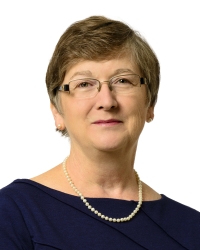 Mary Bell合作论文数Department of Medicine, Temerty Faculty of Medicine, University of Toronto;Division of Rheumatology, Department of Medicine, Sunnybrook Health Sciences Centre2
 Gino De Angelis合作论文数2
 Laurianne Loew合作论文数2
 Vivian Welch合作论文数School of Epidemiology and Public Health, Faculty of Medicine, University of Ottawa;Centre for Global Health, Bruyère Research Institute, University of Ottawa;Bruyere Research Institute2Lineker Sydney C合作论文数2Laferrière Lucie合作论文数2Manfred Harth合作论文数2adam teav合作论文数1
 Ivan Vukosavljevic合作论文数1M Harth合作论文数1
 Judy King合作论文数School of Rehabilitation Sciences, University of Ottawa1Smoljanić Jovana合作论文数1Milne Sarah C合作论文数Physiotherapy Department, Kingston Centre1
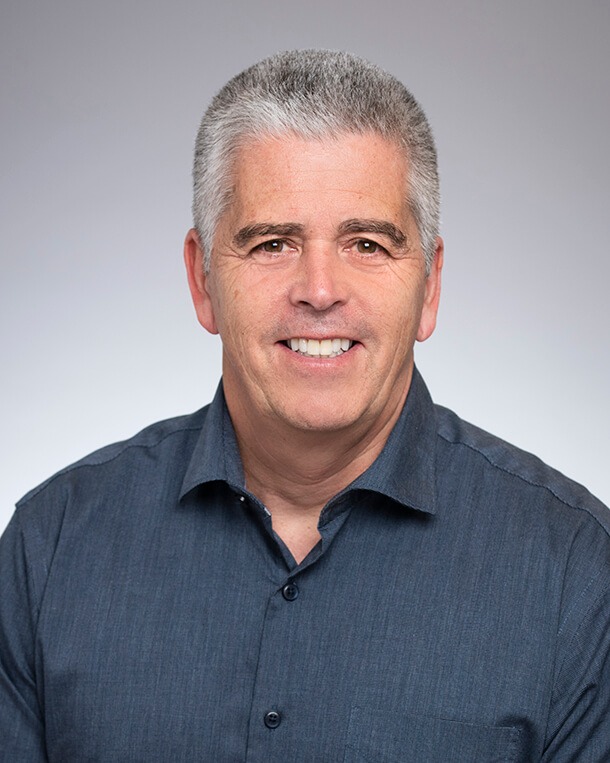 Glen Kenny合作论文数University of Ottawa1
 Eric Doucet合作论文数School of Human Kinetics, University of Ottawa1
 Jing Xian Li合作论文数School of Human Kinetics, University of Ottawa1Denis Prud'Homme合作论文数1
 Steve Messier合作论文数Department of Health & Exercise Science, Wake Forest University;Wake Forest Runners' Clinic, Wake Forest University1Wilma Jelly合作论文数1




