Coal-to-gas (CTG) has triggered long- and short-term energy evolutions, and urban-rural disparities in VOC sources, reactivity, toxicity, and O3 sensitivity. Scant research hindered targeted policy improvement. In winter 2024 pre-heating/heating seasons (PHS/HS), we measured 116 VOCs at urban/rural sites, and pioneered their quantifications of residential natural gas combustion (NGC) and pinpointing of NGC emission impacts. Together, we established Hebei provincial residential/industrial biomass/coal/NG emission inventories covering pre-/ongoing/post-CTG stages. From pre- to post-CTG (2012–2022), NG surged, coal diminished, and biomass rebounded (VOC emissions: +252.8%/–42.1%/+60.7%). NGC yielded lower emission factor of 64.1 μg/m3 NG consumed and alkane/alkene fractions than coal/biomass. Long-term combustion emissions (CE) declined stepwise within the “2+26” cities, with sporadic resurgence in coal-reliant urban and biomass-rebound rural areas. NG/LPG-usage contributions to VOCs and reactivity rose, and eventually isolated as an independent source in this study. Urban VOCs/ozone formation potential (OFP)/secondary organic aerosol potential (SOAP)/OH loss rate (LOH)/toxicity increased in HS compared to PHS driven mainly by heating coal combustion (CC) from thermal plants, while rural levels decreased regardless of resurgent biomass burning (BB). Increased urban CC, rural BB and decreased rural CC tracers in HS corroborated the foregoing findings. NGC dominated HS’s VOCs/OFP/SOAP/LOH, particularly in urban site, but not to toxicity. Arising mainly from CTG-related NOx declines, urban O3 shifted from VOC-limited (PHS) to VOC-NOx-limited (HS), while rural site transitioned from co-limited to NOx-limited. We clarified CTG effects on spatiotemporal disparities in energy and VOC emissions, delineating priority targets for region-specific control.
Various studies were conducted focused on the coal-to-gas (CTG) impacts on urban PM2.5 during its implementation. However, the continuity of CTG effectiveness on PM2.5 control in the post CTG remained unclear, especially in rural area, retarding the further emission-control policy optimization. To address this gap, we examined the wintertime rural PM2.5 variations within the Beijing–Tianjin–Hebei during the non-epidemic-lockdown period of winter 2020–2022. Of which, 2020 holds the most stringent CTG enforcement, 2021 marks the conclusion of CTG, and 2022 represents the post CTG. In this study, the PM2.5 levels in rural areas of the Beijing–Tianjin–Hebei region were monitored during the winters of 2020, 2021, and 2022. Meanwhile, multiple chemical analysis methods were employed to determine its chemical components. The Positive Matrix Factorization (PMF) modeling and Potential source contribution function (PSCF) analysis were employed to analyze the contributions of different sources to PM2.5. PM2.5 exhibited an average decrease of 30.4
Inevitably, both unblocking of the COVID-19 (UNCOV) and uncertainty in the clean heating policy (2017–2021) in winter 2022 imposed complex impacts on PM2.5 variations. Together, the urban-rural and rural-rural disparities in these impacts remain unclear. To address this gap, we conducted a synchronous observation at urban (UA)/suburban rural (SRA)/remote rural (RRA) areas to probe PM2.5 evolutions in the post COVID-19/clean-heating (PCOV/PCH) period for further site-specific policy implications. Similar meteorological conditions among sites benefited examining the effects of emission variations. On average, PM2.5 presented a decline order as RRA > UA > SRA. Invoking the positive matrix factorization (PMF) results, specially, the primary emissions (PE) rebounded again after experiencing a continuous decline since the stringent emission-control polices initiated in 2013. PE contributions were up to 80.2 %–83.0 % for three points. SRA benefited most from coal-to-gas and coal combustion (CC) has become its minimum contributor (10.8 %). Concurrently, subsidy reduction and natural-gas (NG) shortage compelled biomass burning (BB) to be the largest origin (21.9 %) marked by the highest K+, Cl− and OC/EC. Regarding RRA, CC (26.5 %) and BB (19.6 %) have been the first and second largest origins despite that the coal-to-electricity policy, indicating the slowdown of policy enforcement. The highest SO42−, As, Sb, Tl, OC, EC and the lowest NO3−/SO42− further verified the dominant CC. Production recovery made industrial emissions (IE) become the largest source (26.8 %) at UA. The metal associated health risks peaked at RRA due to large impacts of CC, though the most of metals related to small-scale industries peaked at UA. This is the first work to highlight that more targeted site-specific strategies in prevention/control of dominant primary sources should be formulated in the PCOV/CH period.
Despite rapid development in China, small-scale boilers (SCBs) still occupy a prominent place in industry. Due to the lack of pollutant removal devices (RDs), SCBs emit large quantities of pollutants, which merit increased attention. In this study, various SCBs (operating on coal, gangue, coke oven gas, coal gas, and natural gas) used in bathing, heating, power generation, and coke and cement making were investigated for their SO2, NOx, and PM emission factors (EFs). The EFs were expressed as the emitted pollutant mass associated with fuel consumption (EFI), product yield (EFII), industrial output (EFIII), and power generation (EFIV). Of 17 civil SCBs, 4, 14, and 10 were not equipped with PM, NOx, and SO2 RDs, respectively. Generally, the EFI values for all of the SCBs decreased with increasing coal consumption. The averaged NOx EFI value for the 3 SCBs with installed NOx RDs was 2.00 kg t–1 versus 3.16 kg t–1 for the 17 SCBs. The sulfur content of the coal and the SO2 removal rate were highly influential factors for the SO2 EFI values. The 4 SCBs without PM RDs possessed an average EFI value of 23.9 kg t–1, which was higher than the corresponding 5.41 kg t–1 for the 13 boilers equipped with PM RDs. The EFI, EFII, and EFIV values for 9 coal-fired power plants (PPs) exhibited the same trends, decreasing as the capacity of the PPs increased from 6 to 330 MW, although slightly higher EFs were found for 600 MW plants compared to 330 MW plants. The gas-fired PPs possessed higher NOx EFs than both the coal- and gangue-fired plants, and the gangue-fired PPs displayed significantly higher EFs than coal-fired PPs with the same individual block power capacity. Because flue gas produced in the coking factories was not fully emitted during the combustion process, no correlation existed between the EFs (expressed as EFII and EFIII) and coke production or industrial output. Moreover, due to the lack of NOx RDs, the EFs of NOx were higher than those of SO2 and PM in the coking industry. Among 6 small- and medium-sized cement companies, the factories with lower cement production possessed higher EFI values for PM. A reverse trend was exhibited by the NOx EFI, however, with high combustion temperatures at factories with high production being the possible explanation.
Ongoing coal-to-gas (CTG) largely cut down both coal consumption and associated PM2.5. However, a knowledge gap still existed in CTG impacts on the other energy and organic pollutant emissions. Coupling on-site investigation with statistical yearbooks, we provided a more realistic energy evolutions before (BCTG), during (DCTG), and after (ACTG) the CTG for Hebei Province. Together, we examined the impacts of CTG derived energy conversion on PM2.5-bound PAHs at urban (UA)/suburban rural (SRA)/remote rural (RRA) sites in winter 2022. As expected, the consumptions of coal and natural gas (NG) far decreased and increased from BCTG to ACTG, respectively. Accidentally, biomass usage rose by 60.7%, and rural CTG acted as a main driver. Specially, SRA's NG-shortage and coal-stove demolition should be the main inducements, and RRA's coal-sale ban was another trigger in the early stage of CTG. ∑18PAHs and ∑8TPAHs stand for the sum of 18 PAHs and 8 toxic PAHs, respectively. ∑18PAHs (ng/m3) presented as SRA (81.8) > RRA (46.4) > UA (19.4). Biomass burning (BB) and NG combustion (NGC) contributed most to∑18PAHs of 31.0% and 23.1% at SRA, resulting in the highest ∑18PAHs, ∑18PAHs/PM2.5, and ∑8TPAHs/PM2.5, and incremental lifetime cancer risk values. Also, NGC has become the second largest contributor at UA. Variations in both diagnostic ratios and source-depend isomers further proved the prominence of NGC related PAHs at UA vs. SRA. Notably, RRA was least affected by the CTG, coal combustion (CC, 40.4%) and BB (32.6%) still occupied the top positions. In short, CTG gave rise to an upsurge in biomass usage, and the incremental PAHs emissions from BB vs. NGC. This study underlined that the priorities should be given to rural NG guarantee and subsidy retention, and biomass prohibition for further air quality improvement.
The acquisition of accurate emission factors (EFs) of pollutants is an inevitable step to the establishment of emission inventories for development of pollution control policies. The current studies were focused on large-scale industries (LSIs) although tremendous pollutants emitted from the small-scale industries (SSIs) with small coal-fired boilers (SCFBs) ascribe to the deficiency of pollutant removal facilities (RFs). A systematic field sampling and measurements conducted in 51 enterprises involving production of pharmaceuticals, brick and food to obtain the EFs of SO2, NOx, PM, and VOCs (SNPV) associated with coal consumption (EFI), industrial output (EFII), and product yield (EFIII). Among them, PM-RFs were all equipped except for 3 brick factories, no NOx- and VOCs-RFs were installed, and SO2-RFs were installed in part. Obvious fluctuations existed in EFI and EFII values among 51 companies owning to the differences of pollutant removal efficiencies, coal compositions, annual outputs, production processes, and products. Co-burning of coal and coal gangue (raw material) in brick production weakened the correlation between sulfur contents in coal and SO2 EFI values. The using of organic solvents in drug making process promoted the emission of VOCs. SO2 EFs in factories with RFs were much lower than those factories without RFs. SO2 EFs dominated over those of PM and NOx among three kinds of enterprises, especially in brick companies. For EFI (in kg t−1), food industry possessed highest value for SO2, PM, and NOx, while the maximum value for VOCs occurred at pharmaceuticals industry. Due to the low output values of brick companies, their SNPV possessed the highest EFII compared to the other two kinds of factories. NOx EFs experienced lessen fluctuations than other pollutants among all the factories due to the different formation mechanism and no installation of NOx RFs. EFIII showed various fluctuations due to the different product types.
For the management of coal fly ashes (CFAs) from coal-fired power plants (CFPPs), characterization of PAHs and PCBs in CFAs is imperative. The 18 PAH and 86 PCB congeners in CFAs collected from 18 large-scale CFPPs in China were detected using GC/MS system. The PAH concentrations were in the range of 5.51–70.9 ng g−1 for 16 CFPPs with individual block power capacity as 600 MW (IBPC-600), significantly lower than 886–916 ng g−1 for 2 CFPPs with IBPC as 200 and 300 MW (IBPC-200/300). Both PAH and PCB congeners for 18 CFPPs were dominated by low molecular weight ones. The 3- and 2-ring PAHs, di-, tri- and tetra-PCBs were the predominant homologs. PAH profiles for 16 CFPPs with IBPC-600 were significantly different from other industrial stacks based on higher coefficients of divergence. The BaP-based toxic equivalency (BaPeq) concentration and BaP-based equivalent carcinogenic power (BaPE) for 16 CFPPs with IBPC-600 were 0.834 ng g−1 and 0.570, much lower than corresponding 20.5 ng g−1 and 15.4 for 2 CFPPs with IBPC-200/300. No difference existed for Σ86PCBs between CPFFs with IBPC-600 and −200/300, which ranged from 9.60 to 32.1 ng g−1. Higher mean carcinogenic PAH concentrations for 2 CFPPs with IBPC-200/300 and PCBs-TEQ concentration for 18 CFPPs indicated the application of CFAs as soil amendment should be prohibited. The PAH concentrations for 18 CFPPs were well correlated with the total organic carbon (TOC) values, while PCB concentrations showed not this trend, indicated the different formation mechanism between PCBs and PAHs.
Inevitably, both unblocking of the COVID-19 (UNCOV) and uncertainty in the clean heating policy (2017-2021) in winter 2022 imposed complex impacts on PM2.5 variations. Together, the urban-rural and rural-rural disparities in these impacts remain unclear. To address this gap, we conducted a synchronous observation at urban (UA)/suburban rural (SRA)/remote rural (RRA) areas to probe PM2.5 evolutions in the post COVID-19/clean-heating (PCOV/PCH) period for further site-specific policy implications. Similar meteorological conditions among sites benefited examining the effects of emission variations. On average, PM2.5 presented a decline order as RRA > UA > SRA. Invoking the positive matrix factorization (PMF) results, specially, the primary emissions (PE) rebounded again after experiencing a continuous decline since the stringent emission-control polices initiated in 2013. PE contributions were up to 80.2 %-83.0 % for three points. SRA benefited most from coal-to-gas and coal combustion (CC) has become its minimum contributor (10.8 %). Concurrently, subsidy reduction and natural-gas (NG) shortage compelled biomass burning (BB) to be the largest origin (21.9 %) marked by the highest K+, Cl- and OC/EC. Regarding RRA, CC (26.5 %) and BB (19.6 %) have been the first and second largest origins despite that the coal-to-electricity policy, indicating the slowdown of policy enforcement. The highest SO42-, As, Sb, Tl, OC, EC and the lowest NO3-/SO42- further verified the dominant CC. Production recovery made industrial emissions (IE) become the largest source (26.8 %) at UA. The metal associated health risks peaked at RRA due to large impacts of CC, though the most of metals related to small-scale industries peaked at UA. This is the first work to highlight that more targeted site-specific strategies in prevention/control of dominant primary sources should be formulated in the PCOV/CH period.
The accurate pollutant inventories are important for the development of pollution control policies, which further rely on detailed emission factors (EFs) to some extent. However, detailed air pollutant EFs for coal-fired boilers (CFBs) associated with coal washing (CW), iron-steel production (IS), and lime and gypsum manufacturing (LG) are lacking in China at present. CFBs of 91 enterprises involving CW, IS, and LG were investigated to obtain their pollutant EFs associated with coal consumption (EFI, kg t−1), outputs (EFII, kg MY−1), and product yields (EFIII, kg t−1) through field investigation and sampling. The weak correlation between EFs of 4 air pollutants vs. corresponding removal efficiencies (REs), and EFs vs. coal compositions among three industries implied the impact of actual combustion conditions and operating status of removal facilities (RFs). EFs of VOCs from small-scale CW enterprises (SSEs) were much higher than those of large- and medium-scale enterprises (LSEs and MSEs) owning to the incomplete combustion of coal. Also the SO2 and NOx EFs of CW increased with decreasing enterprise scale, while the maximum PM occurred at MSEs. The mean EFI values of LG for the 4 air pollutants was PM > NOx > VOCs > SO2, differed from PM > SO2 > NOx for the IS, VOCs > PM > NOx > SO2 for the CW LSEs and MSEs, and VOCs > NOx > PM > SO2 for the CW SSEs, which suggested the influence of combined factors including coal composition, production processes, combustion conditions, and pollutant removal technologies and removal efficiencies. EFI values for the 8 IS factories followed the order PM > SO2 > NOx, while they were PM > NOx > SO2 for EFII values due to their output fluctuation. For the EFII and EFIII values of SO2, NOx, and PM, LG dominated within the 3 industries, while the corresponding maximum VOCs occurred at the CW industry.
A unique study was enacted during the heating season (HS) in 2020 and 2021 at a rural site in the Beijing-Tianjin-Hebei region to evaluate the policy impacts of "Coal to Gas" (CTG) on ambient volatile organic compounds (VOCs). A total of 58 VOCs in air and flue gas from wall-mounted gas stoves (WMGS) were concurrently analyzed. The total VOCs decreased from 38.6 µg m–3 in 2020 to 32.8 µg m–3 in 2021, indicating the CTG played a positive role. However, the ozone formation potentials (OFPs) increased from 31.5 to 44.9 µg m–3. Toluene, vinylidene chloride, ethylbenzene, o, m, p-xylene, 4-methyl-2-pentanone, n-butylbenzene, trans-1,2-dichloroethylene, and 1,2,4-trimethylbenzene were the main contributors to the OFPs. Halohydrocarbons contributed the most to ∑58VOCs of 54.8% and 54.4% in 2020 and 2021, respectively. It should be noted that the sustained CTG made WMGS the largest VOC source, replacing coal combustion (CC) in 2020. The CC contributions decreased from 33.2% in 2020 to 28.7% in 2021, while the WMGS far increased from 22.5% to 35.6%. Potential source contribution function (PSCF) modelling showed that the WMGS originated mainly from local emissions. High VOCs appeared surprisingly in clean days, because the WMGS and advanced coal-burning stoves with low particle emission prevailed in heating modes. The recognition of WMGS was achieved by coefficients of correlation and divergence between the positive matrix factorization (PMF) identified factor and field measured profiles of WMGS. This study firstly evidenced that the use of WMGS was becoming a major VOC source in rural north China. Meanwhile, the coal combustion for heating was still serious in rural area despite the "Coal Prohibition" law. The study was expected to provide some novel strategies for further VOC control and air quality improvement in rural area.
10 China has enacted the ultra-low emission (ULE) transform in coal-fired power plants. Various 11 studies have focused on the model simulation of pollutant emission variations on a national scale, 12 while the specific data for a concrete generation unit was still lacking. We deployed a five-year online 13 data collection campaign in a 660 MW unit to investigate the durative emission reductions of dust, 14 NO x , and SO 2 , and increases in pollutant removal efficiencies. The result indicated that a time slag 15 appeared between the ULE execution and meeting discharge standards. Since the ULE 16 implementation in late 2014, the pollutant emissions exhibited a decreasing trend, while it was not 17 until 2016 that the emission amounts reached the ULE standards with the actual emissions of 30.7 ± 18 4.43, 12.3 ± 3.49, and 1.80 ± 0.425 mg m –3 for NO x , SO 2 , and dust, respectively. It was particularly 19 pointed out that emissions increased again in 2017 though they still met the ULE standards, indicating 20 the comprehensive consideration should be taken between the emission reductions and high cost of 21 the ULE policy. What’s more, the ULE transformation weaken the correlation between pollutant 22 emissions (in mg m –3 ) and corresponding removal efficiencies of control devices, evidencing the
核能的快速发展产生了大量含U(Ⅵ)的废水亟待处理.纳米零价铁(nZVI)具有低成本、易制备和丰富的活性位点等优势,近年来被用于水中放射性核素的去除.本文简单介绍了nZVI基材料的制备方法及其在放射性核素U(Ⅵ)去除方面的应用.首先,综述了nZVI基材料常用的制备方法,包括硼氢化物还原法、高能机械球磨法和绿色合成法.进而,总结了溶液pH、反应时间、反应温度和共存离子对U(Ⅵ)去除效果的影响,以及通过光谱分析和理论计算对于nZVI基材料与U(Ⅵ)的微观作用机制的研究.最后对nZVI基材料去除放射性核素U(Ⅵ)的应用前景与技术难点进行分析并给出个人见解,为开发基于nZVI材料去除U(Ⅵ)污染物的技术路线提供参考.
Sandstorm events frequently perplex northern China, addressing the people’s concern due to subsequent increases in the toxicity and carcinogenicity of PM2.5-bound PAHs (PB-PAHs) in receptor area of sand dust. Here, we enacted a field campaign in a small city between Beijing and Baoding in spring of 2021 covering the sandstorm period (SSP) and non-sandstorm period (NSSP) to examine the sandstorm impacts on chemistries of PB-PAHs. SSP exhibited a slightly high average PAH concentrations of 10.3 ng m−3 than 9.16 ng m−3 in the NSSP. At the same time, the average PM2.5 concentrations obviously increased from 60.7 µg m−3 to 75.2 µg m−3. Positive matrix factorization (PMF) analysis manifested that sandstorm largely enhanced the oil leakage and combustion (OLC) fractions from 18.0
The "Coal to Gas" (CTG) policy in north China markedly altered the characteristics of polycyclic aromatic hydrocarbons (PAHs) in PM2.5. Existing researches about CTG impacts on components, sources, and health risks of PM2.5-bound PAHs mainly focused on metropolitan area, whereas they were lacking in rural area of north China. Here, we deployed an intensive observation in winter of 2020 at a rural site in the central area of the Beijing-Tianjin-Hebei (BTH) region. A positive matrix factorization (PMF) model and an incremental lifetime cancer risk (ILCR) model were utilized to examine the PAH sources and health risks. Higher daily average PM2.5 of 81.5 µg m–3 in the sampling period than 75 µg m–3 of the National Air Quality Standard Grade II indicated the air pollution in rural area was still serious. The total PAHs increased obviously from diurnal 86.2 ng m–3 to nocturnal 151 ng m–3 because of the nocturnal high intensity of heating, with the increases of 20.7%, 85.5%, and 76.3% for low, medium, and high molecular weight PAHs, respectively. Vehicular exhaust (VE), coal burning (CB), industrial source (IS), biomass burning (BB), and oil spill and leakages (OSL) were the main PAH contributors, with the average daily contributions of 32.7%, 21.5%, 18.3%, 15.9%, and 11.6%, respectively. Lower CC contribution of 27.6% in winter of 2020 than 27.6% in winter of 2019 indicated the positive role of CTG policy. However, the nocturnal CC fraction increased by 680% compared with the diurnal value, and CC had become the largest contributor in the nighttime. BB contribution was up to 18.3%, evidencing that biomass utility should be managed in term of the biomass burning was prohibited in BTH rural area. Moreover, the nocturnal average BaPeq equivalent concentration exhibited higher levels than those in the daytime. The nocturnal ILCR values of adults and children was 9.35 × 10⁻⁶ and 2.66 × 10⁻⁶, exceeding the acceptable threshold, suggesting there was a potential carcinogenic risk.
在"有害气体控制工程"授课过程中,以学生为中心,注重将生态文明思想贯穿于其中,展开课程思政.通过挖掘课程知识的思政亮点、设计相关科技案例、明政策列标准、摆事实观成效,让学生学习知识、明晰价值、增强能力,还让学生看到我们国家为改善生态环境所付出的努力和所取得的成效,增强法治意识和民族自信心,培养责任感、使命感.
Highly porous zeolitic imidazolate frameworks (ZIFs), with disparate metal ions (ZIF-8 and ZIF-67), disparate organic ligands (ZIF-9 and ZIF-67), single or double central metal atoms (ZIF-8, Zn/Co-ZIF and ZIF-67) were prepared and used in the elimination of typical radionuclide U(VI). The detailed interaction mechanisms were studied by batch experiments, spectral analyses and DFT calculation. Langmuir isotherms model revealed a decreasing tendency to remove U(VI): ZIF-8 (540.4 mg/g) > Zn/Co-ZIF (527.5 mg/g) > ZIF-9 (448.6 mg/g) > ZIF-67 (368.2 mg/g). Based on the effects of pH and foreign ions, FTIR and XPS spectra analyses, the possible interaction mechanisms of U(VI) onto ZIFs were surface complexation and electrostatic interaction. Among them, ZIF-8 with Zn metal center and 2-methylimidazolate organic ligand had the best elimination capacity for U(VI) because of its large surface area, active metal ion and abundant nitrogen-containing groups (e.g., C–N, Zn–N and CN). Specially, the adsorption energy of ZIF-8-Zn2-UO22+ structure was −2.299 eV obtained by DFT calculation, illustrating that U(VI) and N atoms were formed the most stable bidentate coordination compounds. This paper highlights the effects of the hydroxylated metals, the functional groups of the imidazole ring on the elimination of U(VI), which can provide constructive suggestions for further adsorbent materials amelioration.
With the rapid economic globalization and energy development, heavy metal ions/radionuclides are inevitably discharged into aqueous system and cause pollution, which seriously endanger human health and environmental sustainability. In recent years, zeolitic imidazolate frameworks (ZIFs) with huge specific surface area, excellent pore structure and abundant surface functional groups show great potential in the elimination of heavy metal ions/radionuclides. This review systematically summarizes the research progress of ZIFs and ZIF-based materials for capturing heavy metal ions/radionuclides. Firstly, the preparation and modification of ZIF-based materials are briefly introduced. Then, the removal behaviors and possible interaction mechanisms between ZIF-based materials and pollutants are explored through macro-batch experiments, micro-spectroscopy analyses and theoretical calculations. In addition, the partition coefficient as evaluation indicator was employed to objectively compare the removal performance of ZIFs and other commonly used traditional adsorbents for heavy metal ions/radionuclides. Finally, the challenges and prospects of ZIF materials in environmental governance are briefly discussed so as to provide references for future research and practical applications.
基于学时压缩情况,《有机化学》课程需要针对其自身知识特点做出相应的教学方法改变,以达到学生既能熟知重点特定内容,又能完成大化学理念的知识拓展.提出的重点内容提亮加重的课时内教学过程和课时外拓展学习过程相结合的《有机化学》教学结构,和考核检验后进行反馈形成良性闭环的方法使之能持续发展.
Wheat harvesting significantly alters the characteristics of PM2.5 in both rural regions and the adjacent urban areas. We conducted a systematic PM2.5 sampling campaign at two sites, one rural (ARS) and the other urban (UA), in the center of the Beijing-Tianjin-Hebei megalopolis during and after the wheat harvest (WH). The PM2.5 concentrations at ARS and UA decreased from 156 to 75.5 µg m−3 and from 137 to 53.1 µg m−3, respectively, between the periods during (DWH) and after (AWH) the wheat harvest. The hysteresis of the PM2.5 peaks at UA confirmed the rural-to-urban migration of pollution. Additionally, we found high geo-accumulation index (Igeo) values for crustal elements at both sampling sites, indicating that the dust emissions originated from the WH. Between DWH and AWH, the share of soil dust in the PM2.5 decreased from 21.3
负压吸引装置是重症监护室(IC U )及各病区危重患者床边必备抢救设备,随着医院设备的不断完善,膜式吸引器上重复消毒使用的橡胶吸引连接管被一次性吸引连接管替代,不仅降低了医院感染的风险,也给护理人员的操作带来了便利.然而,吸痰后吸引连接管的保管放置常是困扰护理人员的一个难题.
 Zhiyong Li (李志勇)合作论文数Department of Environmental Science and Engineering, North China Electric Power University (Baoding)22
 Yuheng Quan (权宇珩)合作论文数Department of Environmental Science and Engineering, North China Electric Power University (Baoding)12
 Zhuangzhuang Ren合作论文数7Chen Liu合作论文数6Zhen Zhai合作论文数5Jixiang Liu合作论文数5
 Lei Wang合作论文数Tongji University(Tongji University,Tongji Univ.),Shanghai,China5
 Huixiang Shi (史惠祥)合作论文数College of Environmental and Resource Sciences, Zhejiang University5Ziyuan Yue合作论文数4Songtao Guo合作论文数4Aiqin Liu合作论文数4
 Yutong Wang合作论文数4
 Shujun Yu (于淑君)合作论文数College of Environmental Science and Engineering, North China Electric Power University4
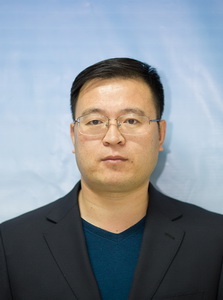 Xiangxue Wang (王祥学)合作论文数Department of Environmental Science and Engineering, North China Electric Power University (Baoding)4
 Zhi Ning (宁治)合作论文数School of Energy and Environment, City University of Hong Kong;Institute for the Environment, The Hong Kong University of Science and Technology4Ziyi Zhan合作论文数3Dingyuan Yang合作论文数3Yao Hu合作论文数3Gang Song (宋刚)合作论文数3
 Shaofei Kong (孔少飞)合作论文数School of Environmental Studies, China University of Geosciences3Huiying Gao合作论文数3Yan Song合作论文数3
 Pan Zhang (张盼)合作论文数Department of Environmental Science and Engineering, North China Electric Power University (Baoding)3Caixiu An (安彩秀)合作论文数3
 Liqiang Qi (齐立强)合作论文数Department of Environmental Science and Engineering, North China Electric Power University3Samar Omar Rabah合作论文数2Jinye Wei合作论文数2Jinsong Yao合作论文数2Huiqiao Ma合作论文数2Wenjia Zhu合作论文数2
 Zhong Shan Chen合作论文数2Njud S. Alharbi合作论文数Dept Biol Sci, King Abdulaziz Univ2Yajuan Zhang合作论文数2Jihong Wei合作论文数2Xiaolin Xu合作论文数2Zhenxin Li合作论文数2Xi He (何曦)合作论文数2Pengfei YUE (岳鹏飞)合作论文数2
 Xiao Lou合作论文数2Dan Fang合作论文数2
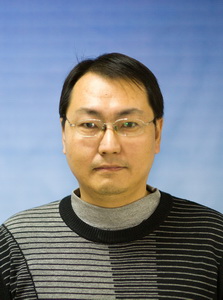 Jingxin Li (李晶欣)合作论文数Department of Environmental Science and Engineering, North China Electric Power University2
 Hongtao Zhu (朱洪涛)合作论文数Department of Environmental Science and Engineering, North China Electric Power University2
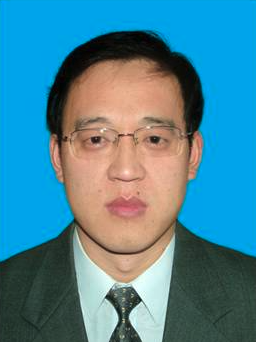 Xiangke Wang (王祥科)合作论文数College of Environmental Science and Engineering, North China Electric Power University2
 Shuqin Wang (王淑勤)合作论文数Department of Environmental Science and Engineering, North China Electric Power University2Jiaqi Wang (王佳琦)合作论文数1Enzhe Duan (段恩喆)合作论文数1Hua Yang合作论文数1Lintianyang Huang合作论文数1Jirun Chen (陈吉润)合作论文数1




