Introduction: Traditional Chinese medicine (TCM) boosts immunity, aids self-repair, and supports elderly health. Despite government efforts, older adults underutilize TCM preventive health services. This study aimed to develop a reliable and valid Social Cognitive Factor Scale (SCFS) to understand this from a behavioral psychology perspective. Methods: The SCFS, a self-report questionnaire rooted in Bandura's social cognitive theory, was developed by an expert panel using insights from current literature, focus group qualitative research, and scale testing. Twenty experts in TCM public health research and 840 community-dwelling older adults were included in this study. Scale development involved a literature review to establish the initial item pool, two Delphi expert consultations for item screening and revision, and comprehensive testing for reliability and effectiveness. Results: The SCFS consisted of 22 items classified into six dimensions: perceived environment, social support, belief and knowledge, self-efficacy, outcome expectations, and self-regulation. The overall Cronbach's alpha of the scale was 0.946, and the split-half reliability of the total scale was 0.828, showing good reliability. A total of six factors were extracted, explaining 78.85 % of the total variation. Exploratory factor analysis showed that the scale had good construct validity. Scores on the SCFS were significantly and positively correlated with the utilization rate of TCM preventive health services for older adults (r = 0.537, p < 0.01). Conclusion: TCM plays a significant role in actively addressing the challenges of aging. The SCFS provides a reliable and valid tool for understanding the underutilization of TCM preventive health services among older adults. A positive correlation with service utilization rates highlights its potential for guiding interventions.
ObjectiveMotor recovery is crucial in stroke rehabilitation, and acupuncture can influence recovery. Neuroimaging and machine learning approaches provide new research directions to explore the brain functional reorganization and acupuncture mechanisms after stroke. We applied machine learning to predict the classification of the minimal clinically important differences (MCID) for motor improvement and identify the neuroimaging features, in order to explore brain functional reorganization and acupuncture mechanisms for motor recovery after stroke.MethodsIn this study, 49 patients with unilateral motor pathway injury (basal ganglia and/or corona radiata) after ischemic stroke were included and evaluated the motor function by Fugl–Meyer Assessment scores (FMA) at baseline and at 2-week follow-up sessions. Patients were divided by the difference between the twice FMA scores into one group showing minimal clinically important difference (MCID group, n = 28) and the other group with no minimal clinically important difference (N-MCID, n = 21). Machine learning was performed by PRoNTo software to predict the classification of the patients and identify the feature brain regions of interest (ROIs). In addition, a matched group of healthy controls (HC, n = 26) was enrolled. Patients and HC underwent magnetic resonance imaging examination in the resting state and in the acupuncture state (acupuncture at the Yanglingquan point on one side) to compare the differences in brain functional connectivity (FC) and acupuncture effects.ResultsThrough machine learning, we obtained a balance accuracy rate of 75.51% and eight feature ROIs. Compared to HC, we found that the stroke patients with lower FC between these feature ROIs with other brain regions, while patients in the MCID group exhibited a wider range of lower FC. When acupuncture was applied to Yanglingquan (GB 34), the abnormal FC of patients was decreased, with different targets of effects in different groups.ConclusionFeature ROIs identified by machine learning can predict the classification of stroke patients with different motor improvements, and the FC between these ROIs with other brain regions is decreased. Acupuncture can modulate the bilateral cerebral hemispheres to restore abnormal FC via different targets, thereby promoting motor recovery after stroke.Clinical trial registrationhttps://www.chictr.org.cn/showproj.html?proj=37359, ChiCTR1900022220.
Importance. Acupuncture is an effective treatment for stroke, especially in the aspect of motor deficit. Many brain imaging studies of acupuncture have found significant changes in brain function after acupuncture treatment in order to reveal its underlying mechanisms in regulating neural plasticity. However, no definite consensus has been reached. Objective. To analyze the pattern of intrinsic brain activity variability that is altered by acupuncture compared with conventional treatment in stroke patients with motor dysfunction, thus providing the mechanism of stroke treatment by acupuncture. Methods. Chinese and English articles published up to May 2020 were searched in the PubMed, Web of Science, EMBASE, and Cochrane Library databases, China National Knowledge Infrastructure, Chongqing VIP, and Wanfang Database. We only included randomized controlled trials (RCTs) using resting-state fMRI to observe the effect of acupuncture on stroke patients with motor dysfunction. R software was used to analyze the continuous variables, and Seed-based d Mapping with Permutation of Subject Images (SDM-PSI) was used to perform an analysis of fMRI data. Findings. A total of 7 studies comprising 143 patients in the treatment group and 138 in the control group were included in the meta-analysis. The results suggest that acupuncture treatment helps the healing process of motor dysfunction in stroke patients and exhibits hyperactivation in the bilateral basal ganglia and insula and hypoactivation in motor-related areas (especially bilateral BA6 and left BA4). Conclusion. Acupuncture plays a role in promoting neuroplasticity in subcortical regions that are commonly affected by stroke and cortical motor areas that may compensate for motor deficits, which may provide a possible mechanism underlying the therapeutic effect of acupuncture.
Objective To analyze the pattern of intrinsic brain activity variability that is altered by acupuncture compared with conventional treatment in stroke patients with motor dysfunction, thus providing the mechanism of stroke treatment by acupuncture. Methods Chinese and English articles published up to May 2020 were searched in the PubMed, Web of Science, EMBASE, and Cochrane Library databases, China National Knowledge Infrastructure, Chongqing VIP, and Wanfang Database. We only included randomized controlled trials (RCTs) using resting-state fMRI to observe the effect of acupuncture on stroke patients with motor dysfunction. R software was used to analyze the continuous variables, and Seed-based d Mapping with Permutation of Subject Images (SDM-PSI) was used to perform an analysis of fMRI data. Findings. A total of 7 studies comprising 143 patients in the treatment group and 138 in the control group were included in the meta-analysis. The results suggest that acupuncture treatment helps the healing process of motor dysfunction in stroke patients and exhibits hyperactivation in the bilateral basal ganglia and insula and hypoactivation in motor-related areas (especially bilateral BA6 and left BA4). Conclusion Acupuncture plays a role in promoting neuroplasticity in subcortical regions that are commonly affected by stroke and cortical motor areas that may compensate for motor deficits, which may provide a possible mechanism underlying the therapeutic effect of acupuncture.
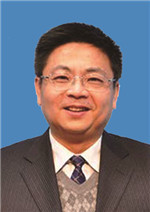 Yihuai Zou (邹忆怀)合作论文数Zaozhuang Hospital, Beijing University of Chinese Medicine;Dongzhimen Hospital, Beijing University of Chinese Medicine4
 Qiuyi Lv合作论文数2
 Guixing Xu合作论文数2Zhongming Du合作论文数2
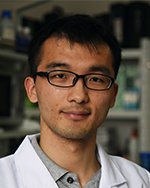 Yuxin Pan合作论文数State Key Lab Neurosci, CAS2Tongtong Liu合作论文数2
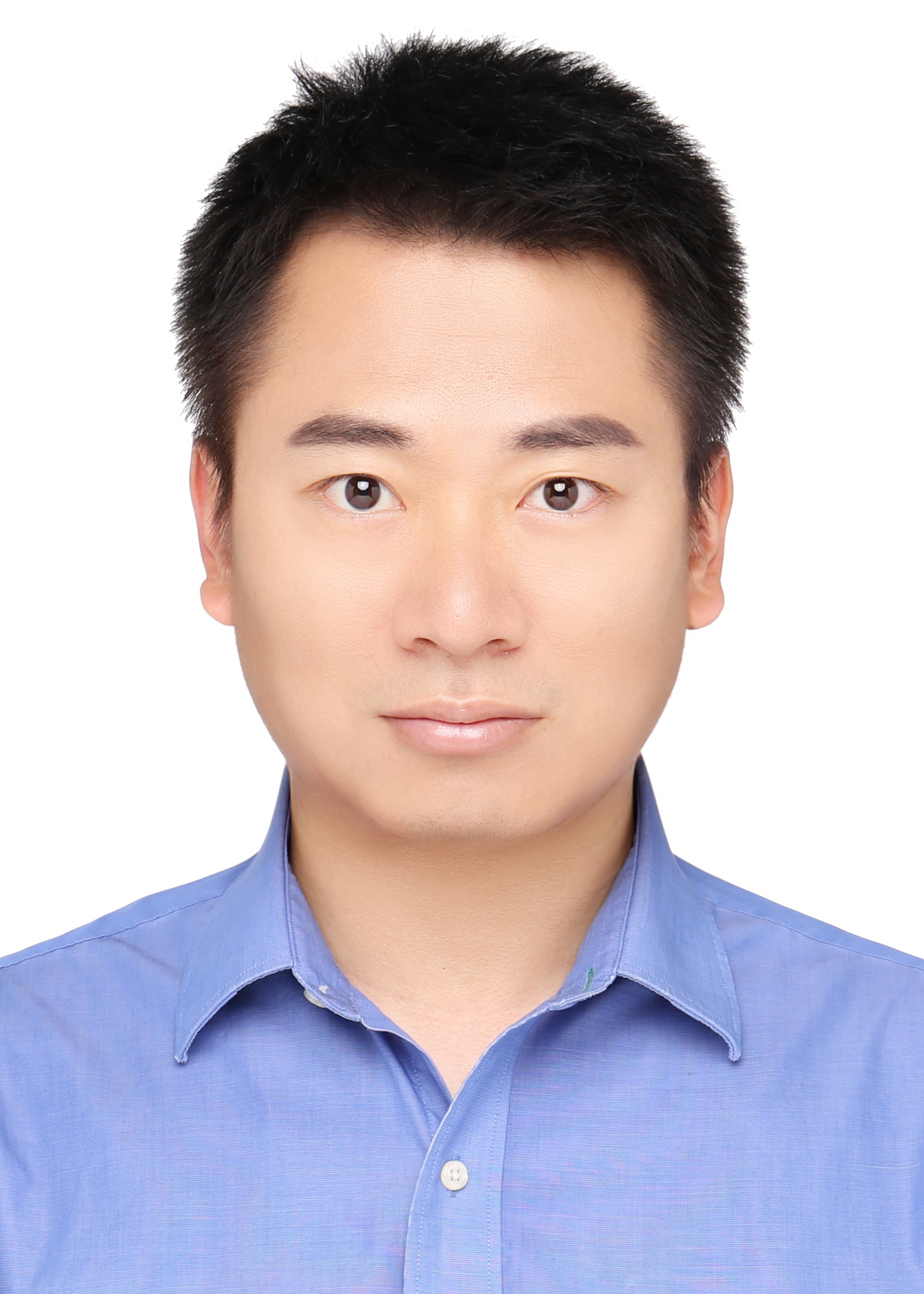 Linqing Miao (缪林清)合作论文数School of Mechatronics Engineering, Beijing Institute of Technology2Xing Chen合作论文数2
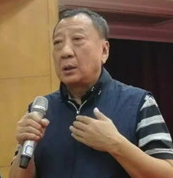 Xiaodong Liu (刘晓栋)合作论文数Beijing University of Chinese Medicine2
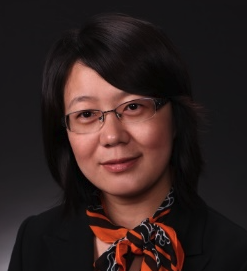 Rong Zhang (张嵘)合作论文数School of Basic Medical Sciences, Peking University Health Science Center2
 Yi Yang合作论文数1Jiaqi Yang合作论文数1Pei Chen合作论文数1XU Tianjiao (许天骄)合作论文数1ZHANG Mu-zhao (张慕昭)合作论文数1LIU Ruo-yi (刘若一)合作论文数1XU Lingling (徐玲玲)合作论文数1Yan Chen合作论文数1Mengxin Lu合作论文数1Wei Wang合作论文数1shengzhe liu (刘胜哲)合作论文数1Hai-jiao GUO (果海姣)合作论文数1HuaLei Geng (耿花蕾)合作论文数1
 Chen Jie合作论文数1
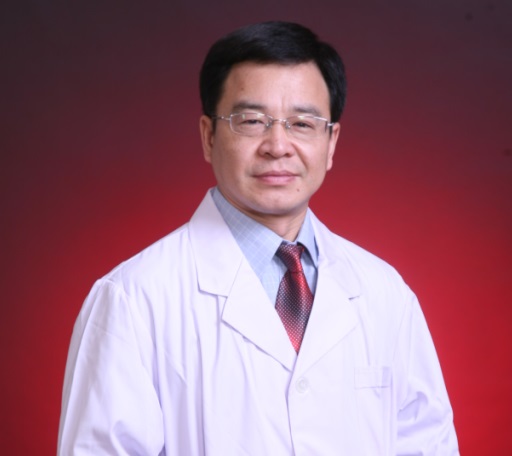 JiLiang Fang (方继良)合作论文数Guang'anmen Hospital, China Academy of Chinese Medical Sciences1Tan Zhongjian合作论文数1
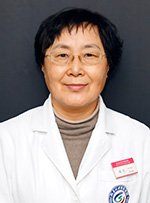 Jie Chen (谌洁)合作论文数Peking University Shougang Hospital1
 Jingpei Wei (卫景沛)合作论文数Dongzhimen Hospital, Beijing University of Chinese Medicine1
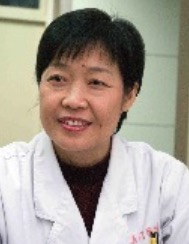 Jiping Zhao (赵吉平)合作论文数International School, Beijing University of Chinese Medicine1




