BackgroundMultiple sclerosis is a chronic inflammatory disease of the central nervous system characterized by demyelination and neuronal degeneration. Currently, there is no treatment that can promote remyelination or axonal repair and thus improve patient outcomes. Mesenchymal stem cells (MSCs) have emerged as a promising therapeutic approach in multiple sclerosis due to their regenerative and immunomodulatory properties. Priming MSCs toward neural- or glial-like cells may enhance their therapeutic potential.MethodsBone marrow MSCs from multiple sclerosis patients were cultured in differentiation medium containing growth factors for induction of glial and neural transdifferentiating process. Functional assays were used to characterize the proliferation and migration rates of undifferentiated and transdifferentiating MSCs. In addition, immunostaining with five different markers was performed as well as mass spectrometry to investigate and compare protein expressions among the cell types.ResultsProliferation and migration rates of MSCs decreased in glial and neural transdifferentiating cells. The immunostaining showed expression of neuro-glial markers, and the mass spectrometry data demonstrated substantial variance in protein expression in transdifferentiating MSCs compared to undifferentiated MSCs. Glial and neural markers were upregulated in the transdifferentiating MSCs, while MSC markers were downregulated.ConclusionThe results demonstrate that MSCs can be guided toward a neuro-glial lineage in vitro and that the transdifferentiating process continues over several weeks. Future research should investigate the in vitro and in vivo therapeutic differences between different transdifferentiating lengths.
Background and ObjectivesThere is an unmet need for neuroregenerative therapies in multiple sclerosis (MS). Mesenchymal stem cells (MSCs) have shown immunomodulatory and regenerative effects in preclinical models and early clinical studies. Intrathecal administration may enhance therapeutic potential by direct delivery to the CNS. However, randomized, placebo-controlled trials are needed to establish safety and efficacy. The objective of this trial was to assess whether a single intrathecal administration of autologous MSCs could provide evidence of a neuroregenerative effect in progressive MS.MethodsIn this randomized, double-blind, placebo-controlled phase I/II trial (NCT04749667), patients with progressive MS enrolled at 4 Norwegian tertiary hospitals received a single intrathecal injection of autologous bone marrow-derived MSCs (1 & times; 106 cells/kg) in a crossover design. The primary end point was the change in latency of combined evoked potentials at 6 months. Secondary end points included safety, brain MRI measures, functional and ophthalmologic assessments, and serum biomarkers at 6 and 12 months. Exploratory analyses comprised proteomic profiling of CSF. Outcomes were analyzed using baseline-adjusted regression models.ResultsA total of 18 patients were included (mean age 46.7 years; 55.6% female). No significant between-group difference was observed for the primary end point (beta = -0.31, 95% CI -1.84 to 1.22, p = 0.668). At 6 months, patients in the MSC group showed reduced cerebral atrophy on MRI (beta = 9.37, 95% CI 0.29 to 18.45, p = 0.044) and lower serum glial fibrillary acidic protein levels (beta = -16.3 pg/mL, 95% CI -33.0 to 0.3, p = 0.054), but neither were sustained at 12 months. Exploratory CSF proteomics revealed reductions in multiple inflammation-related proteins at 6 months. One serious adverse event was deemed probably related to MSC treatment. Common adverse events included fever (n = 9) and low back pain (n = 10) after MSC administration, and spinal MRI abnormalities with fluid loculations and nerve root clumping (n = 7) at 6 months. One patient developed chronic coccygeal pain attributed to arachnoiditis.DiscussionA neuroregenerative effect was not detected, although interpretation may be limited by the small sample size. Adverse events suggest an acute localized inflammatory reaction after MSC administration. Our findings suggest that intrathecal administration of MSCs in progressive MS should be approached with caution in future studies.Classification of EvidenceThis study provides Class III evidence that, in patients with progressive multiple sclerosis, treatment with a single intrathecal administration of autologous mesenchymal stem cells does not provide neuroregenerative effect, as assessed by a composite evoked potential score.Trial registrationClinicalTrials.gov (NCT04749667); registered February 8, 2021; first patient enrolled August 9, 2021.
BACKGROUND AND OBJECTIVES:There is an unmet need for neuroregenerative therapies in multiple sclerosis (MS). Mesenchymal stem cells (MSCs) have shown immunomodulatory and regenerative effects in preclinical models and early clinical studies. Intrathecal administration may enhance therapeutic potential by direct delivery to the CNS. However, randomized, placebo-controlled trials are needed to establish safety and efficacy. The objective of this trial was to assess whether a single intrathecal administration of autologous MSCs could provide evidence of a neuroregenerative effect in progressive MS. METHODS:In this randomized, double-blind, placebo-controlled phase I/II trial (NCT04749667), patients with progressive MS enrolled at 4 Norwegian tertiary hospitals received a single intrathecal injection of autologous bone marrow-derived MSCs (1 × 10⁶ cells/kg) in a crossover design. The primary end point was the change in latency of combined evoked potentials at 6 months. Secondary end points included safety, brain MRI measures, functional and ophthalmologic assessments, and serum biomarkers at 6 and 12 months. Exploratory analyses comprised proteomic profiling of CSF. Outcomes were analyzed using baseline-adjusted regression models. RESULTS:A total of 18 patients were included (mean age 46.7 years; 55.6% female). No significant between-group difference was observed for the primary end point (β = -0.31, 95% CI -1.84 to 1.22, p = 0.668). At 6 months, patients in the MSC group showed reduced cerebral atrophy on MRI (β = 9.37, 95% CI 0.29 to 18.45, p = 0.044) and lower serum glial fibrillary acidic protein levels (β = -16.3 pg/mL, 95% CI -33.0 to 0.3, p = 0.054), but neither were sustained at 12 months. Exploratory CSF proteomics revealed reductions in multiple inflammation-related proteins at 6 months. One serious adverse event was deemed probably related to MSC treatment. Common adverse events included fever (n = 9) and low back pain (n = 10) after MSC administration, and spinal MRI abnormalities with fluid loculations and nerve root clumping (n = 7) at 6 months. One patient developed chronic coccygeal pain attributed to arachnoiditis. DISCUSSION:A neuroregenerative effect was not detected, although interpretation may be limited by the small sample size. Adverse events suggest an acute localized inflammatory reaction after MSC administration. Our findings suggest that intrathecal administration of MSCs in progressive MS should be approached with caution in future studies. CLASSIFICATION OF EVIDENCE:This study provides Class III evidence that, in patients with progressive multiple sclerosis, treatment with a single intrathecal administration of autologous mesenchymal stem cells does not provide neuroregenerative effect, as assessed by a composite evoked potential score. TRIAL REGISTRATION:ClinicalTrials.gov (NCT04749667); registered February 8, 2021; first patient enrolled August 9, 2021.
Therapeutic options for progressive multiple sclerosis (MS) remain limited, and the biological mechanisms engaged by intrathecal mesenchymal stem cell (MSC) therapy are incompletely understood. MSCs are proposed to exert immunomodulatory and trophic effects, yet most studies rely on targeted biomarkers and lack systems-level analysis across immune compartments. Here, we applied an integrated multi-omics framework to characterize immune and cerebrospinal fluid (CSF) responses to MSC therapy in patients with progressive MS enrolled in the SMART-MS trial, a randomized, placebo-controlled crossover study of a single intrathecal MSC injection. Although the clinical trial did not demonstrate a clear neuro-regenerative signal as the primary endpoint, exploratory MRI findings and adverse events (e.g., fever, back pain) suggested localized biological responses following intrathecal administration. Longitudinal peripheral blood mass cytometry and matched CSF proteomics were analysed from 18 participants sampled at baseline, 6 months, and 12 months. Immune phenotypes and composite functional program scores were quantified using mixed-effects modelling. To synthesize CSF proteomic changes into biologically interpretable patterns, we summarized protein-level responses into composite CSF functional programs reflecting extracellular matrix and CNS interface remodelling, innate and vascular inflammatory stress, metabolic and cytoskeletal adaptation, and biological reactivity. These program-level scores enabled structured cross-compartment integration with circulating immune programs. MSC exposure did not broadly alter peripheral immune composition or functional programs across circulating lymphocyte and monocyte populations. Instead, the dominant signal emerged within the CSF proteome, where treatment was associated with coordinated extracellular matrix and CNS interface remodelling alongside attenuation of acute-phase inflammatory pathways in many individuals. Elevated inflammatory and metabolic signatures were largely confined to patients with clinical adverse events or spinal MRI reactivity, consistent with amplified biological responsiveness rather than distinct MSC-specific mechanisms. Cross-compartment analyses revealed weak and heterogeneous coupling between circulating immune programs and CSF remodelling, supporting predominantly compartmentalized intrathecal effects. Together, these findings suggest that intrathecal MSC therapy in progressive MS is associated with selective remodelling at the immune–CNS interface rather than broad systemic immunosuppression and demonstrate the value of integrated multi-omics approaches for dissecting treatment-associated biology in neuroinflammatory disease.
Background We aimed to assess antibody responses and COVID-19 outcomes after vaccination in people with multiple sclerosis (pwMS) receiving disease-modifying therapies.Methods NevroVAX is a Norwegian multicentre cohort study including 3559 pwMS and 449 healthy controls (HCs) who received at least one dose of BNT162b2 (Pfizer-BioNTech), mRNA-1273 (Moderna) or ChAdOx1 (AstraZeneca/Oxford) between January 2021 and December 2022. Data from records, registries, questionnaires and blood samples collected June 2021–November 2023 were analysed. Primary outcomes were humoral immune responses assessed by seroconversion (anti-spike and anti-receptor-binding domain (RBD) IgG ≥5 binding antibody units/mL). Secondary outcomes included quantitative anti-RBD IgG levels, breakthrough SARS-CoV-2 infection, COVID-19-related hospitalisation and death. Associations with breakthrough infection were evaluated using multivariable logistic regression.Results Among 3559 pwMS, 1201 received anti-CD20 monoclonal antibodies and 324 sphingosine-1-phosphate receptor (S1PR) modulators. After three vaccine doses, seroconversion was observed in 43.0% of anti-CD20-treated patients and 48.4% of S1PR-treated patients. In multivariable analysis, seroconversion was associated with lower risk of breakthrough infection (OR 0.67, 95% CI 0.58 to 0.78). During follow-up, 58 pwMS (1.6%) were hospitalised for COVID-19; 4 (0.1%) required non-invasive ventilatory support, no patients required invasive ventilation and no deaths occurred.Conclusions Humoral vaccine responses were impaired in pwMS receiving anti-CD20 or S1PR therapies, but severe COVID-19 was rare. These findings support continued vaccination programmes and tailored protective measures for immunomodulated populations.
In the treatment of relapsing-remitting multiple sclerosis, autologous haematopoietic stem cell transplant (AHSCT) and immune-reconstitution therapies show several similarities. These treatment strategies have not yet been compared head-to-head. This study emulated pairwise trials of comparative effectiveness of stem cell transplant versus immune-reconstitution therapies cladribine and alemtuzumab. This cohort/registry study of comparative treatment effectiveness included data from seven specialist multiple sclerosis centres with AHSCT programmes (RESCUE-MS) and international MSBase registry during 2006-2023. The study included patients with relapsing-remitting multiple sclerosis treated with AHSCT, cladribine or alemtuzumab, with a minimum of 2-months follow-up before commencing study therapy and ≥2 disability assessments after commencing the study therapy. Patients were matched on a propensity score derived from their clinical and demographic characteristics. The matched groups were compared according to annualized relapse rates, freedom from relapses and 6-month confirmed disability worsening and improvement (measured with the Expanded Disability Status Scale). The matching of 143 (stem cell) to 283 cladribine-treated patients and 134 (stem cell) to 562 alemtuzumab-treated patients reduced the measured differences between the groups by 98% and 96%, respectively. The matched patients had high mean disease activity (>0.8 relapses in the prior 2 years), mean Expanded Disability Status Scale scores of 3-4, and were followed-up for a mean of 3.8-3.9 (stem cell), 1.9 (cladribine) or 4.5 years (alemtuzumab). Compared with cladribine, stem cell transplant was associated with a lower risk of relapse [mean annualized relapse rate ± standard deviation (SD): 0.05 ± 0.28 versus 0.16 ± 0.39, respectively; hazard ratio: 0.24; 95% confidence interval (CI): 0.15-0.41], similar risk of disability worsening (hazard ratio: 0.70; 95% CI: 0.34-1.43) and higher probability of disability improvement (hazard ratio: 2.19; 95% CI: 1.31-3.66). Compared with alemtuzumab, stem cell transplant was associated with a lower risk of relapses (mean annualized relapse rate ± SD: 0.04 ± 0.23 versus 0.09 ± 0.21, respectively; hazard ratio: 0.52; 95% CI: 0.29-0.93), similar risk of disability worsening (hazard ratio: 0.95; 95% CI: 0.53-1.72) and higher probability of disability improvement (hazard ratio: 2.03; 95% CI: 1.23-3.34). Thirty-four per cent of patients treated with stem cell transplant experienced delayed complications, mainly infections. No treatment-associated deaths were reported. Among patients with active relapsing-remitting multiple sclerosis and moderate disability, AHSCT is superior to cladribine and alemtuzumab at suppressing relapses and enabling recovery of neurological function. The high effectiveness of stem cell transplant is likely attributable to a complex interplay between immune suppression and reconstitution.
Well-being captures an individual’s capacity to lead a meaningful and engaged life. Interventions to address well-being go beyond managing symptoms or supporting daily activity performance. Designing trials to evaluate the effectiveness of such well-being interventions can be challenging. One such challenge is determining what the comparator or control arm should be. Several trials of complex interventions use usual care as a comparator, but this can be particularly challenging when planning trials across multiple countries and health care systems. Therefore, trial design decisions must be informed by a good understanding of what constitutes usual or routine well-being interventions across locations. Our international, multidisciplinary team’s efforts to develop this understanding across our 8 countries found that efforts to support the well-being of people with progressive multiple sclerosis vary widely. This variability emphasizes the importance of having a consistent way to collect data and report on the components of usual well-being care to inform trial design.
Autologous hematopoietic stem cell transplantation (aHSCT) is highly effective in inflammatory relapsing-remitting multiple sclerosis (RRMS) with breakthrough disease on conventional therapies, inducing remission in most patients. To understand its immunological effects, we profiled 25 RRMS patients treated with aHSCT in the RAM-MS trial using 41-marker mass cytometry, tracking immune reconstitution over a 24-month period. Major immune lineages shifted toward healthy profiles, but with distinct dynamics: memory CD4+ T cells remained depleted, naïve B cells expanded, naïve CD4+ and CD8+ cells and memory B cells gradually recovered, while CD8+ memory T cells transiently expanded and contracted. Functional marker analysis revealed persistent changes in activation and trafficking potential, including upregulation of CD49d, downregulation of CD127, and broad remodelling of chemokine receptors. High-resolution state analysis revealed durable reshaping of immune composition, including loss of CD161+CD127+CCR6+ memory-like T cells and transient expansion of regulatory NK and naïve B cell states. These findings demonstrate that aHSCT induces profound immune reprogramming and provide mechanistic insight into remission observed in treatment-refractory MS. ### Competing Interest Statement SG, JBH, DK, YG, SA, IH, HO, NB, MB, BTG, AMO, EKK and AKL declare no conflicts of interest. KM has received speaker honoraria from Biogen, Sanofi and Novartis; and honoraria for participation in scientific advisory board from Alexion, and has participated in clinical trials organized by Biogen, Merck, Novartis, Otivio, Sanofi and Roche. øT has participated in advisory boards and received speaker honoraria from Biogen, Merck, Novartis, Teva, Roche, Sanofi, and Bristol Myers Squibb and has participated in clinical trials organized by Merck, Novartis, Roche, and Sanofi. LB has received unrestricted research grants to his institution and/or scientific advisory board or speakers honoraria from Biogen, Genzyme, Merck, Novartis, Roche, and Teva, and has participated in clinical trials organized by Biogen, Merck, Novartis, and Roche. The Research Council of Norway Tom Wilhelmsen Foundation The Odd Fellow MS fund Gerda Meyer Nyquist Guldbrandson og Gerdt Meyer Nyquists Legat Haukeland University Hospital, https://ror.org/03np4e098 University of Bergen, https://ror.org/03zga2b32
BACKGROUND:Rituximab is a highly effective disease modifying therapy for persons with MS (pwMS), but is associated with increased risk of infections. Due to the Covid-19 pandemic, St. Olavs Hospital (SOHO) in Trondheim, Norway, changed from the standard interval dosing (SID) of six months to extended interval dosing (EID) of nine months after the third infusion. At Haukeland University Hospital (HUS) in Bergen, Norway, SID was maintained. This study compares efficacy and safety measures of EID with SID at these two hospitals. METHODS:In the Norwegian MS registry (NMSR), we identified pwMS aged 18-60 years who were followed at SOHO or HUS and started rituximab between October 2018 and June 2021. The patients had an initial period with similar 6-month dosing intervals, followed by a study period with different dosing intervals. They were followed until august 2023, or until deviating dosing intervals, discontinuation, or loss to follow up. We compared relapse rates, the occurrence of new magnetic resonance imaging (MRI) T2 lesions, and incidence rates of infections, IgG- hypogammaglobulinemia and severe neutropenia. RESULTS:We included 78 pwMS from SOHO and 217 from HUS, with overall short disease duration (median 0.6 years at SOHO and 0.2 years at HUS) and similar baseline characteristics. We found no statistical significant differences in relapse rates (p >0.99), proportions with new T2 lesions (p = 0.69) or incidence rates of adverse events. CONCLUSION:Our study suggests that early 9-month EID after the third infusion is a safe and effective treatment option for MS patients.
Autologous haematopoietic stem cell transplantation (AHSCT) is a treatment option for relapsing forms of multiple sclerosis (MS) that are refractory to disease-modifying therapy (DMT). AHSCT after failure of high-efficacy DMT in aggressive forms of relapsing–remitting MS is a generally accepted indication, yet the optimal placement of this approach in the treatment sequence is not universally agreed upon. Uncertainties also remain with respect to other indications, such as in rapidly evolving, severe, treatment-naive MS, progressive MS, and neuromyelitis optica spectrum disorder (NMOSD). Furthermore, treatment and monitoring protocols, rehabilitation and other supportive care before and after AHSCT need to be optimized. To address these issues, we convened a European Committee for Treatment and Research in Multiple Sclerosis Focused Workshop in partnership with the European Society for Blood and Marrow Transplantation Autoimmune Diseases Working Party, in which evidence and key questions were presented and discussed by experts in these diseases and in AHSCT. Based on the workshop output and subsequent written interactions, this Consensus Statement provides practical guidance and recommendations on the use of AHSCT in MS and NMOSD. Recommendations are based on the available evidence, or on consensus when evidence was insufficient. We summarize the key evidence, report the final recommendations, and identify areas for further research. Autologous haematopoietic stem cell transplantation (AHSCT) is a treatment option for some forms of multiple sclerosis (MS), but uncertainties remain about its implementation in clinical practice and treatment protocols need to be optimized. This Consensus Statement provides guidance and recommendations for the use of AHSCT in MS and neuromyelitis optica spectrum disorders.
Mature neurons in the human central nervous system (CNS) fail to regenerate after injuries. This is a common denominator across different aetiologies, including multiple sclerosis, spinal cord injury and ischemic stroke. The lack of regeneration leads to permanent functional deficits with a substantial impact on patient quality of life, representing a significant socioeconomic burden worldwide. Great efforts have been made to decipher the responsible mechanisms and we now know that potent intra- and extracellular barriers prevent axonal repair. This knowledge has resulted in numerous clinical trials, aiming to promote neuroregeneration through different approaches. Here, we summarize the current understanding of the causes to the poor regeneration within the human CNS. We also review the results of the treatment attempts that have been translated into clinical trials so far.
 Øivind Torkildsen合作论文数Haukeland Hosp, Norwegian Multiple Sclerosis Competence Ctr59
 Kjell-Morten Myhr合作论文数Department of Clinical Medicine, University of Bergen;Centre of Excellence for Clinical Treatment Research, Haukeland University Hospital;Haukeland Universitetssjukehus51
 Stig Wergeland合作论文数43
 Sverre J. Mørk合作论文数The Gade Institute, University of Bergen23
 Holmøy Trygve合作论文数22
 Frederik Barkhof合作论文数Centre for Medical Image Computing, Faculty of Engineering, University College London;Department of Medical Physics, Faculty of Engineering, University College London16Jeroen J. G. Geurts合作论文数16Nikos Evangelou合作论文数15Anne Kristine Lehmann合作论文数12
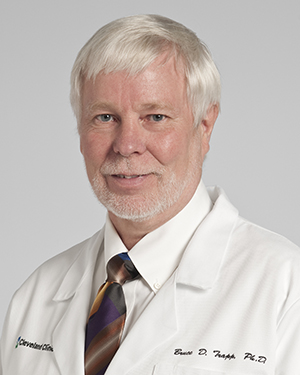 Bruce Trapp合作论文数Department of Neurosciences, Lerner Research Institute, Cleveland Clinic;Department of Neurosciences, School of Medicine, Case Western Reserve University;Department of Molecular Medicine, School of Medicine, Case Western Reserve University;The Ohio State University12Jack van Horssen合作论文数11
 Hugo Vrenken合作论文数Department of Radiology, Vrije Universiteit Amsterdam11P van der Valk合作论文数10
 Joachim Burman合作论文数Department of Medical Sciences, Uppsala University;Department of Neurology, Uppsala University Hospital10Kvistad Christopher Elnan合作论文数10C. H. Polman合作论文数9James Lowe合作论文数9Trudy Owens合作论文数8Nygaard Gro Owren合作论文数8Sonia Gavasso合作论文数7Silje Kvistad合作论文数7
 Paul van der Valk合作论文数Joanne E.L. VanDerNagel's Lab, Medisch Spectrum Twente;Department Pulmonology, Medisch Spectrum Twente7Christine D Dijkstra合作论文数7Basil Sharrack合作论文数7Helga E. de Vries合作论文数6Agnes E Nystad合作论文数6
 Izanne Roos合作论文数6
 Marek Trneny合作论文数6
 Richard Macdonell合作论文数6
 Sifat Sharmin合作论文数Department of Medicine, Melbourne Medical School, Faculty of Medicine, Dentistry and Health Sciences, The University of Melbourne6Tomas Kalincik合作论文数Department of Medicine, Melbourne Medical School, Faculty of Medicine, Dentistry and Health Sciences, The University of Melbourne6
 Kamal Mustafa合作论文数Faculty of Medicine and Dentistry, University of Bergen6Tallantyre Emma合作论文数6
 Margaret Esiri合作论文数Nuffield Department of Clinical Neurosciences, University of Oxford;St Hugh's College, University of Oxford6
 John A Snowden合作论文数The University of Sheffield;University College London;Sheffield Teaching Hospital6
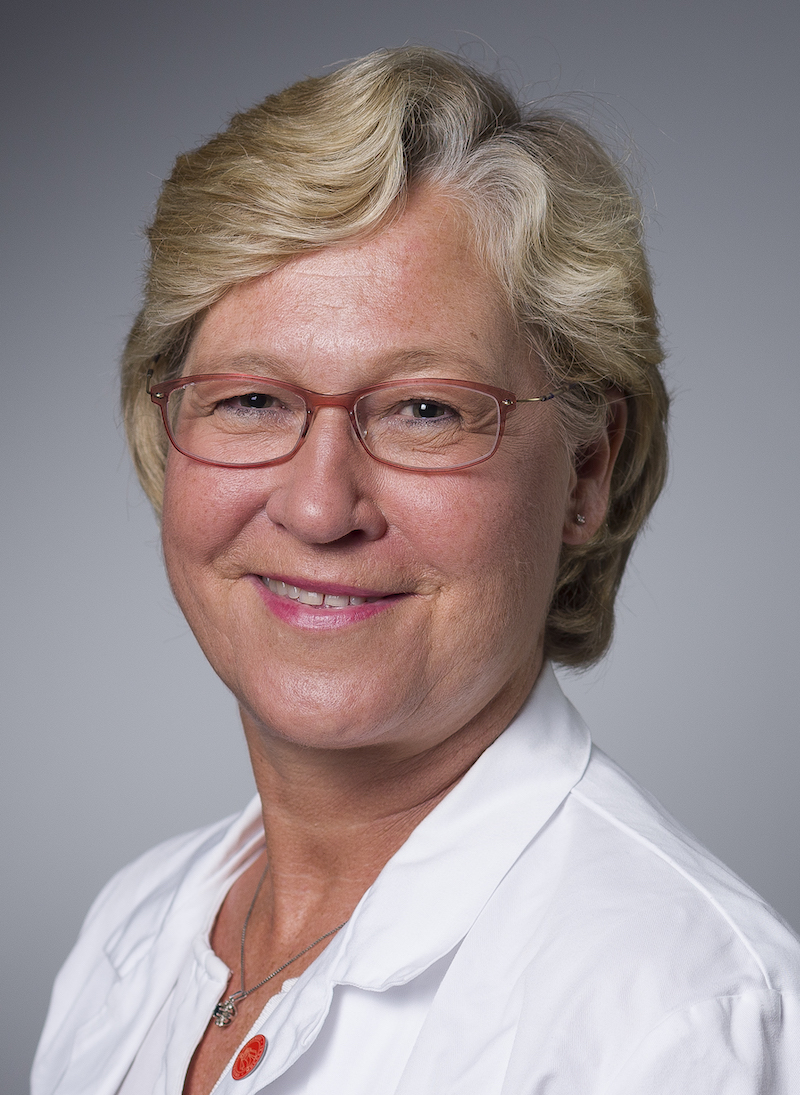 Hanne Flinstad Harbo合作论文数University of Oslo;Oslo University Hospital6
 Harald Nyland合作论文数Department of Clinical Medicine, University of Bergen6
 Cecilie Gjerde合作论文数5Barbara Withers合作论文数5Ian Sutton合作论文数5J Peterson合作论文数Department of Neurosciences, Lerner Research Institute5
 Torbjørn Krakenes合作论文数Dept Clin Med, Univ Bergen5Jennifer Massey合作论文数5T. Holmoy合作论文数5
 Mark Freedman合作论文数Ottawa Hospital Research Institute;Multiple Sclerosis Research Unit, University of Ottawa;Faculty of Medicine, University of Ottawa;Multiple Sclerosis Research Unit, Ottawa Hospital5
 Eystein Oveland合作论文数University of Bergen-PROBE, University of Bergen5Harold Atkins合作论文数5Aarseth Jan H合作论文数5Brink Bianca P合作论文数5




