Effective prediction and monitoring of recruitment in randomised controlled trials (RCTs) is critical to ensuring the target sample size is met, with 37
ABSTRACT Introduction Underserved women experience disproportionately high rates of perinatal mental health (PMH) difficulties but face substantial barriers to accessing appropriate care. Evidence on how services can be redesigned to improve equitable access remains limited. The Perinatal Redesign for Accessing Mental Health Services (PRAMS) study aimed to co‐produce an intervention to improve access to PMH support for underserved women and birthing people. Methods PRAMS is a mixed‐methods study informed by Accelerated Experience‐Based Co‐Design and the Medical Research Council framework for complex intervention development. This paper reports findings from Work Packages 1 and 2. Work Package 1 included a national survey of professionals ( n = 129) and semi‐structured interviews ( n = 19) exploring service provision and barriers to care. Work Package 2 involved 10 focus groups and 4 interviews with underserved women and birthing people ( n = 50) recruited through Community Research Link Workers with lived experience. Data were analysed using framework analysis guided by the Candidacy Framework. Results Barriers to PMH care were identified across all domains of candidacy. Structural barriers included fragmented services, unclear referral pathways, and limited resources. Cultural stigma, language barriers and fears regarding child protection services limited help‐seeking. Trust, continuity of care and community‐based services facilitated engagement. Both professionals and women described a mismatch between rigid service models and women's preferences for relational, flexible and culturally responsive support. Conclusion Access to PMH care among underserved populations is shaped by complex structural and relational factors. Findings highlight the need for flexible, community‐based and relationship‐centred models of care. Co‐production with underserved communities offers a promising approach for developing equitable PMH services to better meet the needs of women facing multiple vulnerabilities.
Background:People with multiple and persistent physical symptoms have impaired quality of life and poor experiences of health care. We aimed to evaluate the effectiveness of a community-based Symptoms Clinic intervention in people with multiple and persistent physical symptoms. Trial design:Pragmatic multicentre individually randomised parallel group clinical trial. Methods:Participants: Recruitment was between December 2018 and December 2021 in four areas of the UK. Eligibility was based on electronic health records, healthcare use and multiple physical symptoms (PHQ-15 between 10 and 20) which were not due to other medical conditions. Intervention delivery changed from face to face to online in 2020 in response to the pandemic. Interventions: Participants were randomised to receive the Symptoms Clinic plus usual care (intervention) or usual care alone (control). The Symptoms Clinic is a short-term extended medical consultation-based intervention delivered over approximately 8 weeks. Objective: To test the clinical and cost-effectiveness of an extended-role general practitioner 'Symptoms Clinic' for people with persistent physical symptoms. Outcome: The primary outcome measure was the PHQ-15 at 52 weeks post randomisation. Randomisation: Participants were randomised 1 : 1 using a centralised web-based system, stratified by study centre with random permuted blocks of varying sizes. Masking: It was not possible to mask participants to their allocation. Outcome assessors who handled patient-reported questionnaires were masked to allocation. Results:Numbers randomised: 354 participants were randomised into the trial: 176 to the usual care group and 178 to the intervention group. Numbers analysed: 132 participants in the usual care group and 144 participants in the intervention group were included in the analysis representing 77.8% retention. Outcome: Mean (SD) PHQ-15 at baseline was 14.9 (3.0) in the control group and 15.0 (2.9) in the intervention group. At 52 weeks it was 14.1 (3.7) in the control group and 12.2 (4.5) in the intervention group. The between-group difference, adjusted for age, sex, baseline PHQ-15 and clinician effect was -1.82 (95% CI -2.67 to -0.97; p < 0.001) favouring the intervention. Harms: There were no significant between-group differences in the proportions of patients experiencing non-serious (-0.03, 95% CI -0.11 to 0.05) or serious (0.02, 95% CI -0.02 to 0.07) adverse events. All serious adverse events were deemed unrelated to trial interventions. Economic evaluation: Cost-effectiveness analysis indicated an incremental cost-effectiveness ratio of £15,751/QALY. Process evaluation: The intervention was delivered with high fidelity and was acceptable to patients. The intervention appeared to act through the hypothesised mechanism of explanation as a bridge from uncertainty about the cause to actions to manage symptoms. Limitations and further research: The intervention was delivered by a small number of GPs in long consultations. Further research should examine wider implementation and how to integrate elements of the intervention into shorter consultations. Conclusions:The Symptoms Clinic delivered by specially trained GPs leads to a clinically meaningful improvement in physical symptoms at 52 weeks and is likely to be a cost-effective addition to current care. Funding:This synopsis presents independent research funded by the National Institute for Health and Care Research (NIHR) Health and Social Care Delivery Research programme as award number 15/136/07.
BackgroundInitial ED assessment can use early warning scores to identify and prioritise patients who need time-critical treatment. We aimed to determine the accuracy of the National Early Warning Score version 2 (NEWS2) for predicting the need for time-critical treatment.MethodsWe undertook a single-centre retrospective observational cohort study. We randomly selected 4000 adults who attended a tertiary hospital ED in England from 1 January 2022 to 31 December 2022 and had NEWS2 routinely recorded on electronic patient records. The first NEWS2 and vital signs were extracted from electronic records. Research nurses selected cases that received a potentially time-critical treatment. Two independent clinical experts then determined whether time-critical treatment was or should have been received using an expert consensus derived list of interventions. We used receiver operating characteristic analysis and calculated sensitivity and specificity at predefined thresholds to evaluate the accuracy of NEWS2 for predicting need for time-critical intervention and, as a secondary outcome, mortality at 7 days.ResultsAfter excluding 10 patients who received their intervention before NEWS2 recording, 164/3990 (4.1%) needed time-critical treatment and 71/3990 (1.8%) died within 7 days. NEWS2 predicted need for time-critical treatment with a c-statistic of 0.807 (95% CI 0.765 to 0.849) and death within 7 days with a c-statistic of 0.865 (95% CI 0.813, 0.917). NEWS2>4 predicted need for time-critical treatment with sensitivity of 51.8% (95% CI 44.2%, 59.3%) and positive predictive value of 25.8% (95% CI 21.3%, 30.7%). 37 of the 45 patients needing emergency surgery, antibiotics for open fractures, insulin infusion or manipulation of limb-threatening injuries had NEWS2≤4. Patients with NEWS2>4 who did not need time-critical treatment frequently scored maximum points on NEWS2 for their respiratory rate, conscious level or receiving supplemental oxygen.ConclusionNEWS2 has limited accuracy for predicting need for time-critical treatment. We have identified time-critical interventions that frequently have low NEWS2 scores and NEWS2 parameters than may overestimate need for time-critical intervention.Trial registration numberResearch Registry 10450
BACKGROUND:People with multiple and persistent physical symptoms have impaired quality of life and poor experiences of health care. We aimed to evaluate the effectiveness of a community-based symptom-clinic intervention in people with multiple and persistent physical symptoms, hypothesising that this symptoms clinic plus usual care would be superior to usual care only. METHODS:The Multiple Symptoms Study 3 was a pragmatic, multicentre, parallel-group, individually randomised controlled trial conducted in 108 general practices in the UK National Health Service in four regions of England between Dec 6, 2018, and June 30, 2023. Participants were individually randomised (1:1) to the symptom-clinic intervention plus usual care or to usual care only via a computer-generated, pseudo-random list stratified by trial centre. Allocation was done by the trial statistician and concealed with a centralised, web-based randomisation system; masking participants was not possible due to the nature of the intervention. The symptom-clinic intervention was a sequence of up to four medical consultations that aimed to elicit a detailed clinical history, fully hear and validate the participant, offer rational explanations for symptoms, and assist the participant to develop ways of managing their symptoms; it was delivered by general practitioners with an extended role. The primary outcome was Patient Health Questionnaire-15 (PHQ-15) score 52 weeks after randomisation, analysed by intention to treat. The trial is registered on the ISRCTN registry (ISRCTN57050216). FINDINGS:354 participants were randomly assigned; 178 (50%) were assigned to receive the community-based symptoms clinic plus usual care and 176 (50%) were assigned to receive usual care only. At the primary-outcome point of 52 weeks, PHQ-15 scores were 14·1 (SD 3·7) in the group receiving usual care and 12·2 (4·5) in the group receiving the intervention. The adjusted between-group difference of -1·82 (95% CI -2·67 to -0·97) was statistically significantly in favour of the intervention group (p<0·0001). There were 39 adverse events in the group receiving usual care and 36 adverse events in the group receiving the intervention. There were no statistically significant between-group differences in the proportion of participants who had non-serious adverse events (-0·03, 95% CI -0·11 to 0·05) or serious adverse events (0·02, -0·02 to 0·07). No serious adverse event was deemed to be related to the trial intervention. INTERPRETATION:Our symptom-clinic intervention, which focused on explaining persistent symptoms to participants in order to support self-management, led to sustained improvement in multiple and persistent physical symptoms. FUNDING:UK National Institute for Health and Care Research.
PURPOSE:The Therapy Outcome Measure (TOM) comprises many profession and client group-specific adapted scales based on the International Classification of Functioning Model, used by different Health Care Professionals (HCPs). A new Multidisciplinary stroke TOM scale (MDT Stroke TOMs) was developed by amalgamating the relevant scales. This study aimed to develop a scale to describe patients' abilities and improve communication and collaboration within the stroke Multidisciplinary Team (MDT). The present study investigated the inter-rater and intra-rater reliability of this adaptation. MATERIALS AND METHODS:The MDT Stroke TOM Scale was developed by combining and rewording four profession-specific adapted TOM scales following iterative trials and discussions leading to an agreed version. 150 stroke Allied Health Professional (AHPs) and nurses were trained virtually in TOM and the MDT Stroke TOM Scale. Ten AHP and nursing raters from five professions evaluated ten composite stroke case studies for inter-rater reliability. Six participated in the intra-rater reliability review of the same three case studies at different time points. Reliability was quantified using intraclass correlation coefficients and measurement error using the smallest detectable change. RESULTS:There was good to excellent concordance between the raters in terms of scoring. Raters' scores were also consistent. The MDT Stroke TOMs is being used consistently across the South West London Stroke Network. CONCLUSION:The Stroke MDT TOMs is psychometrically robust and should assist with improving team work in the rehabilitation of stroke patients and their carers. Future research may use MDT Stroke TOM to promote interprofessional team working and facilitate communication in Stroke Rehabilitation.
Objective To assess accuracy of telephone triage in identifying need for emergency care among those with suspected COVID-19 infection and identify factors which affect triage accuracy. Design Observational cohort study. Setting Community telephone triage provided in the UK by Yorkshire Ambulance Service NHS Trust (YAS). Participants 40 261 adults who contacted National Health Service (NHS) 111 telephone triage services provided by YAS between 18 March 2020 and 29 June 2020 with symptoms indicating COVID-19 infection were linked to Office for National Statistics death registrations and healthcare data collected by NHS Digital. Outcome Accuracy of triage disposition was assessed in terms of death or need for organ support up to 30 days from first contact. Results Callers had a 3% (1200/40 261) risk of serious adverse outcomes (death or organ support). Telephone triage recommended self-care or non-urgent assessment for 60% (24 335/40 261), with a 1.3% (310/24 335) risk of adverse outcomes. Telephone triage had 74.2% sensitivity (95% CI: 71.6 to 76.6%) and 61.5% specificity (95% CI: 61% to 62%) for the primary outcome. Multivariable analysis suggested respiratory comorbidities may be overappreciated, and diabetes underappreciated as predictors of deterioration. Repeat contact with triage service appears to be an important under-recognised predictor of deterioration with 2 contacts (OR 1.77, 95% CI: 1.14 to 2.75) and 3 or more contacts (OR 4.02, 95% CI: 1.68 to 9.65) associated with false negative triage. Conclusion Patients advised to self-care or receive non-urgent clinical assessment had a small but non-negligible risk of serious clinical deterioration. Repeat contact with telephone services needs recognition as an important predictor of subsequent adverse outcomes.
Objectives: This study aimed to evaluate the cost-effectiveness of an extended-role general practitioner symptoms clinic (SC), added to usual care (UC) for patients with multiple persistent physical symptoms (sometimes known as medically unexplained symptoms). Methods: This was a 52-week within-trial cost-utility analysis of a pragmatic multicenter randomized controlled trial comparing SC + UC (n = 178) with UC alone (n = 176), conducted from the primary perspective of the UK National Health Service and personal and social services (PSS). Base-case quality-adjusted life-years (QALYs) were measured using EQ-5D-5L. Missing data were imputed using multiple imputation. Cost-effectiveness results were presented as incremental cost-effectiveness ratios and incremental net monetary benefits. Uncertainty was explored using cost-effectiveness acceptability curves (using 1000 nonparametric bootstrapped samples) and sensitivity analysis (including societal costs, using SF-6D and ICECAP-A capability measure for adults outcomes to estimate QALYs and years of full capability, respectively, varying intervention costs, missing data mechanism assumptions). Results: Multiple imputation analysis showed that compared with UC alone, SC + UC was more expensive (adjusted mean cost difference: 704; 95% CI 605- pound 807) pound and more effective (adjusted mean QALY difference: 0.0447; 95% CI 0.0067-0.0826), yielding an incremental cost-effectiveness ratio of 15 pound 765/QALY, incremental net monetary benefit of 189.22 pound (95% CI 2 573.62 pound to 948.28) pound and a 69% probability of the SC + UC intervention arm being cost-effective at a threshold of 20 pound 000 per QALY. Results were robust to most sensitivity analyses but sensitive to missing data assumptions (2 of the 8 scenarios investigated), SF-6D, and ICECAP_A capability measure for adults quality-of-life outcomes. Conclusions: A symptoms clinic is likely to be a potentially cost-effective treatment for patients with persistent physical symptoms.
BackgroundAdherence to preventative inhaled therapies in people with cystic fibrosis (CF) is low, resulting in potentially avoidable health losses and the need for costly rescue therapies.ObjectivesTo estimate the cost-effectiveness of the CFHealthHub (CFHH) intervention to support adherence to inhaled medications. MethodsA state transition model was developed to assess the cost-effectiveness of the CFHH intervention versus usual care from the perspective of the UK National Health Service and Personal Social Services over a lifetime horizon. Costs and health outcomes were discounted at a rate of 3.5 percent per annum. Costs were valued at 2021/22 prices. The model structure includes health states defined by survival status, level of lung function, and transplant history. Treatment effects were modeled by changing the probabilities of transitioning between lung function states and reducing exacerbation rates. Model parameters were informed by the CFHH trial, CF Registry data, routine cost databases, literature, and expert opinion. Deterministic and probabilistic sensitivity analyses were undertaken to assess uncertainty. ResultsThe CFHH intervention is expected to generate additional health gains and cost savings compared with usual care. Assuming that it is delivered for 10 years, the CFHH intervention is expected to generate 0.17 additional quality-adjusted life years and cost savings of GBP 1,600 (EUR 1,662) per patient. ConclusionsThe CFHH intervention is expected to dominate usual care, irrespective of the duration over which the intervention is delivered. The modeled benefits and cost savings are smaller than initially expected and are sensitive to relative treatment effects on lung function.
Background Guidelines for sepsis recommend treating those at highest risk within 1 hour. The emergency care system can only achieve this if sepsis is recognised and prioritised. Ambulance services can use prehospital early warning scores alongside paramedic diagnostic impression to prioritise patients for treatment or early assessment in the emergency department. Objectives To determine the accuracy, impact and cost-effectiveness of using early warning scores alongside paramedic diagnostic impression to identify sepsis requiring urgent treatment. Design Retrospective diagnostic cohort study and decision-analytic modelling of operational consequences and cost-effectiveness. Setting Two ambulance services and four acute hospitals in England. Participants Adults transported to hospital by emergency ambulance, excluding episodes with injury, mental health problems, cardiac arrest, direct transfer to specialist services, or no vital signs recorded. Interventions Twenty-one early warning scores used alongside paramedic diagnostic impression, categorised as sepsis, infection, non-specific presentation, or other specific presentation. Main outcome measures Proportion of cases prioritised at the four hospitals; diagnostic accuracy for the sepsis-3 definition of sepsis and receiving urgent treatment (primary reference standard); daily number of cases with and without sepsis prioritised at a large and a small hospital; the minimum treatment effect associated with prioritisation at which each strategy would be cost-effective, compared to no prioritisation, assuming willingness to pay £20,000 per quality-adjusted life-year gained. Results Data from 95,022 episodes involving 71,204 patients across four hospitals showed that most early warning scores operating at their pre-specified thresholds would prioritise more than 10% of cases when applied to non-specific attendances or all attendances. Data from 12,870 episodes at one hospital identified 348 (2.7%) with the primary reference standard. The National Early Warning Score, version 2 (NEWS2), had the highest area under the receiver operating characteristic curve when applied only to patients with a paramedic diagnostic impression of sepsis or infection (0.756, 95% confidence interval 0.729 to 0.783) or sepsis alone (0.655, 95% confidence interval 0.63 to 0.68). None of the strategies provided high sensitivity (> 0.8) with acceptable positive predictive value (> 0.15). NEWS2 provided combinations of sensitivity and specificity that were similar or superior to all other early warning scores. Applying NEWS2 to paramedic diagnostic impression of sepsis or infection with thresholds of > 4, > 6 and > 8 respectively provided sensitivities and positive predictive values (95% confidence interval) of 0.522 (0.469 to 0.574) and 0.216 (0.189 to 0.245), 0.447 (0.395 to 0.499) and 0.274 (0.239 to 0.313), and 0.314 (0.268 to 0.365) and 0.333 (confidence interval 0.284 to 0.386). The mortality relative risk reduction from prioritisation at which each strategy would be cost-effective exceeded 0.975 for all strategies analysed. Limitations We estimated accuracy using a sample of older patients at one hospital. Reliable evidence was not available to estimate the effectiveness of prioritisation in the decision-analytic modelling. Conclusions No strategy is ideal but using NEWS2, in patients with a paramedic diagnostic impression of infection or sepsis could identify one-third to half of sepsis cases without prioritising unmanageable numbers. No other score provided clearly superior accuracy to NEWS2. Research is needed to develop better definition, diagnosis and treatments for sepsis. Study registration This study is registered as Research Registry (reference: researchregistry5268). Funding This award was funded by the National Institute for Health and Care Research (NIHR) Health Technology Assessment programme (NIHR award ref: 17/136/10) and is published in full in Health Technology Assessment; Vol. 28, No. 16. See the NIHR Funding and Awards website for further award information.
Background Many strategies are used by trialists to improve recruitment, but few have been tested. We aimed to evaluate two interventions: 1) a study branded pen and 2) brief participant information leaflet, included within invitation packs for the Multiple Symptoms Study 3 (MSS3) trial. Methods A 2x2 factorial ‘study within a trial’ (SWAT) embedded into MSS3 – a randomised trial of a community-based clinic for patients with persistent, medically unexplained, physical symptoms. Potential MSS3 participants received postal invitations sent via GP practices, along with a MSS3 branded pen and/or brief participant information leaflet (PIL) or neither. The primary outcome was randomisation rate. Secondary outcomes were return rate, time to return, reasons for non-randomised returns and cost-effectiveness. Results 108 GP practices posted 6946 invitations, from which 318 participants (4.6%) were randomised to the host trial. Between those sent a brief PIL (n=3467) and not sent a brief PIL (n=3479) there was no significant difference in randomisation rates (166 (4.8%) vs 152 (4.4%); OR 1.10, 95% CI 0.88-1.38). Response rates were significantly higher in those sent the brief PIL (573 (16.5%) vs 513 (14.7%); OR 1.14, 95% CI 1.01-1.30). Between those sent the pen (n=3464) and not sent the pen (n=3482) there was no evidence of increased randomisation (145 (4.2%) vs 173 (5.0%); OR 0.84, 95% CI 0.67-1.05) and the difference in response rates was not statistically significant (563 (16.3%) vs 523 (15.0%); OR 1.10, 95% CI 0.96-1.25). For both SWAT interventions, time to response was comparable between groups. Conclusion There was no significant evidence of effectiveness of the brief PIL intervention or the pen intervention on recruitment to the host study. There was evidence of increased response rates to the initial invitation in the brief PIL group, compared to those not receiving a brief PIL in their invitation pack.
BACKGROUND:Ambulance services need to identify and prioritise patients with sepsis for early hospital assessment. We aimed to determine the accuracy of early warning scores alongside paramedic diagnostic impression to identify sepsis that required urgent treatment.METHODS:We undertook a retrospective diagnostic cohort study involving adult emergency medical cases transported to Sheffield Teaching Hospitals ED by Yorkshire Ambulance Service in 2019. We used routine ambulance service data to calculate 21 early warning scores and categorise paramedic diagnostic impressions as sepsis, infection, non-specific presentation or other presentation. We linked cases to hospital records and identified those meeting the sepsis-3 definition who received urgent hospital treatment for sepsis (reference standard). Analysis determined the accuracy of strategies that combined early warning scores at varying thresholds for positivity with paramedic diagnostic impression.RESULTS:We linked 12 870/24 955 (51.6%) cases and identified 348/12 870 (2.7%) with a positive reference standard. None of the strategies provided sensitivity greater than 0.80 with positive predictive value greater than 0.15. The area under the receiver operating characteristic curve for the National Early Warning Score, version 2 (NEWS2) applied to patients with a diagnostic impression of sepsis or infection was 0.756 (95% CI 0.729, 0.783). No other early warning score provided clearly superior accuracy to NEWS2. Paramedic impression of sepsis or infection had sensitivity of 0.572 (0.519, 0.623) and positive predictive value of 0.156 (0.137, 0.176). NEWS2 thresholds of >4, >6 and >8 applied to patients with a diagnostic impression of sepsis or infection, respectively, provided sensitivities and positive predictive values of 0.522 (0.469, 0.574) and 0.216 (0.189, 0.245), 0.447 (0.395, 0.499) and 0.274 (0.239, 0.313), and 0.314 (0.268, 0.365) and 0.333 (0.284, 0.386).CONCLUSION:No strategy is ideal but using NEWS2 alongside paramedic diagnostic impression of infection or sepsis could identify one-third to half of sepsis cases without prioritising unmanageable numbers. No other score provided clearly superior accuracy to NEWS2.TRIAL REGISTRATION NUMBER:researchregistry5268, https://www.researchregistry.com/browse-the-registry%23home/registrationdetails/5de7bbd97ca5b50015041c33/.
Composite outcomes are widely used in clinical research. Existing literature has considered the pros and cons of composite outcomes in clinical trials, but their extensive use in clinical prediction has received much less attention. Clinical prediction assists decision-making by directing patients with higher risks of adverse outcomes toward interventions that provide the greatest benefits to those at the greatest risk. In this article, we summarize our existing understanding of the advantages and disadvantages of composite outcomes, consider how these relate to clinical prediction, and highlight the problem of key predictors having markedly different associations with individual components of the composite outcome. We suggest that a "composite outcome fallacy" may occur when a clinical prediction model is based on strong associations between key predictors and one component of a composite outcome (such as mortality) and used to direct patients toward intervention when these predictors actually have an inverse association with a more relevant component of the composite outcome (such as the use of a lifesaving intervention). We propose that clinical prediction scores using composite outcomes should report their accuracy for key components of the composite outcome and examine for inconsistencies among predictor variables.
Background Tools proposed to triage patient acuity in COVID-19 infection have only been validated in hospital populations. We estimated the accuracy of five risk-stratification tools recommended to predict severe illness and compared accuracy to existing clinical decision making in a prehospital setting. Methods An observational cohort study using linked ambulance service data for patients attended by Emergency Medical Service (EMS) crews in the Yorkshire and Humber region of England between 26 March 2020 and 25 June 2020 was conducted to assess performance of the Pandemic Respiratory Infection Emergency System Triage (PRIEST) tool, National Early Warning Score (NEWS2), WHO algorithm, CRB-65 and Pandemic Medical Early Warning Score (PMEWS) in patients with suspected COVID-19 infection. The primary outcome was death or need for organ support. Results Of the 7549 patients in our cohort, 17.6% (95% CI 16.8% to 18.5%) experienced the primary outcome. The NEWS2 (National Early Warning Score, version 2), PMEWS, PRIEST tool and WHO algorithm identified patients at risk of adverse outcomes with a high sensitivity (>0.95) and specificity ranging from 0.3 (NEWS2) to 0.41 (PRIEST tool). The high sensitivity of NEWS2 and PMEWS was achieved by using lower thresholds than previously recommended. On index assessment, 65% of patients were transported to hospital and EMS decision to transfer patients achieved a sensitivity of 0.84 (95% CI 0.83 to 0.85) and specificity of 0.39 (95% CI 0.39 to 0.40). Conclusion Use of NEWS2, PMEWS, PRIEST tool and WHO algorithm could improve sensitivity of EMS triage of patients with suspected COVID-19 infection. Use of the PRIEST tool would improve sensitivity of triage without increasing the number of patients conveyed to hospital.
OBJECTIVE:To assess accuracy of emergency medical service (EMS) telephone triage in identifying patients who need an EMS response and identify factors which affect triage accuracy.DESIGN:Observational cohort study.SETTING:Emergency telephone triage provided by Yorkshire Ambulance Service (YAS) National Health Service (NHS) Trust.PARTICIPANTS:12 653 adults who contacted EMS telephone triage services provided by YAS between 2 April 2020 and 29 June 2020 assessed by COVID-19 telephone triage pathways were included.OUTCOME:Accuracy of call handler decision to dispatch an ambulance was assessed in terms of death or need for organ support at 30 days from first contact with the telephone triage service.RESULTS:Callers contacting EMS dispatch services had an 11.1% (1405/12 653) risk of death or needing organ support. In total, 2000/12 653 (16%) of callers did not receive an emergency response and they had a 70/2000 (3.5%) risk of death or organ support. Ambulances were dispatched to 4230 callers (33.4%) who were not conveyed to hospital and did not deteriorate. Multivariable modelling found variables of older age (1 year increase, OR: 1.05, 95% CI: 1.04 to 1.05) and presence of pre-existing respiratory disease (OR: 1.35, 95% CI: 1.13 to 1.60) to be predictors of false positive triage.CONCLUSION:Telephone triage can reduce ambulance responses but, with low specificity. A small but significant proportion of patients who do not receive an initial emergency response deteriorated. Research to improve accuracy of EMS telephone triage is needed and, due to limitations of routinely collected data, this is likely to require prospective data collection.
Objectives Settings in identifying need for emergency care amongst those with suspected COVID-19 infection and identify factors which affect triage accuracy. Approach An observational cohort study of adults who contacted the NHS 111 telephone triage service provided by Yorkshire Ambulance Service between March and June 2020 with symptoms indicating possible COVID-19 infection. Patient-level data encompassing triage call, primary care, hospital care and death registration records relating to 40,261 adults were linked. The accuracy of triage outcome (self-care/non-urgent assessment versus ambulance/urgent assessment) was assessed for death or organ support 30 days from first contact. Multivariable logistic regression was used to identify factors associated with risk of false negative or false positive triage. Results Callers had a 3% (1,200/40,261) risk of serious adverse outcomes. Telephone triage recommended self-care or non-urgent assessment for 60% (24,335/40,261), with a 1.3% (310/24,335) risk of adverse outcomes 30 days from first contact. Telephone triage had 74.2% sensitivity (95% CI: 71.6 to 76.6%) and 61.5% specificity (61% to 62%) for the primary outcome. Analysis suggested respiratory comorbidities may be over-appreciated and diabetes under-appreciated as predictors of deterioration. Repeat contact with triage service appears to be an important under-recognised predictor of deterioration. Conclusion Patients advised to self-care or receive non-urgent clinical assessment had a small but non-negligible risk of serious clinical deterioration. Repeat contact with telephone services needs recognition as an important predictor of subsequent adverse outcomes.
Background: COVID-19 infected millions of people and increased mortality worldwide. Patients with suspected COVID-19 utilised emergency medical services (EMS) and attended emergency departments, resulting in increased pressures and waiting times. Rapid and accurate decision-making is required to identify patients at high-risk of clinical deterioration following COVID-19 infection, whilst also avoiding unnecessary hospital admissions. Our study aimed to develop artificial intelligence models to predict adverse outcomes in suspected COVID-19 patients attended by EMS clinicians. Method: Linked ambulance service data were obtained for 7,549 adult patients with suspected COVID-19 infection attended by EMS clinicians in the Yorkshire and Humber region (England) from 18-03-2020 to 29-06-2020. We used support vector machines (SVM), extreme gradient boosting, artificial neural network (ANN) models, ensemble learning methods and logistic regression to predict the primary outcome (death or need for organ support within 30 days). Models were compared with two baselines: the decision made by EMS clinicians to convey patients to hospital, and the PRIEST clinical severity score. Results: Of the 7,549 patients attended by EMS clinicians, 1,330 (17.6%) experienced the primary outcome. Machine Learning methods showed slight improvements in sensitivity over baseline results. Further improvements were obtained using stacking ensemble methods, the best geometric mean (GM) results were obtained using SVM and ANN as base learners when maximising sensitivity and specificity. Conclusions: These methods could potentially reduce the numbers of patients conveyed to hospital without a concomitant increase in adverse outcomes. Further work is required to test the models externally and develop an automated system for use in clinical settings.
Introduction A sample size justification is required for all studies and should give the minimum number of subjects to be recruited for the study to achieve its primary objective. The aim of this review is to describe sample sizes from agreement studies with continuous or categorical endpoints and different methods of assessing agreement, and to determine whether sample size justification was provided. Methods Data were gathered from the PubMed repository with a time interval of 28(th) September 2018 to 28(th) September 2020. The search returned 5257 studies of which 82 studies were eligible for final assessment after duplicates and ineligible studies were excluded. Results We observed a wide range of sample sizes. Forty-six studies (56%) used a continuous outcome measure, 28 (34%) used categorical and eight (10%) used both. Median sample sizes were 50 (IQR 25 to 100) for continuous endpoints and 119 (IQR 50 to 271) for categorical endpoints. Bland-Altman limits of agreement (median sample size 65; IQR 35 to 124) were the most common method of statistical analysis for continuous variables and Kappa coefficients for categorical variables (median sample size 71; IQR 50 to 233). Of the 82 studies assessed, only 27 (33%) gave justification for their sample size. Conclusions Despite the importance of a sample size justification, we found that two-thirds of agreement studies did not provide one. We recommend that all agreement studies provide rationale for their sample size even if they do not include a formal sample size calculation.
Background Inhaler technique errors are common in chronic obstructive pulmonary disease (COPD) treatment, potentially leading to poor disease management. Our pooled analysis approach assessed correct use and ease-of-use of a placebo ELLIPTA dry-powder inhaler (DPI) in patients with COPD. Methods Adults with COPD from open-label/non-blinded studies evaluating a placebo ELLIPTA DPI and reporting outcomes of correct use (based on the ELLIPTA DPI patient information leaflet [PIL]) and/or ease-of-use were included. Correct use and ease-of use at study end were primary and secondary endpoints, respectively. Data from patients in the placebo ELLIPTA DPI arm of each study were pooled, and the intent-to-treat (ITT) population was used for all analyses. Results Four placebo ELLIPTA DPI studies, reporting correct use (n = 4) and ease-of-use (n = 2), were included in the analysis. The ITT population comprised 1232 patients (mean age 66.2 years). For the primary endpoint, 80.1% (n = 975/1217) of patients demonstrated correct use at study end (95% confidence interval [CI]: 77.8%–82.3%). For the secondary endpoint, 95.7% (n = 797/833) of patients rated placebo ELLIPTA DPI use “easy”/“very easy” at study end (95% CI: 94.1%–97.0%). Correct use and “easy”/“very easy” user ratings remained high across younger (40–64 years) and older (≥65 years) age groups. Conclusions Across age groups, most patients used the placebo ELLIPTA DPI correctly and rated it “easy”/“very easy” to use. Consistent with the Global Initiative for Chronic Obstructive Lung Disease 2021 report, our findings emphasize that proper training and clear instructions on PILs are important for optimal inhaler use.
 Simon Waterhouse合作论文数33
 Stephen J Walters合作论文数School of Health and Related Research, University of Sheffield27
 Rachel Elliott合作论文数Division of Population Health, Health Services Research and Primary Care, The University of Manchester26Paul Tappenden合作论文数School of Health and Related Research (ScHARR),, University of Sheffield26
 Martin Wildman合作论文数26Pauline Whelan合作论文数25
 Alessandro Sasso合作论文数Sheffield Alcohol Res Grp SARG, Univ Sheffield25Laura Mandefield合作论文数Sch Hlth & Related Res, Univ Sheffield25
 John Ainsworth合作论文数Division of Informatics, Imaging and Data Sciences, School of Health Sciences, Faculty of Biology, Medicine and Health, The University of Manchester25
 Chin Maguire合作论文数25O'Cathain Alicia合作论文数25
 Zhe Hui Hoo合作论文数25Beever Daniel合作论文数School of Health and Related Research (ScHARR),, University of Sheffield25
 Sarah J Drabble合作论文数School of Health and Related Research (ScHARR),, University of Sheffield25
 Madelynne A Arden合作论文数25Mónica Hernández Alava合作论文数24
 Elizabeth Lumley合作论文数24Marlene Hutchings合作论文数24
 Louisa Robinson合作论文数24Aline Navega Biz合作论文数24
 Daniel Hind合作论文数School of Health and Related Research (ScHARR), Sheffield, United Kingdom24
 Jon Nicholl合作论文数School of Health and Related Research, University of Sheffield23
 Susan Michie合作论文数Department of Clinical, Educational and Health Psychology, Division of Psychology and Language Sciences, University College London;Centre for Behaviour Change, University College London23
 Iain Buchan合作论文数Department of Public Health, Policy and Systems, Institute of Population Health, Faculty of Health and Life Sciences, University of Liverpool23Goodacre Steve合作论文数22
 Stuart Elborn合作论文数Centre for Experimental Medicine, Institute for Health Sciences, School of Medicine, Dentistry and Biomedical Sciences, Queen's University Belfast22
 Philomena Anne Scott合作论文数School of Nursing, Dublin City University20Judy M. Bradley合作论文数19Carl Marincowitz合作论文数15
 Katie Biggs合作论文数14Ben Thomas合作论文数10Steven W. Yancey合作论文数10
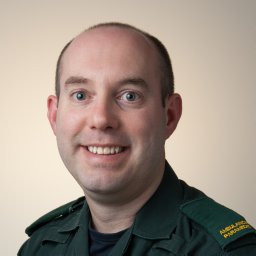 Richard Pilbery合作论文数Yorkshire Ambulance Service NHS Trust9
 Sarah Connelly合作论文数8
 Paul Dorinsky合作论文数8Richard Simmonds合作论文数7Jose Schutter合作论文数7Jamie Hall合作论文数7Emma Young合作论文数7Richard Campbell合作论文数7Elena Sheldon合作论文数Sch Hlth & Related Res ScHARR, Univ Sheffield7Tony Stone合作论文数Univ Sheffield, Sch Hlth & Related Res, Sheffield S1 4DA, S Yorkshire, England7
 Andrew Bentley合作论文数for the RECOVERY-RS Collaborators7
 Darren Paul Walter合作论文数7Ian Maconochie合作论文数Department of Infectious Disease, Faculty of Medicine, Imperial College London7Harris Tim合作论文数7
 Andrew CK Lee合作论文数School of Health and Related Research, The University of Sheffield7
 Ellen Lee合作论文数Department of Psychiatry, School of Medicine, University of California, San Diego7Loban Amanda合作论文数7




