The endoplasmic reticulum (ER) comprises an array of subdomains, each defined by a characteristic structure and function. Although altered ER processes are linked to age-onset pathogenesis, it is unclear whether shifts in ER structure or dynamics underlie these functional changes. Here we establish ER structural and functional remodelling as a conserved feature of ageing across yeast, Caenorhabditis elegans and mammals. Focusing on C. elegans as the exemplar of metazoan ageing, we reveal striking age-related reductions in ER volume across diverse tissues and a morphological shift from rough sheets to tubular ER. This morphological transition corresponds with large-scale shifts in ER proteome composition from protein synthesis to lipid metabolism, a phenomenon conserved in mammalian tissues. We show that Atg8 and ULK1-dependent ER-phagy drives age-associated ER remodelling through tissue-specific factors, including the previously uncharacterized ER-phagy regulator TMEM-131 and the IRE-1–XBP-1 branch of the unfolded protein response. Providing support for a model where ER remodelling is adaptive, diverse lifespan-extending paradigms downscale and remodel ER morphology throughout life. Furthermore, mTOR-dependent lifespan extension in yeast and worms requires ER-phagy, indicating that ER remodelling is a proactive and protective response during ageing. These results reveal ER-phagy and ER dynamics as pronounced, underappreciated mechanisms of both normal ageing and age-delaying interventions. Donahue et al. show that ageing is associated with changes in ER morphology. ER-phagy drives age-associated ER remodelling through tissue-specific factors.
Tepsin is an accessory protein in Adaptor Protein 4 (AP-4) coated vesicles responsible for trafficking cargo from the trans-Golgi network (TGN). AP-4 vesicles recognize and sort multiple cargoes including ATG9A, a lipid scramblase essential for autophagosome maturation. In cultured cells, tepsin loss alters ATG9A distribution and autophagosome morphology, and tepsin has been shown to contain a canonical LC3-interacting region (LIR) motif required for proper ATG9A distribution. Computational modeling in AlphaFold Multimer combined with biochemical and biophysical experiments identified three additional LC3B binding motifs within tepsin disordered regions. Structural models paired with bio-layer interferometry (BLI) uncovered and confirmed specific residues involved in each interaction and indicated all four motifs independently engage the LC3B LIR docking site (LDS). Thermodynamic and kinetic properties associated with each motif found in full-length tepsin were quantified. BLI and biochemical data reveal all four motifs in tepsin must be mutated to abrogate binding to LC3B in vitro, while stoichiometry data estimate one tepsin likely binds two LC3B at one time on a surface or membrane. Together, data suggest tepsin could respond dynamically to LC3B concentrations on membranes by leveraging multivalency to modulate binding strength.
Endosomes are vital cellular hubs for sorting protein cargoes. Retromer (VPS26/VPS35/VPS29) binds multiple sorting nexin (SNX) proteins on endosomal membranes, but assembly mechanisms of metazoan SNX/Retromer complexes remain elusive. We combine biochemical and biophysical approaches with AlphaFold modeling to identify a previously unidentified direct interaction between SNX27 and VARP. A full biochemical reconstitution system using purified proteins systematically tests how and when coats are recruited to membranes to generate tubules. We demonstrate and measure how specific combinations of Retromer with SNX27, ESCPE-1 (SNX2/SNX6), or both complexes, remodel membranes containing physiological cargo and phospholipids. SNX27, alone and with Retromer, remodels membranes with PI(3)P and PDZbm cargo. ESCPE-1 deforms membranes with bis-phosphoinositides and CI-MPR cargo but surprisingly does not recruit Retromer. VARP co-immunoprecipitates all coat components in cells and is required to reconstitute a proposed endosomal "supercomplex" (SNX27, ESCPE-1, and Retromer) in vitro. These data suggest VARP regulates metazoan endosomal coat assembly to promote cargo sorting out of endosomes.
Tepsin is an established accessory protein found in Adaptor Protein 4 (AP-4) coated vesicles, but the biological role of tepsin remains unknown. AP-4 vesicles originate at the trans-Golgi network (TGN) and target the delivery of ATG9A, a scramblase required for autophagosome biogenesis, to the cell periphery. Using in silico methods, we identified a putative LC3-Interacting Region (LIR) motif in tepsin. Biochemical experiments using purified recombinant proteins indicate tepsin directly binds LC3B preferentially over other members of the mammalian ATG8 family. Calorimetry and structural modeling data indicate this interaction occurs with micromolar affinity using the established LC3B LIR docking site. Loss of tepsin in cultured cells dysregulates ATG9A export from the TGN as well as ATG9A distribution at the cell periphery. Tepsin depletion in a mRFP-GFP-LC3B HeLa reporter cell line using siRNA knockdown increases autophagosome volume and number, but does not appear to affect flux through the autophagic pathway. Reintroduction of wild-type tepsin partially rescues ATG9A cargo trafficking defects. In contrast, reintroducing tepsin with a mutated LIR motif or missing N-terminus drives diffuse ATG9A subcellular distribution. Together, these data suggest roles for tepsin in cargo export from the TGN; ensuring delivery of ATG9A-positive vesicles; and in overall maintenance of autophagosome structure.
Multiple essential membrane trafficking pathways converge at endosomes to maintain cellular homeostasis by sorting critical transmembrane cargo proteins to the plasma membrane or the trans-Golgi network (TGN). The Retromer heterotrimer (VPS26/VPS35/VPS29 subunits) binds multiple sorting nexin (SNX) proteins on endosomal membranes, but molecular mechanisms regarding formation and regulation of metazoan SNX/Retromer complexes have been elusive. Here, we combine biochemical and biophysical approaches with AlphaFold2 Multimer modeling to identify a direct interaction between the VARP N-terminus and SNX27 PDZ domain. VARP and SNX27 interact with high nanomolar affinity using the binding pocket established for PDZ binding motif (PDZbm) cargo. Specific point mutations in VARP abrogate the interaction in vitro. We further establish a full biochemical reconstitution system using purified mammalian proteins to directly and systematically test whether multiple endosomal coat complexes are recruited to membranes to generate tubules. We successfully use purified coat components to demonstrate which combinations of Retromer with SNX27, ESCPE-1 (SNX2/SNX6), or both complexes can remodel membranes containing physiological cargo motifs and phospholipid composition. SNX27, alone and with Retromer, induces tubule formation in the presence of PI(3)P and PDZ cargo motifs. ESCPE-1 deforms membranes enriched with Folch I and CI-MPR cargo motifs, but surprisingly does not recruit Retromer. Finally, we find VARP is required to reconstitute a proposed endosomal supercomplex containing SNX27, ESCPE-1, and Retromer on PI(3)P-enriched membranes. These data suggest VARP functions as a key regulator in metazoans to promote cargo sorting out of endosomes.
Development of breast cancer is linked to altered regulation of mammary gland developmental processes. A better understanding of normal mammary gland development can thus reveal possible mechanisms of how normal cells are re-programmed to become malignant. E2Fs 1-4 are part of the E2F transcription factor family with varied roles in mammary development, but little is known about the role of E2F5. A combination of scRNAseq and predictive signature tools demonstrated the presence of E2F5 in the mammary gland and showed changes in predicted activity during the various phases of mammary gland development. Testing the hypothesis that E2F5 regulates mammary function, we generated a mammary-specific E2F5 knockout mouse model, resulting in modest mammary gland development changes. However, after a prolonged latency the E2F5 conditional knockout mice developed highly metastatic mammary tumors. Whole genome sequencing revealed significant intertumor heterogeneity. RNAseq and protein analysis identified altered levels of Cyclin D1, with similarities to MMTV-Neu tumors, suggesting that E2F5 conditional knockout mammary glands and tumors may be dependent on Cyclin D1. Transplantation of the tumors revealed metastases to lymph nodes that were enriched through serial transplantation in immune competent recipients. Based on these findings, we propose that loss of E2F5 leads to altered regulation of Cyclin D1, which facilitates the development of metastatic mammary tumors after long latency. More importantly, this study demonstrates that conditional loss of E2F5 in the mammary gland leads to tumor formation, revealing its role as a transcription factor regulating a network of genes that normally result in a tumor suppressor function.
Background: Deep brain stimulation (DBS) is the main surgical treatment for medically refractory movement disorders. Many patients are older with medical comorbidities necessitating antiplatelet or anticoagulation use. There is limited data on intracranial bleeding or thromboembolic complications surrounding use of chronic antiplatelet or anticoagulation treatment for patients who undergo DBS surgery.
Tepsin is an established accessory protein found in Adaptor Protein 4 (AP-4) coated vesicles, but the biological role of tepsin remains unknown. AP-4 vesicles originate at the trans -Golgi network (TGN) and target the delivery of ATG9A, a scramblase required for autophagosome biogenesis, to the cell periphery. Using in silico methods, we identified a putative L C3-Interacting R egion (LIR) motif in tepsin. Biochemical experiments using purified recombinant proteins indicate tepsin directly binds LC3B, but not other members, of the mammalian ATG8 family. Calorimetry and structural modeling data indicate this interaction occurs with micromolar affinity using the established LC3B LIR docking site. Loss of tepsin in cultured cells dysregulates ATG9A export from the TGN as well as ATG9A distribution at the cell periphery. Tepsin depletion in a mRFP-GFP-LC3B HeLa reporter cell line using siRNA knockdown increases autophagosome volume and number, but does not appear to affect flux through the autophagic pathway. Re-introduction of wild-type tepsin partially rescues ATG9A cargo trafficking defects. In contrast, re-introducing tepsin with a mutated LIR motif or missing N-terminus does not fully rescue altered ATG9A subcellular distribution. Together, these data suggest roles for tepsin in cargo export from the TGN; delivery of ATG9A-positive vesicles at the cell periphery; and in overall maintenance of autophagosome structure.
The essential COPI coat mediates retrieval of transmembrane proteins at the Golgi and endosomes following recruitment by the small GTPase, Arf1. ArfGAP proteins regulate COPI coats, but molecular details for COPI recognition by ArfGAPs remain elusive. Biochemical and biophysical data reveal how β'-COP propeller domains directly engage the yeast ArfGAP, Glo3, with a low micromolar binding affinity. Calorimetry data demonstrate that both β'-COP propeller domains are required to bind Glo3. An acidic patch on β'-COP (D437/D450) interacts with Glo3 lysine residues located within the BoCCS (binding of coatomer, cargo, and SNAREs) region. Targeted point mutations in either Glo3 BoCCS or β'-COP abrogate the interaction in vitro, and loss of the β'-COP/Glo3 interaction drives Ste2 missorting to the vacuole and aberrant Golgi morphology in budding yeast. These data suggest that cells require the β'-COP/Glo3 interaction for cargo recycling via endosomes and the TGN, where β'-COP serves as a molecular platform to coordinate binding to multiple proteins, including Glo3, Arf1, and the COPI F-subcomplex.
Objective: To evaluate the characteristics and disease course of patients with young-onset multiple system atrophy (YOMSA). Background: YOMSA is defined as the onset of MSA before age 40 years. There is limited information about the disease course and outcome in these patients. Design/Methods: We retrospectively reviewed medical records of all patients with a diagnosis of clinically established or clinically probable MSA who were evaluated at all Mayo Clinic sites from 1998 to 2021. We identified patients who were ≤40 years at time of disease onset. We evaluated clinical characteristics, disease course, and autonomic function testing results. Composite Autonomic Severity Score (CASS) was calculated based on autonomic testing. Results: Of 1496 patients with a diagnosis of clinically established or probable MSA, 20 patients had YOMSA. The mean age of onset was 38.61 (±2.16) years; 13 patients (65%) were male. MSA-parkinsonism was the most common subtype (65%). At the time of medical record review, 15 patients were deceased with a mean age of death of 47.88 (±3.83) years. The median duration of disease course (onset to death) and onset to diagnosis were 7.67 [IQR: 6.36, 10.23] and 4.90 [IQR: 3.70, 8.61] years, respectively. Patients with autonomic symptoms at the time of disease onset had a shorter disease course compared to those without autonomic complaints (6.60 years versus 10.74 years; p=0.037). At the time of YOMSA diagnosis, thermoregulatory sweat test was performed in 17 patients with a median of 88% anhidrosis; CASS was available in 19 patients with a median of 5 [IQR: 4, 6.5]. Genetic evaluations were performed in 6 patients with no revealing results. Conclusions: Patients with YOMSA are often diagnosed late in the disease course. Those with autonomic symptoms at the time of disease onset have a more rapid course compared to those with initial motor-only presentation. Disclosure: Dr. Badihian has nothing to disclose. The institution of Dr. Savica has received research support from ACADIA Pharmaceuticals, Inc. Dr. Adler has received personal compensation in the range of $500-$4,999 for serving as a Consultant for Amneal. Dr. Adler has received personal compensation in the range of $500-$4,999 for serving as a Consultant for Avion. Dr. Adler has received personal compensation in the range of $10,000-$49,999 for serving as a Consultant for CND Life Sci. Dr. Adler has received personal compensation in the range of $5,000-$9,999 for serving as a Consultant for Jazz. Dr. Adler has received personal compensation in the range of $500-$4,999 for serving as a Consultant for Precon. Dr. Adler has received personal compensation in the range of $500-$4,999 for serving as a Consultant for Neurocrine. The institution of Dr. Adler has received research support from NIH. The institution of Dr. Adler has received research support from Michael J. Fox Foundation. The institution of Dr. Adler has received research support from Arizona Biomedical Research Commission. Dr. Adler has received publishing royalties from a publication relating to health care. Dr. Wszolek has received personal compensation in the range of $5,000-$9,999 for serving as an Editor, Associate Editor, or Editorial Advisory Board Member for Polish Neurological Society/Via Medica. Dr. Jackson has nothing to disclose. Dr. Benarroch has nothing to disclose. Dr. Sandroni has nothing to disclose. Dr. Low has nothing to disclose. Dr. Singer has received personal compensation in the range of $500-$4,999 for serving as a Consultant for Amneal. Dr. Singer has received personal compensation in the range of $500-$4,999 for serving as a Consultant for UniQure. The institution of Dr. Singer has received research support from NIH. The institution of Dr. Singer has received research support from FDA. Dr. Singer has received intellectual property interests from a discovery or technology relating to health care. Dr. Coon has nothing to disclose.
Mutations in the heterotetrametric adaptor protein 4 (AP-4; ε/β4/μ4/σ4 subunits) membrane trafficking coat complex lead to complex neurological disorders characterized by spastic paraplegia, microcephaly, and intellectual disabilities. Understanding molecular mechanisms underlying these disorders continues to emerge with recent identification of an essential autophagy protein, ATG9A, as an AP-4 cargo. Significant progress has been made uncovering AP-4 function in cell culture and patient-derived cell lines, and ATG9A trafficking by AP-4 is considered a potential target for gene therapy approaches. In contrast, understanding how AP-4 trafficking affects development and function at the organismal level has long been hindered by loss of conserved AP-4 genes in key model systems (S. cerevisiae, C. elegans, D. melanogaster). However, zebrafish (Danio rerio) have retained AP-4 and can serve as an important model system for studying both the nervous system and overall development. We undertook gene editing in zebrafish using a CRISPR-ExoCas9 knockout system to determine how loss of single AP-4, or its accessory protein tepsin, genes affect embryo development 24 h post-fertilization (hpf). Single gene-edited embryos display abnormal head morphology and neural necrosis. We further conducted the first exploration of how AP-4 single gene knockouts in zebrafish embryos affect expression levels and patterns of two autophagy genes, atg9a and map1lc3b. This work suggests zebrafish may be further adapted and developed as a tool to uncover AP-4 function in membrane trafficking and autophagy in the context of a model organism.
Deciphering mechanisms controlling SNARE localization within the Golgi complex is crucial to understanding protein trafficking patterns within the secretory pathway. SNAREs are also thought to prime coatomer protein I (COPI) assembly to ensure incorporation of these essential cargoes into vesicles, but the regulation of these events is poorly understood. Here, we report roles for ubiquitin recognition by COPI in SNARE trafficking and in stabilizing interactions between Arf, COPI, and Golgi SNAREs in Saccharomyces cerevisiae. The ability of COPI to bind ubiquitin, but not the dilysine motif, through its N-terminal WD repeat domain of β′-COP or through an unrelated ubiquitin-binding domain is essential for the proper localization of Golgi SNAREs Bet1 and Gos1. We find that COPI, the ArfGAP Glo3, and multiple Golgi SNAREs are ubiquitinated. Notably, the binding of Arf and COPI to Gos1 is markedly enhanced by ubiquitination of these components. Glo3 is proposed to prime COPI–SNARE interactions; however, Glo3 is not enriched in the ubiquitin-stabilized SNARE–Arf–COPI complex but is instead enriched with COPI complexes that lack SNAREs. These results support a new model for how posttranslational modifications drive COPI priming events crucial for Golgi SNARE localization.
Retromer (VPS26/VPS35/VPS29 subunits) assembles with multiple sorting nexin proteins on membranes to mediate endosomal recycling of transmembrane protein cargoes. Retromer has been implicated in other cellular processes, including mitochondrial homeostasis, nutrient sensing, autophagy, and fission events. Mechanisms for mammalian retromer assembly remain undefined, and retromer engages multiple sorting nexin proteins to sort cargoes to different destinations. Published structures demonstrate mammalian retromer forms oligomers in vitro, but several structures were poorly resolved. We report here improved retromer oligomer structures using single-particle cryo-EM by combining data collected from tilted specimens with multiple advancements in data processing, including using a 3D starting model for enhanced automated particle picking in RELION. We used a retromer mutant (3KE retromer) that breaks VPS35-mediated interfaces to determine a structure of a new assembly interface formed by the VPS26A and VPS35 N-termini. The interface reveals how an N-terminal VPS26A arrestin saddle can link retromer chains by engaging a neighboring VPS35 N- terminus, on the opposite side from the well-characterized C-VPS26/N-VPS35 interaction observed within heterotrimers. The new interaction interface exhibits substantial buried surface area (∼7000 Å2) and further suggests that metazoan retromer may serve as an adaptable scaffold.
 Amy Kendall合作论文数17
 Chandra Mintu合作论文数Department of Biological Sciences, Indian Institute of Science Education and Research Bhopal10Boyang Xie合作论文数8Meredith N Frazier合作论文数Signal Transduction Laboratory, NIEHS8
 Peng Xu (许鹏)合作论文数6MacGurn Jason A合作论文数6
 Todd R. Graham合作论文数Vanderbilt Brain Institute, Vanderbilt University;Department of Biological Sciences, College of Arts and Science, Vanderbilt University6
 Owen David J合作论文数Department of Clinical Biochemistry,University of Cambridge6
 Elizabeth A Coon合作论文数5
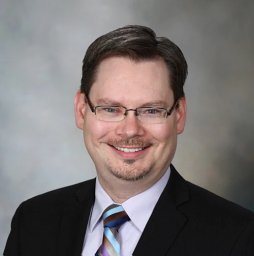 Klassen Bryan T合作论文数Department of Neurology, Mayo Clinic Arizona5
 Anhar Hassan合作论文数University Children's Hospital (UKGM) and Medical Faculty, Justus Liebig University of Giessen;Medical Faculty and University Hospital, University of Cologne;Essen University Hospital, University of Duisburg-Essen;Department of Neurocritical Care, Neurological and Neurosurgical First Stage Rehabilitation and Weaning, MediClin Klinik Reichshof;Department of Neurologic Diseases and Neurogenetics (J.G.-B.),, Institut D'Investigació Biomèdica de Bellvitge;Department of Neurology, Ludwig Maximilian University of Munich;Department of Neurology (Anhar Hassan),, Mayo Clinic;Royal Manchester Children's Hospital, University of Manchester;Brook House, New York University Langone;Department of Neurology (H.L.),, New York University Langone School of Medicine;Department of Neurology (S.P.),, University of California Los Angeles;Department of Adult Metabolic Medicine (R.S.),, Salford Royal Foundation NHS Trust;and Department of Neurology (T.B.-E.),, University Hospital Bern;University Children's Hospital (UKGM) and Medical Faculty, University Hospital Bern4Brett Collins合作论文数Institute for Molecular Bioscience, The University of Queensland4
 Airlie Mccoy合作论文数Cambridge Institute for Medical Research, University of Cambridge4
 Alexandra Davies合作论文数International Medical Affairs, Bracco SpA4
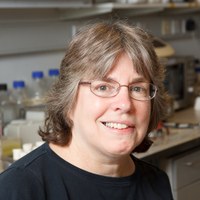 Margaret S. Robinson合作论文数Cambridge Institute for Medical Research, University of Cambridge4
 Phil Evans合作论文数MRC Laboratory of Molecular Biology4Jordan T Best合作论文数3F. Ali合作论文数3
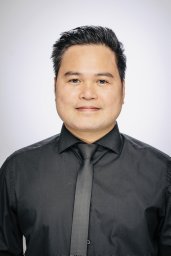 Nathaniel L Hepowit合作论文数Department of Microbiology and Cell Science, University of Florida3
 MacDonald Chris合作论文数Molecular Physiology and Biophysics, University of Iowa3Archuleta Tara L合作论文数3
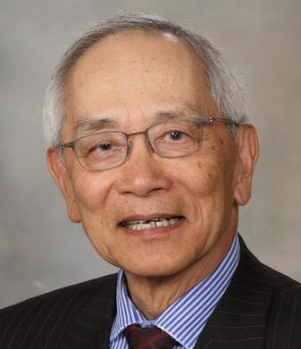 Phillip A. Low合作论文数Department of Neurology, Mayo Clinic3
 Georg Borner合作论文数Max Planck Institute of Biochemistry3
 Wolfgang Singer合作论文数Department of Neurology, Mayo Clinic3
 Eduardo E. Benarroch合作论文数Department of Neurology, Mayo Clinic3Rodolfo Savica合作论文数Nephrology University3Rachel Kubiak合作论文数2Eric R Strieter合作论文数2Nicholas S Diab合作论文数2David Judah合作论文数2Rachel E Rempel合作论文数2Christian Jung合作论文数2Jery Inbarasu合作论文数2Clara Guillem合作论文数2Evan Bylett合作论文数2
 Carson Broeker合作论文数2John E Gadbery合作论文数2
 Daniel P Hollern合作论文数Univ N Carolina, Lineberger Comprehens Canc Ctr, Chapel Hill, NC USA2Jing-Ru Jhan合作论文数Department of Physiology, Michigan State University2E. Coon合作论文数2Briana To合作论文数Michigan State Univ, Dept Physiol, E Lansing, MI 48824 USA2Negin Badihian合作论文数2
 James Edgar合作论文数Department of Pathology, University of Cambridge2Jones Lyell K合作论文数Department of Neurology, Mayo Clinic2
 Lena Wartosch合作论文数2
 Andrechek Eran R合作论文数Dept Physiol, Michigan State Univ2Hui Wei合作论文数2
 Joseph R. Nevins合作论文数Department of Molecular Genetics & Microbiology, Duke University School of Medicine2
 James P Klaas合作论文数2




