Objective As chip technology continues to evolve toward miniaturization and high performance, the ongoing reduction in packaging size imposes increasingly severe constraints on solder joint reliability. Statistical data indicates that approximately 70% of chip failures originate from packaging-related issues, among which solder joint failure is the dominant cause. Among various defect types, void defects are a critical factor affecting the thermal fatigue life of solder joints. Specifically, these voids act as initiation sites for intergranular fatigue cracks, readily leading to solder ball fracture and failure. This issue is particularly pronounced in ball grid array (BGA) packaging. As a key technology for interconnection and mechanical support in high-performance chips, BGA solder balls are prone to the formation of internal voids during ball placement and secondary reflow soldering processes, thereby compromising the long-term reliability of the chip. Traditional defect detection methods, such as threshold-based segmentation, Fourier transform techniques, and low-rank sparse decomposition models, are highly dependent on image quality. Due to the limitations imposed by X-ray penetration mechanisms and material density variations, minute voids within solder balls typically exhibit low contrast in projection images. Consequently, traditional algorithms relying on handcrafted features struggle to construct robust segmentation boundaries and are highly susceptible to interference from internal chip structures, metal artifacts, and imaging noise, leading to high false-positive rates and poor adaptability to complex industrial scenarios. Moreover, existing detection methods often exhibit insufficient accuracy when dealing with voids characterized by small scales, blurred boundaries, and occlusions in BGA X-ray images. To address these challenges, this study proposes an improved YOLOv8n-based BGA solder ball void detection network, termed SGC-YOLO, which demonstrates notable advantages in detecting minute and occluded void defects. The proposed design strategy and experimental results are expected to provide valuable insights and practical references for void defect detection in chip solder balls. Methods The SGC-YOLO network incorporates a semantic-guided cross-layer (SGC) framework into the neck architecture to enable the synergistic fusion of shallow texture features and deep semantic features, thereby enhancing the detection capability for small targets with similar visual patterns. In addition, a semantic-guided local feature fusion (LFF) module is designed to strengthen void feature extraction and improve feature discriminability through the coordinated mechanisms of detail preservation, semantic enhancement, and background suppression. Furthermore, an improved feature alignment and redistribution (FAR) module is introduced to regulate the arrangement and activation distribution of shallow and deep feature channels. This design promotes sufficient inter-channel interaction and balance, effectively alleviating the issue that shallow feature responses are easily overwhelmed by dominant deep semantics under blurred-edge conditions, thus improving the effectiveness of multi-level feature fusion. Finally, a smooth geometric loss (SGL) function is proposed. By exploiting the circular geometric characteristics of void defects, the rectangular prediction boxes are transformed into equivalent circular representations. Meanwhile, continuous gradients are constructed based on the center distance and scale discrepancy between predicted and ground-truth boxes, which effectively mitigates the gradient vanishing problem encountered in the localization of minute and edge-blurred voids, enabling the predicted boxes to better conform to the actual defect contours. Results and Discussions Experimental results demonstrate that SGC-YOLO achieves a mean average precision (mAP) of 91.9 % on the self-built dataset. Compared with Faster R-CNN, YOLOv8, YOLOv11, YOLOv12, RT-DETR, and Gold-YOLO, the proposed method yields performance improvements of 6.8 percentage points, 4.3 percentage points, 4.3 percentage points, 4.6 percentage points, 7.2 percentage points, and 5.0 percentage points, respectively, indicating a clear advantage in detecting minute and occluded void defects. Overall, SGC-YOLO exhibits detection performance that is consistently superior to that of the comparative methods. In particular, for voids that spatially overlap with lead structures-scenarios in which conventional methods frequently suffer from missed detections-SGC-YOLO effectively discriminates void defects from background interference by leveraging the enhanced feature fusion strategy, thereby achieving accurate detection. Moreover, for minute void defects, SGC-YOLO demonstrates higher detection sensitivity than competing approaches, which substantially reduces the occurrence of missed detections. Conclusions Addressing the detection challenges posed by void defects within BGA solder balls-characterized by minute scale, low contrast, blurred boundaries, and susceptibility to interference from complex internal structures-this study develops an improved detection network, termed SGC-YOLO, based on YOLOv8n and oriented toward practical engineering applications. By introducing a semantic-guided cross-layer feature fusion framework, along with local feature enhancement and channel alignment and redistribution strategies, the proposed model effectively coordinates the complementary roles of shallow detailed features and deep semantic representations, thereby substantially enhancing the characterization of minute and occluded voids under complex backgrounds. In addition, a Smooth Geometric Loss function is designed in accordance with the geometric properties of solder voids, which improves gradient propagation and localization stability for small-scale targets during the training process. Experimental evaluations demonstrate that SGC-YOLO achieves a mean average precision of 91.9 %, outperforming representative mainstream detectors-including Faster R-CNN, RT-DETR, and various YOLO-based models-by margins ranging from 4.3 percentage points to 7.2 percentage points, with particularly pronounced advantages in scenarios involving minute voids and structural overlap. Overall, the results confirm the effectiveness and engineering applicability of the proposed method for BGA solder void detection, providing reliable technical support for chip packaging quality assessment and long-term reliability analysis.
With the deceleration of Moore's Law, the improvement of chip performance is transitioning from pure transistor scaling to the parallel advancement of device miniaturization and advanced packaging technologies, aiming to achieve higher levels of system integration and interconnect density. Following this trend, copper pillar bumps, owing to their miniature dimensions, fine pitch, and outstanding electrical and thermal properties, have emerged as essential interconnect structures in 2.5D and 3D packaging technologies. However, copper pillar bump technology continues to encounter issues, including elevated interconnection temperatures, inadequate thermo-electric reliability, and constrained performance under ultra-high-density conditions. This review provides an overview of the research background, current progress, and prospective trends in copper pillar bump technology. Beginning with the basic fabrication processes, this paper elaborates on the evolution of material systems for copper pillar bumps and the most recent advancements in novel fabrication techniques. Next, the underlying mechanisms and suitability of different interconnection approaches are examined. Moreover, advances in reliability testing, failure mechanisms, and optimization strategies for interconnections are summarized, providing theoretical guidance for extending their service life and enhancing long-term reliability. Finally, the prospects and research directions of copper pillar bump technology are discussed.
Copper (Cu) pastes have emerged as highly promising bonding materials in the field of power electronics packaging due to their low cost, high thermal conductivity, and outstanding mechanical reliability. However, the high-temperature and high-pressure sinter-joining processes significantly limit their practical application. This study proposes a multi-solvent collaborative engineering strategy to effectively promote the activation, rearrangement, and densification of Cu particles during sintering. By modulating the reducing property, wettability, and evaporation property of the solvent, Cu joints with shear strength of up to 50.67 f 4.19 MPa are achieved under low-temperature (200 degrees C) and pressureless conditions. Even when the temperature decreases to 160 degrees C, the shear strength maintains 46.10 f 2.56 MPa. Additionally, the developed Cu paste exhibits outstanding compatibility with Au and Ag metallized surfaces. The high performance of this Cu paste offers potential applications and commercial value in the packaging of high-power electronic devices.
To achieve effective detection of loose particles within small cavities in microelectronic devices, this paper proposes the optimal detection conditions of loose particles in ceramic packaging for microelectronic devices based on simulation, and presents a method for weak signal reconstruction using weighted sparse representation. To address the challenge of ineffective detection of loose particles under recommended vibration conditions, a particle-cavity collision dynamics model is established. Subsequently, the detection laws of loose particles under different accelerations, frequencies, and cavity heights are studied through simulation, leading to the establishment of optimal detection conditions for microelectronic devices with varying cavity heights. To address the issue of weak impulses being submerged in background noise under optimal detection conditions, sparse representation is utilized for signal reconstruction. First, a Laplace wavelet dictionary is constructed according to the impulse characteristics. Second, the generalized minimax-concave (GMC) penalty function is applied as a sparse regularization term to preserve signal amplitude. Meanwhile, a weight matrix based on kurtosis and singular value is designed to threshold sparse coefficients. The results demonstrate that the proposed optimal detection conditions and signal reconstruction method effectively detect loose particles. Compared with other algorithms, the proposed method reduces background noise in the particle impact noise detection (PIND) signals while maintaining impulse amplitude; it also improves signal reconstruction accuracy and offers valuable insights into effective loose particle detection in microelectronic packaging devices.
The flip-chip technology is widely used in aerospace and defense electronic systems because of its high information processing, rapid response and autonomous control. As flip-chip technology advances towards higher density and finer pitch, the mechanical reliability of chip packaging will decrease, with solder bumps defect being the most common and severe concern. To ensure the safety and availability of electronic systems in industrial production applications, it is very necessary to develop the nondestructive solder bumps detection technology with less manual intervention, lightweight architecture and high detection accuracy. In this study, a self-search lightweight framework (SLF), which integrates architecture feature search (AFS) and logic-space decoupling distillation (LDD), is developed to analyze vibration signals and identify different defects of flip-chip solder bumps. AFS makes up for the three sub-vulnerabilities in existing neural architecture search, which provide a homotypic combination AFST-AFSS for SLF. LDD decouples the logic space of traditional knowledge distillation into 3-probability spaces, which learn logical feature representations with class boundary discriminability, and facilitates feature migration in the SLF. The vibration noise signal contains a large amount of state information, and the combination with artificial intelligence technology will further support the high precision, efficiency, and reliability of detection. We collected vibration signals of flip-chips through ultrasonic excitation experiments and used them as data input for the proposed method. Specially, the dual-convergence property of AFS and the semantic mapping capability of LDD in SLF have been investigated respectively with the support of this vibration signals. Furthermore, an in-depth investigation of orthogonal analysis and adaptive performance reveals that SLF, which is a combination of AFS and LDD, delivers the best lightweight detection performance compared with other popular methods, which has shown tremendous potential on deploying edge equipment with limited computing power to complete detection in real industrial environments.
In order to investigate the effect of coaxial-feed laser cladding with the addition of ZrC and CNTs reinforcing particles, a four-split-beam coaxial-wire-feed system was used for the first time to fabricate the cladding layers. Specifically, the effects of the reinforcing particles on the microstructure, mechanical and corrosion properties of the cladding layers were investigated. On 316L substrates, three types of cladding layers were created: pure Inconel 625, Inconel 625 with ZrC, and Inconel 625 with ZrC-CNTs. The testing findings revealed that the cladding layer with reinforcement particles added possessed the ideal geometrical features of large melt width and low dilution rate. Due to the coaxial action of the laser and the wire, the grains on both sides of the single-bead cladding layer transited from columnar crystals to equiaxial crystals along the temperature gradient, and the grains in the middle of the single-bead cladding layer showed the competing growth of columnar crystals and equiaxial crystals at the fusion line. The addition of ZrC and CNTs particles produced a heterogeneous nucleation effect that refined the grain size and homogenized the grain orientation, which CNTs accentuated. Compared with the pure Inconel 625 cladding, the tensile strength of the ZrC/Inconel 625 cladding increased from 731Mpa to 783Mpa, the hardness increased by 29%, and the electrochemical corrosion rate decreased by 53.6%. The elongation of the ZrC-CNTs/Inconel 625 cladding increased from 13.4% to 24%, but the corrosion resistance decreased significantly.
A wire-based laser directed energy deposition process was developed to repair Q690D steel. The microstructure evolution, phase transformation and mechanical properties of the repaired specimens were investigated in detail. Excellent metallurgical bonding was achieved between the repaired zone and the substrate free of macroscopic defects. Typical columnar dendrites with grains grew perpendicularly from the fusion line to the deposition zone (DZ) centre. Microstructure in the DZ and heat-affected zone (HAZ) of the repaired specimen was predominated by lath martensite. The tensile properties of the repaired specimens were comparable to those of the substrate. The repaired specimens presented ∼200 MPa higher flexural strength than that of the substrates, while they have inferior ductility compared to the substrates under the three-point bend test. The average impact absorbed energy value for the repaired specimens achieved ∼85–90% of the substrates. This study introduces a novel restoration technique for offshore engineering platform maintenance.
To achieve effective detection of loose particles within small cavities in microelectronic devices, this paper proposes the optimal detection conditions of loose particles in ceramic packaging for microelectronic devices based on simulation. Through establishing a particle-cavity collision dynamics model in ADAMS, the motion process of particles under sinusoidal excitation is simulated. Subsequently, the paper examines the impact of different accelerations, frequencies, loose particles' properties, and cavity heights on optimal detection conditions. Furthermore, the paper presents the optimal conditions for vibration testing, providing a valuable reference for the effective detection of loose particles in hermetically sealed microelectronic devices.
针对气体绝缘开关设备(gas insulated switchgear,简称GIS)断路器声信号易受强背景噪声干扰且特征提取困难的问题,提出一种可以有效诊断其机械故障的方法.首先,使用多通道声传感器阵列采集断路器原始观测信号,利用独立成分分析(independent component analysis,简称ICA)方法将观测信号分离为多维源信号,并选取源信号中模糊熵最小的分量作为特征信号;其次,计算特征信号的多尺度模糊熵(multi-scale fuzzy entropy,简称MFE)生成断路器的声纹特征;最后,利用极限学习机(extreme learning machine,简称ELM)算法识别断路器的故障.实验结果表明,基于声信号的检测方法为GIS断路器的机械故障诊断提供了一种新的解决方案,所提出的算法能够有效提取声纹特征,故障诊断准确率较传统方法有明显提高.
In this paper, a novel welding technology realized by planetary system laser was proposed. The crystal orientation and growth features in the fusion zones were studied and compared to the result of single laser welding. The single laser welding produced conventional columnar and equiaxed growth of alpha-Al dendrites in the fusion zone. These two regions both possessed newly nucleated tiny grains and overgrown huge grains. The planetary system laser welding enhanced the free nucleation procedure and promoted the columnar to equiaxed transformation. Compared to a single laser, the average grain misorientation was increased while the aspect ratio and grain size were decreased. Also, the entire orientation distribution exhibited a considerably dispersed fashion. In summary, the planetary system laser welding presented stirring force and disordered heat diffusion during solidification process. The former directly broke up the protuberant tips of trunks and multiplied the number of existing dendrites. The latter reduced the high throughput heat diffusion and produced a relatively lowtemperature gradient, thus elevating the supercooling and radial overgrowth of dendrites.
This paper investigated evolutions of α-Al sub-grains’ morphology and crystalline orientation in the fusion zone during laser welding of 2A12 aluminum alloys. Based on this, a new method for assessing the weldability of materials was proposed. In laser deep-penetration welding, in addition to the conventional columnar and equiaxed dendrites, there also exhibited a corrugated structure with several ‘fine-coarse-fine’ transformations. In such regions, an abnormal α-Al coarsening phenomenon was encountered, with a more dispersed crystalline orientation arrangement and a decreased maximum pole density value. Particularly, structural alterations appeared more frequently in the weld bottom than the top. The above results indicated that the laser-induced keyhole presented a continually fluctuating state. Under such a condition, the solid–liquid transformation exhibited an unstable solidification front, a fluctuant undercooling, and a variational solidification rate. Meanwhile, the welding quality of this material is in a critical state to generate pores. Therefore, the appearance and relevant number of corrugated regions can be considered as a new way for judging the weldability, which will help to narrow the processing window with better welding stability.
Due to difficulty in obtaining fault samples for rolling bearing,the distribution of training samples often exhibits strong unbalance to seriously affect the accuracy of bearing intelligent fault diagnosis.Here,aiming at the problem of unbalanced training samples of rolling bearing,a fault diagnosis method based on constrained autoencoder-generative adversarial network(CAE-GAN)was proposed to enhance features of fault samples,and improve the accuracy of diagnosis model.Firstly,a network model based on encoding-decoding-discrimination structure was constructed by combining AE and GAN to improve the generator's ability to capture actual sample distribution.To further improve the quality of generated samples,a method based on distance constraint was proposed to limit distances between different types of samples,and thereby avoid all generated samples coming from the same type.Finally,rolling bearing fault diagnosis tests showed that the proposed method can effectively improve the quality of generated samples,solve the problem of samples unbalance,and obviously improve the accuracy of bearing fault diagnosis compared to other methods.
Noise suppression of an echo signal plays an important role in high-frequency ultrasonic testing of flip chips. This paper proposes an orthogonal matching pursuit (OMP) method optimized by an improved artificial bee colony (ABC) algorithm for denoising high-frequency ultrasonic testing signals of flip chips. We add adaptive learning factors to change the way the ABC randomly selects the search direction, which speeds up the convergence speed of the algorithm. The improved ABC, named adaptive artificial bee colony (AABC), replaces the greedy search process of OMP. Instead of searching for the atom that best matches the echo signal, the improved OMP algorithm searches for the optimal parameter and replaces the atom with a set of parameters with practical physical significance. The introduction of the AABC changes the search space of OMP from discrete dictionary space to continuous parameter space, which minimizes the error between the atom and echo signal and leads to an accurate approximation. Additionally, the AABC reduces the search times of OMP and improves the convergence speed. Then, the wavelet transform thresholding technology is combined with the attenuation characteristic of high-frequency ultrasound to eliminate the influence of error decomposition caused by noise and inaccurate sparsity setting. We present the noise suppression experimental results of high-frequency ultrasonic simulation and real testing signals of flip chips, including Gaussian white noise and correlated noise, and compare the proposed method with other sparse representation methods, including matching pursuit (MP) and OMP. The results demonstrate the superior performance of the proposed method.
In practical mechanical fault detection and diagnosis, it is difficult and expensive to collect enough large-scale supervised data to train deep networks. Transfer learning can reuse the knowledge obtained from the source task to improve the performance of the target task, which performs well on small data and reduces the demand for high computation power. However, the detection performance is significantly reduced by the direct transfer due to the domain difference. Domain adaptation (DA) can transfer the distribution information from the source domain to the target domain and solve a series of problems caused by the distribution difference of data. In this survey, we review various current DA strategies combined with deep learning (DL) and analyze the principles, advantages, and disadvantages of each method. We also summarize the application of DA combined with DL in the field of fault diagnosis. This paper provides a summary of the research results and proposes future work based on analysis of the key technologies.
针对滚动轴承故障诊断在工程实际中故障数据稀缺的问题,提出一种基于shapelets时间序列的多源迁移学习滚动轴承故障诊断方法.首先利用典型故障信息丰富、标记样本充足的滚动轴承数据构建多源域数据集,使用不同源域的数据对源域特征提取器与分类器进行预训练;然后利用基于动态时间规整的shapelets学习算法提取源域与 目标域的shapelets作为判别结构,通过度量判别结构优化源域数据,对源域网络进行微调以得到诊断模型;最后根据每个源域与 目标域的shapelets之间的差异,利用 自适应域权重对各分类器的结果进行聚合得出诊断结果.实验结果表明,该方法在小样本与强噪声的情况下具有较高的故障诊断准确率.
The vibration signals of rolling bearings are susceptible to strong noise interference. In addition, the lacking of fault samples for rolling bearings increases the difficulty of fault diagnosis. A fault diagnosis model based on conditional generative adversarial network (CGAN) and convolutional denoising auto-encoder (CDAE) is proposed to solve these problems. CGAN is used to generate new samples with the same distribution as the real samples. In order to improve the anti-noise ability of the model, we use CDAE as the discriminator model of CGAN to extract more robust features and achieve more accurate discrimination and classification. The generator and the discriminator are optimized by the adversarial mechanism to improve the quality of sample generation and the accuracy of fault classification. The experimental results show that the CGAN-CDAE model has good anti-noise ability, and achieves good fault diagnosis performance of rolling bearings in the case of small samples and class imbalance.
This paper proposes a novel nondestructive diagnostic method for flip chips based on an improved semi-supervised deep extreme learning machine (ISDELM) and vibration signals. First, an ultrasonic transducer is used to generate and focus ultrasounds on the surface of the flip chip to excite it, and a laser scanning vibrometer is applied to acquire the chip'on signals. Then, an extreme learning machine-autoencoder (ELM-AE) structure is adopted to extract features from the original vibration signals layer by layer. Finally, the study proposes integrating the ELM with sparsity neighboring reconstruction to diagnose defects based on unlabeled and labeled data. The ISDELM algorithm is applied to experimental vibration data of flip chips and compared with several other algorithms, such as semi-supervised ELM (SS-ELM), deep ELM, stacked autoencoder, convolutional neural network, and ordinary SDELM. The results show that the proposed method is superior to the several currently available algorithms in terms of accuracy and stability.
Excimer Laser Coronary Atherectomy (ELCA) uses 308nm laser to eliminate coronary atherosclerosis. It has a good therapeutic effect in diseases such as poor stent expansion, moderate calcification, and acute myocardial infarction. The laser catheter enters the patient's body during the operation and transmits the laser to the lesion, which plays an important role in the success of the operation. In this paper, the finite element simulation analysis of the mechanical properties of the laser catheter is carried out, and innovative optimization design is carried out on this basis. The paper first analyzes the laser catheter composite material, establishes its torsion, compression, and bending finite element model, and analyzes the influence of the microstructure on the mechanical properties of the laser catheter. Set different parameters for the helix angle, number and diameter of the optical fibers in the laser catheter, and simulate the stress conditions under three kinds of loads. The results show that the three variables have a great influence on the stress and deformation of the laser catheter composite material. Then a finite element model of the coronary artery of the heart is established, the laser catheter's movement in the coronary artery is simulated by LS-DYNA, and the effect of the laser catheter's diameter, wall thickness and elastic modulus on the stress of the laser catheter is analyzed. It is found that the laser catheter is subject to greater stress at the bending part of the aortic arch, and the diameter, wall thickness and elastic modulus of the laser catheter have a significant influence on the stress and advancing distance of the laser catheter. Finally, on the basis of simulation analysis and comprehensive consideration of various influencing factors, the parameters of the laser catheter are designed. In order to meet the stress requirements of different positions of the laser catheter, a catheter design with variable fiber helix angle is proposed.
Automatic inspection methods based on machine vision have been widely employed for steel surface defect detection. The central purpose of these methods is to extract features to represent different defects. However, current methods depend on machine learning that demands handcrafted features and overlooks the domain shift. In this paper, we propose a new method combining domain adaptation (DA) and adaptive convolutional neural network (ACNN), called DA-ACNN, to achieve steel surface defect detection. The convolutional neural network (CNN) is used as the backbone. To account for the lack of labels in a new domain, we introduce an additional domain classifier and a constraint on label probability distribution to achieve the cross-domain and cross-task recognition. The normal distribution and the quadratic function are used to optimize the loss to improve the network performance. Adaptive learning rates based on the loss and the weight, respectively, are proposed to minimize the losses of DA and classification. We conducted experiments on steel surface defect datasets to validate the effectiveness of DA-ACNN. Compared with the classical CNN and other approaches, the results demonstrate the superiority of the proposed method. (C) 2020 Elsevier Ltd. All rights reserved.
The sparse reconstruction of two-dimensional (2-D) ultrasound images has proven effective in detecting microdefects in acoustic microimaging (AMI). However, in terms of the acquisition method of a blur kernel for the AMI detection of microdefects, it is difficult for the experimental method to prepare a micrometer-level point source, and the simulation method needs to build different simulation models for different ultrasonic probes. These two methods are troublesome and limit the blur kernel function for sparse reconstruction. This article develops a super-resolution blind estimation algorithm for AMI to generalize the sparse model to different ultrasonic imaging devices and probes. The original blurred image is denoised based on the 2-D sparse representation to perform blur kernel estimation normally. Then, the blur kernel function based on the maximum a posteriori estimation is estimated in the denoised image. We reconstruct the deblurred C -scan images of complex defects with the blur kernel function. The results indicate that the sparse reconstruction for the microdefect detection of a 2-D ultrasound image based on the blind estimation is effective for resolution improvement and signal-to-noise ratio enhancement of microdefect detection.
 Guanglan Liao (廖广兰)合作论文数School of Mechanical Science and Engineering, Huazhong University of Science and Technology24
 Tielin Shi (史铁林)合作论文数School of Mechanical Science and Engineering, Huazhong University of Science & Technology21
 Xiangning Lu (陆向宁)合作论文数15
 Jiefei Gu (顾杰斐)合作论文数Jiangnan University Junyuan College14
 Li Du合作论文数9
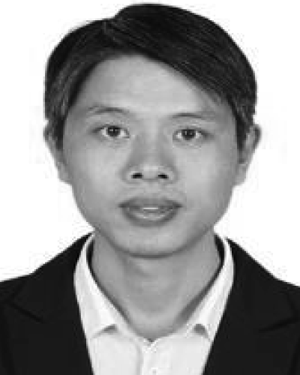 Zhenzhi He合作论文数School of Mechanical Engineering, Jiangsu Normal University, Xuzhou, China8
 Michael Pecht合作论文数Center for Advanced Life Cycle Engineering, A. James Clark School of Engineering, University of Maryland;Maryland Energy Innovation Institute, University of Maryland8
 Dan Ye (叶丹)合作论文数College of Information Science and Engineering, Northeastern University7
 Ke Li (李科)合作论文数School of Mathematics and Statistics, Hunan Normal University5
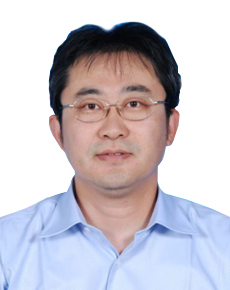 Xiuquan Ma (马修泉)合作论文数School of Optical and Electronic Information, Huazhong University of Science and Technology5Ke LI (李可)合作论文数4Libo Wang合作论文数4Pengfei Chen合作论文数4
 Jingjing Wu (吴晶晶)合作论文数School of Science, Jiangnan University4
 Hao Shen (沈浩)合作论文数School of Electrical and Information Engineering, Anhui University of Technology4Siyu ZHANG合作论文数3ZHOU Hongdi (周宏娣)合作论文数3
 Gaoyang Mi (米高阳)合作论文数School of Materials Science and Engineering, Huazhong University of Science and Technology3ZhiGang Xue (薛志钢)合作论文数3
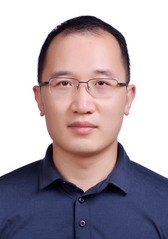 Liyi Li (李力一)合作论文数School of Integrated Circuits, Southeast University3
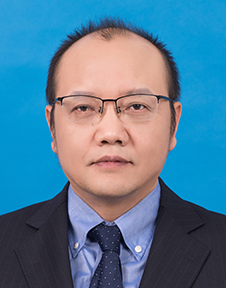 Zirong Tang (汤自荣)合作论文数School of Mechanical Science and Engineering, Huazhong University of Science and Technology;State Key Laboratory of Intelligent Manufacturing Equipment And Technology, Huazhong University of Science and Technology3Mengying Fan (范梦影)合作论文数3
 Xingang Zhao (赵新刚)合作论文数Shenyang Institute of Automation, Chinese Academy of Sciences;University of Chinese Academy of Sciences3
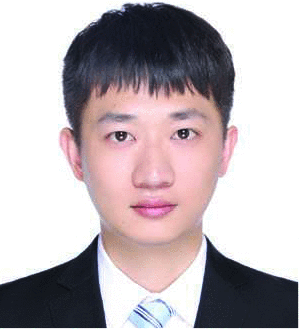 Fan Liu合作论文数3
 Jessie (Ju H.) Park合作论文数Laboratory for Advanced Nonlinear Dynamics and Control, Department of Electrical Engineering, Yeungnam University;Korean Academy of Science and Technology3Gang Wang合作论文数2
 Zengxiang Wang合作论文数2Suya Wang合作论文数2Yong Ji合作论文数2Yang QI合作论文数2Xuefei Ming合作论文数2
 Zhengwu Zhu (朱政武)合作论文数College of Mechatronics and Control Engineering, Shenzhen University2Tianyu Xu (许天宇)合作论文数School of Mechanical and Electrical Engineering, Wuhan University of Technology2Kui-kui WANG (王葵葵)合作论文数2Xiang Yang合作论文数2Yichun Zhang合作论文数2
 Xingyan Yao合作论文数Chongqing Technoloty and Business University2
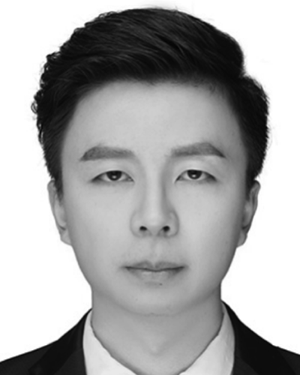 Lingyu Wang合作论文数School of Science, Jimei University, Xiamen 361021, China2
 Xiaonan Yu合作论文数2Bing YUAN (袁兵)合作论文数2Kun ZHANG (张昆)合作论文数2WenSheng Su (苏文胜)合作论文数2
 Zhiping Liu (刘志平)合作论文数School of Transportation and Logistics Engineering, Wuhan University of Technology2
 Qiuju Zhang (张秋菊)合作论文数江南大学2
 Wanli Li合作论文数2
 Junjie Shen合作论文数2




