Equivariant networks embed geometric symmetries as structural priors through weight sharing, achieving remarkable parameter efficiency across vision tasks. However, this parameter efficiency does not translate into compute efficiency: existing implementations unroll the structured weights into dense matrices and dispatch them to generic dense kernels, so the FLOPs of an equivariant layer are no smaller than those of a non-equivariant counterpart. In this paper, we observe that the equivariant linear (EQ-Linear) layer—the most fundamental and frequently used module in modern equivariant architectures—is essentially a circular convolution along the group dimension composed with a linear transform along the channel dimension. Building on this observation, we propose Flash EQ-Linear, an exact acceleration algorithm that reduces the complexity from 𝒪(NDC) to 𝒪(NDC/T) by combining the Fourier convolution theorem along the group dimension with the conjugate symmetry of the real DFT. We further provide dedicated CUDA kernels for Flash EQ-Linear, covering both forward and backward passes and both FP32 and FP16 precision. At the operator level, Flash EQ-Linear achieves up to 2× forward speedup over PyTorch's F.linear; at the network level, Flash EQ-ViT and Flash EQ-Swin achieve up to 1.7× end-to-end speedup over both equivariant and non-equivariant baselines. To our knowledge, this is the first time equivariant networks strictly dominate their non-equivariant counterparts along all three axes simultaneously: accuracy, parameter efficiency, and inference speed.Code is available at https://github.com/zhongchenzhao/FlashEQLinear.
Recently, reinforcement learning (RL) has been employed for improving generative image super-resolution (ISR) performance. However, the current efforts are focused on multi-step generative ISR, while one-step generative ISR remains underexplored due to its limited stochasticity. In addition, RL methods such as Direct Preference Optimization (DPO) require the generation of positive and negative sample pairs offline, leading to a limited number of samples, while Group Relative Policy Optimization (GRPO) only calculates the likelihood of the entire image, ignoring local details that are crucial for ISR. In this paper, we propose Group Direct Preference Optimization (GDPO), a novel approach to integrate RL into one-step generative ISR model training. First, we introduce a noise-aware one-step diffusion model that can generate diverse ISR outputs. To prevent performance degradation caused by noise injection, we introduce an unequal-timestep strategy to decouple the timestep of noise addition from that of diffusion. We then present the GDPO strategy, which integrates the principle of GRPO into DPO, to calculate the group-relative advantage of each online generated sample for model optimization. Meanwhile, an attribute-aware reward function is designed to dynamically evaluate the score of each sample based on its statistics of smooth and texture areas. Experiments demonstrate the effectiveness of GDPO in enhancing the performance of one-step generative ISR models.
Current continual semantic segmentation methods face two critical limitations: architectural rigidities often leading to catastrophic forgetting, and suboptimal data replay mechanisms failing to fully provide supervision from old classes. To address these, we propose ConSept, a Vision Transformer-based continual semantic segmentation framework utilizing visual adapters. From architecture perspective, within the simplified architecture of ViT with linear segmentation head, ConSept integrates lightweight attention-based adapters into vanilla ViTs. For the data perspective, instead of replaying entire old-class exemplars, we propose old instance replay, which improves old-new class discrimination by directly inserting old-class instances into new training images. Furthermore, we adopt a tailored training strategy that combines distillation with a deterministic old-class boundary and dual Dice losses to further strengthen segmentation performance. Extensive experiments on multiple benchmarks under both overlapped and disjoint settings show that ConSept achieves competitive performance compared to state-of-the-art methods, offering a promising solution for continual semantic segmentation.
The introduction of negative labels (NLs) has proven effective in enhancing Out-of-Distribution (OOD) detection. However, existing methods often lack an understanding of OOD images, making it difficult to construct an accurate negative space. Furthermore, the absence of negative labels semantically similar to ID labels constrains their capability in near-OOD detection. To address these issues, we propose shaping an Adaptive Negative Textual Space (ANTS) by leveraging the understanding and reasoning capabilities of multimodal large language models (MLLMs). Specifically, we cache images likely to be OOD samples from the historical test images and prompt the MLLM to describe these images, generating expressive negative sentences that precisely characterize the OOD distribution and enhance far-OOD detection. For the near-OOD setting, where OOD samples resemble the in-distribution (ID) subset, we cache the subset of ID classes that are visually similar to historical test images and then leverage MLLM reasoning to generate visually similar negative labels tailored to this subset, effectively reducing false negatives and improving near-OOD detection. To balance these two types of negative textual spaces, we design an adaptive weighted score that enables the method to handle different OOD task settings (near-OOD and far-OOD), making it highly adaptable in open environments. On the ImageNet benchmark, our ANTS significantly reduces the FPR95 by 3.1\%, establishing a new state-of-the-art. Furthermore, our method is training-free and zero-shot, enabling high scalability.
In this paper, we present a comprehensive overview of the NTIRE 2026 3rd Restore Any Image Model (RAIM) challenge, with a specific focus on Track 3: AI Flash Portrait. Despite significant advancements in deep learning for image restoration, existing models still encounter substantial challenges in real-world low-light portrait scenarios. Specifically, they struggle to achieve an optimal balance among noise suppression, detail preservation, and faithful illumination and color reproduction. To bridge this gap, this challenge aims to establish a novel benchmark for real-world low-light portrait restoration. We comprehensively evaluate the proposed algorithms utilizing a hybrid evaluation system that integrates objective quantitative metrics with rigorous subjective assessment protocols. For this competition, we provide a dataset containing 800 groups of real-captured low-light portrait data. Each group consists of a 1K-resolution low-light input image, a 1K ground truth (GT), and a 1K person mask. This challenge has garnered widespread attention from both academia and industry, attracting over 100 participating teams and receiving more than 3,000 valid submissions. This report details the motivation behind the challenge, the dataset construction process, the evaluation metrics, and the various phases of the competition. The released dataset and baseline code for this track are publicly available from the same \href{https://github.com/zsn1434/AI_Flash-BaseLine/tree/main}{GitHub repository}, and the official challenge webpage is hosted on \href{https://www.codabench.org/competitions/12885/}{CodaBench}.
Vision-Language Models (VLMs) have been increasingly adopted for Image Quality Assessment (IQA). However, current methods typically employ a static one-shot scoring paradigm, despite the fact that humans assess image quality through dynamic visual inspection, e.g., selectively adjusting views to verify details and subtle artifacts. Specifically, relying solely on a single-pass observation introduces two primary limitations: first, perceiving the image only at a global scale restricts the assessment of finer local details; second, the original intensity distribution of the image may overwhelm the visibility, leading to insufficient inspection of image quality. To address these issues, we propose Tool-IQA, shifting the assessment mechanism from passive scoring to a tool-augmented workflow. In particular, we equip VLMs with simple yet effective view tools: a Magnifier to inspect local details, and a Gamma Corrector to uncover visibility and hidden artifacts. The assessment follows a structured pipeline that consists of an initial observation with rubric notes, a tool-augmented in-depth inspection, and a final quantification for calibrated quality score. Furthermore, to ensure efficient and purposeful tool callings, we introduce a batch-aware training strategy to reward tool interactions that can yield positive contributions rather than simply encouraging usage. Experiments on a variety of IQA benchmarks demonstrate that, with effective tool calling and calibrated assessment, our proposed Tool-IQA significantly outperforms existing state-of-the-art models, e.g., it achieves a PLCC of 0.854 on the challenging CLIVE dataset.
Multi-exposure fusion (MEF) brings the dynamic range of conventional cameras closer to that of human vision, producing images with rich scene content. Given the large variability in scene luminance, exposure strategies often require different numbers of frames to capture the full radiance range faithfully. However, conventional MEF techniques are typically designed for a fixed number of inputs, forcing deployment systems to maintain separate models for different frame-count requirements, which undermines deployment efficiency. To address this limitation, we propose FreeMEF, the first flexible-frame transformer for MEF that seamlessly accommodates varying numbers of input exposures without retraining or architectural changes. The proposed approach consists of two key modules. First, we introduce a recurrent state space module (RSSM) that sequentially fuses features from arbitrary sequences via adaptive alignment and state-space recurrent modeling, thereby providing global information guidance for the subsequent restoration. Second, we devise a global feature guided block (GFGB) incorporating an extremity-aware hybrid attention (EAHA) and an affine-injection feed-forward network (AFFN), which effectively resolves the similarity paradox while simultaneously optimizing contrast and brightness regulation. Extensive experiments on three benchmark datasets demonstrate the effectiveness of our method, which performs favorably against state-of-the-art methods both quantitatively and qualitatively.
Deploying Vision-Language Models (VLMs) under aggressive low-bit inference remains challenging because inference cost is dominated by the long visual-token prefix during prefill and the growing KV cache during autoregressive decoding. Token pruning and low-bit quantization are complementary for reducing these costs, yet naive stage-wise combinations are often brittle due to a mismatch between quantization calibration and pruning execution. We present a collaborative quantization-and-pruning framework that unifies low-bit inference and deterministic visual-token pruning in a single deployable pipeline. The framework introduces the Quantization Unified Offline Token Allocator (QUOTA), which converts low-bit calibration signals into a layer-wise token allocation schedule and materializes it as a pruning recipe. Token importance is evaluated under deployed W4A4 operators with a quantized KV cache by combining activation magnitude, attention cues, and an explicit low-bit risk signal, enabling consistent budgeted top-k selection. Experiments on standard VLM benchmarks show improved robustness over stage-wise baselines under the same low-bit regime, achieving 95.65% average retention while retaining only 30% of visual tokens, compared with about 94.3% retention for representative stage-wise combinations. The code will be released.
In controllable image generation, synthesizing coherent and consistent images from multiple reference inputs, i.e., Multi-Image Composition (MICo), remains a challenging problem, partly hindered by the lack of high-quality training data.To bridge this gap, we conduct a systematic study of MICo, categorizing it into 7 representative tasks and curate a large-scale collection of high-quality source images and construct diverse MICo prompts.Leveraging powerful proprietary models, we synthesize a rich amount of balanced composite images, followed by human-in-the-loop filtering and refinement, resulting in MICo-150K , a comprehensive dataset for MICo with identity consistency.We further build a Decomposition-and-Recomposition ( De&Re ) subset, where 11K real-world complex images are decomposed into components and recomposed, enabling both real and synthetic compositions.To enable comprehensive evaluation, we construct MICo-Bench with 100 cases per task and 300 challenging De&Re cases, and further introduce a new metric, Weighted-Ref-VIEScore , specifically tailored for MICo evaluation.Finally, we fine-tune multiple models on MICo-150K and evaluate them on MICo-Bench . The results show that MICo-150K effectively equips models without MICo capability and further enhances those with existing skills.Notably, Qwen-MICo , fine-tuned from Qwen-Image-Edit, matches Qwen-Image-2509 in 3-image composition while supporting arbitrary multi-image inputs beyond the latter’s limitation.Our dataset and benchmark will be valuable resources for advancing MICo research.
Most instruction-driven 3D editing methods rely on 2D models to guide the explicit and iterative optimization of 3D representations. This paradigm, however, suffers from two primary drawbacks. First, it lacks a universal design of different 3D editing tasks because the explicit manipulation of 3D geometry necessitates task-dependent rules, e.g., 3D appearance editing demands inherent source 3D geometry, while 3D removal alters source geometry. Second, the iterative optimization process is highly time-consuming, often requiring thousands of invocations of 2D/3D updating. We present Omni-3DEdit, a unified, learning-based model that generalizes various 3D editing tasks implicitly. One key challenge to achieve our goal is the scarcity of paired source-edited multi-view assets for training. To address this issue, we construct a data pipeline, synthesizing a relatively rich number of high-quality paired multi-view editing samples. Subsequently, we adapt the pre-trained generative model SEVA as our backbone by concatenating source view latents along with conditional tokens in sequence space. A dual-stream LoRA module is proposed to disentangle different view cues, largely enhancing our model's representational learning capability. As a learning-based model, our model is free of the time-consuming online optimization, and it can complete various 3D editing tasks in one forward pass, reducing the inference time from tens of minutes to approximately two minutes. Extensive experiments demonstrate the effectiveness and efficiency of Omni-3DEdit.
Distribution matching distillation (DMD) aligns a multi-step generator with its few-step counterpart to enable high-quality generation under low inference cost. However, DMD tends to suffer from mode collapse, as its reverse-KL formulation inherently encourages mode-seeking behavior, for which existing remedies typically rely on perceptual or adversarial regularization, thereby incurring substantial computational overhead and training instability. In this work, we propose a role-separated distillation framework that explicitly disentangles the roles of distilled steps: the first step is dedicated to preserving sample diversity via a target-prediction (e.g., v-prediction) objective, while subsequent steps focus on quality refinement under the standard DMD loss, with gradients from the DMD objective blocked at the first step. We term this approach Diversity-Preserved DMD (), which, despite its simplicity—no perceptual backbone, no discriminator, no auxiliary networks, and no additional ground-truth images—preserves sample diversity while maintaining visual quality on par with state-of-the-art methods in extensive text-to-image experiments. Code and models will be released publicly.
Flicker artifacts, arising from unstable illumination and row-wise exposure inconsistencies, pose a significant challenge in short-exposure photography, severely degrading image quality. Unlike typical artifacts, e.g., noise and low-light, flicker is a structured degradation with specific spatial-temporal patterns, which are not accounted for in current generic restoration frameworks, leading to suboptimal flicker suppression and ghosting artifacts. In this work, we reveal that flicker artifacts exhibit two intrinsic characteristics, periodicity and directionality, and propose Flickerformer, a transformer-based architecture that effectively removes flicker without introducing ghosting.Specifically, Flickerformer comprises three key components: a phase-based fusion module (PFM), an autocorrelation feed-forward network (AFFN), and a wavelet-based directional attention module (WDAM). Based on the periodicity, PFM performs inter-frame phase correlation to adaptively aggregate burst features, while AFFN exploits intra-frame structural regularities through autocorrelation, jointly enhancing the network’s ability to perceive spatially recurring patterns. Moreover, motivated by the directionality of flicker artifacts, WDAM leverages high-frequency variations in the wavelet domain to guide the restoration of low-frequency dark regions, yielding precise localization of flicker artifacts. Extensive experiments demonstrate that Flickerformer outperforms state-of-the-art approaches in both quantitative metrics and visual quality. The source code is available in the supplementary materials.
Although recent 3D‑native generators have made great progress in synthesizing reliable geometry, they still fall short in achieving realistic appearances. A key obstacle lies in the lack of diverse and high-quality real-world 3D assets with rich surface details, since capturing such data is intrinsically difficult due to the diverse scales of scenes, non‑rigid motions of objects, and the limited precision of scanners.We introduce Photo3D, a framework for advancing photorealistic 3D generation, which is driven by the image data generated by the GPT‑4o‑Image model.Considering that the generated images can distort 3D structures due to their lack of multi‑view consistency, we design a structure‑aligned multi‑view synthesis pipeline and construct a detail‑enhanced multi‑view dataset paired with 3D geometry. Building on it, we present a realistic detail enhancement scheme that leverages perceptual feature adaptation and semantic structure matching to enforce appearance consistency with the realistic detail priors while preserving the structural consistency with the 3D-native geometry. While our scheme is general to different 3D-native generators, we present dedicated training strategies to facilitate the optimization of geometry-texture coupled and decoupled 3D-native generation paradigms. Experiments demonstrate that Photo3D generalizes well across diverse 3D‑native generation paradigms and achieves state‑of‑the‑art photorealistic 3D generation performance. Codes, models and datasets will be released.
Large-scale pre-trained text-to-image (T2I) diffusion models, such as Stable Diffusion, can be finetuned for image super-resolution (SR) with highly realistic details. While impressive, pre-training such multi-modal models demands billions of high-quality text-image pairs and substantial computational resources, despite that SR is fundamentally an image-to-image (I2I) task. This raises a critical question: do we truly need multi-modal priors and billion-scale text-image data to solve a purely vision task? In this paper, we propose VOSR , a V ision- O nly S uper- R esolution framework that eliminates the need for textual priors and multi-modal pretraining. We identify two key limitations in previous image-based, uni-modal diffusion models: limited visual semantic guidance and unstable unconditional training. To this end, we leverage a pretrained vision encoder to inject semantic cues, and introduce a relaxed unconditional objective that partially uses the low-quality condition to stabilize training. To accelerate inference, we adopt a modified shortcut model for one-step SR with minimal quality degradation. VOSR is trained from scratch with significantly less data and a lower computational cost compared to T2I-based diffusion models. However, VOSR achieves comparable or even better performance than state-of-the-art T2I-tuned SR methods on both synthetic and real-world benchmarks, demonstrating its potential as a scalable and competitive alternative for generative SR. Codes and models will be made publicly available.
While test-time adaptation (TTA) empowers vision-language models to adapt without costly retraining, it remains highly vulnerable to out-of-distribution (OOD) outliers prevalent in real-world applications. This discrepancy motivates Noisy TTA (NTTA), an online task to filter noisy OOD samples on the fly while maximizing in-distribution (ID) classification accuracy. Existing zero-shot NTTA approaches typically rely on test-time discriminative training, leading to overconfident misclassifications and significantly degraded inference efficiency. To address these limitations, we propose a novel framework named Dual Distribution Estimation (DDE), shifting the zero-shot NTTA paradigm from instance-level learning to training-free Gaussian distribution modeling. DDE incorporates two novel modules: Positive Feature Distribution Estimation (PFDE) and Negative Label Distribution Estimation (NLDE). PFDE explicitly models class-wise inclusion and exclusion Gaussian distributions to formulate a calibrated contrastive score, robustly enhancing ID accuracy. In parallel, NLDE improves OOD identification by explicitly modeling the negative label distribution to mine highly discriminative labels, effectively mitigating spurious correlations. Extensive experiments show that on the large-scale ImageNet benchmark, DDE achieves an improvement of 3.70% in harmonic mean accuracy and reduces the FPR95 for OOD detection by 6.20%, while ensuring highly scalable and efficient online inference. Furthermore, DDE is zero-shot and training-free, demonstrating remarkable robustness in data-scarce scenarios. Codes are available at https://github.com/ZhuWenjie98/DDE.
Modern smartphones capture Live Photos, short video bursts surrounding a still image, offering a dynamic and engaging photographic experience. However, the cover photo and video components are generated by two distinct imaging pipelines: the photo stream undergoes full computational photography processing, while the video stream is constrained by real-time efficiency and heavy compression. This intrinsic separation produces a substantial quality gap in resolution, color fidelity, and dynamic range between the cover photo and video frames. When users reselect an alternative frame from the video to replace an imperfect cover, the chosen frame often suffers from severe degradation, making direct replacement visually unsatisfactory. Restoring such frames requires simultaneous enhancement of spatial detail and color appearance, a task considerably more challenging than ordinary super-resolution or color enhancement. To address this, we define the Live Photo Cover Frame Reselection and Enhancement (LPRE) task, which leverages the intrinsic cues available within each Live Photo: the high-quality cover image as a structural and color reference, the user-reselected low-quality frame as the reconstruction target and several adjacent video frames providing temporal cues. Building upon this formulation, we construct Live2K, a real-world dataset of 2,042 Live Photos, and develop a unified one-stage baseline that integrates multi-frame fusion, guided color enhancement and super-resolution, establishing the first benchmark for Live Photo enhancement research.
This paper presents NTIRE 2026, the 3rd Restore Any Image Model (RAIM) challenge on multi-exposure image fusion in dynamic scenes. We introduce a benchmark that targets a practical yet difficult HDR imaging setting, where exposure bracketing must be fused under scene motion, illumination variation, and handheld camera jitter. The challenge data contains 100 training sequences with 7 exposure levels and 100 test sequences with 5 exposure levels, reflecting real-world scenarios that frequently cause misalignment and ghosting artefacts. We evaluate submissions with a leaderboard score derived from PSNR, SSIM, and LPIPS, while also considering perceptual quality, efficiency, and reproducibility during the final review. This track attracted 114 participating teams and received 987 submissions. The winning methods significantly improved the ability to remove artifacts from multi-exposure fusion and recover fine details. The dataset and the code of each team can be found at the repository: https://github.com/qulishen/RAIM-HDR.
Unified image restoration (UIR) aims to recover high-quality (HQ) content from low-quality (LQ) images with different degradations using a single model. Most recent methods adapt large pretrained text-to-image (T2I) latent diffusion models for their strong capacity and generative priors. However, the variational autoencoder (VAE) in latent T2I models may discard restoration-sensitive details, while the open-ended synthesis prior can introduce content-inconsistent artifacts. We present PixRestore, a VAE-free pixel-space Diffusion Transformer (DiT) for UIR, where the diffusion backbone is trained entirely from scratch, without relying on T2I pretraining. PixRestore performs flow matching directly on patchified pixels, preserving fine-grained details while keeping the token sequence tractable. To adapt to different degradations, PixRestore learns to predict the reliability of layer features using LQ–HQ DINO feature similarity. Features from more reliable layers are fused as dense conditioning, while less reliable layers receive stronger HQ-feature supervision to encourage degradation removal. We train PixRestore on a large-scale corpus of diverse scenes and degradations, and further finetune it into a one-step generator using DINO-based adversarial objectives for efficient inference. Experiments on public benchmarks and real-world test sets show that, with only about 50M parameters and single-step inference, PixRestore achieves the best overall fidelity, perceptual quality, and robustness to degradations among competing UIR models while being far more efficient. Larger PixRestore variants can further boost performance, demonstrating the scalability of our pixel-space design. Code and the curated benchmark can be found at https://github.com/csslc/PixRestore.
Multimodal Large Language Models (MLLMs) have achieved strong performance on a wide range of vision-language tasks, but often fail under imperfect or shifted contexts. A reliable MLLM should refuse truly out-of-context (OOC) questions with subject-level context shifts while still answering shifted in-context (Shifted IC) questions with non-subject context shifts. Existing benchmarks mainly target OOC or visually unanswerable questions, but overlook answerable Shifted IC cases and cover limited OOC shifts. To fill this gap, we present MMOOC, a large-scale benchmark for evaluating refusal and robust answering abilities of MLLMs. MMOOC contains over 41K image-question pairs, including answerable Shifted IC cases and unanswerable OOC cases, spanning three question formats, eight shift types and six visual scenarios, with data quality ensured through MLLM-based filtering and human verification. We evaluate model responses using Accuracy and Refusal Rate, and further introduce an LLM-as-a-Judge metric to assess the correctness of model reasoning. Experiments on diverse MLLMs show that current models still struggle to balance answer-ability and refusal under shifted contexts. We further analyze key failure patterns and show that post-training can improve robustness. MMOOC will be made publicly available.
 David Zhang, Dapeng (张大鹏)合作论文数Department of Computing, Hong Kong Polytechnic University;School of Data Science, Chinese University of Hong Kong (Shenzhen)128
 Wangmeng Zuo (左旺孟)合作论文数School of Computer Science and Technology, Harbin Institute of Technology101
 Xiao-li Ding (丁曉利)合作论文数Department of Land Surveying and Geo-Information, The Hong Kong Polytechnic University;Research Institute for Land and Space, Academy for Interdiscipinary Research, The Hong Kong Polytechnic University42
 Hui Zeng合作论文数OPPO Research Institute36
 Deyu Meng (孟德宇)合作论文数National Engineering Laboratory for Algorithm and Analysis Technologiy on Big Data, Xi’an Jiaotong University;Rearch Institute for Mathematics and Mathematical Technology, School of Mathematics and Statistics, Xi'an Jiaotong University35
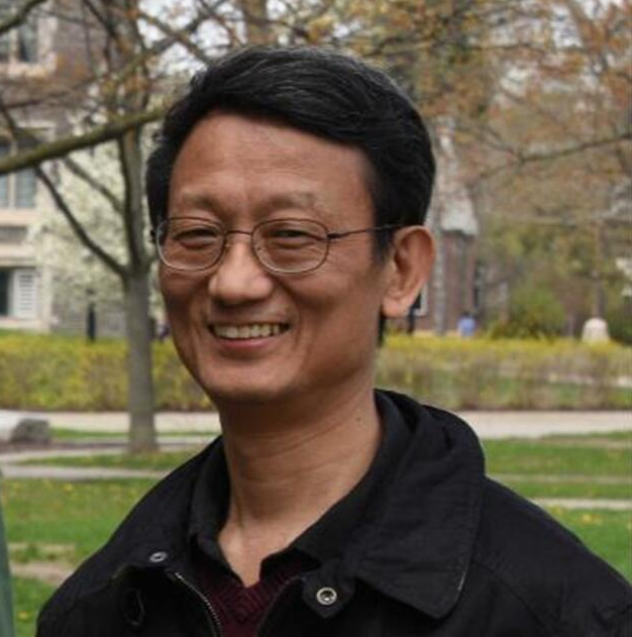 Xiaolin Wu合作论文数Department of Electrical & Computer Engineering, Faculty of Engineering, McMaster University30
 Xuanqin Mou (牟轩沁)合作论文数The School of Information and Communications Engineering, Faculty of Electronic and Information Engineering, Xi'an Jiaotong University29
 Hongwei Yong (雍宏巍)合作论文数Department of Computing, The Hong Kong Polytechnic University29
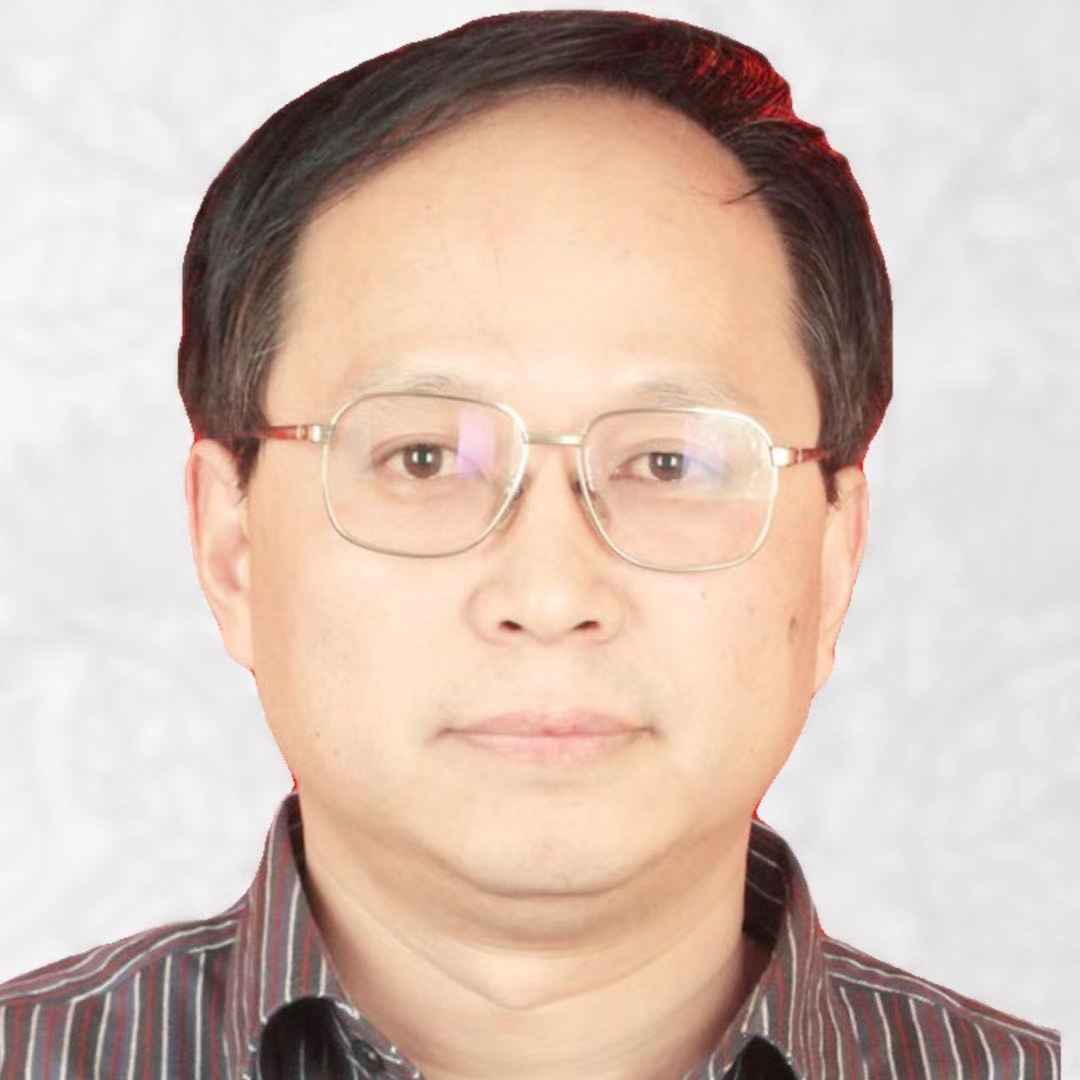 Xiangchu Feng (冯象初)合作论文数School of Mathematics and Statistics, Xidian University25
 Zhong Lu (路中)合作论文数Roy M. Huffington Department of Earth Sciences, Southern Methodist University24
 Xiansheng Hua (华先胜)合作论文数School of Mechanical Engineering, Tongji University;Institute of AI for Engineering, Tongji University23
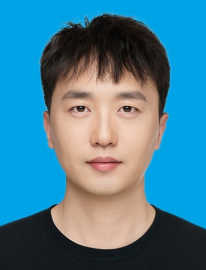 Shuai Li (栗帅)合作论文数School of Computer Science, Northwestern Polytechnical University22
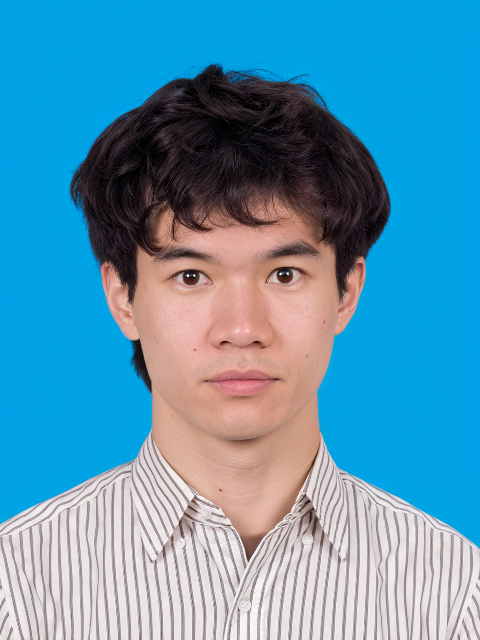 Rongyuan Wu合作论文数Department of Computing, Hong Kong Polytechnic University21
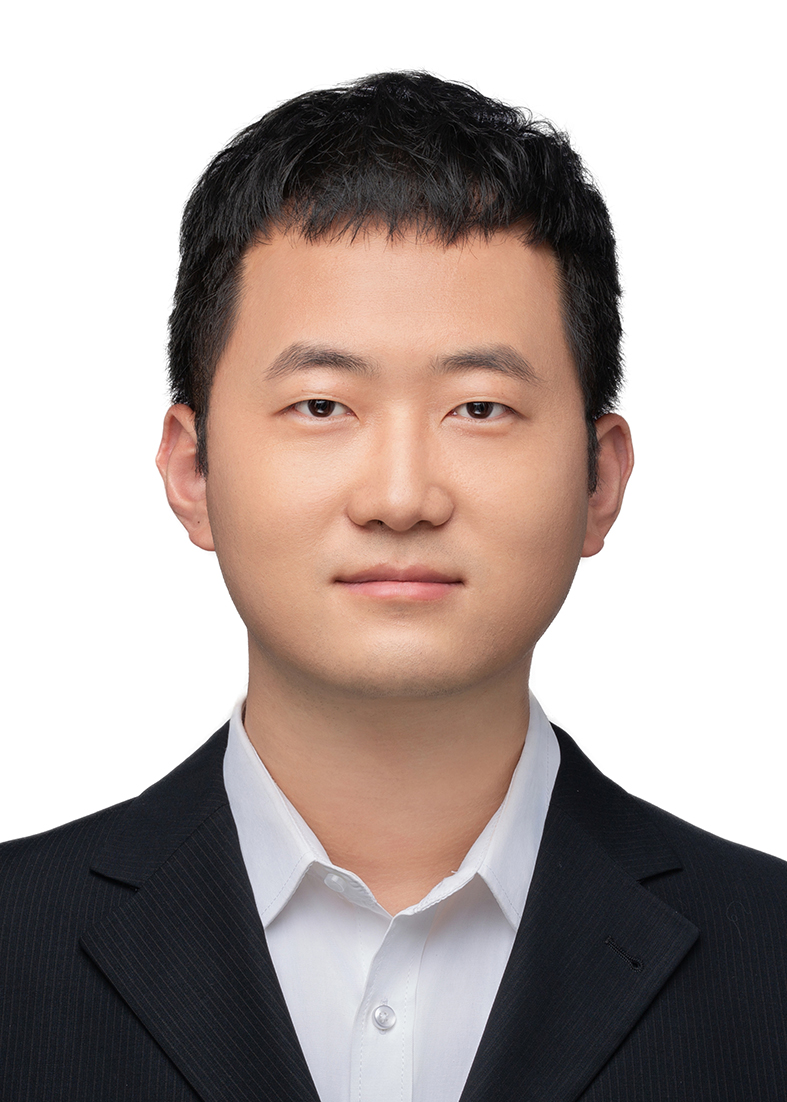 Yabin Zhang (张亚斌)合作论文数School of Computer Science and Technology, Harbin Institute of Technology, Shenzhen21
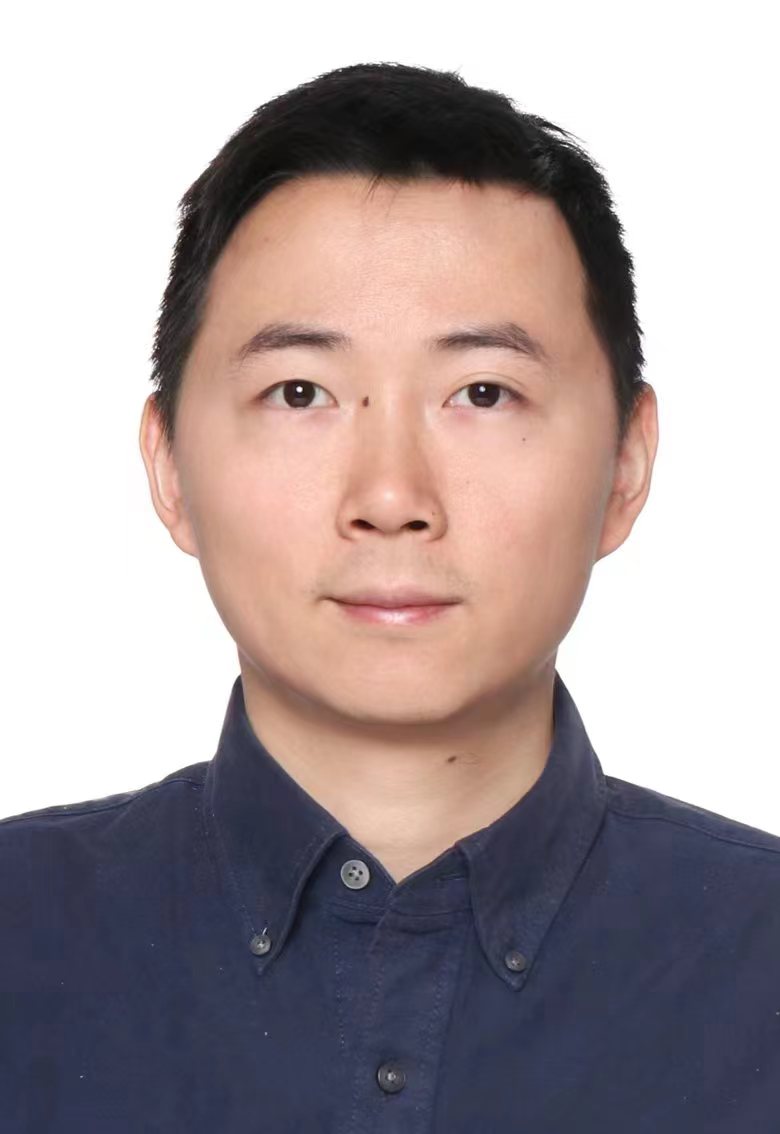 Shuhang Gu (顾舒航)合作论文数School of Computer Science and Engineering, University of Electronic Science and Technology of China21
 Jie Liang (梁杰)合作论文数Visual Computing Lab, Department of Computing, The Hong Kong Polytechnic University20
 Meng Yang (杨猛)合作论文数School of Data and Computer Science, Sun Yat-sen University;Key Laboratory of Machine Intelligence and Advanced Computing, Ministry of Education of China20
 Xindong Zhang合作论文数17
 Jian Yang (杨健)合作论文数Department of Computer Science and Technology, College of Computer Science, Nankai University;School of Computer Science and Engineering, Nanjing University of Science and Technology16
 Guangming Shi (石光明)合作论文数School of Artificial Intelligence, Xidian University16
 Minghan Li (Niki)合作论文数Harvard Medical School, Harvard University;Broad Institute, MIT15
 Lin Zhang (张林)合作论文数School of Software Engineering, Tongji University15
 Kai Zhang (张凯)合作论文数School of Intelligence Science and Technology, Nanjing University, Suzhou15
 Peihua Li (李培华)合作论文数School of Information and Communication Engineering, Dalian University of Technology15
 Liang Lin (林倞)合作论文数School of Computer Science and Engineering, Sun Yat-sen University15
 Weisheng Dong (董伟生)合作论文数School of Artificial Intelligence, Xidian University14
 Ruihuang Li合作论文数The Hong Kong Polytechnic University14
 Biao Wang合作论文数Alibaba Group14
 Qinghua Hu (胡清华)合作论文数School of Artificial Intelligence, College of Intelligence and Computing, Tianjin University14
 Jun Hu (胡俊)合作论文数Department of Surveying and Remote Sensing, School of Geosciences, Central South University14
 Ming-Hsuan Yang合作论文数Vision and Learning Lab, University of California, Merced;Google DeepMind14
 Wangmeng Xiang合作论文数Department of Computing, The Hong Kong Polytechnic University13
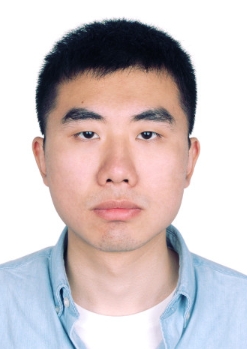 Shi Guo合作论文数Shanghai Artificial Intelligence Laboratory;OPPO13
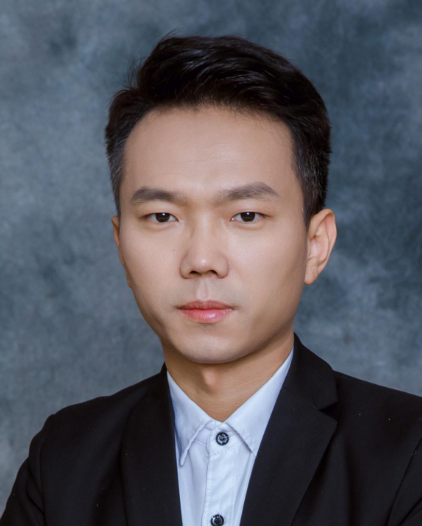 Pengfei Zhu (朱鹏飞)合作论文数Lab of Machine Learning and Data Mining, School of Artificial Intelligence, College of Intelligence and Computing, Tianjin University13
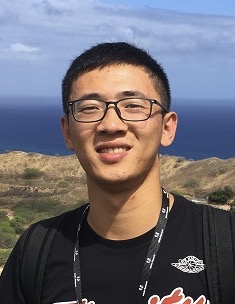 Qilong Wang (王旗龙)合作论文数College of Intelligence and Computing, Tianjin University13
 Zhiwei Li (李志伟)合作论文数School of Geosciences and Info-Physics, Central South University;Laboratory of Geohazards Perception, Cognition & Prediction, Central South University13
 Kaihua Zhang (张开华)合作论文数School of Automation, Southeast University13
 Hongyu Liang合作论文数12Shuaizheng Liu合作论文数The HongKong Polytechnic University12
 Zhetong Liang合作论文数OPPO Research12
 Radu Timofte合作论文数Computer Vision Laboratory, Institute of Computer Science, Faculty of Mathematics and Computer Science, Julius Maximilians University of Würzburg;ETH Zurich12
 Jun Xu (徐君)合作论文数School of Statistics and Data Science, Nankai University12
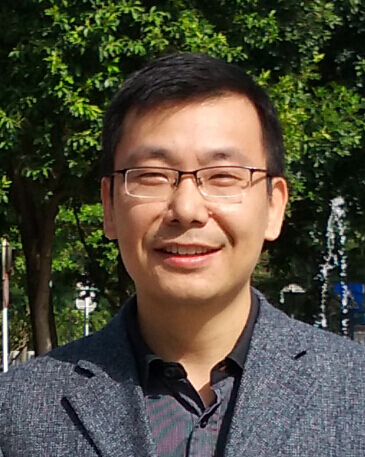 Guangming Lu (卢光明)合作论文数Harbin Institute of Technology, Shenzhen12
 Kui Jia (贾奎)合作论文数School of Data Science, The Chinese University of Hong Kong, Shenzhen12
 Chenhang He合作论文数Department of Computing, The Hong Kong Polytechnic University12
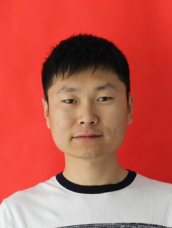 Qian Zhao (赵谦)合作论文数Department of Information Science, School of Mathematics and Statistics, Xi’an Jiaotong University12
 Simon Shiu合作论文数Department of Computing, Faculty of Engineering, The Hong Kong Polytechnic University12Liyi Chen合作论文数The Hong Kong Polytechnic University11
 Xin Li合作论文数Department of Computer Science, College of Nanotechnology, Science, and Engineering, University at Albany;Computer Vision and Machine Learning Lab, University of Albany11





