Smoking, obesity and lower parity appear to be associated with higher risk of rheumatoid arthritis (RA) in European, American and some Asian studies, but no studies have tested these associations in the Australian context. We studied an incident RA cohort of the prospectively collected Australian Longitudinal Study on Women’s Health (ALSWH) dataset. Smoking status, body mass index (BMI) and parity were assessed using survey data. Incident RA status was determined using the government medication dispensing database. We used multivariable logistic regression models to assess the impact of smoking, BMI and parity on RA risk, controlling for age cohort, education and alcohol intake. We performed sensitivity analysis by repeating analyses in the 1946-51 cohort alone. Among 40,393 women we identified 332 incident RA cases. Age, ever smoking, BMI and parity were significantly associated with RA risk on univariable analyses. Lower parity was associated with higher odds of RA after adjustment for all covariates (OR 1.12, 95
OBJECTIVE:To compare health and health service use in female live-in caregivers along multiple timepoints with population-based controls over a 20-year period. METHODS:Data from 6000 women aged 50-77 caring for someone who was ill, disabled or frail, were collected over eight waves of Australian Longitudinal Study on Women's Health 1946-51 cohort (from 2001 to 2022). Physical functioning (PF), general mental health (MH), depressive symptoms, stress and general practitioner (GP) and medical specialist visits were compared between caregivers and time-matched controls, before, during and after caregiving. Fully adjusted mixed linear models or logistic regression, including sensitivity analyses by caregiving intensity, were conducted. RESULTS:In adjusted results, caregivers and controls had similar initial levels of PF, but caregivers had significantly poorer PF over time including during [2.39 (-3.68, -1.10)] and after stopping caregiving [-2.19 (-3.51, -0.87)]. Caregivers had poorer MH on all three measures [eg, -5.56 (-6.61, -4.51) on SF-36 MH] and more GP visits across the study than controls, with the poorest scores in the period before stopping caregiving. Accessing medical specialists did not differ between caregivers and controls until after stopping caregiving, when caregivers had higher odds [1.22 (1.06, 1.40)]. Associations were stronger in caregivers providing higher intensity care. CONCLUSIONS:Caregiver physical and MH was poorest and GP visits highest prior to stopping caregiving, while specialist visits increased after stopping caregiving. Interventions to assist caregivers manage their own health needs, particularly in the period before stopping caregiving, and assisting them maintain health service use throughout and following caregiving cessation should be tested.
In 2016/17, the Mothers and their Children’s Health (MatCH) study produced a detailed snapshot of the health and development of 5,842 children aged 0-12 years, from 3,039 women participating in the Australian Longitudinal Study on Women’s Health. Data on up to three children were collected from each woman. To further advance understanding of child and adolescent health and development within an intergenerational and family focussed framework, and inform more effective family-centred health strategies, a follow-up study is underway. The specific aims of the MatCH 2 study are to follow up participants in the first wave, tracking outcomes over an eight to nine-year period, as well as collecting data on children not in the initial wave. MatCH 2 will focus on the transition into adolescence and identify the maternal, health, social, behavioural, economic, family, and environmental factors associated with child and adolescent health and adverse outcomes. Participants in the Australian Longitudinal Study on Women’s Health who were born in 1973-78 and have children will complete surveys about their children aged up to 12 years while adolescents aged 13-19 years will complete their own surveys. The age specific data being collected on children includes health conditions and symptoms, diet, anthropometric measures, childcare, screen time, physical activity, sleep, temperament, behaviour, language development, motor development, health service utilisation, as well as household and environmental factors. Additional topics being collected in the adolescent surveys include body image and body development (including pubertal status), menstruation and menstrual issues, contraceptive use, sexual and reproductive health, medication use, substance use, participation in sport, violence and abuse (including bullying), disruptive events and resilience. Following consent, data will be linked to national and State/Territory administrative databases on health, health service use and educational outcomes. Data collection for MatCH 2 began in January 2025 and will continue throughout 2025. To October 2025, surveys have been completed for 753 children aged 0-12 years, and 720 adolescents. The MatCH 2 study will combine the detailed history of almost three decades of maternal and family data with detailed data on children and adolescents together with extensive record linkage for health service use and educational outcomes. The new data will allow the in-depth examination of associations between child/adolescent health and a range of biological, psychological, social and lifestyle factors.
Background Most estimates of rheumatoid arthritis (RA) prevalence, including all official figures in Australia and many other countries, are based on self-report. Self-report has been shown to overestimate RA, but the ‘gold standard’ of reviewing individual medical records is costly, time-consuming and impractical for large-scale research and population monitoring. This study provides an algorithm to estimate RA cases using administrative data that can be adjusted for use in multiple contexts to provide the first approximate RA cohort in Australia that does not rely on self-report. Methods Survey data on self-reported RA and medications from 25 467 respondents of the Australian Longitudinal Study on Women’s Health (ALSWH) were linked with data from the national medication reimbursement database, hospital and emergency department (ED) episodes, and Medicare Benefits codes. RA prevalence was calculated for self-reported RA, self-reported RA medications, dispensed RA medications, and hospital/ED RA presentations. Linked data were used to exclude individuals with confounding autoimmune conditions. Results Of 25 467 survey respondents, 1367 (5·4%) women self-reported disease. Of the 26 840 women with hospital or ED presentations, 292 (1·1%) received ICD-10 codes for RA. There were 1038 (2·8%) cases by the medication database definition, and 294 cases (1·5%) by the self-reported medication definition. After excluding individuals with other rheumatic conditions, prevalence was 3·9% for self-reported RA, 1·9% based on the medication database definition and 0·5% by self-reported medication definition. This confirms the overestimation of RA based on self-reporting. Conclusions We provide an algorithm for identifying individuals with RA, which could be used for population studies and monitoring RA in Australia and, with adjustments, internationally. Its balance of accuracy and practicality will be useful for health service planning using relatively easily accessible input data.
Background: While the risk factors for infertility are well-established, research on factors associated with voluntary childlessness is limited and mainly focused on adulthood factors. Thus, we examined the associations between factors in childhood and young adulthood and different types of childlessness. Methods: The analysis included 4653 women from the Australian Longitudinal Study on Women's Health from 1996 to 2021. Childlessness was categorised as: voluntary, due to infertility issues, or due to other reasons. The associations between factors in childhood and young adulthood and childlessness were assessed using multinomial logistic regression models. Results: In their 40s, 4.8 % of women were voluntarily childless, 6.7 % were childless due to infertility issues, and 7.8 % were childless due to other reasons. Regardless of types of childlessness, being childless was associated with poorer self-rated health during childhood and having been unpartnered and obese in young adulthood. Exsmokers in young adulthood had lower odds of childlessness. Childhood physical abuse was associated with childlessness due to infertility issues and other reasons. Voluntary childlessness and childlessness due to infertility issues were associated with having identified as non-exclusively heterosexual in early adulthood. Lower social support in early adulthood was associated with voluntary childlessness and childlessness due to other reasons. Limitations: The direction of the associations could not be determined and using self-reported data may introduce recall bias. Conclusions: Factors in childhood and young adulthood were associated with different types of childlessness, highlighting the importance of adopting a life course perspective when studying childlessness.
BACKGROUND:Limited evidence suggests inequality in the prevalence of physical activity and screen time for children of non-English-speaking backgrounds (NESB). However, factors associated with these behaviours are understudied. This study identified the prevalence and correlates of meeting guidelines (physical activity, screen time and combined) among children of English-speaking backgrounds (ESB) and NESB. METHODS:Participants were from the Mothers and their Children's Health Study, a sub-study of the Australian Longitudinal Study on Women's Health (1973-1978 cohort). Mothers provided information on physical activity and screen time behaviours of up to three children (aged 2-12 years). Age-specific Australian guidelines were used to classify children as meeting or not meeting physical activity and screen time guidelines. Those born in a non-English-speaking country or primarily speaking a non-English language at home were classified as 'NESB'. Multivariable-adjusted logistic regression analyses accounting for family-level clustering were used for analysis. RESULTS:Data were from 4143 children (mean age 7.3 ± 2.9 years, 6.7% NESB). Around 17% children of NESB met physical activity guidelines (vs. 25% ESB, p = 0.002), 63% met screen time guidelines (vs. 58% ESB, p = 0.150), and 9% met combined physical activity and screen time guidelines (vs. 15% ESB, p = 0.011). Increasing age was inversely associated with meeting physical activity guidelines among children of both backgrounds (OR [95%CI]: NESB 0.81 [0.69-0.95], ESB 0.85 [0.82-0.87]). Family-level correlates (maternal education and physical activity level) were associated with meeting physical activity, screen time or combined guidelines among children of ESB only. A screen device in the child's bedroom was inversely associated with all outcomes among children of ESB. Children of NESB with a large yard at home had higher odds of meeting physical activity (4.14 [1.72-10.00]) and combined guidelines (4.48 [1.61-12.41]). CONCLUSIONS:Children of NESB were less likely to meet physical activity and combined guidelines. Interventions may need to be tailored based on ESB background, with children of NESB (particularly older children and those with limited outdoor space at home) being a higher priority for intervention. Future large-scale studies examining a broader range of potential correlates, including cultural factors, are warranted.
Introduction: To improve outcomes after knee or hip surgery, better insight is needed in long-term recovery patterns in the context of ageing-related decline. We examined long-term trajectories of physical functioning (PF) in older women with and without hip and knee surgery and described profiles of cases with higher and lower resilience after surgery. Methods: This observational study used data from 10,434 women (73–79 years) who completed survey 2 of the Australian Longitudinal Study on Women’s Health. Data were used from surveys 2 (1999) to 6 (2011). Covariable-adjusted linear mixed models were run to examine the surgery-by-time (−12 to +12 years) interaction in association with PF (SF-36 subscale). The differences between observed and expected PF were calculated, with positive/negative values reflecting higher/lower resilience, respectively. Results: Women with hip surgery (n = 982) had lower PF than those without surgery (n = 8,117) (p < 0.001). Among hip surgery patients, the decline was more rapid pre-surgery than post-surgery (Δslope = −0.7, p < 0.001). Women with knee surgery (n = 1,144) had lower PF than those without surgery (n = 7,971), but with a slower rate of decline (p = 0.01). Among knee surgery patients, the rate of decline was similar pre- and post-surgery (Δslope = −0.3, p = 0.25). Both in hip and knee patients, women with higher resilience had fewer comorbidities and symptoms and were more often physically active and independent in daily activities than those with lower resilience (all p < 0.05). Conclusion: Compared with women without surgery, PF was lower and declined more rapidly around the time of hip surgery, but not for knee surgery. Women with better long-term recovery after surgery had fewer health problems and were more independent around the time of surgery.
De invloed van buitensporig schermgebruik op de gezondheid en ontwikkeling van kinderen is een zorg voor de volksgezondheid, en veel landen hebben aanbevelingen gepubliceerd om het schermgebruik in de kindertijd te beperken en in goede banen te leiden. Toch melden internationale studies dat de meerderheid van de ouders en kinderen zich niet aan de aanbevelingen voor schermgebruik houdt. Bestaand onderzoek om inzicht in het schermgebruik van kinderen te krijgen heeft zich hoofdzakelijk op oudere kinderen gericht, en op demografische en structurele aspecten van de omgeving van het kind. Ouders bepalen in belangrijke mate het schermgebruik van jonge kinderen en benoemen talloze obstakels om bij hun kinderen gezonde praktijken in schermgebruik te ontwikkelen. Er bestaan echter geen duidelijke modellen die belangrijke opvoedingsfactoren opnemen om inzicht in het schermgebruik van kinderen te krijgen, wat de ontwikkeling van interventies belemmert. Er bestaat wel wat bewijs voor interventies om het schermgedrag van kinderen te verbeteren, maar de meeste daarvan richten zich op oudere kinderen en ouderlijke betrokkenheid is doorgaans beperkt. In dit artikel kijken we naar belangrijke factoren die verband houden met schermgebruik bij jonge kinderen (< 5 jaar) en geven we een overzicht van de bestaande bewijsbasis voor interventies die zijn ontwikkeld om gezond schermgebruik te ontwikkelen. In dit artikel wordt verder een conceptueel model voorgesteld dat opvoedkundige aspecten en de sociaalecologische omgeving met het schermgebruik van jonge kinderen verbindt. Ons voorgestelde model zou kunnen worden gebruikt om longitudinale studies naar voorspellers en uitkomsten voor schermgebruik te ontwerpen, en zou richting kunnen geven aan de ontwikkeling van interventies. Als laatste worden er in het artikel belangrijke aanbevelingen gedaan voor toekomstig onderzoek en voor de ontwikkeling en het testen van interventies.
In the year when Paris will host the Olympic and Paralympic Games to celebrate the achievements of men and women who have dedicated years to reaching the peak of their performance, the topic of physical activity is expected to be extensively featured in the media. Some of us may feel inspired to embark on new fitness endeavours, while others may even undertake the challenge of completing a marathon in the years ahead. Health professionals may also feel compelled to advocate for physical activity to enhance the health of our clients and patients. Enthusiasts are likely to ensure the legacy of the Olympic Games in increasing the amount of physical activity undertaken at the population level, despite the evidence-based assessment of the impact of the Olympic Games on population levels of physical activity being inconclusive [ [1] Bauman AE, Kamada M, Reis RS, et al. An evidence-based assessment of the impact of the Olympic games on population levels of physical activity. Lancet 2021;398(10298):456–64. doi: https://doi.org/10.1016/S0140-6736(21)01165-X [published Online First: 2021/07/25]. Google Scholar ]. It is worth noting that we can anticipate numerous cliché analogies to sports and exercise throughout this period.
AimTo examine the association between motherhood status (mothers, voluntarily childless, involuntarily childless) and overweight and obesity over 22 years.MethodsA total of 4092 women aged 18-23 years were followed from 1996 to 2018. Motherhood status was defined by women's reports on their fertility, attempts to conceive, use of in vitro fertilisation and fertility hormones, and number of biological children. Associations between motherhood status and overweight and obesity were examined using generalised estimating equations models, adjusting for socio-demographic characteristics, lifestyle factors, depressive symptoms, early life factors, and polycystic ovary syndrome (PCOS).ResultsAt age 40-45 years, 12% of women were voluntarily childless and 5% were involuntarily childless. The prevalence of overweight and obesity increased with age and women who were voluntarily or involuntarily childless had higher prevalence of obesity than mothers in all surveys. After adjusting for covariates, compared with mothers, women who were voluntarily childless had higher odds of being overweight (odds ratio [OR], 95% confidence interval [CI]: 1.29, 1.09-1.52) and obese (OR, 95% CI: 1.65, 1.29-2.12). Involuntary childlessness was not associated with being overweight (OR, 95% CI: 1.05, 0.82-1.33), and its association with obesity was attenuated after adjusting for PCOS in the final model (OR, 95% CI: 1.40, 0.99-1.98).ConclusionsAround one in nine Australian women remained voluntarily childless by their late reproductive years. On average, they had higher odds of being overweight and obese than mothers, suggesting that overweight and obesity prevention programs should consider tailoring their advice by motherhood status.
To compare health-related quality of life (HRQoL) between mothers and females who were voluntarily or involuntarily childless, across their reproductive years. 4100 females born in 1973–78 from the Australian Longitudinal Study on Women’s Health were followed for 22 years. Motherhood status was defined by females’ reports in Survey 8 (2018, 40–45 years) on their fertility, attempts to conceive, use of in vitro fertilization and fertility hormones, and number of children. HRQoL was assessed in each survey using the 36-Item Short Form Survey (SF-36). Linear mixed models were used to assess the associations between motherhood status and HRQoL. Over 22 years, compared with females who were voluntarily childless, mothers on average had better HRQoL (shown by scores 1.5 to 3.4 points higher on five of the eight SF-36 subscales), while females who were involuntarily childless scored 2.2 to 3.0 points lower on three of eight SF-36 subscales. Compared with females who were voluntarily childless, teen mothers (age at first birth < 20 years) scored lower on role limitations due to physical problems subscale (b = -5.5, 95% CI: -9.3, -1.6), while females with either two, or three or more children scored 1.6 to 4.8 points higher on seven of eight SF-36 subscales. Females who were childless had poorer HRQoL than mothers. Further research is needed to understand the underlying mechanisms, which could inform policymakers on how to reduce the health disparities and improve long-term health outcomes for females.
The impact of excessive screen use on children's health and development is a public health concern and many countries have published recommendations to limit and guide the use of screen media in childhood. Despite this, international studies report that the majority of parents and children do not adhere to screen use recommendations. Existing research aiming to understand children' screen use has largely focused on older children, and on demographic and structural aspects of the child's environment. Parents play a central role in determining young children's screen use and identify numerous barriers to developing healthy screen use practices with their children. However, no clear models exist that incorporate key parenting factors in understanding children's screen use, which presents an impediment to intervention development. Likewise, while some evidence exists for interventions to improve children's screen use behaviours, most are focused on older children and parental involvement has generally been limited. In this paper, we overview key factors associated with screen use in young children (< 5 years) and summarise the existing evidence base for interventions designed to support healthy screen use. This paper proposes a conceptual model linking aspects of parenting and the socio-ecological environment to young children's screen use. Our proposed model could be used to design longitudinal studies of screen use predictors and outcomes, and inform intervention development. Finally, the paper provides key recommendations for future research, intervention development and testing.
Abstract Understanding long-term recovery patterns in the context of ageing-related decline may improve knee or hip surgery outcomes. We examined the impact of hip and knee surgery on long-term trajectories of physical functioning (PF) in older women, and profiled women with higher and lower resilience to surgery. Resilience, defined as bouncing back (PF) after a stressor (hip or knee surgery), was quantified using the expected recovery differential method. Data were from 10,434 women (73-79 yrs) in the Australian Longitudinal Study on Women’s Health who completed surveys 2-6 (1999-2011). Adjusted linear mixed models were run to examine the surgery-by-time (-12 to +12 yrs) interaction in association with PF (SF-36 subscale). The difference between observed and expected PF were calculated, with positive/negative values reflecting higher/lower resilience, respectively. PF trajectories differed between women with (n=982) and without (n=8117) hip surgery (p<0.001). Among hip surgery patients, the decline was more rapid pre-surgery than post-surgery (b=-0.7, p<0.001). Women with knee surgery (n=1144) had lower PF than those without surgery (n=7971), but with a slower rate of decline (p=0.01). Among knee surgery patients, the rate of decline was similar pre- and post-surgery (b=-0.3, p=0.25). Both in hip and knee patients, women with higher resilience had fewer comorbidities and symptoms, and were more often physically active and independent in daily activities than those with lower resilience (p<0.05). In conclusion, women with and without hip or knee surgery have different trajectories of PF. Women who function better than expected after surgery, tend to have fewer health problems.
BACKGROUND:In 2019, the World Health Organization (WHO) launched the first global movement guidelines for children that combined sleep, physical activity and screen time. Our previous research showed that adherence to age-specific guidelines for screen time was challenging for families with children in different age groups. We aimed to determine whether families with children in different age-based movement guideline categories have poorer adherence to the broader 24-h movement guidelines than those with all children in the same age category. METHODS:Data were from the 1973-1978 cohort of the Australian Longitudinal Study on Women's Health (seventh survey, 2015) and the women's three youngest children (aged ≤12) (Mothers and their Children's Health sub-study, 2016/2017). The sample was 1787 women (families) with 4064 children (mean age 7.2 [SD 2.9]). Whether children in the family were in the same or different age-based category was determined by matching children's ages in a family against age-based guideline categories for the 24-h movement behaviours. The association between children in the family being in the same or different age-based guideline category on adherence to 24-h movement guidelines, both collectively and individually, was analysed by adjusted logistic regression (binary and multinomial). RESULTS:Families with children in the same age guideline categories had double the odds of having all children meet 24-h movement guidelines (adjusted odds ratio [OR] 1.95 [95% confidence interval, CI: 1.32, 2.86]). Families with children in the same age categories on the screen guideline had higher odds of all children meeting (2.25 [1.73, 2.93]) and lower odds of some meeting/some failing the screen guideline (0.18 [0.14, 0.25]), than families with all children in different age categories. Families with children in the same age categories on the physical activity guideline had lower odds of all children meeting (0.57 [0.43, 0.75]) or some meeting/some failing the physical activity guideline (0.08 [0.06, 0.12]). No associations were found for sleep guidelines. CONCLUSIONS:Families with multiple children may need practical advice and strategies on how to adhere to guidelines when children span age categories. This could form part of public health strategies that raise awareness of the guidelines and may improve guideline adherence.
AbstractBackground and objectiveShort and long intervals between successive births are associated with adverse birth outcomes, especially in low‐income and middle‐income countries, yet the birth intervals in high‐income countries remain relatively understudied. The aim was to examine maternal factors associated with birth intervals in Australia.MethodsThe sample comprised 6130 participants in the Australian Longitudinal Study on Women's Health who were born in 1973‐1978, had two or more births, and responded to regular surveys between 1996 and 2018. Interbirth interval (IBI) was defined as the time between successive live births. Maternal factors were examined using accelerated failure time models.ResultsFor women with only two births (n = 3802), the median time to the second birth was 34.0 months (IQR 23.1, 46.2) with shorter IBI associated with higher socioeconomic status (eg, university education (31.9 months), less income stress (31.1)), and longer IBI associated with age over 35 (39.7), fair/poor health (43.0), untreated fertility problems (45.5), miscarriage (39.4), or abortion (41.0). For women with three or more births (n = 2328), the median times to the second and third births were 31.2 months (19.9, 42.1) and 36.5 months (25.3, 50.1), respectively; some factors were consistent between the first IBI and second IBI (eg, university education and being married were associated with shorter IBI), whereas income stress was associated with longer first IBI but not with second IBI.ConclusionsUnderstanding maternal factors associated with birth intervals in a high‐income country like Australia may enable more nuanced tailoring of guidelines for prepregnancy care.
In September 2021 the International Patient Decision Aid Standards (IPDAS) Collaboration's Evidence Update 2.0 was published [ [1] Stacey D. R. Volk for the IPDAS evidence leads, The International Patient Decision Aid Standards (IPDAS) collaboration: evidence update 2.0. Med. Decis. Mak. 2021; 41: 729-733 Crossref PubMed Scopus (10) Google Scholar ]. This update has relevance for all health care providers who engage in shared decision making (SDM) with their patients, as well as those interested in learning about SDM, its benefits and challenges, the decision support tools used to assist SDM, and evidence-based guidelines for their development, use and evaluation.
OBJECTIVE:To explore whether children of mothers with pre-pregnancy binge eating (BE) symptoms have more behavioral difficulties compared with those without and whether associations are moderated by ED symptoms and other maternal health and social factors measured during childhood. METHOD:Pre-pregnancy BE symptoms were collected by the Australian Longitudinal Study on Women's Health at Survey 1 (in 1996) and/or at Survey 2 (in 2000) using questions mapped to DSM BE criterion 1. In 2016/7, 2180 women from the 1973-78 cohort provided data on externalizing and internalizing behavior, measured by Strengths and Difficulties Questionnaire, on 4054 of their children (2-12 years) in the Mothers and their Children's Health study. Covariates were markers of other ED symptoms, sociodemographic, social support, and mental health factors collected proximally to the child outcomes. Hierarchical multivariable regression models, using generalized estimating equations accounting for clustering of children within mothers, were used. RESULTS:Pre-pregnancy BE symptoms were associated with child behavior, with associations only moderated after adjustment for proximal markers of ED (girls internalizing behavior, b (95%CI) .30 (-.02, .61); boys externalizing behavior .34 (-.04, .73)) or social support (girls externalizing behavior 0.26 (-.08, .61)). Pre-pregnancy BE symptoms were not associated with boys internalizing behavior (-.27 (-.02, 0.57)). DISCUSSION:Studies with repeated ED measures should test hypotheses that these associations vary by timing of ED measurement. Identification of young women at risk of BE symptoms pre-pregnancy, as well as when children are older, may enable health services, treatment programs, and supports to minimize longer term effects on children. PUBLIC SIGNIFICANCE STATEMENT:A history of binge eating symptoms up to 10 years pre-pregnancy in mothers is associated with behavior problems in their girls and boys at average age of 7. However, the association is moderated by behaviors of eating disorders and social support in the mothers during childhood. Identification of ED symptoms prior to pregnancy, and then after childbirth, might enable health services to intervene to maximize child and mother outcomes.
 Kryss Mckenna合作论文数65
 Annette Dobson合作论文数School of Public Health, Faculty of Medicine, University of Queensland56
 Gita Mishra合作论文数School of Public Health, Faculty of Medicine, The University of Queensland;Australian Women and Girls’ Health Research Centre, The University of Queensland55Hoffmann Tammy C合作论文数35
 Richard Hockey合作论文数30
 Sally Bennett合作论文数School of Health and Rehabilitation Sciences, Faculty of Health and Behavioural Sciences, The University of Queensland27
 Annie Mccluskey合作论文数Faculty of Health Sciences, The University of Sydney;Royal Rehabilitation Centre Sydney;Faculty of Health Sciences, The University of Sydney27
 Jayne Lucke合作论文数Clin Res Ctr, Univ Queensland24
 Julie Byles合作论文数College of Health, Medicine and Wellbeing, The University of Newcastle;Centre for Women's Health Research, The University of Newcastle;School of Medicine and Public Health, The University of Newcastle23
 Jenny Strong合作论文数School of Health and Rehabilitation Sciences, University of Queensland;Faculty of Health and Behavioural Sciences, University of Queensland22Loxton Deborah J合作论文数Res Ctr Generat Hlth & Ageing, Univ Newcastle21
 Samantha Mckenzie合作论文数School of Population Health, The University of Queensland15
 Katrina Moss合作论文数School of Public Health, Faculty of Medicine, The University of Queensland11Kenneth J. Ottenbacher合作论文数10
 Wendy Brown合作论文数Faculty of Health Sciences & Medicine, Bond University;School of Human Movement and Nutrition Sciences, University of Queensland9
 Nancy Pachana合作论文数School of Psychology, Faculty of Health and Behavioural Sciences, The University of Queensland8Mark Jones合作论文数8
 Geeske Peeters合作论文数Radboud University Medical Center;Radboudumc Alzheimer Centre7
 Ilona Koupil合作论文数7
 Meryl Lovarini合作论文数Research Project Manager;School of Exercise & Health Sciences;University of Western Sydney7Celeste Glasgow合作论文数6
 Adane Akilew Awoke合作论文数College of Medicine and Health Sciences, University of Gondar6j connell合作论文数5
 Deirdre Mclaughlin合作论文数5Fleming Jenny合作论文数5
 Natalie Holowko合作论文数School of Population Health, University of Queensland5Townsend Natalie合作论文数5
 Christina Lee合作论文数Faculty of Health and Behavioural Sciences, University of Queensland5Melissa L. Harris合作论文数4Louise Koller-Smith合作论文数4Sifan Cao合作论文数Sch Publ Hlth, Univ Queensland4Jennifer Powers-Takemoto合作论文数4
 ChuYao Jin (金楚瑶)合作论文数北京大学公共卫生学院4
 Jennifer Fleming合作论文数School of Health and Rehabilitation Sciences, Faculty of Health and Behavioural Sciences, The University of Queensland4
 Xiaolin Xu (徐小林)合作论文数School of Public Health, Zhejiang University4
 Sylvia Rodger合作论文数Faculty of Health and Behavioural Sciences, The University of Queensland4
 Ranjeny Thomas合作论文数Diamantina Institute, Faculty of Medicine, University of Queensland4
 Caroline A Jackson合作论文数4
 Meredith Tavener合作论文数Population Research Centre, University of Groningen4
 David Purdie合作论文数Pfizer4
 Robert Ware合作论文数Centre for Applied Health Economics, Griffith University;Menzies Health Institute Queensland, Griffith University4Christopher J. Bain合作论文数4jenny powers合作论文数3
 Andrew Wilson合作论文数Menzies Centre for Health Policy, School of Public Health, Faculty of Medicine and Health, The University of Sydney3
 Gerard Byrne合作论文数School of Medicine Program, Faculty of Medicine, The University of Queensland3Dolja-Gore Xenia合作论文数3Thomson Clare合作论文数3
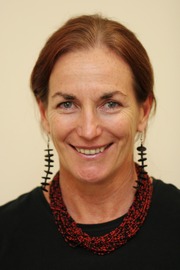 Lynette March合作论文数Faculty of Medicine and Health, The University of Sydney;Northern Clinical School, The University of Sydney3
 Susan Elizabeth Peters合作论文数Harvard T.H. Chan School of Public Health, Harvard University3




