INTRODUCTION:Data sharing among investigators of Alzheimer's disease and related dementias (ADRD) allows for representative datasets, supports reproducibility, and increases rigor. Yet limited evidence on investigators' practices and experiences precludes solutions that promote optimal practices. METHODS:A cross-sectional survey of US-based ADRD investigators with National Institutes of Health awards funded between 2016 and 2019. RESULTS:Among 585 respondents (response rate of 64.5%), 62.9% were engaged in data sharing in the previous 5 years. Among data requesters, 61.8% reported that all requests were fulfilled within 6 months. Among those who received requests, 85.1% reported fulfilling all requests. Reasons for declining requests included existing data use agreement requirements, Institutional Review Board standards, and resource limitations. Respondents who shared data reported positive consequences (e.g., developing collaborations) more often than negative (e.g., being "scooped"). DISCUSSION:Data sharing behaviors among ADRD researchers are encouraging. Nevertheless, addressing remaining barriers could help avoid the negative consequences of data requests not being fulfilled. HIGHLIGHTS:Data sharing is critical to advancing research in ADRD. Investigators are engaged in data sharing through initiating or receiving requests. Most data requests initiated or received by ADRD investigators are fulfilled. Investigators who fulfill requests report positive experiences with sharing data. Delay or decline of requests can result in consequences that impede research.
INTRODUCTION:Inclusion science has demonstrated the relative value of recruitment strategies, including engaging people from the intended study population to help shape recruitment materials. Yet, these studies rarely describe specific design and content features of visual recruitment materials. We aimed to experimentally test the effects of one simple design feature - the inclusion of a photograph of the principal investigator in visual recruitment materials - on willingness to participate in research. METHODS:We conducted this experiment in community settings, tabling at community events (community health fairs, back-to-school events, and sporting events), from December 2023 to January 2025. 192 people completed the experiment. RESULTS:The three-factor interaction of photograph type, similarity to researcher, and researcher credibility had a significant effect on willingness to participate in a brain health research study. DISCUSSION:Results demonstrate strategies for improving the effectiveness of advertisements. First, findings demonstrate the role of researcher credibility and similarity to researcher in volunteers' consideration of participation. Second, results suggest the use of researcher photographs in recruitment materials.
Decentralized biobanking can reconnect individuals to their specimens, democratizing data ownership
The perceived credibility of researchers has implications for how the public heeds scientific or public health recommendations and for whether individuals engage in research. As scholars have shifted attention to mass communication and computer-mediated communication, they have not continued to interrogate how communities conceptualize and evaluate interpersonal source credibility. We conducted a community-engaged, convergent mixed-methods study to investigate interpersonal source credibility in the context of communication between researchers and research participants. Results indicated that community members conceptualized interpersonal source credibility in ways not currently captured by the predominantly used measure of source credibility (e.g. expertise in understanding the community rather than formal training). Additionally, results revealed logistical issues with the use of the semantic differential scale. Findings are discussed in terms of theoretical implications for the conceptualization and measurement of interpersonal source credibility, as well as the practical implications for communication scholars and practitioners conducting research in community.
After identifying substantial trust gaps between our university and neighboring community, we developed the Co-Researcher Activation Network (CRANE) to cultivate restorative engagement through ongoing transformational relationships. Informed by the Culture-Centered Approach, CRANE is a network of community member groups who identify local health concerns, develop research questions, and generate community-driven solutions. Organized by place rather than interest, groups are systematically created within geographic areas. The model focuses on engaging community members as “co-researchers,” whereby community members play an active role and share in the decision-making process through a collaborative and interdependent relationship with the research team. Using RE-AIM domains, we applied convergent mixed methods to test the effects of CRANE and to identify factors associated with fidelity and sustainability of the model. From 2022 to 2023, we convened 21 co-researchers in three groups that met bimonthly. Groups reflected age, racial/ethnic, economic, and educational diversity. Co-researchers’ perceptions of university researcher credibility (trustworthiness, expertise, and caring) significantly increased during the project. Five factors contributed to success: regular, audience-centered communication; small groups; gender segregation; scheduling flexibility; and community meeting spaces. Challenges included hiring issues, travel limits, low technology acceptance, transportation obstacles, and participant payment problems. CRANE is a blueprint for community engagement that honors community members and their expertise, strives for equitable partnership, and moves the needle on metrics of trust. The theoretically-grounded, co-researcher model can not only build but sustain restorative community trust and engagement. A co-researcher network that actively involved community members in decision-making throughout the course of research cultivated restorative trust and engagement through transformational relationships.
Objectives/Goals: Substantial evidence supports the use of community engagement in CTS. Yet, there is a lack of empirical basis for recommending a particular level of community engagement over others. We aimed to identify associations between level of community involvement and study process outcomes, focusing on procedures to promote enrollment and inclusion. Methods/Study Population: Using manifest content analysis, we analyzed community engagement (CEn) strategies of studies indexed in ClinicalTrials.gov, focusing on studies 1) associated with 20 medical schools located in 8 southern states in the Black Belt, 2) conducted in 2015–2019, and 3) on 7 topics: cancer, depression, anxiety, hypertension, substance use disorder, cardiovascular disease, and HIV/AIDS. Data source was the ClinicalTrials.gov entry and publication for each study. We categorized each study on level of community involvement as described by the study protocol CTSA Consortium Community Engagement Key Function Committee Task Force on the Principles of Community Engagement continuum. Outcomes included recruitment and representativeness. Other codes included funder type, study phase, study status, and time to enrollment. Results/Anticipated Results: Of 890 studies that met inclusion criteria, only 493 had published findings. 286 studies (58%) met enrollment targets. Only 9 studies described any level of CEn (1 outreach, 3 consult, 1 involvement, 3 collaboration, and 1 shared leadership). Time to enrollment for these 9 studies (mean 28.78 mos.) was shorter than for studies without CEn (mean 37.43 months) (n.s.). CEn studies reached significantly higher enrollment (CEn mean = 2395.11, non-CEn mean = 463.93), p Discussion/Significance of Impact: Results demonstrate the substantial effect of CEn on enrollment and inclusion in clinical studies. However, the infinitesimal number of studies that reported CEn did not allow comparisons of level of engagement on the outcomes. Findings highlight ethical questions surrounding the lack of publishing incomplete studies.
This Viewpoint discusses the importance of obtaining federal certificates of confidentiality to free researchers to perform important research into child sexual abuse.
With the Supreme Court's decision in Dobbs, reproductive research now joins other sensitive research topics that present legal risks to research participants, underscoring the role of Certificates in protecting them. Yet, stakeholders question whether Certificates will hold up in court. In this article, we describe the essential arguments supporting Congress's regulation of biomedical research and, thus, Certificates, under its authority to regulate interstate commerce. Our analysis should reassure researchers and Institutional review boards who rely on Certificates to protect the confidentiality of research participants' data. We conclude with recommendations for stakeholders based on our analysis.
Congress called for the protection of data from legal process
This special edition of JLME celebrates the life of Charity Scott, Professor Emerita and Founding Director of the Center for Law, Health & Society at Georgia State University College of Law.
Empirical data regarding payments to participants in research is limited. This lack of information constrains our understanding of the effectiveness of payments to achieve scientific goals with respect to recruitment, retention, and inclusion. We conducted a content analysis of consent forms and protocols available on clinicaltrials.gov to determine what information researchers provide regarding payment. We extracted data from HIV (n = 101) and NIMH-funded studies (n = 65) listed on clinicaltrials.gov that had publicly posted a consent form. Using a manifest content analysis approach, we then coded the language regarding payment from the consent document and, where available, protocol for purpose and method of the payment. Although not part of our original planned analysis, the tax-related information that emerged from our content analysis of the consent form language provided additional insights into researcher payment practices. Accordingly, we also recorded whether the payment section mentioned social security numbers (or other tax identification number) in connection with payments and whether it made any statements regarding the Internal Revenue Service or the tax status of payments. We found studies commonly offered payment, but did not distinguish between the purposes for which payment may be offered (i.e., compensation, reimbursement, incentive, or appreciation). We also found studies that excluded some participants from receiving payment or treated them differently from other participants in the study. Differential treatment was typically linked to US tax laws and other legal requirements. A number of US studies also discussed the need to collect Social Security numbers and income reporting based on US tax laws. Collectively, these practices disadvantage some participants and may interfere with efforts to conduct more inclusive research.
July 12, 2024, marks the 50th anniversary of the signing of the National Research Act, which established federal regulation of research with human subjects. The law had three main provisions: (1) establishing a commission to propose broad ethical principles governing research; (2) adopting a system of local IRBs to review protocols; and (3) authorizing the promulgation of federal research regulations for federally conducted and sponsored research. All of three areas require updating.
In conducting research with underserved and vulnerable populations, incentives for research participants can improve recruitment efforts. However, incentives lose influence if researchers treat them as merely transactional. This study seeks to identify how researchers describe research participant incentives and incentive structures, with a focus on populations that experience health disparities. This study is a content analysis of research publications from peer-reviewed clinical journals. Although researchers share information about procedures through conference proceedings and grey literature, the most common mechanism for disseminating details about research studies is peer-reviewed literature. Sampling included research manuscripts from four journals (Annals of Family Medicine, Annals of Internal Medicine, American Journal of Emergency Medicine, American Journal of Obstetrics and Gynecology) within 2017-19. Within each issue, coders coded all manuscripts that the journal categorized as research. Using a deductive coding scheme, four authors sorted papers by research that enrolled participants versus other methods and then coded papers for variables of interest. Of 519 articles reviewed, 204 reported results to studies that enrolled human participants. Nine of these targeted populations that were vulnerable or experience disparities. Of 204 studies, 12 (5.9%) described an incentive for research participation. Participant type was significantly associated with offering a participant incentive, p < .001. Healthcare workers and online participants were more likely to receive an incentive than clinical research participants. Funding was also significantly associated with offering a participant incentive, p < .001, regardless of funding source. Of the 12 papers that disclosed incentive information, two focused on vulnerable populations. Findings here show few publications describe incentive structures, which indicates that either 1) incentives are underutilized in recruitment efforts or 2) studies are not publishing incentive information. Furthermore, incentives are more frequently used to recruit healthcare worker populations than community or clinical participants, which may indicate a transactional approach in contrast to a community or patient-oriented approach to research participation. A standardized approach to describing incentives could help researchers and clinicians contextualize a study's findings.
An abstract is not available for this content. As you have access to this content, full HTML content is provided on this page. A PDF of this content is also available in through the ‘Save PDF’ action button.
Large-scale precision medicine research requires massive amounts of data representing people from all walks of life; thus, in the US, it is often multistate research. Significant legal and ethical quandaries arise as a result of the patchwork of laws states have enacted that may apply to research, are not preempted by federal law, and may impose requirements or provide participant rights and protections that differ from other states. Determining which state's laws apply, and under what circumstances, is not solved by the transition to a single-IRB model and researchers cannot simply choose one state's laws to apply uniformly. At a minimum, the current process of meeting each state's requirements could be made more reliable and efficient. To fundamentally change this status quo, however, requires action at multiple levels. Federally, well-known gaps in the Genetic Information Nondiscrimination Act should be closed, and a coherent system of compensation for research injury-including non-physical injuries-should be developed. States should clarify which of their laws are intended to apply to research and work collaboratively to harmonize them. At the level of individual research projects, numerous policies and procedures could be standardized through authoritative guidelines. Examples include clarifying the scope of broad consent, understanding and upholding Certificates of Confidentiality, offering individual research results responsibly, and consistently disseminating aggregate results to participants and the public. Overall, development of a choice of law framework specific to the research context could significantly promote clarity and consistency.
This article is referred to by:The Need for Praxis in Combating the Race Idea in Bioethics: Theory, Reflection, and Action
Federal law establishes minimum standards for protecting human research participants, but many states have enacted laws that may apply to research. Precision medicine research in particular implicates state laws that govern an array of topics, including human subjects research, genetic testing, and both general and genetic privacy and discrimination. Thus, the determination of which state's laws apply, and under what circumstances, can substantially alter participant rights and protections. To shed light on this topic, we conducted interviews with experts in law, human research protections, and precision medicine research. Our goal was to better understand their experiences with choice of law issues, the effects of state law variation on research practices and stakeholder groups, and approaches to addressing such variation. Interviewees were aware of state-based variation in laws that could be applied to research. However, the extent to which they perceived such variability as problematic differed, as did their perceptions of stakeholder roles and responsibilities for addressing state law variation, and their estimations of requisite knowledge among IRBs and researchers. These divergent perspectives create an ethical and legal quandary, and further empirical and normative work is needed to fully characterize the implications of substantive differences in participant rights and protections.
Precision medicine research implicates numerous state laws that may affect participants' rights and protections and are not preempted by federal law. The choice of which state's laws apply, and under what circumstances, can have significant impact on research design and oversight. But neither of the traditional approaches to choice of law issues-contractual agreement or determination by a court after a dispute arises-fit the research context well. We hosted a series of workshops with choice of law experts and research law and ethics experts to identify factors that are most crucial to account for in a future choice of law precision medicine research framework. Our workshops focused on precision medicine 'places' and choice of law factors; there was consensus that 'place where the harm occurred' was relevant and best represented by where the participant resides and/or where the research/institution is located. Our experts identified factors that need to be accounted for in a future choice of law framework. They also identified potential approaches, including a federal law or model state law as ways of achieving more uniformity of protections and a comprehensive database of laws, which merit further consideration to provide IRBs and researchers the guidance they require.
 Bernard Lo合作论文数School of Medicine, University of California, San Francisco21
 Laura M. Beskow合作论文数12
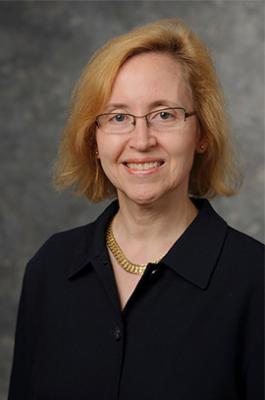 Roberta Berry合作论文数School of Public Policy, Ivan Allen College of Liberal Arts, Georgia Institute of Technology;College of Law, Georgia State University7
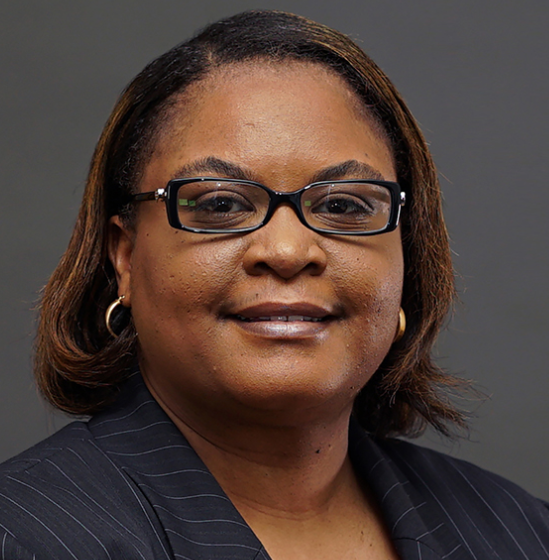 Melody Goodman合作论文数School of Global Public Health, New York University6Kimberly A Kaphingst合作论文数6
 Hannah Perkins合作论文数6
 Sarah Gehlert合作论文数6
 Bettina Drake合作论文数6
 Joseph A. Catania合作论文数College of Public Health and Human Sciences, Oregon State University5DuBois James M合作论文数5
 Williamson Lillie D合作论文数Fuqua School of Business, Duke University5
 Christy J W Ledford合作论文数5
 Lisa R Bliss合作论文数4Katherine Brown合作论文数4Dolcini M Margaret合作论文数4
 Brown Erin Fuse合作论文数4Lance Pollack合作论文数4Jolanta Zandecki合作论文数4Edward L. Queen合作论文数3wendy f hensel合作论文数3Vicki Chou合作论文数3
 Catherine Hammack合作论文数3
 Sylvia B Caley合作论文数3
 Kershner Stacie P合作论文数3
 Lauren A Dame合作论文数3
 Robert N. Taylor合作论文数Department of Obstetrics and Gynecology, Jacobs School of Medicine & Biomedical Sciences, University at Buffalo3Jeff Henne合作论文数3
 Paul Lombardo合作论文数3Natalie Ram合作论文数3Kathy Kinlaw合作论文数2Cynthia Li合作论文数2Laurie Dornbrand合作论文数2frank acerra合作论文数2William Rencher合作论文数2Samantha Jones合作论文数2Alejandra Garcia Rychtarikova合作论文数2wendy c newstetter合作论文数2Ebony B Whisenant合作论文数2
 Lakesha N. Anderson合作论文数Henry M Jackson Fdn Advancement Mil Med Inc, Uniformed Serv Univ Hlth Sci2
 Erin Roark Murphy合作论文数Katherine Reese Pamplin Coll Arts Humanities & Soc, Augusta Univ2
 James W Hazel合作论文数Vanderbilt University Medical Center.2Richard Wagner合作论文数2
 Devon Karnes Check合作论文数Department of Population Health Sciences, Duke University School of Medicine2
 Jared Randall Curtis合作论文数Division of Pulmonary, Critical Care and Sleep Medicine, University of Washington2Seo Joann合作论文数2
 Joseph J. Eron合作论文数Division of Infectious Diseases, Department of Medicine, School of Medical, University of North Carolina at Chapel Hill;Center for AIDS Research, University of North Carolina at Chapel Hill2
 Justin Xavier Moore合作论文数Department of General Surgery, University of Alabama at Birmingham;Department of Epidemiology, University of Alabama at Birmingham;University of Alabama at Birmingham, University of Alabama at Birmingham2
 Sarah Ashley Lyons Humble合作论文数2




