Importance:Patients with breast cancer (BC) may have long-term fatigue after treatment, which is associated with reduced quality of life. Objective:To identify cardiac, psychological, and cancer treatment factors associated with fatigue before and 24 months after BC treatment. Design, Setting, and Participants:This cohort study was conducted across multiple community hospital-based cancer centers among participants with stage I to III BC receiving potentially cardiotoxic chemotherapy or aromatase inhibitors and noncancer comparators. Participants were enrolled from May 2017 to July 2021 and followed up for 24 months. Data were analyzed between July 2023 and July 2026. Exposures:Fatigue was assessed by the Functional Assessment of Chronic Illness Therapy Fatigue scale. Main Outcomes and Measures:It was hypothesized that chemotherapy-associated changes in left ventricular function were associated with and mediated 2-year post-BC treatment fatigue. Outcome measures included fatigue, sociodemographic variables, hematocrit, left ventricular ejection fraction and circumferential strain, cardiovascular comorbidities, 6-minute walk distance, perceived stress, and depressive symptoms. Results:From a total of 381 patients, patients with BC (236) and noncancer comparators (145) had a mean (SD) age of 54 (12) years. Two years after BC treatment, 33 (18.2%) receiving potentially cardiotoxic chemotherapy experienced clinically relevant fatigue (χ2 test P < .001 relative to aromatase inhibitors or controls), and 62 (34.6%) experienced a significant increase in fatigue relative to their precancer treatment fatigue level (χ2 test P < .001, relative to aromatase inhibitors and controls). Independent of pretreatment and posttreatment left ventricular ejection fraction, diabetes status, hypertension, tobacco use, age, body mass index, hematocrit, receipt of potentially cardioprotective medications, and chemotherapy regimens, only depressive symptoms (estimate, -0.77; 95% CI, -0.83 to -0.71; P < .001) and perceived stress (-0.32; 95% CI, -0.41 to -0.24; P < .001) were associated with and mediated 24-month post-BC treatment fatigue measures. Baseline adjusted changes in 6-minute walk distance, left ventricular ejection fraction, and left ventricular strain were not associated with 24-month post-BC treatment fatigue levels. Conclusions and Relevance:In this cohort study of patients with BC, clinically relevant fatigue increased in 34% of patients 2 years after initiating cancer treatment mediated partly by depressive symptoms and perceived stress regardless of cardiovascular risk factors, age, or change in left ventricular ejection fraction and/or strain. Trial Registration:ClinicalTrials.gov Identifier: NCT02791581.
Purpose To describe physical activity (PA) trajectories across 10 years post-breast cancer diagnosis and examine their association with quality of life (QoL). Methods Participants from the longitudinal Study of Women’s Health Across the Nation who developed incident breast cancer completed the Quality of Life in Adult Cancer Survivors scale (QLACS) which has 12 domains. Breast cancer survivors (BCS) with at least one post-diagnosis measure of the Kaiser Physical Activity Survey (PA) were included ( n = 96). We estimated metabolic equivalents of task minutes per week (MET-min/week) for the two most frequent sport/exercise activities. Group-based trajectory modeling determined PA trajectories over 10 years post-diagnosis. Analysis of covariance assessed associations between PA trajectory group and the three QLACS domains with the worst scores (fatigue, pain, and recurrence-related distress), adjusted for PA and other relevant covariates. Results There were four post-diagnosis PA trajectories: consistently very low/no PA (“inactive,” 11.5%); consistently some, but below aerobic PA guideline (“below guideline,” 48.9%); generally met aerobic PA guideline with a slight decline (“met guideline,” 22.2%); and exceeded aerobic PA guideline (“exceeded guideline,” 18.8%). In adjusted models, the below guideline group reported more fatigue than the met or exceeded groups and more pain than the met guideline group, but there were no group differences in recurrence-related distress. Conclusion The majority of BCS did not meet the aerobic PA guideline over 10 years post diagnosis. BCS who met the aerobic PA guideline reported less fatigue and pain compared to those who did not meet the guideline in adjusted analyses, suggesting a negative association between PA and QoL.
BACKGROUND:Nearly half of patients with cancer are diagnosed at 70 years or older, which presents challenges in cancer care due to their high comorbidity burden and the underrepresentation of this age group in clinical trials. This retrospective study evaluated the association between comorbidity burden and immune checkpoint inhibitors (ICIs) treatment outcomes among older adults. METHODS:Data were collected from patients aged 70 years or older at the time of diagnosis who were treated with ICIs from 2011 to 2022. Key clinical outcomes include changes in performance status, overall survival (OS), progression-free survival (PFS), and immune-related adverse events (irAEs) and were compared between low baseline Charlson Comorbidity Index (CCI) and high CCI (<4 vs. ≥4) groups. RESULTS:Among 1,223 patients, patients with CCI scores ≥4 (n = 300) had a significantly shorter OS (11.4 vs. 13.6 months, p = 0.0461) but similar PFS (8.0 vs. 7.7 months, p = 0.258) compared to patients with CCI scores <4. There was no significant difference in changes in performance status pre- and post-treatment (p = 0.14) or in the irAE prevalence between the two groups (39.3% vs. 38.3%, p = 0.786). CONCLUSION:Our study suggests that ICIs are safe in patients with high comorbidity burden but that the presence of pre-treatment comorbidities decreases overall survival.
Introduction: Premenopausal women with high-risk hormone receptor-positive (HR+) breast cancer (BC) undergo abrupt menopause induction with anti-estrogen therapy (AE) and ovarian function suppression (OFS). This treatment improves recurrence-free survival but may increase cardiovascular (CV) risk associated with early hypoestrogenemia. as observed in women with non-cancerous reasons for premature menopause. We sought to identify patterns of CV actions including referrals, tests and medication by type of AE therapy in premenopausal women in early follow-up for operable BC as a possible surrogate for early CV disease. Methods: Consecutive premenopausal women ≤ 50 years (mean age 42.6 years; sd 5.9) with Stage I-III HR+ or triple negative breast cancer (TNBC) diagnosed between 02/2013-06/2020 were identified by retrospective review. Mean follow-up was 4.9 years (sd 2.1 years.) Women were placed into 3 treatment groups based on initial AE approach: HR+ on OFS+AE (HR+OFS), HR+ not on OFS (HRnoOFS), and TNBC. Patient demographics, cancer treatment and CV risk factors as well as post-diagnosis adverse CV events (myocardial infarction, transient ischemic attack) and CV-related clinical actions (CV actions) including referrals, (cardiology, neurology (vascular)), tests (stress test, angiogram, ECHO, EKG, Carotid US) and medications (statin, ACEi, ARB, betablocker, calcium channel blocker, antiarrhythmic, and anti-platelet agents) were recorded. For each CV outcome (events, total actions, referrals, tests, medications) we created an “any” vs “none” dichotomous variable as well as a variable for number of CV outcome per year of follow-up. Categorical variables were compared among the 3 groups using chi-square and Fisher’s exact tests; continuous outcomes (including the “per year” variables) were compared among the 3 groups using ANOVA. For the ANOVAs we report the global null hypothesis p-value. A two-tailed alpha of 0.05 was used throughout. Results: 80, 78, and 48 (total n=206) women were identified in the HR+OFS, HRnoOFS and TNBC groups respectively. Mean follow-up was longest in the HRnoOFS group (Table 1). Mean number of CV actions per year were highest in the HR+OFS group compared with HRnoOFS and TNBC (0.41 vs 0.22 and 0.35, respectively; p=0.008.) The HR+OFS group had significantly more referrals during follow-up, as well as more referrals per year than the other two groups. This group also had significantly more tests per year than the other two groups. CV medication initiation did not differ among the groups. The proportion with >3 CV actions during follow-up was 62% higher in women in the HR+OFS group compared to other groups. Experiencing >3 CV actions was associated with having diabetes, hypertension, and hyperlipidemia, being a current smoker, and receipt of left-sided radiation (Table 2). Conclusions: In this early follow-up period, women on OFS+AE experienced more CV actions per year suggesting concern for CV sequela in this patient group. Future work should seek to further understand the impact of OFS+AE on the CV health of premenopausal women, try to identify who is at greatest risk and test strategies to mitigate cardiotoxicity. Table 1. Patient Characteristics and CV outcomes by Breast Cancer Treatment Group. Table 2. Patient Characteristics by number of CV Actions. Citation Format: Ahmer Ansari, Beverly Levine, Emily Douglas, Katherine Ansley, Susan Melin, Carolyn Park, Karl Richardson, Ralph D’Agostino, Jennifer Jordan, Alexandra Thomas. Impact of Anti-Estrogen Therapy on Early Vascular Referrals, Tests and Medications in Premenopausal Women with Operable Breast Cancer [abstract]. In: Proceedings of the 2022 San Antonio Breast Cancer Symposium; 2022 Dec 6-10; San Antonio, TX. Philadelphia (PA): AACR; Cancer Res 2023;83(5 Suppl):Abstract nr P1-12-01.
Background: While frailty is a well-established predictor of overall mortality among patients with metastatic non-small cell lung cancer (mNSCLC), its association with patient-reported outcomes is not well-characterized. The goal of this study was to examine the association between an electronic frailty index (eFI) score and patient-reported outcome measures along with prognostic awareness among patients with mNSCLC receiving immunotherapy. Methods: In a cross-sectional study, patients with mNSCLC who were on immunotherapy completed the European Organization for the Research and Treatment of Cancer Quality of Life Questionnaire Core 30 (EORTC-QLQ-C30) and the National Cancer Institute Patient Reported Outcomes version of the Common Terminology Criteria for Adverse Events (PRO-CTCAE). We utilized bivariate analyses to compare quality of life, symptoms, supportive services, and prognostic awareness among 3 groups defined by e-frailty status. Results: Sixty patients (mean age 62.5 years, 75% Caucasian, 60% women) participated. Most patients were pre-frail (68%), with 13% being frail and 18% non-frail. Pre-frail and frail patients had significantly lower physical function scores (mean 83.9 fit vs 74.8 pre-frail vs 60.0 frail, P = .04) and higher rates of self-reported pain (75% frail vs 41.5% pre-frail vs 18.2% fit; P = .04) compared to non-frail patients. We found no differences in palliative referral rates. Conclusion: Pre-frail and frail mNSCLC patients identified by the eFI have higher rates of pain and physical functional impairments than non-frail patients. These findings highlight the importance of emphasizing preventive interventions targeting social needs, functional limitations, and pain management, especially among pre-frail patients to reduce further decline.
Purpose To examine the differential effect of non- and anthracycline-based chemotherapy on fatigue over 12 months post-diagnosis among breast cancer survivors. Methods This study is based on a prospective Wake Forest NCI Community Oncology Research Program (NCORP) multicenter cohort study (WF-97415) of women with stage I to III breast cancer and non-cancer controls. Analyses compared those: 1) receiving, or 2) not receiving anthracycline chemotherapy, 3) receiving aromatase inhibitors (AIs) without chemotherapy, with 4) a comparator group without a history of cancer. In-person clinic assessments were conducted at: baseline (prior to chemotherapy or start of AI therapy), and 3 and 12 months after baseline. The Functional Assessment of Chronic Illness Therapy-Fatigue scale was the primary outcome. Estimated least squares means by group using mixed models with a random subject effect, fixed effects of time and group, and the interaction between time and group was used to compare groups across time, controlling for age, comorbidities, and treatment variables. Results Among 284 women (mean age = 53.4 years, sd 11.9 years), there was a significant (p < 0.0001) group by time interaction, with a sharp increase in fatigue at 3 months in the two chemotherapy groups in comparison to the non-chemotherapy and non-cancer controls. The two chemotherapy groups did not significantly differ in fatigue at any time point. Conclusion Women with breast cancer who receive non- or anthracycline-based chemotherapy experience similar trends in and levels of fatigue within the first year of treatment and greater fatigue than women receiving AIs alone or women without breast cancer.
To identify distinct trajectories of physical health-related quality of life (HRQoL) in older women over the first two years following breast cancer diagnosis, and to examine characteristics associated with trajectory group membership. A secondary analysis of a longitudinal study of women diagnosed with stage I-III breast cancer who completed surveys within eight months of diagnosis and six, twelve, and eighteen months later that focuses on a subset of women aged ≥ 65 years (N = 145).Physical HRQoL was assessed using the Physical Component Score (PCS) of the SF-36 Health Survey. Finite mixture modeling identified distinct PCS trajectories. Multivariable logistic regression identified variables predictive of low PCS group membership. Two distinct patterns of PCS trajectories were identified. The majority (58
135 Background: Bone-modifying agents (BMAs) are utilized to reduce the risk of skeletal-related events in patients with bone metastases. Medication-related osteonecrosis of the jaw (MRONJ) is a rare but difficult to treat adverse event of BMAs. There are known patient and treatment related risk factors for development of ONJ, however, little is known on social and geographic risks. In patients with bone metastases and concurrent MRONJ, we seek to describe differences in patient's geographic residence (rural versus urban) with other social factors as secondary outcomes. Methods: We conducted a retrospective chart review of Atrium Health Wake Forest Baptist Comprehensive Cancer Center patients in the date range of 01/01/2013 to 11/01/2023. Included were patients with metastatic breast cancer, metastatic prostate cancer or multiple myeloma who had a diagnosis of MRONJ. We recorded Rural-Urban Commuting Area (RUCA) codes, the Area Deprivation Index (ADI), age, race, ethnicity, smoking status, alcohol use, body mass index, insurance status, type of cancer, type of BMA, and cumulative dosing of BMAs. Patients were defined as rural or urban based on criteria from the health resources and services administration website. Relative socioeconomic advantage versus disadvantage was determined by the patients’ ADIs with a decile rank from 1-10 for state ADIs and a percentile rank of 1-100 for national ADIs. SAS software (version 9.4) was used for data analysis (2023, SAS Institute Inc, Cary, NC). Results: A total of 88 patients met inclusion criteria. 64% of patients lived in urban areas and 36% in rural. Demographic features of the identified patients are listed in table 1. MRONJ patients from both urban and rural areas had an above average national and state ADI, with a trend toward higher ADIs in rural locations compared to urban locations; mean of 6.7 vs 5.3 state ADI and mean 70.6 vs 62.0 national ADI, for rural and urban patients respectively. There were no statistically significant differences between rural and urban patients in any of the demographic or health-related characteristics we examined. Conclusions: Patients with bone metastases and MRONJ in our cohort demonstrate relative socioeconomic disadvantage in comparison to national and state averages. In comparing the rural with urban patients, however, we observed relatively similar profiles. Patient characteristics by rural/urban status. Rural (n=32) Urban (n=56) Age in years (mean, sd) 64 (11.3) 65 (10.9) Sex, N (%) Male 19 (59) 29 (52) Female 13 (41) 27 (48) Race, N (%) Non-Hispanic White 30 (93.8) 40 (71.4) Non-Hispanic Black 1 (3.1) 11 (19.6) Hispanic 1 (3.1) 3 (5.4) Non-Hispanic Asian 0 (0.0) 1 (1.8) Other 0 (0.0) 1 (1.8) State ADI (mean, sd) 6.7 (2.4) 5.5 (2.7) National ADI (mean, sd) 70.6 (16.9) 62.0 (23.8) Former/current smoker, N (%) 18 (56.3) 25 (44.6) Medicaid/Medicare, N (%) 16 (50.0) 16 (28.6) Months on BMA (mean, sd) 37.2 (35.5) 40.3 (38.2)
Our paper examines what is required to protect and promote effective public discussion and policy development in the current climate of divisive disagreement about many public policy questions. We use abortion as a case example precisely because it is morally fraught. We first consider the changes made by Dobbs, as well as those which led up to the Dobbs decision, accompany it, and follow from it.
Abstract Introduction: Chemotherapy-associated functional decline is a concern for women with breast cancer. Objective: To assess effects of chemotherapy and age on objectively measured physical performance among women with breast cancer over time. Methods: Analyses utilized the multicenter, longitudinal Understanding and Predicting fatigue, cardiovascular decline, and events after BrEast cAncer sTudy (UPBEAT), a study conducted through the Wake Forest NCORP Research Base (5UG1CA189824). We examined physical performance at baseline and at 3 and 12 months and compared means across time by age group (< 65 years v. 65+ years at baseline) and by cancer/control group. For the latter variable, we had 3 groups of participants: 1) newly diagnosed breast cancer patients with Stage 1-3 breast cancer who received chemotherapy (CC; n= 201); 2) newly diagnosed breast cancer patients receiving no chemotherapy (CNC; n=57); and age-matched healthy controls (HC; n=145). The primary outcome was the Short Physical Performance Battery (SPPB) score (range 0-12, worst to best performance, including chair stands, gait speed, and balance testing). Effects of cancer/control group, age group, and time (treated categorically rather than ordinally) were estimated in a mixed model with a random subject effect and fixed effects of time (baseline, 3 month, 12 month) and cancer/control group. In the model we included all first-order interactions as well as the one second-order interaction between all three predictors. We also used linear contrasts to compare estimated means within groups. Analyses were conducted in SAS 9.4. A two-tailed alpha of 0.05 was used throughout to denote statistical significance. Results: Among 403 patients accrued through the Wake Forest Research Base of NCORP, 201 were in the CC group, and 18.9% of these were aged 65 and older; 57 were in the CNC group, and 33.3% were older; and 145 were in the HC group, and 15.9% were 65 or older. We observed a significant (p< 0.0001) main effect of older age group in our model: across all 3 groups, and all 3 time points, those who were 65 years of age or older had worse SPPB scores than those who were younger. Healthy controls tended to have better mean scores than the other 2 cancer/control groups, though the main effect of group did not achieve statistical significance (p=0.06). We observed no significant interaction terms; in other words, the effect of being older (in terms of association with worse SPPB scores) did not vary by time or group. Within the CC group, both the older and the younger groups declined significantly (p=0.04) in mean SPPB at 3 months compared to baseline, but by 12 months, the means had returned to their starting points. No other groups showed significant changes over time. Conclusions: Chemotherapy was associated with decline in SPPB score over the 12-month time period regardless of age. Older adults, regardless of chemotherapy status and time point, had lower SPPB scores. Citation Format: Shirley Bluethmann, Beverly Levine, Brianna Leitzelar, Katherine Ansley, Alexandra Thomas, Nancy Avis, Gregory Hundley, Heidi Klepin, Kathryn Weaver, Glenn Lesser. How do chemotherapy and age affect physical performance in breast cancer patients over 12 months of treatment? Results from the UPBEAT Study (UPBEAT WF-97415) [abstract]. In: Proceedings of the 2023 San Antonio Breast Cancer Symposium; 2023 Dec 5-9; San Antonio, TX. Philadelphia (PA): AACR; Cancer Res 2024;84(9 Suppl):Abstract nr PO1-12-11.
I commend Ban et al. [ [1] Ban D. Housley S.N. Matyunina L.V. McDonald L.D. Bae-Jump V.L. Benigno B.B. Skolnick J. McDonald J.F. A personalized probabilistic approach to ovarian cancer diagnostics. Gynecol. Oncol. 2024 Jan 23; 182 (Epub ahead of print. PMID: 38266403): 168-175https://doi.org/10.1016/j.ygyno.2023.12.030 Abstract Full Text Full Text PDF PubMed Scopus (0) Google Scholar ] for their ongoing research into the development of accurate ovarian cancer screening tools. Ovarian cancer remains the most lethal gynecologic cancer in part because it is often detected at an advanced stage.
Introduction:Radiation dermatitis (RD) is a frequent toxicity during radiotherapy (RT) for head and neck cancer (HNC). We report the first use of KeraStat® Cream (KC), a topical, keratin-based wound dressing, in patients with HNC receiving RT. Methods:This pilot study randomized HNC patients treated with definitive or postoperative RT (≥60 Gy) to KC or standard of care (SOC), applied at least twice daily during and for 1-month after RT. Outcomes of interest included adherence to the assigned regimen (at least 10 applications per week of treatment), clinician- and patient-reported RD, and skin-related quality of life. Results:24 patients were randomized and completed the study. Most patients had stage III-IV disease and oropharynx cancer. Median RT dose was 68 Gy; the bilateral neck was treated in 19 patients, and 18 patients received concurrent chemotherapy. Complete adherence was observed in 7/12 (SOC) vs. 10/12 (KC, p = 0.65). Adherence by patient-week was 61/68 versus 64/67, respectively (p = 0.20). No differences in RD were observed between groups. Conclusion:A randomized trial of KC versus SOC in HNC patients treated with RT is feasible with good adherence to study agent. An adequately powered randomized study is warranted to test the efficacy of KC in reducing RD.
12061 Background: Comorbidities are more prevalent among older adults and predict worse outcomes for cytotoxic chemotherapy. Immunotherapies are increasingly used to treat various cancers and have a milder but less predictable toxicity profile. This study aimed to evaluate the association of comorbidity burden with immune-related adverse events (irAEs) and survival among older adults treated with these immunotherapies for any cancer type. Methods: We created a retrospective registry of consecutive patients ≥ 70 years old treated with one or more doses of an immune checkpoint inhibitor for any cancer indication between 2/1/2011- 4/7/2022 at our comprehensive cancer center. Treatment outcomes, including treatment-emergent adverse events, were captured via chart review. The comorbidity burden at the time of immunotherapy initiation was captured by chart abstraction and classified using the Charlson Comorbidity Index (CCI). We compared patients with high CCI scores (≥ 4) to patients with low CCI scores (CCI <4) on the outcome of any irAE yes/no, using chi-square tests. We used the Kaplan-Meier method to compare progression-free survival (PFS) and overall survival (OS) between the two CCI groups. Survival analyses were calculated from the first dose of immunotherapy to death, last follow-up, or disease progression. A two-sided alpha of 0.05 was used for analyses. The study had institutional IRB approval. Results: Our cohort consisted of 1,216 patients (median age 76 years [interquartile range 73 to 80]), of which 217 (18%) had a high CCI score. The most common comorbidities were chronic obstructive lung disease (45%), coronary artery disease (29%), and diabetes (29%). The most common cancer type was lung cancer (46%), followed by melanoma (15%). Patients with a high CCI score had a shorter median overall survival than patients with a low CCI (11.2 vs. 13.8 months, respectively, p = 0.049). However, there was no significant difference in PFS between the high and low CCI groups (median PFS 27.1 vs. 25.0 months, p=0.32). There was no association between the CCI group and the incidence of any-grade irAEs (39% vs. 40%, p = 0.82). There was also no association between CCI group and high-grade (grade ≥3) irAEs (17% vs. 15%, p = 0.35). We did not find any associations between any individual CCI comorbid condition and risk of irAE. 1 Conclusions: A high comorbidity burden, as measured by the CCI, was not associated with increased immunotherapy toxicity or shorter PFS among older adults. The presence of comorbidities was associated with shorter OS. These data can support informed decision-making for older adults with comorbidity considering immunotherapy. Reference: 1. Charlson ME, Carrozzino D, Guidi J, Patierno C. Charlson Comorbidity Index: A Critical Review of Clinimetric Properties. Psychother Psychosom. 2022;91(1):8-35. doi: 10.1159/000521288. Epub 2022 Jan 6. PMID: 34991091.
Introduction: The aim of this study was to investigate the impact of primary transoral robotic surgery (TORS) versus radiotherapy (RT) on progression-free survival (PFS), overall survival (OS), and 1-year swallowing function for patients with early-stage HPV-associated oropharyngeal squamous cell carcinoma (OPSCC). Methods: Patients with stage I-II (AJCC 8th Ed.) HPV-associated OPSCC treated with TORS followed by risk-adapted adjuvant therapy or (chemo)radiotherapy between 2014 and 2019 were identified. PFS, OS, and swallowing outcomes including gastrostomy tube (GT) use/dependence, and Functional Oral Intake Scale (FOIS) change over 1 year were compared. Results: One hundred sixty-seven patients were analyzed: 116 treated with TORS with or without adjuvant RT and 51 treated with RT (50 chemoRT). The RT group had more advanced tumor/nodal stage, higher comorbidity, and higher rates of concurrent chemotherapy. There were no differences in 3-year PFS (88% TORS vs. 75% RT) or OS (90% vs. 81%) between groups, which persisted after adjusting for stage, age, and comorbidity. GT use/dependence rates were higher in the RT group. Mean (SD) FOIS scores in the TORS group were 6.9 (0.4) at baseline and 6.4 (1.0) at 1 year, compared with 6.7 (0.6) and 5.6 (1.7) for the RT group. Only clinical nodal stage was found to be significantly associated with FOIS change from baseline to 1 year. Conclusion: There were no differences in PFS or OS between patients treated with primary TORS or RT for early-stage HPV-associated OPSCC. Clinical N2 status is associated with FOIS change at 1 year and may be the major factor affecting long-term swallowing function, irrespective of primary treatment modality.
Rationale and Objectives: The treatment of locally advanced lung cancer (LALC) with radiotherapy (RT) can be challenging. Multidisci-plinary collaboration between radiologists and radiation oncologists (ROs) may optimize RT planning, reduce uncertainty in follow-up imaging interpretation, and improve outcomes.Materials and Methods: In this prospective clinical treatment trial (clinicaltrials.gov NCT04844736), 37 patients receiving definitive RT for LALC, six attending ROs, and three thoracic radiologists were consented and enrolled across four treatment centers. Prior to RT plan finalization, repre-sentative computed tomography (CT) slices with overlaid outlines of preliminary irradiation targets were shared with the team of radiologists. The primary endpoint was to assess feasibility of receiving feedback no later than 4 business days of RT simulation on at least 50% of plans.Results: Thirty-seven patients with lung cancer were enrolled, and 35 of 37 RT plans were reviewed. Of the 35 patients reviewed, mean age was 69 years. For 27 of 37 plans (73%), feedback was received within 4 or fewer days (interquartile range 3-4 days). Thirteen of 35 cases (37%) received feedback that the delineated target potentially did not include all sites suspicious for tumor involvement. In total, changes to the RT plan were recommended for over-or undercoverage in 16 of 35 cases (46%) and implemented in all cases. Radiology review resulted in no treatment delays and substantial changes to irradiated volumes: gross tumor volume,-1.9 to +96.1%; planning target volume,-37.5 to +116.5%.Conclusion: Interdisciplinary collaborative RT planning using a simplified workflow was feasible, produced no treatment delays, and prompted substantial changes in RT targets.
Background and Objectives: This study describes patients' prognostic awareness and palliative care use in the setting of immunotherapy for metastatic non-small cell lung cancer (mNSCLC). Design: We surveyed 60 mNSCLC patients receiving immunotherapy at a large academic medical center; conducted follow-up interviews with 12 survey participants; and abstracted palliative care use, advance directive completion, and death within a year of survey completion from the medical record. Results: Forty seven percent of patients surveyed thought they would be cured; 83% were not interested in palliative care. Interviews suggested oncologists emphasized therapeutic options when discussing prognosis and that commonly used descriptions of palliative care may exacerbate misperceptions. Only 7% had received outpatient palliative care and 8% had an advance directive a year after the survey; only 16% of the 19 patients who died had received outpatient palliative care. Conclusions: Interventions are needed to facilitate prognostic discussions and outpatient palliative care during immunotherapy. Clinical Trial Registration Number NCT03741868.
Key Points Question Does the Sepsis Prediction Model (SPM) outperform other sepsis prediction scores with respect to validity and timeliness? Findings This cohort study of 60 507 adult admissions found that although balanced accuracy of the SPM at a predicting sepsis score (PSS) threshold of 8 or greater was better than that of the quick Sepsis-Related Organ Failure Assessment (qSOFA), Sequential Organ Failure Assessment (SOFA), and Systemic Inflammatory Response Syndrome (SIRS), there was longer time to score positivity from time zero for the SPM vs SIRS and SOFA. Meaning While the balanced accuracy of the SPM was better than qSOFA, SOFA, and SIRS at higher-threshold PSS, it had poor timeliness for sepsis prediction.
 Avis Nancy E合作论文数34
 Kathryn E Weaver合作论文数Department of Psychology, University of Miami12Suzanne C Danhauer合作论文数10
 Lycan Thomas W合作论文数10
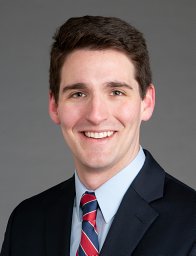 Ryan T. Hughes合作论文数Department of Radiation Oncology, Wake Forest School of Medicine8
 Heidi Diana Klepin合作论文数Comprehensive Cancer Center, Wake Forest University School of Medicine;Sticht Center for Healthy Aging and Alzheimer’s Prevention, Wake Forest University School of Medicine8
 Stephanie Jean Sohl合作论文数Department of Psychiatry and Behavioral Science, Stony Brook University8
 Janet A Tooze合作论文数8
 Jimmy Ruiz合作论文数Department of Medicine (Hematology & Oncology),Wake Forest School of Medicine,Winston-Salem; W.G. (Bill) Hefner Veteran Administration Medical Center,Cancer Center,Salisbury7
 Jennifer Gabbard合作论文数Department of Internal Medicine, Wake Forest University School of Medicine6Laurie E McLouth合作论文数Dept Behav Sci, Univ Kentucky6
 Michael Farris合作论文数Department of Radiation Oncology, Wake Forest School of Medicine6Naftalis Elizabeth Z合作论文数6Kimberly J. Van Zee合作论文数Department of Surgery, Memorial Sloan-Kettering Cancer Center6W Jeffrey Petty合作论文数Sect Hematol & Oncol, Dept Med, Winston Salem, NC USA5Stefan C. Grant合作论文数5
 Chandylen L Nightingale合作论文数College of Public Health and Health Professions, University of Florida5Kathryn M. Greven合作论文数5
 Gail Greendale合作论文数Department of Medicine, David Geffen School of Medicine, University of California, Los Angeles;Jonsson Comprehensive Cancer Center, University of California, Los Angeles5
 Lynne Wagner合作论文数Department of Health Policy and Management, Gillings School of Global Public Health, The University of North Carolina at Chapel Hill5
 Edward Hak-Sing Ip合作论文数Clinical and Translational Science Institute, Wake Forest University School of Medicine;Sticht Center for Healthy Aging and Alzheimer’s Prevention, Wake Forest University School of Medicine;Comprehensive Cancer Center, Wake Forest University School of Medicine5A. William Blackstock合作论文数5Bart Frizzell合作论文数4Neha G. Goyal合作论文数4
 Remy R. Coeytaux合作论文数Department of Epidemiology, Gillings School of Global Public Health, University of North Carolina;Wake Forest Department of Family and Community Medicine, Gillings School of Global Public Health, University of North Carolina4
 Douglas Case合作论文数Department of Biostatistical Sciences, Wake Forest University4Alicia Colvin合作论文数4W. Gregory Hundley合作论文数4
 Sybil L Crawford合作论文数Tan Chingfen Graduate School of Nursing, UMass Chan Medical School, University of Massachusetts4Katherine Ansley合作论文数3William J. Petty合作论文数3Amy Wheeler合作论文数3Gregory Russell合作论文数3Tamjeed Ahmed合作论文数3
 Frank J Penedo合作论文数Department of Medical Social Sciences, Feinberg School of Medicine, Northwestern University3
 Daniel Hall合作论文数Future Cities Laboratory, Singapore-ETH Centre, Eidgenössische Technische Hochschule Zürich;Department of Civil, Environmental and Geomatic Engineering, Eidgenössische Technische Hochschule Zürich3Kelly Michael G合作论文数3
 Alexandra Thomas合作论文数3
 Alexander R. Lucas合作论文数3Shannon L. Mihalko合作论文数3
 Glenn J. Lesser合作论文数Department of Hematology and Oncology, School of Medicine, Wake Forest University;Comprehensive Cancer Center, Wake Forest University;Hypertension and Vascular Research Center, Wake Forest University3Michelle J. Naughton合作论文数3
 David Cella合作论文数Department of Medical Social Sciences, Feinberg School of Medicine, Northwestern University;Weinberg College of Arts and Sciences, Northwestern University3Aimee K. Johnson合作论文数2Adam R Schertz合作论文数2Emily Douglas合作论文数2Mary Lou Smith合作论文数2Joseph Leach合作论文数2Anna C Snavely合作论文数2




