Supplementary Fig.9. Significant reduction of HCC burden in Vsig4-/- mice treated with the combination of anti-PD-L1 and anti-VEGF antibodies.
Supplementary Fig. 4. Immune cells in the livers of Vsig4-/- and WT littermate control mice harboring 4-week MYC/NRASV12/SB11 HCC
Xerostomia is defined as the clinical syndrome characterized by reduced salivary secretion and/or abnormal composition of saliva, with the essential pathological basis being salivary gland dysfunction. These symptoms could not be effectively and persistently alleviated using current therapies. This study presents a microfluidics-based oral adhesive nanozyme microsphere system for the treatment of xerostomia. The adhesive hydrogel coating on the outer layer of the microspheres can rapidly establish robust adhesion to the moist oral mucosa. Furthermore, it contains cerium oxide nanoparticles (CeNP) which would be slowly released in presence of saliva collagenase enzyme. Of particular interest are the remarkable anti-inflammatory and antioxidant properties of CeNP, which have demonstrated significant efficacy in neutralizing reactive oxygen species (ROS) produced by macrophages and markedly suppressing proinflammatory responses. Animal experiments have revealed this microsphere system can effectively alleviate the infiltration of inflammatory cells into the salivary glands and maintain the integrity of the salivary gland duct and acinus. Based on the transcriptomic analysis, adCe-MS demonstrates a robust therapeutic effect on mice with xerostomia by significantly downregulating key inflammatory pathways and chemokines while upregulating salivary secretion-related genes. These results suggest that this drug delivery system not only presents a novel strategy for mucosal nanomedicine administration but also offers an effective solution for the treatment of xerostomia.
Hepatocellular carcinoma (HCC) progression is shaped by crosstalk between the tumor immune microenvironment (TME) and metabolic reprogramming. This study aims to characterize a macrophage-lactylation molecular axis in HCC and to develop a quantitative prognostic stratification model. Using the TCGA-LIHC cohort, differentially expressed genes were intersected with Paeoniflorin (PF)-related targets, HCC disease targets, and macrophage-/lactylation-related genes to identify candidate genes. Prognostic genes were selected through Cox and LASSO-Cox analyses to construct a risk score model, followed by survival analysis and ROC curve evaluation. Immune infiltration was assessed using ESTIMATE and ssGSEA algorithms, and PF-protein binding interactions were explored via molecular docking and molecular dynamics simulations. Intersection analysis identified eight key genes, and prognostic model genes (HNRNPU, LDHA, and NPM1) were used to construct the prognostic model. High-risk patients exhibited significantly poorer overall survival (p < 0.001), with 1- and 3-year AUC values ranging from 0.70 to 0.90. HNRNPU was positively correlated with activated CD4 T cells (r = 0.385) and negatively correlated with eosinophils (r = -0.498). Molecular docking indicated favorable binding of PF to the model proteins, with the highest predicted affinity observed for LDHA (Vina score = -8.9 kcal/mol), and molecular dynamics simulations suggested the formation of a stable LDHA-PF complex during the later stage of the simulation. We propose a prognostic risk model for HCC constructed using three prognostic model genes and provide computational evidence linking PF to key molecular nodes such as LDHA. External cohort validation and experimental studies are warranted.
Drug resistance in hepatocellular carcinoma (HCC) presents a substantial therapeutic challenge. Ferroptosis has emerged as a promising therapeutic strategy, yet the mechanisms underlying resistance are not fully elucidated. Here, we highlight the tumor suppressor FAT4 as a crucial regulator of ferroptosis sensitivity in HCC. We examined the role of FAT4 in ferroptosis in HCC using a combination of bioinformatics analysis, experiments on tissue samples from patients with HCC, and a subcutaneous xenograft tumor model in nude mice. FAT4 expression was significantly downregulated in HCC tissues, and this downregulation correlated with poor patient survival. Functionally, FAT4 loss promoted tumor growth and resistance to ferroptosis inducers (RSL3 and sorafenib), evidenced by reduced lipid peroxidation and increased levels of GPX4 and SLC7A11. Mechanistically, FAT4 deficiency was associated with activation of the PI3K/AKT signaling pathway. Notably, pharmacological inhibition of PI3K/AKT restored ferroptosis sensitivity and resensitized FAT4-deficient HCC cells to sorafenib. FAT4 may enhance ferroptosis sensitivity in HCC by suppressing GPX4 and SLC7A11 expression, potentially by inhibiting PI3K/AKT signaling. Thus, this study presents FAT4 as a biomarker associated with tumor progression and a potential determinant for overcoming ferroptosis resistance in HCC.
Primary sclerosing cholangitis (PSC) and ulcerative colitis (UC) exhibit a striking clinical comorbidity, with 60-80% of PSC patients concurrently harboring UC, yet the shared immunogenetic mechanisms remain poorly understood. Here, we constructed a multi-omics integrative framework to systematically dissect the cellular and molecular basis of this comorbidity. GWAS meta-analyses were performed for each disease, followed by tissue-level enrichment assessment using QTLEnrich, MAGMA, and gsMap spatial mapping. Single-cell transcriptomic atlases were constructed, and cell-type prioritization was conducted using four complementary methods. Core genes were identified through cross-validation of five algorithms, with subsequent genomic fine-mapping via FUMA and GCTA-COJO. Tissue-level analyses consistently identified the intestine and immune-related tissues as commonly affected. Multi-dimensional evidence integration prioritized natural killer (NK) cells as the core effector cell type for both diseases, supported principally by CELLECT (Cell-type Expression-specific Integration for Complex Traits) heritability enrichment and single-cell differential analysis. Convergence of five gene-level algorithms pinpointed STAT3 as the sole high-confidence comorbidity gene, broadly expressed across immune cell populations and exhibiting tissue-differential alternative splicing. Colocalization identified a high-risk variant (rs3736161) within the STAT3 locus, with conditional analysis revealing 35 additional independent signals. These findings identify the NK cell-STAT3 axis as a central immunogenetic hub connecting PSC and UC, offering potential therapeutic targets for comorbidity management.
Supplementary Fig. 8. Characteristics of WT littermate control and Vsig4-/- Kupffer cells in culture, Raji-VSIG4 cells, and human CD8+ T cell suppression by VSIG4-Ig
Abstract PRMT5 was identified as a synthetic lethal target for cancers harboring homozygous deletion of the MTAP gene. MTA was found to accumulate in tumor cells with MTAP-deletion, which inhibited PRMT5 enzymatic activity and increased susceptibility to additional PRMT5 depletion. The homozygous MTAP-deletion was observed in 15% of all tumor types. MTA-cooperative PRMT5 inhibitors have been developed as potential antitumor therapies in tumor types with MTAP-deletion as they selectively bind and stabilize the catalytically inactive PRMT5/MTA complex to inhibit PRMT5 enzymatic activity. BGB-58067 is a highly potent and selective MTA-cooperative PRMT5 inhibitor with good brain penetration potential. BGB-58067 is highly selective for PRMT5 over other methyltransferase family members. It shows strong killing potency and good selectivity (>50-fold) in the cancer cell lines panel with MTAP-deletion over cell lines with MTAP-WT. BGB-58067 very weakly hits on normal hematological cells and demonstrates preferable selectivity (>30-fold) than competitors. BGB-58067 induces robust anti-tumor activity in multiple cell line-derived xenograft models. BGB-58067 demonstrates desirable pharmacokinetics properties and low DDI risk. It exhibits excellent unbound brain-to-plasma partition coefficient to support robust intracranial anti-tumor activity. BGB-58067 shows favorable nonclinical safety profile in the GLP studies, as well as good selectivity in an in vitro SafetyScreen87-off target profiling study. In conclusion, BGB-58067 demonstrates robust potency and selectivity, providing a favorable safety margin for patients, with high potential for the treatment of brain tumors and brain metastases. Citation Format: Amy Jiang, Jinyan Chen, Xiaoxin Liu, Hongyu Chen, Huijun Kang, Jie Li, Haiying Li, Bo Zhang, Chenge Zhao, Hao Zhu, Xin Zhou, Sanjia Xu, Yibin Xu, Xing Zhou, Shifan Ma, Ming Fang, Min Xu, Lan Hua, Chuanxiu Yang, Yue Wu, Beibei Jiang, Xi Wu, Fan Wang, Ye Liu, Zhitao Wan, Jing Li, Jiyuan Zhang, Zhiwei Wang, Zhirong Shen, Yu Shen, Lai Wang, Xiaomin Song. BGB-58067, a brain-penetrative MTA-cooperative PRMT5 inhibitor, demonstrates promising anti-tumor activity and favorable selectivity in tumors with MTAP-deletion [abstract]. In: Proceedings of the American Association for Cancer Research Annual Meeting 2026; Part 1 (Regular Abstracts); 2026 Apr 17-22; San Diego, CA. Philadelphia (PA): AACR; Cancer Res 2026;86(7 Suppl):Abstract nr 3901.
Supplementary Fig. 6. IHC staining for mouse livers with HCC 4 weeks after HTVi of MYC/NRASV12/SB11 plasmids
Supplementary Fig. 5. CD4+ T cell intratumoral infiltration and IFNγ production in Vsig4-/- vs WT littermates 4 weeks after MYC/NRASV12/SB11 HCC induction
Supplementary Fig. 7. Vsig4-/- mice show improved priming of antigen-specific CD8+ T cells in the antigen-expressing liver
Accurate and sensitive DNA quantification is essential for applications in molecular biology, diagnostics, and environmental analysis, yet high-performance fluorometers remain costly and often inaccessible in resource-limited settings. Here, we report a compact, low-cost fluorometer (approximately USD 500) based on wide-field laser excitation and macro-imaging detection, enabling high-sensitivity fluorescence quantification through spatial signal integration. The system integrates a 488 nm diode laser with a Powell lens to generate uniform line-shaped illumination and a CMOS-based imaging module that distributes fluorescence emission across ~42,000 pixels.,Systematic optimization of excitation geometry and assay conditions yielded a fluorescein limit of detection (LOD) of 7.57 pM and an effective dynamic range spanning 5.12 orders of magnitude through multi-setting acquisition. For double-stranded DNA quantification with PicoGreen dye, the system achieved a mean LOD of 0.033 ± 0.010 pg/µL across four independent calibration runs performed on different days over one week. Comparative measurements against the Qubit 4 Fluorometer indicate enhanced detection sensitivity for the home-built system, particularly at low analyte concentrations.,The results demonstrate that expanding the excitation volume with uniform Powell lens illumination and collecting fluorescence efficiently via macro-imaging at ~1× magnification can enhance fluorescence detection sensitivity without reliance on photon-counting detectors or high-grade optics. This work establishes a cost-effective analytical framework for high-sensitivity nucleic acid quantification and provides a foundation for future validation in complex sample matrices and across additional excitation wavelengths.
Sialadenitis represents an intricate inflammatory condition affecting the salivary glands, marked by tissue damage, inflammation, and compromised secretory function, though targeted therapeutic approaches with proven efficacy continue to be scarce. Lipocalin-2 (Lcn2), a versatile protein that participates in inflammation and apoptosis regulation, has been associated with numerous inflammatory conditions. The present research examined the protective function of Lcn2 in sialadenitis, with particular focus on its anti-inflammatory and anti-apoptotic mechanisms as well as its latent capacity as a therapeutic target. Lcn2-associated alterations in salivary gland tissues and cells were evaluated through assessments of inflammatory injury, apoptotic markers (caspase-3, Bax, Bcl2), and functional molecules critical for glandular secretion (AQP5, MUC1, α-amylase) using human samples, LPS-induced murine models, RNA sequencing, immunohistochemistry, Western blotting, and siRNA-mediated Lcn2 knockdown. To further assess the functional role of Lcn2, mice were administered adeno-associated virus 2 (AAV2) to suppress Lcn2 expression during LPS-induced sialadenitis. LPS treatment markedly induced glandular damage, inflammation, and apoptosis, accompanied by robust upregulation of Lcn2. Lcn2 co-localized with caspase-3 in epithelial cells, and its suppression aggravated apoptosis and inflammation, whereas AAV2-mediated Lcn2 knockdown exacerbated tissue injury and disrupted secretion-related protein expression. Mechanistically, Lcn2 knockdown further enhanced LPS-induced phosphorylation of NF-κB p65, JNK, and p38. Inhibition of NF-κB with BAY11-7082 abolished the excessive inflammatory response, while inhibition of JNK with SP600125 attenuated the pro-apoptotic effect of Lcn2 silencing. Moreover, molecular docking and co-immunoprecipitation confirmed a direct physical interaction between Lcn2 and Bcl2. Conversely, Lcn2 overexpression alleviated these deleterious effects by modulating apoptotic and inflammatory mediators. Collectively, these findings demonstrate that Lcn2 confers protection against salivary gland injury in sialadenitis by regulating apoptosis and inflammation, at least partially via directly binding to Bcl2 and suppressing NF-κB and JNK/p38 MAPK signaling pathways, highlighting Lcn2 as one prospective therapeutic target for alleviating salivary gland dysfunction and inflammation.
Thyroid hormones profoundly modulate hepatic fatty acid and cholesterol synthesis and turnover. Although nonalcoholic fatty liver disease (NAFLD) shows epidemiological links to hypothyroidism, the genetic substrates of this relationship remain unresolved. Integrating large-scale genome-wide association studies with single-cell transcriptomics, spatial transcriptomics, and single-cell chromatin accessibility via state-of-the-art computational approaches, we interrogated the association between NAFLD and hypothyroidism across organ systems, cellular expression landscapes, and molecular-genetic strata. We uncovered pronounced spatial specificity in genetic risk within the liver, prioritized hepatocytes as the principal shared cell type affected, and, leveraging spatial transcriptomics, advanced a dynamic spatiotemporal two-hit model. We further nominated MAGI3, RRNAD1, and PRCC as high-confidence candidate genes and pinpointed a key risk locus, rs926103. These findings deliver a dynamic, testable framework for the full pathophysiological continuum linking NAFLD and hypothyroidism and yield new targets and leads for precision intervention.
Acute liver injury (ALI) is defined as rapidly progressing hepatic dysfunction or hepatocellular necrosis caused by drugs or chemicals, viral infection, or autoimmune diseases, among which drug-induced liver injury (DILI) is the major etiology. Numerous monomeric compounds have shown hepatoprotective effects in animal models; however, their therapeutic specificity is limited, and their clinical applicability remains restricted. This study moved beyond the single-compound paradigm and systematically identified key candidate hubs of ALI by integrating the shared efficacy and mechanisms of hepatoprotective monomers. Monomeric compounds with preclinically confirmed hepatoprotective effects were obtained from PubMed. Network pharmacology was used to identify overlapping targets between monomers and ALI. Transcriptomic datasets were analyzed to explore the differential expression of candidate targets. In vivo validation was conducted in C57BL/6 mice using APAP- and LPS/D-GalN-induced ALI models. Molecular docking and molecular dynamics (MD) simulations were conducted to predict compound-target interactions. A total of 186 active monomers and four hub genes (JUN, STAT3, ESR1, and CTNNB1) were identified. Across multiple GEO datasets, JUN was the only consistently upregulated gene. In vivo models confirmed robust activation of phosphorylated c-Jun. Docking and MD analysis indicated stable binding of Schisandrol A, Withaferin A, and Schizandrin to JUN. This integrated strategy revealed JUN as a key candidate molecular hub in ALI. This study not only provides new ideas for exploring the common mechanism of ALI but also offers clues for the development of JUN-targeted hepatoprotective agents.
Supplementary Fig. 3. Four-week and 7-week MYC/NRASV12/SB11 HCC burden and survival of HTVi-based MYC/β-Catennin/SB11 HCC model in Vsig4-/- and WT littermate control mice
Neutrophils are an important component of the tumor microenvironment, with the majority of previous research concentrating on their anti-tumor role. Recent research indicates that elevated neutrophil-lymphocyte ratios are indicative of worse cancer prognoses. In addition, it revealed the functional transition of neutrophils are related with metabolic regulation within the tumor microenvironment.The metabolic-immune axis has emerged as a master regulator of tumor progression, yet the role of neutrophil-centric crosstalk in this paradigm remains enigmatic. Therefore, this study highlights the innovative role of neutrophils in tumorigenesis, particularly the regulatory effect on tumor niche transformation after glucose metabolism reprogramming. Simultaneously, we discussed how the tumor microenvironment alters the glucose metabolism of neutrophils, influences their life cycle, and modifies their localization and activity inside the tumor niche. In addition, targeted neutrophils, including new therapies in clinical trials, offer new possibilities for cancer treatment. This work establishes neutrophil glycolysis as a linchpin of the metabolic-immune ecosystem and provides a combinatorial therapeutic blueprint to dismantle pro-tumorigenic niches.
BackgroundIn recent years, the incidence of alcoholic liver disease (ALD) has rapidly increased worldwide, becoming a significant health issue. Silibinin capsules have shown potential in treating ALD, but clinical evidence is still insufficient. This meta-analysis aimed to evaluate the efficacy and safety of Silibinin capsules in the treatment of ALD.MethodsThe study was registered with PROSPERO (CRD42024509676). Randomized controlled trials (RCTs) were included from six databases, covering the period from database inception to 30 December 2023. Primary outcomes included liver function indicators such as alanine aminotransferase (ALT), aspartate aminotransferase (AST), gamma-glutamyl transferase (GGT), total bilirubin (TBIL), lipid indicators including triglycerides (TG) and total cholesterol (TC), coagulation indicators including prothrombin time (PT), liver fibrosis indicator (PC-III), and Effective Rate. Analysis was performed using Review Manager 5.4.1 and STATA 14.0.ResultsIn 15 RCTs involving 1,221 patients, compared to the non-Silibinin group, Silibinin capsules showed significant efficacy in terms of liver function, lipid levels, and effective rate in patients with ALD. Detailed parameters were as follows: ALT [SMD = −1.16, 95% CI (−1.84, −0.47)], AST [SMD = −1.56, 95% CI (−2.18, −0.95)], GGT [SMD = −1.48, 95% CI (−2.09, −0.87)], TBIL [SMD = −1.14, 95% CI (−2.16, −0.13)], TG [SMD = −1.29, 95% CI (−1.93, −0.66)], TC [SMD = −1.11, 95% CI (−1.61, −0.61)], PT [SMD = −0.01, 95% CI (−0.29, 0.26)], PC-III [SMD = −1.94, 95% CI (−3.04, −0.84)], and Effective Rate [OR = 3.60, 95% CI (2.28, 5.70)]. Importantly, Silibinin capsules exhibited a favorable safety profile, with only mild gastrointestinal reactions and reports of insomnia as adverse events.ConclusionThis review reveals the clinical efficacy and safety of Silibinin capsules in the treatment of ALD, and confirms that the drug is an effective adjuvant therapy to alleviate ALD. At present, the mechanism of action of this drug for ALD is still unclear, and we expect more experimental studies to prove the clinical value of Silibinin capsules.Systematic Review Registrationhttps://www.crd.york.ac.uk/PROSPERO/display_record.php?RecordID=509676.
 Robert L. Ferris合作论文数School of Medicine, UNC21
 Mark M. Davis合作论文数Department of Microbiology and Immunology, School of Medicine, Stanford University;Institute for Immunity, Transplantation and Infection, School of Medicine, Stanford University;Parker Institute of Cancer Immunotherapy at Stanford15
 Xiaozhou Zhou (周小舟)合作论文数广州中医药大学第四临床医学院14JiaLing Sun (孙嘉玲)合作论文数12Mengqing Ma合作论文数11
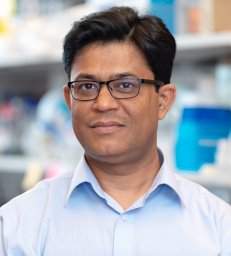 Raghvendra M. Srivastava合作论文数Department of Otolaryngology, University of Pittsburgh10
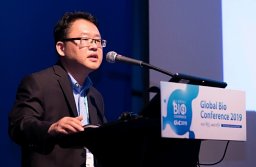 Hyun-Bae Jie合作论文数College of Veterinary Medicine, University of Missouri10Minling Lv合作论文数9
 Sumita Trivedi合作论文数Department of Otolaryngology, University of Pittsburgh9ZhiFeng Gu (顾志峰)合作论文数8
 Lawrence P. Kane合作论文数Department of Immunology, University of Pittsburgh8
 Chen Dong (董晨)合作论文数School of Pharmaceutical Sciences, Shanghai Jiao Tong University;School of Medicine, Westlake University;Affiliated Hangzhou First People's Hospital, School of Medicine, Westlake University8
 Yulei Wang合作论文数Genentech Inc, San Francisco, CA 94080 USA7Ziai James合作论文数School of Medicine, Yale University7
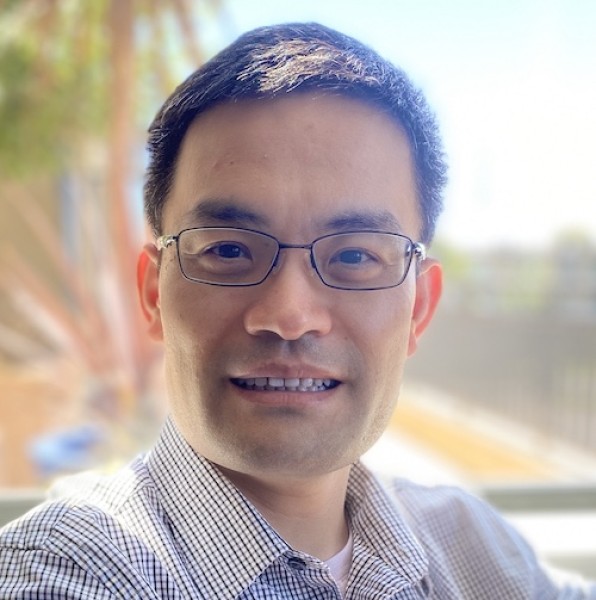 Wenxian Fu合作论文数Genentech, Inc.7
 Müller Sören合作论文数Molecular BioSciences, Goethe University7Su Yapeng合作论文数7Rost Sandra合作论文数7
 Laetitia Comps-Agrar合作论文数7Shannon J. Turley合作论文数7
 James R. Heath合作论文数Institute for Systems Biology;Health Sciences Center, University of California, Los Angeles7
 ANDREY SHAW合作论文数Genentech, Inc.;Washington University in St. Louis7Wenxing Feng合作论文数6Rui Zhao合作论文数6
 Ling Ni (倪凌)合作论文数School of Basic Medical Sciences, Tsinghua Medicine, Tsinghua University6Gildener-Leapman Neil合作论文数6Yu L. Lei合作论文数Department of Periodontics and Oral Medicine, The University of Michigan School of Dentistry/University of Michigan Rogel Cancer Center/Oral Health Sciences PhD Program, The University of Michigan School of Dentistry/Graduate Program in Immunology, The University of Michigan Medical School/Department of Otolaryngology – Head and Neck Surgery, the University of Michigan Health System6Tony Green合作论文数5Kim M Murray合作论文数5Gulidanna Shayan合作论文数5Clifford Rostomily合作论文数5Sean Mackay合作论文数IsoPlexis, Branford, CT USA5
 Jongchan Choi合作论文数Inst Syst Biol5Brett Smith合作论文数5Dan Yuan合作论文数Inst Syst Biol, Seattle, WA 98109 USA5
 Jennifer Hadlock合作论文数Institute for Systems Biology, Seattle, WA, USA.5Christopher Lausted合作论文数5XinFeng Sun (孙新锋)合作论文数5
 Duvvuri Venkata R合作论文数Institute for Systems Biology, Seattle WA USA5Kelsey Scherler合作论文数5
 Naeha Subramanian合作论文数Lab Syst Biol, NIH5
 Philip Greenberg合作论文数Department of Immunotherapy, University of Washington;Fred Hutchinson Cancer Research Center5
 Goldman Jason D合作论文数Harborview Medical Center, University of Washington5
 Priyanka Baloni合作论文数Department of Biochemistry, Indian Institute of Science5
 Bhela Siddheshvar合作论文数College of Veterinary Medicine, University of Tennessee5
 Sunga Hong合作论文数Department of Medical System Engineering, Gwangju Institute of Science and Technology (GIST),5Kansy Benjamin A合作论文数5Junling Yang (杨君伶)合作论文数5
 Lewis Lanier合作论文数Department of Microbiology and Immunology, University of California, San Francisco5




