Anaerobic membrane bioreactors (AnMBRs) are promising for treating antibiotic-rich wastewater, yet the role of membrane fouling layers in shaping antibiotic resistance genes (ARGs) under high antibiotic stress remains insufficiently understood. In this study, a methylotrophic AnMBR was operated under stepwise increasing sulfadoxine (0-15 mg/L) concentrations to investigate reactor performance, fouling development, and ARGs behavior. Results showed that AnMBR maintained stable performance, achieving over 95% COD removal and more than 93% sulfadoxine elimination. Sulfadoxine exposure significantly accelerated membrane fouling and stimulated extracellular polymeric substances (EPS) secretion, leading to the formation of a dense fouling layer. Metagenomic analysis revealed that the fouling layer exhibited higher abundance and diversity of ARGs than bulk sludge, with dominance of sulfonamide and multidrug resistance genes. Network analysis revealed structured co-occurrence patterns among genera, ARGs, and mobile genetic elements (MGEs), whereas assemblybased analysis showed that ARG-MGE co-localization was rare, indicating limited genomic evidence for widespread horizontal gene transfer. Combined with functional genes related to stress response and structural adaptation, these results suggested that sulfadoxine exposure promotes fouling layer-mediated retention and enrichment of resistance-associated genetic elements. These findings highlight the fouling layer as a key retention interface that governs ARGs fate in AnMBRs under antibiotic stress and provide a mechanistic basis for managing genetic risks in antibiotic-containing wastewater treatment.
The intensifying global challenges of water scarcity and widespread microbial contamination underscore the urgent need for the development of efficient, chemical-free disinfection technologies. Here, we developed a compact boron-doped diamond (BDD)-based electrochemical water treatment system that generates reactive oxygen species (ROS) in situ and evaluated its antimicrobial performance using ROS-on/off controls. Bactericidal efficacy was assessed against representative Gram-negative Escherichia coli (E. coli), Gram-positive Staphylococcus aureus (S. aureus), and Pseudomonas aeruginosa (P. aeruginosa), a clinically relevant Gram-negative pathogen with biofilm-forming and stress-resistant properties. Under ROS-on operation, viable counts were reduced from ~106 CFU/mL to near the detection limit, corresponding to 5–6 log10 reductions across all tested species, whereas ROS-off treatment showed negligible effects. The system retained strong disinfection activity in complex real water matrices, including hand-washing water, laboratory wastewater, and pond wastewater. ROS-treated water also disrupted pre-formed mono-species biofilms in a time-dependent manner, as assessed by crystal violet staining and semi-quantitative biomass analysis. A preliminary mouse exposure assessment did not reveal obvious histopathological abnormalities or hematological changes under the tested conditions. These results demonstrate that BDD-enabled electrochemical ROS water provides a rapid, reagent-free approach for bacterial inactivation and biofilm control, with potential applicability across diverse water-related settings, while acknowledging that further studies on complex natural microbial communities are warranted.
Monitoring nanoplastic (NP) aggregation in bidisperse systems under environmentally relevant ionic conditions remains a significant challenge. Conventional techniques such as dynamic light scattering and transmission electron microscopy are hindered by matrix interference, low sensitivity, and difficulties in resolving polydispersity. Here, we addressed this gap by using a coupled system including hollow fiber flow field-flow fractionation (HF5), ultravioletvisible detector (UV), and point-discharge optical emission spectroscopy (PD-OES) to investigate aggregation behavior of bidisperse polystyrene NPs (PSNPs, 50 nm and 100 nm) at ionic conditions below 1 mM, representative of freshwater ecosystems. We demonstrated that bidisperse PSNPs exhibit enhanced aggregation compared to monodisperse counterparts by using the HF5-UV/PD-OES platform for purification, separation, and carbon-specific quantification. This platform elucidated the critical roles of cation valence (Na+ vs. Ca2+) and low concentration ion gradients (0.01-1 mM) in modulating aggregation over extended scales (i.e., 24 h). Finally, toxicity assessments on Microcystis aeruginosa revealed that aggregation reduces PSNP ecotoxicity depending on cation valence, thereby alleviating growth inhibition, oxidative stress, and impairment of chlorophyll biosynthesis. These findings elucidate how environmentally relevant ionic conditions govern NP fate and effects in freshwater ecosystems, providing a critical link between physicochemical transformations and biological responses for ecological risk evaluation.
The residual antibiotics in the environment can exert strong selection pressures on the microbial community and promote the emergence and dissemination of antibiotic resistance genes (ARGs). Membrane-aerated biofilm reactor (MABR) with bubble-free aeration treating sulfadoxine (SDM') wastewater was established to investigate the feasibility of membrane aeration for the bio-treatment of SDM'-containing wastewater, and the responses of microbial community and ARGs to antibiotics SDM'. The results showed that as high as 900 mu g/L SDM' could reach high removal efficiency in MABR (97.93 +/- 0.48%). The presence of SDM' significantly altered the microbial community composition at the phylum and genus levels. While the presence of SDM' shifted the community compared to the control, the increase in concentration (from 200 to 900 mu g/L) had a limited effect, with Pielou's evenness ranging from 0.540 in the control to 0.378-0.447 across SDM' treatments, and did not notably promote the enrichment of total ARGs (1.69 copies/16S rRNA in the control vs. 1.18-1.87 copies/16S rRNA under SDM' exposure). Spearman correlation analysis implied the potential mobility of some ARGs (sul1, tetG, qacEdelta1 and floR, rho > 0.46). Network analysis showed that Methyloversatilis, Bdellovibrio, Brachymonas, Pseudomonas and Methanomethylovorans were potential hosts for the ARGs sul1, floR, ermF, ereA, and qacH, respectively. This study provides a comprehensive overview of the performance of MABR, the response of microbial community and the occurrence of ARGs under different concentrations of SDM' stress. The results are valuable for the risk assessment and management of antibiotic resistance.
Certain Fe(III) compounds are utilized to enhance anaerobic digestion performance, primarily by accelerating and stabilizing the conversion of dissolved organic matter (DOM) to methane via stimulating dissimilatory iron reduction (DIR). The effects of four specific Fe(III) compounds—Fenton sludge (FS), ferrihydrite, Fe₂O₃, and Fe(OH)₃—on DOM evolution and microbial function dynamics during anaerobic digestion were investigated in this study. Batch experiments revealed that the FS exhibited superior performance in DIR efficiency and DOM metabolism compared to other Fe(III) compounds, which is attributed to its relatively low crystallinity that enhances bioavailability and the upregulated pilA and mtrC genes expression, which further facilitated extracellular electron transfer. Combined size exclusion chromatography and fluorescence excitation emission matrix analysis demonstrated that the FS effectively degraded and transformed medium molecular weight humic-like substances. Furthermore, pathway analysis confirmed that the FS augmented acidification efficiencies, triggered by elevated activity of the propionate CoA-transferase pathway. Five genera, including Paludibacter, Macellibacteroides, Bact-08, TM7a, and Clostridium_sensu_stricto_12, were identified as keystone genera via network analysis. These genera maintained the bacterial community’s functional stability by mediating the DIR process and regulating organic matter metabolism. Overall, these findings highlight FS as a promising additive for enhancing anaerobic digestion performance, offering a sustainable strategy to optimize its practical application.
Certain Fe(III) compounds are utilized to stimulate dissimilatory iron reduction (DIR), thereby accelerating the transformation of dissolved organic matter (DOM) during anaerobic digestion. The effects of four specific Fe(III) compounds—Fenton sludge (FS), ferrihydrite, Fe2O3, and Fe(OH)3—on DOM evolution and microbial function dynamics during anaerobic digestion were investigated in this study. Batch experiments revealed that the FS exhibited superior performance in DIR efficiency and DOM transformation compared to other Fe(III) compounds, which is attributed to its relatively low crystallinity that enhances bioavailability and the higher predicted relative abundance of pilA gene, which is consistent with enhanced extracellular electron transfer. Combined size exclusion chromatography and fluorescence excitation emission matrix analysis demonstrated that the FS effectively degraded and transformed medium molecular weight humic-like substances. Furthermore, pathway analysis confirmed that the FS augmented acidification efficiencies, triggered by elevated activity of the propionate CoA-transferase pathway. Five genera, including Paludibacter, Macellibacteroides, Bact-08, TM7a, and Clostridium sensu stricto 12, were identified as keystone genera via network analysis. These genera maintained the bacterial community’s functional stability through their potential involvement in the DIR process and regulation of organic matter metabolism. Overall, these findings highlight FS as a promising Fe(III) source that drives efficient DIR-coupled DOM transformation, suggesting its potential for the resource recovery of Fenton sludge.
Electrochemical nitrate reduction (NO3RR) offers a sustainable route to ammonia (NH3) synthesis and concurrent water remediation. However, achieving high activity and selectivity under strongly acidic conditions remains challenging, particularly for Cu catalysts that are prone to corrosion and competing hydrogen evolution (HER). Herein, we report a bio-inspired interface engineering strategy, in which tannic acid (TA) is employed to functionalize Cu (denoted Cu-TA), enabling efficient acidic NO3RR. Specifically, Cu-TA achieves a Faradaic efficiency (FE) of up to 99.5 % for NH3 with a production rate of 1.12 mmol h(-1) cm(-2) at-0.3 V vs. RHE in 0.5 M H2SO4, while maintaining FE > 80 % across-0.1 to-0.5 V vs. RHE and sustaining robust operation for 144 h. We reveal that TA functionalization stabilizes Cu+ species, enhances interfacial NOx-adsorption, and suppresses the competing HER, thereby delivering superior performance under acidic conditions. Moreover, a Zn-NO3-battery constructed with Cu-TA as the cathode exhibits an open-circuit voltage of 0.86 V and a peak power density of 2.04 mW cm-2, successfully powering an electronic timer in series configuration. This work establishes a generalizable bio-inspired strategy for achieving durable, selective acidic NO3RR coupled with sustainable energy generation.
Algal-bacterial granules (ABGs) system represents a promising technology for organic wastewater treatment due to its high settleability, efficient oxygen transfer, and low-energy consumption. However, the secretion of extracellular polymeric substances (EPS) in algae, which played a key role in self-assembly of ABGs, would be inhibited by concentrated organic wastewater. This study proposed a novel strategy for developing ABGs by inducing bacterial N-acyl-homoserine lactone (AHL) variation through high-strength pyridine application. Results showed that bacterial long-chain AHL concentrations significantly increased in response to high-strength pyridine at 550 mg L-1, inducing the secretion of algal extracellular aromatic proteins and facilitating ABGs construction. The ABGs system achieved over 99 % pyridine removal efficiency and 82 % settleability. Moreover, the proportions of β-sheet and α-helix structures in the extracellular aromatic proteins of ABGs increased, while the random coil structures decreased. This shift in protein structure lowered the surface free energy and energy barriers, which in turn enhanced the surface hydrophobicity and promoted cell adhesion. Furthermore, based on metatranscriptomic analysis, the mechanism for AHL-regulated physiological and behavioral responses between algae and bacteria in ABGs was proposed. This study provides an economically feasible approach to develop efficient and sustainable ABGs systems for industrial wastewater treatment.
At present, researchers are committed to studying new intelligent response materials to deal with severe water pollution problems. Using PU sponge as the substrate, dopamine was first modified to construct a rough surface while introducing active groups. The monomer N-isopropylacrylamide (NIPAM) and itaconic acid (IA) were grafted and polymerized onto the polydopamine coating on the sponge surface by vinyltrimethoxysilane (VTMS). The obtained DINA-PU sponge has good temperature response and switchable wettability characteristics, and has good adsorption-desorption cycle function. Moreover, a micro-filtration device was designed to separate heavy (light) oil-water mixtures. The separation efficiency can reach more than 95 % and 99 % for heavy and light oil water, respectively. In addition, the adsorption capacity of the material for methylene blue (MB) can reach 660 mg center dot g- 1 . The separation efficiency in the oil-water separation-dye adsorption integrated separation experi- ment can reach more than 99 %.
BACKGROUND:Because of their persistence, bioactivity, and resistance potential, antibiotic residues seriously threaten ecology and human health. Among these pollutants, the frequently used veterinary antibiotic chlortetracycline regularly accumulates in aquatic systems and causes significant hazards by promoting microbial resistance and ecological disturbance. For effective monitoring and mitigation of such risks, a variety of analytical techniques have been developed for identifying trace pollutants within environmental matrices. Surface-enhanced Raman scattering (SERS), among these analytical techniques, stands out for its highly sensitive capability to detect trace substances in the environment. RESULTS:We successfully constructed a two-dimensional Al/C3N4/Ag@C nanocomposite substrate exhibiting remarkable performance in the SERS detection of chlortetracycline. By means of a successive layering technique, ultrathin graphitic carbon nitride (g-C3N4) and uniformly distributed carbon-coated silver nanoparticles (Ag@C) were deposited onto chemically etched aluminum sheets. The resulting Al/C3N4/Ag@C composite significantly enhanced Raman signals by uniquely combining electromagnetic and chemical enhancement mechanisms. Outperforming conventional and recently reported substrates, this composite achieved a detection limit of 6.91 × 10⁻¹² M for the standard probe molecule Rhodamine 6G and a remarkable 1.11 × 10⁻¹⁴ M were obtained for chlortetracycline. The uniform structure, excellent repeatability, and high stability of the hybrid substrate were validated through comprehensive characterization, including electron microscopy, X-ray diffraction, X-ray photoelectron spectroscopy, and finite-difference time-domain simulation. Furthermore, the fabrication process is highly reproducible and easily scalable for practical environmental monitoring applications. SIGNIFICANCE AND NOVELTY:This work presents a robust and scalable SERS substrate, Al/C3N4/Ag@C, which exhibits extraordinary sensitivity and stability for the detection of antibiotics in environment. Its novel combination of chemical and electromagnetic enhancements not only overcomes common challenges related to nanoparticle oxidation and signal instability but also provides consistent ultra-trace level monitoring of chlortetracycline in water bodies. Thus, it substantially improves useful antibiotic monitoring methods and presents great prospects for environmental protection and public health safeguarding.
Air pollution and nitrogen contamination residues remain challenges in the conventional biological treatment of industrial wastewater containing volatile organic compounds. In this study, counter-diffusion biofilms were integrated with shortcut nitrification-denitrification technology to enhance pyridine biodegradation through shortcut pyridine-N transformation (EPB-SPNT), with emphasis on biofilm stratification and microbial spatial interactions. Results showed that the removal efficiency of pyridine and total nitrogen reached 100 % and 91.24 ± 0.75 %, respectively. Fluorescence in situ hybridization and metagenomic analysis revealed that aerobic pyridine-degrading bacteria (APDB, Alicycliphilus) and ammonia-oxidizing bacteria (AOB, Nitrosomonas) were located in the aerobic layer, while anoxic pyridine degrading-denitrifying bacteria (APD-DB, Paracoccus) were enriched in the anoxic layer. Biofilm stability was mainly attributed to the lower hydrophilicity of protein secondary structure. The EPB-SPNT process was driven by the spatial cooperation among APDB, AOB, and APD-DB. These findings demonstrate the feasibility of implementing the EPB-SPNT in counter-diffusion biofilms through the regulation of microbial stratification and interactions.
Using aniline and environmentally friendly chitosan as raw materials, MnFe2O4 with photocatalytic properties was introduced and in-situ polymerization was used to prepare Cht/PANI/MnFe2O4. The Cht/PANI/MnFe2O4 was characterized by FTIR, SEM, XPS, XRD, BET and TGA. The experiment on the influence of pH on the adsorption capacity of the material shows that an acidic environment is conducive to the adsorption of fuel by the adsorbent.The zero charge point (pHPZC) on the adsorbent surface is obtained at pH 6.45. The adsorption kinetic model conformed to the pseudo second order model, and the adsorption isotherm was in agreement with the Langmuir isotherm model. The qmax values of Cht/PANI/MnFe2O4 and Cht/PANI were 202.84 and 148.37 mg·g−1. Experimental results have shown that Cht/PANI/MnFe2O4 exhibits photocatalytic performance, which is superior to pure MnFe2O4.The maximum removal amount of Cht/PANI/MnFe2O4 at equilibrium is 2569.66 mg·g−1. The photocatalytic process of Cht/PANI/MnFe2O4 also conforms to the pseudo-second-order kinetic model. The material has the advantages of simplicity and environmental friendliness and has potential application prospects in the purification of dye wastewater. The study proposed possible mechanisms for the adsorption and photocatalysis of CR.
Tetrabromobisphenol A (TBBPA), a widely-used brominated flame retardant, poses significant risks to the environment and human health due to its persistence, bioaccumulation, and toxicity. Although numerous remediation strategies have been developed, their comparative effectiveness requires systematic assessment. This review summarizes current physical, chemical, and biological approaches for TBBPA degradation. Adsorption can effectively remove TBBPA from aqueous solutions, yet this approach only achieves pollutant transfer rather than elimination. Pyrolysis and photodegradation can effectively decompose TBBPA, but their practical applications are constrained by the formation of hazardous by-products (e.g., dioxins) and challenges related to photocatalyst recovery. Chemical reduction and oxidation can effectively debrominate or mineralize TBBPA. However, these processes often generate toxic intermediates like bisphenol A (BPA), introducing secondary environmental risks. Compared to physicochemical methods, biological treatments offer a more sustainable and cost-effective alternative for TBBPA remediation. Under anaerobic conditions, TBBPA undergoes reductive debromination, primarily converting to BPA with limited mineralization (<5 %). In contrast, aerobic degradation pathways, including hydroxylation and ring-opening, improve mineralization to approximately 20 % but is constrained by substrate concentration. Sequential anaerobic-aerobic processes combine the advantages of reductive debromination and oxidative mineralization, significantly improving TBBPA degradation efficiency. For physicochemical technologies, future research should prioritize process optimization and the development of high-performance catalysts to improve TBBPA degradation kinetics while reducing the formation of toxic by-products. In parallel, biological treatment efforts should focus on isolating robust microbial strains and identifying effective electron donors that enhance microbial activity and degradation efficiency. The integration of physical, chemical, and biological technologies will be essential for achieving efficient and sustainable TBBPA remediation.
Uncovering the sulfur species conversion of iron-sulfur minerals influenced by antibiotics for autotrophic denitrification will be beneficial for its performance improvement and practical application. Here, the biological denitrification affected by tetracycline is evaluated for ferrous sulfide (FeS)- and pyrite (FeS2)-based packing reactors. With the presence of 4 mg/L tetracycline, the nitrate nitrogen (NO3- -N) removal efficiency decreases slightly from 97.76 +/- 2.46 % to 89.49 +/- 6.76 % for FeS. Tetracycline in influent does not affect the surface sulfur species conversion of FeS but leads to the upregulation of sulfur and nitrogen metabolism genes, which leads to its robust denitrification performance. While the adverse effects of tetracycline lead to the loss of nitrogen and sulfur metabolism microorganisms in the FeS2 reactor. The denitrification rate for FeS2 decreases from 100 % to 54.91 +/- 5.60 %. Our results provided a comprehensive understanding of the biological denitrification mechanism with iron-sulfur minerals affected by antibiotics.
Bacterial soluble secondary metabolites are key regulators of interspecies interactions in algae-bacteria symbiotic systems (ABSS), but their in situ roles under toxic environmental conditions remain poorly understood. This study employed an indirect-contact system to investigate their contribution to the tolerance of Chlorella sorokiniana under pyridine stress. Bacterial degradation reduced pyridine concentrations by 23.1 % and generated 5.24 mg L-1 of NH4+-N, alleviating algal oxidative stress. Diffusible bacterial secondary metabolites, including N-acyl homoserine lactones (1.2-fold increased), indole-3-acetic acid (1.1-fold increased), and humic-like substances, accumulated in the algal compartment. These metabolites activated algal antioxidant defenses, promoted photosystem repair, and supported algal growth. Compared with monoculture, algal biomass increased by 2.2-fold, and carbohydrate content rose by 21.9 %, alongside the activation of SOD-glutathione detoxification pathways. Transcriptomic analysis revealed significant upregulation of genes related to photosynthesis, DNA repair, and protein refolding. These findings uncover an indirect-contact regulatory mechanism that enhances algal resilience. They also support a modular strategy that combines functional bacterial consortia with spatially structured systems to improve ABSS performance in treating nitrogen-containing heterocyclic pollutants.
Ammonia monooxygenase (AMO)-mediated cometabolism of organic pollutants has been widely observed in biological nitrogen removal process. However, its molecular mechanism remains unclear, hindering its practical application. Furthermore, conventional nitrification systems encounter significant challenges such as air pollution and the loss of ammonia-oxidizing bacteria, when dealing with wastewater containing volatile organic pollutants. This study developed a nitrifying membrane-aerated biofilm reactor (MABR) to enhance the biodegradation of volatile 4-chlorophenol (4-CP). Results showed that 4-CP was primarily removed via Nitrosomonas nitrosa-mediated cometabolism in the presence of NH4+-N, supported by the increased nicotinamide adenine dinucleotide (NADH) and adenosine triphosphate (ATP) content, AMO activity and the related genes abundance. Hydroquinone, detected for the first time and produced via oxidative dechlorination, as well as 4chlorocatechol was primary transformation products of 4-CP. Nitrosomonas nitrosa AMO structural model was constructed for the first time using homology modeling. Molecular dynamics simulation suggested that the orthocarbon in the benzene ring of 4-CP was more prone to metabolismcompared to the ipso-carbon. Density functional theory calculation revealed that 4-CP was metabolized by AMO via H-abstraction-OH-rebound reaction, with a significantly higher rebound barrier at the ipso-carbon (16.37 kcal center dot mol-1) as compared to the ortho-carbon (6.7 kcal center dot mol-1). This study fills the knowledge gap on the molecular mechanism of AMO-mediated cometabolism of organic pollutants, providing practical and theoretical foundations for improving volatile organic pollutants removal through nitrifying MABR.
Algal-bacterial granular sludge (ABGS) system is promising in wastewater treatment for its potential in energy-neutrality and carbon-neutrality. However, traditional cultivation of ABGS poses significant challenges attributable to its long start-up period and high energy consumption. Extracellular polymeric substances (EPS), which could be stimulated as a self-defense strategy in cells under toxic contaminants stress, has been considered to contribute to the ABGS granulation process. In this study, photogranulation of ABGS by EPS regulation in response to varying loading rates of N-Methylpyrrolidone (NMP) was investigated for the first time. The results indicated the formation of ABGS with a maximum average diameter of similar to 3.3 mm and an exceptionally low SVI5 value of 67 +/- 2 mL g(-1) under an NMP loading rate of 125 mg L-1 d(-1), thereby demonstrating outstanding settleability. Besides, almost complete removal of 300 mg L-1 NMP could be achieved at hydraulic retention time of 48 h, accompanied by chemical oxygen demand (COD) and total nitrogen (TN) removal efficiencies higher than 90 % and 70 %, respectively. Moreover, possible degradation pathway and metabolism mechanism in the ABGS system for enhanced removal of NMP and nitrogen were proposed. In this ABGS system, the mycelium with network structure constituted by filamentous microorganisms was a prerequisite for photogranulation, instead of necessarily leading to granulation. Stress of 100-150 mg L-1 d(-1) NMP loading rate stimulated tightly-bound EPS (TB-EPS) variation, resulting in rapid photogranulation. The crucial role of TB-EPS was revealed with the involved mechanisms being clarified. This study provides a novel insight into ABGS development based on the TB-EPS regulation by NMP, which is significant for achieving the manipulation of photogranules.
Nanoplastics (NPs) are emerging pollutants and have been reported to cause the disintegration of anaerobic granular sludge (AnGS). However, the mechanism involved in AnGS disintegration was not clear. In this study, polyvinyl chloride nanoplastics (PVC-NPs) were chosen as target NPs and their long-term impact on AnGS structure was investigated. Results showed that increasing PVC-NPs concentration resulted in the inhibition of acetoclastic methanogens, syntrophic propionate, and butyrate degradation, as well as AnGS disintegration. At the presence of 50 mu gL-1 PVC-NPs, the hydrophobic interaction was weakened with a higher energy barrier due to the relatively higher hydrophilic functional groups in extracellular polymeric substances (EPS). PVC-NPs-induced ROS inhibited quorum sensing, significantly downregulated hydrophobic amino acid synthesis, whereas it highly upregulated the genes related to the synthesis of four hydrophilic amino acids (Cys, Glu, Gly, and Lys), resulting in a higher hydrophily degree of protein secondary structure in EPS. The differential expression of genes involved in EPS biosynthesis and the resulting protein secondary structure contributed to the greater hydrophilic interaction, reducing microbial aggregation ability. The findings provided new insight into the long-term impact of PVC-NPs on AnGS when treating wastewater containing NPs and filled the knowledge gap on the mechanism involved in AnGS disintegration by PVC-NPs.
To enhance the performance of the internal circulation (IC) reactor when treating high-sulfate organic wastewater, a laboratory-scale two-phase IC reactor with distinct phase separation capabilities was designed, and the sulfate reduction and methanogenesis processes were optimized by segregating the reactor into two specialized reaction zones. The results demonstrated that the first and second reaction areas of the two-phase IC reactor could be maintained at 4.5-6.0 and 7.5-8.5, respectively, turning them into the specialized phase for sulfate reduction and methanogenesis. Through phase separation, the two-phase IC reactor achieved a COD degradation and sulfate reduction efficiency of more than 80% when the influent sulfate concentration exceeded 5,000 mg/L, which were 32.32% and 16.04% higher than that before phase separation. Functional analyses indicated a greater activity of both the dissimilatory and assimilatory sulfate reduction pathways in the acidogenic phase, largely due to a rise in the relative abundance of the genera Desulfovibrio, Bacteroides, and Lacticaseibacillus, the primary carriers of sulfate reduction functional genes. In contrast, all the acetoclastic, hydrogenotrophic, and methylotrophic methanogenesis pathways were inhibited in the acidogenic phase but thrived in the methanogenic phase, coinciding with shifts in the genus Methanothrix, which harbors the mcrA, mcrB, and mcrG genes essential for the final transformation step of all three methanogenesis pathways.
 Aimin Li (李爱民)合作论文数National Engineering Research Center for Organic Pollution Control and Resource Reuse, School of the Environment, Nanjing University;Nanjing University & Yancheng Academy of Environmental Protection Technology and Engineering;Nanjing Innovation Centre for Environmental Protection51
 Jinyou Shen (沈锦优)合作论文数School of Environmental and Biological Engineering, Nanjing University of Science and Technology16
 Wen-Tao Li (李文涛)合作论文数13
 Min-Hui Cai合作论文数12
 Min Zhang合作论文数Department of Chemistry and Biochemistry, The University of Texas at Arlington12
 Wentao Li (李文涛)合作论文数School of the Environment, Nanjing University10
 Dan Chen合作论文数10
 Chendong Shuang (双陈冬)合作论文数Department of Environmental Engineering, School of Environment, Nanjing University10Gan LUO (罗干)合作论文数9Yechao Tian合作论文数8Wu Ji合作论文数8
 Xinbai Jiang (江心白)合作论文数School of Environmental and Biological Engineering, Nanjing University of Science and Technology8Xinying Hou合作论文数7Hui Zeng合作论文数7
 Zhu Wang合作论文数7Wen-Xiang Ji合作论文数7Shi Cheng (程士)合作论文数7
 Ying Liang (梁英)合作论文数桂林电子科技大学生命与环境科学学院7
 Yang Mu (穆杨)合作论文数School of Environment, University of Science and Technology of China7Yu-Ze Han合作论文数6Yaping WU (吴亚萍)合作论文数6Xiaoyu Zhang合作论文数6
 Qing Zhou (周庆)合作论文数Department of Environmental Engineering, School of Environment, Nanjing University6
 Lichun Fu (符丽纯)合作论文数School of Metallic Materials and Advanced Manufacturing, Soochow University;School of Iron and Steel, Soochow University5
 Shijian Ge (葛士建)合作论文数School of Environmental & Biological Engineering, Nanjing University of Science and Technology4
 Jin Xu (徐进)合作论文数College of Materials, Xiamen University4
 Yu Miao合作论文数4Zongli Huo (霍宗利)合作论文数4
 Quanxing Zhang (张全兴)合作论文数National Engineering Research Center for Organic Pollution Control and Resource Reuse, School of Environment, Nanjing University4
 Jun Li (李军)合作论文数Faculty of Architecture Civil and Transportation Engineering, Beijing University of Technology4
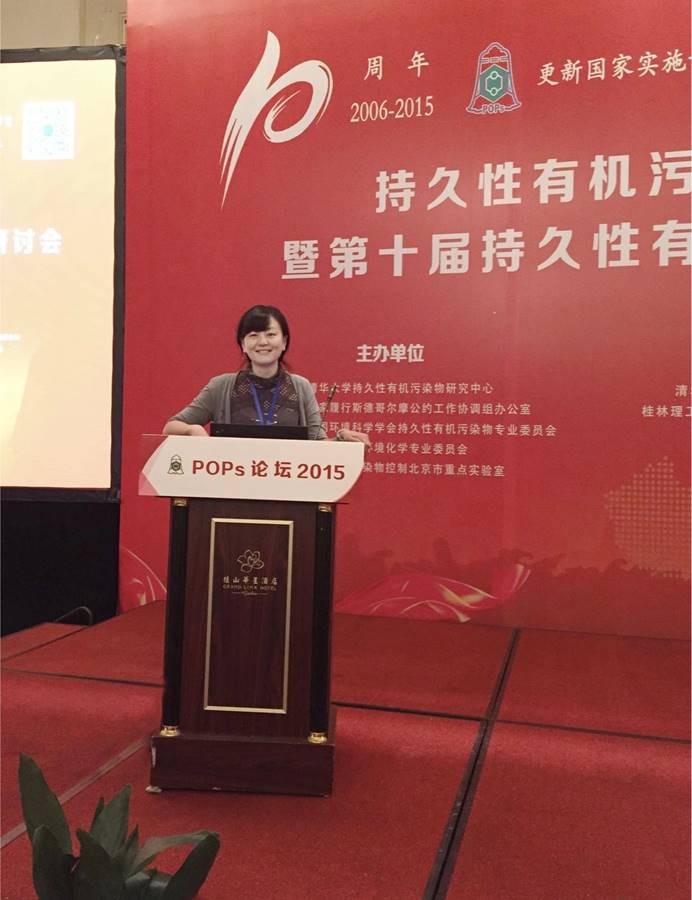 Yan Ma (马妍)合作论文数School of Chemical & Environmental Engineering, China University of Mining and Technology-Beijing4
 Runhua Liao合作论文数4
 Peng Shi (施鹏)合作论文数School of Environment, Nanjing University4
 Fuqiang Liu (刘福强)合作论文数School of Environment, Nanjing University4Peng Zheng合作论文数3
 Yi-Xuan Wang合作论文数3Yan-Ting Zuo合作论文数3
 Jing Wang合作论文数3Jiafeng Ding (丁佳锋)合作论文数3
 Gregory V. Korshin合作论文数Department of Civil and Environmental Engineering, College of Engineering, University of Washington3Shi Qianqian合作论文数3Shen Ke合作论文数3BiCun Jiang合作论文数3
 Juan Xu (徐娟)合作论文数School of Ecological and Environmental Sciences, East China Normal University3
 Jichun Wu (吴吉春)合作论文数School of Earth Sciences and Engineering, Nanjing University3
 Hangjun Zhang (张杭君)合作论文数College of Life and Environmental Sciences, Hangzhou Normal University3
 Chao Long (龙超)合作论文数School of Environment, Nanjing University3Jian-Hang Zhu合作论文数3




