We previously reported the results of a phase II trial of anti-PD-1 antibody plus anti-vascular endothelial growth factor receptor 2 inhibitors and eribulin in heavily pretreated advanced triple-negative breast cancer with a favorable objective response rate (ORR) of 37.0% (NCT04303741). Here we report updated survival outcomes and serum metabolite changes of the study. Proton nuclear magnetic resonance spectroscopy was used to detect metabolite dynamics and explore biomarkers for response. We found that treatment-sensitive patients had higher very low-density lipoprotein-related metabolite expression at baseline. A lipid proteomics model consisting of six metabolites predicted ORR and progression-free survival at 6 months with area under the receiver operating characteristic curves of 0.88 and 0.87, respectively. Serum asparagine and sarcosine concentrations were significantly higher after treatment in treatment-resistant patients. In conclusion, we constructed a model consisting of six metabolites to identify patients who benefit more from the triplet treatment, and asparagine and sarcosine may be associated with treatment resistance.
Background There is limited prospective or comparative data evaluating the HRQoL impact of intensive chemotherapy (IC) in older adults (age ≥60 years) with AML. In the recent EA E2906 phase 3 study of '7&3' (daunorubicin & cytarabine) vs. clofarabine (CLO), a putative lower intensity therapy, we incorporated a prospective patient-reported outcomes (PRO) assessment of HRQoL and fatigue to understand treatment impact from the patients' (pts) perspective. Methods E2906 study design and results have been presented previously [n=727, med. age 68 years (range 60-86), randomized 1:1 to ‘standard’ ‘7&3‘ & high dose cytarabine (Arm A) vs. single agent CLO (Arm B), as remission induction (Step 1) and consolidation (Step 2), respectively]. There was no difference in composite complete remission (CCR, 50%) or 30-day mortality rates (8.5%), and in primary analysis CLO was inferior for Overall Survival. HRQoL was a key secondary protocol endpoint. PROs assessed HRQoL and leukemia-specific symptoms and concerns using Functional Assessment of Cancer Therapy-Leukemia scale (FACT-Leu), & Fatigue using FACT-Fatigue subscale. PROs were administered at prespecified time points: (1) Baseline; (2) Cycle 1 at nadir (approx. Day 15); (3) End of Step 1 restaging (approx. D 40); (4) Beginning of Step 2 (1 st consolidation, approx. D 45); and (5) 2 nd cycle consolidation/End Step 2 (approx. D 60). The FACT-Leu Trial Outcome Index ( TOI) was calculated by summing physical well-being, functional well-being, and leukemia-specific concerns subscales to create a single composite score. Higher TOI scores correspond to better HRQoL. The primary endpoint was to evaluate TOI difference from randomization to day 30 after induction therapy between arms, evaluated using Wilcoxon rank sum test. We also compared Clinically Meaningful differences (CMiD) in TOI (defined as patient change ≥½ standard deviation from baseline TOI) between arms, using the X2 test. Pts not completing at least 2 assessment forms (including baseline) were excluded. Testing of constructs of Physical Well-being (PWB), Functional, Leukemia & Fatigue scales demonstrated high Cronbach's a values (a >0.7) except for PWB (a=0.672) at a single time point (End of Step 2). Results Baseline TOI was available for n=489, and 364 pts (n=182 each Arm) were evaluable in this planned analysis. Evaluating CMiD during Cycle 1 induction, pts in Arm B were less likely to experience ‘Worse’ TOI score (32% vs. 40.7%, Arm A), more likely to maintain stable TOI scores (49.1% vs. 39%, Arm A), and had a similar proportion of ‘Better’ TOI scores (20.3%, A vs. 18.9%, B) although differences were not significant (p=0.1389). Conversely in cycle 1 consolidation, more patients in Arm A experienced Better TOI (45.1% vs. 29.2%, Arm B), fewer had stable TOI (45.1% vs. 58.3%, Arm B), and rates of ‘Worse’ TOI were similar (9.8%, A vs 12.5%, Arm B), again differences were not significant (p=0.2616). There was no difference in Fatigue scores between Arms (p=0.49). We evaluated whether TOI and Fatigue scores could predict the ability to complete protocol therapy. In univariate analysis baseline TOI (p=0.0059) and Fatigue (p=0.0057) were associated with Step 1 completion, however on multivariate analysis (adjusting for age, sex, and Arm) were no longer significant [TOI, Odds Ratio (OR) 1.03 (0.98-1.08, p=0.27); Fatigue, OR 1.03 (0.96-1.11, p=0.42)]. There was a borderline association of TOI with Step 2 completion [TOI OR 1.10 (1.00-1.23, p=0.06)]. Using a multivariable linear mixed effects model, we observed similar and significant changes in TOI scores in both Arms, demonstrating the effect of IC & CLO on HRQoL (Figure). Comparing to baseline, TOI scores decreased significantly at C1 induction nadir (-4.0873, p<0.0001), and increased by 5.0762 (p=0.0004) at end Step 1, by 6.9047 at cycle 1 consolidation (p<0.0001), and by 11.4601 (p<0.0001) at end Step 2. Differences were mainly apparent in those who achieved CCR, and there was significant attrition in PRO responses in non-CCR pts. Conclusions Older adults experienced significant improvement in HRQoL after nadir regardless of therapy, and those achieving CCR report significantly higher scores. We did not observe differences in leukemia specific HRQoL or fatigue between treatment Arms (7&3 vs. CLO). Patient-reported HRQoL & Fatigue was not predictive of completion of protocol therapy. These results serve as a benchmark for expectations with IC in older adults.
Abstract Background The highly tissue-destructive and localized accumulation of basal cell carcinoma(BCC) makes it one of the most important cancers affecting people's lives. Existing therapeutic approaches, including surgical treatment, chemotherapy, and Hedgehog pathway inhibitors, have failed to achieve broad therapeutic effects for various reasons. This study aims to explore additional potential therapeutic targets and possible diagnostic and prognostic biomarkers using bioinformatics analysis.Material/Methods The Gene Expression Omnibus (GEO) database identified the microarray dataset GSE34535. The GEO2R tool was used to screen out differentially expressed genes (DEGs) between BCC and non-lesional skin. Potential target genes of DE-miRNA were screened using the miRWalk, mirDIP and miRTarBase databases. Gene Ontology function and Kyoto Encyclopedia of Genes and Genomes pathway enrichment analysis for target genes were established using the DAVID database. Protein–protein interaction network and miRNA-hub gene network were analyzed based on the STRING database and visualized by Cytoscape software. Results 51 up-regulated DE-miRNAs and 38 down-regulated DE-miRNAs were identified from the BCC samples. miR-455-5p was mainly up-regulated and miR-139-5p was mainly down-regulated. Two key bub genes MAPK1 and EGFR were identified in the PPI network. Four out of the ten hub genes were regulated by up-regulated miR-18a and four by down-regulated miR-133b. Viral infections were also identified in the study.Conclusions Bioinformatics identified four miRNAs and two important hub genes that may be associated with BCC, and it was suggested that viruses may play a role in BCC.
Insulin, as a growth factor, can increase the risk of certain types of cancer. The present study showed that insulin promoted the proliferation of hepatocellular carcinoma cells in vitro and in vivo through pyruvate kinase M2 (PKM2), which is a rate-limiting enzyme in the process of glycolysis. Moreover, the expression of PKM2 was up-regulated by insulin at the posttranslational level in a nuclear orphan receptor TR3-dependent manner. In addition, insulin could enhance the interaction between PKM2 and TR3 and protect PKM2 from degradation. Our results identified a specific mechanism of insulin affecting cancer metabolism and thus promoting cancer progression, and they contribute to a better understanding of the observation that insulin is linked to an increased cancer risk under hyperinsulinemic conditions.
LYAR (Ly-1 antibody reactive) is a transcription factor with a specific DNA-binding domain, which plays a key role in the regulation of embryonic stem cell self-renewal and differentiation. However, the role of LYAR in human cancers remains unclear. This study aimed to analyze the prognostic value of LYAR in cancer. In this study, we evaluated the prognostic value of LYAR in various tumors. We research found that, compared with normal tissues, LYAR levels werehigher in a variety of tumors. LYAR expression level was associated with poor overall survival, progression-free interval, and disease-specific survival. LYAR expression was also related to tumor grade, stage, age, and tumor status. Cell counting kit-8, Transwell, and wound healing assay showed that knocking out LYAR significantly inhibited the proliferation, migration, and invasion of hepatocellular carcinoma cells. In addition, this study found that LYARexpression was significantly positively correlated with MKI67IP, BZW2, and CCT2. Gene set enrichment analysis results showed that samples with high LYAR expression levels were rich in spliceosomes, RNA degradation, pyrimidine metabolism, cell cycle, nucleotide excision repair, and base excision repair.
 Zhenluan Tian合作论文数1
 Yuhao Ke合作论文数1Edward R. Broun合作论文数1Jingdong Zhang合作论文数1Wenyang Zhou合作论文数1
 Xiaofang Che合作论文数1Zhi Li合作论文数1Jinglei Qu合作论文数1Qunxian Rao合作论文数1Wei Cao合作论文数1Jingjing Liu合作论文数1Ying Wang合作论文数1Miaomiao Yang合作论文数1
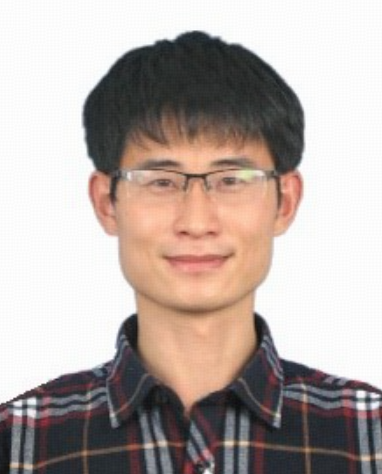 Guodong Chen (陈国栋)合作论文数School of Life Sciences, Central South University1Yun-Peng Liu合作论文数1Hao Liu合作论文数1Lili Nie合作论文数1Qiang Zhi合作论文数1Jacob M. Rowe合作论文数1
 Yishai Ofran合作论文数Rambam Hlth Care Campus, Dept Hematol & Bone Marrow Transplantat, Haifa, Israel1
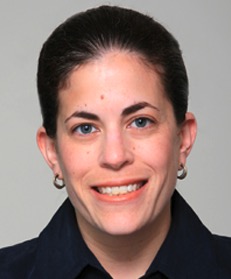 Jessica K Altman合作论文数Division of Hematology and Oncology, Department of Medicine, Feinberg School of Medicine, Northwestern University;Robert H. Lurie Comprehensive Cancer Center, Feinberg School of Medicine, Northwestern University1ZhangHai He (何长海)合作论文数1
 Selina M. Luger合作论文数Division of Hematology and Oncology, University of Pennsylvania1
 Bayasi Guleng (巴亚斯古楞)合作论文数Zhongshan Hospital, Xiamen University;School of Medicine, Xiamen University1
 Yunpeng Liu (刘云鹏)合作论文数The First Hospital, China Medical University1
 Wei Han (韩伟)合作论文数Hefei Institutes of Physical Science, Chinese Academy of Sciences;University of Chinese Academy of Sciences1
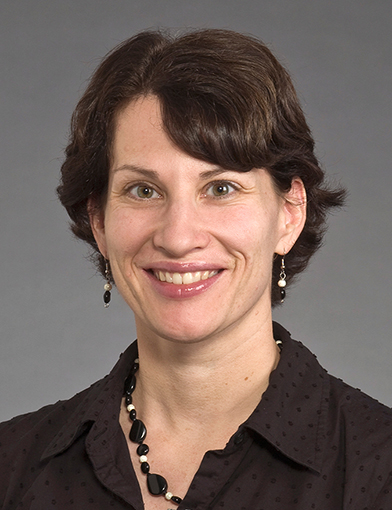 Heidi Diana Klepin合作论文数Comprehensive Cancer Center, Wake Forest University School of Medicine;Sticht Center for Healthy Aging and Alzheimer’s Prevention, Wake Forest University School of Medicine1
 Bayard L. Powell合作论文数Wake Forest University School of Medicine1
 Aref Al-Kali合作论文数1Ti Wen合作论文数1Li Ce合作论文数1Liu Jieqiong合作论文数1Zheng Hong合作论文数1O'Dwyer Kristen M合作论文数1Liu Hao合作论文数1Jin Wang合作论文数1
 Mark R. Litzow合作论文数Division of Hematology, Department of Internal Medicine, Mayo Clinic1
 Yibo Fan (范一博)合作论文数The First Clinical College, China Medical University1Ling Xu (徐玲)合作论文数1
 Shuo Wang (王硕)合作论文数Institute of Microbiology, Chinese Academy of Sciences;University of Chinese Academy of Sciences1Zhengdong Li (李正东)合作论文数1Congwen Jin (金从稳)合作论文数1
 Zhenning Wang (王振宁)合作论文数The First Hospital of China Medical University1
 Xiujuan Qu (曲秀娟)合作论文数The First Hospital of China Medical University1Jing Liu合作论文数1
 Hillard M. Lazarus合作论文数Department of Medicine, School of Medicine, Case Western Reserve University1




