OBJECTIVE:To evaluate the early-term outcomes of endovascular repair for zone 2 aortic arch pathologies using the Castor single-branched stent-graft, with adjunctive chimney technique employed when extending for proximal extension into zones 1 and 0. METHODS:A single-center retrospective study was conducted on 63 patients (mean age=57.0±13.4 years; 55 males, 87.3%) with zone 2 aortic pathologies treated between February 2023 and June 2024. Proximal landing zones determined treatment strategy: Standard zone 2 landing (n=37, Castor branch in left subclavian artery [LSA]); extended zone 1 landing (n=20, Castor branch in LSA+LCCA chimney); extended zone 0 landing (n=6, Castor branch in LCCA+innominate artery (IA) chimney+selective LSA revascularization based on vertebral artery dominance). Baseline characteristics, procedural data, and outcomes were analyzed to assess technical success, perioperative/follow-up complications, reinterventions, and branch patency. Outcomes were described separately for each landing zone cohort (zones 2, 1, and 0). RESULTS:The overall technical success was 96.8% (61/63). No mortality, stroke, paraplegia, retrograde type A aortic dissection/ (RTAAD), endoleak, or upper limb ischemia occurred within the 30-day postoperative period. During a mean follow-up of 17.4±5.5 months, the overall endoleak rate was 1.6% (1/63), comprising a single zone 2 landing type II endoleak (LSA backflow) detected at the 3-month follow-up. No graft-related type I/III endoleaks occurred. Branch occlusion occurred in 1.6% of cases (1/63), involving the Castor LSA branch in a zone 1 landing case at 10 months. All chimney stent-grafts maintained patency. Reinterventions (3.2%, 2/63) comprised: one zone 2 landing type II endoleak, and one zone 1 landing complications (LSA occlusion). All-cause mortality was 1.6% (1/63, occurring at 11 months postoperatively in a zone 1 landing patient due to non-aortic-related causes). CONCLUSIONS:The Castor single-branched stent-graft enabled effective zone 2 reconstruction. Combined with chimney technique, it facilitated treatment extension into zone 1 and exploratory applications in zone 0. The results for each strategy demonstrate high technical success, a favorable safety profile, high branch/chimney patency rates, and low-complication rates.Clinical ImpactThis study demonstrates that the Castor single-branched stent-graft is safe and effective in endovascular repair of zone 2 aortic arch pathologies. Combined with a chimney stent, its application can be successfully extended to zone 1 and exploratory zone 0 cases. This hybrid strategy provides a minimally invasive endovascular alternative for complex arch pathologies, particularly in patients at high surgical risk or ineligible for custom-made devices. This work contributes by providing the first detailed perioperative and follow-up data for this combined approach, including preliminary technical experience in highly selected zone 0 reconstructions, thereby enriching the evidence base for endovascular arch repair.
This study aimed to summarize a 12-year single-center experience with Grade III blunt thoracic aortic injury (BTAI) and to evaluate the outcomes of early versus delayed thoracic endovascular aortic repair (TEVAR) in the context of real-world clinical decision-making, with the goal of providing further insight into how optimal surgical timing may be individualized based on patient presentation and clinical stability. A retrospective analysis was conducted on 53 patients with Grade III BTAI treated between August 2011 and January 2024. Based on clinical condition, patients were categorized into early TEVAR (< 24 h) and delayed TEVAR (> 24 h) groups. Perioperative and follow-up outcomes were assessed. Among the 53 patients, 16 underwent early TEVAR and 37 underwent delayed TEVAR. The median age was 54.00 (IQR 37.00-59.50) years, and 77.4
OBJECTIVES:To identify potential pathophysiological connections between intravascular ultrasound virtual histology (IVUS-VH) analyzed plaque characteristics and laboratory data while verifying possible connections with long-term clinical outcomes in real-world clinical practice. MATERIALS AND METHODS:This retrospective study analyzed clinical data from 54 consecutive patients undergoing endovascular therapy (EVT) in our department between June 2019 and June 2023. The data set encompassed comprehensive parameters including IVUS-VH imaging findings, laboratory data, procedural details of interventional treatments, and post-operative clinical outcomes. Patients' IVUS-VH data were analyzed in relation to laboratory data (D-dimer, C-reactive protein [CRP], triglycerides, total cholesterol, NRL, etc) and clinical outcomes (ABI change, survival rate, major amputation rate, primary patency, and re-intervention rate). RESULTS:The average age of the 54 patients is 66.8±11.2 years old. Among them, 35 patients (64.8%) experienced rest pain, and 19 patients (35.2%) experienced claudication. All patients successfully underwent IVUS and IVUS-VH. General IVUS data for the most severe sections included: minimal area 4.4±2.2 mm2, minimal diameter 2.0±0.5 mm, total lesion area 24.6±7.2 mm2, and plaque burden 86.6±5.7%. The IVUS-VH data includes (1) the fibrotic plaque area, which is 13.3±5.3 mm2; (2) the Fibro-fatty area, which is 9.1±4.0 mm2; (3) the necrotic core area, which is 1.8±1.5 mm2; and (4) the dense calcium area, which is 0.5±0.5 mm2. During the correlation analysis of IVUS-VH data, we find that a significant negative correlation between dense calcium and fibro-fatty plaque area (r=-0.380, p=0.005; q=0.028). In addition, the CRP levels were significantly positively correlated with dense calcium area (r=0.411, p=0.004; q=0.024) and negatively correlated with fibro-fatty plaque area (r=-0.324, p=0.026; q=0.048). CONCLUSIONS:In CLTI patients, dense calcium and fibro-fatty plaque areas are negatively correlated in IVUS-VH data. The CRP levels are positively correlated with dense calcium lesion area and negatively correlated with fibro-fatty plaque lesion area in CLTI patients. These findings are consistent with research in coronary arteries. This study did not find correlations between IVUS-VH data and other clinical outcomes; however, a larger data set and longer follow-up may provide new insights in the future.Clinical ImpactThis study provides insights into plaque phenotyping in chronic limb-threatening ischemia (CLTI) by demonstrating correlations between C-reactive protein (CRP) levels and specific intravascular ultrasound-virtual histology (IVUS-VH) plaque components (dense calcium and fibro-fatty tissue). This suggests that CRP, a readily available biomarker, may reflect underlying plaque morphology in peripheral arteries, similar to coronary findings. Clinically, these results highlight the potential of integrating systemic inflammatory markers with advanced imaging for more comprehensive risk assessment. Although not yet predictive of long-term outcomes, this integrative approach represents a step toward personalized therapy in CLTI and encourages future research into interventions targeting specific plaque compositions.
Type V nodular port‐wine birthmarks (PWBs) are challenging to treat due to dilated vasculature and potential arteriovenous malformations, with conventional therapies such as pulsed dye laser often yielding limited results. Polidocanol foam sclerotherapy, though promising for vascular malformations, remains underexplored for PWB. This retrospective study evaluated the safety and efficacy of polidocanol foam sclerotherapy in patients with nodular Type V PWB at our institution. A total of 10 patients (3 male, 7 female; mean age: 41.1 ± 14.0 years) were treated with 1% or 3% polidocanol foam injections administered at monthly intervals. Efficacy was measured by nodule volume reduction, clinical improvement, and patient satisfaction. At 1‐month follow‐up, median nodule volume reduction was 77.5%, with a mean clinical improvement score of 3.1 ± 1.0 and a mean patient satisfaction score of 7.2 ± 1.7. No disease progression or major complications occurred during extended follow‐up (mean duration: 13.4 ± 10.4 months), although one patient developed a hypertrophic scar. These results suggest that polidocanol foam sclerotherapy is a safe and effective option for managing Type V nodular PWB, with minimal adverse events and high patient satisfaction, warranting further investigation in larger, prospective studies.
Yao, Wei; Xie, Zhiqin; Li, Ming; Zhang, Mingchang; Dai, Wei; Duan, Bingchen; Wang, Min; Tang, Caixi; Yang, Zhaoming Author Information
BACKGROUND:Non-A non-B aortic dissection remains a complex and controversial pathology. Although open repair remains the gold standard, its invasiveness may limit applicability in high-risk patients. CASE SUMMARY:We present the case of a 65-year-old woman with non-A non-B dissection and prohibitive surgical risk who underwent successful total endovascular arch repair using a Concave Supra-arch triple-branched stent-graft (CS) system (Lifetech Scientific). The procedure involved precise deployment of the main body, selective catheterization, and bridging stent placement. Follow-up imaging confirmed entry tear exclusion, branch patency, and favorable remodeling without complications. DISCUSSION:The CS device features a concave configuration along the greater curvature, with 2 antegrade branches for the innominate and left common carotid arteries and 1 retrograde branch for the left subclavian artery, facilitating stable anatomic reconstruction. TAKE-HOME MESSAGES:Total endovascular arch repair with the CS system offers a viable solution for high-risk patients. Routine application warrants caution owing to limited outcomes data.
This study aimed to evaluate the outcomes of endovascular treatment for splenic artery aneurysms (SAAs). A retrospective review was conducted of patients with SAAs who underwent endovascular treatment between January 2019 and June 2024. Patient demographics, aneurysm characteristics, treatment strategies, and perioperative and long-term outcomes were analyzed. A total of 19 patients with SAAs, with a median age of 53 years (IQR 47–57 years), were treated endovascularly. Of these, 15 patients were treated with embolization alone, and 4 with covered stent placement. Technical success, defined as successful deployment of devices and complete exclusion of the aneurysm on final angiography, was achieved in 18 out of 19 patients (94.74
Acute liver injury in children poses a serious threat to their health and life. The study aimed to evaluate the clinical efficacy of reduced glutathione (GSH) combined with compound glycyrrhizin (CG) in the treatment of acute liver injury in children and its effect on the inflammatory cytokines of body. Methods: a retrospective study was conducted on 76 children with acute liver injury admitted to the Department of Pediatrics in Hefei Maternal and Child Health Hospital for treatment from January 2018 to June 2020, who was divided into a control group of 39 cases and a treatment group of 37 cases on the basis of different intervention methods. The control group was given intravenous infusion of 20 to 60 mg/kg GSH each time. On the basis of the control group, the treatment group was additionally given intravenous infusion of 1 to 2 mL/kg CG each time. The course of treatment lasted for 5 to 7 consecutive days, with 1 to 2 courses depending on the severity of the condition. The clinical efficacy, levels of liver functions and inflammatory cytokines, and incidence of adverse reactions between the 2 groups were observed and compared after treatment. Results: after treatment, the total effective rate of the treatment group (94.59%) was significantly higher than that of the control group (76.92%) ( P = .029), and the treatment group showed significantly lower levels of alanine aminotransferase (ALT) and aspartate aminotransferase (AST) than the control group ( P = .017, P = .014), but the levels of gamma-glutamyltranspeptidase (GGT) and albumin (ALB) between the 2 groups had no significant difference ( P > .05). Compared with the control group, the levels of tumor necrosis factor α (TNF-α) and interleukin-17 (IL-17) in the treatment group significantly decreased ( P = .000, P = .000). On the contrary, the level of interleukin-10 (IL-10) in the treatment group increased significantly after treatment ( P = .000). There was no statistically significant difference in the incidence of adverse reactions between the 2 groups ( P > .05). Conclusions: therapy with GSH combined with CG can effectively treat acute liver injury, reduce levels of ALT and AST, improve inflammatory response in children, and has reliable safety additionally.
OBJECTIVE:Endovascular aortic arch repair with supra-aortic trunk (SAT) reconstruction is an alternative to open surgical replacement, but the ideal stent graft is still under investigation. This study describes the first experience and one year results of a novel, off the shelf, concave supra-arch triple branched stent graft system (CS system) for aortic arch diseases. METHODS:This was a prospective cohort study conducted in three hospitals, enrolling patients from March 2022 to June 2023, to evaluate use of the CS system for aortic arch pathologies. An interdisciplinary board assessed patients pre-operatively. All patients were treated using the CS system to cover the aortic arch pathologies and reconstruct all SATs. Follow up assessments were conducted with computed tomography scans at two weeks and six and 12 months. RESULTS:Ten patients (eight men) were treated using the CS system. The mean age was 65.3 years. Conditions included thoracic aortic aneurysm, non-A non-B aortic dissection, and penetrating aortic arch ulcer. Technical success was achieved in all patients, with one type III endoleak during the procedure. The mean procedure time was 160 ± 23 minutes and the mean fluoroscopy time was 63 ± 20 minutes. The in hospital mortality and stroke rates were both 0%. The mean follow up duration was 456.9 ± 93.6 days. All patients recovered well without complications. The CS system completely covered the aortic pathologies, and all reconstructed branches remained patent. The single endoleak sealed spontaneously within six months. Mild to moderate in stent stenosis was observed in three left common carotid arteries. No other morphological abnormalities were observed, and secondary interventions were not necessary. CONCLUSION:The CS system for endovascular treatment of aortic arch pathologies demonstrated promising safety and efficacy in this study, with no deaths, strokes, retrograde type A aortic dissections, re-interventions, or significant endoleaks during one year follow up. Stenosis of the reconstructed SATs should be monitored closely.
Backgrounds and objects: Thoracic endovascular aortic repair (TEVAR) has currently become the “first-line choice” for the repair of various descending aorta pathologies. However, for aortic arch pathologies, physician-modified fenestration TEVAR is an alternative method that is capable of dealing with some of the anatomic difficulties in this special case. In this article we introduce a well-established technique that uses a radiopaque marker in the stent graft, self-radiopaque physician-modified fenestration (SF). We analyzed a cohort of retrospective and follow-up data from 7 hospitals all over the world for patients who underwent SF-TEVAR. To our knowledge, this study holds the largest group size ever around the worldi. Methods: The data of 658 patients who underwent SF TEVAR from 6 different countries and 7 hospitals from December 2015 to May 2023 were retrospectively analyzed. Information regarding procedure time, contrast dose stent graft, and bridging stent was collected for analysis, and follow-up results were recorded at 1 month, 6 months, 12 months after the procedure, analyzed the survival rate and branch patent rate. Results: We found an instant maneuver success rate (with successful fenestration in TEVAR) of 98.8 %. There were 696 aortic stent grafts implanted and 726 bridging stents among all the patients. The operation time was 85.8 ± 35.3 min, and the contrast dosedose was 85.2 ± 22.0 ml. Eight bailout stent grafts were implanted into the LSA using the chimney technique (1.2 %), and three cases of fenestration were successfully corrected after misalignment (0.5 %). Large fenestration for the IA, LCCA, and LSA simultaneously was successful in 5 patients (0.8 %). In addition, There were 15 cases (2.3 %) that used SF combined with other techniques (in-situ fenestration, chimney, snorkel, or bypass methods) according to the “HENDO” consensus in China. The peri-operative mortality was 0.5 % (within 30 days of SF-TEVAR procedures). Endoleak was observed in 53 patients (8.1 %) immediately after procedure DSA and in 47 patients (7.1 %) beyond 30 days after the procedure during follow-up. In the 90 months of follow-up data, the overall survival rate was 96.5 %, with a branch artery patent rate of 98.8 %. Conclusions: The well-established SF method that uses radiopaque markers in aortic stent graft to guide physician-modified fenestration in TEVAR is a safe and effective procedure that leads to durable long-term results. Moreover, the survival rate and branch patent rate are both acceptable. This SF-TEVAR is thus a viable alternative method to keep branch arteries patent in cases of aortic arch pathologies.
BACKGROUND:To conduct a network meta-analysis comparing multiple treatments for complex aortic aneurysms (CAAs).METHODS:Medical databases were searched on November 11, 2022. Twenty-five studies (5,149 patients) and four treatments (open surgery [OS], chimney/snorkel endovascular aneurysm repair [CEVAR], fenestrated endovascular aneurysm repair [FEVAR], and branched endovascular aneurysm repair) were selected. Outcomes were branch vessel patency, mortality, and reintervention at short- and long-term followup, and perioperative complications.RESULTS:Regarding branch vessel patency, OS was the most effective treatment and had higher 24-month branch vessel patency rates than CEVAR (odds ratio [OR], 10.77; 95% confidence interval [CI], 2.08-55.79). FEVAR (OR, 0.52; 95% CI, 0.27-1.00) and OS (OR, 0.39; 95% CI, 0.17-0.93) were better than CEVAR regarding 30-day mortality and 24-month mortality, respectively. Regarding 24-month reintervention, OS was better than CEVAR (OR, 3.07; 95% CI, 1.15-8.18) and FEVAR (OR, 2.48; 95% CI, 1.08-5.73). Regarding perioperative complications, FEVAR had lower acute renal failure rates than OS (OR, 0.42; 95% CI, 0.27-0.66) and CEVAR (OR, 0.47; 95% CI, 0.25-0.92) and lower myocardial infarction rates than OS (OR, 0.49; 95% CI, 0.25-0.97) and was the most effective treatment in preventing acute renal failure, myocardial infarction, bowel ischemia, and stroke, while OS was the most effective treatment in preventing spinal cord ischemia.CONCLUSIONS:OS might have advantages regarding branch vessel patency, 24-month mortality, and reintervention and is similar to FEVAR regarding 30-day mortality. Regarding perioperative complications, FEVAR might confer advantages in preventing acute renal failure, myocardial infarction, bowel ischemia, and stroke, and OS in preventing spinal cord ischemia.
The purinergic receptor P2X7 has been established as an important mediator of inflammation and participates in a variety of cardiovascular diseases including atherosclerosis, however, its role in abdominal aortic aneurysms (AAA) remains unclear. In this study, we demonstrate that P2X7 plays essential roles in AAA development via modulating macrophage pyroptosis and inflammation. P2X7 is highly expressed in human AAA specimen, as well as in experimental murine AAA lesions (both CaCl2- and Angiotensin II-induced AAA models), and it mainly confines in macrophages. Furthermore, P2X7 deficiency or pharmacological inhibition with its antagonist could significantly attenuate aneurysm formation in experimental murine AAA models, while P2X7 agonist could promote AAA development. The caspase-1 activity, matrix metalloproteinase (MMP) activity, reactive oxygen species (ROS) production and pro-inflammatory gene expression were significantly reduced in experimental AAA lesions in mice with P2X7 deficiency or inhibition. Mechanistically, macrophage P2X7 can mediate the activation of NLRP3 inflammasome and activate its downstream caspase-1 to initiate the pyroptosis pathway. After caspase-1 activation, it further cleaves pro-interleukin (IL)-1β and gasdermin D (GSDMD). Consequently, the N-terminal fragment of GSDMD forms pores on the cell membrane, leading to macrophage pyroptosis and release of the pro-inflammatory factor IL-1β. The resulting vascular inflammation further leads to the upregulation of MMP and ROS, thereby promoting AAA development. In summary, these data identify P2X7-mediated macrophage pyroptosis signaling pathway as a novel contributory mechanism of AAA formation.
BACKGROUND Sclerotherapy has achieved great success in treating most venous malformation (VM) lesions. OBJECTIVE To compare the effects of foam sclerotherapy on infantile hemangioma and pyogenic granuloma (PG). In addition, we analyzed the data and outcomes of foam sclerotherapy for the VM. MATERIALS AND METHODS Thirty-nine patients with hemangiomas and 83 patients with VMs were treated, and clinical outcomes, resolution, and complication rates were compared. Sclerotherapy data from the VM group were also analyzed. RESULTS The average age of the patients and the distribution and tissue involvement of lesions among the 3 groups were significantly different (p < .001). The average amount of sclerosing foam administered per session in VMs was significantly higher than that in the other 2 groups (p < .0001) (whereas that in the PG group was lower than that in the infantile hemangioma group [p < .0001]). However, the overall therapeutic efficacy and side effects in the 3 groups were not significantly different. For VMs, the frequency of ultrasound guided foam sclerotherapy and use of 3% polidocanol increased from superficial to deep lesions, whereas the use of 1% POL decreased (p < .0001). CONCLUSION Infantile hemangioma and PG treatments presented good results and minor adverse reactions comparable with those of VMs.
Objective This study aimed to compare the follow-up and outcomes of spontaneous isolated superior mesenteric artery dissection (SISMAD) in different angiographic types and to determine the optimal therapeutic options for SISMAD patients. Methods This is a retrospective study of 61 SISMAD patients between December 2010 and January 2019 in a single center. Data analysis consisted of demographics, clinical data, radiology review, treatment, follow-up, and outcomes. Results A total of 61 SISMAD patients were reviewed in this study. Median age was 53 (quartile, 47.5–63.0), 90.2% were males with hypertension (50.8%), dyslipidaemia (54.1%), and smoking history (60.7%). Among all, 43 patients underwent periodic follow-up of computed tomography (CT) angiography for follow-up analysis. 11 (25.6%) patients showed “No Change” during follow-up, including 6 type I patients. 23 patients (53.5%) were “Partially Remodelled” and 18 of them were type II patients. 7 “Completely Remodelled” patients (16.3%) were all in type II group. Two type III patients (4.6%) died after the emergent surgical intervention within 30 days. Conclusions Different SISMAD angiographic types present with variant progression. Type I SISMAD may be inclined to remain “unchanged.” Type II SISMAD shows a clear trend to remodeling, especially type IIb patients. The progression of type III SISMAD varies in the extent of collateral bypasses.
Objective: The aim of this study was to evaluate safety and efficacy of thoracic endovascular aortic repair (TEVAR) for acute Stanford type B aortic dissection (TBAD) with retrograde type A intramural hematoma (TAIMH). Methods: Patients with acute TBAD with retrograde TAIMH treated with TEVAR between January 1, 2014, to March 31, 2022, were retrospectively reviewed. Aortic diameter and distance were measured using the 3D Slicer image computing platform. Patients' characteristics, procedural, in-hospital and follow-up data, and aortic remodeling were analyzed. Results: Fifty-two patients (average age, 52.6 years; 42 males [80.8%]) were included. The median interval from symptom onset to TEVAR was 11 days (interquartile range, 7.0-16.8 days). The maximal diameter of the ascending aorta (AA) was <50 mm, and the hematoma thickness in the AA was <=-10 mm in all patients. Both the in-hospital and 30-day mortality rates were 0%. The 30-day complication rate was 11.5%. The overall cumulative survival rates were 100% at 1 year, 97.1% at 3 years, and 92.6% at 5 years. Four of 52 patients (7.7%) developed retrograde type A aortic dissection at 10 days to 4 months postoperatively, and one of 52 patients (1.9%) developed an isolated AA dissection 4 months postoperatively; these five patients were treated and alive at late follow-up in March 2022. The rates of cumulative freedom from thoracic aortic re-intervention were 93.7% at 1 year and 90.7% at 5 years. Positive AA remodeling was observed in 92.3% (48/52) of patients during follow-up. The maximal diameter of AA (mean +/- standard error of mean) at admission was 42.7 +/- 0.8 mm, which decreased to 39.5 +/- 0.9 mm at last follow-up. The maximal AA hematoma thickness at admission was 7.6 +/- 0.3 mm, which reduced to 2.2 +/- 0.9 mm at last follow-up. Conclusions: For selected patients of acute Stanford TBAD with retrograde TAIMH, endovascular repair may be a safe, effective, and durable alternative treatment, if the maximum diameter of the AA is <50 mm and the intramural hematoma thickness in the AA is <= 10 mm.
Background: Vascular aging is characterized by endothelial dysfunction and proinflammatory & prothrombotic changes. It is responsible for aging-associated pathologies including stroke, vascular dementia (VaD) and Alzheimer’s disease (AD). The underlying mechanisms of vascular aging are poorly understood. Medin is an amyloidogenic protein that accumulates in aging vasculature, is associated with VaD and AD, and is a candidate mediator of vascular aging through unknown mechanisms. Our aim is to test the hypothesis that medin induces proinflammatory and prothrombotic changes in human brain microvascular endothelial cells (HBMVECs) through nuclear factor kappa B (NFκB). Methods: HBMVECs were exposed to vehicle, recombinant medin (5 μM, a physiologically relevant dose) without or with RO106-9920 (a small molecule selective NFκB inhibitor, 10 μM) or RO106-9920 alone for 20 hours (N=3-17/treatment). Cell lysates were measured for gene expression of inflammatory cytokines/chemokines (IL-8, IL-6, ICAM-1 and VCAM-1) and thrombotic factors (thrombomodulin (TM), a transmembrane glycoprotein and potent inhibitor of coagulation, plasminogen activator inhibitor-1 (PAI-1) which promotes thrombosis and tissue factor (TF) which initiates the coagulation cascade), using real time PCR. Results: See Figure. Medin increased gene expression of IL-8, IL-6, ICAM-1, VCAM-1 and PAI-1, reduced TM with no change in TF. Co-treatment of medin with RO106-9920 attenuated the increases in IL-8, IL-6, ICAM-1, VCAM-1 and the reduction in TM, with no change in PAI-1. Conclusions: Medin caused increased pro-inflammatory gene expression in HBMVECs. It also caused reduced TM and increased PAI-1 gene expression, signifying prothrombotic activation. Co-treatment with NFκB inhibitor prevented medin’s proinflammatory effect, and effect on TM, but not PAI-1. The effect of inducing endothelial cell activation supports medin as a potential novel target to treat vascular aging.
 Chang Shu (舒畅)合作论文数National Center For Cardiovascular Diseases%_%Fuwai Hospital, CAMS & PUMC88
 Quanming Li (李全明)合作论文数65Xin Li合作论文数42Hao He合作论文数35Tun Wang (王暾)合作论文数27Kun Fang合作论文数23
 Mingyao Luo (罗明尧)合作论文数21
 Xiaohua Jiang (姜晓华)合作论文数The Second Xiangya Hospital of Central South University19
 Hongkun Zhang (张鸿坤)合作论文数The First Affiliated Hospital, Zhejiang University School of Medicine16Chenzi Yang合作论文数14
 Wei Jin (金炜)合作论文数Department of Vascular Surgery,The First Affiliated Hospital,College Of Medicine,Zhejiang University13Jiehua Li合作论文数12LunChang Wang (王伦昌)合作论文数12
 Jian Qiu (邱健)合作论文数School of Life Science, Central South University10
 Xudong Chen (陈旭东)合作论文数The First Affiliated Hospital of Ningbo University9
 Zhonggao Wang (汪忠镐)合作论文数Xuanwu Hospital Capital Medical University9
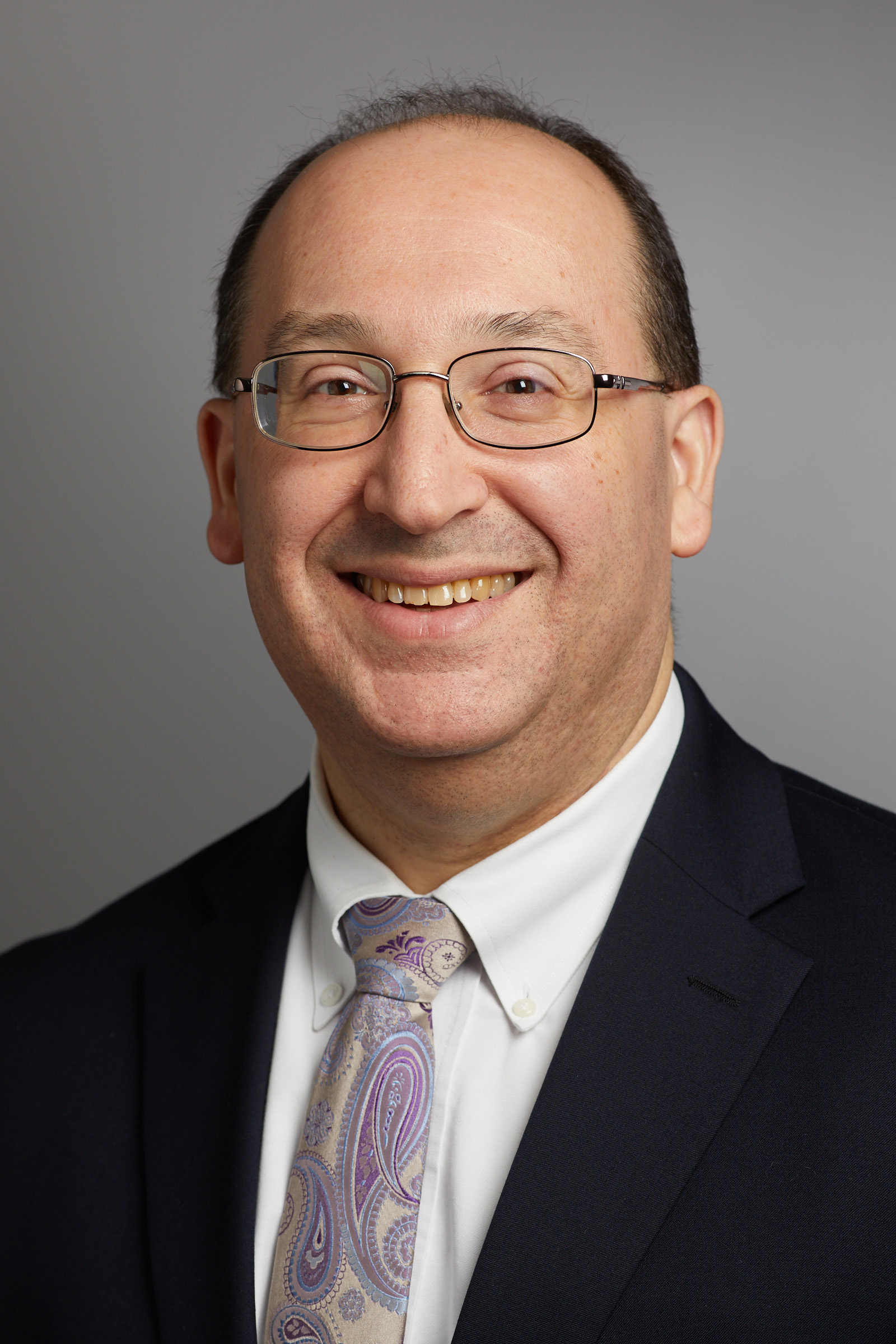 Alan Dardik合作论文数Department of Surgery, Yale University/Department of Cellular and Molecular Physiology, Yale University8
 Donglin Li (李栋林)合作论文数The First Affiliated Hospital, School of Medicine, Zhejiang University7Lu Tian合作论文数7Weichang Zhang合作论文数6Junwei Wang合作论文数6Wang Mo合作论文数6Yunfei Xue合作论文数5Dingxiao Liu合作论文数5ShanWen Chen (陈善闻)合作论文数5Yi Gong (宫毅)合作论文数5Cai Wenwu合作论文数5Ze-hou YANG (杨泽厚)合作论文数4Lei Zhang合作论文数4Jiawei Zhao合作论文数4Likun Sun合作论文数4YuanYuan Guo (郭媛媛)合作论文数4Yunjun He合作论文数4Jie-ting ZHU (朱洁婷)合作论文数3
 Yang Zhou合作论文数3Bowen Fan合作论文数3
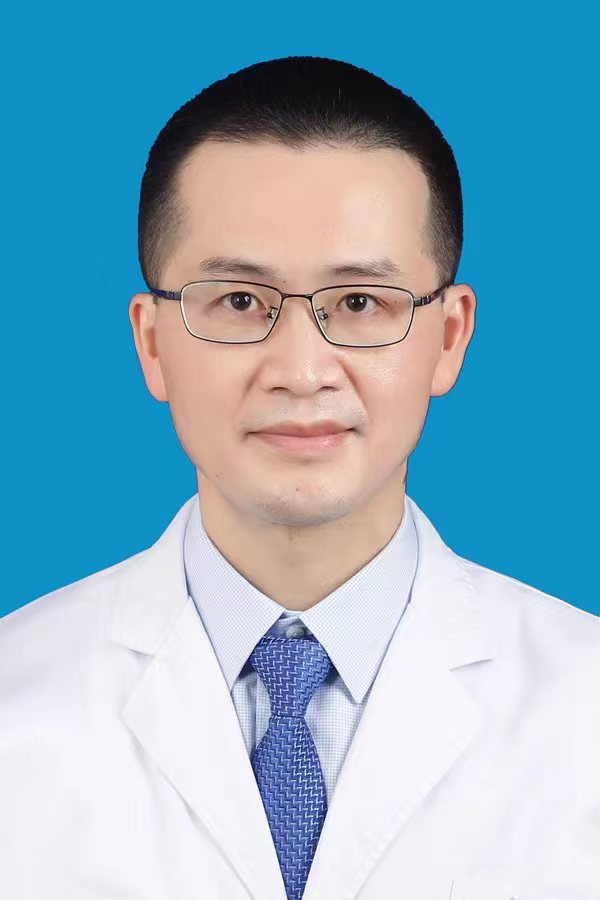 Jianhua Huang (黄建华)合作论文数Jiangxi Chest Hospital3Chengfei Zheng (郑诚飞)合作论文数3He Yangyan合作论文数3Li Jianhui合作论文数2Danming Wu合作论文数2Zhiqun Wu合作论文数2Shalong Wang合作论文数2
 Feng Gu合作论文数2Mu Yang合作论文数2Jin-Song Jiang合作论文数2




