BACKGROUND:Gynecomastia, a common condition involving benign breast tissue enlargement in men, poses challenges for plastic surgeons, especially in severe cases. Current surgical methods for severe gynecomastia often require complex, invasive procedures with skin resection, resulting in significant scarring. Conversely, techniques avoiding skin resection frequently leave skin redundancy and an unsatisfied chest contour. OBJECTIVES:The authors of this study introduce a skin redistribution and fixation approach, which help to improve aesthetic outcomes and eliminate the need for skin excision. METHODS:The surgical procedure comprised 4 stages: an initial liposuction, a mastectomy, a subsequent liposuction session, and an approach for the redistribution and fixation of skin. Liposuction was extended across the breasts, chest wall, and lateral chest wall. Subcutaneous mastectomy was performed through small infraareolar incisions. The redistribution and fixation approach involved 2 steps: surgeons manually distributed the loose and accumulated skin evenly across the chest, followed by the application of a sterile, self-adhesive foam dressing to secure the skin on each side of the chest. RESULTS:Between July 2018 and January 2024, 77 patients with severe gynecomastia received treatment with skin redistribution and fixation, whereas 73 underwent traditional liposuction and mastectomy. Follow-up periods ranged from 13 months to 5 years. Patients received skin redistribution and fixation approach reported improved satisfaction regarding the final shape, contour, and symmetry. CONCLUSIONS:The skin redistribution and fixation approach could help to enhance aesthetic outcomes and achieve better chest contour in surgical treatment for severe gynecomastia. LEVEL OF EVIDENCE: 4 (THERAPEUTIC):
The correction of breast ptosis using implants alone remains controversial. Given the preference for transaxillary approaches among Asian women, we developed a novel technique: endoscopic-assisted transaxillary high dual-plane breast augmentation combined with moderate lowering of the inframammary fold (IMF). This study aimed to investigate its feasibility and limitations. We retrospectively analyzed patients with varying degrees of breast ptosis who underwent implant-based augmentation between January 2023 and January 2024 using this technique. Data collected included patient demographics, ptosis grade, implant parameters, preoperative and 12-month postoperative breast measurements, and satisfaction scores. Receiver operating characteristic (ROC) curve analysis was performed to identify optimal preoperative thresholds for predicting surgical satisfaction. A total of 48 breasts from 24 women were included: 41 with pseudoptosis, 5 with mild ptosis, and 2 with moderate ptosis. At 12 months postoperatively, the vertical distances from the sternal notch to the IMF, to the inferior boundary of the breast contour (IBBC), and from the nipple to the IMF, as well as nipple-to-IMF surface and maximum stretch distances, significantly increased (P < 0.001). The IBBC-to-IMF vertical distance significantly decreased (P < 0.001). Overall satisfaction was 66.67 www.springer.com/00266 .
Background To describe the clinical, electrophysiological, and pathological features of systemic light chain (AL) amyloid myopathy.Methods Eleven patients diagnosed with AL amyloid myopathy and who performed muscle biopsies were included. Clinical, electrophysiological, and pathological profiles were retrospectively collected.Results Eight patients reported muscle weakness, muscle strength was generally preserved and five of them exhibited exercise intolerance. Quantitative electromyography was available in eight patients, but only four fulfilled the criteria for myopathic changes. Myopathic MUAPs were also observed in patients with normal muscle strength. Nerve conduction studies showed peripheral neuropathies in seven cases, mostly bilateral carpal tunnel syndromes, but only four manifested with corresponding paresthesia. Degeneration, necrosis, regeneration and inflammatory cells infiltration were mild in muscle biopsies, instead small vessels with thickened walls and luminal stenosis were commonly observed. Amyloid depositions were confirmed in skeletal muscles in 7 cases in intramuscular vessel walls (3/7), endomysium (3/7) and sub-sarcolemma (3/7), the remaining four patients had amyloid depositions in alternate organs and evidence of myopathy exclusive of other causes. Immunohistochemical analysis showed uneven granular C5b-9 expression in intramuscular vessel walls (5/7) and sarcolemma (2/7). Vacuoles were found in two cases. Nine patients received chemotherapy, only three of them reported slight improvement of muscle strength.Conclusions In amyloid myopathy, muscle weakness was generally mild and exercise intolerance was a common feature probably attributable to underlying vascular pathology. Muscle biopsies revealed mild inflammation and necrosis, accompanied by uneven granular C5b-9 deposition in intramuscular vessels, a pattern that may serve as a clue for amyloidosis.
INTRODUCTION/AIMS:Leprosy-associated neuropathy and vasculitic neuropathy (VN) share overlapping clinical features, making differentiation challenging in nonendemic regions. High-resolution ultrasound may aid in distinguishing these conditions, but comparative data are limited. This pilot study aimed to characterize and compare ultrasound findings in biopsy-confirmed leprosy-associated neuropathy and VN, and to identify distinctive sonographic features for early differential diagnosis. METHODS:We retrospectively included 12 patients with biopsy-confirmed neuropathy (3 leprosy-associated, 6 systemic VN, 3 nonsystemic VN) from a prospectively maintained database at Peking Union Medical College Hospital (2020-2025). All had undergone standardized clinical assessments, nerve conduction studies, and high-resolution ultrasound of median, ulnar, tibial, fibular, and sural nerves, cervical roots, and brachial plexus. Cross-sectional areas (CSA) were measured at predetermined sites. Power Doppler assessed intraneural vascularization in enlarged segments. RESULTS:In leprosy patients, nerve enlargement predominated proximal to entrapment sites (carpal tunnel, cubital tunnel/above-elbow, fibular head), with moderate-to-marked CSA increases. Intraneural power Doppler signals were detected in all enlarged segments (12/12, 100%). In VN patients, enlargement was mild-to-moderate, predominantly in nonentrapment regions (mid-forearm, upper arm), with less frequent vascularization (SVN: 25.0%; NSVN: 83.3%). Brachial plexus/cervical root enlargement was uncommon in both groups. Lower limb nerve enlargement occurred exclusively in leprosy. DISCUSSION:Distinct ultrasound patterns may help distinguish leprosy-associated neuropathy from VN. Marked enlargement near entrapment sites with increased vascularization was more commonly observed in leprosy, while mild nonentrapment enlargement was more frequent in VN.
ObjectiveTo summarize the clinical characteristics and genetic mutation spectrum of patients with SELENON-related myopathy(SELENON-RM), in order to improve awareness among physicians.MethodsA total of 12 patients from independent families with genetically confirmed SELENON-RM at Peking Union Medical College Hospital between January 2016 and December 2025 were retrospectively included. Clinical data were collected, and their clinical and genetic features were analyzed.ResultsThe mean age at presentation was(16.7±9.7) years(range: 6-35 years), with males accounting for 66.7%(8/12). Patients presented with delayed motor development since early childhood, followed by a relatively stable disease course without significant progression over several years. Among 10 patients tested for serum creatine kinase, 4 had normal levels and 6 showed elevated levels. Electromyography performed in 9 patients indicated myogenic damage in both upper and lower limbs. Muscle biopsy in 6 patients revealed myopathic changes, including variation in muscle fiber size and fiber-type disproportion with predominance of type Ⅰ fibers. Pulmonary function tests in 5 patients demonstrated restrictive ventilatory defects. Overnight polysomnography in 6 patients revealed severe nocturnal hypoxemia. Genetic analysis showed that among the 12 patients, 9 patients had compound heterozygous mutations in the SELENON gene, 1 patient had a homozygous mutation(with each allele inherited from one parent), and 2 patients had a pathogenic mutation identified in only one allele. 13 distinct mutation sites were detected, of which 12 had been previously reported in the ClinVar database, while 1 was novel.ConclusionsPatients with SELENON-RM usually develop symptoms in early life, presenting with motor developmental delay, scoliosis or rigid spine, and frequently with occult but significant respiratory involvement. Patients in this study appear to predominantly carry compound heterozygous variants, and exons 1 and 11 of the SELENON gene may represent important mutational hotspots. The diagnosis of SELENON-RM can be challenging. Appropriate genetic testing should be selected based on characteristic clinical features, and early respiratory monitoring and supportive interventions, including non-invasive ventilation, should be strengthened to improve patient outcomes.
OBJECTIVE:To compare the pathological features of patients with different forms of vasculitic neuropathy (VN). METHODS:Patients with clinically probable VN were enrolled. Clinical characteristics and ancillary examinations were collected and evaluated. Nerve biopsies were performed. RESULTS:A total of 48 patients with VN were involved, including 20 primary systemic VN (PSVN), 17 secondary systemic VN (SSVN), and 11 non-systemic VN (NSVN). Patients that fulfilled the pathologically definite, probable, and possible VN were 20 (41.67%), 8 (16.67%), and 12 (25.00%), respectively. The frequencies of acute vascular damage showed no significant difference across three subgroups (PSVN 80.00%, SSVN 82.35%, NSVN 90.91%). Chronic vascular damage was more frequently observed in PSVN (90.00%) and SSVN (76.47%) than in NSVN (54.55%) with no significance. Perivascular inflammatory cell infiltration in the endoneurium was more common in NSVN (45.45%) than PSVN (15.00%, p = 0.004) and none with SSVN (0.00%, p = 0.002). CONCLUSION:The overall rate of pathologically definite and probable VN in nerve biopsy was 58%. Acute vascular lesion is commonly seen in all forms of VN, while chronic vascular damage is more frequently observed in SVN. Perivascular inflammatory cell infiltration in the epineurium is primarily found in NSVN. SIGNIFICANCE:The study further elucidated the clinical significance of nerve biopsy in VN.
Background Breast reduction has a wide selection of pedicles but often relies on the surgeon’s preference and experience. Necrosis of the nipple-areola complex (NAC) is a catastrophic complication of breast reduction surgery. Objectives To solve the above problem objectively, we applied fluorescence imaging technology to the pedicle selection and design of breast reduction surgery for the first time, so that the dominant vessels of the NAC were included in the designed pedicle. Methods We retrospectively enrolled 120 patients with breast reduction (a total of 239 breasts). We compared 60 patients who underwent breast reduction without fluorescence imaging for pedicle selection (Group A) with 60 patients who underwent pedicle selection with fluorescence imaging (Group B). The NAC blood supply was monitored after the operation. Results In this study, 60 Group A cases (119 breasts) and 60 Group B cases (120 breasts) were analyzed. There were no statistically significant differences in patient demographic data or intraoperative resection weights. There were 7 cases of NAC necrosis in Group A (1 case of complete necrosis and 6 cases of partial necrosis), while no NAC necrosis occurred in Group B. There was a significant difference in the rate of NAC necrosis between the 2 groups. Conclusions Preoperative fluorescence imaging can guide the selection and design of breast reduction, significantly reducing postoperative NAC blood supply obstacles and necrosis. Level of Evidence: 3
BACKGROUND:Oculopharyngodistal myopathy (OPDM) is an autosomal dominant adult-onset degenerative muscle disorder characterized by ptosis, ophthalmoplegia and weakness of the facial, pharyngeal and limb muscles. Trinucleotide repeat expansions in non-coding regions of LRP12, G1PC1, NOTCH2NLC and RILPL1 were reported to be the etiologies for OPDM.RESULTS:In this study, we performed long-read whole-genome sequencing in a large five-generation family of 156 individuals, including 21 patients diagnosed with typical OPDM. We identified CGG repeat expansions in 5'UTR of RILPL1 gene in all patients we tested while no CGG expansion in unaffected family members. Repeat-primed PCR and fluorescence amplicon length analysis PCR were further confirmed the segregation of CGG expansions in other family members and 1000 normal Chinese controls. Methylation analysis indicated that methylation levels of the RILPL1 gene were unaltered in OPDM patients, which was consistent with previous studies. Our findings provide evidence that RILPL1 is associated OPDM in this large pedigree.CONCLUSIONS:Our results identified RILPL1 is the associated the disease in this large pedigree.
Duchenne and Becker muscular dystrophies (DMD/BMD) are caused by complex mutations in the dystrophin gene (DMD). Currently, there is no integrative method for the precise detection of all potential DMD variants, a gap which we aimed to address using long-read sequencing. The captured long-read sequencing panel developed in this study was applied to 129 subjects, including 11 who had previously unsolved cases. The results showed that this method accurately detected DMD mutations, ranging from single-nucleotide variations to structural variations. Furthermore, our findings revealed that continuous exon duplication/deletion in the DMD/BMD cohort may be attributed to complex segmental rearrangements and that noncontiguous duplication/deletion is generally attributed to intragenic inversion or interchromosome translocation. Mutations in the deep introns were confirmed to produce a pseudoexon. Moreover, variations in female carriers were precisely identified. The integrated and precise DMD gene screening method proposed in this study could improve the molecular diagnosis of DMD/BMD.
Objectives To validate the correlation between histopathological findings and quantitative magnetic resonance imaging (qMRI) fat fraction (FF) and water T2 mapping in patients with idiopathic inflammatory myopathy (IIM). Methods The study included 13 patients with histopathologically confirmed IIM who underwent dedicated thigh qMRI scanning within 1 month before open muscle biopsy. For the biopsied muscles, FF derived from the iterative decomposition of water and fat with echo asymmetry and least-squares estimation quantitation (IDEAL-IQ) and T2 time from T2 mapping with chemical shift selective fat saturation were measured using a machine learning software. Individual histochemical and immunohistochemical slides were evaluated using a 5-point Likert score. Inter-reader agreement and the correlation between qMRI markers and histopathological scores were analyzed. Results Readers showed good to perfect agreement in qMRI measurements and most histopathological scores. FF of the biopsied muscles was positively correlated with the amount of fat in histopathological slides ( p = 0.031). Prolonged T2 time was associated with the degree of variation in myofiber size, inflammatory cell infiltration, and amount of connective tissues ( p ≤ 0.008 for all). Conclusions Using the machine learning-based muscle segmentation method, a positive correlation was confirmed between qMRI biomarkers and histopathological findings of patients with IIM. This finding provides a basis for using qMRI as a non-invasive tool in the diagnostic workflow of IIM. Relevance statement By using ML-based muscle segmentation, a correlation between qMRI biomarkers and histopathology was found in patients with IIM: qMRI is a potential non-invasive tool in this clinical setting. Key points • Quantitative magnetic resonance imaging measurements using machine learning-based muscle segmentation have good consistency and reproductivity. • Fat fraction of idiopathic inflammatory myopathy (IIM) correlated with the amount of fat at histopathology. • Prolonged T2 time was associated with muscle inflammation in IIM. Graphical Abstract
目的:分析某医院临床专业型研究生医德医风教育及课程内容现状,为临床研究生医德医风教育课程改革与创新提供参考.方法:本研究对在读临床研究生医德医风教育现状进行问卷星调查,采用SPSS 22.0进行数据分析.结果:研究提示,大多数临床研究生没有完全掌握医学伦理道德规范,约占65.50%;55.04%的医学生对医德医风教育工作总体满意,57.75%的临床研究生认为医德医风教学内容空洞是医德医风教学过程中的主要问题,不同性别的医学生选择差异有统计学意义;选择理论授课+临床教学结合模式的人数占41.09%,不同政治面貌医学生之间有统计学意义;临床研究生对医德教育环境评价总体均分为(3.42± 0.87),不同性别、不同专业的医学生之间满意度差异具有统计学意义.结论:临床研究生医德医风教育目前面临社会外部不良风气影响、教学单位医德医风教育重视度不够、教学课程内容设计脱节、学生自主学习差等问题,应社会、院校、学生多方共同发力不断提升临床研究生医德医风教学质量,提高研究生医术与医德水平.
Background: Breast augmentation patients are often unaware of their preexisting breast asymmetry before surgery but discover it afterward, which leads to postoperative dissatisfaction and increases the reoperation rate. However, elaboration on how patients subjectively analyze breast asymmetry and the recognition thresholds were limited. Methods: Two hundred female participants, including 100 patients 6 months postoperatively for primary augmentation mammaplasty and 100 preoperative patients, were recruited as two study groups. Self-assessments of breast asymmetry and objective measurements were taken. A computerized recognition experiment was constructed based on standardized three-dimensional models with different nipple-areola complex (NAC) and inframammary fold (IMF) asymmetry combinations. One hundred twenty-one three-dimensional models were generated and shown in random sequence. Participants responded whether they discovered breast asymmetry in each model. The recognition rate and 50% recognition thresholds of the asymmetry in NAC, IMF, lower pole length, volume, and their interrelations were calculated. Results: Self-assessment of the postaugmentation group showed more precise distinguishing of NAC, IMF, and lower pole distance asymmetry than in the preaugmentation group. The 50% recognition thresholds of NAC and IMF level discrepancies were approximately 0.75 cm, with the IMF asymmetry identified with higher accuracy. When the NAC level discrepancy ranged from 0.0 to 1.25 cm, adjusting the IMF level discrepancy from 0.0 to 0.5 cm in the same direction lowered participants’ recognition rates of breast asymmetry. Conclusions: Patients recognize their breast asymmetry issue more accurately after augmentation operations, despite improved parameters. In addition, adjusting the new IMF level, aligning with NAC discrepancy within 0.5 cm when treating mild NAC asymmetry, improved symmetric outcomes.
Molecularly targeted therapy has revolutionized the therapeutic landscape and is emerging as the first-line treatment option for ALK-rearranged non-small-cell lung cancer (NSCLC). In this study, the highly informative and robust biomarkers based on pre-treatment CT images and clinicopathologic features will be developed and validated to predict the prognosis for ALK-inhibitor therapy in NSCLC patients. A total of 161 ALK-positive NSCLC patients treated with ALK inhibitors were retrospectively collected as training, validation and test sets from multi-center institutions. Cox proportional hazard regression (CPH) penalized by LASSO and random survival forest (RSF) coupled with recursive feature elimination (RFE) were used for radiomics and clinical features identification and model construction. An overlapping post-processing method was extra added to training process to investigate the stronger biomarker on the whole set. 123 of the collected cases progressed after a median follow-up of 15.5 months (IQR, 8.3–25.3). The T and M staging, pericardial effusion, age and ALK inhibitor-alectinib were determined as significant predictors in the survival analysis. Furthermore, we visualized the finally retained 4 radiomics feature. The RSF models built from overlapping-processed clinical and radiomics features respectively reached the maximum C-index of 0.68 and 0.75,but the combination of them,radioclinical signature, improved the score to 0.78. The model on the validation and external test datasets yielded the C-index of 0.73 and 0.79, with the iAUC of 0.76 and 0.83, the IBS of 0.119 and 0.112. With respect to a simple selection strategy of overlapping optimal radiomics and clinical features from different survival models may promote better progression-free survival(PFS) prediction than conventional survival analysis, which provides a potential method for guiding personalized pre-treatment options of NSCLC.
Abstract Background: Duchenne and Becker muscular dystrophies are not caused by deletions and duplications in the dystrophin (DMD) gene alone. A number of small and complex mutations in DMD were being found by multiple methods combined screening, including the next generation sequencing. However, there is still absent an effective method that could detect all types the potential variants in DMD. Therefore, in this study we explored a one-step detection method for DMD gene mutation based on long-read sequencing technology. Methods: A whole DMD gene panel including 20kb flanking sequences of the up and down stream of the DMD gene was designed. Pacific Biosciences and Oxford Nanopore Technologies were used to evaluate the capture and sequencing performance of the panel. A total of 129 subjects were selected for single-blind deep investigation and validation. Results: The results demonstrated that the long-read sequencing based DMD gene panel could integrally and accurately detect the multiple types of the variants in one-step. The noncontiguous variants were definitively corrected and attributed to translocation or inversion. Meanwhile, the micro insertion and deletion and the single nucleotide variants, especially the deep intronic variants, could be detected exactly compared with short-read sequencing technologies. Additionally, the captured long-read sequencing method could attain higher accuracy in female carrier mutation detection. Conclusion: This study illustrated that captured long-read sequencing could uncover the real features of DMD rearrangements via the effective junction reads analysis, and provide a complete and precise insight into the DMD gene mutation. Further, improve the molecular treatment of DMD/BMDin a base-pair resolution.
Pathogenic large inversions are rarely reported on DMD gene due to the lack of effective detection methods. Here we report two DMD pedigrees and proposed a reliable pipeline to define large inversions in DMD patients. In the first pedigree, conventional approaches including multiplex ligation-dependent probe amplification, and whole-exome sequencing by next generation sequencing were failed to detect any pathologic variant. Then an advanced analysis pipeline which consists of RNA-seq, cDNA array capture sequencing, optical mapping, long-read sequencing was built. RNA-seq and cDNA capture sequencing showed a complete absence of transcripts of exons 3–55. Optical mapping identified a 55 Mb pericentric inversion between Xp21 and Xq21. Subsequently, long-read sequencing and Sanger sequencing determined the inversion breakpoints at 32,915,769 and 87,989,324 of the X chromosomes. In the second pedigree, long-read sequencing was directly conducted and Sanger sequencing was performed to verify the mutation. Long-read sequencing and Sanger sequencing found breakpoints at 32,581,576 and 127,797,236 on DMD gene directly. In conclusion, large inversion might be a rare but important mutation type in DMD gene. An effective pipeline was built in detecting large inversion mutations based on long-read sequencing platforms.
本文报道1例减重手术后骨软化症相关肌病,36岁女性患者因肢体近端无力首诊于北京协和医院神经科,血常规及生化提示缺铁性贫血,血钙明显降低,碱性磷酸酶升高,维生素D重度缺乏,骨显像提示全身骨骼多处假性骨折及椎体轻度双凹,肌肉核磁示双大腿肌群内多发异常信号,肌肉活检无特异性发现。患者曾为减重行部分胃切除术及小肠旷置,术后未规律补充各种维生素及微量元素,导致维生素D的摄入与合成严重不足。予大剂量钙剂与维生素D补充,以及饮食指导与康复锻炼。随访时患者症状明显改善。
Three-dimensional (3D) imaging offers an objective and quantitative way to evaluate the breast volume. In this study, we aimed to investigate whether arm position can be a factor influencing the measurement of breast volume and which arm position is more stable when using 3D breast imaging in evaluating the fat volume retention rate in autologous fat grafting for breast augmentation. Patients undergoing breast augmentation with autologous fat grafting in our department were selected for the first part of this study. Preoperative 3D breast imaging was performed at three different arm positions: at the sides, akimbo and with hands on the head. Scans on each arm position were repeated on the first day after surgery, taking six scans in total. Breast volume change (BVC) was compared before and after surgery. The patients planning to receive bilateral mammaplasty in our department were selected for the second part of this study. Two repeated 3D scans were performed at the sides, akimbo and hands on the head, and then, the breast volume change error (BVCE) was compared. Twenty-five patients (n = 50 breasts) were included in the first part of study. For the patients who received 100–200 ml fat injection, compared with hands on the head, a statistically significant difference in the average BVC was found at the sides and akimbo (p = 0.02). For the patients receiving more than 200 ml fat injection, there was no statistically significant difference between the groups (p > 0.05). Twenty-six patients (n = 52 breasts) were enrolled in the second part. For the average BVCE, there was no significant difference between the groups (p = 0.11). The arm position during 3D breast imaging, to some extent, affects the evaluation of BVC after breast augmentation using autologous fat grafting, particularly for patients receiving less fat grafting. The arm position should be kept consistent when using 3D breast imaging in evaluating the fat volume retention rate. This journal requires that authors assign a level of evidence to each article. For a full description of these Evidence-Based Medicine ratings, please refer to Table of Contents or the online Instructions to Authors www.springer.com/00266
Objective: This study aimed to better understand the clinical, electrophysiological, pathological features and prognosis of peripheral nerve involvements in primary immunoglobulin light-chain (AL) amyloidosis. Methods: We retrospectively reviewed the clinical data of eight AL amyloidosis patients with peripheral neuropathy as the initial presentation including clinical features, histopathological findings and treatment. Results: There were seven males and one female aged from 52 to 66 years. Initial symptoms included symmetrical lower extremity numbness, lower extremity pain and carpal tunnel syndrome. Seven patients suffered from severe pain and required pain management. Six patients had predominant autonomic dysfunction. Six patients had cardiac involvement, and one patient had renal involvement. Monoclonal proteins were found in all patients, with IgA λ in one, IgG λ in two, λ alone in three, κ alone in one and IgM κ in one. Sural nerve biopsies were performed in 7 cases, all of which showed amyloid deposition in the endoneurium (in the perivascular region in some cases), in addition to moderate to severe myelinated fiber loss with axonal degeneration. Six patients were treated with combined chemotherapy. In three patients who began chemotherapy earlier (6–10 months after onset), two achieved a hematological complete response, and one achieved a partial response. three patients who had delayed chemotherapy (36 months after onset) died between 5 and 12 months after diagnosis. Conclusion: Early recognition of AL amyloidosis with peripheral neuropathy as the initial symptom is very important. Nerve biopsy can help to make the diagnosis. Early diagnosis and chemotherapy are critical to achieve better outcomes.
Background: Hyperlipidemia could cause some serious harm to human health diseases, such as atherosclerosis, coronary heart disease. This study sought to investigate the effects of the compound Danshen tablet (CDT) on hyperlipidemia induced by a high-fat diet in ApoE(-/-) mice and related antioxidation, anti-inflammation, anticoagulation, and anti-apoptosis mechanisms. Methods: The control group (Group 1) comprised 15 male C57BL/6N mice, and the other 5 groups (Groups 2-6) comprised 75 male ApoE(-/-) mice. These 75 mice were randomly divided into 1 of the following 5 groups: Group 2, a model group; Groups 3-5, the CDT groups, each of which was administered 375, 750, or 1,500 mg/kg of CDT; and Group 6, an atorvastatin group, which was administered 5.2 mg/kg of atorvastatin. All the mice were fed a high-fat diet for 16 weeks and intragastrically administered with CDT or atorvastatin once a day according to their body weight. After 16 weeks, serum was collected, the aorta was isolated, and blood lipid levels were detected. An enzyme-linked immunosorbent assay was used to detect the serum levels of 4-hydroxynonenal (4-HNE), 8-hydroxy-2'-deoxyguanosine (8-OHdG), intercellular adhesion molecule 1 ( ICAM-1), monocyte chemoattractant protein 1 (MCP-1), thromboxane B2 (TXB2), tissue plasminogen activator (tPA), and plasminogen activator inhibitor-1 (PAI-1). The thickness of the aortic wall was measured by ultrasonography. Atherosclerotic plaque and endothelial cell apoptosis in the aortic root were evaluated using oil red O staining and terminal dUTP nick-end labeling (TUNEL) assays, respectively. Results: A comparison of mice in the CDT group and mice in the model group showed that CDT significantly inhibited mice's weight gain. CDT reduced the levels of the inflammatory factor ICAM-1 and the oxidative damage molecule 4-HNE. In the coagulation system, CDT significantly increased tPA levels and reduced TXB2 and PAI-1 levels. Ultrasonography showed that CDT increased the thickness of the aortic wall. The oil red O staining results revealed that CDT significantly ameliorated lipid accumulation in the aortic valve. TUNEL assays indicated that CDT reduced the number of TUNEL-positive cells in the aortic valve. Conclusions: CDT has a certain protective effect on hyperlipidemia. The mechanism of CDT may be related to antioxidation, anti-inflammation, anticoagulation, and anti-apoptosis.
目的 分析某医院近5年进修学员基本情况,分析该院进修生基本信息,为拓展进修教育品牌宣传提供参考.方法 应用Excel 2010对从进修申请电子数据库提取医院2014—2018年所有进修申请学员的数据信息进行处理.结果 该院2014—2018年共计接收进修1132人,其中进修学员中女性占比最大,为73.41%、主要进修群体为26~35岁的学员(68.11%),检验类型进修人员占多数(43.99%),以具有工作经验4~6年(34.89%)、中级职称、本科硕士生学历群体为主.外省市级医院的进修学员占多数,主要来源于天津市周边地区医院.结论 医院应综合考虑目前面临的现状,应优化进修招生方案,拓展进修培训新项目,强化全过程管理质量等多举措并举,保障进修培养质量,提高进修招生吸引力,扩大医院进修品牌辐射力和影响力,促进国家血液学人才培养科技创新核心基地建设.
 Haitao Ren (任海涛)合作论文数57
 Liying Cui (崔丽英)合作论文数Peking Union Medical College Hospital57
 YanHuan Zhao (赵燕环)合作论文数52
 Yupu Guo (郭玉璞)合作论文数中国医学科学院北京协和医院神经科47
 Hongzhi Guan (关鸿志)合作论文数Peking Union Medical College Hospital41
 Jie Luan (栾洁)合作论文数Zhongda Hospital, Southeast University19
 Yanping Wei (魏妍平)合作论文数Peking Union Medical College Hospital18
 Chunjun Liu (刘春军)合作论文数Plastic Surgery Hospital, Chinese Academy of Medical Sciences17
 Dali Mu (穆大力)合作论文数Plastic Surgery Hospital, Chinese Academy of Medical Sciences15
 Yuzhou Guan (管宇宙)合作论文数Peking Union Medical College Hospital14
 Yi Dai (戴毅)合作论文数Peking Union Medical College Hospital13Mingsheng Liu合作论文数12Minqiang Xin合作论文数12Fu Su合作论文数11Zhi Liu合作论文数9
 Bin Peng (彭斌)合作论文数Peking Union Medical College Hospital9JinYu Wang (王津雨)合作论文数8
 Yicheng Zhu (朱以诚)合作论文数Peking Union Medical College Hospital8Jingjing Sun (孙晶晶)合作论文数8
 Honglin Hao (郝红琳)合作论文数Peking Union Medical College Hospital8DongYan Wu (吴冬燕)合作论文数7
 Jun Ni (倪俊)合作论文数Peking Union Medical College Hospital7
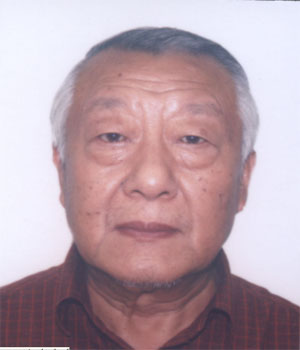 Yinchang Yang (杨荫昌)合作论文数中国医学科学院北京协和医院神经科7
 Xiuqin Liu (刘秀琴)合作论文数Peking Union Medical College Hospital7
 Min Qian (钱敏)合作论文数Fu Xing Hospital, Capital Medical University7Boyang Xu合作论文数6Yan Huang (黄颜)合作论文数6Shangshan Li合作论文数5Wenyue Liu合作论文数5YingJie Dai (代英杰)合作论文数5JianHua Chen (陈健华)合作论文数5JianMing Wang (王建明)合作论文数5Chuan Wang (王川)合作论文数5
 Xiaoguang Li (李晓光)合作论文数北京协和医院5Benhong Li合作论文数5Chang Geng合作论文数4
 Depeng Wang合作论文数Grandomics Biosciences, Beijing 102206, China;4
 Hua Du合作论文数4
 Chao Ling合作论文数State Key Lab Complex Severe & Rare Dis, Peking Union Med Coll Hosp4XiangQin Zhou (周祥琴)合作论文数4DeYun Wu (吴德云)合作论文数4Zhen Song (宋振)合作论文数4Jing Yang (杨静)合作论文数4
 Chenglong Wang (王承龙)合作论文数Xiyuan Hospital, China Academy of Chinese Medical Sciences;Eye Hospital, China Academy of Chinese Medical Sciences4Deni Kang合作论文数3Wenshan Xing合作论文数3Qingyun Ding合作论文数3




