Background Genetic resources are important natural assets. Discovery of new enzyme gene sequences has been an ongoing effort in biotechnology industry. In the genomic age, genomes of microorganisms from various environments have been deciphered. Increasingly, it has become more and more difficult to find novel enzyme genes. In this work, we attempted to use the easily accessible banknotes to search for novel microbial gene sequences. Results We used high-throughput genomic sequencing technology to comprehensively characterize the diversity of microorganisms on the US dollars and Chinese Renminbis (RMBs). In addition to finding a vast diversity of microbes, we found a significant number of novel gene sequences, including an unreported superoxide dismutase (SOD) gene, whose catalytic activity was further verified by experiments. Conclusions We demonstrated that banknotes could be a good and convenient genetic resource for finding economically valuable biologicals.
HeLa cells are a commonly used cell line in many biological research areas. They are not picky for culture medium and proliferate rapidly. HeLa cells are a notorious source of cell cross-contamination and have been found to be able to contaminate a wide range of cell lines in cell culture. In this study, we reported a simple and efficient method for detecting the presence of HeLa cell contamination in cell culture. HPV-18 was used as a biomarker. The cell culture supernatant was used directly as the template for nested PCR without extracting nucleic acid. By PCR amplification of the cell culture supernatant with the designed primers, we were able to detect the presence of HeLa cells in the culture. The sensitivity of this method can reach 1%, which is 10-fold higher than Short tandem repeat sequence (STR) profiling. This simple, rapid, and "noninvasive" quality checking method should find applications in routine cell culture practice.
 Wenqian Jiang合作论文数2Huilian Zhang合作论文数2
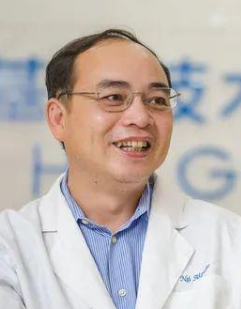 Weiwen Cai (蔡伟文)合作论文数Zhongshan Halgen Gene Technology Co., Ltd;College of Biological Science and Engineering, Fuzhou University2
 Jun Lin (林峻)合作论文数College of Biological Science and Engineering, Fuzhou University1
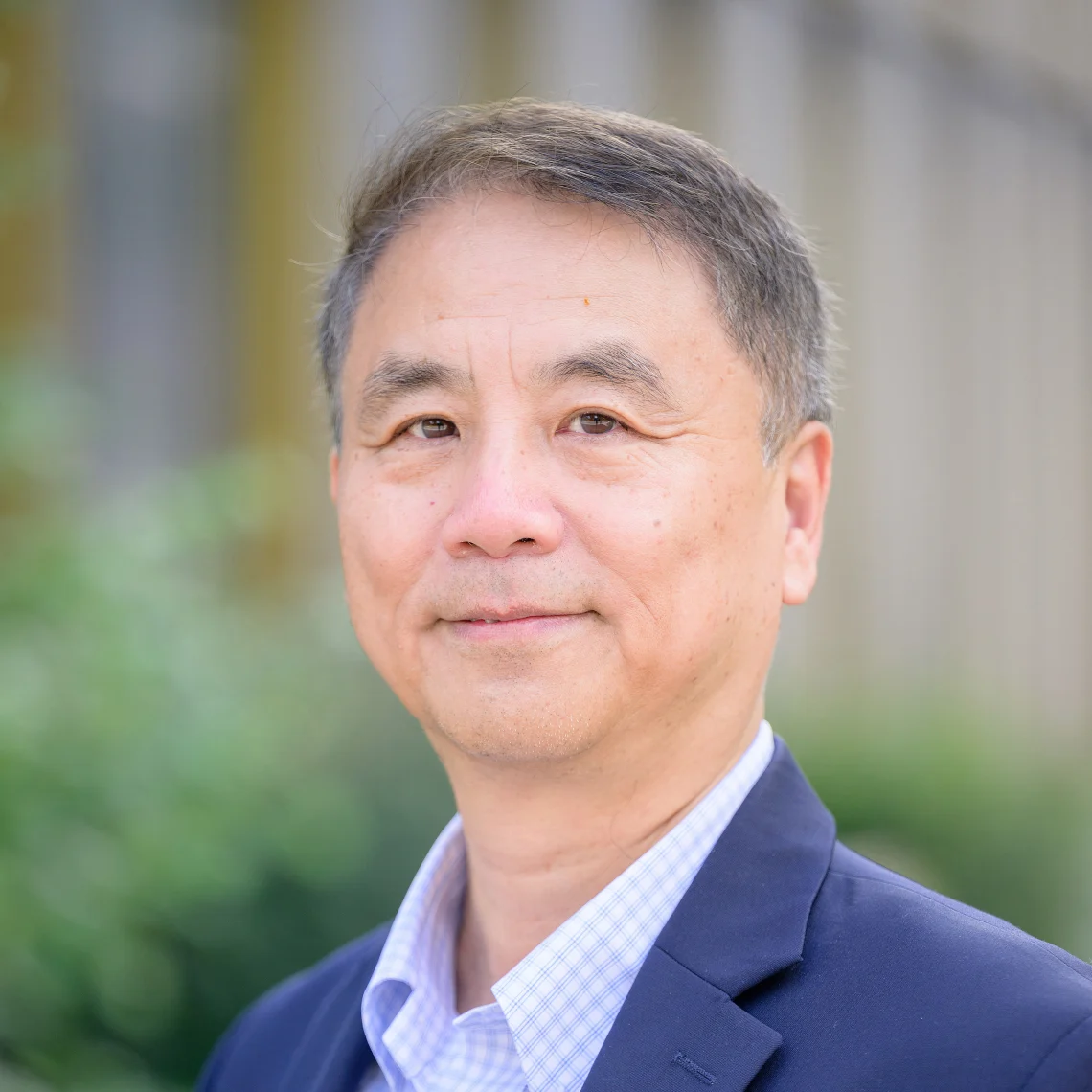 Yang Shi (施扬)合作论文数Ludwig Institute for Cancer Research, Nuffield Department of Medicine, University of Oxford1




