Organoids represent a new platform for drug screening and personalized medicine. However, the difficulty of organoid construction limits their wide application. We collected 153 tumour samples from patients with epithelial ovarian tumours. The associations between patient characteristics and organoid generation were analysed via chi-square tests and Fisher’s exact tests. Univariate and multivariate logistic regression analyses were performed to identify independent factors influencing organoid development. We conducted a drug screen on 20 organoids to predict the drug response of clinical patients retrospectively and prospectively. One hundred fifty-three organoids were developed from 153 ovarian tumour patients, with a 57.52
Tumor drug resistance is a major clinical challenge and critical to patient outcomes. Although extensive studies on mechanisms and drug development using cell and animal models exist, clinical results remain limited or ineffective. Recently, organoids have emerged as a powerful model that closely reproduces the structural and genetic features of tumors in vivo, making them an increasingly valuable platform for investigating resistance mechanisms and developing new therapeutic strategies. We reviewed organoid applications in elucidating tumor drug-resistance mechanisms, advancing therapies, and supporting clinical research, underscoring their critical role in overcoming treatment resistance. These mechanisms include abnormal cancer-related signaling, interactions between tumor and microenvironmental cells, DNA repair, epigenetic changes, and modifications in tumor cell membrane proteins. As an emerging preclinical model, organoids help bridge the gap between basic research and clinical practice, supporting the development of strategies to reverse drug resistance. These strategies include designing new targeted drugs, testing the efficacy of combination therapies, repurposing existing drugs, and screening personalized treatments for rare tumors. Moreover, in clinical trials, organoids can help guide therapy selection and enable preclinical evaluation of emerging therapeutic strategies. Although organoids lack the full in vivo microenvironment and an intact vascular system, advances in co-culture platforms and microfluidic chip technologies are steadily overcoming these limitations. As organoids integrate with such innovations, their role in drug-resistance research will continue to grow.
BACKGROUND:While tumor organoids hold promise for personalized medicine, clinical validation of epithelial ovarian cancer (EOC) organoids as predictors of therapeutic efficacy-particularly for PARP inhibitors (PARPi)-remains unestablished. METHODS:Patient-derived organoids (PDOs) were established from treatment-naive EOC specimens and characterized by H&E staining, immunohistochemistry, and whole-exome sequencing. Drug sensitivity testing (DST) was performed using carboplatin, paclitaxel, and PARPi (olaparib and niraparib). Clinical homologous recombination deficiency (HRD) status was assessed by tumor sequencing. Organoid responses were prospectively compared to patient outcomes after first-line chemotherapy (carboplatin/paclitaxel) and PARPi maintenance. RESULTS:PDOs were successfully established from 21 of 30 patients (70%) across multiple EOC subtypes and preserved the histopathological features and genomic landscapes of their corresponding primary tumors. Organoid-based DST accurately predicted responses to first-line carboplatin/paclitaxel, with a sensitivity of 100% (95% CI 62.88-100%), specificity of 66.67% (95% CI 12.53-98.23%), accuracy of 91.67% (95% CI 61.52-99.79%), AUC of 0.95 (95% CI 0.85-1.00), and Cohen's kappa of 0.75 (95% CI 0.30-1.00). In evaluating PARPi response, organoids revealed discrepancies between genomic HRD status and actual drug responses. One HRD-positive PDO was PARPi-resistant, consistent with patient non-response, while two HRR-proficient PDOs showed PARPi sensitivity and corresponding clinical benefit. CONCLUSIONS:EOC-derived PDOs provide a robust platform for predicting chemotherapy response and offer added value in assessing PARPi efficacy beyond genomic profiling. Combination of organoid-based testing with genomic analysis may improve precision treatment strategies in EOC.
Nucleocytoplasmic transport (NCT) regulates the spatial distribution of proteins and RNA between the nucleus and cytoplasm. NCT dysregulation can mislocalize tumor suppressors, DNA-repair factors, transcription factors, and drug targets in cancer. In this review, we conceptualize NCT-dependent protein mislocalization as a spatial regulatory framework for anticancer drug resistance, rather than as a catalogue of transport components. We systematically discuss how nuclear pore complex (NPC) remodeling, transport-receptor imbalance, post-translational modification (PTM)-regulated cargo routing, signaling-NCT crosstalk, nuclear localization signal/nuclear export signal (NLS/NES) alterations, and tumor microenvironmental pressures jointly drive aberrant nucleocytoplasmic distribution. These processes can further regulate apoptosis, DNA-damage repair, oncogenic transcription, oxidative stress adaptation and drug-target accessibility, which ultimately promote drug tolerance and therapeutic resistance. We further distinguish clinically validated mechanisms from preclinical phenotypes and correlative observations. At present, the most advanced therapeutic evidence mainly supports exportin 1/chromosome region maintenance 1 (XPO1/CRM1) inhibition, particularly selinexor in selected hematologic malignancies; in contrast, strategies targeting the NPC, importins, PTM pathways, microenvironmental cues, or localization signals remain largely investigational. By integrating mechanistic, preclinical, translational, and clinical evidence, this review aims to synthesize current evidence on NCT-dependent protein mislocalization as a resistance-relevant axis and to highlight the need for cargo-specific biomarkers and rational combination strategies to translate this biology into anticancer therapy.
Platinum-based chemotherapy is the standard treatment for ovarian cancer. However, the emergence of platinum resistance greatly limits its effectiveness. Investigating novel therapeutic strategies to overcome platinum resistance is imperative to extend survival in ovarian cancer patients. The cytotoxic effects of CC223 on SKOV3DDP and A2780DDP were evaluated using the CCK8 assay. Based on the ovarian cancer organoid model, drug screening testing was employed to assess the sensitivity of ovarian cancer to CC223. The impact of CC223 on the biological behaviors of SKOV3DDP and A2780DDP was evaluated using colony formation, migration, and invasion assays. The synergistic effect of CC223 and cisplatin was analyzed by combining the CCK8 assay with SynergyFinder software (ZIP score). Concurrently, the difference in drug response between the CC223-cisplatin combination and cisplatin monotherapy was validated using cell lines, organoids, and tumor xenograft models. The activation status of the AKT-mTOR pathway was detected by immunohistochemistry and western blotting in ovarian cancer cell lines and organoids, while flow cytometry analysis was used to assess the effect of the CC223-cisplatin combination on the cell cycle. We found that CC223 could exert a killing effect on platinum-resistant ovarian cancer cells and organoids. CC223 suppressed the proliferation, migration and invasion of platinum-resistant ovarian cancer cells in a dose-dependent manner. Moreover, the combined treatment with CC223 and cisplatin exhibited synergistic anti-proliferative effects in vitro and in vivo. In patient-derived organoids(PDOs) of ovarian cancer, we found enhanced mTOR activation, and the PDOs-guided drug sensitivity analysis revealed that CC223 could enhance sensitivity to cisplatin. Hyperactivation of mTOR signaling in platinum-resistant ovarian cancer cells leads to the poor prognosis of ovarian cancer patients. CC223 could potently suppress the aberrantly activated AKT-mTOR pathway in platinum-resistant ovarian cancer cells. Furthermore, the combined therapy of CC223 and cisplatin can affect cell proliferation by arresting the G0/G1 phase. Our study demonstrated that CC223 could enhance the sensitivity of cisplatin by effectively inhibiting the activation of the AKT-mTOR pathway and potentially arresting the G0/G1 phase. These findings suggest that the synergistic effect of CC223 and cisplatin holds promise as a potential therapeutic strategy for platinum-resistant ovarian cancer.
BACKGROUND:Organoids have attracted enormous interest in disease modeling, drug screening, and precision medicine. However, developing robust patient-derived organoids (PDOs) was time-consuming, costly, and had low success rates for certain cancer types, which limited their clinical utility. This study aimed to develop an interpretable deep learning-based model to predict the cultivation outcome of ovarian cancer organoids in advance. METHODS:Longitudinal microscopy images of 517 ovarian cancer organoid droplets were divided into training ( n = 325), validation ( n = 88), and test ( n = 104) sets. Subsequently, growth prediction models were developed based on four neural network backbones (ResNet18, VGG11, ConvNeXt v2, and Swin Transformer v2), and specific optimization methods were designed for better prediction. Finally, 179 samples from multiple centers were collected for prospective validation, and the gradient-weighted class activation mapping (Grad-CAM) method was used for interpretability analysis of the deep model to reveal the basis of the model's decisions. RESULTS:The test set showed that the deep learning models could achieve high-performance prediction at the third stage with area under the curve (AUC) values greater than 0.8 for all four models. The homogeneous transfer learning optimization method improved the AUC from 0.833 to 0.884 ( P = 0.0039). In prospective validation, the optimized model achieved an AUC of 0.832, a Brier score of 0.1919 in the calibration curve, and a greater net benefit in the decision curve. Interpretability analysis revealed that the area where organoids are being formed and have already formed is important for prediction. CONCLUSIONS:Our developed models achieved satisfactory results in predicting the growth of ovarian cancer organoids. There is potential for further development of the model toward process automation.
Several new natural compounds were investigated as ALK inhibitor compounds. Bavachin, bavachinin, maesopsin, garcinoic acid, and bilobol Compounds, which have active group, and also can inhibit ALK enzymatic tests (IC50: 0.018 +/- 0.007, 1.830 +/- 0.012, 9.141 +/- 0.301, 0.048 +/- 0.003, and 0.970 +/- 0.030 mu M, respectively). Bavachin, Garcinoic acid, and Bilobol were identified as the best inhibitors, and then the antiproliferative activity of these compounds was studied. Additionally, the studies continued with bilobol, Bilobol against various receptor tyrosine Kinases, various ALK Mutants, CYP450 Enzymes, and hERG studies were performed, and comparisons were made with standards. The investigation of the biological activities of certain natural compounds against a variety of enzymes was conducted using molecular modeling and molecular simulation. Computational techniques were utilized to assess the effectiveness of the natural compounds in inhibiting ALK and specific mutations of this kinase. Additionally, the binding affinity of these compounds to various receptor tyrosine kinases, including EGFR, c-Met, VEGFR2, c-Src, IGF1R, and JAK2, was analyzed. The results emphasized the interactions between atoms, demonstrating that the compounds formed strong connections with the proteins. These natural compounds exhibit the potential to suppress enzyme activity and hinder the proliferation of cancer cells. Natural products have long been the sole source of viable lead compounds for medicinal chemists. They have also given clinical practice access to a large number of potential medication candidates for the therapy of a variety of conditions.
Ovarian cancer ranks as the seventh most common malignancy and the eighth leading cause of cancer-related death in women worldwide. Most patients are diagnosed at an advanced stage, resulting in poor survival outcomes. The standard treatment is primary debulking surgery (PDS) with platinum-based chemotherapy, however interval debulking surgery (IDS) following neoadjuvant chemotherapy (NACT) is an alternative for select cases. In this review, we summarize recent advancements in the therapeutic landscape of ovarian cancer, focusing on targeted therapies, immunotherapy, and novel drug delivery systems. Poly (ADP-ribose) polymerase (PARP) inhibitors have markedly improved progression-free survival in BRCA-mutated and homologous recombination deficiency (HRD)-positive patients. Antibody-drug conjugates (ADCs), immune checkpoint inhibitors (ICIs), chimeric antigen receptor T (CAR-T) cell therapy, and tumor vaccines are emerging strategies, but they face challenges due to treatment resistance and tumor microenvironment suppression. Future research should focus on combination therapies, ADCs optimization, and immunotherapy refinement, while also integrating nanotechnology and 3D organoid models to enhance treatment precision to improve survival outcomes and quality of life for ovarian cancer patients.
Organoids, recognized as invaluable models in tumor and stem cell research, assume a pivotal role in the meticulous analysis of diverse datasets pertaining to their growth dynamics, drug screening processes and related phenomena. However, the manual scrutiny and conventional statistical methodologies employed in handling organoid data often grapple with challenges such as diminished precision and efficiency, heightened complexity, escalated human resource requirements, and a degree of subjectivity. Acknowledging the remarkable efficacy of artificial intelligence (AI) in the realms of biology and medicine, the incorporation of AI into organoid research stands poised to enhance the objectivity, precision and expediency of analyses. This integration empowers organoids to more effectively fulfill objectives such as disease modeling, drug screening and precision medicine. Notably, significant strides have been made in AI-driven analyses of organoid image data. The amalgamation of deep learning into image analysis facilitates a more meticulous delineation of the microstructural intricacies and nuanced changes within organoids, achieving a level of accuracy akin to that of experts. This not only elevates the precision of organoid morphology and growth recognition, but also contributes to substantial time and cost savings in research endeavors. Furthermore, the infusion of AI technology has yielded breakthroughs in the processing of organoid omics data, resulting in heightened efficiency in data processing and the identification of latent gene expression patterns. This furnishes novel tools for comprehending cellular development and unraveling the intricate mechanisms underlying various diseases. In addition to image data, AI techniques applied to diverse organoid datasets, encompassing electrical signals and spectra, have realized an unbiased classification of organoid types and states, embarking on a comprehensive journey towards characterizing organoids holistically. In the pivotal domain of drug screening for organoids, AI emerges as a stalwart companion, providing robust support for real-time process monitoring and result prediction. Leveraging high-content microscopy images and sophisticated deep learning models, researchers can dynamically monitor organoid responses to drugs, effecting non-invasive detection of drug impacts and amplifying the precision and efficiency of drug screening processes. Despite the significant strides made by AI in organoid research, challenges persist, encompassing hurdles in data acquisition, constraints in sample quality and quantity, and quandaries associated with model interpretability. Overcoming these challenges necessitates dedicated future research efforts aimed at enhancing data consistency, fortifying model interpretability, and exploring methodologies for the seamless fusion of multimodal data. Such endeavors are poised to usher in a more comprehensive and dependable application of AI in organoid research. In summation, the integration of AI technology introduces unparalleled opportunities to organoid research, resulting in noteworthy advancements. Nevertheless, interdisciplinary research and collaborative efforts remain imperative to navigate challenges and propel the more profound integration of AI into organoid research. The future holds promise for AI to assume an even more prominent role in advancing organoid research toward clinical translation and precision medicine.
Background: Thyroid autoimmunity is an immune response to thyroid antigens that causes varying degrees of thyroid dysfunction. The sole effective treatment for Celiac Disease (CD) is a gluten-free diet (GFD). However, the association between GFD and thyroid autoimmunity in patients with CD has not been confirmed. Methods: A comprehensive search of several databases, involving PubMed, Embase, Web of Science, Medline, and Cochrane databases, was conducted to identify studies that primarily addressed the effects of GFD on thyroid autoimmunity in CD subjects. The meta-analysis involved studies that compared the risk of ATPO and ATG antibody positivity in CD patients with GFD, the risk of developing AITD, and the risk of developing thyroid dysfunction. Fixed-effects models or random-effects models were used to calculate the odds ratios (ORs) and their 95% confidence intervals (95% CIs). Results: A total of 10 observational studies met the inclusion criteria and included 6423 subjects. The results indicated that GFD is positively associated with thyroid autoimmunity in the children subgroup of CD patients (OR = 1.61, 95%CI 1.06-2.43, P = 0.02). However, there was no significant difference in thyroid autoimmunity between the group adhering to GFD and the control group in the total CD population. Conclusion: The results seem to indicate that subjects with a more pronounced autoimmunity (such as to have an early onset of CD) appear to have a greater risk of thyroid autoimmunity.
Ovarian cancer is the leading cause of gynecological cancer-related death. Drug resistance is the bottleneck in ovarian cancer treatment. The increasing use of novel drugs in clinical practice poses challenges for the treatment of drug-resistant ovarian cancer. Continuing to classify drug resistance according to drug type without understanding the underlying mechanisms is unsuitable for current clinical practice. We reviewed the literature regarding various drug resistance mechanisms in ovarian cancer and found that the main resistance mechanisms are as follows: abnormalities in transmembrane transport, alterations in DNA damage repair, dysregulation of cancer-associated signaling pathways, and epigenetic modifications. DNA methylation, histone modifications and noncoding RNA activity, three key classes of epigenetic modifications, constitute pivotal mechanisms of drug resistance. One drug can have multiple resistance mechanisms. Moreover, common chemotherapies and targeted drugs may have cross (overlapping) resistance mechanisms. MicroRNAs (miRNAs) can interfere with and thus regulate the abovementioned pathways. A subclass of miRNAs, “epi-miRNAs”, can modulate epigenetic regulators to impact therapeutic responses. Thus, we also reviewed the regulatory influence of miRNAs on resistance mechanisms. Moreover, we summarized recent phase I/II clinical trials of novel drugs for ovarian cancer based on the abovementioned resistance mechanisms. A multitude of new therapies are under evaluation, and the preliminary results are encouraging. This review provides new insight into the classification of drug resistance mechanisms in ovarian cancer and may facilitate in the successful treatment of resistant ovarian cancer.
Background: The poly ADP-ribose polymerase inhibitors (PARPi) are widely used for treating ovarian cancer. However, there is a need for additional clinical evaluation to determine the mechanisms underlying resistance and the potential benefits of PARPi re-challenge. Therefore, this study evaluated the potential therapeutic advantages of PARPi as a maintenance therapy for women with ovarian cancer who have acquired resistance to front-line PARP inhibitors. Methods: The clinical data of 479 epithelial ovarian cancer (EOC) patients were retrospectively reviewed from the database of Chongqing University Cancer Hospital, China. A cohort of patients diagnosed with platinum-sensitive recurrent ovarian cancer (PSOC) who had previously received PARPi maintenance therapy underwent a comprehensive analysis and 39 patients were selected for subsequent exploration. Among them, 16 patients received PARPi as second-line maintenance therapy after chemotherapy (Group A) and 23 did not receive any maintenance therapy (Group B). Disease response and safety profiles were recorded. Tumor tissues from a patient exhibiting resistance to fluzoparib were collected for next generation sequencing (NGS) analysis using the BGISEQ-500 (BGI, Beijing Genomics Institute) platform provided by BGI Inc. in Shenzhen, China. Results: Out of the total patients, 37 (94.9%) had received pretreatment with a maximum of two prior lines of chemotherapy. Twelve patients underwent optimal debulking cytoreductive surgeries. The clinical characteristics of the two groups, including age, federation international of gynecology and obstetrics (FIGO) stage, breast cancer susceptibility (BRCA) gene mutation status, and the condition of first-line PARPi, were well-matched. There was a statistically significant difference in progression free survival (PFS) between the two regimens. The mean PFS was 20 months (95% confidence interval (CI): 14-not available (NA)) in group A and 8 months (95% CI: 5-14) in group B, indicating superior clinical benefits with the rechallenge regimen. A difference was observed in PFS concerning re-cytoreductive surgery (RCRS) when considering a one-sided p < 0.1 as significant (p = 0.077). The tolerability of adverse events was acceptable. Genomic profiling showed that one patient had amplified radiation sensitive 52 (RAD52), myelocytomatosis oncogene (MYC), and fibroblast growth factor 6 (FGF6) genes after PARPi, which might be associated with resistance to fluzoparib. Conclusion: The rechallenge of PARPi is effective in the treatment of patients with <= 2 lines of PSOC who have previously demonstrated resistance to a front-line PARP inhibitor. Additionally, optimal cytoreductive surgery performed before PARP inhibitor rechallenge may be associated with improved progression-free survival in these patients.
Objective: Dietary inflammatory index (DII) and handgrip strength (HGS) were correlated, and both were associated with cardiovascular disease (CVD). However, the role of the 10-year CVD risk in the relationship between DII and grip strength remains uncertain. Methods: This study involved 5691 adults from the National Health and Nutrition Examination Survey (NHANES) in 2011–2014. Dietary inflammation, 10-year CVD risk and relative grip strength were assessed by the Dietary Inflammation Index, the Framingham Risk Score (FRS) and handgrip strength adjusted BMI. Linear regression analyses and mediation analysis were used to explore these associations. Results: Both DII and 10-year CVD risk were negatively associated with relative handgrip strength, and DII was positively associated with 10-year CVD risk. Additionally, 10-year CVD risk partially mediated the association between DII and relative handgrip strength by a 11.8% proportion. Specifically, the mediating effect of the 10-year risk of CVD varied by gender and age. Conclusions: Reducing the 10-year risk of CVD attenuates the effect of an inflammatory diet on relative grip strength impairment. Therefore, we recommend reducing the effect of inflammatory diet on grip strength impairment by controlling any of the FRS parameters, such as lowering blood pressure and smoking cessation, especially with targeted measures for different populations.
This meta-analysis aimed to systematically investigate whether vitamin D supplementation reduces blood lipid—total cholesterol (TC), LDL cholesterol (LDL-C), HDL cholesterol (HDL-C), and triglyceride (TG)—levels in prediabetic individuals. Pubmed, Web of Science, Cochrane Library, Embase, CNKI, and WANFANG databases were searched for studies published before 13 February 2022 (including 13 February 2022). Five articles were included. The results showed that vitamin D intervention led to a significant reduction in TG compared with control or placebo treatment (−0.42 [−0.59, −0.25], P < 0.001). Subgroup analyses showed that this effect was particularly significant among the studies that included obese subjects (−0.46 [−0.65, −0.28], P < 0.001), the studies that also included men (not only women) (−0.56 [−0.78, −0.34], P < 0.001), and the studies with intervention durations longer than 1 year (−0.46 [−0.65, −0.28], P < 0.001). Both relatively low doses of 2,857 IU/day (−0.65 [−0.92, −0.38], P < 0.001) and relatively high doses of 8,571 IU/day (−0.28 [−0.54, −0.02] P = 0.04) of vitamin D supplementation reduced TG levels, and the effect was observed both in Northern Europe (−0.65 [−0.92, −0.38], P < 0.001) and Asian (−0.25 [−0.48, −0.03], P = 0.03) country subgroups. No significant effects on TC, HDL-C, and LDL-C were shown. In conclusion, vitamin D supplementation might beneficially affect TG levels in individuals with prediabetes. Particularly longer durations of treatment, more than 1 year, with doses that correct vitamin deficiency/insufficiency, can have a beneficial effect. This meta-analysis was registered at www.crd.york.ac.uk/prospero (CRD42020160780).
To investigate whether E-DII or vitamin D mediates the relationship between oral health and cardiovascular disease (CVD) risk. This study involved 6616 participants aged over 30 years old from the National Health and Nutrition Examination Survey (NHANES) in 2009–2014. Dietary inflammation and 10-year CVD risk were evaluated via the Energy-adjusted Dietary Inflammatory Index (E-DII) and the Framingham Risk Score (FRS), respectively. We used correlation analysis and mediation analysis to investigate the role of dietary inflammation and vitamin D in the relationship between oral health and CVD risk. Oral health indicators and CVD risk were positively correlated with E-DII (r > 0, P < 0.001) and negatively correlated with vitamin D levels (r < 0, P < 0.001). The estimated mediating role of E-DII and vitamin D in the overall association between oral health and 10-year risk of CVD ranged from 4.9 to 7.5
Background Hypertriglyceridemia (HTG) is one of the most important comorbidities in abnormal glucose patients. The aim of this study was to identify lncRNAs functional modules and hub genes related to triglyceride (TG) in prediabetes. Methods The study included 12 prediabetic patients: 6 participants with HTG and 6 participants with normal triglyceride (NTG). Whole peripheral blood RNA sequencing was performed for these samples to establish a lncRNA library. WGCNA, KEGG pathways analysis and the PPI network were used to construct co-expression network, to obtain modules related to blood glucose, and to detect key lncRNAs. Meanwhile, GEO database and qRT-PCR were used to validate above key lncRNAs. Results We found out that the TCONS_00334653 and PVT1, whose target mRNA are MYC and HIST1H2BM, were downregulating in the prediabetes with HTG. Moreover, both of TCONS_00334653 and PVT1 were validated in the GEO database and qRT-PCR. Conclusions Therefore, the TCONS_00334653 and PVT1 were detected the key lncRNAs for the prediabetes with HTG, which might be a potential therapeutic or diagnostic target for the treatment of prediabetes with HTG according to the results of validation in the GEO database, qRT-PCR and ROC curves.
ObjectivesDetermining para-aortic lymph node (PALN) status is the most important prognostic factor and a key point for the therapeutic strategy in locally advanced cervical cancer (LACC). When positive PALN is diagnosis, radiotherapy is extended to the para-aortic area. The radiation planning may be based on image staging while others recommend to rely on surgical. The gold standard to identify para-aortic extension is histological evaluation of PALN, but the survival benefit of surgical staging remains controversial. This study is a national, prospective, multicenter and non-randomized clinical trial evaluating the survival impact of surgical staging in patients with LACC.MethodsEligible patients present with FIGO (2018) stage IB3, IIA2, IIB-IVA (excluded IIIC2r) and histologically confirmed cervical squamous cell carcinoma, adenocarcinoma, adeno-squamous cell carcinoma. According to patient‘s willing, 1956 patients will be non-randomized to receive either CCRT (Pelvic EBRT/Extended-field EBRT + cisplatin (40 mg/m2) or carboplatin (AUC=2) every week for 5 cycles + brachytherapy) or Open/minimally invasive PALN dissection followed by CCRT. The primary endpoint is PFS. Secondary endpoints are OS, surgical complications, imaging sensitivity and specificity. The sample size calculation of 1663 patients provides 90% power to detect a difference in survival at the two-sided 1% significance level using the log-rank test, considering a 15% reduction, a total of 1956 patients are required. This study began in June 2022 and will be accrued within 5 years. Enrollment is ongoing.ResultsTrial in progress: there are no available results at the time of submission.ConclusionsTrial in progress: there are no available conclusions at the time of submission.
Following the publication of the above paper, the authors submitted a request to the Editorial Office to retract the article on account of the fact that the ethical approval for the tumor xenograft experiments performed in mice, as shown in Fig. 7, had not been obtained from their hospital; consequently, all authors were in agreement that the article should be retracted to ensure the integrity of the scholarly record. Independently of this request, it was also drawn to the Editor's attention by a concerned reader that data in several of the figures were strikingly similar to data appearing in different form in other articles by different authors. Owing to the fact that there were contentious data in the above article that had already been published prior to its submission to Oncology Reports, and after assessing the authors' request, the Editor concurs that this paper should be retracted from the Journal. The Editor apologizes to the readership for any inconvenience caused. [Oncology Reports 41: 3137-3147, 2019; DOI: 10.3892/or.2019.7061].
 Liying Han (韩丽英)合作论文数The Second Norman Bethune Hospital of Jilin University22
 Dongling Zou (邹冬玲)合作论文数School of Medicine, Chongqing University;Chongqing University Cancer Hospital9
 Yangchun Xu (徐阳春)合作论文数The Second Norman Bethune Hospital of Jilin University8
 Qiang Wang (王强)合作论文数The Second Norman Bethune Hospital of Jilin University7
 Haixia Wang合作论文数7
 Xueman Lyu合作论文数6
 Mengzi Sun (孙孟姊)合作论文数Global Health Institute, Xi'an Jiaotong University Health Science Center;School of Public Health, Xi'an Jiaotong University Health Science Center6
 Helian Li (李荷莲)合作论文数The Second Norman Bethune Hospital of Jilin University6
 Yuemei Jin (金月梅)合作论文数The Second Norman Bethune Hospital, Jilin University6Yixue Yang合作论文数5MiSi He (何密斯)合作论文数5
 Bowei Wang (王博蔚)合作论文数The Second Norman Bethune Hospital of Jilin University5
 Yan Liu (刘艳)合作论文数School of Life Sciences, Jilin University5Lin Zhong合作论文数4Xiaotong Li合作论文数4Wenyu Hu合作论文数4Yao Ke (柯瑶)合作论文数4XueMan Lv (吕雪漫)合作论文数4Qi Jiang (姜琦)合作论文数4
 Nan Yao (姚楠)合作论文数School of Life Sciences, Sun Yat-sen University4
 Manhua Cui (崔满华)合作论文数The Second Norman Bethune Hospital of Jilin University4
 Wang Fuqiang合作论文数4Yibo Dong合作论文数3Zhiyang Xu合作论文数3
 Shoumeng Yan (闫守萌)合作论文数School of Nursing, Jilin University3Lei Ding合作论文数3Xiaotong Wu合作论文数3Miao He合作论文数3Jingyan Tian合作论文数3XiaoHui Ji (季晓辉)合作论文数3Yi Yuan (袁毅)合作论文数3XiaoHua Liu (刘晓华)合作论文数3Qun Zhang (张群)合作论文数3
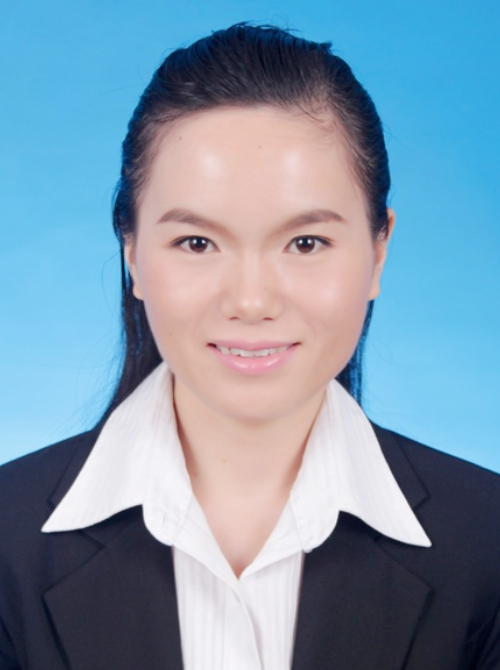 Huijuan Wang (王慧娟)合作论文数Henan Medical School, Henan University3
 Guanfang Su (苏冠方)合作论文数Eye Center of the Second Hospital, Jilin University3
 Yanning Qian (钱燕宁)合作论文数Jiangsu Province Hospital3
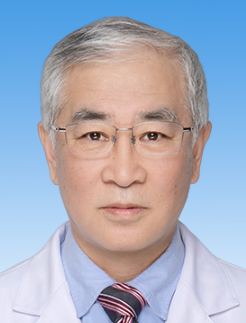 Weiyang Zhang (张炜旸)合作论文数The Second Norman Bethune Hospital of Jilin University3
 Yazhen Wu (吴雅臻)合作论文数The Second Norman Bethune Hospital of Jilin University3
 Yaping Li (李亚萍)合作论文数The Second Norman Bethune Hospital of Jilin University3
 Zaoxia Liu (刘早霞)合作论文数The Second Norman Bethune Hospital, Jilin University3
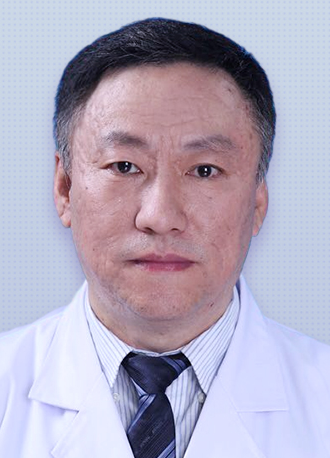 Hong Zhang (张弘)合作论文数The Second Norman Bethune Hospital of Jilin University3
 Yinan Wang (王一男)合作论文数The Second Norman Bethune Hospital of Jilin University3
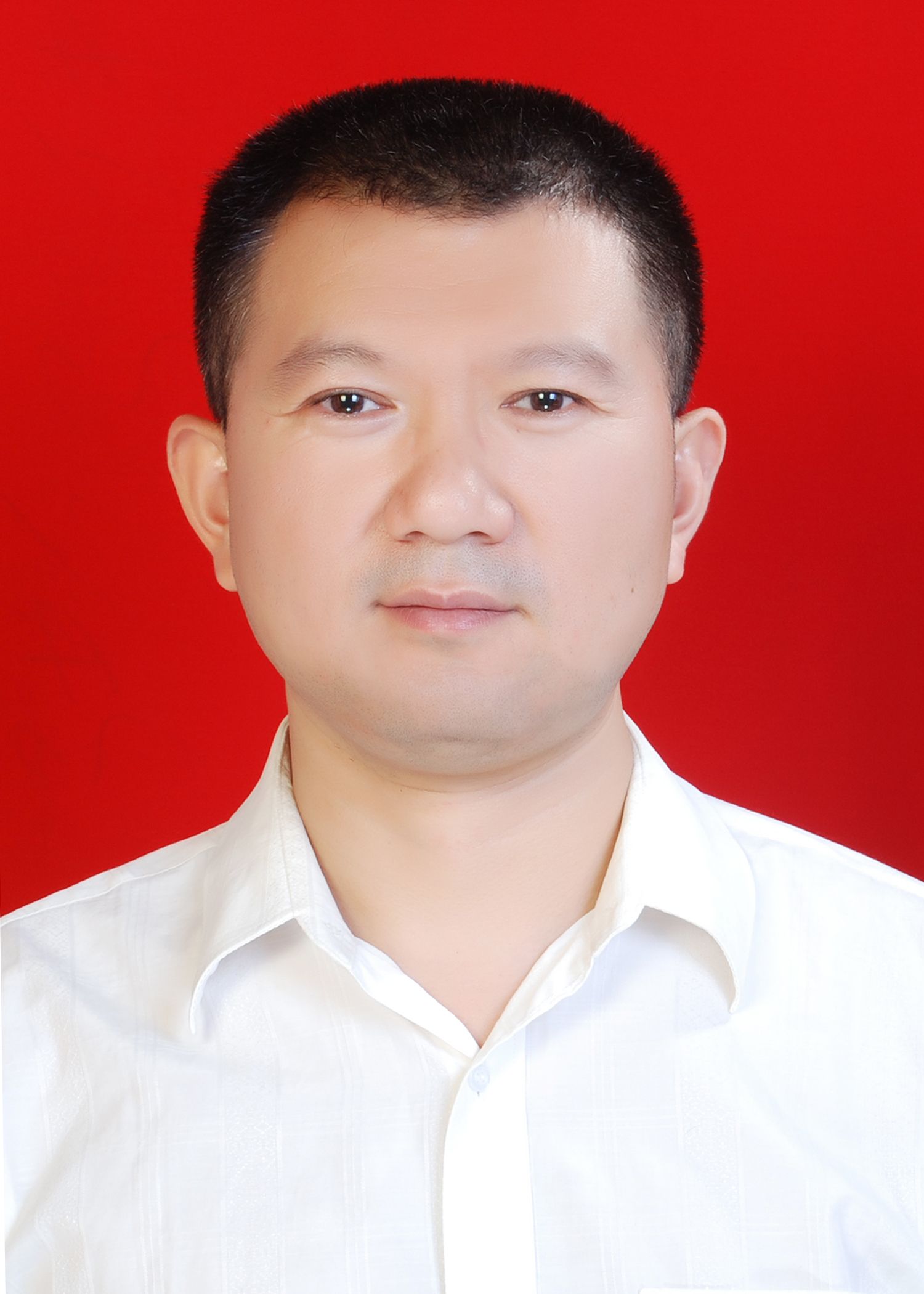 Xiaohui Ji (季晓晖)合作论文数School of Chemistry & Environmental Science, Shaanxi University of Technology3Youxuan Shen (沈友轩)合作论文数3
 Yongli Yu (于永利)合作论文数吉林大学基础医学院3
 Yinpei Guo合作论文数2Zhoufang Zeng合作论文数2Xuhan Wang合作论文数2Fu Yan合作论文数2




