The coronavirus disease of 2019 (COVID-19) pandemic exacerbated barriers to care for people living with human immunodeficiency virus (HIV) (PLWH). The quick uptake of telemedicine in the outpatient setting provided promise for care continuity. In this study, we compared appointment and laboratory no-show rates in an urban outpatient HIV clinic during three time periods: (1) Pre-COVID-19: 9/15/2019–3/14/2020 (predominately in-person), (2) “Early” COVID-19: 3/15/2020-9/14/2020 (predominately telemedicine), and (3) “Later” COVID-19: 9/15/2020-3/14/2021 (mixed in-person/telemedicine). Multivariable logistic regression models evaluated the two study hypotheses: (i) equivalence of Period 2 with Period 1 and of Period 3 with Period 1 and (ii) improved outcomes with telemedicine over in-person visits. No-show rates were 1
Although the incidence of syphilis reached a historic low in 2000, the number of incident cases has since increased in men and women across the USA. In 2019, men who have sex with men (MSM) accounted for 57% of all primary and secondary (P&S) syphilis cases, and about half of MSM with P&S syphilis are living with human immunodeficiency virus (HIV) infection. Days after infection, Treponema pallidum disseminates and invades tissues distant from the site of inoculation. Once the spirochete disseminates, the host develops an inflammatory response; diagnosis requires a high level of suspicion since syphilis may affect the skin, musculoskeletal, cardiovascular, and central nervous systems. We report a 61-year-old man with virally suppressed HIV infection who presented with polyarthralgia, chest pain, and weight loss, diagnosed with secondary syphilis, manifesting with ankle inflammatory arthritis and bone involvement, of the calvarium and manubrium. Early and late syphilis in adults can manifest with articular and periarticular pathologies, including inflammatory arthritis, tenosynovitis, periostitis, and myositis. Higher clinical suspicion is needed for prompt diagnosis of syphilis in patients who are at risk and suspected of having an autoimmune disease. This report includes a review of the musculoskeletal manifestations of syphilis.
Abstract Background Epidemiologic data from HIV/AIDS registries and inflammatory bowel disease (IBD) centers have identified comorbid IBD to be a challenge in the long-term care of patients with HIV, but data on management are sparse. At a multisite tertiary center, we examined medical management, disease control, and complications of patients with comorbid HIV and IBD. Methods We reviewed 126 charts between April 2017 and December 2020 for subjects 18+ years with HIV-1 infection and Crohn’s disease (CD) or ulcerative colitis (UC). Participants received HIV and/or IBD care at Jefferson. We documented CD4 count, HIV viral load, IBD regimen, and the Harvey-Bradshaw Index (HBI) for CD and the Mayo Score for UC (DAI). Results Twelve patients met criteria for inclusion, n=6 with CD and n=6 with UC. They were all prescribed antiretroviral therapy (ART), with median CD4 722 and 83% virally suppressed (Table 1). 67% had ever been prescribed immunosuppressive IBD regimens while known to be HIV+. Eight patients had CD4s > 200 with low HBI or DAI. Patient #s 4, 8 and 10 were managed with only mesalamine. Patient #s 5 and 12 had received immunomodulators, with #5 controlled on azathioprine for years but stopped following admission for septic shock due to a thigh abscess, and #12 newly trialed methotrexate in the setting of IBD-related arthritis. Patient #s 2, 6, and 7 were treated with adalimumab: #2 newly for IBD-related arthritis, while #6 and #7 had been maintained long-term for luminal disease, but #7 was a new HIV diagnosis recently initiated on ART. Two patients were AIDS-defined with low HBI: #1 on mesalamine only, as infliximab was discontinued on HIV diagnosis with CD4 36, and #9 who was not on an IBD regimen. Two patients CD4 200+ had inconsistent viral suppression and moderate HBI/DAI: #3, who had responded to vedolizumab prescribed briefly during viral suppression but stopped due to poor follow-up and ART non-adherence, and #11, whose only documented IBD regimen since HIV diagnosis was chronic prednisone. Table 1. Cohort Background and Currently Prescribed Regimens These data observe the cohort’s current regimens and longitudinal control. They do not include windows of prior medication trials that were not maintained, which are detailed in the text. Conclusion This small case series suggests that comorbid IBD and HIV patients may be managed successfully with immunosuppressive therapy when indicated. More information is needed regarding whether immunomodulators and biologics may affect CD4 and viral loads and conversely how poor control of HIV affects IBD activity. Disclosures All Authors: No reported disclosures
Abstract Background Ending the HIV Epidemic: A Plan for America aims to decrease new HIV diagnoses 75% by 2025 and 90% by 2030. To achieve this, we identified patients unable to achieve viral suppression with social-behavioral needs deemed ‘high-hanging fruit.’ Via extensive outreach efforts and creation of shared problem solving, we pursued the goals of rapid and effective treatment leading to viral suppression and prevention of HIV transmission. We (1) exhausted all avenues of outreach to re-engage patients in HIV care and (2) identified personal or social characteristics related to difficulties in visit retention and achieving viral suppression. Methods Of 446 Ryan White-eligible patients seen in an urban, academic medical center, 46 did not achieve and/or maintain viral suppression, and qualified for the study. We conducted a mixed methods survey comprised of both multiple choice and open-ended questions to ascertain what barriers patients face to continuous engagement in care and to achieving viral suppression. We developed a re-engagement outreach cycle which included: text messages and phone calls, electronic messages via patient portal or email, phone call to pharmacy to cross-check contact information, outreach to patients’ emergency contact, and sending a letter by mail. Results Of 46 participants, 32 were reached and 14 were not found. Sixteen re-engaged in care and of these, 14 completed the survey (see Figure). Those who completed the survey noted the following barriers to care: poor mental health, financial issues, problems committing to an appointment due to work/family/transportation, and COVID-19. Out of all 46 participants, the 14 who were not found had an overall a higher index of chaos. This index of chaos included, but was not limited to: homelessness, IV drug use, domestic violence, and stigma. Outreach to re-engage in HIV care A. Participants in study, B. Outreach outcomes, C. Common survey themes Conclusion Intensive efforts are required to re-engage patients, counsel on adherence, and achieve viral suppression. The reasons for lack of engagement in care are real and challenging. Multiple cycles of continuous outreach serve to establish trust, address barriers, and connect to HIV care. Disclosures All Authors: No reported disclosures
Abstract Background C. difficile (CD) testing is frequently ordered inappropriately. Highly sensitive polymerase chain reaction (PCR) tests can detect CD colonization leading to misdiagnosis. Providers often overlook other causes of diarrhea, notably laxatives. To improve diagnostic stewardship, our hospital introduced an electronic medical record (EMR)-based order set (OS). Methods In a 926-bed, teaching hospital, we conducted a 3-step intervention to improve CD diagnostic stewardship. (1) A retrospective analysis of CD orders before and after OS implementation was done to assess its impact on inappropriate orders. The OS included two questions: (a) Did patient have ≥ 3 loose bowel movements in past 24 hours? and (b) No laxatives in past 24 hours? An appropriate order was defined if “yes” to both questions. It was still appropriate if “no” to either question but ≥ 2 unexplained following features: fever > 100.4 F, abdominal pain, megacolon, ileus or leukocytosis > 11,000 cells/mm3 in prior day. (2) After implementation of OS, house staff compliance with OS was surveyed via email. (3) Rationale for inappropriate orders was discussed with providers. Results Of 238 patients in retrospective analysis, 44% were ≥ 65 years and 37% had other potential causes of diarrhea. Common clinical features were leukocytosis (40%) and fever (31%). There was no significant difference in inappropriate testing: pre-OS 27/99 (27%) vs post-OS 44/139 (32%) (p=0.47). Of 43 house officers who participated in the survey, 75% indicated they over rode the OS. When asked to provide rationale of inappropriate CD testing, providers acknowledged inappropriate ordering but did not want to miss a CD diagnosis and frequently overlooked other causes of diarrhea. Conclusion Appropriate CD testing relies on providers’ appreciation of a clinical picture consistent with CD infection, confirmation of clinically significant diarrhea, and consideration of other causes of diarrhea. Providers order inappropriate tests, not due to lack of knowledge, but likely fear of missing diagnosis and overlooking other causes of diarrhea. Disclosures All Authors: No reported disclosures
Abstract Background In 2018, Philadelphia County ranked 7th, 8th and 16th for chlamydia (CT), gonorrhea (GC), and syphilis cases, respectively, in the Centers for Disease Control (CDC) STI Surveillance Report. Asymptomatic presentations and lack of routine screening, especially at extragenital (i.e., pharyngeal and rectal) sites, increase the challenge of timely diagnosis and treatment. We determined extent of screening, reported symptoms, and asymptomatic infections. Methods We analyzed records of 372 patients receiving care at an urban, university-based Ryan White HIV clinic from 2016-2018. Outcomes included: positive GC/CT nucleic acid amplification tests from genital, pharyngeal, and rectal sites as well as new diagnoses of syphilis. We collected demographic data, risk factors for HIV transmission, time from HIV diagnosis, number of clinic visits, multiple sex partners, partner with STI, and injection drug use. We used logistic regression to model factors associated with STIs and determined prevalence of asymptomatic STIs. Results Of 372 participants, 234 (63%) were men, 262 (70%) were Black, 245 (66%) were over 40 years old, 148 (40%) identified as MSM, 140 (38%) reported inconsistent condom use, 89 (24%) reported multiple sex partners, 35 (9%) reported injection drug use, 141 (38%) had past STI, and 26 (7%) had partner with past STI. Mean time from HIV diagnosis was 12.3 years (SD, 8.8) and mean number of clinic visits was 2/year. Testing included 720 GC/CT urine, 176 GC/CT pharyngeal, 143 GC/CT rectal swabs and 887 syphilis blood tests. Asymptomatic GC/CT infections were seen in urine 6/22 (27%), pharyngeal 12/14 (86%) and rectal 28/31 (90%) swabs. And, of 39 new diagnoses of syphilis, 23 (59%) were asymptomatic. In multivariate analysis, men (aOR, 12.2, 95%CI, 2.7-55.3), < 40 years (3.2, 1.7-6.1), with clinic visit in 2018 (1.4, 1.2-1.8), and partner with STI (1.7, 0.9-2.8) were more likely to have a positive GC/CT test. Patients with positive syphilis test were more likely men (4.6, 1.1-20.2), with multiple sex partners (3.7, 1.7-8.0), and more recent HIV diagnosis (1.1, 1.0-1.1). Prevalence of Asymptomatic STIs Conclusion Results indicate the importance of routine, site-specific STI screening among patients living with HIV. Our findings can inform screening strategies among urban HIV populations. Disclosures All Authors: No reported disclosures
Primary care providers (PCP) play an essential role in preventing transmission of COVID-19 by determining when patients should discontinue home isolation and return to work. Current Centers for Disease Control and Prevention guidelines addressing such decisions include (1) non-test-based strategy, which advises that patients may discontinue home isolation after at least 72 hours have passed since recovery (defined as resolution of fever without use of fever-reducing medications) and improvement in respiratory symptoms and at least 7 days have passed since symptom onset or (2) test-based strategy, which advises resolution of fever and improvement in respiratory symptoms and negative results of an FDA Emergency Use Authorized molecular assay for COVID-19 from at least 2 consecutive nasopharyngeal swab specimens collected ≥24 hours apart.1Centers for Disease Control and PreventionCoronavirus Disease 2019 (COVID-19). Discontinuation of Isolation for Persons with COVID-19 Not in Healthcare Settings (Interim Guidance). CDC Website, 2020Google Scholar In some instances, more stringent criteria are warranted to reduce the risk of transmission in settings where a patient may be returning to work at a transportation hub or healthcare setting. Repeat testing in the convalescent period is typically advised in patients entering a congregate setting after hospitalization.2McMichael T.M. Clark S. Pogosjans S. et al.COVID-19 in a long-term care facility — King County, Washington.MMWR Morb Mortal Wkly Rep. 2020; 69 (February 27–March 9, 2020): 339-342http://dx.doi.org/10.15585/mmwr.mm6912e1Crossref PubMed Google Scholar PCPs often encounter scenarios where these recommendations do not provide sufficient guidance. For example, we recently encountered a case of SARS-CoV-2 prolonged viral shedding in an ambulatory patient. This 34-year-old man without chronic medical problems or prescribed medications presented to his PCP with a dry cough, fever, anosmia, ageusia and diarrhea of 4 days duration and tested positive by molecular assay for COVID-19 from nasopharyngeal swab. After 3 weeks, the patient reported resolution of all symptoms except cough, which was diagnosed as post-viral cough. Because the patient worked at the airport, he sought medical advice before returning to work. Due to ongoing cough, repeat molecular assay for COVID-19 from nasopharyngeal swab was performed and was found to be positive. This case poses many challenges to the PCP. What does a positive COVID-19 test tell us at this stage? Can the patient return to work or remain on home isolation? When should the test be repeated? Although a positive molecular test result may not correlate with viral load or infectivity, it seems reasonable to assume that patients with prolonged cough may aerosolize virus and transmit infection even if viral loads in the upper airways are low. This is supported by emerging data demonstrating that viral clearance can be delayed in samples collected from lower airway, stool and nasopharyngeal swabs.3Young B.E. Ong S.W.X. Kalimuddin S. et al.Epidemiologic features and clinical course of patients infected with SARS-CoV-2 in Singapore [published online ahead of print, 2020 Mar 3].JAMA. 2020; e203204https://doi.org/10.1001/jama.2020.3204Crossref Scopus (1472) Google Scholar Indeed, certain populations, such as those immunocompromised, pregnant and advanced age individuals, are known to be at risk for prolonged viral shedding.4Ogimi C. Greninger A.L. Waghmare A.A. et al.Prolonged shedding of human coronavirus in hematopoietic cell transplant recipients: risk factors and viral genome evolution.J Infect Dis. 2017; 216: 203-209https://doi.org/10.1093/infdis/jix264Crossref PubMed Scopus (58) Google Scholar Reports have shown that some patients shed virus for weeks or even months.5Liu W.D. Chang S.Y. Wang J.T. et al.Prolonged virus shedding even after seroconversion in a patient with COVID-19 [published online ahead of print, 2020 Apr 10].J Infect. 2020; (S0163-4453(20)30190-0)https://doi.org/10.1016/j.jinf.2020.03.063Abstract Full Text Full Text PDF Scopus (187) Google Scholar Further, PCPs must evaluate the risk of transmission when considering retesting in patients with ongoing symptoms since current guidelines do not indicate this is necessary. And, guidance will be needed on whether retesting should be performed in asymptomatic individuals at high risk for prolonged viral shedding. To date, testing guidance has prioritized hospitalized patients and health care workers in order to allocate and conserve limited test kits and personal protective equipment. As more resources become available, we anticipate liberalization of testing to include retesting in (a) those with symptoms suggestive of prolonged viral shedding and (b) those asymptomatic yet at increased risk for prolonged viral shedding. We note that there are individual differences in rate of recovery, viral clearance, as well as the risk of forward transmission. PCPs are strategically poised to consider all factors and determine the best course of action. Given the absence of guidelines, for our patient who worked in the public transit industry, we recommended continued home isolation and repeat molecular testing in 1 week, with negative results permitting a return to work.
We commend the authors and conference attendees for their comprehensive and balanced treatment of this challenging topic. Specifically, we appreciate the acknowledgement that early liver transplantation (LT) for alcohol associated hepatitis (AH) may increase health care inequities and provider burnout even as it results in financial gain for the transplant center. Though the authors emphasize that only a "very small" AH number of patients will be deemed eligible for LT, the meeting output nonetheless represents a seismic paradigm shift in our field.
Novel diagnostics have much promise, but they can be difficult to develop from concept to clinical utility. Herein, we review concepts germane to breath research, including metabolite selection and development vision, and offer some practical guidance. Although breath sampling is safe and can inexpensively and quickly deliver measurement results, clinical research evaluating breath analysis must adhere to the same safety and efficacy standards as other forms of clinical trials. A cohesive and well-resourced multidisciplinary team is required. Convincing results are expensive and time consuming to obtain, but essential for clinical, and ultimately, commercial success.
Abstract Background Ending the HIV Epidemic (EHE) requires prompt diagnosis and treatment of HIV to reduce transmission. Delayed HIV diagnosis and late entry into care remain challenging. Strategic deployment of testing resources may leverage both targeted and universal testing to accomplish the timely diagnosis of HIV infection. Methods We extracted data from the City of Philadelphia’s Enhanced HIV/AIDS Reporting System for 3,856 individuals diagnosed with HIV infection in Philadelphia, PA from 2012-2018, to determine characteristics associated with delayed diagnosis, defined as: AIDS diagnosed within 90 days of HIV or date of AIDS diagnosis prior to HIV diagnosis. Independent variables included: time since HIV diagnosis, age category, birth sex, current gender, race/ethnicity, transmission risk, insurance status, and receipt of care from Ryan White medical provider. We used Chi-square and multivariate logistic regression to assess factors associated with delayed diagnosis. Results From 2012 to 2018, the number of HIV diagnoses declined from 731 to 422; those with delayed diagnosis declined from 28% to 18%. Age category of 25-34 years comprised the majority of HIV diagnoses N=1402 (36%). The majority were: born male (78%), current gender male (76%), black (69%), MSM (51%), insured (54%), and participating in Ryan White care (71%). In multivariate regression, current gender male, heterosexual transmission, race/ethnicity Asian, American Indian, Alaska Native, or Multi-race, unknown insurance status, and receipt of care from a Ryan White medical provider were 3.7 (95%CI, 1.2-11.4), 1.3 (1.0-1.7), 1.8 (1.2-2.8), 5.9 (4.9-7.1), and 1.4 (1.2-1.7) times as likely to have delayed diagnosis, respectively, after adjustment for time since diagnosis, age category, and birth sex. Participants’ Characteristics and Logistic Regression Results Conclusion EHE will only be successful by reaching all people living with HIV and creating opportunities for early diagnosis. Routine opt-out universal screening combined with repeated, targeted testing will allow for identification and early treatment of HIV infection. As a medical care safety net, Ryan White program provides care to a disproportionate number of people with delayed diagnosis of HIV. By diagnosing HIV as early as possible, we may eliminate delayed diagnosis and reduce the risk of AIDS-related events or death. Disclosures All Authors: No reported disclosures
We read with great interest this month’s issue of Gastroenterology in which Lee et al1Lee B.P. et al.Gastroenterology. 2018; 155: 422-430Abstract Full Text Full Text PDF PubMed Scopus (195) Google Scholar present data from a retrospective cohort of patients with severe alcoholic hepatitis (AH) who have undergone early liver transplantation (LT). The article, reflecting the real-world experience of transplantation in patients with a controversial indication for LT, highlights not only the limitations of studying this disease process in a retrospective fashion but also frames the more provocative debate that must occur with respect to the ethics of organ transplantation in this patient population. The United Network for Organ Sharing has adopted 3 ethical principles to guide the allocation of donor organs, a scarce resource: utility, justice, and respect for persons.2Organ Procurement and Transplantation Network. Ethical principles in the allocation of human organs. Available at: https://optn.transplant.hrsa.gov/resources/ethics/ethical-principles-in-the-allocation-of-human-organs. Accessed May 11, 2018.Google Scholar We believe that the premise upon which the manuscript by Lee et al is based and the presentation of the study’s findings overlooks all three, because it presents the data from a singular lens, that of the patient with severe AH. The authors state that the findings provide “incontrovertible” evidence that early transplantation for AH “saved patient lives.” This conclusion is overstated; there is no accounting of the number of lives lost as a direct result of the strategy used to transplant patients with severe AH. Utility in organ transplantation must always be balanced against the opportunity cost of the everyday morbidity and mortality of listed patients with other diagnoses, specifically those who may not generate a competitive Model for End-Stage Liver Disease score to appropriately prioritize them for LT. Because AH is unfortunately common,3Lucey M.R. et al.N Engl J Med. 2009; 25 (2758–2769): 360Google Scholar liberal expansion of LT for treatment of this disease has the potential to overwhelm transplant waitlists. Moreover, because firm boundaries and consequences are a cornerstone of behavioral and addiction medicine,4McCarty D. et al.Psychiatr Serv. 2014; 65: 718-726Crossref PubMed Scopus (44) Google Scholar transplantation for severe AH may generate ever more patients with AH to transplant and alcoholic patients may be disincentivized to participate in potential life- (and organ-) saving treatment programs. Perhaps more important, expansion into AH risks crucial and fragile recent progress for justice in organ allocation. Patients transplanted were overwhelmingly white (73%), male (83%), and privately insured (66%). There are notable geographic, socioeconomic, and gender-based disparities that may be worsened as a result of such practices. Additionally, 80% of patients with AH listed were denied transplant listing for “psychosocial or financial/insurance” reasons. The authors provide no information on the demographics of the nonlisted AH cohort or the entire population of listed patients. In the absence of these data, we cannot evaluate the issue of justice. Early transplantation for AH potentially violates respect for persons. Autonomy and self-determination require that patients be fully informed of and engaged in the transplant process, including all of its risks and benefits. In the outpatient setting, patients vote with their feet by attending or not attending clinic, including liver transplant evaluation. It is not clear that patients withsevere AH with near maximal Model for End-Stage Liver Disease scores, attendant encephalopathy and imminent threat of life, or their families (at times burdened with guilt) are able to ideally participate in the process. Each of us has cared for a patient with AH who, after transplant, expressed regret that it occurred. The process itself can, therefore, be coercive by nature, without meaning to be. Last, recidivism is the major concern with LT in the setting of alcoholic liver disease, including AH, with prior studies noting a rate of recidivism of 7%–95% depending on how drinking is defined.5Lim J. et al.World J Hepatology. 2017; 9: 771-780Crossref PubMed Scopus (28) Google Scholar, 6Björnsson E. et al.Scand J Gastroenterol. 2005; 40: 206-216Crossref PubMed Scopus (97) Google Scholar, 7Howard L. et al.QJM. 1994; 87: 731-736Crossref PubMed Scopus (66) Google Scholar In the study by Lee et al,1Lee B.P. et al.Gastroenterology. 2018; 155: 422-430Abstract Full Text Full Text PDF PubMed Scopus (195) Google Scholar the retrospective and haphazard assessment of post-transplant drinking undoubtedly led to underreporting. Hence, it remains unclear the true effect of drinking on allograft failure and mortality as well as the factors that are associated with a resumption of drinking after LT. Hence, more prospective study, with longitudinal and systematic evaluation of post-LT drinking will be required before appropriately assessing risk factors associated with recidivism after LT for severe AH. In summary, although Lee et al are to be congratulated on their landmark effort to characterize the US experience of LT in severe AH, there are methodologic concerns that argue for more study of this disease process and implications for LT and ethical concerns that require a more thorough discussion of this indication for LT in the transplant community so as not to cause serious ethical harm and violate the very tenants that currently guide organ allocation. Finally, we note that, although the University of Pennsylvania was a participating site, none of us were involved in the study. Outcomes of Early Liver Transplantation for Patients With Severe Alcoholic HepatitisGastroenterologyVol. 155Issue 2PreviewThe American Consortium of Early Liver Transplantation for Alcoholic Hepatitis comprises 12 centers from 8 United Network for Organ Sharing regions studying early liver transplantation (LT) (without mandated period of sobriety) for patients with severe alcoholic hepatitis (AH). We analyzed the outcomes of these patients. Full-Text PDF ReplyGastroenterologyVol. 156Issue 1PreviewWe thank Solga et al and Deltenre et al for their interest in ACCELERATE-AH. We offer the following points in reply. Full-Text PDF
Ammonia physiology is important to numerous disease states including urea cycle disorders and hepatic encephalopathy. However, many unknowns persist regarding the ammonia response to common and potentially significant physiologic influences, such as food. Our aim was to evaluate the dynamic range of ammonia in response to an oral protein challenge in healthy participants. We measured blood and breath ammonia at baseline and every hour for 5.5 hours. Healthy men (N = 22, aged 18 to 24 years) consumed a 60 g protein shake (high dose); a subset of 10 consumed a 30 g protein shake (moderate dose) and 12 consumed an electrolyte drink containing 0 g protein (control). Change in blood ammonia over time varied by dose (p = 0.001). Difference in blood ammonia was significant for control versus high (p = 0.0004) and moderate versus high (p = 0.03). Change in breath ammonia over time varied by dose (p < 0.0001). Difference in breath ammonia was significant for control versus moderate (p = 0.03) and control versus high (p = 0.0003). Changes in blood and breath ammonia were detectable by fast, minimally-invasive (blood) or non-invasive (breath) point-of-care ammonia measurement methods. These pilot data may contribute to understanding normal ammonia metabolism. Novel measurement methods may aid research into genetic and metabolic ammonia disorders.
Quantifying changes in ammonia and ethanol in blood and body fluid assays in response to food is cumbersome. We used breath analysis of ammonia, ethanol, hydrogen (an accepted standard of gut transit) and acetone to investigate gastrointestinal physiology. In 30 healthy participants, we measured each metabolite serially over 6 h in control and high protein trials. Two-way repeated measures ANOVA compared treatment (control versus intervention), change from baseline to maximum and interaction of treatment and time change. Interaction was significant for ammonia (p<0.0001) and hydrogen (p <0.0001). We describe the dynamic measurement of multiple metabolites in response to an oral challenge.
Blood ammonia is routinely used in clinical settings to assess systemic ammonia in hepatic encephalopathy and urea cycle disorders. Despite its drawbacks, blood measurement is often used as a comparator in breath studies because it is a standard clinical test. We sought to evaluate sources of measurement error and potential clinical utility of breath ammonia compared to blood ammonia.We measured breath ammonia in real time by quartz enhanced photoacoustic spectrometry and blood ammonia in 10 healthy and 10 cirrhotic participants. Each participant contributed 5 breath samples and blood for ammonia measurement within 1 h. We calculated the coefficient of variation (CV) for 5 breath ammonia values, reported medians of healthy and cirrhotic participants, and used scatterplots to display breath and blood ammonia.For healthy participants, mean age was 22 years (+/- 4), 70% were men, and body mass index (BMI) was 27 (+/- 5). For cirrhotic participants, mean age was 61 years (+/- 8), 60% were men, and BMI was 31 (+/- 7). Median blood ammonia for healthy participants was within normal range, 10 MU mol L-1 (interquartile range (IQR), 3-18) versus 46 mu mol L-1 (IQR, 23-66) for cirrhotic participants. Median breath ammonia was 379 pmol mL(-1) CO2 (IQR, 265-765) for healthy versus 350 pmol mL(-1) CO2 (IQR, 180-1013) for cirrhotic participants. CV was 17 +/- 6%.There remains an important unmet need in the evaluation of systemic ammonia, and breath measurement continues to demonstrate promise to fulfill this need. Given the many differences between breath and blood ammonia measurement, we examined biological explanations for our findings in healthy and cirrhotic participants. We conclude that based upon these preliminary data breath may offer clinically important information this is not provided by blood ammonia.
Breath ammonia has proven to be a difficult compound to measure accurately. The goal of this study was to evaluate the effects that the physiological intervention, exercise, had on the levels of breath ammonia. The effects of vigorous exercise (4000 m indoor row) in 13 participants were studied and increases in breath ammonia were observed in all participants. Mean pre-exercise concentrations of ammonia were 670 pmol ml(-1) CO2 (SD, 446) and these concentrations increased to post-exercise maxima of 1499 pmol ml(-1) CO2 (SD, 730), p < 0.0001. The mean increase in ammonia concentrations from pre-exercise to maximum achieved in conditioned (1362 pmol ml(-1) CO2) versus non-conditioned rowers (591 pmol ml(-1) CO2) were found to be statistically different, p = 0.029. Taken together, these results demonstrate our ability to repeatedly measure the influence of exercise on the concentration of breath ammonia.
This exhaled breath ammonia method uses a fast and highly sensitive spectroscopic method known as quartz enhanced photoacoustic spectroscopy (QEPAS) that uses a quantum cascade based laser. The monitor is coupled to a sampler that measures mouth pressure and carbon dioxide. The system is temperature controlled and specifically designed to address the reactivity of this compound. The sampler provides immediate feedback to the subject and the technician on the quality of the breath effort. Together with the quick response time of the monitor, this system is capable of accurately measuring exhaled breath ammonia representative of deep lung systemic levels.Because the system is easy to use and produces real time results, it has enabled experiments to identify factors that influence measurements. For example, mouth rinse and oral pH reproducibly and significantly affect results and therefore must be controlled. Temperature and mode of breathing are other examples. As our understanding of these factors evolves, error is reduced, and clinical studies become more meaningful. This system is very reliable and individual measurements are inexpensive.The sampler is relatively inexpensive and quite portable, but the monitor is neither. This limits options for some clinical studies and provides rational for future innovations.
varices (66.7% vs. 36.6%,p = 0.05) and related bleeding (44.4% vs. 19.5%,p = 0.06).Mortality was not statistically significantly different (22.2% vs. 39.0%,p = 0.18) over the study period.Those with PVTs on average had higher serum albumin levels (3.14 vs. 2.59, p = 0.01), were less likely to have CVC present (0.0% vs. 26.8%,p = 0.04), be smokers, have a prior history of NSVTE, and have an ICU admission during diagnosis of the NSVTE, but were more likely to have a history of cancer and worse thrombocytopenia.There was no significant difference in BMI or baseline MELD.Conclusions: This study demonstrated increased incidence of esophageal varices and variceal bleeding in cirrhotic patients with a history of both PVT and NSVTE.Our results suggest that patients diagnosed with NSVTE and PVT may have a higher incidence of esophageal varices and variceal hemorrhage.Although this study failed to detect an impact on survival, early diagnosis of PVT in patients with NSVTE may help guide therapy and prevent further complications in this patient population.A Doppler ultrasound may be beneficial in this group of patients at the time of HCC screening.Larger, multi-center or prospective studies are needed to confirm these findings.
Amongst volatile compounds (VCs) present in exhaled breath, ammonia has held great promise and yet it has confounded researchers due to its inherent reactivity. Herein we have evaluated various factors in both breath instrumentation and the breath collection process in an effort to reduce variability. We found that the temperature of breath sampler and breath sensor, mouth rinse pH, and mode of breathing to be important factors. The influence of the rinses is heavily dependent upon the pH of the rinse. The basic rinse (pH 8.0) caused a mean increase of the ammonia concentration by 410 ± 221 ppb. The neutral rinse (pH 7.0), slightly acidic rinse (pH 5.8), and acidic rinse (pH 2.5) caused a mean decrease of the ammonia concentration by 498 ± 355 ppb, 527 ± 198 ppb, and 596 ± 385 ppb, respectively. Mode of breathing (mouth-open versus mouth-closed) demonstrated itself to have a large impact on the rate of recovery of breath ammonia after a water rinse. Within 30 min, breath ammonia returned to 98 ± 16% that of the baseline with mouth open breathing, while mouth closed breathing allowed breath ammonia to return to 53 ± 14% of baseline. These results contribute to a growing body of literature that will improve reproducibly in ammonia and other VCs.
We evaluated the accuracy of heat-denatured, amplification-boosted ultrasensitive p24 assay (Up24) compared with reverse transcriptase polymerase chain reaction (RT-PCR). We tested 394 samples from Ugandans infected with HIV-1 non-B subtypes. We compared Up24 levels (HIV-1 p24 Core Profile enzyme-linked immunosorbent assay (ELISA), NEN Life Science Products) to RNA viral loads (Amplicor HIV-1 Monitor 1.5, Roche) by linear regression, and calculated sensitivity, specificity, positive and negative predictive values. Median viral load was 4.9 log10 copies/mL (interquartile range [IQR], 2.6–5.5); 114 samples (29%) were undetectable (500,000, 250,000–500,000, 100,000–250,000, 50,000–100,000 and 400–50,000 copies/mL, respectively. In conclusion, when compared with RT-PCR for patients infected with non-B subtypes, the Up24 demonstrated limited sensitivity especially at low viral loads. Moreover, the Up24 was positive in 33% of samples deemed undetectable by RT-PCR, which may limit the use of the Up24 to detect viral suppression.
 Thomas Quinn合作论文数Global Disease Epidemiology and Control Division, Department of International Health, Bloomberg School of Public Health, Johns Hopkins University;Infectious Disease Epidemiology Division, Department of Epidemiology, Bloomberg School of Public Health, Johns Hopkins University;Laboratory of Immunoregulation, National Institute of Allergy and Infectious Diseases10
 Terence Risby合作论文数Department of Environmental Health and Engineering, Johns Hopkins Bloomberg School of Public Health, Johns Hopkins University8
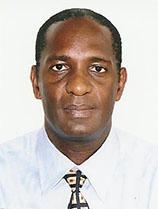 Moses R. Kamya合作论文数Department of Medicine, Makerere University8
 Fred Lutwama合作论文数6
 Mudalel Matthew L合作论文数6Mayanja-Kizza Harriet合作论文数Coll Hlth Sci, Makerere Univ5
 Frank K. Tittel合作论文数Department of Electrical and Computer Engineering, Rice University5Hasan M. Shihab合作论文数Infectious Disease Institute, Makerere University5
 Allan R. Ronald合作论文数University of Manitoba, Department of Medicine4
 Robert Colebunders合作论文数Department of Family Medicine and Population Health, University of Antwerp4
 Rafał Lewicki合作论文数4Jean Summerton合作论文数3John Laurence合作论文数3
 Allan Ronald合作论文数Department of Medicine,University of Manitoba3Harriet K Mayanja合作论文数2Adolfo Russo合作论文数2
 Joseph Margolick合作论文数Department of Molecular Microbiology and Immunology, Bloomberg School of Public Health, Johns Hopkins University2Steven J. Reynolds合作论文数Epidemiology, Bloomberg School of Public Health, Johns Hopkins University2
 Steven F. Solga合作论文数Division of Gastroenterology, Department of Medicine, Perelman School of Medicine, University of Pennsylvania2Bakeera-Kitaka Sabrina合作论文数2Coppock Dagan合作论文数2
 Fred Semitala Collins合作论文数Department of Medicine, School of Medicine, College of Health Sciences, Makerere University2
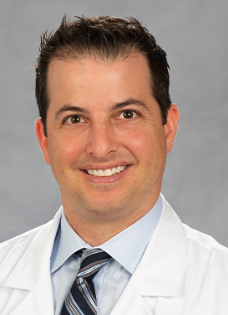 David S. Goldberg合作论文数Division of Digestive Health & Liver Diseases, Department of Medicine, Miller School of Medicine, University of Miami2Loccioni Claudio合作论文数2
 Richard D. Moore合作论文数Johns Hopkins University School of Medicine;Bloomberg School of Public Health, Johns Hopkins University;Johns Hopkins Hospital2
 Barbara Castelnuovo合作论文数Infectious Diseases Institute, Makerere University2
 Tricia L Nilles合作论文数2Elly Katabira合作论文数2
 Andrew Kambugu合作论文数Infectious Diseases Institute, Makerere University2Kaya Patel合作论文数1F. Semitala合作论文数1Giorgos Loizidis合作论文数1Eleni Florakis合作论文数1Petra Schaefer合作论文数1Zahra Qamar合作论文数1Jeffrey Gelb合作论文数1Elizabeth Johnson合作论文数1Patricia Mwebaze Songa合作论文数1Akanksha Arya合作论文数1David B Meya合作论文数1Ke Nelson合作论文数1Daniel Tsang合作论文数1David Alexandre Chetrit合作论文数1
 Rashmi Balasubramanya合作论文数Dept Radiol, Thomas Jefferson Univ Hosp1
 Sarah Stuccio合作论文数1Kimberly A Forde合作论文数1Ashley Traczuk合作论文数1Nneamaka Nwaoduah合作论文数1




