Objectives: Using a participatory research approach, this study reports the efficacy of the Communities Engaged and Advocating for a Smoke-free Environment (CEASE)-4 intervention offered by the local peers.Methods: CEASE-4 is a theory-based tobacco-cessation intervention, tailored to the needs of underserved populations. 842 tobacco users self-selected into: a) self-help (n = 472), b) single-session class (n = 163), and c) four-session class (n = 207). While self-help group only received educational materials, curriculum for other arms was built on the social cognitive, motivational interviewing, and trans-theoretical- frameworks. Participants could also receive nicotine replacement therapy (NRT). Outcome was self-reported smoking cessation measured 12 weeks after completion of the intervention, validated by exhaled carbon monoxide (CO) test.Results: Quit rate was statistically different across groups, with highest quit rate in four-session and lowest quit rate in self-help arm. Cessation rates at follow up (12 weeks after completion of the intervention) were 2.3% in the self-help arm, 6.1% in the single-session arm and 13.0% in the four-session arm.Conclusion: While theory-based smoking cessation services are effective for underserved populations, four-session curriculum might be superior to a single session program.
Communities Engaged and Advocating for a Smoke-Free Environment (CEASE) is a long-standing research partnership between a university and the neighboring community that was established to reduce tobacco use among poor and underserved residents. The CEASE tobacco cessation program was implemented in four phases, with each new phase applying lessons learned from the previous phases to improve outcomes. This study describes CEASE's community-based approach and reports results from implementing the second phase of the intervention which, among other things, varied in the type of incentives, setting, and providers used. CEASE implemented a mixed-methods study following the Community-Based Participatory Research (CBPR) approach. During Phase II, a total of 398 smokers were recruited into two 12-session group counseling interventions facilitated by trained peers in community venues, which differed in the type of incentives used to increase participation and reward the achievement of milestones. At 12-week follow-up, 21% of all participants reported not smoking, with a retention rate (i.e., attendance at six or more of the 12 cessation classes offered) of 51.9%. No significant differences in cessation outcomes were found between the two study arms. Using a CBPR approach resulted in a peer-led model of care with improved outcomes compared to Phase I, which was provided by clinicians. The combined use of monetary and non-monetary incentives was helpful in increasing participation in the program but did not significantly impact smoking cessation. A CBPR approach can increase the acceptability and effectiveness of cessation services for underserved populations.
Smoking disproportionally affects minority and underserved populations but only a handful of interventions tailored to these populations have demonstrated effectiveness in real-life situations. We use community-based participatory research (CBPR) to test two interventions delivered by a community-based health care center. METHODS:Participants randomly assigned to individual or group-based intervention for smoking cessation (N= 400). Both included cessation counseling and health education, a contingency behavioral program, Nicotine Replacement Therapy, and health care for other comorbidities. Smoking cessation was verified by expired carbon monoxide at the end of the program. RESULTS:No differences were observed between the two treatment modalities (8.9% and 8.6%, respectively). Those with greater attendance had 1.4 times better odds of cessation per additional session. Retention and follow up proved to be challenging with this population.
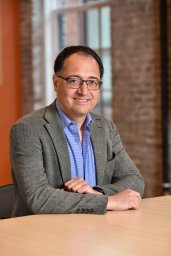 Payam Sheikhattari合作论文数Gates Institute for Population and Reproductive Health, Johns Hopkins Bloomberg School of Public Health4
 Jummai Apata合作论文数Ctr Urban Hlth Dispar Res & Innovat, Morgan State Univ3
 Fernando A. Wagner合作论文数School of Public Health, Bloomberg;Johns Hopkins University;School of Public Health, Johns Hopkins University3
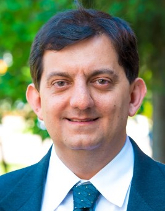 Farin Kamangar合作论文数Morgan State University2
 Anne O'Keefe合作论文数1Christine Schutzman合作论文数1
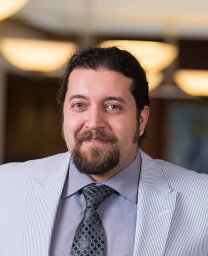 Shervin Assari合作论文数College of Medicine, Charles R. Drew University of Medicine and Science;College of Sci & Health, Charles R. Drew University of Medicine and Science;Departments of Internal Medicine, Psychiatry, and Public Health, Charles R. Drew University of Medicine and Science1




