Studies on chimpanzees suggest that some plants are consumed for their biological properties. Low frequency of consumption, small ingested quantities, complex food processing for a low nutritional value, and local ecological knowledge from human populations can serve as useful indicators for detecting self-medicative behavior. Since 2008, wild chimpanzees have been monitored in Sebitoli, Kibale National Park, Uganda. This study focuses on a plant locally called “Angel’s trumpet,” selectively consumed by chimpanzees but previously botanically unidentified. Across 890 observation days, 25 consumption events were recorded involving 18 chimpanzees, each ingesting about 10 g of pith. The plant was botanically identified as Acnistus arborescens, a species native to Central and South America and not previously reported in Africa. The plant is known to contain withanolides particularly studied in mice and humans for their anxiolytic effects. Chemical analysis of leaves and pith conducted during this survey revealed diverse withanolides and cinnamides, with some compounds unique to the pith. This finding highlights a chimpanzee-guided discovery of a non-native plant with known bioactive properties. This study opens avenues for further research on its distribution, potential invasiveness, and potential uses for its biological effects by both humans and wildlife in Africa.
A preliminary study showed that an ethyl acetate extract of the bark from Beilschmiedia lumutensis (Lauraceae family) exhibited promising inhibition activities against α-amylase and α-glucosidase by in vitro assays. Subsequently, this extract revealed three new cyclic polyketides endiandric acids, namely lumutensic acid A-C (1-3). Their structures were elucidated by 1D and 2D NMR, FT-IR, HRESIMS spectroscopic data analysis and by comparison with literature data. The molecular docking study showed that lumutensic acid C (3) showed the highest binding affinity and stability with both enzymes, with strong hydrogen bonding and hydrophobic interactions, outperfoming the standard drug acarbose. These findings suggest that compound 3 could be a promising candidate for anti-hyperglycemic therapeutic development, providing further insight into the potential of B. lumutensis as a source of bioactive compounds.
A screening of 824 plant extracts from Rutaceae and Annonaceae species against a human alphacoronavirus (HCoV-229E-Luc) identified Uvaria siamensis (Scheff.) L.L.Zhou, Y·C·F.Su & R.M.K.Saunders (Annonaceae) as a promising source of bioactive metabolites. Subsequent bioassay-guided fractionation of its ethyl acetate and methanol leaf extracts led to the isolation of three previously undescribed amide derivatives, melodamides B-D (3-5), together with melodamide A (2), uvariadiamide (6), (+)- and (-)-toussaintine C (1), and five known polyphenols (7-11). The structures of compounds 1-11 were characterized by comprehensive spectroscopic analysis and comparison with literature data. In HCoV-229E-infected Huh-7 cells, (+)-toussaintine C (1) and melodamide C (4) were the most potent metabolites, with IC50 values of 1.4 and 1.8 μM and selectivity indices of 43 and 39, respectively, while melodamide A (2) also displayed notable activity, with an IC50 of 4.2 μM and an SI of 11. In contrast, polyphenols 7-11 displayed weaker antiviral effects restricted to the low- to mid-micromolar range. Extension of the profiling to a pandemic clinical isolate of SARS-CoV-2 in Vero cells, showed that both enantiomers of toussaintine C, as well as melodamides A and C, retained measurable inhibition in the mid-micromolar range, whereas most polyphenols lost activity. Taken together, these results identify amide derivatives from U. siamensis as antiviral scaffolds with preferential activity against an alphacoronavirus model, and highlight this species as a valuable source of small-molecule coronavirus inhibitors.
A comprehensive 13C NMR-based dereplication and LC-MS/MS based-molecular networking analyses were performed on the bark extract of Xylopia ferruginea (Hook.f. Thomson) and led to the discovery of fifteen isoquinoline alkaloids; lysicamine (1), liriodenine (2), O-methylmoschatoline (3), anonaine (4), norlirioferine (5), isoboldine (6), columbamine (7), jatrorrhizine (8), palmatine (9), nuciferine (10), roemerine (11), N-methylasimilobine (12), N-methylasimilobine N-oxide (13), stephanine (14) and isocorydine (15). Further purification led to the isolation of one new compound, 4,5-dihydro-2-hydroxy-1-methoxy-7H-dibenzo[de,g]quinolin-7-one (16), and four known compounds; lysicamine (1), liriodenine (2), nuciferine (10) and roemerine (11). Selected alkaloid isolates were evaluated for neuroprotective activity in a transgenic Caenorhabditis elegans model expressing human amyloid-beta (Aβ). Lysicamine (1) and liriodenine (2), exhibited moderate neuroprotective activity with paralysis delayed by 1.1 h and 0.5 h, respectively. This study highlights the chemical profile and neuroprotective activity of isoquinoline alkaloids from X. ferruginea and underscores the utility of integrative dereplication and molecular networking approaches in natural product discovery.
From the leave of Cinnamomum bejolghota (Buch.- Ham. ex Nees) Sweet, one new alkaloid, 3,6-dimethoxy-9H-pyrido[3,4-b]indole (1) and one new aromadendrane sesquiterpenoid, 4α,10α-dihydroxyaromadendrane-13-oic acid (2) along with seven known compounds, 4β,10α-dihydroxyaromadendrane (3), litseachromolaevane A (4), curcumin (5), pisumionoside (6), quercetin-3-O-α-L-rhamnopyranoside (7), rutin (8), and kaemperol 3-O-neohesperidoside (9) were isolated and structurally determined. Their chemical structures were elucidated through comprehensive spectroscopic analyses, including high-resolution electrospray ionization mass spectrometry, one- and two-dimensional nuclear magnetic resonance, and by comparison with the literature data. Compounds 1-9 were evaluated for their cytotoxic activities against four human cancer cell lines (KB, MCF-7, HepG-2, and SK-LU1), however, only compound 8 displayed weak inhibitory activity on HepG2, A549 cancer cell lines with 50% inhibitory concentration (IC50) values of 97.8 and 68.8 µM, respectively and moderate inhibitory activity on MCF7 cancer cell line with an IC50 value of 49.7 µM.
Preserving plant biodiversity and making sustainable use of genetic resources in agriculture is a topical issue with ecological, economic, and social repercussions. In Italy, some onion (Allium cepa L.) varieties, only cultivated by local farmers, are neglected and worth to be valorised. In this work, a comparative chemical and biological study of nine onion varieties and four commercially available ones was carried out by combining the acquisition of large, high-resolution experimental datasets (LC-HR -ESI-MS2) with molecular networking strategy and chemometric tools. All extracts were investigated for antioxidant properties and antiangiogenic activity by two in vivo models, chick chorioallantoic membrane (CAM), and zebrafish embryos. 'Ciatta', 'Massese', and 'Fiorentina' indigenous varieties showed potent inhibitory effects on blood vessel formation, comparably with the commercial reference variety 'Tropea'. The bioactive profile rich in phenols, alkaloids, saponins, and fatty acids of these varieties revealed their health-promoting potential and importance for the agri-food chain.
An antiviral screening of plant extracts from Rutaceae and Annonaceae families led to the isolation of a series of new cycloheptapeptides, comptonellins A-H (1-8), along with the known ternatin (9). These compounds were isolated from the ethyl acetate bark extract of Comptonella drupacea (Labill.) Guillaumin, an endemic Rutaceae species of New Caledonia. Following targeted isolation guided by multi-informative molecular networks, the structures of compounds 1-9 were elucidated through a comprehensive analysis of spectroscopic data. This revealed novel molecules featuring previously unreported and noncanonical amino acids. The absolute configuration of stereocenters was partially determined by advanced Marfey's method. Biological evaluation against Zika virus demonstrated the potent antiviral properties of comptonellin A and comptonellins C-G, with IC50 values ranging from 7 to 240 nM. Further investigations revealed that comptonellin A displayed broad-spectrum antiviral activity, inhibiting Dengue virus, Ross River virus, and SARS-CoV-2. These findings highlight comptonellins as promising antiviral scaffolds, supporting further investigation into their therapeutic potential against emerging viral infections.
The phytochemical investigations of the ethyl acetate bark extract of Diospyros lanceifolia have led to the isolation of eight compounds, namely lupeol (1), betulin (2), β-sitosterol (3), oleic acid (4), α-amyrin acetate (5), glyceryl trilinoleate (6), β-amyrin (7) and shinanolone (8). The structures of all compounds were established using various spectroscopic techniques such as 1D and 2D-NMR, FT-IR and HRESIMS, which were then compared with reported literature for validation. All compounds isolated from this plant were screened for an in vitro study against Plasmodium falciparum FCR3 followed by an in silico molecular docking study with the PfATP6 protein. The in vitro results revealed that five compounds exhibited strong to good activity (IC50 < 10 μM). In order of potency, these compounds include 5, 3, 6, 1 and 4 with IC50 values of 0.3 ± 0.3 μM, 0.3 ± 0.3 μM, 1.9 ± 2.2 μM, 4.4 ± 7.4 μM and 8.4 ± 4.9 μM, respectively. Compounds 5 and 3 showed the strongest activity compared to the control drugs artemisinin and chloroquine, with the IC50 of 0.7 ± 0.3 μM and 10.3 ± 2.9 μM, respectively. The in silico molecular docking simulations showed that all active compounds from the in vitro study displayed good binding affinity to the PfATP6 protein binding site, with compounds 3, 1 and 5 demonstrating greater binding affinity compared to the other compounds tested, including artemisinin and chloroquine. All compounds exhibited several hydrophobic interaction modes with amino acids of PfATP6 residues. Interestingly, all compounds exhibited hydrogen bonding with ASN1039 residue, except compound 3. The in silico study of these compounds supports the in vitro antiplasmodial activity findings, suggesting that these compounds are potential lead candidates for the development of new antiplasmodial drugs.
Alzheimer's disease (AD) is the most common form of dementia associated with the accumulation of abnormal protein deposits in the brain, including beta-amyloid plaques and tau tangles, as well as oxidative stress. The limited effectiveness of current medications in temporarily treating symptoms has driven interest in natural products for their diverse biological activities. This study investigates the bioactive potential of various extracts obtained from the fruits of Horsfieldia tomentosa, focusing on their antioxidant and anticholinesterase properties. Total phenolic and flavonoid contents were quantified, antioxidant and anticholinesterase activities were evaluated. The ethyl acetate extract exhibited the highest bioactivity, with total flavonoid content (361.11 f 26.24 mg QE/g), total phenolic content (1601.46 f 1.23 mg GAE/g), antioxidant activity (1.81 f 0.06 mu g/L), and significant anticholinesterase activities (AChE = 6.0 f 0.30 mu g/mL; BuChE = 32.1 mu g/ mL). Three previously undescribed phenolic compounds along with four known compounds were purified from this extract. The assayed isolated compounds exhibit selective cholinesterase inhibition, with compound 2 showing the strongest activity (IC50 value of 3.9 mu M against AChE), while compound 1 was more effective against butyrylcholinesterase (IC50 value of 7.8 mu M). Molecular docking supported the in vitro findings, revealing binding energies of- 9.0 f 0.5,- 8.5 f 0.1, and- 8.3 f 0.1 kcal mol-1 for compounds 1 , 2 and 5 , respectively, against butyrylcholine protease (6ESY). Compound 1 also showed significant binding energy (8.0 f 0.1 kcal mol - 1) against acetylcholine protease (4MOE). In these results, compound 2 acts as a dual inhibitor, while compounds 1 and 5 primarily inhibit butyrylcholinesterase. These results underscore the therapeutic potential of Horsfieldia tomentosa in treating Alzheimer's disease.
The chemical profiling of complex mixtures of natural products (NPs) is a major challenge in analytical chemistry and generally addressed by liquid chromatography coupled to mass spectrometry (LC-MS). In recent years also matrix free laser desorption ionization-mass spectrometry (LDI-MS) has become a versatile and time efficient complement to LC-MS. However, the absence of chromatographic separation in LDI-MS does not permit the differentiation of isomers. Providing a potential solution to this problem, the current work presents a combined LDI-Ion mobility spectrometry-tandem mass spectrometry (LDI-IMS-MS2) approach, which facilitated the successful differentiation of four constitutional xanthone isomers namely butyraxanthone D, cratoxylone, garcinone D and parvixanthone G. In addition, the experimental collision cross section (CCS) distribution values of nine unreported xanthones are described. Based on these results, a proof of concept for the so far unexplored concept of a LDI-IMS-MS2 based molecular network is being presented.
Inhibition of the Unfolded Protein Response (UPR) pathway of phytopathogenic fungi represents a promising strategy for the discovery of natural products capable of attenuating fungal resistance to plant defense metabolites. Polyprenylated xanthones isolated from Clusiaceae and Calophylaceae have recently been identified as inhibitors of this fungal resistance pathway whereas Garcinia parvifolia (Miq.) Miq. is known for its high xanthone content. Consequently, systematic phytochemical investigation of the latex and bioguided fractionation based on anti-UPR cell-based assay were conducted. A total of sixteen compounds were isolated, including one previously unreported terpenophenol with an original structure (2) and three previously undescribed xanthones (12-14), the latter obtained through bioguided fractionation. Among the isolated compounds, demethylrubraxanthone (12) exhibited notable anti-UPR activity, with an IC50 value of 8.0 ± 0.3 μM. To address the limited availability of (12) in the latex, a semisynthesis from rubraxanthone (1) was eventually conducted.
The escalating issue of malaria, including the parasite's resistance to the most effective antimalarial drugs, underscores the significance of discovering a novel antimalarial agent. Extensive research has been conducted on the phytochemicals, including triterpenoids, due to their efficacy in combating malaria. Therefore, in this study, we describe the semisynthesis and characterization of triterpenoids of lupane derivatives by simple modification at the C-3 position, including the evaluation of their efficacy, both in vitro against the Plasmodium falciparum FCR-3 strain and in silico molecular docking simulations targeting the PfATP6 protein. As a result, the structural modification at the C-3 position with 2-furoyl moiety (2b) shows a moderate activity with IC50 = 20.8 +/- 0.7 mu M, compared to its precursor lupeol (2), which shows a weak activity with IC50 = 122.1 +/- 0.3 mu M (positive control chloroquine; IC50 = 15.0 +/- 0.1 mu M). Molecular docking demonstrated a good interaction between 2b and the active site of PfATP6 protein, with a binding energy of - 8.0 +/- 0.0 kcal mol-1. The 2-furoyl ring in 2b shows the binding interaction with the Asn1039 residue via hydrogen bonds. Therefore, compound 2b is identified as a promising candidate as a lead compound for further antiplasmodial studies.
 Khalijah Awang合作论文数Dept Chem, Univ Malaya105
 Fanny Roussi合作论文数81
 Françoise Gueritte合作论文数Institut de Chimie des Substances Naturelles, French National Centre for Scientific Research74
 Vincent Dumontet合作论文数63
 Pham Van Cuong合作论文数57
 Huong Doan Thi Mai合作论文数Laboratoire de Pharmacognosie, Université René Descartes (Paris 5)52
 Pieter Leyssen合作论文数35
 Nguyen Van Hung合作论文数Institut de Chimie, NCST32Pascal Richomme合作论文数SONAS, UFR des Sciences Pharmaceutiques et Ingénierie de la Santé32
 Chau Van Minh合作论文数Advanced Center for Bioorganic Chemistry of the Institute of Marine Biochemistry, Vietnam Academy of Science and Technology30A. Hamid A. Hadi合作论文数28
 Louis-Félix Nothias合作论文数Univ Calif San Diego, Skaggs Sch Pharm & Pharmaceut Sci, Collaborat Mass Spectrometry Innovat Ctr, La Jolla, CA 92093 USA28Mat Ropi Mukhtar合作论文数28Cécile Apel合作论文数27
 David Touboul合作论文数Department of Chemistry and Applied Biosciences, ETH Zurich26Julien Paolini合作论文数25
 Florent Olivon合作论文数Département de Chimie des Substances Naturelles et Chimie Médicinale, Institut de Chimie des Substances Naturelles23
 Hiroshi Morita合作论文数Hoshi University21Pascal Retailleau合作论文数21
 Sandy Desrat合作论文数19
 Severine Derbre合作论文数SFR QUASAV, Université d'Angers18Truong Bich Ngan合作论文数17
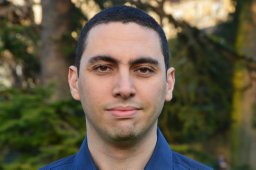 Beniddir Mehdi A合作论文数17Romuald Pieters合作论文数16Jean-Paul Chauvin合作论文数16Marie-Thérèse Martin合作论文数16Jean Costa合作论文数16
 Johan Neyts合作论文数Laboratory of Virology & Antiviral Research, Rega Institute, KU Leuven;Faculty of Medicine, KU Leuven;School of Pharmaceutical Sciences, Shandong University15
 Xavier Cachet合作论文数15
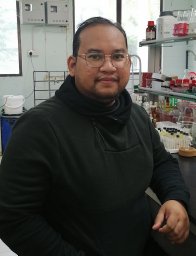 Mohamad Nurul Azmi合作论文数Sch Chem Sci, Univ Sains Malaysia14
 Philippe Grellier合作论文数Département Adaptation du Vivant, Muséum National d'Histoire Naturelle;Département Régulations, Développement et Diversité Moléculaire, Muséum National d'Histoire Naturelle14
 Veronique Eparvier合作论文数14Jérôme Bignon合作论文数14
 Jean-Luc Wolfender合作论文数School of pharmaceutical sciences, University of Geneva;Faculty of Sciences, Université de Genève14
 Pieter C Dorrestein合作论文数Departments of Pharmacology and Pediatrics, Skaggs School of Pharmacy and Pharmaceutical Sciences, University of California, San Diego;Collaborative Mass Spectrometry Innovation Center, University of California, San Diego;Institute for Metabolomics Medicine, University of California, San Diego13Eydoux Cécilia合作论文数12Jean-Claude Guillemot合作论文数12Mohd Azlan Nafiah合作论文数Faculty of Science and Technology, University Pendidikan Sultan Idris12Sook Yee Liew合作论文数11Jean-François Gallard合作论文数11Mohamad Khalit合作论文数11
 Pierre-Marie Allard合作论文数Institut de Chimie des Substances Naturelles, CNRS11Trinh Thi Thanh Van合作论文数11David Guilet合作论文数SONAS, UFR des Sciences Pharmaceutiques et Ingénierie de la Santé11
 Cyril Poullain合作论文数10
 Supratman Unang合作论文数Faculty of Mathematics and Natural Sciences, Universitas Padjadjaran10Denis Séraphin合作论文数10Nguyen Thanh Tra合作论文数9
 Nguyen Thuy Linh合作论文数9




