AIMS:The rising popularity of endurance races underscores the need to explore the risks of sports-related sudden cardiac arrest (Sr-SCA). Although rare, Sr-SCA is significantly more prevalent in men than in women. The mechanisms underlying these sex differences remain unclear.We aimed to investigate the incidence rates, clinical characteristics, aetiologies, sex differences, and exercise performances among SCA cases during major endurance races in Paris over a 10-year period. METHODS AND RESULTS:We Analysed the Paris Sudden Death Expertise Centre Registry Data (Covering 2011-2024, excluding 2020). This included SCA cases from the half marathon, full marathon and 20 km Parisian race events. We calculated the incidence rates for men and women, with performance analyses focusing on acceleration patterns and the relative risk of SCA in the final kilometre. Among the 1.2 million participants, 17 SCA cases (88% male) were identified, yielding crude incidences of 16.9 and 5.7 per million for men and women, respectively. Sr-SCA was overrepresented in the final kilometres of short races. Men exhibited twice the acceleration rate that women did. Despite extensive medical investigations, no cause was identified in 47.1% of the cases, underscoring the idiopathic nature of Sr-SCA. After hospitalization, 88% (15/17) of the cases survived, all with excellent neurological outcomes [cerebral performance category (CPC) 1], except for one CPC 2. CONCLUSION:SCA incidences during endurance races are low, with male predominance, high survival rates, and a high proportion of unexplained cases. The male-specific acceleration in the final kilometre may suggest that physiological and behavioural factors influence SCA risk.
Nous rapportons un cas peu fréquent en France de tentative de suicide par ingestion de Sniper®, un pesticide organophosphoré à base de dichlorvos. L’incertitude initiale sur le produit en cause a occasionné une prise en charge interservices complexe, calquée par défaut sur celle en vigueur pour les agents neurotoxiques de guerre. L’augmentation du nombre d’intoxications au dichlorvos fait redécouvrir les caractéristiques de leur prise en charge. Le faible risque de transfert de contamination simplifie la gestion globale de l’intervention. Cependant, l’attente de la confirmation d’identification du produit illustre l’importance du dialogue initial entre sapeurs-pompiers primo intervenants, spécialistes NRBC et experts médicaux afin de concilier efficacité pour le patient et protection des intervenants.
Background Sex differences in out-of-hospital cardiac arrest (OHCA) have been studied in adults but remain poorly explored in younger populations. We aimed to assess sex differences in OHCA across age groups to provide a comprehensive overview. Methods All OHCA occurring between May 2011 and December 2018 in Paris and its suburbs were analysed. Primary outcomes included sex differences in OHCA characteristics and survival to hospital discharge across three age groups: paediatric patients (28 days-18years), young adults (18–35 years) and older adults (≥35 years). Secondary outcomes included aetiology and 1-month survival. Logistic regression was used to identify factors associated with OHCA in females versus males. Results Among 18 767 OHCA cases, 6185 (33.0%) were females, 360 (1.92%) were paediatric patients, 1240 (6.61%) young adults and 17 167 (91.5%) older adults. In paediatric patient, male were older (6.00 vs 2.78 years, p=0.029) and had shorter no-flow times (5.00 vs 10.0 min, p=0.007). Among young adults, OHCA in males occurred more often in public areas (61.9% vs 35.3%, p<0.001) and during sport (6.47% vs 1.53%, p<0.001); females had shorter no-flow time (3.00 vs 5.00 min, p=0.035). In older adults, males were younger (64.3 vs 71.8 years, p<0.001), more shocked (40.2% vs 23.7%, p<0.001) and more commonly managed with amiodarone (16.5% vs 8.11%, p<0.001). OHCA in males occurred more often in public areas (33.9% vs 19.8%, p<0.001) and during sport (1.94% vs 0.30%, p<0.001). After adjustment, females underwent coronary angiography less often (OR (95% CI) 0.54 (0.46 to 0.64)). Survival to hospital discharge was lower in females across all age groups, reaching statistical significance in older adults (6.23% vs 9.37%, p<0.001). Conclusions Sex differences in OHCA characteristics and outcomes were observed across all age groups and became more pronounced with increasing age, consistently indicating a better prognosis for males.
Les Jeux Olympiques et Paralympiques de Paris 2024 ont été une réussite festive et organisationnelle historique. Une préparation minutieuse a été effectuée sur plusieurs années, impliquant une coordination entre les agences régionales de santé, le SAMU, les établissements de santé, et diverses associations de secours pour planifier la couverture sanitaire préhospitalière. Le système préhospitalier mis en place répondait à un triple défi : (1) assurer les soins courants de la population en dehors des sites olympiques, (2) renforcer les sites olympiques en cas de dépassements des structures sanitaires, et (3) prendre en charge une éventuelle situation sanitaire exceptionnelle. Le SAMU zonal a joué un rôle moteur dans la coordination interservices, tandis que des moyens importants ont été mobilisés pour prévenir les situations sanitaires exceptionnelles telles que les conséquences d’une canicule ou les attentats terroristes. Malgré une légère augmentation de la charge de travail pour les services d’urgence et les équipes de régulation pendant la période des Jeux Olympiques, l’impact global sur les structures sanitaires a été modéré. Ce retour d’expérience a mis en évidence l’importance de standardiser et d’harmoniser les référentiels pour les évènements à venir, tout en renforçant la formation et les exercices pratiques des personnels. La coordination interservices, les dispositifs de secours bien dimensionnés et les outils de communication simples, inspirés de la gestion COVID, sont des éléments clés pour améliorer la réponse sanitaire lors des prochains grands évènements internationaux.
Background: While extensive evidence linking human immunodeficiency virus (HIV) infection to acute myocardial infarction (AMI), several studies have also suggested an association between HIV and presumed sudden cardiac death (PSCD). Our objective was to evaluate the association between HIV and PSCD compared to AMI. Understanding whether HIV confers differential risks for distinct cardiovascular outcomes is essential to guide prevention strategies and risk stratification in this population. Methods: The study design was a case-control study. We combined data from the large prospective population-based Paris Sudden Death Expertise Center Registry on PSCD and from the French National Health Insurance (SNDS) database. The SNDS database contains comprehensive data on all reimbursements for health-related expenditures and detailed medical information on all admissions to French public and private hospitals. In this study, adult patients with PSCD that occurred between 2011 and 2020 in Paris and the 3 adjacent departments were matched with AMI controls. We identified HIV patients in the 2 populations. We used a logistic regression to estimate the association between HIV and PSCD compared to HIV and AMI, adjusted for confounders. Results: In this study, 22,510 PSCD patients (60% men, age 71 (17) years) were matched with 22,510 AMI controls (60% men, age 72 (17) years). Among them, 245 (1%) and 104 (1%) had a positive HIV status preceding PSCD and AMI respectively. The odds of PSCD was 97% higher than the odds of AMI in HIV patients (adjusted odds-ratio, 1.97; 95% confidence interval: 1.55–2.49). Conclusions: Our findings, based on big data analysis, strongly suggest a significant association between HIV status and PSCD, also among patients without a history of AMI. The underlying mechanisms still remain incompletely defined and further studies are needed.
BACKGROUND:Access to emergency care is becoming increasingly challenging due to rising demand and limited resources, such as shortage of general practitioners (GP). In France, emergency medical services (EMS) have experienced a 23% increase in call volume over the past decade. To address this, French dispatch systems are evolving, with Emergency Medical Dispatchers (EMDs) empowered to make certain medical decisions through Autonomous Decision Protocols (ADP). These ADP were designed for most frequent and simple emergency situations such as low back pain, epistaxis, head and limb injury, anxiety, and allowed EMDs to recommend medical advice, send an ambulance or refer the caller to a dispatching doctor. AIM:This study aimed to assess callers' satisfaction with decisions made by EMDs using ADPs compared to decisions made by medical doctors with similar chief complaint. MATERIAL & METHOD:The study was prospective, involving all ADP calls from September to October 2023. All calls concerning ADPs and dispatched by EMDs were included. Callers were called back within a few days of the call in order to obtain their experience using a questionnaire. Retrospective patient files concerning similar chief complaints handled in the traditional way, over the same period in the previous year, were used for comparison. RESULTS:A total of 358 calls were analyzed, with 217 (61%) callers completing a satisfaction survey. The results showed high satisfaction, with an average score of 8.6/10. The most common chief complaints were head and limb injuries, and the vast majority (90%) of callers felt their expectations were met. Only a small percentage (4%) required a second opinion or follow up due to worsening symptoms. CONCLUSION:The findings suggest that ADPs improved efficiency by providing standardized medical advice, reducing unnecessary ambulance dispatches, and saving medical resources. Callers who benefited from ADPs were generally satisfied with the service, with satisfaction rates comparable to those found in international studies. Expanding ADPs to cover additional medical conditions could further enhance emergency dispatch systems, especially in light of increasing demand and reduced medical resources.
Abstract Background Emergency Medical Communication Centres (EMCCs) play a crucial role in emergency care by ensuring timely responses through telephone triage. However, extended communication times can impede accessibility, patient triage, and decision-making. Identifying the factors influencing communication duration is essential for improving EMCC efficiency. Objective This study aims to identify temporal, human, and contextual factors associated with prolonged communication times in an EMCC where decision-making is conducted by physicians. Methods We conducted a retrospective observational study of all calls received at a French EMCC between March 1 and December 31, 2019. A total of 108,548 patient medical files were analyzed, excluding calls from medical personnel or hospitals. We examined the total communication time (from call initiation to decision) and the medical communication time (physician involvement). Bivariate and multivariate logistic regressions were used to identify factors associated with prolonged communication times. Results The median total communication time was 7 min [IQR 5–11], and the median medical communication time was 3 min [IQR 2–4]. Psychiatric reasons for calling (OR = 1.75) and elderly patients (OR = 1.58) were associated with longer communication times. Calls leading to medical advice (OR = 1.48) and calls during weekends or nighttime were also significant factors. Conversely, calls for trauma or from nursing homes, and those handled by emergency physicians, were associated with shorter durations. Conclusion Several factors influence communication times in EMCCs, including patient demographics, reason for the call, and time of day.
Les assistants de régulation médicale (ARM) font face à des facteurs de stress liés à leur travail dans des centres de régulation des appels d’urgence, notamment des horaires atypiques et des exigences élevées. Cette étude visait à décrire les conditions de travail, les risques professionnels et l’état de santé des ARM dans trois centres de réception et de régulation des appels (CRRA) : SAMU92 en France, 2 sites en Thaïlande et Northwell aux États-Unis. Une enquête prospective a été menée, avec un taux de réponse de 74,6 % pour le SAMU92, 70,0 % pour Northwell et 78,5 % pour la Thaïlande. Les résultats montraient que l’âge moyen des participants variait, avec une majorité de femmes en Thaïlande (75,81 %). Northwell se distinguait par un taux élevé de formation des ARM (80,77 %), tandis que la majorité des participants en Thaïlande et Northwell avaient un emploi supplémentaire. Les conditions de travail révélaient que la plupart des participants devait élever la voix, avec des heures de travail plus longues observées à Northwell (80,77 % travaillant plus de 10heures par jour). En termes de santé, seulement 2,38 % des participants de SAMU92 se déclaraient en mauvaise santé, tandis que les ARM thaïlandais rapportaient davantage de problèmes de sommeil et de santé. Les scores de dépression et de stress variaient, avec des taux plus élevés de troubles musculo-squelettiques en Thaïlande. En conclusion, les résultats montraient des différences entre les groupes en termes d’âge, de genre, de formation et de satisfaction au travail. Les ARM thaïlandais étaient plus jeunes et avaient un état de santé moins bon, tandis que les ARM français rapportaient plus de troubles du sommeil et de dépression. Les ARM américains travaillaient souvent plus longtemps et se sentaient moins favorisés. Introduction Les assistants de régulation médicale (ARM) sont exposés à des facteurs de stress professionnels, liés au contexte des métiers de l’urgence, avec les contraintes des horaires atypiques, longs et le travail de nuit. D’autre part, ils sont également soumis aux contraintes liées au travail dans un centre de réception et de régulation des appels (CRRA), le travail sur un écran, l’utilisation de casques téléphoniques et devoir répondre à un public. Un fort risque psychosocial pourrait avoir des conséquences sur la santé des ARM qui ont une faible latitude décisionnelle et une demande élevée provenant des appelants et de la hiérarchie. Toutes ces contraintes pourraient entraîner des effets délétères sur la santé, le sommeil, et causer du stress, de la dépression et des troubles musculo-squelettiques. Objectif L’objectif de cette étude était de décrire les conditions de travail, les principaux facteurs de risque professionnels et l’état de santé des ARM dans 3 CRRA organisés différemment. Méthodologie Il s’agissait d’une enquête prospective multisite dans les CRRA suivants : 1) SAMU des Hauts-de-Seine (France) ; 2) Erawon Bangkok Metropolitan et Chiang Rai (Thaïlande) ; 3) Northwell Ambulance Service (États-Unis). Tous les ARM ont été invités à remplir un autoquestionnaire concernant leurs conditions de travail, au questionnaire du déséquilibre effort-récompense (ERI) de Siegrist, leur état de santé, leur qualité de sommeil, les niveaux de stress et de dépression, les troubles musculo-squelettiques. Résultats Le taux de réponse était de 44 sur 59 EMD (74,6 %) pour le SAMU, 28 sur 40 (70,0 %) pour Northwell et 62 sur 79 (78,5 %) en Thaïlande. L’âge moyen des participants variait entre les groupes, avec SAMU92 ayant une moyenne de 36,16 ans (écart-type de 10,74), suivi par Northwell à 33,19 ans (écart-type de 5,66) et Thaïlande à 31,34 ans (écart-type de 7,67). En ce qui concerne la répartition par genre, le groupe Thaïlande présentait la plus forte proportion de femmes (75,81 %), suivi de SAMU92 (65,91 %) et enfin Northwell (50,00 %). Concernant la formation des ARM, Northwell se distinguait avec 80,77 % des participants ayant cette formation, tandis que le SAMU92 et la Thaïlande affichaient respectivement 34,15 % et 29,03 %. En ce qui concerne la possibilité d’avoir un autre emploi, une majorité des participants en Thaïlande (46,77 %) et Northwell (38,46 %) ont déclaré avoir un emploi supplémentaire, alors que ce chiffre est très faible pour le SAMU92 (2,27 %). Les conditions de travail montraient que la majorité des participants dans tous les groupes travaillaient dans un environnement nécessitant d’élever la voix, avec des taux similaires : 63,64 % pour le SAMU92, 62,90 % pour la Thaïlande et 69,23 % pour Northwell. Cependant, une différence apparaît dans le nombre d’heures de travail, où 54,84 % des participants en Thaïlande et 80,77 % à Northwell travaillaient plus de 10heures par jour, contre 28,21 % pour SAMU92. En ce qui concerne le repos, 38,64 % des participants de SAMU92 et 45,16 % de Thaïlande rapportaient avoir moins de 48heures consécutives de repos par semaine, tandis que ce chiffre était de 34,62 % pour Northwell. Enfin, le score ERI en faveur de la récompense montrait que 63,16 % des participants de SAMU92 se sentaient récompensés dans leur travail, contre seulement 32,26 % pour Thaïlande et 16,67 % pour Northwell. L’état de santé général, mesuré sur une échelle de A (très bon) à H (très mauvais), révélait que seulement 2,38 % des participants du SAMU92 se déclarent en mauvaise santé, tandis que 12,81 % des participants en Thaïlande rapportaient un état de santé similaire. Aucun participant de Northwell n’a indiqué un mauvais état de santé général. Pour leSAMU92, 19,05 % des participants avaient des difficultés à s’endormir, 21,43 % se réveillaient plusieurs fois par nuit, et 14,28 % se réveillaient trop tôt sans pouvoir se rendormir. En revanche, en Thaïlande, ces chiffres sont plus élevés, avec 33,34 % ayant des difficultés à s’endormir, 47,72 % se réveillant plusieurs fois par nuit, et 67,46 % se réveillant fatigués. Northwell présentait des taux plus bas, avec 14,52 % ayant des difficultés à s’endormir et 20,97 % se réveillant fatigués. Le score d’EPWORTH, qui évalue la somnolence diurne, montrait que 50 % des participants de SAMU92 ont un score élevé, tandis que 38,46 % des participants de Northwell et 50 % de ceux en Thaïlande se trouvent dans la même situation. Le score CESD, qui indique un risque de dépression, révélait que 47,25 % des participants de SAMU92, 40,02 % de ceux en Thaïlande et 43,50 % de Northwell avaient un score élevé. Concernant le niveau de stress, 28,21 % des participants du SAMU92 se situaient à un niveau bas, tandis que 64,09 % avaient un niveau modéré et 7,68 % à un niveau élevé. En Thaïlande, 80,66 % des participants rapportaient un niveau de stress modéré, tandis que Northwell présentait une répartition plus équilibrée avec 41,68 % à un niveau bas et 45,86 % à un niveau modéré. Pour le SAMU92, 52,27 % des participants ont signalé des douleurs au niveau de la nuque/cou, 33,33 % à l’épaule, et 77,27 % au niveau lombaire. En Thaïlande, les chiffres étaient encore plus élevés, avec 77,27 % ayant des douleurs au cou et 80,65 % à l’épaule. Northwell présente des taux similaires, avec 73,08 % ayant des douleurs au cou et 68,00 % au niveau lombaire. Conclusion Ces résultats mettent en lumière des différences notables entre les groupes en termes d’âge, de genre, de formation, de conditions de travail et de satisfaction. Ces informations peuvent être utiles pour mieux comprendre les dynamiques professionnelles et les besoins spécifiques de chaque groupe. Les conditions de travail et l’état de santé des ARM variaient d’un pays à l’autre : les ARM thaïlandais étaient plus jeunes, avaient plus souvent un autre emploi. Leur état de santé était moins bon, et ils ont déclaré avoir plus de troubles musculo-squelettiques. Les ARM français ont déclaré plus de troubles du sommeil et de dépression, avec un ERI plus en faveur de la récompense. Les ARM américains ont déclaré être plus souvent formés et travaillaient plus souvent plus de 10heures par jour. Ils se sentaient moins favorisés et étaient plus souvent « très » stressés.
Abstract Introduction Context Workplace cardiac arrest (CA) is often associated with young age, presence of bystanders, quick initiation of cardiopulmonary resuscitation (CPR) and availability of automated external defibrillator (AED). Characteristics and outcome of patients with workplace CA and potential use of an AED were described from the perspective of an emergency medical service. Methods The Paris Sudden Death Center is a registry of all CA in Paris region. It was used to include for all patients aged 18 and over with a workplace-acquired CA from 01/04/2014 to 31/12/2022. Data on age, gender, presence of a control, initiation of CPR, use of an AED, duration of no/low-flow, patient outcome, and Cerebral Performance Categories (CPC) score at hospital discharge were collected. Results Six hundred and sixty-one patients were included. Most were men (87.9%), with a mean age of 52 (± 12) years. A bystander was often present (79.5%) and performed CPR in 82.7% of cases. AED use was less frequent in 2015 (15%) and peaked in 2020 (50%). Average no-flow and low-flow time were respectively 5.43 min (± 9.84) was 37.8 min (+/-33.9). Fifty-six percent of patients were admitted to hospital, and 40.5% were discharged alive, with a CPC score of 1 in 80.9% and 2 in 15.7% of cases. Discussion and conclusion Occurrence of CA in the workplace offers favorable management conditions, resulting in an overall survival rate of 22.7%. Training staff in the use of AEDs, offering first aid training and regular refresher courses are all ways of optimizing the chances of better managing a CA.
Abstract Introduction Falls from great heights in the workplace are responsible for death and permanent disability. The aim of this study was to compare falls from great heights in the workplace with falls in other environments. Methodology: This was a retrospective study based on a permanent register implemented in an emergency medical service (EMS) in the Paris region. All adult patients transported by an advanced life support ambulance from 2003 to 2018 who fell from a great height (≥ 2 meters) were included. Results Of the 618 patients, 111 (18%) fell at work. The remaining 507 falls were related to suicide attempts (58%), accidents (26%) or unknown causes (16%). The sex ratio was 54.5 compared with 1.5 for other causes of falls (p < 10-3), with an average age of 39 for workplace falls compared with 44 for the other causes (p=0.01). The mean height of the fall was 6.7 at workplace compared with 11.8 m for other causes (p<10-3). The mean Glasgow Coma Scale was 13 for the workplace, compared with 9 for suicide, 12 for accidents and 5 for unknown causes (p < 10-3). Seven deaths occurred in the workplace (6.3%) compared with 40.1% for suicide, 8.5% for accidents and 68.7% for unknown causes (p < 10-3). Discussion and conclusion Falls in the workplace were comparable to accidental falls in terms of on-site fatality rate and severity, probably because they occurred at a lower height. Nevertheless, they should be the subject of reinforced preventive measures, given their high frequency.
The current epidemiology of the global population highlights an increasing number of aged individuals living with decreasing autonomy. Modern societies face the significant challenge of caring for persons with various disabilities, whether in institutions or at home. Health systems are ill-prepared in terms of staffing, economics, and public policies to manage the growing population of elderly individuals. This article discusses how technology can alleviate isolated lives, reduce hazards, and enhance human relationships, particularly the physician-patient relationship. Our interdisciplinary group focuses on developing innovative technologies to be implemented in the coming decades to improve the living conditions of elderly populations.
Introduction: High value of end-tidal carbon dioxide (EtCO2), measured at the end of a tracheal tube, is closely associated with return of spontaneous circulation (ROSC) in out-of-hospital cardiac arrest (OHCA) resuscitation. The aim of this study was to evaluate whether EtCO2 measured at the face mask (FM) before an intubation procedure, may also predict ROSC in OHCA. Material and Methods: This was a prospective non-interventional study. Between May 1 st 2022 and January 30 th 2023, all patients ≥ 18 years with an OHCA on EMS arrival and for whom a laryngoscopy for tracheal intubation was considered, were included. An EtCO2 sensor was directly placed between the valve of the bag-valve-mask and the FM while cardiopulmonary resuscitation was continued. Age, gender, initial rhythm, ROSC on scene and last EtCO2 at the FM (FM-EtCO2) value before laryngoscopy were collected. Patients were assigned to 3 groups: FM-EtCO2 < 10 mmHg ; 10 mmHg < FM-EtCO2 < 30 mmHg and FM-EtCO2 > 30 mmHg. Results: Twenty-three patients were included. Mean age was 64.9 ± 12.2 years and sex ratio was 3.6. Initial rhythm was asystole for 16 (69.6 %) patients, ventricular fibrillation for 5 (21.7 %) and pulseless rhythm for 2 (8.7%). Eight (34.8 %) patients had a ROSC on scene. Five (21,8 %) patients had a FM-EtCO2 < 10 mmHg ; 7 (30,4%) a 10 mmHg < FM-EtCO2 < 30 mmHg and 11 (47,8 %) a FM-EtCO2 > 30 mmHg. Among those with a ROSC, 2 had a FM-EtCO2 < 10 mmHg and 6 a FM-EtCO2 > 30 mmHg (p=0,038). Conclusion: A high value of EtCO2 measured at the face mask (above 30mmHg) was significantly associated with ROSC. This survey proposes a method that would facilitate the knowledge of an EtCO2 value, well known to predict ROSC in OHCA, earlier than with the reference method. Further studies are needed to validate these results.
The objective of this study was to determine the learning curve of tracheal−esophageal ultrasound by prehospital medical and paramedical staff. A single-center prospective study was carried out at a French EMS (SAMU 92). Volunteer participants first received a short theoretical training through e-learning, followed by two separate hands-on workshops on healthy volunteers, spaced one to two months apart. Learners were timed to obtain the tracheal–esophageal ultrasound target image 10 consecutive times. The first workshop was intended to perform a learning curve, and the second was to assess unlearning. The secondary objectives were to compare performance by profession and by previous ultrasound experience. We included 32 participants with a mean age of 38 (± 10) years, consisting of 56
OBJECTIVE:Over 300 000 cases of out-of-hospital cardiac arrests (OHCAs) occur each year in the USA and Europe. Despite decades of investment and research, survival remains disappointingly low. We report the trends in survival after a ventricular fibrillation/pulseless ventricular tachycardia OHCA, over a 13-year period, in a French urban region, and describe the simultaneous evolution of the rescue system.METHODS:We investigated four 18-month periods between 2005 and 2018. The first period was considered baseline and included patients from the randomised controlled trial 'DEFI 2005'. The three following periods were based on the Paris Sudden Death Expertise Center Registry (France). Inclusion criteria were non-traumatic cardiac arrests treated with at least one external electric shock with an automated external defibrillator from the basic life support team and resuscitated by a physician-staffed ALS team. Primary outcome was survival at hospital discharge with a good neurological outcome.RESULTS:Of 21 781 patients under consideration, 3476 (16%) met the inclusion criteria. Over all study periods, survival at hospital discharge increased from 12% in 2005 to 25% in 2018 (p<0.001), and return of spontaneous circulation at hospital admission increased from 43% to 58% (p=0.004).Lay-rescuer cardiopulmonary resuscitation (CPR) and telephone CPR (T-CPR) rates increased significantly, but public defibrillator use remained limited.CONCLUSION:In a two-tiered rescue system, survival from OHCA at hospital discharge doubled over a 13-year study period. Concomitantly, the system implemented an OHCA patient registry and increased T-CPR frequency, despite a consistently low rate of public defibrillator use.
Introduction: In adults, the most common cause of out-of-hospital cardiac arrests (OHCA) is coronary artery disease. If an immediate coronary angiogram (CAG) is recommended for survivors presenting a ST segment elevation (ST +) on the electrocardiogram (ECG) performed after resuscitation, there is still a debate regarding the best strategy in patients without ST +. Hypothesis: Performing an immediate CAG after an OHCA without ST + on the post-resuscitation ECG and no obvious non-cardiac cause of arrest leads to a better outcome. Methods: The EMERGE trial is a multicenter, randomized, controlled trial that assessed the 180-day survival rate with no or minimal neurologic sequel in patients resuscitated from an OHCA without ST + randomized (1:1) to either immediate or delayed (48 to 96h) CAG. The primary endpoint of the study is the 180-day survival rate with no or minimal neurological sequel (Cerebral Performance Category (CPC) 1 or 2). The secondary endpoints are: occurrence of shock during the first 48 hours, ventricular tachycardia and/or fibrillation during the first 48 hours, change in left ventricular ejection fraction between baseline and 180 days assessed by echocardiogram, neurological status evaluated by the CPC scale at intensive care unit (ICU) discharge and day 90 neurological status assessed by the Glasgow Outcome Scale Extended score (GOSE) at 90 and 180 days, overall survival rate, and hospital length of stay. Results: 279 patients were enrolled, 141 in the immediate and 138 in the delayed CAG group. Mean age was 65 and 195 were males. The mean delays between randomization and CAG were 0.6 ± 3.7 hours and 55.1 ± 37.2 hours in the immediate and delayed CAG group respectively. The 180-day survival rates among patients with CPC 1 or 2 were 34.1% and 30.7% in the immediate and delayed CAG group, respectively (hazard ratio: 0.87 [95% CI, 0.65; 1.15], P=0.324). The 180-day survival rates in the whole population were 36.2% and 33.3% in the immediate and delayed CAG group, respectively (HR: 0.86 [95% CI, 0.64-1.15], P=0.308). Conclusions: In patients successfully resuscitated after an OHCA without ST +, a strategy of immediate CAG was not found to be better than a strategy of delayed CAG with respect to 180-day survival rate with no or minimal neurological sequel.
Reuter, Paul-Georgesa,b; Perolat, Nicolasa; Boutet, Jérémiea; Douge, Guillaumea; Loeb, Thomasa Author Information
To The Editors During the first COVID-19 lockdown, a significant decrease in acute coronary syndrome (ACS) admissions was observed [1,2]. Many reasons were hypothesized: decreased ACS occurrence because of environmental factors (lower pollution rate, lower daily stressors, more sleeping time) or underdiagnosed ACS (fear of contracting SARS-CoV-2 at hospital and avoidance of medical care) that might lead to an increase in fatal ACS cases [3). Furthermore, the first lockdown was associated with a four-time increase in total ischemic time in patients with ST-elevation myocardial infarction (STEMI), and thus an increased occurrence of mechanical complications [2]. At the time of the second lockdown, fear was great, in the medical community, to experience such a situation. Here we report a high-volume coronary care unit experience of patients hospitalized for ACS during the second lockdown (28 September to 13 December 12020), as compared to the first one (17 February to 26 April 2020). We compared hospitalization rates for ACS in 2020 to the same period in 2018 and 2019. We calculated incidence rates by dividing the number of admissions by the number of weeks for each time period. The incidence rate ratio comparing the 2020 period to 2018/2019 was calculated using the Poisson regression. During the second lockdown, the number of ACS admissions were 64 (28.1% women, median age: 70.1 years) versus 133 (30.3% women, median age: 68.1 years) for the same 2018–2019 period. The proportion of STEMI among ACS did not differ between years: 32 out of 64 (50%) in 2020 versus 69 out of 133 (52%) in 2018/2019 (P = 0.8). The mean admission rate for ACS during the 2020 period was 5.8 admissions per week and did not differ with the control period [5.9 admissions per week; incidence rate ratio = 0.96 (0.90–0.99), P = 0.62]. In patients with STEMI, median symptom-onset to first medical contact (FMC) did not differ between 2020 and 2018/2019 [125 min (51–254) versus 121 min (49–290), P = 0.7], as well as median FMC-to-sheath insertion [92 min (81–136) in 2020 versus 90 min (70–131) in 2018–2019, P = 0.8]. Mean left ventricular ejection fraction (LVEF) was 52 ± 12% in 2020 versus 51 ± 11% in 2018–2019 (P = 0.9). In-hospital mortality did not differ between years [6.3% (n = 4) in 2020 versus 4.5% (n = 6) in 2018–2019, P = 0.6). Five patients suffering from COVID-19 presented with ACS during the second lockdown. During the first lockdown [2], we found a first significant fall in ACS admission, with a relative reduction of 73%. Median symptom-onset-to-FMC time was 600 min (versus 125 min for the second lockdown, P < 0.001) and mean LVEF was 38 ± 14% (versus 52 ± 12% for the second lockdown, P < 0.01). Evolution of ACS admissions during the two lockdowns and in 2018–2019 is presented in Fig. 1.Contrary to first lockdown, we observed no change in ACS admissions during the second COVID-19 lockdown. To our knowledge, this is the first study to report the impact of the second lockdown on ACS admissions. Indirect cardiovascular effects associated with first lockdown (dramatic decline in ACS admissions, higher patient-related ischemic time in STEMI, increase in out-of-hospital cardiac arrests) [1–3] were taken into consideration at the time of the second lockdown. Interestingly, we found that ischemic time did not differ during second lockdown, as compared to previous years, contrary to the first one. The medical community, media and politics sent out a strong prevention warning to patients that seem to have been heard.Fig. 1: Admissions of acute coronary syndrome during the COVID-19 first (a) and second (b) national lockdowns, 4 weeks before the two lockdowns, and during the same 2018–2019 periods. Green hatched lines represent the 4-week period consecutive to the first lockdown (on 17 March 2020), with a dramatic decline in ACS admissions. ACS, acute coronary syndrome.Lockdown is associated with lower pollution rates, lower daily stressors and more sleeping time and may have beneficial effects on the cardiovascular system. However, these potential beneficial effects are counterbalanced by COVID-19 socioeconomic damages and impaired mental health that may have enhanced stress [4], leading to promote ACS. Another explanation for this 'normality' in ACS admissions during this second lockdown in France is that the lockdown was not as strict as the first one. We report a monocentric experience and our findings need further validation. However, the second COVID-19 lockdown in France may not have any measurable short-term impact on ACS admissions as compared to the first lockdown where a decrease in ACS was noted. It seems that coronary patients heard warning from the medical community edited after the first wave COVID-19 pandemic. Acknowledgements The study protocol was approved by the Institutional Data Protection Authority of Paris Saclay University Hospitals. The authors received no financial support for the research, authorship and/or publication of this article. M.H.M., N.M., O.D. and C.S. contributed to the conception and design of the study. M.H.M., S.B., T.L., B.S., V.A., G.P. and R.P. contributed to the acquisition and analysis of data. M.H.M. drafted the manuscript. V.A., H.H., M.O., O.D. and N.M. critically revised the manuscript. All authors gave final approval of the article and agree to be accountable for all aspects of work ensuring integrity and accuracy. Data may be obtained from a third party and are not publicly available. Conflicts of interest There are no conflicts of interest.
Introduction: Death after falls from height are relatively common in urban areas. However, risk factors for early mortality are not clearly established, even fall height is still debated. The aim of this study was to identify risk factors for death on scene, after fall from a height, in patients aged 16 and over. Method: An Emergency Medical Service’s (EMS) database was used, it included all Advanced Life Support interventions. This EMS was located in an urban area with 300,000 inhabitants. All patients aged 16 and over, who fell from a height over 6.6 feet, between 2003 and 2018, were included. Age, gender, cause of fall (suicide or accidental), height of fall, landing surface (hard or soft), how the body hit the ground (headfirst landing or other), Index Severity Score (ISS) and initial Glasgow Coma Score (GCS) were collected. A backward stepwise logistic regression was used with occurrence of death on site as main outcome. Results: Six hundred and eighteen patients were included. The average age was 43.5 years (min 16-max 102) and sex ratio 2. Forty-eight percent were suicides. The average fall height was 36 feet (SD ± 35). The landing surface was hard in 51% of cases and landing was on head in 6%. The average ISS was 32 (SD ± 29.5) and mean GCS was 10 (SD ± 5.6). One hundred and ninety two (31%) patients died on scene. Results of the final logistic regression model are in table 1. Conclusion: In this study, age over 60, head first landing, suicide attempt, height of fall over 33 feet and hard landing surface, were significantly associated with on scene mortality after fall from height. Suicide prevention is one obvious way to reduce mortality from falls from heights.
BACKGROUND Major efforts have been made to reduce the burden of sports-related sudden cardiac arrest (SrSCA). The extent to which the incidence, management, and outcomes changed over time has not been investigated. OBJECTIVES The purpose of this study was to assess temporal trends in SrSCA incidence, management, and survival. METHODS Using data from the French National Institute of Health and Medical Research, we evaluated the evolution of incidence, prehospital management, and survival at hospital discharge of SrSCA among subjects aged 18 to 75 years, over 6 successive 2-year periods between 2005 and 2018. RESULTS Among the 377 SrSCA, 20 occurred in young competitive athletes (5.3%), whereas 94.7% occurred in middle-aged recreational sports participants. Comparing the last 2-year to the first 2-year period, SrSCA incidence remained stable (6.24 vs 7.00 per million inhabitants/y; P = 0.51), with no significant differences in patients' mean age (46.6 +/- 13.8 years vs 51.0 +/- 16.4 years; P = 0.42), sex (men 94.7% vs 95.2%; P = 0.99), and history of heart disease (12.5% vs 15.9%; P = 0.85). However, frequency of bystander cardiopulmonary resuscitation and public automated external defibrillator use increased significantly (34.9% vs 94.7%; P < 0.001 and 1.6% vs 28.8%; P = 0.006, respectively). Survival to hospital discharge improved steadily, reaching 66.7% in the last study period compared with 23.8% in the first (P < 0.001). CONCLUSIONS Incidence of SrSCA remained relatively stable over time, suggesting a need for improvement in screening strategies. However, major improvements in on-field resuscitation led to a 3-fold increase in survival, underlining the value of public education in basic life support that should serve as an example for SCA in general. (C) 2022 by the American College of Cardiology Foundation.
 Michel Baer合作论文数36Anna Ozguler合作论文数25D. Jost合作论文数20Alexis Descatha合作论文数19Wulfran Bougouin合作论文数15Beganton Frankie合作论文数15
 Alain Cariou合作论文数14
 Xavier Jouven合作论文数Department of Cardiology, Nephrology and Metabolism, Hôpital Européen Georges-Pompidou;Paris University14
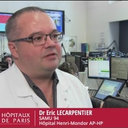 Eric Lecarpentier合作论文数12Frederic Adnet合作论文数12Florence Dumas合作论文数11Lionel Lamhaut合作论文数11
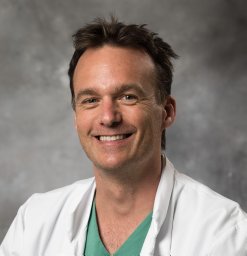 Eloi Marijon合作论文数Faculté de Santé - Université Paris Cité10Charles Groizard合作论文数9Despreaux Thomas合作论文数8Patricia Jabre合作论文数Inserm U970, centre de recherche cardiovasculaire de Paris7Jeremie Boutet合作论文数6Jean Marc Agostinucci合作论文数6Nicole Karam合作论文数5
 Richard Chocron合作论文数INSERM, Univ Paris5Jean-Pierre Tourtier合作论文数5
 Jean-Philippe Empana合作论文数National Institute of Health and Medical Research4Olivier Varenne合作论文数4Margot Cassuto合作论文数4Géraldine Baer合作论文数4Guillaume Douge合作论文数4
 Paul-Georges Reuter合作论文数Assistance Publique-Hôpitaux de Paris, Centre Hospitalier Universitaire Avicenne;Sorbonne Paris Cité, Université4Ursat Cécile合作论文数4Christian Spaulding合作论文数4Ns. Goddet合作论文数4François Dolveck合作论文数4Sebastian Voicu合作论文数4Marin Boyet合作论文数3Céline Dagrenat合作论文数3François Revaux合作论文数3Louis Pechmajou合作论文数3Service Medical du Raid合作论文数3Ardalan Sharifzadehgan合作论文数3Sabine Lemoine合作论文数3Narayanan Kumar合作论文数3Travers Stéphane合作论文数3Frederic Muriel合作论文数3Philippe Juvin合作论文数service d'anesthésie et de réanimation chirurgicale, centre hospitalier Bichat Claude-Bernard3Frédéric Lapostolle合作论文数3Patrick Lagron合作论文数3Nicolas Deye合作论文数Lariboisière University Hospital, Université Paris Diderot3Georgios Sideris合作论文数3Pierre Carli合作论文数3Gilles Chatellier合作论文数2




