The mobility of heavy metals (HMs) during early-stage weathering of tailings is critical for assessing and controlling ecological risks. This study investigates the release and re‑stabilization of lead (Pb), zinc (Zn), and arsenic (As) from primary minerals during early weathering in carbonate‑rich Pb-Zn tailings. Results indicated that early weathering was governed by coupled carbonate/silicate dissolution and sulfide oxidation, which jointly maintained a circumneutral pH environment. Weathering transformed the speciation of HMs, with Fe(Ⅲ) (oxyhydr)oxides and oxyhydroxysulfates becoming dominant secondary hosts. In freshly deposited tailings (FT), Pb occurred mainly in galena (94 %), but in weathered tailings (WT), it was largely redistributed to cerussite (44 %) and Fe‑bearing phases (37 %). Similarly, Zn in FT was hosted predominantly in sphalerite (>99 %), declining to 83 % in WT, with 16 % associated with limonite. In parallel, 18 % As released from the arsenopyrite in FT was incorporated into limonite and jarosite in WT. Beyond chemical stabilization by secondary minerals, HMs mobility was further constrained by newly formed honeycomb‑textured Fe-Al-K-Si-Ca‑rich aggregates in WT. These aggregates likely resulted from the co-precipitation of degraded Al-K-Si‑rich silicates, Fe(Ⅲ) (oxyhydr)oxides, and/or gypsum, which encapsulate fine sulfide grains and limit HMs transport. Our findings highlight the dual role of Fe(Ⅲ) phases in chemically stabilizing released HMs and of aluminosilicate-derived frameworks in providing a physical barrier. This suggests that targeted amendments (e.g., gypsum, nano‑silica) could enhance these natural re‑stabilization processes, offering a cost‑effective strategy for the remediation of sulfide‑rich tailings.
Dissolved organic matter (DOM) sequestration is critical to soil formation of bauxite residue (BR) in which BR undergoes mineral weathering and neutralization / acidification driven by microbial and/or plant root-derived organic acids (OA). The present study aimed to understand the molecular fractionation and adsorption of DOM in BR minerals during key stages of mineral weathering and neutralization, using mixed organic acids to simulate the mineral weathering process in the ecological engineering context. Selective adsorption and molecular fractionation of DOM derived from microbial decomposition of plant mulch were characterized using the highresolution electrospray ionization Orbitrap mass spectrometry (Orbitrap-MS). The OA-treatments progressively weathered sodalite-like alkaline minerals to form amorphous Al/Si/Fe phases and lowered pH, increasing surface reactive sites in mineral phases. The slightly weathered (pH 9-7) and highly weathered and acidified BR minerals (pH 5-4), preferentially adsorbed high-molecular-weight organics rich in aromatic and/or polyphenolic domains. Synchrotron-based Al, Si, and Fe K-edge X ray absorption spectroscopic analyses (XAS) and Fourier transform infrared (FTIR) mapping, revealed strong associations of secondary Al/Si/Fe phases with protein-, carboxylic-, aromatic-, and oxygenated lipid-like compounds. These findings highlight the critical role of mineral weathering in BR for controlling the stabilization of DOM during eco-engineered soil formation processes.
Microbial utilization and formation of organic matter (OM) are key driving processes in the eco-engineered pedogenesis in iron (Fe) ore tailings, underpinning sustainable ecological rehabilitation. This four-year microcosm study aimed to unravel the mechanisms of relatively long-term OM transformation and stabilization subject to microbial processing in the OM amended Fe-ore tailings. The method of isotopic tracing (13C-glucose and 13C/15N-labeled spring wheat biomass) and a high-resolution Orbitrap mass spectrometry and nanoscale secondary ion mass spectrometry (NanoSIMS) were employed to characterize molecular composition of OM and organo-microbial-mineral interactions in the resultant tailings technosol at the submicron scale. It was revealed that both soluble (i.e., glucose) and solid (plant biomass) OM used to amend tailings for soil formation generated a diverse range of molecules, including protein-, lipid-, and lignin-like compounds. These organics were predominantly stabilized by Fe- and Al-rich minerals heterogeneously. Meanwhile, microbial 14N2 fixation was observed in tailings primed with 13C-glucose, resulting in microbial OM enriched with 13C and 14N. A dynamic OM turnover in the tailings amended with 13C/15N-labeled spring wheat biomass was observed, which was characterized by the decrease of exogenous 13C/15N and the emergence of organic compounds containing atmospheric sources of 12C/14N. These microbial and mineral-mediated OM formation and stabilization processes indicate the emergence of developing soil ecological resilience, indicated by in situ microorganism-driven C/N biogeochemistry in the initially OM-amended tailings.
Organic matter amendments are required in accelerating mineral transformation and early soil-forming processes in tailings, by enhancing microbially driven mineral weathering, geochemical stabilization and aggregate formation, but the role of mulch biodegradability has remained unclear. In this study, we evaluated how mulch biodegradability regulates these processes in alkaline Fe-ore tailings. Highly biodegradable lucerne hay (LH) and sugarcane mulch (SM) rapidly altered tailings' mineralogical, geochemical, and microbial properties, producing far stronger responses than lignin-rich pinewood chips (PC). LH and SM significantly increased prokaryotic species richness (16S rDNA) and shifted microbial community composition, driving faster mulch decomposition and rapid porewater acidification (pH 9.1 to 5.9-6.4 within 24 h), with sharp increases in dissolved organic carbon and nitrogen. Elevated organic acid production-dominated by acetic acid-further lowered solid-phase pH to 8.1-8.5, accelerated weathering of biotite-like phyllosilicates, and releasing substantial quantities of soluble cations, particularly K (>3000 ppm). Enhanced mineral dissolution in the LH and SM treatments promoted Fe-oxalate formation and organo-mineral association, leading to pronounced microaggregate development. In contrast, PC induced weaker microbial activity, organic acid production, and aggregate development, than LH and SM. These findings demonstrate that mulch biodegradability governs microbial growth and activity and mineral weathering, thereby governing the rate of early soil formation in Fe-ore tailings. This helps to inform the design of mulch mixtures that optimise tailings' transformation and soil development while mitigating risks such as acute K phytotoxicity during plant establishment.
Rhizosphere-driven mineral weathering plays a critical role in generating reactive minerals that stabilize organic matter (OM) and support the development of soil structure and biogeochemical functions in iron (Fe) ore tailings. However, the formation and evolution of organo-mineral association at submicron scale, and the extent to which particle size and tailings aging influence these associations remain poorly understood. The present study investigated how pioneer plant roots influence mineral weathering, reactive mineral formation, and stabilization of OM at submicron scale. Root colonization induced acidification and accelerated the weathering of Fe-K-rich mica (i.e. biotite) in tailings, leading to the formation of reactive phases, including vermiculite, short-range-ordered Fe-Si phases, and goethite. These transformations were mediated by particle size: coarse fractions (> 53 µm) promoted vermiculite neoformation, whereas fine fractions (< 53 µm) favored Fe oxyhydroxide formation. Synchrotron-based scanning-transmission X-ray microscopy with near-edge X-ray absorption-fine-structure-spectroscopy (STXM-NEXAFS) analysis further revealed that in original tailings, root-derived compounds, rich in aromatic, carboxyl, and phenolic groups, were heterogeneously associated with mixed-valence Fe-bearing minerals. In contrast, aged tailings predominantly stabilized aromatic, carboxyl, and aliphatic-rich organics on Fe(III)-bearing minerals. Collectively, these findings provide direct evidence for a previously unrecognized, in-situ coupled process in which root-induced weathering of primary minerals and the concurrent formation of reactive secondary mineral phases were associated with the stabilization of root-derived OM. In addition, tailings’ mineral particle size governs both weathering pathways and subsequent OM stabilization patterns. This rhizosphere driven “Weathering-Organo-Mineral” interaction advances mechanistic understanding of rhizosphere mediated mineral weathering and organo-mineral interactions in Fe ore tailings, with important implications for sustainable eco-engineered pedogenesis.
Mining activities drastically disturb landforms and geotechnical structures, generating degraded substrates and long-term risks to soil functions and ecosystem recovery. Sourcing locally available restorative materials that simultaneously provide mechanical support, hydraulic regulation, and environmental safety is therefore critical for sustainable mine ecological restoration. Yellow River sediment (YRS), one of the world's most abundant riverine fine sediments, exhibits favorable mineralogical and textural characteristics for engineering modification and blending. However, existing studies predominantly address wetland rehabilitation and agricultural improvement, whereas high-value, mechanism-informed applications in mining environments remain underexplored. This review re-evaluates YRS as a source-differentiated restoration material for mine ecological restoration and uniquely links basin-scale heterogeneity to scenario-specific engineering design. It fills this gap by systematically and critically examining the intrinsic physicochemical characteristics, structure-property relationships of YRS, and maps them onto key mining-related scenarios, including subsidence backfilling, open-pit reclamation, functional-layer construction, river regulation, and sediment-derived construction materials. Across representative application studies, optimized interlayer backfilling increased the soil-water storage coefficient by 59.47% and supported maize yields up to 10,484.54 kg center dot ha(-1). In plant growth substrate design, modified YRS increased effective porosity from 34.69% to 42.93%. Current evidence also suggests that heavy-metal contamination is generally low to moderate at the basin scale. Sediments should therefore be treated as a basin-aware restoration resource through source characterization, function-oriented modification, and risk-based deployment. By identifying key research priorities, engineering pathways, and outstanding challenges, this review provides a scalable, safe, and material-centric framework for the high-value utilization of natural sediment resources in land reclamation and sustainable mine restoration.
Abstract Bauxite residue (BR), the haloalkaline byproduct of alumina refining, represents the largest and most costly environmental challenge facing the global aluminium industry, yet sustainable remediation has remained elusive because no rapid and field-feasible technology can overcome its recalcitrant alkalinity. Here, we establish a self-amplifying microbial–abiotic sulfur relay that drives rapid in situ acid generation and sustained dealkalization of BR across laboratory and glasshouse experiments and a field trial, where dealkalized residue subsequently supported spontaneous pioneer-plant colonization. Mechanistic assays and multi-omics analyses show that the relay is initiated by microbial reduction of elemental sulfur (S 8 ) to HS − under oxygen-limited conditions. The resulting HS − abiotically attacks and solubilizes solid S 8 , generating a mobile pool of polysulfides (S□²□). In anoxic microsites, polysulfide reduction regenerates HS − , which mobilizes additional S 8 and amplifies sulfur turnover by increasing sulfur mobilization and bioavailability. In oxic microsites, are abiotically converted to thiosulfate and reactive S 0 , which are subsequently microbially oxidized to sulfate and acidity. By coupling biotic reductive initiation and regeneration with abiotic sulfur mobilization and oxidation, followed by biotic terminal oxidation, this relay overcomes the low bioavailability of S 8 and the constraints of extreme haloalkaline conditions, providing a low-cost, field-feasible strategy for efficient and sustained BR remediation.
The long-lasting pollution risks from sulfidic and metalliferous tailings are caused by the unpredictable weathering of unstable sulfidic minerals and associated release of potentially toxic soluble metals. The present study aims to investigate whether indigenous Acidithiobacillus consortia containing ferrous iron (Fe) and sulfide (S) oxidizing bacteria could be harnessed to accelerate the weathering of sulfidic minerals (e.g., pyrite, galena) in lead (Pb)-zinc (Zn) tailings for rapidly attenuating the risks of toxic metal contamination. After a 72-day incubation of the tailings bioaugmented with indigenous Fe oxidizing bacteria (FeOB), sulfur oxidizing bacteria (SOB) and their combination (FeSOB), it was found that sulfidic minerals were significantly weathered to form secondary mineral cements and develop cementation structure. The combined indigenous FeSOB groups exhibited greater functional advantages over the individual groups. According to the synchrotron-based X-ray fluorescence microscopy coupled with X-ray absorption near edge fine structure spectroscopy (XFM-XANES) analysis, the mineral cements were largely composed of secondary Fe oxyhydroxides and jarosite which captured metals (such as Zn) released from the weathered minerals. Furthermore, the in situ formation of cementation structure passivated and encapsulated remnant sulfide particles, presenting a physical barrier against further weathering and toxic metal release. The study has revealed the critical role of indigenous FeSOB in sulfidic mineral weathering and toxic metal immobilization in Pb-Zn tailings, providing important basis for developing in situ field-based technologies towards pollution control of sulfidic and metalliferous tailings.
The high solubility of oxyanions, such as vanadium (V), in alkaline (pH > 9) bauxite residue (BR) generated from alumina production is one of the major environmental risks associated with BR management. Ecological engineering of BR into soil-like growth media (i.e., technosol) offers a promising solution by irreversibly neutralising alkalinity and improving geochemical stability. However, the mechanisms governing the V fractionation, potential mobility, and bioavailability during this transformation remain poorly understood. Here, we show that in a long-term field lysimeter trial, V in BR technosol is primarily hosted in Fe oxide minerals, particularly hematite, of residual phase, followed by organic and oxide-bound phases. The pH was the key driver controlling V solubility, suggesting the importance of irreversible neutralisation of alkalinity in BR using effective eco-engineering inputs (e.g., organic matter and fertiliser). Co-amendments with organic matter and superphosphate fertiliser were most effective in achieving pH neutralisation and V immobilisation. Organic-V complexation in the OM-treated BR can act as an important sink to immobilise V. Consequently, the long-term pollution risk associated with V in BR technosol is expected to be minimal as the technosol system progressively develops into a stable, circumneutral pH, with soil-like properties capable of supporting long-term vegetation growth.
The formation and stabilization of soil organic carbon (OC) are key to building resilient soil structures and maintaining biogeochemical functions. As the main component of soil organic matter (OM), the portion of stabilized soil OC is influenced by both inherent properties of OM and physical and chemical characteristics of soil. In a perspective study by Angst et al. (2023), particulate organic matter (POM) was highlighted as a factor that enhances OC sequestration under conditions where mineral-associated OM is saturated. The study primarily proposes increasing OC sequestration by enhancing POM inputs while overlooking pathways that improve the soil’s capacity for OC stabilization, particularly through the multifaceted role of reactive minerals. We suggest that efforts should focus on both increasing OM inputs and enhancing reactive minerals to promote OC stabilization through both POM occlusion in soil aggregates and new mineral-associated OM formation. Furthermore, future strategies should consider the overlooked organo-mineral dynamics and the multiple roles of reactive minerals in governing soil OM biochemical properties and persistence. Only through a systematic consideration of OM inputs and soil mineral characteristics can practical and effective strategies be developed to enhance soil OC sequestration.
Sustainable strategies are urgently required to rehabilitate sulfidic waste rocks (WR) and prevent acid and metalliferous drainage (AMD) into natural environments. This study aims to establish the proof of concept for transforming aluminosilicate-rich acidic mine wastes into a stable, consolidated, and cementitious structure (namely environmental geopolymer) using alkali activation of WR and Class F fly ash (FA) at ambient temperature. The synthesised mineral gel effectively cemented WR-FA mixtures (up to 60 % WR) into indurated structures. A mechanical strength of approximately 22 MPa was developed in 4 weeks, strengthening further to 29 MPa over 24 weeks. Mineralogical, geochemical, and micro-spectroscopic analysis revealed that acidic minerals in the WR materials were encapsulated and passivated by the cement-like amorphous sodium aluminosilicate hydrate (N-A-S-H) gel phase, which significantly immobilised toxic metal(loid)s. Further investigation into atomic coordination environment of the synthetic gel using Near-edge X-ray absorption fine structure (NEXAFS) at Si and Al Kedge suggested that tetrahedrally coordinated Si and Al form the 3D-extended network structure within the amorphous gel phase. This chemically activated cementation of polymineral wastes may offer a unique approach to valorise sulfidic WR and FA into a pseudo-sedimentary rock horizon for sustainable rehabilitation of sulfidic WR facilities through a combined mechanism of physical integration, as well as mineralogical and geochemical stabilisation.
Ecological engineering of tailings into soil-like growth media (i.e., technosol) has emerged as a nature-based solution for soilless rehabilitation of alkaline bauxite residue. However, field applications often result in spatial heterogeneity, where uneven amendment leaves behind highly alkaline and saline BR pockets that limit sustainable rehabilitation. It is hypothesized that haloalkalitolerant plants with roots partially grown in the improved niches render their strong tolerance of BR matrix to form extensive roots-mineral interfaces, generate physical and biochemical modification, and irreversibly neutralize the extremely alkaline pH in BR niches. In this study, seawater-treated BR was used to simulate these residual alkaline matrices. Four plant species, including two halophytes, one haloalkalitolerant native acacia and one glycophytic sorghum grass were cultured in a sand-BR compartment system to simulate field heterogeneity. Massive roots-BR interfaces were formed. Root activities at the interfaces accelerated the weathering of alkaline minerals and neutralized alkaline pH to circumneutral. Halophytes (Atriplex nummularia and Chloris gayana) were found to be the most effective in weathering and neutralizing BR, due to their higher capacity to exude low-molecular-weight organic acids rich in carboxyl groups in roots-BR interfaces. The LMWOAs facilitated Na⁺-H⁺ exchange with sodalite and disrupted its structure. These interactions stimulated the formation of nanosized amorphous Al-Si-Fe minerals on root surfaces. Plant uptake of liberated Na led to Na depletion in the rhizosphere. Therefore, halophytic species should be included in the field application to eliminate substrate heterogeneity of eco-engineering soil formation for soilless BR rehabilitation. The root activities of pioneer plants effectively weather alkaline minerals and neutralize alkaline pH in bauxite residue.
Ecological engineering of Fe-ore tailings into Technosols (or soil-like growth media) offers a promising way to rehabilitate tailings without resorting to natural topsoil from other places. Among key pedogenic processes, soil aggregate formation and organic matter (OM) stabilisation are critical to the development of sustainable Technosols. The colonisation of pioneer plant species highly adaptive to infertile soils and water deficit may act as competent biological drivers to enhance these critical processes involved in Technosol formation. This study aimed to investigate the role of an Australian native plant species, Acacia auriculiformis, in enhancing water-stable aggregate formation and associated OM stabilisation using a pot experiment under glasshouse conditions. The influences of two relevant abiotic processes, including water deficit and phosphorus deficiency, on these key processes were evaluated. A. auriculiformis colonisation enhanced the formation of water-stable aggregates in the early Technosols, while the proportion of macroaggregates and microaggregates were altered differently, with the former increasing under well-watered conditions and the latter increasing under water deficit conditions. A. auriculiformis colonisation increased N-rich mineral-associated OM within the macroaggregates. In aggregates, OM stabilisation was related to interactions of carboxyl-rich organic groups with tailing minerals. The influences of water deficit and phosphorus deficiency on aggregate formation and OM stabilisation were mediated via their impacts on the growth and root functions of A. auriculiformis, including root extension, entanglement, and exudation. From these findings, the utilisation of A. auriculiformis is recommended as a biological driver to facilitate the development of early Technosols from eco-engineered Fe-ore tailings.
Excess available K and Fe in Fe ore tailings with organic matter amendment and water-deficiencies may restrain plant colonization and growth, which hinders the formation of eco-engineered soil from these tailings for sustainable and cost-effective mine site rehabilitation. Arbuscular mycorrhizal (AM) fungi are widely demonstrated to assist plant growth under various unfavorable environments. However, it is still unclear whether AM symbiosis in tailings amended with different types of plant biomass and under different water conditions could overcome the surplus K and Fe stress for plants in Fe ore tailings, and if so, by what mechanisms. Here, host plants (Sorghum sp. Hybrid cv. Silk), either colonized or noncolonized by the AM fungi (Glomus spp.), were cultivated in lucerne hay (LH, C:N ratio of 18)- or sugarcane mulch (SM, C:N ratio of 78)-amended Fe ore tailings under well-watered (55% water-holding capacity (WHC) of tailings) or water-deficient (30% WHC of tailings) conditions. Root mycorrhizal colonization, plant growth, and mineral elemental uptake and partitioning were examined. Results indicated that AM fungal colonization improved plant growth in tailings amended with plant biomass under water-deficient conditions. Arbuscular mycorrhizal fungal colonization enhanced plant mineral element uptake, especially P, both in the LH- and SM-amended tailings regardless of water condition. Additionally, AM symbiosis development restrained the translocation of excess elements (i.e., K and Fe) from plant roots to shoots, thereby relieving their phytotoxicity. The AM fungal roles in P uptake and excess elemental partitioning were greater in LH-amended tailings than in SM-amended tailings. Water deficiency weakened AM fungal colonization and functions in terms of mineral element uptake and partitioning. These findings highlighted the vital role AM fungi played in regulating plant growth and nutrition status in Fe ore tailings technosol, providing an important basis for involvement of AM fungi in the eco-engineered pedogenesis of Fe ore tailings.
Immobilization and stabilization of heavy metals (HMs) in sulfidic and metallic tailings are critical to long-term pollution control and sustainable ecological rehabilitation. This study aims to unravel immobilization mechanisms of Pb (Ⅱ) in the neoformed hardpan structure resulting from Acidithiobacillus spp. accelerated bioweathering of sulfides in the presence of silicates. It was found that the bioweathered mineral composite exhibited an elevated Pb (Ⅱ) adsorption capacity compared to that of natural weathered mineral composite. A suit of microspectroscopic techniques such as synchrotron-based X-ray Absorption Spectroscopy (XAS), X-ray Photoelectron Spectroscopy (XPS), Fourier Transform Infrared Spectroscopy (FTIR) and Field-Emission Scanning Electron Microscope (FE-SEM) indicated that secondary Fe-bearing minerals, functional groups, and surface properties in the neoformed hardpan were key factors contributing to Pb (Ⅱ) adsorption and immobilization in ferric-silica microstructures. The underlying mechanisms might involve surface adsorption-complexation, dissolution-precipitation, electrostatic attraction, and ion exchange. Microbial communities within the muscovite groups undergoing bioweathering processes demonstrated distinctive survival strategies and community composition under the prevailing geochemical conditions. This proof of concept regarding Pb (Ⅱ) immobilization in microbial transformed mineral composite would provide the basis for scaling up trials for developing field-feasible methodology to management HMs pollution in sulfidic and metallic tailings in near future.
 Songlin Wu (伍松林)合作论文数Research Center for Eco-Environmental Sciences Chinese Academy of Sciences51
 Fang You合作论文数Graduate School, Chinese Academy of Sciences40
 Richard W. Bell合作论文数School of Environmental Science, Murdoch University35
 Bernard Dell合作论文数Murdoch University;Vietnamese Academy of Forest Sciences;Chinese Academy of Forestry33
 Yunjia Liu (刘允佳)合作论文数College of Land Science and Technology, China Agricultural University29
 Gordon Southam合作论文数School of the Environment, Faculty of Science, The University of Queensland26
 Ting-Shan Chan (詹丁山)合作论文数National Synchrotron Radiation Research Center25
 Tuan A. H. Nguyen合作论文数Sustainable Minerals Institute21
 Saha Narottam合作论文数16
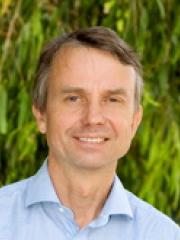 Thomas Baumgartl合作论文数Energy Initiative, Faculty of Engineering, Architecture and Information Technology, The University of Queensland15
 Ying-Rui Lu合作论文数15
 Zhen Li (李臻)合作论文数College of Engineering, China Agricultural University14
 Zhiping Xu (许志平)合作论文数Shenzhen Bay Laboratory13
 Benjavan Rerkasem合作论文数Faculty of Agriculture, Chiang Mai University13
 Qing Yi (易卿)合作论文数12
 Victor Rudolph合作论文数School of Chemical Engineering, The University of Queensland/Centre for Natural Gas, The University of Queensland12
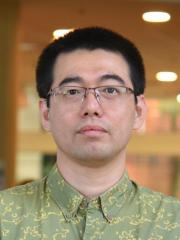 Peng Li (李鹏)合作论文数Australian Institute for Bioengineering and Nanotechnology, The University of Queensland12
 Chanakan Prom-U-Thai合作论文数School of Land, Crop and Food Sciences, The University of Queensland12
 David Parry合作论文数11Du Yumei合作论文数10
 Shu Fukai合作论文数School of Agriculture and Food Sciences, The University of Queensland10
 Anh Nguyen合作论文数School of Chemical Engineering, The University of Queensland9
 Yong Sik Ok合作论文数Korea Biochar Research Center, Division of Environmental Science and Ecological Engineering, Korea University;University of Queensland;Ghent University Global Campus;University of Wuppertal9
 Lachlan McLeod Robertson合作论文数8Merinda Hall合作论文数8
 Yuanfang Huang (黄元仿)合作论文数College of Land Science and Technology, China Agricultural University8Lars Thomsen合作论文数School of Mathematical and Physical Sciences, University of Newcastle8Yuanying Ma合作论文数7
 Baodong Chen (陈保冬)合作论文数State Key Laboratory of Urban and Regional Ecology, Research Center for Eco-Environmental Sciences, Chinese Academy of Sciences;University of Chinese Academy of Sciences7Philip Bond合作论文数Advanced Water Management Centre, University of Queensland7Marc A. Hampton合作论文数7David Mulligan合作论文数6
 Ram C. Dalal合作论文数School of Agriculture and Food Sciences, University of Queensland6Zhengqian Ye合作论文数6Frank Murray合作论文数5
 Mansour Edraki合作论文数Energy Initiative, Faculty of Engineering, Architecture and Information Technology, The University of Queensland5
 trang huynh合作论文数Inst Trop Med NEKKEN, Nagasaki Univ4
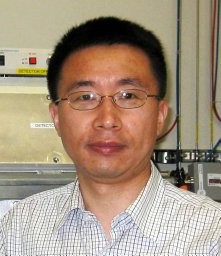 Jian Wang合作论文数Univ Saskatchewan, Canadian Light Source Inc, Saskatoon, SK S7N 2V3, Canada4
 Peter Kopittke合作论文数School of Agriculture and Food Sciences, Faculty of Science, The University of Queensland4
 Dan Tsang合作论文数The Hong Kong University of Science and Technology4
 Sue Vink合作论文数Centre for Water in the Minerals Industry, Sustainable Minerals Institute, The University of Queensland4
 David Paterson合作论文数Division of Infectious Diseases, University of Pittsburgh Medical Center4
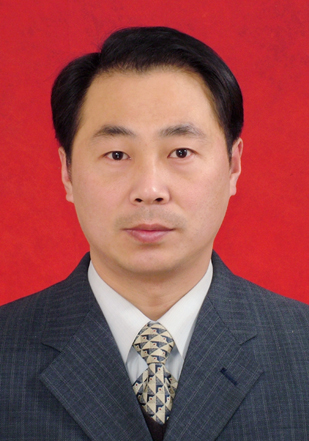 Shengguo Xue (薛生国)合作论文数School of Metallurgy and Environment, Central South University4Dang T. Vu合作论文数4William Hartley合作论文数4Maedeh Tayebi-Khorami合作论文数3emmanuel manlapig合作论文数3Felipe Saavedra-Mella合作论文数3michal andrusiewicz合作论文数3




