BackgroundAlthough many people are supportive of their deidentified health care data being used for research, concerns about privacy, safety, and security of health care data remain. There is low awareness about how data are used for research and related governance. Transparency about how health data are used for research is crucial for building public trust. One proposed solution is to ensure that affected communities are notified, particularly marginalized communities where there has previously been a lack of engagement and mistrust. ObjectiveThis study aims to explore patient and public perspectives on the use of deidentified data from electronic health records for musculoskeletal research and to explore ways to build and sustain public trust in health data sharing for a research program (known as “the Data Jigsaw”) piloting new ways of using and analyzing electronic health data. Views and perspectives about how best to engage with local communities informed the development of a public notification campaign about the research. MethodsQualitative methods data were generated from 20 semistructured interviews and 8 focus groups, comprising 48 participants in total with musculoskeletal conditions or symptoms, including 3 carers. A presentation about the use of health data for research and examples from the specific research projects within the program were used to trigger discussion. We worked in partnership with a patient and public involvement group throughout the research and cofacilitated wider community engagement. ResultsRespondents were supportive of their health care data being shared for research purposes, but there was low awareness about how electronic health records are used for research. Security and governance concerns about data sharing were noted, including collaborations with external companies and accessing social care records. Project examples from the Data Jigsaw program were viewed positively after respondents knew more about how their data were being used to improve patient care. A range of different methods to build and sustain trust were deemed necessary by participants. Information was requested about: data management; individuals with access to the data (including any collaboration with external companies); the National Health Service’s national data opt-out; and research outcomes. It was considered important to enable in-person dialogue with affected communities in addition to other forms of information. ConclusionsThe findings have emphasized the need for transparency and awareness about health data sharing for research, and the value of tailoring this to reflect current and local research where residents might feel more invested in the focus of research and the use of local records. Thus, the provision for targeted information within affected communities with accessible messages and community-based dialogue could help to build and sustain public trust. These findings can also be extrapolated to other conditions beyond musculoskeletal conditions, making the findings relevant to a much wider community.
Context: Adult social care need is increasing, posing a challenge to public and societal resources. Musculoskeletal disease and chronic pain are also increasing in prevalence, and given their disabling nature, may be contributing to social care demands. However, we do not know what proportion of adults with chronic musculoskeletal pain use social care services.Objective: To describe social care use in adults with chronic pain.Methods: An online cross-sectional survey was sent to participants of a previous mobile health study investigating people with chronic pain. It collected data on care received in the last month, including providers, frequency and duration of care, demographics and medical diagnoses. Descriptive statistics summarised these data, and a multivariable logistic regression model identified factors associated with care receipt.Findings: There were 981 respondents, 95% identified MSK disease as the cause of their pain. Five hundred twenty-seven (54%) reported receiving social care services in the last month, with the majority (338, 74%) receiving this care informally from family and friends. From multivariate analyses, those receiving care were more likely to have a diagnosis of osteoarthritis or fibromyalgia.Limitations: The sample may not be fully representative of the chronic MSK pain population.Implications: Adults with chronic MSK pain have significant social care use, predominantly informal. Understanding the relationship between MSK diseases and social care may allow better design of social care services in this context, as well as opportunities to develop prevention strategies. Future research should focus on identifying whether these findings are replicated in a more representative sample of people with MSK disease.
BACKGROUND:Wearables provide opportunities for frequent health data collection and symptom monitoring. The feasibility of using consumer cellular smartwatches to provide information both on symptoms and contemporary sensor data has not yet been investigated. OBJECTIVE:This study aimed to investigate the feasibility and acceptability of using cellular smartwatches to capture multiple patient-reported outcomes per day alongside continuous physical activity data over a 3-month period in people living with knee osteoarthritis (OA). METHODS:For the KOALAP (Knee OsteoArthritis: Linking Activity and Pain) study, a novel cellular smartwatch app for health data collection was developed. Participants (age ≥50 years; self-diagnosed knee OA) received a smartwatch (Huawei Watch 2) with the KOALAP app. When worn, the watch collected sensor data and prompted participants to self-report outcomes multiple times per day. Participants were invited for a baseline and follow-up interview to discuss their motivations and experiences. Engagement with the watch was measured using daily watch wear time and the percentage completion of watch questions. Interview transcripts were analyzed using grounded thematic analysis. RESULTS:A total of 26 people participated in the study. Good use and engagement were observed over 3 months: most participants wore the watch on 75% (68/90) of days or more, for a median of 11 hours. The number of active participants declined over the study duration, especially in the final week. Among participants who remained active, neither watch time nor question completion percentage declined over time. Participants were mainly motivated to learn about their symptoms and enjoyed the self-tracking aspects of the watch. Barriers to full engagement were battery life limitations, technical problems, and unfulfilled expectations of the watch. Participants reported that they would have liked to report symptoms more than 4 or 5 times per day. CONCLUSIONS:This study shows that capture of patient-reported outcomes multiple times per day with linked sensor data from a smartwatch is feasible over at least a 3-month period. INTERNATIONAL REGISTERED REPORT IDENTIFIER (IRRID):RR2-10.2196/10238.
A common belief among three-quarters of those who suffer from chronic pain is that their pain fluctuates with the weather.However, this belief lacks scientific support.In a recent review of 41 studies examining the relationship between weather and chronic musculoskeletal pain, 28 (68%) found some relationship, although there was disagreement about what that relationship was.Various reasons have been postulated for the disagreement: small sample sizes as measured by the number of participants, the duration of the study, or both; weather observations that were unrepresentative of conditions experienced by participants; and the lack of input or analysis by meteorologists.To overcome these limitations of previous studies, we designed a 15-month-long U.K.-based citizen-science smartphone project called Cloudy with a Chance of Pain (www.cloudywithachanceofpain.com).Participants with chronic pain used a specially designed app to enter a 10-question daily report on their pain and other well-being characteristics on a 5-point scale.For example, participants rated their pain from 1 ("no pain") to 5 ("very severe pain").The absolute number in a participant's report may not be meaningful, by itself: participants reporting the same severity on our 5-point scale may experience different levels of pain.Studies show, however, that a 20% increase in pain severity is clinically significant.As such, we defined a pain event for an individual participant when they report a 1-category or greater increase (+1) in their pain level from the previous day.Using the global positioning system (GPS) sensor in the phone, we linked the participants' locations during the study to the closest weather stations in the Met Office observing network.Thus, we developed a daily profile of the average weather conditions each
The belief that weather influences people's health has been prevalent for millennia. Recent studies on the relationship between weather and pain for those who suffer from chronic pain remain indeterminate, with some studies finding strong effects and others finding no effects; most studies face limitations to their study design or dataset size. To address these limitations, a U.K.-wide smartphone study Cloudy with a Chance of Pain was conducted over 15 months with 10,584 citizen scientists who suffer from chronic pain, producing the largest dataset both in duration and number of participants. Compared to other similar citizen-science studies, our retention of participants was substantially better, with 15% still entering data nearly every day after 200 days. Analysis of the dataset using synoptic climatology and compositing revealed the daily weather associated with a prevalence of high pain and low pain across the population. Specifically, our results indicate that the top 10% of days with a high percentage of participants (about 20%) experiencing a pain event (represented here by a +1 change or greater in their pain level on a 5-point scale; referred to as a high-pain day) were associated with below-normal pressure, above-normal humidity, higher precipitation rate, and stronger wind. In contrast, the bottom 10% of days with a small percentage of participants (about 10%) experiencing a pain event (a low-pain day) were associated with above-normal pressure, below-normal humidity, lower precipitation rate, and weaker wind. Thus, these synoptic weather patterns support the beliefs of many participants who said that low pressure-and its accompanying weather-was associated with a pain event.
Patients with chronic pain commonly believe their pain is related to the weather. Scientific evidence to support their beliefs is inconclusive, in part due to difficulties in getting a large dataset of patients frequently recording their pain symptoms during a variety of weather conditions. Smartphones allow the opportunity to collect data to overcome these difficulties. Our study Cloudy with a Chance of Pain analysed daily data from 2658 patients collected over a 15-month period. The analysis demonstrated significant yet modest relationships between pain and relative humidity, pressure and wind speed, with correlations remaining even when accounting for mood and physical activity. This research highlights how citizen-science experiments can collect large datasets on real-world populations to address long-standing health questions. These results will act as a starting point for a future system for patients to better manage their health through pain forecasts.
Background: The Knee OsteoArthritis, Linking Activity and Pain (KOALAP) study is the first to test the feasibility of using consumer-grade cellular smartwatches for health care research. Objective: The overall aim was to investigate the feasibility of using consumer-grade cellular smartwatches as a novel tool to capture data on pain (multiple times a day) and physical activity (continuously) in patients with knee osteoarthritis. Additionally, KOALAP aimed to investigate smartwatch sensor data quality and assess whether engagement, acceptability, and user experience are sufficient for future large-scale observational and interventional studies. Methods: A total of 26 participants with self-diagnosed knee osteoarthritis were recruited in September 2017. All participants were aged 50 years or over and either lived in or were willing to travel to the Greater Manchester area. Participants received a smartwatch (Huawei Watch 2) with a bespoke app that collected patient-reported outcomes via questionnaires and continuous watch sensor data. All data were collected daily for 90 days. Additional data were collected through interviews (at baseline and follow-up) and baseline and end-of-study questionnaires. This study underwent full review by the University of Manchester Research Ethics Committee (#0165) and University Information Governance (#IGRR000060). For qualitative data analysis, a system-level security policy was developed in collaboration with the University Information Governance Office. Additionally, the project underwent an internal review process at Google, including separate reviews of accessibility, product engineering, privacy, security, legal, and protection regulation compliance. Results: Participants were recruited in September 2017. Data collection via the watches was completed in January 2018. Collection of qualitative data through patient interviews is still ongoing. Data analysis will commence when all data are collected; results are expected in 2019. KOALAP is the first health study to use consumer cellular smartwatches to collect self-reported symptoms alongside sensor data for musculoskeletal disorders. The results of this study will be used to inform the design of future mobile health studies. Results for feasibility and participant motivations will inform future researchers whether or under which conditions cellular smartwatches are a useful tool to collect patient-reported outcomes alongside passively measured patient behavior. The exploration of associations between self-reported symptoms at different moments will contribute to our understanding of whether it may be valuable to collect symptom data more frequently. Sensor data–quality measurements will indicate whether cellular smartwatch usage is feasible for obtaining sensor data. Methods for data-quality assessment and data-processing methods may be reusable, although generalizability to other clinical areas should be further investigated.
The Knee OsteoArthritis, Linking Activity and Pain (KOALAP) study is the first to test the feasibility of using consumer-grade cellular smartwatches for health care research. The overall aim was to investigate the feasibility of using consumer-grade cellular smartwatches as a novel tool to capture data on pain (multiple times a day) and physical activity (continuously) in patients with knee osteoarthritis. Additionally, KOALAP aimed to investigate smartwatch sensor data quality and assess whether engagement, acceptability, and user experience are sufficient for future large-scale observational and interventional studies. A total of 26 participants with self-diagnosed knee osteoarthritis were recruited in September 2017. All participants were aged 50 years or over and either lived in or were willing to travel to the Greater Manchester area. Participants received a smartwatch (Huawei Watch 2) with a bespoke app that collected patient-reported outcomes via questionnaires and continuous watch sensor data. All data were collected daily for 90 days. Additional data were collected through interviews (at baseline and follow-up) and baseline and end-of-study questionnaires. This study underwent full review by the University of Manchester Research Ethics Committee (#0165) and University Information Governance (#IGRR000060). For qualitative data analysis, a system-level security policy was developed in collaboration with the University Information Governance Office. Additionally, the project underwent an internal review process at Google, including separate reviews of accessibility, product engineering, privacy, security, legal, and protection regulation compliance. Participants were recruited in September 2017. Data collection via the watches was completed in January 2018. Collection of qualitative data through patient interviews is still ongoing. Data analysis will commence when all data are collected; results are expected in 2019. KOALAP is the first health study to use consumer cellular smartwatches to collect self-reported symptoms alongside sensor data for musculoskeletal disorders. The results of this study will be used to inform the design of future mobile health studies. Results for feasibility and participant motivations will inform future researchers whether or under which conditions cellular smartwatches are a useful tool to collect patient-reported outcomes alongside passively measured patient behavior. The exploration of associations between self-reported symptoms at different moments will contribute to our understanding of whether it may be valuable to collect symptom data more frequently. Sensor data–quality measurements will indicate whether cellular smartwatch usage is feasible for obtaining sensor data. Methods for data-quality assessment and data-processing methods may be reusable, although generalizability to other clinical areas should be further investigated. DERR1-10.2196/10238
The data on mutagenicity are shown in Table 1. Both fulvine and retrorsine show moderate activity, falling into Clark’s (1960) second category. Isatidine, the N-oxide of retrorsine is much less active than the base itself, a result which is consistent with those of Clark. Monocrotaline and fulvine induce translocations, but at a rate which is very low compared with the incidence of sex-linked recessive lethals (cf. Avanzi, 1961; Clark, 1963).
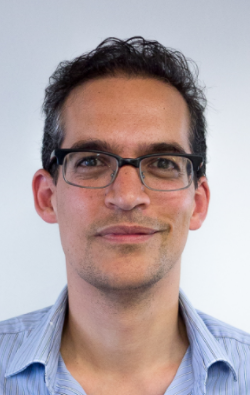 Will Dixon合作论文数Centre for Musculoskeletal Research, The University of Manchester;Division of Informatics, Imaging & Data Sciences, School of Health Sciences, The University of Manchester9
 Anna Beukenhorst合作论文数Univ Manchester, Manchester Acad Hlth Sci Ctr, Ctr Epidemiol Versus Arthrit, Manchester, Lancs, England7
 John Mcbeth合作论文数Division of Musculoskeletal and Dermatological Sciences, School of Biological Sciences, Faculty of Biology, Medicine and Health, The University of Manchester7
 Jamie Sergeant合作论文数Division of Population Health, Health Services Research & Primary Care, School of Health Sciences, Faculty of Biology, Medicine and Health, The University of Manchester7
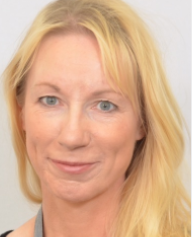 Caroline Sanders合作论文数Division of Population Health, Health Services Research and Primary Care, The University of Manchester/Manchester Institute for Collaborative Research on Ageing, School of Social Sciences, The University of Manchester6
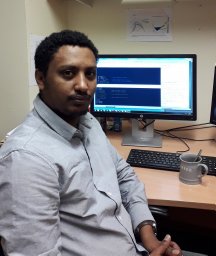 Belay Birlie Yimer合作论文数Ctr Musculoskeletal Res, Univ Manchester4
 Thomas House合作论文数Department of Mathematics, School of Natural Sciences, Faculty of Science and Engineering, The University of Manchester4
 David Schultz合作论文数Department of Earth and Environmental Sciences, University of Manchester4Carolyn Gamble合作论文数3
 Huai Leng Pisaniello合作论文数3
 Kelly Howells合作论文数3
 Terence O'neill合作论文数Division of Musculoskeletal & Dermatological Sciences, School of Biological Sciences, Faculty of Biology, Medicine and Health, The University of Manchester3Parkes Matthew合作论文数3
 Mark Lunt合作论文数Division of Musculoskeletal and Dermatological Sciences, School of Biological Sciences, Faculty of Biology, Medicine and Health, The University of Manchester2
 Bruce Hellman合作论文数2
 Malcolm Maclure合作论文数Department of Anesthesiology, Pharmacology & Therapeutics, Faculty of Medicine, The University of British Columbia2
 Max A. Little合作论文数School of Computer Science, College of Engineering and Physical Sciences, University of Birmingham2
 Ana Maria Vicedo-Cabrera合作论文数Department of Preventive Medicine, University of Valencia2Antonio Gasparrini合作论文数2Tal El-Hay合作论文数School of Computer Science & Engineering, Hebrew University2Sabine N Van Der Veer合作论文数2
 Jenny H Humphreys合作论文数1Ben James合作论文数1
 Charlotte A Sharp合作论文数The Kellgren Centre for Rheumatology, Manchester University NHS Foundation Trust1
 Paul Clarkson合作论文数Division of Population Health, Health Services Research and Primary Care, School of Health Sciences, Faculty of Biology, Medicine and Health, The University of Manchester1
 John Ainsworth合作论文数Division of Informatics, Imaging and Data Sciences, School of Health Sciences, Faculty of Biology, Medicine and Health, The University of Manchester1
 Søren Holm合作论文数Centre for Medical Ethics, Faculty of Medicine, University of Oslo/Department of Health Science and Technology, Aalborg University/Institute for Collaborative Research on Ageing, School of Social Sciences, The University of Manchester1
 Yaara Goldschmidt合作论文数IBM Research - Haifa1




