Autism Spectrum Disorder (autism) is a neurodevelopmental condition characterised by altered social communication, repetitive behaviours and restricted interests. Emerging evidence suggests that disrupted circadian timing mechanisms may be associated with certain traits of autism, such as sleep difficulties and behavioural dysregulation. Circadian rhythms are primarily entrained by the light–dark cycle but are also shaped by social cues, including synchronisation with the circadian rhythms of family members. Despite growing interest in circadian biology and autism, little is known about how circadian synchrony functions within families that include autistic children. This scoping review synthesises findings on circadian timing in families with autistic and non-autistic children. A systematic search of four databases (PubMed, Scopus, PsycINFO, and CINAHL) yielded 2,423 results, of which 25 met inclusion criteria. An additional 17 studies were identified through handsearching. The final dataset comprised 42 studies, which were organised into a narrative synthesis and thematic analysis. Six studies focused on sleep synchrony in families with autistic children, while the remaining 36 studies examined circadian biomarkers (n = 5), activity rhythms (n = 12), and sleep synchrony (n = 19) in families with non-autistic children. Findings revealed evidence of circadian synchrony in both groups, with family members displaying aligned sleep–wake patterns and daily activity rhythms. However, studies involving autistic families were relatively limited, and the mechanisms underlying circadian synchrony remain poorly understood. While this review highlights emerging insights into circadian synchrony in families, significant gaps in the literature remain. Research in autistic families is particularly scarce, and there is a need for longitudinal and experimental studies to better understand the interplay between genetic, environmental and social factors. Further research should explore whether disrupted circadian synchrony contributes to the neurobiology of autism or its associated traits, such as sleep difficulties and behavioural dysregulation. Addressing these gaps could inform targeted interventions to improve sleep and overall well-being in autistic children and their families.
Public stigma is a society’s negative attitude toward a person or groups of people, self-stigma relates to the internalisation of these negative attitudes, and affiliate stigma is experienced by those associated with a stigmatised group. Both autism and genetic testing results can be stigmatised. This scoping review explored relationships between genetic testing and stigma in autism, to understand any perceived positive or negative effects. Embase Classic, and APA PsycINFO via Ovid databases were searched on May 30th, 2023, and updated January 9th, 2025. Included articles related to experiences of or attitudes toward genetic testing or genetic counselling, and involved autistic people, people with autism-related genetic conditions, or their parents, and explored stigma and stigma-related factors. Twenty-five articles were included: three included autistic adults and twenty-two included parents of autistic people or those with autism-related genetic conditions. Stigma-related factors included both autistic people’s and parent concerns surrounding social and insurance discrimination, parental experiences of isolation and ignorance in relation to the healthcare system, and perceptions of labelling. Findings were mixed regarding self-blame, worry and stress among autistic adults. Some parents reported an increase in worry and stress relating to discrimination, while others reported relief related to genetic test results and enhanced biological understanding. This review highlights the lack of focus on perspectives of autistic adolescents and individuals with autism-related genetic conditions, regarding genetic testing impacts on stigma. Future research should address these gaps to inform more supportive clinical and societal practices.
BACKGROUND:Maternal perception of reduced fetal movements is a frequent reason for referral to maternity services and may signal risk of adverse outcomes, particularly stillbirth. AIM:To identify contemporary maternal and pregnancy-related risk factors for RFM and to examine associations between RFM and perinatal outcomes. METHODS:A prospective case-control study in a large urban maternity hospital in Ireland was conducted. Women with singleton pregnancies with RFM at ≥24 weeks' gestation between 1 January and 30 September 2020 (cases) were compared with randomly selected women without RFM during pregnancy (controls) from the same population and timeframe. Associations were assessed using univariate and multivariable logistic regression analyses. RESULTS:A total of 850 women with RFM were compared with 1743 controls. Women with RFM were younger (mean age [SD] 33.8 [5.04] vs 34.4 [4.93] years; p = 0.004), had a higher body mass index (BMI) (mean [SD] 26.6 [5.76] v 25.89 [5.10]; p < 0.05) and more likely nulliparous (68 % vs 43.8 %; p < 0.001). Multivariable analyses identified anterior placenta (OR 1.24 95 %CI 1.05-1.46; p = 0.01), a prior history of neonatal death (OR 4.65, 95 % CI 1.43-15.15; p = 0.01), and recurrent miscarriage (OR 1.64, 95 % CI 0.99-2.72; p = 0.05) as independent risk factors for RFM. RFM was not associated with stillbirth, preterm birth or neonatal death but was significantly associated with small for gestational age (SGA) infants (OR 1.48, 95 % CI 1.09-2.02). Women with RFM were more likely to undergo induction of labour (aOR 1.44 95 %CI 1.20-1.74) but not emergency caesarean section (aOR 1.20 95 % CI 0.80-1.80), or neonatal intensive care admission. CONCLUSION:RFM is influenced by maternal and pregnancy characteristics and is associated with SGA but not severe adverse perinatal outcomes. Careful assessment of women presenting with RFM, targeted growth surveillance, antenatal education and standardised care pathways are essential to optimise maternal and fetal well-being, inform clinical practice, and guide policy in contemporary maternity care.
Autism has prenatal origins, yet diagnosis typically occurs years after behavioural signs emerge. Umbilical cord blood (UCB) provides a unique window into the perinatal molecular environment, but large-scale studies examining molecular signatures associated with subsequent autism diagnosis remain limited. Here, we performed metabolomic and proteomic profiling of UCB in a nested case-control study within the Danish National Birth Cohort. Among 70,292 pregnancies, we identified 465 mother–child dyads with childhood autism (ICD-10 F84.0) and 465 neurotypical (NT) controls. UCB samples were available from 398 autistic and 394 NT children, which were divided into two largely orthogonal participant sets to enable initial profiling and subsequent confirmation of key pathway findings. Participant set 1 (258 autism, 263 NT controls) underwent multi-modal omics profiling, including untargeted metabolomics, a targeted metabolite panel, and discovery proteomics, while participant set 2 (140 autism, 131 NT controls) underwent discovery proteomics and targeted steroid metabolomics. Metabolomics revealed differences in fatty acid, phospholipid, and steroid profiles between autistic and NT children. A reduced steroid signature emerged in participant set 1, characterized by a significantly lower aggregate steroid score in autistic children compared with NT children (P = 0.00517). In participant set 2, targeted steroid analysis confirmed reduced concentrations of the neuroactive steroid allopregnanolone (P = 0.0279), and pregnenolone (P = 0.0300), with modest discrimination between autistic and NT children (AUROC = 0.64, 95% CI 0.59–0.67). Proteomic analyses independently identified convergent alterations in complement signalling and extracellular matrix signalling across both participant subsets. These findings identify a reproducible perinatal steroid signature associated with later autism diagnosis, and implicate disrupted steroidogenesis alongside immune and extracellular matrix signalling in autism biology. These molecular signatures may support prognostic biomarker development and earlier identification of children with autism.
BACKGROUND:Hyperphagia-characterized by an overwhelming drive to consume food-is a core feature of Prader-Willi syndrome (PWS) that profoundly impacts individuals and families. Objective measures of hyperphagia are urgently needed to support therapeutic development and improve clinical outcomes for individuals with PWS. Eye tracking may offer a scalable, noninvasive method for capturing attentional responses to food cues. By capturing visual attentional responses to food before and after eating, eye tracking may offer an indirect, objective method for assessing impairments in satiety that are associated with hyperphagia. METHODS:We adapted a previously developed eye-tracking task-designed to detect attentional bias to food stimuli in hungry versus satiated states-for use with the PWS community. A codesign approach was used, involving focus groups with caregivers and professionals. Stakeholders identified key barriers to participation, including food-related anxiety, sensory sensitivities and the need for predictable routines. Protocol adaptations included flexible scheduling, individualized meal options and 'food certainty' to reduce stress and enhance adherence. RESULTS:The adapted protocol was feasible and acceptable, with a 92.6% completion rate and full adherence to fasting and standardized meal requirements among participants with PWS. Stakeholders reported high engagement and comfort with the revised approach. CONCLUSION:This study demonstrates the value of codesign in tailoring neurocognitive protocols for individuals with complex needs. By integrating stakeholder insights, we enhanced feasibility, accessibility and data quality. The adapted eye-tracking protocol shows promise as a scalable, objective method to assess hyperphagia-related cognitive responses and may inform future clinical trials in PWS and related conditions.
Introduction Self-stigma occurs when individuals internalise negative stereotypes about their mental health conditions. Self-stigma is common among those with serious mental illnesses, including youth, and is considered a major barrier to recovery through its impact on hope, self-esteem and self-identity. This patient-oriented protocol aims to assess the feasibility of conducting a future full-scale randomised controlled trial (RCT) of a youth-oriented adaptation of narrative enhancement and cognitive therapy for self-stigma among youth (NECT-Y).Methods and analysis This is a two-site, two-arm pilot basket RCT with 1:1 randomisation to NECT-Y or treatment as usual (TAU). Participants are youth, ages 16–29 diagnosed with bipolar disorder, any subtype (Basket 1) or with any two or more mental health conditions (Basket 2). After informed consent, we will conduct baseline assessments and randomisation, then either a 14-week NECT-Y group intervention or TAU. Diagnostic interviews will be used to confirm diagnosis at baseline. A range of self-report questionnaires will be administered at baseline, post-treatment and 3 month follow-up. The primary outcome is feasibility as indicated by the achievement of recruitment goals, retention and adherence, intervention fidelity and the absence of serious adverse events. Secondary outcomes include acceptability and the intervention’s impact on self-stigma, wellness, symptomatology, treatment-seeking attitudes and other related constructs. A youth advisory group is informing all stages of the study process.Ethics and dissemination The Research Ethics Board for Centre for Addiction and Mental Health (#062/2024) has approved this study protocol. Ethics is also approved at London Health Sciences Centre (Western Health Sciences Research Ethics Board (HSREB) #125812). Results will be published in international peer-reviewed journals and presented at relevant conferences. Summaries will be provided to the funders of the study, as well as to lay audiences, including study participants.Trial registration number NCT06672562.
NRXN1 deletion (NRXN1 del) is a rare copy number variant associated with several neurodevelopmental, neuropsychiatric, and cognitive outcomes. The NRXN1 gene encodes for a pre-synaptic cell adhesion molecule that is important for synapse formation, regulation and neurotransmission. We used a gene-first approach to investigate neurocognitive and brain phenotypes in NRXN1 del carriers. Forty-two participants (21 NRXN1 del carriers and 21 neurotypical age and sex-matched comparisons) completed IQ assessments, and a neurocognitive battery, including, executive function, attention, and social cognition tasks. Magnetic resonance imaging (MRI) data, including T1-weighted anatomical scans, resting state functional MRI and diffusion tensor imaging, were acquired in 36 participants (17 NRXN1 del carriers and 19 comparisons). NRXN1 del carriers had lower mean IQ and poorer spatial working memory performance compared to comparisons (p ≤ 0.05). Neuroimaging results revealed group differences in visual and ventral attention resting state networks (p < 0.05). Network-based statistical analysis showed a significant effect of group status for 28/115 connections, with poorer segregation between visual and default networks in NRXN1 del carriers relative to comparisons. No differences in brain structural volume or cortical thickness, or diffusion measures of white matter structural architecture were observed between groups. This exploratory study provides evidence for neurocognitive impacts and brain functional differences related to underlying synaptic mechanisms. Brain functional differences in NRXN1 del carriers may support altered excitation/inhibition dynamics within the brain. Gene-first approaches may establish brain-based translational markers to identify neurobiologically informed subgroups within neurodevelopmental and neuropsychiatric conditions, and ultimately transdiagnostic therapeutic strategies.
A comprehensive synthesis of the broad range of neurodevelopmental and psychiatric manifestations in NF1 is needed to identify knowledge gaps and future directions for NF1 research. In the following scoping review, we identify and summarize the scope of research that examines neurodevelopmental and psychiatric manifestations, both as categorical diagnoses and symptoms, in children and adolescents with neurofibromatosis type 1 (NF1). As a secondary objective, we summarize studies examining the association between intellectual impairment and psychopathology in children and adolescents with NF1. A literature search was conducted in three databases (Medline, PsychINFO, EMBASE) from inception to the third week of November 2024 with no restrictions on year of publication or publication type. Search terms related to neurofibromatosis, psychiatric symptoms and disorders, intellectual disability, and learning disorders. A total of 112 studies were identified that met the review inclusion criteria. The majority of studies focused on children aged 6-12 years (n = 106; 95%) and adolescents (n = 87; 78%) with fewer studies in the preschool age (n = 43; 38%) and the least number of studies in the infant age group (n = 10; 9%). The majority of these involved clinical cohorts (n = 94; 84%). The intellectual domain was assessed in 77 studies (69%), the academic domain in 29 studies (26%), and the psychiatric domain in 88 studies (79%). Thirteen studies (12%) assessed all three domains (intellectual, academic, and psychiatric). Many studies assessed for ADHD diagnosis (n = 24; 21%) or symptomatology (n = 43; 38%) or for autism diagnosis (n = 12; 11%) or symptomatology (n = 26; 23%). Few studies assessed for anxiety diagnosis (n = 4; 4%) or symptomatology (n = 7; 6%) or for depression diagnosis (n = 4; 4%) or symptomatology (n = 7; 6%). Twelve studies (11%) examined the association between intellectual impairment and psychopathology. There is a need for studies that use standardized assessments to reliably distinguish between traits and diagnoses and to capture whether children meet criteria for more than one disorder (co-morbidity). There is also a need for studies examining the association between intellectual impairment and psychopathology in children with NF1. A better understanding of the neurodevelopmental and psychiatric manifestations that children with NF1 are at greatest risk for can help shape clinical care guidelines, improve parental psychoeducation, and optimize the use of effective interventions.
There is considerable evidence implicating maternal immune activation (MIA) and cytokine dysregulation in the pathophysiology of Autism. However, cytokines, due to their lack of specificity are unlikely to translate clinically as prognostic biomarkers. Our aim was to explore the perinatal molecular pathways dysregulated in umbilical cord blood, which precede a diagnosis of childhood Autism, and ascertain whether these putative biomarkers persisted into pre-pubertal childhood. In a cohort of 2137 mother-infant dyads, we conducted a nested case-control study in the BASELINE Birth Cohort. Proteomic and metabolomic analysis was performed on cord blood plasma from 22 children diagnosed with Autism before age 5, and 44 neurotypical controls. In a clinical diagnostic follow-up between 7–10 years in the PiRAMiD Cohort, 24 children with Autism and 48 controls provided blood samples for molecular profiling. In cord blood, proteomics revealed altered glycolysis, selenium metabolism, oxygen transport, and complement signalling. Alterations in these protein pathways persisted into childhood, and dysregulation of GAPDH, SELENBP1, and BLVRB proteins were evident in both cord blood and in serum from pre-pubertal children with Autism. In cord blood, metabolomics analysis indicated Autism outcome was associated with reduced levels of circulating steroids and increased sulfate. We confirmed androstenedione was reduced in cord blood, in Autism cases in comparison to controls, however changes in androstenedione levels were not evident in serum from pre-pubertal children with Autism. Our findings were further corroborated using machine learning approaches, with an AUROC ranging from 0.82 to 0.85 for proteomic and metabolomic cord blood prediction models, respectively. Collectively, these findings confirm a cord blood molecular signature precedes the onset of Autism and has the potential to lead to prognostic biomarkers. Our integrative multi-omics analysis reveals materno-feto-placental molecular processes which potentially underpin Autism aetiology.
BACKGROUND:Fathers' involvement in childbirth is common in most countries worldwide, yet an understanding of fathers' perspectives on childbirth attendance is lacking. To gain global insight and understanding of fathers' experiences and views of childbirth attendance, a synthesis of the qualitative evidence was performed. AIM:To synthesise the qualitative evidence on fathers' views, perspectives, and experiences of childbirth attendance. METHODS:MEDLINE, CINAHL, MIDIRS, PsycINFO and Web of Science were searched from inception dates to May 2024 to identify eligible studies. Included studies were quality appraised using the critical appraisal skills programme (CASP) checklist. Extracted data were thematically synthesised. Confidence in the findings was assessed using GRADE-CERQual. RESULTS:Thirty studies were included from which six analytical themes were generated. These were: Choices and challenges in birth attendance; Evolution of paternal role; Interplay of personal and cultural influences; Transformative impact of birth attendance; Transition to fatherhood; and Emotional complexity in childbirth attendance. Key findings revealed that fathers' experienced emotional duality, simultaneously feeling joy and distress, competence and inadequacy, connection and isolation. While many fathers chose to attend birth, others felt pressured by external variables. Cultural factors influenced experiences, and traditional values were sometimes in conflict with contemporary expectations. Birth attendance strengthened relationships, although fathers also struggled with feelings of exclusion, unpreparedness, or helplessness throughout attendance. CONCLUSION:Findings from this qualitative evidence synthesis challenge assumptions that fathers universally benefit from birth attendance. The findings will help inform future policy and practice in supporting fathers' who attend childbirth.
BACKGROUND:Autistic people have high levels of mental ill-health and an increased risk of suicide across the lifespan. Yet autistic people report difficulties communicating with healthcare professionals and accessing a range of healthcare services. At the same time, mental healthcare workers in other countries are reporting links between confidence when working with autistic patients and the degree of autism knowledge and training they can access. METHODS:We sought to examine what factors helped or hindered Irish mental healthcare colleagues when working with autistic healthcare service users. An online survey using quantitative and qualitative metrics was circulated among psychiatrists who are members of the College of Psychiatrists of Ireland, both in training and at consultant level, from April 2021 to April 2022. RESULTS:Knowledge of autism was high among psychiatrists (n = 140), but self-efficacy scores were variable, particularly in relation to care pathways. Self-efficacy was better among psychiatrists with caseloads of children and youth or individuals with co-occurring intellectual disabilities. Three key qualitative themes emerged relating to capacity and training of mental health professionals, ways to improve mental health services provision for autistic individuals and also the critical need for co-creation and neurodiversity affirmative care. CONCLUSIONS:The study highlighted critical systemic and professional challenges in providing mental health care to autistic people in Ireland. We provide recommendations for reducing these challenges and for enabling the development of inclusive, evidenced-based care to autistic individuals.
Objective This qualitative study aims to examine the key features and design elements of a mental health digital conversational agent (“Digital Conversational Agent” or “DCA”) for youth with multiple mental health conditions. Methods Twenty-eight youth participants aged 14 to 25 were recruited from the Toronto Adolescent and Youth (TAY) Cohort study. Data were collected through focus groups guided by a semi-structured interview guide. Focus group discussions were audio-recorded, and transcripts were analyzed using codebook thematic analysis. Youth engagement was integrated throughout the study. Results Four key themes were generated from the focus group data: (1) the importance of a customizable and flexible design for personalization; (2) confidentiality, privacy features and risk mitigation features; (3) the need for reliable, informative content that is user tested and validated; (4) a friendly and human-like interaction style. Conclusions The study identified key design features that may enhance youth engagement and trust in DCAs for mental health support. Collaborating with youth engagement specialist and industry partners underscored the value of co-designed approach in preparing to develop relevant, feasible, and ethical DCAs.
Autism spectrum disorder (ASD) is often grouped with other brain-related phenotypes into a broader category of neurodevelopmental disorders (NDDs). In clinical practice, providers need to decide which genes to test in individuals with ASD phenotypes, which requires an understanding of the level of evidence for individual NDD genes that supports an association with ASD. Consensus is currently lacking about which NDD genes have sufficient evidence to support a relationship to ASD. Estimates of the number of genes relevant to ASD differ greatly among research groups and clinical sequencing panels, varying from a few to several hundred. This Roadmap discusses important considerations necessary to provide an evidence-based framework for the curation of NDD genes based on the level of information supporting a clinically relevant relationship between a given gene and ASD. A curated list of genes that are relevant to autism spectrum disorder (ASD) would greatly benefit clinical genetic testing. This Roadmap discusses the need for an evidence-based framework for gene curation that is based on the level of information supporting a clinically relevant relationship between a given gene and ASD.
IntroductionAdvancing research and support for neurologically diverse populations requires novel data harmonisation methods that are capable of aligning with contemporary approaches to understanding health and disability.ObjectivesWe present the International Classification of Functioning, Disability and Health (ICF) as a conceptual framework to support harmonisation of mental health data and present a proof of principle within the Risk and Resilience in Developmental Diversity and Mental Health (R2D2-MH) consortium.Method138 measures from various mental health datasets were linked to the ICF following the WHO’s established linking rules.FindingsFindings support the notion that the ICF can assist in the harmonisation of mental health data. The high level of shared ICF codes provides indications of where items may be readily harmonised to develop datasets that may align more readily with contemporary approaches to understanding health and disability. Although the linking process necessarily entails an element of subjectivity, the application of established rules can increase rigour and transparency of the harmonisation process.ConclusionsWe present the first steps towards data harmonisation in mental health that is compatible with contemporary approaches in psychiatry, being more capable of capturing diversity and aligning with more transdiagnostic and neurodiversity-affirmative ways of understanding data.Clinical implicationsOur findings show promise, but future work is needed to address quantitative harmonisation. Similarly, issues related to the traditionally ‘pathophysiological’ frameworks that existing datasets are often embedded in can hinder the full potential of harmonisation based on the ICF.
Background Breastfeeding Support Groups are deemed effective in promoting breastfeeding initiation and duration, but few studies have addressed the mothers’ perspectives. Research aim To investigate the role and impact of Breastfeeding Support Groups on breastfeeding mothers in Ireland from the women's perspective. Specific objectives included the assessment over time of breastfeeding self-efficacy knowledge, use, and limitations of BSGs and whether they contributed towards women achieving their breastfeeding goals. Methods An online survey using an established, validated Breastfeeding Self-Efficacy tool and custom-designed questions was administered at two time points as part of a larger sequential explanatory mixed methods’ design. Cultural Historical Activity Theory was used as the theoretical framework. Results Majority of respondents at Phase 1 (N=978) were multiparous, urban dwellers, and breastfeeding more than twelve months. Mothers first attend Breastfeeding Support Groups primarily to meet other breastfeeding mothers with many attending multiple types of group formats weekly. Qualities considered extremely important in breastfeeding supporters were: personal breastfeeding experience breastfeeding knowledge empathy understanding and listening skills There was no statistical difference in breastfeeding self-efficacy over time (z=-1.296, p=.195, r=-0.06). Conclusions Participants attend Breastfeeding Support Groups to ‘meet other mothers’ in a convenient and local location, and not necessarily for a problem. Breastfeeding Support Groups normalise breastfeeding through social support, with breastfeeding supporters providing knowledge, empathy, understanding listening, and personal breastfeeding experience. Breastfeeding self-efficacy was high and did not increase over time, suggesting mothers need to be highly efficacious in this cohort to breastfeed.
 Michael Gill合作论文数Department of Psychiatry, School of Medicine, Trinity College Dublin, The University of Dublin;St James' Hospital35
 Richard Anney合作论文数School of Medicine, Cardiff University24
 Fitzgerald Jacqueline合作论文数22
 Jane Mcgrath合作论文数St James Hosp, Dept Psychiat, Trinity Ctr Hlth Sci, Dublin 8, Ireland21Sanbing Shen合作论文数Institute of Medical Sciences, University of Aberdeen21
 Christine M. Freitag合作论文数Department of Child and Adolescent Psychiatry, Psychosomatics, and Psychotherapy, University Hospital Frankfurt, Goethe University18
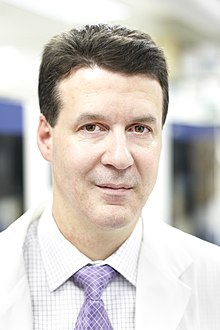 Stephen Scherer合作论文数Department of Molecular Genetics, Temerty Faculty of Medicine, University of Toronto;The Centre for Applied Genomics, The Hospital for Sick Children;Institute of Medical Science, University of Toronto;The McLaughlin Centre, Faculty of Medicine, University of Toronto14
 James S. Sutcliffe合作论文数Vanderbilt Kennedy Center, Vanderbilt University Medical Center;Vanderbilt Genetics Institute, Vanderbilt University Medical Center13
 J. Buitelaar (Jan)合作论文数Donders Institute for Brain, Cognition and Behaviour, Radboud University;Faculty of Medical Sciences, Radboud University13
 Elizabeth Heron合作论文数ISC13
 Peter Szatmari合作论文数Department of Psychiatry, Temerty Faculty of Medicine, University of Toronto;Centre for Addiction and Mental Health13Sally Ann Lynch合作论文数12
 Guiomar Oliveira合作论文数12
 Evdokia Anagnostou合作论文数Institute of Medical Science, Temerty Faculty of Medicine, University of Toronto;Department of Paediatrics, University of Toronto;Bloorview Research Institute;Holland Bloorview Kids Rehabilitation Hospital12
 Lopez Lorna M合作论文数Department of Psychology, The University of Edinburgh;Centre for Cognitive Ageing and Cognitive Epidemiology, The University of Edinburgh;The University of Edinburgh, The University of Edinburgh12
 Declan Murphy合作论文数Department of Forensic and Neurodevelopmental Science, Institute of Psychiatry, Psychology & Neuroscience, School of Academic Psychiatry, King's College London12
 Edwin H. Cook Jr.合作论文数Institute for Juvenile Research, University of Illinois at Chicago;Department of Psychiatry, College of Medicine, University of Illinois at Chicago;Division of Child and Adolescent Psychiatry, University of Illinois Hospital & Health Sciences System12
 Astrid Vicente合作论文数12
 Sean Ennis合作论文数Acad Ctr Rare Dis, Univ Coll Dublin12
 Jacob A.S. Vorstman合作论文数Department of Psychiatry, Temerty Faculty of Medicine, University of Toronto11
 Joseph D Buxbaum合作论文数Department of Psychiatry, Icahn School of Medicine at Mount Sinai;Seaver Autism Center, Icahn School of Medicine at Mount Sinai11
 Thomas Bourgeron合作论文数Neuroscience Department, Pasteur Institute;Universite de Paris11
 Ecker Christine合作论文数Department of Forensic and Neurodevelopmental Sciences, Institute of Psychiatry, De Crespigny Park, London, England. christine.ecker@kcl.ac.uk10
 Beatriz Luna合作论文数Department of Psychiatry, School of Medicine, University of Pittsburgh;Laboratory of Neurocognitive Development, Western Psychiatric Institute and Clinic, University of Pittsburgh Medical Center10
 Hilary Coon合作论文数Department of Psychiatry, School of Medicine, University of Utah;University of Utah Hospitals and Clinics10Judith Conroy合作论文数Departments of Psychiatry and Genetics, Trinity College10Jeremy R. Parr合作论文数10
 Aiden Corvin合作论文数School of Medicine, Trinity College Dublin, The University of Dublin10Fiana Ní Ghrálaigh合作论文数9
 Katherine Johnson合作论文数Melbourne School of Psychological Sciences, Faculty of Medicine, Dentistry and Health Sciences, The University of Melbourne9
 Fair Damien A合作论文数Dept Behav Neurosci, Oregon Hlth & Sci Univ9
 Mara Parellada合作论文数9
 Ciara J Molloy合作论文数9
 Filippo Maria Santorelli合作论文数Università di Pisa9Sven Bolte合作论文数9Catalina Betancur合作论文数9
 Bridget A. Fernandez合作论文数Discipline of Genetics, Memorial University of Newfoundland9
 Christian Marshall合作论文数Division of Genome Diagnostics, Department of Pediatric Laboratory Medicine, The Hospital for Sick Children;Department of Laboratory Medicine & Pathobiology, Temerty Faculty of Medicine, University of Toronto;SickKids Genome Clinic9
 Kirsten O'Hearn合作论文数Western Psychiatric Institute and Clinic, University of Pittsburgh Medical Center9
 Sara Calderoni合作论文数Department of Neurology and Laboratory of Clinical Neurobiology, IRCCS9Richard Delorme合作论文数8
 Thomas Dinneen合作论文数8
 Janusz Krawczyk合作论文数Galway Univ Hosp, Saolta Univ Hlth Care Grp SUHCG8Veronica McInerney合作论文数HRB Clin Res Facil, Natl Univ Ireland Galway8Klauck Sabine M合作论文数8Celso Arango合作论文数8Pagnamenta Alistair T合作论文数8
 van Rooij Daan合作论文数Medical Center, Radboud University;University of Groningen, University Medical Center Groningen;University of Groningen, University Medical Center Groningen8
 Katya Rubia合作论文数Department of Child & Adolescent Psychiatry, School of Academic Psychiatry, Institute of Psychiatry, Psychology & Neuroscience, , King's College London8




