Transactivator (Tat), a regulatory protein of HIV-1, plays a very important role in HIV-1 infection by promoting the rapid replication of HIV. Research surrounding Tat protein function has mainly focused on inhibition of the immune system, promotion of growth of vascular endothelial cells, and nervous system damage. To date, very little research has addressed the role of Tat in circadian rhythms. Previous studies in our lab have found that the concentration of Tat protein in HIV patients' blood was positively correlated with patients' sleep quality and melatonin concentrations. In this study, we applied a Tat expression plasmid in mice. Result demonstrated that the locomotor activities of mice and the concentration of melatonin were significantly increased. Alternatively, the expression of Clock gene was markedly decreased. On the other hand, the expression of the Cry1 gene was significantly increased, while the expression of Bmal1 and Per1 genes exhibited no significant difference.
The circadian rhythm is one of the basic systems in an organism. It helps the organism maintain harmony with the daily changes of the external environment to ensure proper physiological activities. Previous studies from our laboratory have indicated that the miR-29a/b/c can bind to the circadian clock gene hPer1 at the 3 UTR region and regulate its mRNA and protein expression, affecting various organismal physiological processes. Meanwhile, it has been reported that the circadian gene Per plays a role in the regulation of the early growth response gene Egr2, which plays an important role during midbrain development. Here, we confirmed that miR-29a/b/c regulates Egr2 function through mPer1 binding, which elucidates a novel connection between mPer1 and Egr2.
Objective To explore whether HIV TAT-protein can affect the expression of Clock,Cry,Bmal1,Per in the cell.Methods HIV-Tat protein expression plasmids were transfeeted into PC-12 with lipofectamineTM 2000,and Tat was expressed in PC-12.mRNA and protein were extracted 48 hours after transfection,and the expression of rhythm gene was detected by real-time quantitative PCR and Western-blot,respectively.Resnlts The results showed that the expression level of Cry1 was significantly increased(P<0.05).The expression of Clock was significantly decreased(P<0.05).The expression of Bmal1 and Per was not significantly changed in transfected Tat-expressing plasmid compared with untransfected and empty plasmid.Conclusion HIV Tat affects the expression of the circadian genes Cry1 and Clock,which is related to the decrease of Clock expression and the increase of Cry1 expression,Suggesting that TAT protein can affect the expression of rhythmic genes and may regulate the physiological function of cells through the influence of circadian rhythm.
The circadian system regulates many important aspects of physiology, including the immune response to infectious agents, which is mediated by the activation of the transcription factor NF-kappa B. Thus, understanding the mechanisms by which circadian clocks regulate NF-kappa B is a necessary step toward the development of improved therapies underwritten by NF-kappa B manipulation. Previous reports have identified OTUD7B a deubiquitinase, as a novel regulator of noncanonical NF-kappa B signaling, largely through the maintenance of TRAF3, a negative regulator of NF-kappa B. In investigations in our laboratory, when the Clock gene was repressed by shRNA, the results of microarray analysis demonstrated that Otud7b was down-regulated. Further research by real-time PCR and western blot revealed that that Otud7b exhibits rhythmic mRNA expression. These findings confirm Otud7b as a novel clock-regulated gene. Additionally, Otud7b may be an important bridge between the circadian system and noncanonical NF-kappa B pathway regulation.
 Junjie Ying合作论文数4
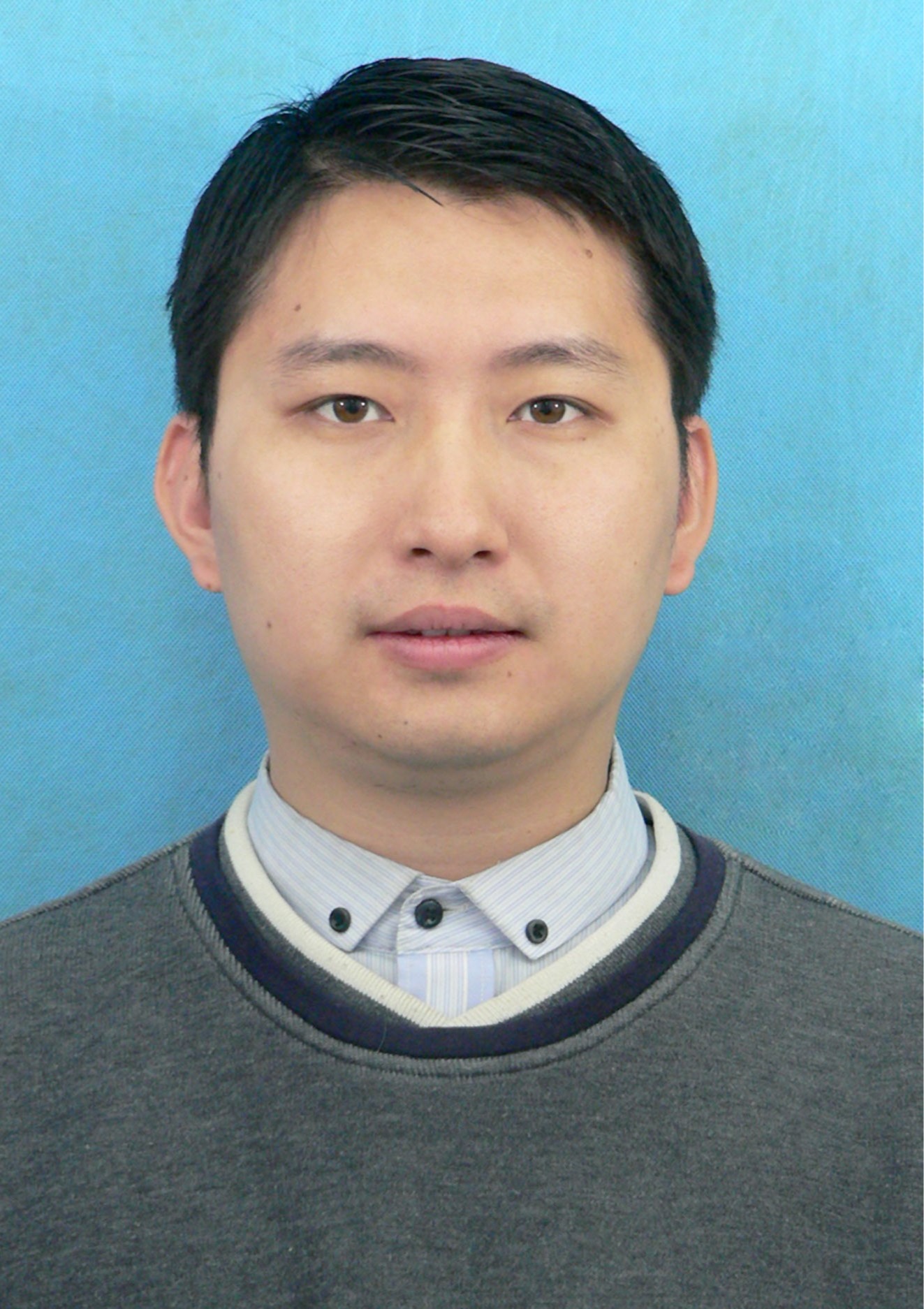 Zhou Jiang (江舟)合作论文数West China School of Basic Medical Sciences & Forensic Medicine, Sichuan University;Key Laboratory of Chronobiology, Ministry of Health, Sichuan University;School of Medicine, University College Dublin4Wang Hou合作论文数4
 Zhengrong Wang (王正荣)合作论文数四川欧美同学会·四川留学人员联谊会4Xiaoxue Li合作论文数3Shuhong Yang合作论文数3
 Yuhui Wang (汪宇辉)合作论文数West China School of Basic Medical Sciences & Forensic Medicine, Sichuan University3
 Yanyou Liu (刘延友)合作论文数West China School of Basic Medical Sciences Forensic Medicine, Sichuan University3Fang Qi合作论文数2
 Shuting Cheng (成姝婷)合作论文数West China School of Basic Medical Sciences & Forensic Medicine, Sichuan University2Zhilin Li合作论文数1HuiLing Guo合作论文数1Jing Xiao (肖晶)合作论文数1




