ABSTRACT Recent studies have suggested various mechanisms to generate melt during exhumation of deeply subducted crust, including dehydroxylation of omphacite, fluid‐absent omphacite‐ and/or phengite‐breakdown melting and fluid‐present melting. However, the space–time relationships among these mechanisms remain uncertain. Here, we report microstructural evidence of the reactions responsible for, and compositions of, low‐volume melts frozen in situ (as leucosome pockets) within weakly deformed granitic veins that cross‐cut foliated UHP eclogite boudins in gneisses from the central Sulu belt, China. Phengite in the granitic veins records crystallization pressures of 3.4–2.7 GPa, and the granitic veins have whole‐rock Sr–Nd isotope compositions and trace element patterns consistent with derivation from the eclogite. The granitic veins likely crystallized from a solute‐rich supercritical fluid or hydrous melt generated by dehydroxylation of nominally anhydrous minerals during the early stage of exhumation (decompression). Subsequently, leucosome pockets and grain‐boundary films of melt formed in the granitic veins by the successive breakdown of omphacite and phengite. Based on the mineral modes and chemical compositions of 55 leucosome pockets (cf. microgranitoids), we distinguish those with (1) high Na/K ratios mainly composed of plagioclase and euhedral amphibole with skeletal omphacite and (2) low Na/K ratios predominantly composed of K‐feldspar and plagioclase and which contain phengite with corroded margins and fine‐grained biotite. High Na/K leucosome pockets (HLPs) are consistent with a melting reaction involving mostly omphacite‐breakdown, whereas low Na/K leucosome pockets (LLPs) are inferred to have formed by a reaction consuming variable proportions of phengite and omphacite. We argue that the reactions to form HHP then LLP initiated at approximately 1.5 and 1.1 GPa, respectively, and document two different mechanisms to generate melt during exhumation of deeply subducted crust in which breakdown of omphacite occurs before (deeper than) phengite. At higher temperatures, these melt‐producing reactions would generate a larger volume of melt that potentially could facilitate exhumation and increase crust–mantle interactions, thereby increasing the compositional heterogeneity of orogenic mantle.
Understanding how deeply subducted dense mafic rocks, such as ultra-high pressure (UHP) eclogites, return to the surface is a critical issue in understanding orogenesis. Here, we report results from the Sulu belt, China, where felsic continental crust with eclogite boudins was deeply subducted then returned to the surface from >100 km depth during late-orogenic exhumation. Through quantitative field-based estimates of leucosome (a proxy for crustally-derived magma) in migmatized eclogites, we determine that leucosome forms 20–30 vol.% of the migmatized mafic crust. This leucosome was mostly sourced from eclogite (>80 vol.%) with only a minor proportion sourced from the host gneiss. Retrogression during magma migration and polybaric crystallization reduced eclogite density by 6–20% compared to representative unmigmatized UHP eclogite. Overall, the presence of leucosome leads to a ∼17% reduction in density of the mafic crust. Density modeling (with mafic crust constituting ∼5 vol.% of the UHP terrane) reveals that migmatization is critical to lowering the density of the mafic crust sufficiently relative to gneissic crust to provide a positive contribution to the overall buoyancy of the exhuming continental crust. This work represents the first large-scale field-based quantitative study documenting the reduction in density of deeply subducted UHP eclogite due to the presence of melt during exhumation. Such a reduction promotes exhumation and likely helps to explain the return of deeply subducted eclogites to the surface in orogens. We also provide critical parameterized constraints for use in geodynamic models of exhumation of partially melted eclogite-dominated tectonic units in continental subduction zones.
The global decline in fluvial sediment delivery to mega-deltas has raised widespread concerns. In the Yangtze Delta, the response processes of the sediment depocenter, under the coupled influences of fluvial sediment decline (>70% since the 1950s) and rapidly developing estuarine engineering projects, remain inadequately studied. To clarify this, we studied seabed sediments, bathymetry, and sediment diversions in the estuarine channels during 1982, 2012, and 2021. Our results reveal a general trend of sediment coarsening, with the median grain-size isolines consistently migrating seaward over the past forty years. However, the mechanisms driving this migration varied significantly. Temporally, early migration (1982-2012) occurred under conditions of relatively high fluvial sediment supply and overall deposition, reflecting the combined effects of delta progradation and subsequent hydrodynamic reworking during the transitional reduction in sediment input, while recent migration (2013-2021) reflects the erosional transformation of the abandoned depocenter margin under sediment starvation and engineering disruption. Spatially, migration rates of the isolines varied between the North and South Channels, shaped by differences and dynamic changes in sediment diversions ratios. This study underscores the vital impacts of fluvial sediment changes and human engineering on sediment dynamics within the Yangtze Estuary, providing critical insights that can inform sustainable estuarine management and sediment conservation strategies.
Intergranular coesite found in ultra-high pressure (UHP) eclogites provides critical insights into deep subduction and exhumation processes. However, its plastic deformation behavior remains not well understood. We report here the detailed deformation micro-ultramicrostructure of both intragranular and intergranular coesite, along with its surrounding minerals in UHP eclogites from the Yangkou Bay, Sulu UHP terrane. A combination analysis of electron backscatter diffraction (EBSD), focused ion beam (FIB), and transmission electron microscopy (TEM) was performed in this study. EBSD analysis reveals that retrograde quartz replacing both types of coesite displays palisade textures, whereas the quartz replacing intergranular coesite further develops bulging mosaic textures. TEM analysis shows coesite is nearly dislocation-free, while retrograde quartz exhibits abundant dislocations. The defect structures in retrograde quartz include free dislocations, dislocation tangles, and subgrain boundaries. The dislocation density, quantified from total dislocations, indicates that the retrograde quartz experienced plastic deformation under differential stress. Intragranular palisade quartz records 628–999 MPa differential stress, exceeding intergranular palisade values (517 MPa; 154–165 MPa with Brazil twins) and mosaic quartz (345–657 MPa). Lower differential stress in the intergranular coesite indicates grain boundary facilitated pressure release. Notably, the intergranular coesite is free of water-related defects; however, they were detected in the surrounding retrograde quartz. Based on these results, we proposed a “stress-controlled pressure vessel” model to explain the preservation mechanism of intergranular coesite, which can only survive among 2–3 omphacite grains during exhumation. In addition to a dry preservation environment, differential stress is a more important key factor governing the preservation of intergranular coesite. Our findings provide critical micro- to ultra-microstructural insights into the preservation mechanisms of this coesite type.
Metal hydrides have emerged as promising candidates for energy storage in clean hydrogen systems. While these materials are typically synthesized under controlled laboratory conditions, naturally occurring vanadium hydride (VH2) has been identified in mantle-derived igneous rocks, suggesting that it may from in geological environments. In this study, we investigate the formation mechanisms and melting behavior of vanadium hydride under mantle conditions by integrating high-pressure experimental techniques with molecular dynamics simulations. Our experimental results demonstrate that hydrous minerals, such as Mg(OH)2, can react with elemental vanadium (V0) at elevated temperatures (1000–1500 °C) and pressures (0.8–3 GPa) to form vanadium hydride. Molecular dynamics simulations further reveal that the melting temperature of VH2 at 1 GPa ranges between 1400 and 1500 °C. These findings suggest that natural vanadium hydride may originate in the Earth’s shallow mantle and subsequently migrate to the crust or surface through magmatic processes. This study provides a theoretical basis for further exploration of naturally occurring metal hydrides and supports the development of synthetic metal hydrides for solid-state hydrogen storage.
Brine-bearing shale reservoirs feature low porosity, low permeability, strong heterogeneity, and highly mineralized formation water. Multiscale coupling of minerals, oil, and CO2 in saline environments affects oil occurrence, fluid behavior, and CO2 storage potential. This review systematically summarizes key issues: chemical composition and evolution of formation water; regulation of mineral surface properties and wettability by salt ions; oil-water distribution and migration under nanopore confinement; and mechanisms of CO2 flooding and geological storage. Highly saline formation water can regulate oil-water distribution via electrical double-layer compression and ion adsorption, but may also induce salting-out blockage, mineral dissolution-precipitation, and pore-structure evolution, constraining CO2 flooding efficiency and storage safety. Clarifying the multiscale coupling mechanisms among salt ions, minerals, fluids, and CO2 is critical. Future work should integrate molecular simulation, microscale visualization, and multiscale characterization. These efforts will deepen mechanistic understanding and improve predictive models for efficient development and coordinated CO2 storage.
ABSTRACT Whether nominally anhydrous garnet pyroxenite can melt during exhumation from eclogite‐facies P–T conditions and, if so, what chemical composition such melts would have is largely unexplored. Here, we document petrographic, chemical, geochronological and thermodynamic modelling evidence for the initiation of in situ partial melting of nominally anhydrous eclogite‐facies garnet pyroxenite (garnet + omphacite/sodian augite + rutile) from the northern Sulu belt, China. The garnet pyroxenite forms the cores of amphibolitized boudins hosted in strongly deformed migmatitic felsic gneiss. The garnet pyroxenite is strongly foliated and comprises interlayered garnet‐rich and clinopyroxene‐rich layers. The latter contain abundant pockets (0.2–1 mm across) comprising volumetrically dominant plagioclase with euhedral grains of either clinopyroxene (Cpx + Pl leucosome) or amphibole (Amp + Pl leucosome), and locally grain‐boundary films of K‐feldspar (K‐bearing leucosome). These leucosome pockets are preferentially located at triple junctions between clinopyroxene grains and have microstructural features consistent with their crystallization from locally derived melt, including plagioclase seams extending along clinopyroxene grain boundaries in the garnet pyroxenite host. The calculated bulk composition of the leucosome pockets is consistent with melting through a process combining breakdown of clinopyroxene ± garnet, but requiring a contribution of mobile components (including H 2 O and K) from the host gneiss, yielding melts of gabbroic to monzonitic composition. U–Pb analysis of euhedral zircon cores yield Neoproterozoic ages of c. 740 Ma, whereas zircon rims yield Triassic metamorphic ages of 244–221 Ma, consistent with the late prograde to early retrograde evolution of the garnet pyroxenite during subduction of the Yangtze craton. Thermodynamic modelling shows that gradients in μ H 2 O and μ K 2 O (where μ is chemical potential) generated during decompression from eclogite‐facies P–T conditions drove diffusive transfer of material from the gneiss to the garnet pyroxenite. This interpretation is consistent with the elevated contents of large ion lithophile and light rare earth elements in most of the leucosome pockets relative to host clinopyroxene. Thirteen leucosomes are nepheline normative and five are hypersthene normative, suggesting that partial melting of nominally anhydrous garnet pyroxenite produces alkaline to subalkaline basaltic melts. Our findings indicate that clinopyroxene‐breakdown melting is an intrinsic consequence of suprasolidus decompression from eclogite‐facies P–T conditions. Although the volume of melt generated in the garnet pyroxenite was minor, our study may have wider implications for the genesis of alkalic OIB magmas.
The complexity of the pore system hindered our understanding of the storage and transport properties of organic-rich shales, which in turn brought challenges to the efficient exploration and development of shale oil and gas. This study, based on elemental, mineralogical, petrographic, and petrophysical approaches, attempts to reveal the pore structure and fractal characteristics of a suite of Permian shales collected from the northeastern Sichuan Basin, China. The results showed that meso-pores make up the main proportion of the total pore volume in the Permian shale in this study; most of the pore size distribution patterns for micro pores and meso-macropores are bimodal. Pores related to clay minerals, organic matter pores, and intragranular dissolution pores are the main storage spaces in these shales. In these samples, ink-bottle pores dominate, with some slit and wedge-shaped ones developed. The morphology of the pores in the studied shales is mainly ink-bottle pores, with some slit-shaped and wedge-shaped pores. The fractal dimension D2 is greater than D1, indicating that the homogeneity of pore space is stronger than that of the specific surface area. Quartz in Permian shales inhibits the development of macro- and mesopore spaces and enhances pore heterogeneity, while clay minerals facilitate the development of macro- and mesopore spaces and attenuate pore heterogeneity. The organic matter content shows a negative impact on the macropore volume due to the stripped occurrence and matrix filling. This study has a vital significance for current exploration and development of shale gas in Permian strata in the Sichuan Basin and offers insights for Permian shales in other basins all over the world.
Earth’s enriched lithospheric mantle is postulated to be a natural repository of gold and rare earth element (REE) concentrations. We reviewed evidence for gold and REE enriched mantle from the Jiaobei and Luxi terranes in the North China Craton (NCC), which are the world’s third largest gold province and the China’s third largest REE deposit, respectively. In both terranes, extensive Archean tonalite–trondhjemite–granodiorite (TTG) suites are exposed, but whether their mantle source and partial melting pressure are different that caused diverse metallogeny remains ambiguous. Based on a comprehensive analysis of geochemical data, zircon U–Pb, and Hf isotopic compositions from the TTGs, we evaluate the petrogenesis, crustal–mantle evolution, and the role of source magma composition in the formation of crust as well as gold and REE mineralization. Zircon U–Pb–Hf isotope systematics reveal that magma emplacement occurred during three major pulses at ca. 2.9 Ga, 2.7 Ga, and 2.5 Ga in the Jiaobei Terrane, whereas magmatism in the Luxi Terrane was largely concentrated from ca. 2.7 to 2.5 Ga. Geochemical and isotopic data show that the ca. 2.9 Ga and ca. 2.7 Ga TTGs in the Jiaobei Terrane are inferred to have been generated by high- and low-pressure partial melting of an enriched mantle wedge and mafic crust of a thickened arc. The ca. 2.6 Ga and ca. 2.5 Ga TTGs in the Jiaobei Terrane were generated from low- to medium-pressure partial melting the crust of a continental arc. The mantle was gradually metasomatized by slab–derived fluids in the Jiaobei Terrane during ca. 2.7–2.5 Ga, and by additional melts from sedimentary protoliths in the Luxi Terrane during ca. 2.6–2.5 Ga. The spatial distribution of isotopic and geochemical patterns of TTGs reveals the presence of a heterogeneous enriched lithospheric mantle beneath the Jiaobei and Luxi terranes, formed by variable degrees of metasomatism and experienced variable degrees of partial melting. We propose that mantle metasomatism induced by melts derived from sedimentary precursors and low-pressure partial melting played an important role in the formation of the REE deposits and gold fertility within the SCLM.
A newly identified tectonic sliver of low-grade Neoproterozoic continental crust comprising hybrid granitoids is exposed between Triassic ultrahigh-pressure (UHP) metamorphic rocks of the Sulu belt and the Cretaceous Laoshan granite. Outcrop evidence of magma mingling combined with the granitic mineral assemblages and primary igneous microstructures suggest >100 km difference in likely depth of subduction compared to the proximal UHP metamorphic rocks. The granitoids are cut by a brittle-to-ductile shear zone and extensional fractures that focussed fluid flow and allowed low-temperature fluid-rock alteration. Integrated accessory mineral geochronology from zircon, allanite and apatite records crystallization ages of c. 835-700 Ma and alteration ages of c.120-90 Ma. There is no evidence of the Triassic UHP metamorphic event recorded in the Neoproterozoic granitoids. The hybrid granitoids were likely generated during Neoproterozoic rifting of Rodinia, forming part of the northern margin of the Yangtze craton, but they did not experience deep subduction like other Neoproterozoic continental crust within the Sulu belt. The adjacent Cretaceous Laoshan granite was emplaced when all units were at shallow crustal depths, after >100 km of exhumation of the UHP eclogites. The Cretaceous ages retrieved from the hybrid granitoids date the brittle deformation and fluid alteration of these rocks in the Laoshan granite aureole. Cretaceous subduction retreat (slab roll back) of the paleo-Pacific plate caused extension and lithosphere thinning of the upper plate (eastern China), forming extensional shear zones and core complexes, associated with numerous granitoid intrusions, including the Laoshan granite. The extensional geological setting also facilitated preservation of this thin sliver of hybrid granitoids at the margin of the Laoshan granite adjacent to the UHP metamorphic terrane, and likely contributed to the final exhumation of the UHP metamorphic rocks of the Sulu belt. Our study shows that post-collisional extensional could be a common mechanism promoting final exhumation and exposure of deeply subducted terrains in orogens worldwide.
Providing spatio‐temporal constraints on what influences the rheology of deeply subducted continental crust during subduction–exhumation remains elusive but crucial for understanding the exhumation dynamics of ultrahigh pressure (UHP) terranes. Here, we report results of a systematic study of microstructures, crystallographic preferred orientations (CPOs) and seismic properties of four UHP–HP eclogites formed along a common P – T path from Yangkou Bay, Sulu belt, China. The eclogites have different bulk compositions and record heterogeneous strain patterns. Peak metamorphic conditions (800°C–900°C and >5.5 GPa) were retrieved from early F1 isoclinal fold hinges. Subsequent overprinting by F2 tight folds occurred during the transition to quartz‐eclogite facies. Localized shear zones exhibit amphibolite‐facies retrogression, indicative of enhanced fluid activity. Omphacite exhibits crystal plasticity, while garnet displays a brittle–plastic transition during exhumation. A change from S‐ to L‐type CPO in omphacite was controlled by folding geometry during subduction–exhumation. Strain localization controlled intergranular fluid connectivity and redistribution, correlating with increasing strain from F1 folds to localized shear zones. This process led to progressive dynamic recrystallization, and changes in deformation mechanisms and seismic properties. Dynamic recrystallization resulted in significant grain refinement, thereby triggering diffusion creep assisted grain boundary sliding in the presence of fluid. Seismic anisotropy is linked to the omphacite fabric and the presence of phengite, with modal phengite as the primary determinant in UHP–HP eclogites. Fluid migration controlled by strain localization led to heterogeneous weakening of eclogite, which enabled exhumation of tectonic slices of UHP crustal rocks from mantle depths.
Mantle wedge metasomatism is a widespread phenomenon in subduction zones. However, details of early melt generation and the extent of metasomatic processes is unclear. Here we document two distinct types of adakitic felsic rocks within the mantle wedge of the North Qaidam ultrahigh-pressure metamorphic belt. These field observations provide direct evidence for extensive mantle wedge metasomatism. Zircon and apatite U-Pb dating indicates a rapid exhumation and cooling of the subducted plate. Sr-Nd-Hf isotopic analyses, combined with forward phase equilibrium modeling of partial melting, suggest that these adakitic veins formed either through partial melting of a single continental crustal source or by mixing of melts derived from both oceanic and continental crusts. These findings underscore the critical role of melts derived from both oceanic and continental crusts in the growth and evolution of continental crust during collisional orogenic events.
Magmatic-hydrothermal Sn deposits can develop in both subduction and collision settings. However, a systematic comparison of the geochemical fingerprints and petrogenetic evolution of Sn-related granitoids from both settings is still lacking. The Tengchong-Lianghe tin belt hosts numerous Sn deposits but of different metallogenic ages, such as the Xiaolonghe and Lailishan Sn deposits, which provide an ideal study area for addressing this issue. Zircon U-Pb dating suggests that the Xiaolonghe and Lailishan Sn-related granitoids were emplaced at 74.2-75.5 and 50.0-51.1 Ma, respectively. Given the initial India-Asia collision commenced at ca. 65-60 Ma, these ages, consistent with available Sn metallogenic ages, suggest the formation of the Xiaolonghe and Lailishan Sn deposits in subduction and collisional settings, respectively. New zircon and apatite compositions, and apatite Sr isotopic data, combined with previously reported whole-rock geochemical results, all indicate that the Xiaolonghe and Lailishan Sn-related granitoids share similar magma sources, evolution processes, redox states, and volatile contents. The presence of hornblende, high apatite Nd-N/Nd-N* (mostly > 1), and whole-rock evolutionary trends, together indicate that they represent fractionated I-type granites. Distinctly elevated apatite Sr-87/Sr-86 ratios (0.70988-0.71430) suggest that they originated from an ancient lower crust. Subsequently, they underwent an extensive fractional crystallization dominated by feldspar, as revealed by whole-rock, apatite, and zircon elemental variation trends. The low zircon Ce-N/Ce-N* (mainly < 200) and Delta FMQ (-1.9 to 1.7), together with elevated apatite F content (2.30-3.69 wt%), reveal that they crystallized from reduced and F-rich magmas. The relatively high whole-rock zircon saturation temperatures (mainly > 800 degree celsius) and Ba/Pb ratios imply that they were produced at a higher temperature by biotite-dehydration melting, which requires additional heat from the mantle. The specific mechanism that triggers mantle upwelling (oceanic slab subduction or break-off) could be the most significant difference between Sn-related granitoids formed during subduction and collision processes.
Syncollisional magmatism plays an important but underappreciated role in continental crust growth and maturation. However, the origin of syncollisional intermediate magmas in continental subduction zones is controversial, with some models suggesting they form by arc-related processes, and others indicating they form by later slab breakoff−induced melting. Diorite porphyry dikes intruding granitic gneiss in the Paleo-Tethyan Sulu ultrahigh-pressure (UHP) continental collisional orogen have inherited zircon grains with 206Pb/238U ages of ca. 749−238 Ma, and magmatic zircons with weighted mean ages of 216−215 Ma, falling within the well-constrained time range (ca. 235−208 Ma) tracking exhumation of the Sulu UHP rocks from UHP peak conditions to amphibolite facies; they are thus syncollisional. The dikes have high Cr (330−402 ppm), Ni (84.5−103 ppm), and Mg# (64−66) values, showing a mantle origin. The porphyries have relatively high Sm/Yb, Nb/Y, La/Yb, and Gd/Yb ratios, representing a classic signature of slab breakoff magmatism. Together with the arc-like trace-element patterns and enriched Sr-Nd isotope compositions, ages, and εHf(t) values (−19.5 to −17.0) of magmatic zircons and their tectonic setting, we propose a syncollisional slab breakoff model in which the melts were initially generated from asthenospheric upwelling in the gap created when the oceanic slab attached to the Yangtze craton detached underneath the North China craton during Late Triassic collision following Paleo-Tethys Ocean closure. The diorite porphyry dikes have consistent Sr-Nd isotope compositions and spatiotemporal relationships with the nearby Shidao gabbro-syenite-granite complex, for which the tectonic affinity is controversial. Thus, we argue that the diorite porphyries and Shidao complex were sourced from two cratons, including the enriched subcontinental lithospheric mantle of the North China craton, which interacted with abundant felsic melts derived from the sinking slab breaking away from the subducted crust of the Yangtze continental-ocean transitional margin. This study sheds new light on crustal recycling versus continental growth in collisional orogens and implies that considerable syncollisional intermediate magmas can be generated by slab breakoff in continental subduction zones, representing hybrid additions to continental growth that are different and more evolved than arc magmas and have a composition similar to that of the bulk continental crust.
The exploration of natural hydrogen offers a promising path towards achieving energy transition and environmental protection. To gain knowledge on the occurrence of natural hydrogen in the Songliao Basin, rock samples from the hydrogen-rich intervals in the Denglouku Formation and Yingcheng Formation of Well SK-2 in the Songliao Basin were analyzed using XRD, SEM, nitrogen adsorption, and high-pressure hydrogen adsorption measurements (under 25 degrees C, 0-18 MPa). The results revealed that hydrogen adsorption mainly depended on pore structure. Hydrogen predominantly existed in adsorbed form in mesoporous and microporous pores. The amount of adsorbed hydrogen in rocks decreases with elevated temperature and increases with pressure. Hydrogen migration to the for-mations primarily occurred through faults, and sandstone mainly contained free hydrogen. Understanding the occurrence and accumulation mode of natural hydrogen in Well SK-2 contributes to the development of exploration methods and utilization of this valuable resource. (c) 2023 Hydrogen Energy Publications LLC. Published by Elsevier Ltd. All rights reserved.
Continental alkaline magmatism has been suggested to play a significant role in releasing deep mantle carbon into the atmosphere, which can greatly impact the global climate. However, the temporal variations of alkaline magmatism and their potential to modulate climate over geologic time remain poorly constrained. The detrital zircon record is a frequently used proxy for tracking secular variations in particular magmatism. Here, we use a novel machine‐learning technique to discriminate zircon from carbonatites, kimberlites, and other alkaline rocks. A global compilation of detrital zircon yields continental alkaline magmatic flare‐ups between 1,050−850, 650−500, 250−200, and 50−0 Ma. Our estimates indicate relatively elevated contributions of total magmatic carbon outgassing from alkaline magmatism during the aforementioned magmatic flare‐ups. We infer that anomalous alkaline magmatism may influence global warming during specific intervals of geologic time, but when they are not that voluminous or persistent extensive arc magmatism may drive warming conditions.
With the reduction in outcrop mines, the finding of hidden deposits has become more difficult than ever before. Traditional geochemical single element anomalies extraction, especially the ore-forming elements, are facing issues in judging regional potential mineralization, while in contrast approaches to examine geochemical association can provide more information. Along these lines, in this work, the geological knowledge and geochemical information were integrated not only to promote the understanding of regional metallogenic regularity by studying the underlying geochemical association but also to point out the important regional prospecting indicators. From our analysis, the following milestones were obtained: i) It was proposed that the main metallogenic period in the Lhasa area is concentrated in two different stages of Paleogene syn-collision and Miocene post-collision, causing three types of deposits formed, namely, porphyry deposit, skarn deposit, and hydrothermal vein deposit. Cu, Mo, Pb, and Zn were identified as the main ore-forming elements, whereas W and Au deposit were detected in some local areas, and the ore-controlling geological conditions of the aforementioned three types were simultaneously summarized; ii) Combining the existing geological knowledge with geochemical data, nine groups of compositional balances related to mineralization were selectively obtained as geochemical associations, which effectively identified the distribution of the main geological units and the mineralization range; iii) The division of the fourth-level catchment basin and the second-level catchment basin was described as an effective method to delineate the boundary of the regional mineral targets and deepen the understanding of the metallogenic regularity; iv) Based on the established regional mineral exploration model, the exploration targets of three skarn PbZn, the porphyry-skarn CuMo exploration targets of Qulong–Jiama, and the hydrothermal vein Pb-Zn-Ag/Au exploration target of Riwuduo–Nongruri were delineated.
Mongolia, a major world-class site of Cenozoic intracontinental tectonics, provides a key proxy for the long-term dynamics of Eurasia, but there has been considerable debate about the principal driving forces responsible for the intracontinental deformation. Here, we show that the Cenozoic tectonic development of Mongolia and surrounding regions was largely a consequence of the interaction of four factors: the India-Asia collision, extension of the Baikal Rift, lithosphere and mantle processes beneath the Khangay Dome, and Pacific subduction. The recent tectonic development of the Mongolian and Gobi Altay, the Gobi Tianshan Mountains, and western South Mongolia were controlled by the interplay of sinistral and dextral strike-slip faults that have formed since ~5–8 Ma by intraplate transpression. The Khangay Mountains formed on a deep seated warm upwelling that was derived from >80 km depth in the upper mantle. Khangay consists of many Cenozoic basalts, the origin and evolution of which are linked to thinning of the lithosphere via upwelling of a mantle plume. The Khentey Mountains were slightly rejuvenated to form an arched uplift caused by final Cenozoic transpressional forces from the India-Asia collision, which overlap with the effects of Pacific subduction. The Cenozoic geology of East Mongolia has a weak inheritance from Mesozoic events related to the Pacific subduction. The Sayan-Khuvsgul mountainous region formed by NS-compression against stable Siberia at ca. 10 Ma. We propose that the latitudinal ranges of Tannu-Ola in Tuva, the Tsagaan Shuvuut and Khan Khukhey Ranges and the Uvs Basin in Mongolia are included in the South Sayan tectonic block, as they all formed as a result of intraplate movements derived from the India-Asia collision. The bulwark of the Tibetan plateau displaced atmospheric Hadley Cells northward and has acted as an orographic climate barrier against the Indian monsoon that led to aridification, lack of drainage, and to local internal erosion during the Cenozoic in Mongolia.
The increasing importance of hydrogen energy has driven the demand for large-scale hydrogen storage facilities. Cavern storage in underground hydrogen reservoirs has received the most widespread attention, but many places in China lack suitable salt formations for this storage option. Here, we evaluate the hydrogen storage capacity of Jilin diatomaceous earth as a potential alternative material for large-scale hydrogen storage. The basic features of samples collected from Linjiang (Jilin, China) were characterized through scanning electron microscopy, X-ray diffraction, X-ray fluorescence spectroscopy, and nitrogen adsorption-desorption analyses. The diatomaceous earth samples showed well-preserved diatom frustules, primarily of the Coscinodiscus Ehrenberg type, resembling circular sieves with evenly distributed mesopores and macropores. The nitrogen adsorption-desorption curves exhibited type IV isotherms (IUPAC classification) with an H3 hysteresis loop, indicating well-developed pores with diameters mainly in the 20-100 nm range. The samples demonstrated strong hydrogen sorption capacity, with a sorption of 1.5 cm3/g at 25 degrees C and 4 MPa. The sorption capacity was proportional to the specific surface area and total pore volume. The confirmed reserve of Jilin diatomaceous earth in Jilin Province (3.8 x 10⁸ t) can potentially sorb 5.7 x 10⁸ m3 of hydrogen, indicating a large hydrogen storage capacity. Our study provides a new perspective for exploring materials with large-scale hydrogen storage capability.
 Timothy Michael Kusky (蒂姆·柯斯基)合作论文数Three Gorges Geohazard Research Center, State Key Lab For Geological Processes and Mineral Resources, China University of Geosciences;Sanxia Geohazards Research Center, State Key Lab For Geological Processes and Mineral Resources, China University of Geosciences;School of Earth Sciences, China University of Geosciences;Center For Global Tectonics, China University of Geosciences66
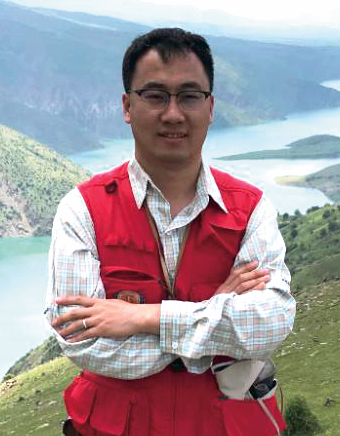 Junpeng Wang (王军鹏)合作论文数School of Earth Sciences, China University of Geosciences25
 Ali Polat (阿里·波拉特)合作论文数Canadian Journal of Earth Sciences23
 Songjie Wang合作论文数China University of Geosciences, China University of Geosciences13
 Wenbin Ning合作论文数State Key Laboratory of Geological Processes and Mineral Resources, Center for Global Tectonics, School of Earth Sciences, China University of Geosciences, Wuhan 430074, China12
 Michael Brown合作论文数Laboratory for Crustal Petrology, Department of Geology, University of Maryland11
 Yating Zhong合作论文数China Univ Geosci, Ctr Global Tecton, Sch Earth Sci, State Key Lab Geol Proc & Mineral Resources, Wuhan 430074, Peoples R China10
 Bo Huang (黄波)合作论文数10
 Hao Deng (邓浩)合作论文数School of Geosciences and Info-physics, Central South University10
 Yuanchuan Zheng (郑远川)合作论文数School of Earth Sciences and Resources, China University of Geosciences, Beijing9
 Zhijun Jin (金之钧)合作论文数Institute of Energy, Peking University9Shen Yang合作论文数8Xingfu Jiang (蒋幸福)合作论文数8
 Songbai Peng (彭松柏)合作论文数Department of Structural Geology and Geodynamics, School of Earth Sciences, China University of Geosciences, Wuhan8Qian Zhang合作论文数7Peng Feng合作论文数7Bingli Liu合作论文数Chengdu University of Technology(Chengdu University of Technology),Chengdu,China7
 Zengqian Hou (侯增谦)合作论文数Institute of Geology, Chinese Academy of Geological Sciences7Changda Wu (吴昌炟)合作论文数6Yutong Su合作论文数6
 Xiaowei Huang合作论文数6
 Zixuan Wang合作论文数Sch Gemmol, China Univ Geosci Beijing6
 Sanzhong Li (李三忠)合作论文数Key Lab of Submarine Geosciences and Prospecting Techniques, Ministry of Education, Ocean University of China;Institute of Marine Geodynamics, College of Marine Geosciences, Ocean University of China;Institute for Advanced Ocean Study, Ocean University of China6
 Tim E. Johnson合作论文数LABORATORY FOR CRUSTAL PETROLOGY;DEPARTMENT OF GEOLOGY;UNIVERSITY OF MARYLAND;LABORATORY FOR CRUSTAL PETROLOGY, UNIVERSITY OF MARYLAND6Xin Li合作论文数5
 Yaying Peng合作论文数State Key Lab Geol Proc & Mineral Resources, China Univ Geosci5Dong Fu (付冬)合作论文数5
 Nengsong Chen (陈能松)合作论文数School of Earth Sciences, China University of Geosciences, Wuhan5
 Guochun Zhao (赵国春)合作论文数Department of Earth Sciences, The University of Hong Kong5Yunhui Kong合作论文数4Wei Hu合作论文数4
 Ulambadrakh Khukhuudei合作论文数Dept Geol & Geophys, Natl Univ Mongolia4Cheng Li合作论文数4
 Jia Liu (刘佳)合作论文数School of Earth Sciences, Zhejiang University4
 Zhenmin Jin (金振民)合作论文数School of Earth Sciences, China University of Geosciences4Fu Jianmin合作论文数4
 Guowei Zhang (张国伟)合作论文数Department of Geology, Northwest University;Key Lab of Submarine Geosciences and Prospecting Techniques, Ministry of Education, Ocean University of China4
 HongTao Peng (彭红涛)合作论文数College of Water Resources & Civil Engineering, China Agricultural University4
 Kedong Yin (殷克东)合作论文数School of Marine Sciences, Sun Yat-sen University;Southern Marine Science and Engineering Guangdong Laboratory(Zhuhai)4
 Paul Robinson合作论文数Department of Earth and Environmental Sciences, Faculty of Science, Dalhousie University4
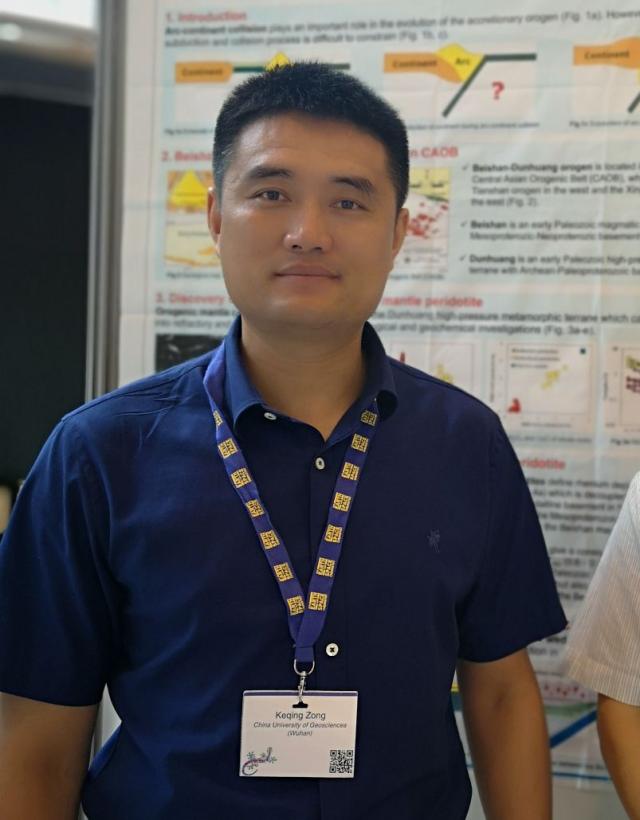 Keqing Zong (宗克清)合作论文数China University of Geosciences4
 Xiaochun Liu (刘晓春)合作论文数Chinese Academy of Geological Sciences4
 Jiannan Meng合作论文数3Xia-Wen Li合作论文数3Rui Tang合作论文数3Chuanhai Wang合作论文数3Orolzodmaa Otgonbayar合作论文数3Pei-yan Xu (徐培言)合作论文数School of Earth Sciences and Resources, China University of Geosciences, Beijing 100083, China3




