The worldwide outbreak of severe acute respiratory syndrome (SARS) in 2003 had caused a high rate of mortality. Main protease (M-Pro) of SARS-associated coronavirus (SARS-CoV) is an important target to discover pharmaceutical compounds for the therapy of this life-threatening disease. During the course of screening new anti-SARS agents, we have identified that a series of unsymmetrical aromatic disulfides inhibited SARS-CoV M-Pro significantly for the first time. Herein, 40 novel unsymmetrical aromatic disulfides were synthesized chemically and their biological activities were evaluated in vitro against SARS-CoV M-Pro. These novel compounds displayed excellent IC50 data in the range of 0.516-5.954 mu M. Preliminary studies indicated that these disulfides are reversible and mpetitive inhibitors. A possible binding mode was generated via molecular docking simulation and a comparative field analysis (CoMFA) model was constructed to understand the structure-activity relationships. The present research therefore has provided some meaningful guidance to design and identify anti-SARS drugs with totally new chemical structures. (C) 2017 Elsevier Masson SAS. All rights reserved.
Acetohydroxyacid synthase (AHAS) catalyzes the first essential biosynthetic step of branched-chain amino acids and is a biologically safe target against Mycobacterium tuberculosis (MTB). In our previous research, we used virtual screening to identify some novel AHAS inhibitors as potent antituberculosis agents. In this study, we synthesized twenty-four additional quinazolinone benzoates and explored their antitubercular activity. Five of these compounds displayed significant MTB-AHAS inhibition and their IC50 values were determined to be in the range of 6.50 mu M-12.08 mu M. Importantly, these compounds also exhibited strong in vitro activity (MICs in the range of 2.5-10 mg/L) and intracellular activity against clinically isolated extensively drug-resistant strains of M. tuberculosis. Taken together, these results indicated that the quinazolinone benzoate compounds should be regarded as promising lead compounds for the development of potent antituberculosis drugs with a novel mode of action. (C) 2015 Elsevier Masson SAS. All rights reserved.
A method of masking 3′-H-phosphonate group for the solution-phase synthesis of ribonucleotide by H-phosphonate approach was described. The phosphonic acid group was masked by bis-(2-cyanoethyl) boranophosphate during the reactions. After a successive demasking treatment by triethylamine, trityl cation, and triethylamine, the triethylammonium 3′-H-phosphonate nucleotide can be obtained efficiently ready for the coupling cycle in synthesis of oligonucleotide.
46 Novel nonsymmetrical aromatic disulfides containing [1,3,4]thiadiazole or [1,3,4]oxadiazole groups were synthesized and their biological activities were evaluated as inhibitors of acetohydroxyacid synthase (AHAS, EC 2.2.1.6). Besides their strong in vitro inhibition against plant AHAS, compounds 3e and 3f also display 80-100% post-emergence herbicidal activities in greenhouse bioassay at 1500g /ha dosage. The assay of exogenous branched-chain amino acids supplementation on rape root growth of 3e suggests that the herbicidal activity has relationship with AHAS inhibition.
 Jianguo Wang (王建国)合作论文数College of Chemistry, Nankai University3
 Xu-Meng Zhang合作论文数1Chang-Jun Cui合作论文数1Shuang Li合作论文数1Yan Cai合作论文数Tianjin Int Joint Acad Biotechnol & Med, Tianjin 300457, Peoples R China1Guo-Qing Song合作论文数1
 Rui Guo合作论文数1Mei Dong (董梅)合作论文数1
 Yonghong LI (李永红)合作论文数深圳职业技术学院,应用化学与生物技术学院1Fu Sheng合作论文数1Di Wang合作论文数1
 Baig Irshad Ahmed合作论文数Institute of Natural Science, Hanyang University1Jung In-Pil合作论文数1Sun Huijie合作论文数1
 Congwei Niu (牛聪伟)合作论文数College of Chemistry, Nankai University1
 Zefang Wang (王泽方)合作论文数School of Life Sciences, Tianjin University1Cheng Chen (陈成)合作论文数1Zaishun Li合作论文数1Jinyu Huang合作论文数1Moon-Young Yoon合作论文数1Weimin Wang (王伟民)合作论文数1
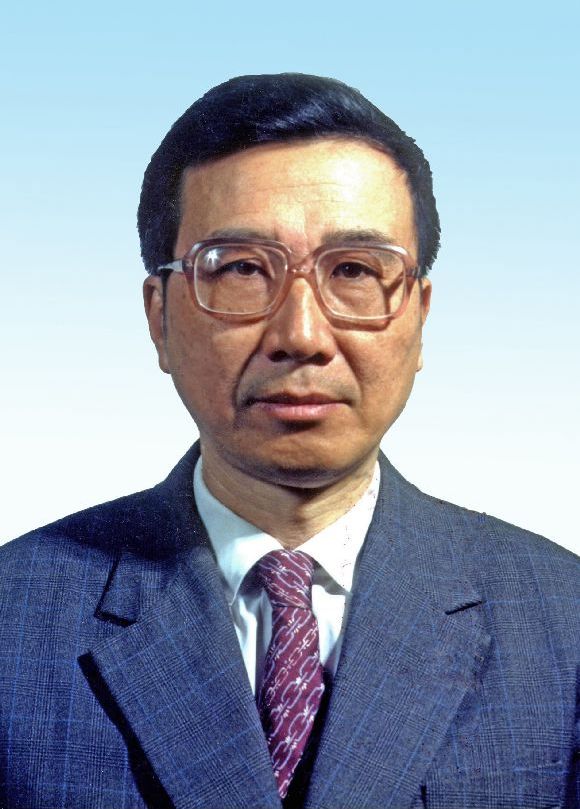 Zhengming Li (李正名)合作论文数College of Chemistry, Nankai University1
 Zhen Xi (席真)合作论文数College of Chemistry, Nankai University1
 Fuhang Song合作论文数1
 Haitao Yang (杨海涛)合作论文数School of Life Science and Technology, ShanghaiTech University;Shanghai Institute for Advanced Immunochemical Studies, ShanghaiTech University1




