Abstract Background A range of endophenotypes characterise psychosis, however there has been limited work understanding if and how they are inter-related. Methods This multi-centre study includes 8754 participants: 2212 people with a psychotic disorder, 1487 unaffected relatives of probands, and 5055 healthy controls. We investigated cognition [digit span (N = 3127), block design (N = 5491), and the Rey Auditory Verbal Learning Test (N = 3543)], electrophysiology [P300 amplitude and latency (N = 1102)], and neuroanatomy [lateral ventricular volume (N = 1721)]. We used linear regression to assess the interrelationships between endophenotypes. Results The P300 amplitude and latency were not associated (regression coef. −0.06, 95% CI −0.12 to 0.01, p = 0.060), and P300 amplitude was positively associated with block design (coef. 0.19, 95% CI 0.10–0.28, p < 0.001). There was no evidence of associations between lateral ventricular volume and the other measures (all p > 0.38). All the cognitive endophenotypes were associated with each other in the expected directions (all p < 0.001). Lastly, the relationships between pairs of endophenotypes were consistent in all three participant groups, differing for some of the cognitive pairings only in the strengths of the relationships. Conclusions The P300 amplitude and latency are independent endophenotypes; the former indexing spatial visualisation and working memory, and the latter is hypothesised to index basic processing speed. Individuals with psychotic illnesses, their unaffected relatives, and healthy controls all show similar patterns of associations between endophenotypes, endorsing the theory of a continuum of psychosis liability across the population.
BIN1 mutations are a rare cause of dominant and recessive centronuclear myopathies. We have identified a founder BIN1 c.700C > T (p.C234R) mutation in the gypsy Spanish population present in 13 patients with autosomal recessive centronuclear myopathy belonging to 8 families from Andalucía (10p), Valencia (2p) and Cataluña (1p). Eleven patients are homozygous for the BIN1 c.700C > T mutation and two of them have compound heterozygous mutations with a BIN1 c.433C > T. The haplotype analysis confirmed a common origin for the founder mutation in this population group. In addition to proximal weakness ptosis and ophthalmoplegia, the most common clinical signs included axial weakness and rigid spine, which seems to be specific to the mutation, as it has not been described in association with other BIN1 mutations. In addition, compound heterozygous BIN1 c.433C > T and c.700C > T mutations were identified in a severe congenital myotubular myopathy. To establish the prevalence of the mutation, we reviewed all muscle biopsies diagnosed with a centronuclear myopathy excluding myotubular myopathies in the last 10 years in four of the main reference centres of myopathology in Spain. Twenty-one cases were identified. Eight patients were gypsies, eight were of European non-gypsy ethnicity and in five the ethnic origin could not be determined. All gypsy patients carried the BIN1 c.700C > T mutation in homozygosity or as a compound heterozygous mutation with c.433 C > T. These eight patients are included in the previously described 13 patients. Neither the European non-gypsy nor the patients of unknown ethnic origin had the mutation. In normal gypsy controls (N = 718) a 5% of heterozygous carriers was identified among the Spanish gypsies and 0% in European non-Spanish gypsies. In conclusion, we have identified a BIN1 founder mutation in the Gypsy Spanish population which is the most frequent centronuclear myopathy cause identified in the screened populations in Spain.
331 informed the development of modern physical treatments for psychiatric disorders, in particular depression (Malhi et al. Neuropsychiatric Dis Treatment 2006, 2 165–179). We describe a study of direct current stimulation for the clinical treatment of depression and its neurobiological effects as measured electrophysiologically, in a pilot study conducted at the Black Dog Institute. Transcranial direct current stimulation (tDCS) is a noninvasive technique in which a weak direct current is applied across the scalp to alter the excitability of juxtaposed cortical tissue. The effects on neuronal membranes and neurotransmission persist beyond the periods of stimulation and can be measured using quantitative EEG. Preliminary fi ndings from seven subjects will be presented and the putative mechanism of action discussed. In addition, the literature pertaining to this fi eld will be reviewed with reference to current research in tDCS and emergent fi ndings from modern deep brain stimulation and neurosurgical interventions (Dalgleish et al. Am J Psychiatry 2004, 161 1913–1916).
In a previous study, we detected a 6p25–p24 region linked to schizophrenia in families with high composite cognitive deficit (CD) scores, a quantitative trait integrating multiple cognitive measures. Association mapping of a 10 Mb interval identified a 260 kb region with a cluster of single-nucleotide polymorphisms (SNPs) significantly associated with CD scores and memory performance. The region contains two colocalising genes, LYRM4 and FARS2, both encoding mitochondrial proteins. The two tagging SNPs with strongest evidence of association were located around the overlapping putative promoters, with rs2224391 predicted to alter a transcription factor binding site (TFBS). Sequencing the promoter region identified 22 SNPs, many predicted to affect TFBSs, in a tight linkage disequilibrium block. Luciferase reporter assays confirmed promoter activity in the predicted promoter region, and demonstrated marked downregulation of expression in the LYRM4 direction under the haplotype comprising the minor alleles of promoter SNPs, which however is not driven by rs2224391. Experimental evidence from LYRM4 expression in lymphoblasts, gel-shift assays and modelling of DNA breathing dynamics pointed to two adjacent promoter SNPs, rs7752203–rs4141761, as the functional variants affecting expression. Their C–G alleles were associated with higher transcriptional activity and preferential binding of nuclear proteins, whereas the G–A combination had opposite effects and was associated with poor memory and high CD scores. LYRM4 is a eukaryote-specific component of the mitochondrial biogenesis of Fe–S clusters, essential cofactors in multiple processes, including oxidative phosphorylation. LYRM4 downregulation may be one of the mechanisms involved in inefficient oxidative phosphorylation and oxidative stress, increasingly recognised as contributors to schizophrenia pathogenesis.
Neurocognitive dysfunction is a core feature of schizophrenia with particularly prominent deficits in verbal episodic memory. The molecular basis of this memory impairment is poorly understood and its relatedness to normal variation in memory performance is unclear. In this study, we explore, in a sample of cognitively impaired schizophrenia patients, the role of polymorphisms in seven genes recently reported to modulate episodic memory in normal subjects. Three polymorphisms (GRIN2B rs220599, GRM3 rs2189814 and PRKCA rs8074995) were associated with episodic verbal memory in both control and patients with cognitive deficit, but not in cognitively spared patients or the pooled schizophrenia sample. GRM3 and PRKCA acted in opposite directions in patients compared to controls, possibly reflecting an abnormal brain milieu and/or adverse environmental effects in schizophrenia. The encoded proteins balance glutamate signalling vs. excitotoxicity in complex interactions involving the excitatory amino acid transporter 2 (EAAT2), implicated in the dysfunctional glutamatergic signalling in schizophrenia. Double carrier status of the GRM3 and PRKCA minor alleles was associated with lower memory test scores and with increased risk of schizophrenia. Single nucleotide polymorphism (SNP) rs8074995 lies within the PRKCA region spanned by a rare haplotype associated with schizophrenia in a recent UK study and provides further evidence of PRKCA contribution to memory impairment and susceptibility to schizophrenia. Our study supports the utility of parsing the broad phenotype of schizophrenia into component cognitive endophenotypes that reduce heterogeneity and enable the capture of potentially important genetic associations.
Linkage of 10q22-q23 to schizophrenia and the recently reported association of Neuregulin 3 (NRG3) polymorphisms with high 'delusion factor' scores led us to attempt replication and further refinement of these findings in a sample of 411 schizophrenic patients and 223 nonpsychiatric control subjects. Using quantitative cognitive traits, patients were grouped into a cluster with pervasive cognitive deficit (CD) and a cluster with relatively spared cognition (CS). We found a significant association between rs6584400 and schizophrenia, with a trend for rs10883866. Post hoc analysis revealed that this result was mainly due to the CS cluster, characterized by elevated scores on Schneiderian first-rank symptoms, salience of complex delusions and positive thought disorder--thus closely related to the 'delusion factor'. In addition, both rs6584400 and rs10883866 were associated with the degraded-stimulus continuous performance task in which 'risk' alleles were associated with better than average performance in patients and worse performance in controls. This suggests that NRG3 may be modulating early attentional processes for perceptual sensitivity and vigilance, with opposite effects in affected individuals and healthy controls. The two single-nucleotide polymorphisms are in close proximity to the alternative first exons of the NRG3-a, -b and -d isoforms, of which the human brain-specific NRG-b appears to be the most interesting candidate.
Primary congenital glaucoma (PCG) is a genetically heterogeneous disorder of autosomal recessive inheritance, with mutations in the cytochrome P450 1B1 ( CYP1B1 ) gene detected in an average of ∼50% of cases worldwide. The Roma/Gypsies are considered to be a rare example of a single founder CYP1B1 mutation, E387K (identified in the Slovak Roma), accounting for 100% of disease alleles. Contrary to this concept, unusual genetic heterogeneity was revealed in this study of 21 Gypsy PCG patients from Bulgaria and 715 controls from the general Gypsy population. In our small sample of affected subjects, we identified five different CYP1B1 mutations – four known (E229K, R368H, E387K and R390C) and one novel and potentially pathogenic (F445I), which together accounted for ∼30% of disease alleles. E387K was rare in both the patient and the control group, indicating that its high frequency in the Slovak Roma is the product of local founder effect not representative of the overall molecular pattern of PCG in the Gypsy population. Data on other Mendelian disorders and on the population genetics of the Gypsies suggest that a true founder mutation is likely to exist and has remained undetected. Our analysis of another candidate gene, MYOC , and the GLC3B and GLC3C loci did not provide support for their involvement. The molecular basis of PCG in the Gypsies is thus unresolved, and diagnostic analyses should be extended beyond the E387K mutation.
About 10 million strong populations of Gypsies live in different European countries. Their population history is based on bottleneck events, leading to strong founder effects and limited genetic diversity. Interest in their unique genetic background has led to the discovery of novel disorders in Bulgaria such as hereditary motor and sensory neuropathy type Lom (HMSNL) and type Russe (HMSNR) and the congenital cataracts facial dysmorphism (CCFDN) syndrome. Studies across Europe have characterized unique founder mutations in disorders such as limb-girdle muscular dystrophy 2C (LGMD2C), congenital myasthenia syndrome (CMS) and spinal muscular atrophy (SMA). To obtain an overview about the frequency of these otherwise rare or unique monogenic disorders, our group has recently investigated affected Hungarian Gypsy families. Large experience was obtained with CMS, as 31 Gypsy families with 47 affected and 68 unaffected family members were analyzed. In 46 patients the 1267delG founder mutation has been detected in homozygous form in the CHRNE gene, whilst two independent patients showed compound heterozygosis of the frame shifting founder mutation and a missense mutation. Out of the other specific neuromuscular diseases two families showed HSMNL with homozygous R148X mutation in the NDGR1 gene and another family was linked to 10q22, the candidate region of HSMNR. Two patients T → were genetically diagnosed as having CCFDN with homozygous mutation IVS6+389C in the CTPD1 gene. Three patients were found to be affected by LGMD2C where the gamma-sarcoglycan gene carried the C283Y founder mutation in homozygous form. In Hungary, 8% of the population is represented by Romas. Therefore, the exact knowledge of the frequent disorders, with the nature and prevalence of the founder mutations and the carrier frequency is required. Precise genetic diagnosis, carrier testing and genetic counselling programs should be offered for this population at risk.
To the Editor: In a paper published in Kidney International, Coto et al.1.Coto E. Rodriguez J. Jeck N. et al.A new mutation (intron 9 +1 G>T) in the SLC12A3 gene is linked to Gitelman syndrome in Gypsies.Kidney Int. 2004; 65: 25-29Abstract Full Text Full Text PDF PubMed Scopus (54) Google Scholar,2.Riancho J.A. Saro G. Sanudo C. et al.Gitelman syndrome: genetic and expression analysis of the thiazide-sensitive sodium-chloride transporter in blood cells.Nephrol Dial Transplant. 2006; 21: 217-220Crossref PubMed Scopus (11) Google Scholar described a SLC12A3 mutation, IVS9+1G>T, subsequently shown to result in aberrant splicing and exon skipping. The 21 homozygote patients known so far belong to unrelated Gypsy families from Spain, Portugal, France, and Germany, suggesting that IVS9+1G>T is a shared ancestral mutation.1.Coto E. Rodriguez J. Jeck N. et al.A new mutation (intron 9 +1 G>T) in the SLC12A3 gene is linked to Gitelman syndrome in Gypsies.Kidney Int. 2004; 65: 25-29Abstract Full Text Full Text PDF PubMed Scopus (54) Google Scholar,2.Riancho J.A. Saro G. Sanudo C. et al.Gitelman syndrome: genetic and expression analysis of the thiazide-sensitive sodium-chloride transporter in blood cells.Nephrol Dial Transplant. 2006; 21: 217-220Crossref PubMed Scopus (11) Google Scholar To provide more comprehensive data on its molecular epidemiology in European Gypsies, we tested a panel of 599 unrelated control subjects of Roma/Gypsy ethnicity from Bulgaria (representing eight different sub-isolates), Romania, Hungary, the Czech Republic, and Spain. Amplification refractory mutation system-polymerase chain reaction was used for screening (conditions available upon request), with positive results verified by restriction-fragment length polymorphism.1.Coto E. Rodriguez J. Jeck N. et al.A new mutation (intron 9 +1 G>T) in the SLC12A3 gene is linked to Gitelman syndrome in Gypsies.Kidney Int. 2004; 65: 25-29Abstract Full Text Full Text PDF PubMed Scopus (54) Google Scholar We detected 12 heterozygotes, randomly spread between sub-isolates and geographic locations, pointing to a founder effect common to the entire European Gypsy population. The overall carrier rate is 2%, ranging between 0 and 7% in different sub-isolates. Given the variable and often nonspecific clinical manifestations of Gitelman syndrome,3.Riveira-Munoz E. Chang Q. Bindels R. Devuyst O. Gitelman's syndrome: towards genotype–phenotype correlations?.Pediatr Nephrol. 2007; 22: 326-332Crossref PubMed Scopus (64) Google Scholar this information should facilitate the diagnosis and management of affected Gypsy individuals. The allelic heterogeneity of Gitelman syndrome, with over 100 mutations in SLC12A3 identified to date, has made genotype–phenotype correlations problematic.3.Riveira-Munoz E. Chang Q. Bindels R. Devuyst O. Gitelman's syndrome: towards genotype–phenotype correlations?.Pediatr Nephrol. 2007; 22: 326-332Crossref PubMed Scopus (64) Google Scholar The observed clinical heterogeneity in individuals homozygous for the same mutation points to the potential role of modifying genes.1.Coto E. Rodriguez J. Jeck N. et al.A new mutation (intron 9 +1 G>T) in the SLC12A3 gene is linked to Gitelman syndrome in Gypsies.Kidney Int. 2004; 65: 25-29Abstract Full Text Full Text PDF PubMed Scopus (54) Google Scholar,4.Lin S.H. Cheng N.L. Hsu Y.J. Halperin M.L. Intrafamilial phenotype variability in patients with Gitelman syndrome having the same mutations in their thiazide-sensitive sodium/chloride cotransporter.Am J Kidney Dis. 2004; 43: 304-312Abstract Full Text Full Text PDF PubMed Scopus (88) Google Scholar The IVS9+1G>T founder mutation, with an expected incidence of affected homozygotes of 1:10 000 across Europe (up to 1:800 in some sub-isolates), should allow the collection of large numbers of genetically homogeneous patients, where phenotype diversity can be characterized further and the search for modifying factors can begin. This project was partly supported by a Western Australian Institute for Medical Research student scholarship to ST Bouwer.
An abstract is not available for this content. As you have access to this content, full HTML content is provided on this page. A PDF of this content is also available in through the ‘Save PDF’ action button.
The Gypsies are a trans-national founder population of Asian descent, whose genetic heritage is still incompletely characterized. Here, we describe the first founder mutation leading to a lysosomal storage disorder in this population: R59H in GLB1, which causes infantile GM1-gangliosidosis. The R59H carrier rate is approximately 2% in the general Gypsy population and approximately 10% in the Rudari sub-isolate. Haplotype analysis suggests that the Gypsy diaspora may have contributed to the spread of this mutation to South America.
 D Angelicheva合作论文数32Ivailo Tournev合作论文数Medical University27Jürgen Horst合作论文数15
 Ivo Kremensky合作论文数Laboratory of Molecular Pathology, Medical University15P. K. Thomas合作论文数13Bernd Dworniczak合作论文数Institute of Human Genetics, University of Münster13D Chandler合作论文数13Boryana Ishpekova合作论文数11
 Assen Jablensky合作论文数School of Psychiatry and Clinical Neurosciences, University of Western Australia11
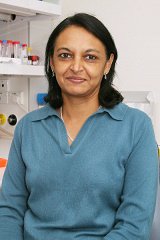 Bharti Morar合作论文数Western Australian Institute for Medical Research and Centre for Medical Research, University of Western Australia11
 Alexey Savov合作论文数11
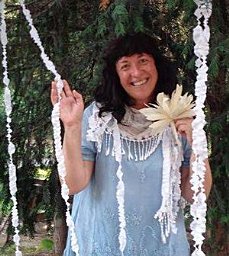 Albena Jordanova合作论文数Institute of Biophysics, Bulgarian Academy of Sciences11Luciano Merlini合作论文数10V Guergueltcheva合作论文数9
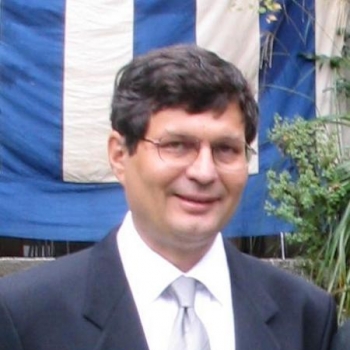 Joachim Hallmayer合作论文数Department of Psychiatry and Behavioral Sciences, School of Medicine, Stanford University9Rhm King合作论文数8Rebecca Gooding合作论文数8
 Thomas A Voit合作论文数Developmental Neurosciences Department, Great Ormond Street Institute of Child Health, Faculty of Population Health Sciences, School of Life & Medical Sciences, University College London;NIHR Great Ormond Street Hospital Biomedical Research Centre7C. Aulehla-Scholz合作论文数7
 Jaume Colomer合作论文数7
 Frank Baas合作论文数Graviton Bioscience6
 David Gresham合作论文数Department of Biology, College of Arts & Science, New York University6
 Claude Ferec合作论文数Université de Bretagne Occidentale6
 Xavier Estivill合作论文数Center for Genomic Regulation;Sidra Medical and Research Center6Bryan Youl合作论文数6Tamara Rogers合作论文数6
 Milan Dragovic合作论文数University;University of Western;Ethics Committee, Graylands Hospital;Graylands Hospital Ethics Committee, University of Western6
 Sylvia Cherninkova合作论文数5
 Giuseppe Novelli合作论文数School of Medicine, University of Nevada;University of Arkansas for Medical Sciences;Dipartimento di Biomedicina e Prevenzione, Faculty of Medicine and Surgery, University of Rome Tor Vergata5Tina Schiavello合作论文数5
 Johanna C Badcock合作论文数Centre for Clinical Research in Neuropsychiatry, Graylands Hospital5
 Kucinskas Vaidutis合作论文数5P Yanakiev合作论文数4Teresa Casals合作论文数4
 Paolo Gasparini合作论文数IRCCS Burlo Garofolo4
 Francesc D'assis Calafell Majo合作论文数Department of Medicine and Life Sciences, Faculty of Medicine and Life Sciences, Universitat Pompeu Fabra4
 Dallapiccola Bruno合作论文数Ospedale Pediatrico Bambino Gesù4Bernard Mercier合作论文数4J. R. Muddle合作论文数4Alexander Shmarov合作论文数4
 I. Litvinenko合作论文数4
 Milan Macek合作论文数Department of Biology and Medical Genetics, Second Faculty of Medicine, Charles University;National Coordination Centre for Rare Diseases;Motol University Hospital4
 Radka Kaneva合作论文数Department of Medical Chemistry and Biochemistry, Medical University -Sofia;Molecular Medicine Center, Medical University – Sofia4Hantke J合作论文数3
 Michael L Hunter合作论文数3M. Radionova合作论文数3Nadja Bogdanova合作论文数3NC KLAIN合作论文数3
 Virginia Nunes合作论文数3




