A major challenge in plant biology is to understand how the plant hormone auxin regulates diverse transcriptional responses throughout development, in different environments, and in different species. The answer may lie in the specific complement of auxin signaling components in each cell. The balance between activators (class-A AUXIN RESPONSE FACTORS) and repressors (class-B ARFs) is particularly important. It is unclear how this balance is achieved. Through comparative analysis of novel, dominant mutants in maize and the moss Physcomitrium patens , we have discovered a ∼500-million-year-old mechanism of class-B ARF protein level regulation, important in determining cell fate decisions across land plants. Thus, our results add a key piece to the puzzle of how auxin regulates plant development.
Multiple factors drive biomolecular condensate formation. In plants, condensation of the transcription factors AUXIN RESPONSE FACTOR 7 (ARF7) and ARF19 attenuates response to the plant hormone auxin. Here, we report that actin-mediated movement of cytoplasmic ARF condensates enhances condensation. Coarse-grained molecular simulations of active polymers reveal that applied forces drive the associations of macromolecules to enhance phase separation while giving rise to dense phases that preferentially accumulate motile molecules. Our study highlights how molecular motility can drive phase separation, with implications for motile condensates while offering insights into cellular mechanisms that can regulate condensate dynamics.
Plant plasticity enables the regeneration of adventitious roots upon wounding. Here, we present a protocol for inducing adventitious roots in wounded Arabidopsis hypocotyls, phenotyping, and spatiotemporal gene expression analysis. We also describe the steps for quantifying early adventitious root developmental stages. This protocol can be used to assay genetic backgrounds and chemical treatments to understand their role in regulating competency for regeneration upon wounding of the hypocotyl. For complete details on the use and execution of this protocol, please refer to Damodaran et al.1.
Understanding root development is critical for enhancing plant growth and health, and advanced technologies are essential for unraveling the complexities of these processes. In this review, we highlight select technological innovations in the study of root development, with a focus on the transformative impact of single-cell gene expression analysis. We provide a high-level overview of recent advancements, illustrating how single-cell RNA sequencing (scRNA-seq) has become a pivotal tool in plant biology. scRNA-seq has revolutionized root biology by enabling detailed, cell-specific analysis of gene expression. This has allowed researchers to create comprehensive root atlases, predict cell development, and map gene regulatory networks (GRNs) with unprecedented precision. Complementary technologies, such as multimodal profiling and bioinformatics, further enrich our understanding of cellular dynamics and gene interactions. Innovations in imaging and modeling, combined with genetic tools like CRISPR, continue to deepen our knowledge of root formation and function. Moreover, the integration of these technologies with advanced biosensors and microfluidic devices has advanced our ability to study plant-microbe interactions and phytohormone signaling at high resolution. These tools collectively provide a more comprehensive understanding of root system architecture and its regulation by environmental factors. As these technologies evolve, they promise to drive further breakthroughs in plant science, with substantial implications for agriculture and sustainability.
Transcriptional regulation involves interactions between transcription factors, coregulators, and DNA. Intrinsic disorder is a major player in this regulation, but mechanisms driven by disorder remain elusive. Here, we address molecular communication within the stress-regulating Arabidopsis thaliana transcription factor ANAC013. Through high-throughput screening of ANAC013 for transcriptional activation activity, we identify three activation domains within its C-terminal intrinsically disordered region. Two of these overlap with acidic islands and form dynamic interactions with the DNA-binding domain and are released, not only upon binding of target promoter DNA, but also by nonspecific DNA. We show that independently of DNA binding, the RST (RCD--SRO--TAF4) domain of the negative regulator RCD1 (Radical-induced Cell Death1) scavenges the two acidic activation domains positioned vis-à-vis through allovalent binding, leading to dynamic occupation at enhanced affinity. We propose an allovalency model for transcriptional regulation, where sequentially close activation domains in both DNA-bound and DNA-free states allow for efficient regulation. The model is likely relevant for many transcription factor systems, explaining the functional advantage of carrying sequentially close activation domains.
Transcription factors carry long intrinsically disordered regions often containing multiple activation domains. Despite numerous recent high-throughput identifications and characterizations of activation domains, the interplay between sequence motifs, activation domains, and regulator binding in intrinsically disordered transcription factor regions remains unresolved. Here, we map sequence motifs and activation domains in an Arabidopsis thaliana NAC transcription factor clade, revealing that although sequence motifs and activation domains often coincide, no systematic overlap exists. Biophysical analyses using NMR spectroscopy show that the long intrinsically disordered region of senescence-associated transcription factor ANAC046 is devoid of residual structure. We identify two activation domain/sequence motif regions, one at each end that both bind a panel of six positive and negative regulator domains from biologically relevant regulators promiscuously. Binding affinities measured using isothermal titration calorimetry reveal a hierarchy for regulator binding of the two ANAC046 activation domain/sequence motif regions defining these as regulatory hotspots. Despite extensive dynamic intramolecular contacts along the disordered chain revealed using paramagnetic relaxation enhancement experiments and simulations, the regions remain uncoupled in binding. Together, the results imply rheostatic regulation by ANAC046 through concentration-dependent regulator competition, a mechanism likely mirrored in other transcription factors with distantly located activation domains.
Objective:Understanding the regulation and function of plant genes is essential for addressing the challenges faced by modern agriculture. Plant transformation, in conjunction with fluorescence microscopy, offers a powerful approach to investigate the dynamic behavior of plant genes and the proteins they encode. We previously developed a set of Gateway-compatible tissue-specific plant transformation vectors. In this paper we aim to expand the toolkit of vectors available for Agrobacterium-mediated plant transformation and protoplast transfection. Results:Here, we introduce new Agrobacterium-mediated plant transformation vectors by introducing additional fluorophores to create the pJRA vector series. Additionally, we introduce the pLCS series of vectors, a new set of modular Gateway- and Gibson assembly-compatible vectors designed for protoplast transfection. All described vectors are available from Addgene to serve as a resource for the plant research community.
Directional auxin transport and formation of auxin maxima are critical for embryogenesis, organogenesis, pattern formation, and growth coordination in plants, but the mechanisms underpinning the initiation and establishment of these auxin dynamics are not fully understood. Here we show that a self-initiating and -terminating transient auxin flow along the marginal cells (MCs) contributes to the formation of an auxin maximum at the tip of Arabidopsis cotyledon that globally coordinates the interdigitation of puzzle-shaped pavement cells in the cotyledon epidermis. Prior to the interdigitation, indole butyric acid (IBA) is converted to indole acetic acid (IAA) to induce PIN2 accumulation and polarization in the marginal cells, leading to auxin flow toward and accumulation at the cotyledon tip. Once IAA levels at the cotyledon tip reaches a maximum, it activates pavement cell interdigitation as well as the accumulation of the IBA transporter TOB1 in MCs, which sequesters IBA to the vacuole and reduces IBA availability and IAA levels. The reduction of IAA levels results in PIN2 down-regulation and cessation of the auxin flow. Hence, our results elucidate a self-activating and self-terminating transient polar auxin transport system in cotyledons, contributing to the formation of localized auxin maxima that spatiotemporally coordinate pavement cell interdigitation. This study demonstrated that a PIN2-based transient polar auxin transport, through a file of elongated marginal cells (MCs), in the borders of cotyledons, underpins the formation of an auxin maximum at the tip of cotyledons. This auxin maximum contributes to the coordinated morphogenesis of the interdigitated puzzle-shaped pavement cells at the very early stage of cotyledon expansion.
Synthetic biology in plants promises to transform basic and applied research by rewiring entire developmental modules, signaling cascades or metabolic pathways. Yet, this requires expression of many genes simultaneously, very difficult with classic transgenic approaches, especially for the generation of stable traits. CRISPR activation systems work in plants and could greatly facilitate multiplexed gene activation. Current CRISPR activation systems are efficient for transient or ubiquitous expression. Yet, to fulfill their potential, CRISPR activation needs to perform robustly in specific organs and tissue types. Here, we present a CRISPR activation system that efficiently drives expression in a cell-type-specific manner in stable lines, which requires assessing expression on a cellular basis using fluorescent reporter lines. Our CRISPR systems consistently re-wire gene expression at the cellular level, inducing genes with cell-type specific expression to efficiently express in a new cell layer, such as root endodermis or epidermis. We demonstrate the power of our system to drive functionally relevant, multiplexed gene activation by achieving endodermis-specific production of wild-type levels of flavonoids, detectable by in-situ fluorescence, in a root-flavonoid deficient myb12 mutant.
Apical hook development is an ideal model for studying differential growth in plants and is controlled by complex phytohormonal crosstalk, with auxin being the major player. Here, we identified a bioactive small molecule that decelerates apical hook opening in Arabidopsis thaliana. Our genetic studies suggest that this molecule enhances or maintains the auxin maximum found in the inner hook side and requires certain auxin signaling components to modulate apical hook opening. Using biochemical approaches, we then revealed the WD40 repeat scaffold protein RECEPTOR FOR ACTIVATED C KINASE 1A (RACK1A) as a direct target of this compound. We present data in support of RACK1A playing a positive role in apical hook opening by activating specific auxin signaling mechanisms and negatively regulating the differential auxin response gradient across the hook, thereby adjusting differential cell growth, an essential process for organ structure and function in plants.
The model plant Arabidopsis thaliana has been a cornerstone of research in plant biology, contributing transformative insights into fundamental biological processes across eukaryotes. In this vignette, we explore the role of Arabidopsis in elucidating immune mechanisms, where plant studies have informed mammalian immunity and translational regulation. We discuss how Arabidopsis-driven advancements in pangenomics and repeat expansions have reshaped our understanding of genomic variability and its implications for diseases like Friedreich's ataxia. Breakthroughs in synthetic biology and bioproduction underscore the role of Arabidopsis as a testbed for engineering specialized metabolites and advancing biotechnological applications. Finally, we examine how the development of tools like auxin-inducible degradation has extended beyond plant research, providing critical methodologies to study protein function and develop novel therapeutics.
Trees with weeping shoot architectures are valued for their beauty and are a resource for understanding how plants regulate posture control. The peach (Prunus persica) weeping phenotype, which has elliptical downward arching branches, is caused by a homozygous mutation in the WEEP gene. Little is known about the function of WEEP despite its high conservation throughout Plantae. Here, we present the results of anatomical, biochemical, biomechanical, physiological, and molecular experiments that provide insight into WEEP function. Our data suggest that weeping peach trees do not have defects in branch structure. Rather, transcriptomes from the adaxial (upper) and abaxial (lower) sides of standard and weeping branch shoot tips revealed flipped expression patterns for genes associated with early auxin response, tissue patterning, cell elongation, and tension wood development. This suggests that WEEP promotes polar auxin transport toward the lower side during shoot gravitropic response, leading to cell elongation and tension wood development. In addition, weeping peach trees exhibited steeper root systems and faster lateral root gravitropic response. This suggests that WEEP moderates root gravitropism and is essential to establishing the set-point angle of lateral roots from the gravity vector. Additionally, size exclusion chromatography indicated that WEEP proteins self-oligomerize, like other proteins with sterile alpha motif domains. Collectively, our results from weeping peach provide insight into polar auxin transport mechanisms associated with gravitropism and lateral shoot and root orientation.
Arabidopsis gene expression is regulated by more than 1,900 transcription factors (TFs), which have been identified genome-wide by the presence of well-conserved DNA binding domains. Activator TFs contain activation domains (ADs) that recruit coactivator complexes; however, for nearly all Arabidopsis TFs, we lack knowledge about the presence, location, and transcriptional strength of their ADs. To address this gap, we experimentally identified Arabidopsis ADs on a proteome-wide scale, finding that over half of the Arabidopsis TFs carry an AD.
Developmental reprogramming allows for flexibility in growth and adaptation to changing environmental conditions. In plants, wounding events can result in new stem cell niches and lateral organs. Adventitious roots develop from aerial parts of the plant and are regulated by multiple stimuli, including wounding. Here, we find that Arabidopsis thaliana seedlings wounded at the hypocotyl-root junction reprogram certain pericycle cells to produce adventitious roots proximal to the wound site. We have determined that competence for this reprogramming is controlled; basal cells close to the wound site can produce adventitious roots, whereas cells distal from the wound site mostly cannot. We found that altering cytokinin response or indole-3-butyric acid (IBA)-to-(indole-3-acetic acid) IAA conversion resulted in an expanded adventitious root competence zone and delineated the connection between these pathways. Our work highlights the importance of endogenous IBA-derived auxin and its interaction with cytokinin in adventitious root formation and the regenerative properties of plants.
Gene expression in Arabidopsis is regulated by more than 1,900 transcription factors (TFs), which have been identified genome-wide by the presence of well-conserved DNA-binding domains. Activator TFs contain activation domains (ADs) that recruit coactivator complexes; however, for nearly all Arabidopsis TFs, we lack knowledge about the presence, location and transcriptional strength of their ADs(1). To address this gap, here we use a yeast library approach to experimentally identify Arabidopsis ADs on a proteome-wide scale, and find that more than half of the Arabidopsis TFs contain an AD. We annotate 1,553 ADs, the vast majority of which are, to our knowledge, previously unknown. Using the dataset generated, we develop a neural network to accurately predict ADs and to identify sequence features that are necessary to recruit coactivator complexes. We uncover six distinct combinations of sequence features that result in activation activity, providing a framework to interrogate the subfunctionalization of ADs. Furthermore, we identify ADs in the ancient AUXIN RESPONSE FACTOR family of TFs, revealing that AD positioning is conserved in distinct clades. Our findings provide a deep resource for understanding transcriptional activation, a framework for examining function in intrinsically disordered regions and a predictive model of ADs.
Plant root systems play a pivotal role in plant physiology and exhibit diverse phenotypic traits. Understanding the genetic mechanisms governing root growth and development in model plants like maize is crucial for enhancing crop resilience to drought and nutrient limitations. This study focused on identifying and characterizing ZmPILS6, an annotated auxin efflux carrier, as a key regulator of various crown root traits in maize. ZmPILS6-modified roots displayed reduced network area and suppressed lateral root formation, which are desirable traits for the “steep, cheap, and deep” ideotype. The research revealed that ZmPILS6 localizes to the endoplasmic reticulum and plays a vital role in controlling the spatial distribution of indole-3-acetic acid (IAA or “auxin”) in primary roots. The study also demonstrated that ZmPILS6 can actively efflux IAA when expressed in yeast. Furthermore, the loss of ZmPILS6 resulted in significant proteome remodeling in maize roots, particularly affecting hormone signaling pathways. To identify potential interacting partners of ZmPILS6, a weighted gene coexpression analysis was performed. Altogether, this research contributes to the growing knowledge of essential genetic determinants governing maize root morphogenesis, which is crucial for guiding agricultural improvement strategies.
High-throughput imaging enables rapid collection of large datasets and is used widely in many systems. However, this is not often used in plant-based systems due to issues related to the need to mount tissues and autofluorescence of plant metabolites. We therefore developed methodology enabling high-throughput imaging of Arabidopsis roots. In this system, growth media supplemented with India Ink (to block autofluorescence from cotyledons) is poured directly into multi-well coverglass-bottom plates and seedlings grown such that the roots grow down with the gravity vector and along the coverglass, effectively mounting themselves for imaging. This method enables high-throughput imaging of Arabidopsis roots.
Plants are exposed to a range of daily and seasonal temperatures and thus are required to regulate their cellular processes under fluctuating temperature conditions.Among various temperature-responsive genes,GLYCINE-RICH RNA BINDING PROTEIN7(GRP7)encodes a glycine-rich RNA-binding protein that provides freezing tolerance to plants(Carpenter et al.,1994;Kim et al.,2008)by acting as an RNA chaperone(Kwak et al.,2011).
The development of multicellular tissues requires both local and global coordination of cell polarization, however, the mechanisms underlying their interplay are poorly understood. In Arabidopsis, leaf epidermal pavement cells (PC) develop a puzzle-piece shape locally coordinated through apoplastic auxin signaling. Here we show auxin also globally coordinates interdigitation by activating the TIR1/AFB-dependent nuclear signaling pathway. This pathway promotes a transient maximum of auxin at the cotyledon tip, which then moves across the leaf activating local PC polarization, as demonstrated by locally uncaged auxin globally rescuing defects in tir1;afb1;afb2;afb4;afb5 mutant but not in tmk1;tmk2;tmk3;tmk4 mutants. Our findings show that hierarchically integrated global and local auxin signaling systems, which respectively depend on TIR1/AFB-dependent gene transcription in the nucleus and TMK-mediated rapid activation of ROP GTPases at the cell surface, control PC interdigitation patterns in Arabidopsis cotyledons, revealing a mechanism for coordinating a local cellular process with the development of whole tissues.
 Bonnie Bartel合作论文数Department of BioSciences, Wiess School of Natural Sciences, Rice University18
 Morffy Nicholas合作论文数College of Arts and Sciences, University of South Florida12
 Ryan Emenecker合作论文数Department of Biochemistry and Molecular Biophysics, Washington University School of Medicine11
 Hongwei W. Jing合作论文数10Edward G. Wilkinson合作论文数8
 Samantha K Powers合作论文数Dept Biol, Washington Univ8
 Korasick David A合作论文数Dept Biochem, Univ Missouri8Jeffrey Allen合作论文数7
 Frick Elizabeth M合作论文数Department of Biology, Washington University7
 Enders Tara A合作论文数Department of Biology, Washington University in St. Louis7
 Suresh Damodaran合作论文数6
 Marta Michniewicz合作论文数Center for Plant Molecular Biology, University of Tübingen6
 Sozzani Rosangela合作论文数Dept Plant & Microbial Biol, North Carolina State Univ5
 Alex Holehouse合作论文数Department of Biochemistry and Molecular Biophysics, School of Medicine, Washington University5
 Joseph Jez合作论文数Department of Biology, College of Arts & Sciences, Washington University in St. Louis5
 Sunita Pathak合作论文数Donald Danforth Plant Sci Ctr4
 Jerry Cohen合作论文数Phytohormone Biochemistry and Molecular Biology Laboratory, Department of Horticultural Science, College of Food, Agricultural and Natural Resource Sciences, University of Minnesota4
 Camille M. Steber合作论文数Wheat Genetics, Quality, Physiology and Disease Research Unit, USDA ARS4
 Karen Skriver合作论文数Department of Biology, Faculty of Science, University of Copenhagen3
 Birthe Brandt Kragelund合作论文数Department of Biology, Faculty of Science, University of Copenhagen3
 Katelyn Sageman-Furnas合作论文数Duke University3Arielle Homayouni合作论文数3
 Markus Geisler合作论文数Univ Fribourg, Dept Biol, CH-1700 Fribourg, Switzerland3O'Shea Charlotte合作论文数3
 Zhenbiao Yang (杨贞标)合作论文数Shanghai Institutes for Biological Sciences, Chinese Academy of Sciences;University of Chinese Academy of Sciences;Division of Agriculture and Natural Resources, University of California;Shenzhen University of Advanced Technology3
 Clay Wright合作论文数3
 Max Valentín Staller合作论文数Department of Molecular and Cell Biology, College of Letters & Science, University of California, Berkeley;Center for Computational Biology, University of California, Berkeley3
 Mauro Adriel Rinaldi合作论文数Department of Biochemistry and Cell Biology, Rice University3
 Jiří Friml合作论文数Institute of Science and Technology Austria3
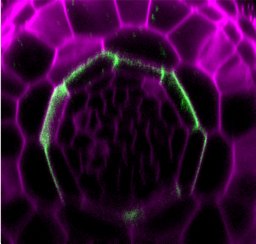 Jaimie M. Van Norman合作论文数Department of Biology, University of Utah3
 Ondrej Novak合作论文数2Andrew Scheil合作论文数2Laetitia Bariat合作论文数2Julie M. Thole合作论文数2Lauren K Gunther合作论文数2Andrea Kohler合作论文数2Dagmar Ripper合作论文数2Laurence Charrier合作论文数2José A Trujillo-Hernandez合作论文数2
 Charity Goeckeritz合作论文数2Shani Lazary合作论文数2Irene Yuan合作论文数2Sijia Liu合作论文数2
 marcelo rodrigues alves de figueiredo合作论文数Dept Bioagr Sci & Pest Management, Colorado State Univ2Andreas Prestel合作论文数2Frederik Friis Theisen合作论文数These authors contributed equally to this work.2
 Joseph Cammarata合作论文数Plant Sciences Department, Cambridge University, Downing Street, Cambridge CB2 3EA, UK2
 Yuqin Zhang (张玉芹)合作论文数University of Chinese Academy of Sciences2Barbora Parizkova合作论文数Centre of the Region Hana for Biotechnological and Agricultural Research, Faculty of Science of Palacky University & Institute of Experimental Botany of the Czech Academy of Sciences2




