Laparoscopic adjustable gastric banding is commonly used to treat obesity. It rarely results in complications, one of which is gastrointestinal erosion. Simultaneous erosion of the stomach and colon is a rare finding that has been documented in only a few case reports. We present a 62-year-old female with abdominal pain, nausea, and hematochezia. She was found to have simultaneous gastric and colonic erosion identified on CT scan. Imaging findings were confirmed and device was removed during surgery.
PURPOSE:The adolescent and young adult (AYA) population is underserved because of unique late-effect issues, particularly future fertility. This study sought to establish rates of documentation of discussion of risk of infertility, fertility preservation (FP) options, and referrals to fertility specialists in AYA patients' medical records at four cancer centers.METHODS:All centers reviewed randomized records within the top four AYA disease sites (breast, leukemia/lymphoma, sarcoma, and testicular). Eligible records included those of patients: diagnosed in 2011, with no prior receipt of gonadotoxic therapy; age 18 to 45 years; with no multiple primary cancers; and for whom record was not second opinion. Quality Oncology Practice Initiative methods were used to evaluate documentation of discussion of risk of infertility, discussion of FP options, and referral to a fertility specialist.RESULTS:Of 231 records, 26% documented infertility risk discussion, 24% documented FP option discussion, and 13% documented referral to a fertility specialist. Records were less likely to contain evidence of infertility risk and FP option discussions for female patients (P = .030 and .004, respectively) and those with breast cancer (P = .021 and < .001, respectively). Records for Hispanic/Latino patients were less likely to contain evidence of infertility risk discussion (P = .037). Records were less likely to document infertility risk discussion, FP option discussion, and fertility specialist referral for patients age ≥ 40 years (P < .001, < .001, and .002, respectively) and those who already had children (all P < .001).CONCLUSION:The overall rate of documentation of discussion of FP is low, and results show disparities among specific groups. Although greater numbers of discussions may be occurring, there is a need to create interventions to improve documentation.
Preimplantation genetic diagnosis (PGD), a form of assisted reproductive technology, is a new technology with limited awareness among health care professionals and hereditary cancer families. Nurses play a key role in the care of patients and are often in an ideal position to discuss and refer patients on sensitive quality of life issues, such as PGD. Two hundred and one nurses at Moffitt Cancer Center (MCC) responded to an online survey assessing knowledge and educational needs regarding PGD and families with hereditary cancer. The majority of respondents were female (n = 188), white (n = 175), had an RN/BSN degree (n = 83), and provided outpatient care at the cancer center (n = 102). More than half of respondents (78%) were unfamiliar with PGD prior to the survey and respondents who had heard of PGD had limited knowledge. More than half of the participants reported PGD was an acceptable option for families with hereditary cancer syndromes and thought individuals with a strong family or personal history should be provided with information about PGD. This study indicates that oncology nurses may benefit from and desire education about PGD. With advances in reproductive technology and options, further PGD education is needed among healthcare professionals. An examination of current oncology nursing curriculum and competencies regarding genetic education may identify need for future revisions and updates.
Although a great deal of research has focused on patient quality of life (QOL) after hematopoietic cell transplant (HCT), studies of caregivers are relatively scarce. The goal of the current study was to conduct a qualitative analysis of caregiver QOL after HCT. As part of a larger qualitative study examining patient education regarding post-transplant QOL, caregivers of patients who had received HCT one to four years previously were recruited. Participants attended one of four caregiver-only focus groups. Caregivers were asked to describe their own QOL after the transplant, how their QOL differed from what they expected before the transplant, the most important things they did to improve their QOL, and how to best educate future HCT caregivers. Verbatim transcripts were coded for a priori and emergent themes using content analysis. A total of 15 caregivers participated (67% female, mean age 57, range 25-65). A major theme was caregivers’ feelings of helplessness and guilt about their inability to ease patients’ physical and emotional suffering. Caregivers also emphasized the challenges of caring for the patient while taking on many of the patient’s previous responsibilities at home. Many caregivers also struggled with the demands of raising children and working while caregiving. Another major theme was ambivalence about leaving the house; caregivers reported feelings of liberation but also guilt and worry about leaving the patient at home. Regarding coping, caregivers reported deriving benefit from religion and spirituality, social support, and activities that helped them maintain their own sense of identity. Participants described a desire for more caregiver support programs at the transplant center as well as informal networks of other HCT caregivers in their community. Findings underscore the emotional and physical challenges of caring for a HCT recipient. Additional efforts are needed to facilitate psychosocial support addressing caregivers’ unique concerns.
Clinical trials provide the most promising way to improve treatment outcomes in cancer. This study examined the rate at which eligible patients with lung cancer, at a National Cancer Institute-designated cancer center in the South, were offered a clinical trial and explored for reasons for ineligibility. We retrospectively reviewed 300 randomly selected lung cancer patients' medical records seen in 2010, to assess clinical trial offers to eligible patients, reasons for not offering an eligible patient a trial, demographic factors associated with eligibility, and reasons for refusal among those offered a trial. Of the 300 patient charts, seven were excluded for lack of confirmed lung cancer diagnosis. Forty-six of the remaining 293 (15.7%) patients were eligible for a clinical trial. Forty-five of the 46 (97.8%) were considered for a trial by their oncologist. Thirty-five of the 45 (77.8%) were offered a trial: 15 agreed (42.9% of those offered, 5.1% of patients reviewed), 11 declined, and 9 were undecided at the end of the review window. Patients with poor Eastern Cooperative Oncology Group (ECOG) performance status levels and small cell (SC) diagnoses were significantly less likely to be eligible for a trial. Results suggest that oncologists at the cancer center are effectively presenting all eligible patients with the option of a clinical trial; however, there is a need to increase the number of approved clinical trials for patients with SC or ECOG score greater than 2.
Clinical trials hold great promise for cancer treatment; yet, Hispanic cancer patients have low rates of clinical trial participation. Lack of awareness and knowledge of clinical trials and language barriers may account for low participation rates. Patient education through audiovisual materials can improve knowledge of and attitudes toward clinical trials among Hispanic populations. In this study, 36 Hispanic cancer patients/survivors and caregivers in Florida and Puerto Rico participated in focus groups to aid in developing a Spanish-language DVD and booklet intervention designed to increase knowledge about clinical trials. Focus group results showed (a) low levels of knowledge about clinical trials, (b) uncertainty about why a physician would expect a patient to make a choice about treatment, and (c) desire for family participation in decision making. Respondents expressed various preferences for aspects of the DVD such as showing extended family in the DVD and physician explanations about key terms. On the basis of these preferences, the authors developed a creative brief for a DVD. The content of the DVD was reviewed by Hispanic community leaders and key stakeholders. A final DVD was created, in Spanish, using Hispanic patients and physicians, which contained the information deemed important from the focus groups and stakeholder interviews. The DVD is complete with companion booklet and currently undergoing a randomized control trial.
Background Hispanic cancer patients are underrepresented in clinical trials; research suggests lack of knowledge and language barriers contribute to low accrual. Multimedia materials offer advantages to Hispanic populations because they have high acceptability, are easy to disseminate, and can be viewed with family. Purpose Hispanic cancer patients and caregivers participated in focus groups to aid in developing a Spanish-language multimedia intervention to educate Hispanic cancer patients about clinical trials. We explored the feasibility of delivering the intervention in medical oncology clinics. Methods A total of 35 patients were randomized to either the multimedia intervention group (n = 18) or a control group (n = 17) who were asked to read the National Cancer Institute’s Spanish-language clinical trials brochure. Self-reported data on knowledge about and attitudes toward clinical trials, self-efficacy for participating in a clinical trial, intention to participate in a clinical trial if asked, and receptivity to information about a clinical trial were collected at baseline and 10 days later. Results Delivery of the multimedia presentation in oncology clinics was feasible. The intervention group had more knowledge about clinical trials at follow-up than the control group; scores for intention to participate in a clinical trial by participants in the intervention group increased from 3.8 to 4.0 of a possible 5, but declined in the control group from 4.5 to 4.1. No statistically significant difference was detected between groups in scores for attitudes or self-efficacy for making a decision to participate in a clinical trial. Limitations Our sample size was inadequate to identify differences between the informational methods. Although all patients were asked about their willingness to participate in a clinical trial, this decision was hypothetical. In addition, the study was conducted with a sample of Spanish-speaking Hispanic cancer patients at a comprehensive cancer center in Florida. Thus, the results may not generalize to other Hispanic populations. Conclusion In the pilot project, we demonstrated the feasibility of delivering multimedia information to patients in medical oncology clinics. Because delivery in a clinical setting was found to be feasible, a larger study should be conducted to evaluate the efficacy of the multimedia intervention with respect to promoting accrual of Hispanic patients to clinical trials.
In preparation for the development of a rapid tissue donation (RTD) programme, we surveyed healthcare providers (HCPs) in our institution about knowledge and attitudes related to RTD with lung cancer patients. A 31-item web based survey was developed collecting data on demographics, knowledge and attitudes about RTD. The survey contained three items measuring participants' knowledge about RTD, five items assessing attitudes towards RTD recruitment and six items assessing HCPs' level of agreement with factors influencing decisions to discuss RTD. Response options were presented on a 5-point Likert scale. Ninety-one HCPs participated in the study. 66% indicated they had never heard of RTD prior to the survey, 78% rated knowledge of RTD as none or limited and 95.6% reported not having ethical or religious concerns about discussing RTD with patients. The majority were either not comfortable (17.8%) or not sure if they felt comfortable discussing RTD with cancer patients (42.2%). 56.1% indicated their knowledge of RTD would play an integral role in their decision to discuss RTD with patients. 71.4% reported concerns with RTD discussion and the emotional state of the patient. Physicians and nurses play an important role in initiating conversations about recruitment and donation to research that can ultimately influence uptake. Increasing HCP knowledge about RTD is a necessary step towards building an RTD programme. Our study provides important information about characteristics associated with low levels of knowledge and practice related to RTD where additional education and training may be warranted.
Patient-related barriers have hindered cancer patients' abilities to participate in the decision-making processes to participate in clinical trials. However, little is known about patients' emotional barrier of fear and how physicians influence this barrier. We conducted 48 in-depth interviews with cancer patients to determine their knowledge and attitudes about participating in clinical trials, transcribed interviews verbatim, and qualitatively analyzed the transcripts using content analysis. For the purpose of this manuscript, we focused on findings related to the role of the emotional barrier of fear in cancer patients' perceptions of participating in clinical trials. The majority of cancer patients (n = 40, 83.3%) discussed fears surrounding clinical trials, particularly as it related to cancer diagnosis, clinical trial participation, and fear of the unknown. In conclusion, providers might consider addressing the role of fear in patients' considering participating in a clinical trial.
Abstract Introduction: Hispanic cancer patients are underrepresented in cancer clinical trials (CCTs). Recent research suggests lack of knowledge and low health literacy among non-English speaking Hispanics may contribute to low accrual rates. Audiovisual materials offer advantages to Hispanic populations in that they have been shown to have: high acceptability; easy dissemination; and can also be viewed with family. Hispanic cancer patients/survivors and caregivers participated in focus groups to aid in developing a Spanish language DVD and booklet intervention. This multi-media intervention was designed to meet the specific needs of cancer patients who prefer speaking Spanish by increasing knowledge and decreasing uncertainty about CCTs. This pilot project explored the feasibility, and effectiveness of the multimedia intervention developed by our team. Methods: 25 patients were randomized to either: (1) an intervention condition in which they were asked to view the DVD and read the accompanying brochure (n=13); or (2) a control condition in which they were asked to read the National Cancer Institute's brochure entitled “Si tiene cáncer…Lo que debería saber sobre estudios clínicos” (If You Have Cancer…What You Should Know About Clinical Trials; n=12). Self-report data on knowledge, attitudes toward participation in CCT, self efficacy for participating in CCT, likelihood of participating in a CCT, and receptivity to CCT information, were collected at two time points: 1) in person, following study enrollment, but before receipt of the intervention assignment; and 2) by telephone interview between 7 and 28 days following study enrollment. Results: Twenty-five of twenty eight eligible patients (89%) participated in the study, mean age: 51.5 years; 48% female; 72% currently married). Despite the small sample size, trends in the data suggest participants provided with the multimedia DVD and brochure intervention believed themselves to be more capable of participating in a CCT, more receptive to learning about a CCT, and reported greater likelihood of participating in a CCT compared to patients provided standard NCI educational materials. Patients in both conditions were more knowledgeable about CCTs at follow-up. Preliminary pilot data should be confirmed in a larger randomized control trial. However, a multi-media intervention found to be effective in increasing Hispanic patients’ confidence in participating and intention to participate in a CCT has the potential to be widely disseminated. Dissemination of such an intervention may improve the quality of care for Hispanic cancer patients who are eligible for CCTs. Citation Information: Cancer Epidemiol Biomarkers Prev 2011;20(10 Suppl):A30.
 Gwendolyn P. Quinn合作论文数Department of Obstetrics and Gynecology, Grossman School of Medicine, New York University12
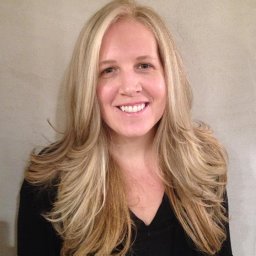 Wells Kristen J合作论文数5
 Koskan Alexis合作论文数Department of Health Outcomes and Behavior, Moffitt Cancer Center4
 Paul Jacobsen合作论文数Department of Psychology, College of Arts and Sciences, University of South Florida;Division of Cancer Control and Population Sciences, National Cancer Institute4
 Jessica McIntyre合作论文数4
 Mallory G Cases合作论文数School of Public Health, University of Alabama at Birmingham3
 Anna Barata合作论文数Hospital de la Santa Creu i Sant Pau, Universitat Autonoma de Barcelona3
 Clement K Gwede合作论文数H. Lee Moffitt Cancer Center and Research Institute3
 Cathy D. Meade合作论文数3
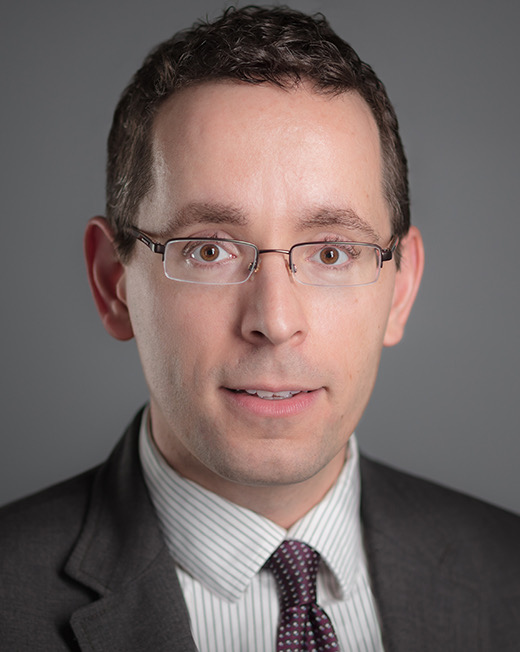 Joseph Pidala合作论文数H. Lee Moffitt Cancer Ctr & Research Institution, Moffitt Cancer Center;Department of Oncologic Sciences, University of South Florida3
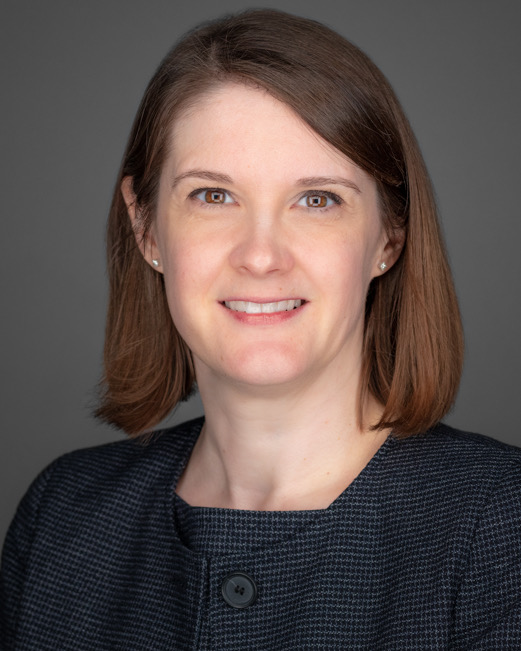 Heather Jim合作论文数Department of Health Outcomes and Behavior, Moffitt Cancer Center3Ivana Sehovic合作论文数2Muñoz-Antonia Teresita合作论文数2
 Juliette Christie合作论文数2Antolino Prado合作论文数2Cessna Julie M合作论文数2
 Gonzalez Brian D合作论文数Health Outcomes and Behavior Program, Moffitt Cancer Center2Pratt Christie合作论文数2
 Jihyun Lee合作论文数School of Education, Faculty of Arts, Design & Architecture, The University of New South Wales2
 Susan Vadaparampil合作论文数2Teresita Antonia合作论文数1
 Rebecca Block合作论文数1Rajendra P Kedar合作论文数1Melissa Rose合作论文数1
 Anna Franklin合作论文数1
 Francisco Alejandro Montiel Ishino合作论文数National Institute of Environmental Health Sciences, National Institutes of Health1
 Marla L Clayman合作论文数Northwestern University1
 Caprice A. Knapp合作论文数Department of Health Outcomes and Policy, College of Medicine, University of Florida1
 Eric Haura合作论文数Department of Thoracic Oncology & Drug Discovery, Moffitt Cancer Center1
 Sarah Arvey合作论文数Houston Health Science Center., University of Texas1Fisher Kate J合作论文数1
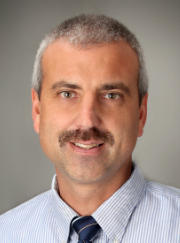 Scott Joseph Antonia合作论文数Duke Cancer Institute, School of Medicine, Duke University;Duke Human Vaccine Institute, School of Medicine, Duke University;Department of Medicine, School of Medicine, Duke University1
 Joyce Reinecke合作论文数1
 Damon Reed合作论文数1
 Ashley M Nelson合作论文数1
 Stephen Sutton合作论文数Institute of Public Health, Department of Public Health and Primary Care, University of Cambridge1Bowman Meghan L合作论文数1
 Marie Lee合作论文数Moffitt Cancer Center;Morsani College of Medicine, University of South Florida;Oregon Health &Science University;Northwestern University;Memorial Sloan Kettering Cancer Center;LIVESTRONG Foundation;MD Anderson Cancer Center, The University of Texas;and Karmanos Cancer Institute, Wayne State University;The University of Texas MD Anderson Cancer Center, Wayne State University1Ung Danielle合作论文数1
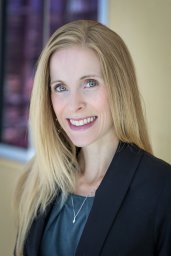 Morgan Sophia Lee合作论文数Department of Psychology, University of South Florida1Lopez Natalia合作论文数1Shah Bijal D合作论文数1Joanne Frankel Kelvin合作论文数1
 Julio Pow-Sang合作论文数Moffitt Cancer Center1
 Matthew B. Schabath合作论文数Department of Epidemiology|University of Texas M. D. Anderson Cancer Center1Susan Eggly合作论文数Wayne State University1
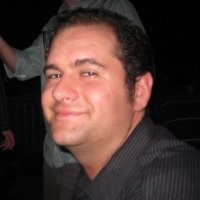 William Fulp合作论文数Bristol Myers Squibb1Brandon Hayes-Lattin合作论文数1




