Many proteins contain intrinsically disordered regions (IDRs) that are essential for their function but do not adopt a stable structure; instead, they exist as an ensemble of conformations. Because these regions lack fixed structural constraints, traditional structure-based and alignment-based approaches are often ineffective for studying their sequence-function relationships. Here, we present an approach that combines molecular evolution with genetic complementation to extract functional sequence features of an IDR. We use the budding yeast RNA-binding protein Rim4 as a model system. Rim4 is required for sporulation, and its IDR facilitates its dual role as a translational activator and repressor. Notably, Rim4's IDR supports assembly into an SDS-resistant amyloid-like form, which is required for its repressor function. We demonstrate that the Rim4 IDR is functionally conserved across orthologous sequences spanning more than 400 million years of evolution, despite extensive sequence divergence. Our results suggest that noncomplementing Rim4 IDRs generally evolve toward higher hydrophobicity, and that reducing hydrophobicity can refunctionalize a nonfunctional IDR sequence that diverged over 200 million years ago. In the refunctionalized IDR, the activator function is restored, whereas assembly into an amyloid-like form remains uncomplemented. Overall, our findings add to evidence that IDRs can perform multiple functions, with each role optimized by distinct biochemical properties, and that evolutionary pressure favoring one function may drive the IDR toward biochemical characteristics that compromise its other functions.
Almost half of the human genome consists of retrotransposons—‘parasitic’ sequences that insert themselves into the host genome via an RNA intermediate. Although most of these sequences are silenced or mutationally deactivated, they can present opportunities for evolutionary innovation: mutation of a deteriorating retrotransposon can result in a gene that provides a selective advantage to the host in a process termed ‘domestication’1–3. The PNMA family of gag-like capsid genes was domesticated from an ancient vertebrate retrotransposon of the Metaviridae clade at least 100 million years ago4,5. PNMA1 and PNMA4 are positively regulated by the master germ cell transcription factors MYBL1 and STRA8, and their transcripts are bound by the translational regulator DAZL during gametogenesis6. This developmental regulation of PNMA1 and PNMA4 expression in gonadal tissue suggested to us that they might serve a reproductive function. Through the analysis of donated human ovaries, genome-wide association studies (GWASs) and mouse models, we found that PNMA1 and PNMA4 are necessary for the maintenance of a normal reproductive lifespan. These proteins self-assemble into capsid-like structures that exit human cells, and we observed large PNMA4 particles in mouse male gonadal tissue that contain RNA and are consistent with capsid formation. PNMA-family genes are gag-like elements of ancient retrotransposon origin whose roles in mammalian genomes is incompletely understood. Wood et al. found that two retrotransposon-derived proteins, PNMA1 and PNMA4, support mammalian fertility in both sexes and become increasingly important during aging. These proteins assemble into capsid-like structures that contain RNA and exit human cells.
Defense-associated reverse transcriptase (DRT) systems perform DNA synthesis to protect bacteria against viral infection, but the identities and functions of their DNA products remain largely unknown. We show that DRT2 systems encode an unprecedented immune pathway that involves de novo gene synthesis through rolling circle reverse transcription of a noncoding RNA (ncRNA). Programmed template jumping on the ncRNA generates a concatemeric cDNA, which becomes double-stranded upon viral infection. This DNA product constitutes a protein-coding, nearly endless open reading frame ( neo ) gene whose expression leads to potent cell growth arrest, restricting the viral infection. Our work highlights an elegant expansion of genome coding potential through RNA-templated gene creation and challenges conventional paradigms of genetic information encoded along the one-dimensional axis of genomic DNA.
Whole-genome sequencing of longitudinal tumor pairs representing transformation of follicular lymphoma to high-grade B cell lymphoma with MYC and BCL2 rearrangements (double-hit lymphoma) identified coding and noncoding genomic alterations acquired during lymphoma progression. Many of these transformation-associated alterations recurrently and focally occur at topologically associating domain resident regulatory DNA elements, including H3K4me3 promoter marks located within H3K27ac super-enhancer clusters in B cell non-Hodgkin lymphoma. One region found to undergo recurrent alteration upon transformation overlaps a super-enhancer affecting the expression of the PAX5 / ZCCHC7 gene pair. ZCCHC7 encodes a subunit of the Trf4/5-Air1/2-Mtr4 polyadenylation-like complex and demonstrated copy number gain, chromosomal translocation and enhancer retargeting-mediated transcriptional upregulation upon lymphoma transformation. Consequently, lymphoma cells demonstrate nucleolar dysregulation via altered noncoding 5.8S ribosomal RNA processing. We find that a noncoding mutation acquired during lymphoma progression affects noncoding rRNA processing, thereby rewiring protein synthesis leading to oncogenic changes in the lymphoma proteome.
Amyloid-like protein assemblies have been associated with toxic phenotypes because of their repetitive and stable structure. However, evidence that cells exploit these structures to control function and activity of some proteins in response to stimuli has questioned this paradigm. How amyloid-like assembly can confer emergent functions and how cells couple assembly with environmental conditions remains unclear. Here, we study Rim4, an RNA-binding protein that forms translation-repressing assemblies during yeast meiosis. We demonstrate that in its assembled and repressive state, Rim4 binds RNA more efficiently than in its monomeric and idle state, revealing a causal connection between assembly and function. The Rim4-binding site location within the transcript dictates whether the assemblies can repress translation, underscoring the importance of the architecture of this RNA-protein structure for function. Rim4 assembly depends exclusively on its intrinsically disordered region and is prevented by the Ras/protein kinase A signaling pathway, which promotes growth and suppresses meiotic entry in yeast. Our results suggest a mechanism whereby cells couple a functional protein assembly with a stimulus to enforce a cell fate decision.
Budding yeast cells have the capacity to adopt few but distinct physiological states depending on environmental conditions. Vegetative cells proliferate rapidly by budding while spores can survive prolonged periods of nutrient deprivation and/or desiccation. Whether or not a yeast cell will enter meiosis and sporulate represents a critical decision that could be lethal if made in error. Most cell fate decisions, including those of yeast, are understood as being triggered by the activation of master transcription factors. However, mechanisms that enforce cell fates posttranscriptionally have been more difficult to attain. Here, we perform a forward genetic screen to determine RNA-binding proteins that affect meiotic entry at the posttranscriptional level. Our screen revealed several candidates with meiotic entry phenotypes, the most significant being RIE1, which encodes an RRM-containing protein. We demonstrate that Rie1 binds RNA, is associated with the translational machinery, and acts posttranscriptionally to enhance protein levels of the master transcription factor Ime1 in sporulation conditions. We also identified a physical binding partner of Rie1, Sgn1, which is another RRM-containing protein that plays a role in timely Ime1 expression. We demonstrate that these proteins act independently of cell size regulation pathways to promote meiotic entry. We propose a model explaining how constitutively expressed RNA-binding proteins, such as Rie1 and Sgn1, can act in cell fate decisions both as switch-like enforcers and as repressors of spurious cell fate activation.
Cell line and reagents Mantle cell lymphoma cell lines Jeko-1, Z-138, JVM-2, MAVER-1, multiple myeloma cell lines H929 and MM1S, diffuse large B-cell lymphoma cell lines SUDHL-6 and SUDHL-10, and MTA cell lines FEPD and MAC2A were grown in RPMI medium with 10% fetal calf serum. MAC2A and MTA (PTCL) were grown in RPMI medium with 10% fetal calf serum and 1% sodium pyruvate. OCI-LY7 and OCI-LY10, VAL (DLBCL) SMZ1 (PTCL) cell lines were grown in Iscove modified Dulbecco medium with 10% fetal calf serum. Fresh medium was added every 2 to 3 days, and the cells were kept at a cell concentration of 0.1 to 1x 10⁶ /mL. MDA-MB-231 and Cells were incubated at 37 oC in a 5% CO2 atmosphere, 95% humidity in CO2 incubator.
The epigenetic landscape of a cell frequently changes in response to fluctuations in nutrient levels, but the mechanistic link is not well understood. In fission yeast, the JmjC domain protein Epe1 is critical for maintaining the heterochromatin landscape. While loss of Epe1 results in heterochromatin expansion, overexpression of Epe1 leads to defective heterochromatin. Through a genetic screen, we found that mutations in genes of the cAMP signaling pathway suppress the heterochromatin defects associated with Epe1 overexpression. We further demonstrated that the activation of Pka1, the downstream effector of cAMP signaling, is required for the efficient translation of epe1 + mRNA to maintain Epe1 overexpression. Moreover, inactivation of the cAMP-signaling pathway, either through genetic mutations or glucose deprivation, leads to the reduction of endogenous Epe1 and corresponding heterochromatin changes. These results reveal the mechanism by which the cAMP signaling pathway regulates heterochromatin landscape in fission yeast.
Amyloids are fibrous protein aggregates associated with age-related diseases. While these aggregates are typically described as irreversible and pathogenic, some cells use reversible amyloid-like structures that serve important functions. The RNA-binding protein Rim4 forms amyloid-like assemblies that are essential for translational control during Saccharomyces cerevisiae meiosis. Rim4 amyloid-like assemblies are disassembled in a phosphorylation-dependent manner at meiosis II onset. By investigating Rim4 clearance, we elucidate co-factors that mediate clearance of amyloid-like assemblies in a physiological setting. We demonstrate that yeast 14-3-3 proteins bind to Rim4 assemblies and facilitate their subsequent phosphorylation and timely clearance. Furthermore, distinct 14-3-3 proteins play non-redundant roles in facilitating phosphorylation and clearance of amyloid-like Rim4. Additionally, we find that 14-3-3 proteins contribute to global protein aggregate homeostasis. Based on the role of 14-3-3 proteins in aggregate homeostasis and their interactions with disease-associated assemblies, we propose that these proteins may protect against pathological protein aggregates.
The initiation of the cell division process of meiosis requires exogenous signals that activate internal gene regulatory networks. Meiotic commitment ensures the irreversible continuation of meiosis, even upon withdrawal of the meiosis-inducing signals. A loss of meiotic commitment can cause highly abnormal polyploid cells and can ultimately lead to germ cell tumors. Despite the importance of meiotic commitment, only a few genes involved in commitment are known. In this study, we have discovered six new regulators of meiotic commitment in budding yeast: the Bcy1 protein involved in nutrient sensing, the meiosis-specific kinase Ime2, Polo kinase Cdc5, RNA-binding protein Pes4, and the 14-3-3 proteins Bmh1 and Bmh2. Decreased levels of these proteins cause a failure to establish or maintain meiotic commitment. Importantly, we found that Bmh1 and Bmh2 are involved in multiple processes throughout meiosis and in meiotic commitment. First, cells depleted of both Bmh1 and Bmh2 trigger the pachytene checkpoint, likely due to a role in DNA double-strand break repair. Second, Bmh1 interacts directly with the middle meiosis transcription factor Ndt80, and both Bmh1 and Bmh2 maintain Ndt80 levels. Third, Bmh1 and Bmh2 bind to Cdc5 and enhance its kinase activity. Finally, Bmh1 binds to Pes4, which regulates the timing of the translation of several mRNAs in meiosis II and is required to maintain meiotic commitment. Our results demonstrate that meiotic commitment is actively maintained throughout meiosis, with the 14-3-3 proteins and Polo kinase serving as key regulators of this developmental program.
Fusobacterium nucleatum (Fn) is a Gram-negative oral commensal, prevalent in various human diseases. It is unknown how this common commensal converts to a rampant pathogen. We report that Fn secretes an adhesin (FadA) with amyloid properties via a Fap2-like autotransporter to enhance its virulence. The extracellular FadA binds Congo Red, Thioflavin-T, and antibodies raised against human amyloid β42. Fn produces amyloid-like FadA under stress and disease conditions, but not in healthy sites or tissues. It functions as a scaffold for biofilm formation, confers acid tolerance, and mediates Fn binding to host cells. Furthermore, amyloid-like FadA induces periodontal bone loss and promotes CRC progression in mice, with virulence attenuated by amyloid-binding compounds. The uncleaved signal peptide of FadA is required for the formation and stability of mature amyloid FadA fibrils. We propose a model in which hydrophobic signal peptides serve as “hooks” to crosslink neighboring FadA filaments to form a stable amyloid-like structure. Our study provides a potential mechanistic link between periodontal disease and CRC and suggests anti-amyloid therapies as possible interventions for Fn-mediated disease processes. Fusobacterium nucleatum, an oral commensal anaerobe, secretes amyloid-like FadA to enhance its pathogenicity. Intact pre-FadA is a critical component of amyloid-like FadA, which is secreted via the autotransporter Fap2. Fusobacterium nucleatum, an oral commensal anaerobe, secretes amyloid-like FadA to enhance its pathogenicity. Intact pre-FadA is a critical component of amyloid-like FadA, which is secreted via the autotransporter Fap2.
Induction of meiosis requires exogenous signals that activate internal gene regulatory networks. Meiotic commitment ensures the irreversible continuation of meiosis, even upon withdrawal of the meiosis inducing signals. Budding yeast cells have a unique property in that cells enter meiosis when starved, but if given nutrient-rich medium prior to the commitment point, they exit meiosis and enter mitosis. After the meiotic commitment point in prometaphase I, cells remain in meiosis even with addition of nutrients. Despite the importance of meiotic commitment in ensuring the production of gametes, only a few genes involved in the commitment process are known. We performed a genome-scale screen in budding yeast and discovered new regulators of meiotic commitment including Bcy1, which is involved in nutrient sensing, the meiosis-specific kinase Ime2, Polo kinase Cdc5, and the 14-3-3 proteins Bmh1 and Bmh2. Importantly, we found that Bmh1 and Bmh2 are involved in multiple processes throughout meiosis including the maintenance of the middle meiosis transcription factor Ndt80, activation of Cdc5, and interaction with an RNA-binding protein Pes4, which is important for regulating the timing of translation of several mRNAs in meiosis II. This study identifies a meiotic commitment regulatory network with the 14-3-3 proteins functioning as central regulators.
Retrotransposon proliferation poses a threat to germline integrity. While retrotransposons must be activated in developing germ cells in order to survive and propagate, how they are selectively activated in the context of meiosis is unclear. We demonstrate that the transcriptional activation of Ty3/Gypsy retrotransposons and host defense are controlled by master meiotic regulators. We show that budding yeast Ty3/Gypsy co-opts binding sites of the essential meiotic transcription factor Ndt80 upstream of the integration site, thereby tightly linking its transcriptional activation to meiotic progression. We also elucidate how yeast cells thwart Ty3/Gypsy proliferation by blocking translation of the retrotransposon mRNA using amyloid-like assemblies of the RNA-binding protein Rim4. In mammals, several inactive Ty3/Gypsy elements are undergoing domestication. We show that mammals utilize equivalent master meiotic regulators (Stra8, Mybl1, Dazl) to regulate Ty3/Gypsy-derived genes in developing gametes. Our findings inform how genes that are evolving from retrotransposons can build upon existing regulatory networks during domestication.
Most RNA-binding modules are small and bind few nucleotides. RNA-binding proteins typically attain the physiological specificity and affinity for their RNA targets by combining several RNA-binding modules. Here, we review how disordered linkers connecting RNA-binding modules govern the specificity and affinity of RNA–protein interactions by regulating the effective concentration of these modules and their relative orientation. RNA-binding proteins also often contain extended intrinsically disordered regions that mediate protein–protein and RNA–protein interactions with multiple partners. We discuss how these regions can connect proteins and RNA resulting in heterogeneous higher-order assemblies such as membrane-less compartments and amyloid-like structures that have the characteristics of multi-modular entities. The assembled state generates additional RNA-binding specificity and affinity properties that contribute to further the function of RNA-binding proteins within the cellular environment.
Whether translation is differentially regulated across liquid and solid tumors remains poorly understood. Here we report the discovery that Casein Kinase 1 delta (CK1δ) plays a key role in regulating translation initiation in blood cancers, but interestingly, not in solid tumors. In lymphomas CK1δ is a key positive regulator of 4E-BP1 and p70S6K phosphorylation, assembly of eIF4F, and translation initiation. Furthermore, CK1δ is pulled down by m7GTP-agarose that mimics the mRNA m7G cap, consistent with the regulatory role of CK1δ in translation initiation. Targeting CK1δ using a small molecule inhibitor, namely SR-3029, potently kills lymphoma cell lines and primary lymphoma cells across histology subtypes. While SR-3029 shares with mTORC1 inhibitors the overlapping mechanism of repressing 4E-BP1 and p70S6K/RPS6 phosphorylation, the kinetics of repression is slow with SR-3029 and fast with mTORC1 inhibitors such as Torin-1. Remarkably, it is slower-acting SR-3029, but not fast-acting Torin-1, that kills lymphoma cells consistently across multiple histology subtypes. Proteomics and RNA sequencing studies show that SR-3029 represses the expression of many genes preferentially at the translation step, such as genes in the reactome translation initiation pathway. SR-3029 markedly represses the protein level of the C-MYC oncogene without decreasing its mRNA level. In contrast, Torin-1 fails to reduce the protein level of C-MYC in the same lymphoma cells. While SR-3029 also demonstrates potent activity in select solid tumors, its mechanism of action in the solid tumors is different. In breast cancer cells SR-3029 inhibits nuclear localization of β-catenin but at the same concentrations does not inhibit 4E-BP1 and p70S6K phosphorylation or global protein synthesis. Likewise, SR-3029 does not inhibit nuclear localization of β-catenin in lymphoma cells. Our results indicate that CK1δ is an mRNA cap-associated protein and an upstream kinase required for 4E-BP1 and p70S6K phosphorylation. CK1δ stimulates assembly of eIF4F and translation initiation, and is a critical driver for tumor growth in blood cancers across multiple histology types. CK1δ invokes the alternative mechanism of regulating β-catenin in select solid tumors. Our results indicate that CK1δ inhibition is a promising therapeutic strategy in both liquid and solid tumors, and the distinct roles of CK1δ in these malignancies may serve as biomarkers to enable precision cancer treatment.
![Figure][1] Angelika at a lab member's wedding in 2012. Picture courtesy of Jeremy M. Rock. The scientific world says farewell to Angelika Amon, a tremendous geneticist and cancer researcher who passed away unexpectedly at the end of October at the age of 53. In this obituary, we would
Abstract The postreplication repair gene, HLTF, is often amplified and overexpressed in cancer. Here we model HLTF dysregulation through the functionally conserved Saccharomyces cerevisiae ortholog, RAD5. Genetic interaction profiling and landscape enrichment analysis of RAD5 overexpression (RAD5OE) reveals requirements for genes involved in recombination, crossover resolution, and DNA replication. While RAD5OE and rad5Δ both cause cisplatin sensitivity and share many genetic interactions, RAD5OE specifically requires crossover resolving genes and drives recombination in a region of repetitive DNA. Remarkably, RAD5OE induced recombination does not require other post-replication repair pathway members, or the PCNA modification sites involved in regulation of this pathway. Instead, the RAD5OE phenotype depends on a conserved domain necessary for binding 3′ DNA ends. Analysis of DNA replication intermediates supports a model in which dysregulated Rad5 causes aberrant template switching at replication forks. The direct effect of Rad5 on replication forks in vivo, increased recombination, and cisplatin sensitivity predicts similar consequences for dysregulated HLTF in cancer.
ABSTRACT Comparative physiologists are often interested in adaptive physiological phenomena found in unconventional model organisms; however, research on these species is frequently constrained by the limited availability of investigative tools. Here, we propose that induced pluripotent stem cells (iPSCs) from unconventional model organisms may retain certain species-specific features that can consequently be investigated in depth in vitro; we use hibernating mammals as an example. Many species (including ground squirrels, bats and bears) can enter a prolonged state of physiological dormancy known as hibernation to survive unfavorable seasonal conditions. Our understanding of the mechanisms underpinning the rapid transition and adaptation to a hypothermic, metabolically suppressed winter torpor state remains limited partially because of the lack of an easily accessible model. To address the fascinating unanswered questions underlying hibernation biology, we have developed a powerful model system: iPSCs from a hibernating species, the thirteen-lined ground squirrel (Ictidomys tridecemlineatus). These stem cells can potentially be differentiated into any cell type, and can be used for the analysis of cell-autonomous mechanisms that facilitate adaptation to hibernation and for comparisons with non-hibernators. Furthermore, we can manipulate candidate molecular and cellular pathways underlying relevant physiological phenomena by pharmacological or RNAi-based methods, and CRISPR/Cas9 gene editing. Moreover, iPSC strategies can be applied to other species (e.g. seals, naked mole rats, humming birds) for in vitro studies on adaptation to extreme physiological conditions. In this Commentary, we discuss factors to consider when attempting to generate iPSCs from unconventional model organisms, based on our experience with the thirteen-lined ground squirrel.
 Gregory P. Copenhaver合作论文数Department of Biology, College of Arts and Sciences, The University of North Carolina at Chapel Hill;Institute for Convergent Science, The University of North Carolina at Chapel Hill;Carolina Center for Genome Science, The University of North Carolina at Chapel Hill12
 Jovanovic Marko合作论文数The Broad Institute of MIT and Harvard, Cambridge, MA 02142, USA.7
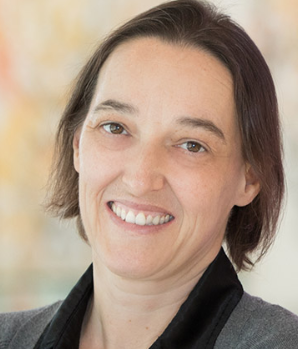 Angelika Amon合作论文数Department of Biology, Massachusetts Institute of Technology5
 Annie Dyatel合作论文数4
 Sohani Das Sharma合作论文数Department of Biological Sciences, Columbia University4Ipsita Pal合作论文数4
 Andre M. Grilo合作论文数Instituto Superior Técnico, Universidade de Lisboa4
 Changchun Deng合作论文数Division of Hem Onc, Department of Medicine, Columbia University4S. Grace Herod合作论文数3
 Raphaelle Laureau合作论文数Institut Curie, PSL Research University, CNRS, UMR 3244, Paris, France3Prabhjot Mundi合作论文数3
 Owen A O'Connor合作论文数3Luigi Scotto合作论文数Ludwig Institute Clinical Trial Center, Columbia University College of Physicians and Surgeons3Yujin Sun合作论文数3Alexandra L Bey合作论文数2Alec Gaspary合作论文数2greg kabachinski合作论文数2Chris Puccia合作论文数2Che Xiao合作论文数2
 Gizem Dursuk Osmanoglu合作论文数2Diana S. M. Ottoz合作论文数2Lauren C Tang合作论文数Columbia University2Janardan N. Gavade合作论文数2
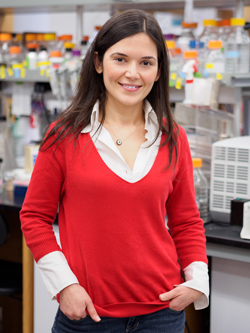 Elçin Ünal合作论文数Cell & Developmental Biology Faculty, Department of Molecular and Cell Biology, University of California, Berkeley2
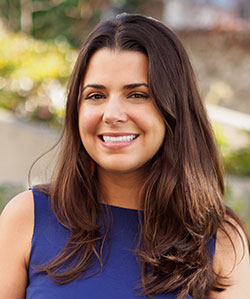 Gloria Brar合作论文数Department of Molecular & Cell Biology, College of Letters & Science, University of California, Berkeley2
 Thomas U. Schwartz合作论文数Department of Biology, Massachusetts Institute of Technology2
 Gajadhar Aaron S合作论文数Arthur &Hospital for Sick Children, Sonia Labatt Brain Tumour Research Centre;Hospital for Sick Children, Arthur & Sonia Labatt Brain Tumour Research Centre2Abdullah Ali合作论文数The Information School |DUB Group, University of Washington2
 Soni M Lacefield合作论文数Department of Biochemistry and Cell Biology, Geisel School of Medicine at Dartmouth2
 Mariya L. Samoylova合作论文数Department of Surgery, University of California2
 Siddhartha Mukherjee合作论文数Herbert Irving Comprehensive Cancer Center, Columbia University2
 White Forest合作论文数School of Engineering,MIT2
 Jason D Lieb合作论文数University of North Carolina, University of North Carolina at Chapel Hill2Bruce Futcher合作论文数2Kirk E Francis合作论文数Chemistry Division, A.E.R.E.2
 Folkert J. Van Werven合作论文数Department of Physiological Chemistry;Division of Biomedical Genetics;University Medical Centre Utrecht;Department of Physiological Chemistry, University Medical Centre Utrecht2
 Sean E. Hanlon合作论文数Department of Biology and Carolina Center for the Genome Sciences, University of North Carolina at Chapel Hill2
 Jonathan C. Trinidad合作论文数Department of Pharmaceutical Chemistry;University of California;CA;Department of Pharmaceutical Chemistry, University of California , San Francisco2
 Jonathan Weissman合作论文数Department of Biology, Massachusetts Institute of Technology;Whitehead Institute;Howard Hughes Medical Institute2Max C Lauring合作论文数1
 Xiao Chen合作论文数1Jordan Lu合作论文数1Sandy Y Lam合作论文数1Stefanie Hodapp合作论文数1P. R. Joshi合作论文数1Barbora Knotkova合作论文数1Emma Linney合作论文数1Gulzhan Raiymbek合作论文数1Jeremy Monroe合作论文数1




