The Transformer-based Whisper model has achieved state-of-the-art performance in Automatic Speech Recognition (ASR). However, its Multi-Head Attention (MHA) mechanism results in significant GPU memory consumption due to the linearly growing Key-Value (KV) cache usage, which is problematic for many applications especially with long-form audio. To address this, we introduce Whisper-MLA, a novel architecture that incorporates Multi-Head Latent Attention (MLA) into the Whisper model. Specifically, we adapt MLA for Whisper's absolute positional embeddings and systematically investigate its application across encoder self-attention, decoder self-attention, and cross-attention modules. Empirical results indicate that applying MLA exclusively to decoder self-attention yields the desired balance between performance and memory efficiency. Our proposed approach allows conversion of a pretrained Whisper model to Whisper-MLA with minimal fine-tuning. Extensive experiments on the LibriSpeech benchmark validate the effectiveness of this conversion, demonstrating that Whisper-MLA reduces the KV cache size by up to 87.5% while maintaining competitive accuracy.
Multi-modal document pre-trained models have proven to be very effective in a variety of visually-rich document understanding (VrDU) tasks. Though existing document pre-trained models have achieved excellent performance on standard benchmarks for VrDU, the way they model and exploit the interactions between vision and language on documents has hindered them from better generalization ability and higher accuracy. In this work, we investigate the problem of vision-language joint representation learning for VrDU mainly from the perspective of supervisory signals. Specifically, a pre-training paradigm called Bi-VLDoc is proposed, in which a bidirectional vision-language supervision strategy and a vision-language hybrid-attention mechanism are devised to fully explore and utilize the interactions between these two modalities, to learn stronger cross-modal document representations with richer semantics. Benefiting from the learned informative cross-modal document representations, Bi-VLDoc significantly advances the state-of-the-art performance on three widely-used document understanding benchmarks, including Form Understanding (from 85.14% to 93.44%), Receipt Information Extraction (from 96.01% to 97.84%), and Document Classification (from 96.08% to 97.12%). On Document Visual QA, Bi-VLDoc achieves the state-of-the-art performance compared to previous single model methods.
Sequence labeling is a crucial task in the NLP community that aims at identifying and assigning spans within the input sentence. It has wide applications in various fields such as information extraction, dialogue system, and sentiment analysis. However, previously proposed span-based or sequence-to-sequence models conduct locating and assigning in order, resulting in problems of error propagation and unnecessary training loss, respectively. This paper addresses the problem by reformulating the sequence labeling as a non-autoregressive set generation to realize locating and assigning in parallel. Herein, we propose a Dual-Query Set Generation (DQsetGen) model for unified sequence labeling tasks. Specifically, the dual-query set, including a prompted type query and a positional query with anchor span, is fed into the non-autoregressive decoder to probe the spans which correspond to the positional query and have similar patterns with the type query. By avoiding the autoregressive nature of previous approaches, our method significantly improves efficiency and reduces error propagation. Experimental results illustrate that our approach can obtain superior performance on 5 sub-tasks across 11 benchmark datasets. The non-autoregressive nature of our method allows for parallel computation, achieving faster inference speed than compared baselines. In conclusion, our proposed non-autoregressive dual-query set generation method offers a more efficient and accurate approach to sequence labeling tasks in NLP. Its advantages in terms of performance and efficiency make it a promising solution for various applications in data mining and other related fields.
Large pre-trained models exhibit improved table-semantic-parsing performances by leveraging large-scale corpora to enhance the representation learning ability of semantic parsers. However, existing table pre-training methods do not sufficiently consider the explicit interactions among natural language (NL) questions, SQL queries, and the corresponding database schemas, which are essential for table semantic parsing. To overcome the aforementioned limitation, this study designs a novel schema dependency prediction (SDP) objective to incorporate SQL-aware schema linking information into table pre-training. Specifically, SDP aims to predict the schema dependency connecting the NL question, table schema, and triggered SQL operations. We further propose a schema-aware curriculum learning approach (SAC) to mitigate the impact of noise present in the pre-training data and train the table pre-training model in an easy-to-hard manner. We evaluate the effectiveness of our pre-training framework by fine-tuning it on three downstream benchmarks (Spider, Spider-DK, and SQUALL). Experimental results demonstrate that the proposed pre-training method outperforms existing methods considered for comparison.
Direct end-to-end approaches for speech translation (ST) are now competing with the traditional cascade solutions. However, end-to-end models still suffer from the challenge of ST data scarcity. How to effectively utilize the limited ST data or more text machine translation (MT) data is appealing but still an open problem. The end-to-end model requires the model to have both cross-modal and cross-language capabilities, which increases the mapping difficulty. In this paper, we propose a tightly tied multitask ST model. By adding a lightweight adapter, we make the ASR decoder also be the MT encoder, where they use one language model and share the source text semantic space. Thus, our model can utilize the MT data. Our end-to-end model can accomplish the ST, ASR and MT tasks simultaneously, and multitask learning can promote the overall performance of an ST model. Our method can make efficient and full use of the limited ternary ST data and even more intelligently utilize external data. When using the limited ternary data, our ST method can achieve state-of-the-art performance in end-to-end models. When adding the external data, our method shows a significant improvement on the strong baselines.
The Visual Question Answering (VQA) task utilizes both visual image and language analysis to answer a textual question with respect to an image. It has been a popular research topic with an increasing number of real-world applications in the last decade. This paper introduces a novel hierarchical integration of vision and language AliceMind-MMU (ALIbaba's Collection of Encoder-decoders from Machine IntelligeNce lab of Damo academy - MultiMedia Understanding), which leads to similar or even slightly better results than a human being does on VQA. A hierarchical framework is designed to tackle the practical problems of VQA in a cascade manner including: (1) diverse visual semantics learning for comprehensive image content understanding; (2) enhanced multi-modal pre-training with modality adaptive attention; and (3) a knowledge-guided model integration with three specialized expert modules for the complex VQA task. Treating different types of visual questions with corresponding expertise needed plays an important role in boosting the performance of our VQA architecture up to the human level. An extensive set of experiments and analysis are conducted to demonstrate the effectiveness of the new research work.
A triple speech translation data comprises speech, transcription, and translation.In the end-to-end paradigm, text machine translation (MT) usually plays the role of a teacher model for the speech translation (ST) via knowledge distillation. Parameter sharing with the teacher is often adopted to construct the ST model architecture, however, the two modalities are independently fed and trained via different losses. This situation does not match ST’s properties across two modalities and also limits the upper bound of the performance. Inspired by the works of video Transformer, we propose a simple unified cross-modal ST method, which concatenates speech and text as the input, and builds a teacher that can utilize both cross-modal information simultaneously. Experimental results show that in our unified ST framework, models can effectively utilize the auxiliary information from speech and text, and achieve compelling results on MuST-C datasets.
The task of text-to-SQL parsing, which aims at converting natural language questions into executable SQL queries, has garnered increasing attention in recent years. One of the major challenges in text-to-SQL parsing is domain generalization, i.e., how to generalize well to unseen databases. Recently, the pre-trained text-to-text transformer model, namely T5, though not specialized for text-to-SQL parsing, has achieved state-of-the-art performance on standard benchmarks targeting domain generalization. In this work, we explore ways to further augment the pre-trained T5 model with specialized components for text-to-SQL parsing. Such components are expected to introduce structural inductive bias into text-to-SQL parsers thus improving the model’s capacity on (potentially multi-hop) reasoning, which is critical for generating structure-rich SQLs. To this end, we propose a new architecture GRAPHIX-T5, a mixed model with the standard pre-trained transformer model augmented by specially-designed graph-aware layers. Extensive experiments and analysis demonstrate the effectiveness of GRAPHIX-T5 across four text-to-SQL benchmarks: SPIDER, SYN, REALISTIC and DK. GRAPHIX-T5 surpasses all other T5-based parsers with a significant margin, achieving new state-of-the-art performance. Notably, GRAPHIX-T5-large reaches performance superior to the original T5-large by 5.7% on exact match (EM) accuracy and 6.6% on execution accuracy (EX). This even outperforms the T5-3B by 1.2% on EM and 1.5% on EX
Due to the huge amount of parameters, fine-tuning of pretrained language models (PLMs) is prone to overfitting in the low resource scenarios. In this work, we present a novel method that operates on the hidden representations of a PLM to reduce overfitting. During fine-tuning, our method inserts random autoencoders between the hidden layers of a PLM, which transform activations from the previous layers into multi-view compressed representations before feeding them into the upper layers. The autoencoders are plugged out after fine-tuning, so our method does not add extra parameters or increase computation cost during inference. Our method demonstrates promising performance improvement across a wide range of sequence- and token-level low-resource NLP tasks.
We present Pre-trained Machine Reader (PMR), a novel method for retrofitting pre-trained masked language models (MLMs) to pre-trained machine reading comprehension (MRC) models without acquiring labeled data. PMR can resolve the discrepancy between model pre-training and downstream fine-tuning of existing MLMs. To build the proposed PMR, we constructed a large volume of general-purpose and high-quality MRC-style training data by using Wikipedia hyperlinks and designed a Wiki Anchor Extraction task to guide the MRC-style pre-training. Apart from its simplicity, PMR effectively solves extraction tasks, such as Extractive Question Answering and Named Entity Recognition. PMR shows tremendous improvements over existing approaches, especially in low-resource scenarios. When applied to the sequence classification task in the MRC formulation, PMR enables the extraction of high-quality rationales to explain the classification process, thereby providing greater prediction explainability. PMR also has the potential to serve as a unified model for tackling various extraction and classification tasks in the MRC formulation.
Existing knowledge-enhanced methods have achieved remarkable results in certain QA tasks via obtaining diverse knowledge from different knowledge bases. However, limited by the properties of retrieved knowledge, they still have trouble benefiting from both the knowledge relevance and distinguishment simultaneously. To address the challenge, we propose CPACE, a Concept-centric Prompt-bAsed Contrastive Explanation Generation model, which aims to convert obtained symbolic knowledge into a contrastive explanation for better distinguishing the differences among given candidates. Firstly, following previous works, we retrieve different types of symbolic knowledge with a concept-centric knowledge extraction module. After that, we generate corresponding contrastive explanations using acquired symbolic knowledge and explanation prompts as guidance for better modeling the knowledge distinguishment and interpretability. Finally, we regard the generated contrastive explanation as external knowledge for downstream task enhancement. We conduct a series of experiments on three widely-used question-answering datasets: CSQA, QASC, and OBQA. Experimental results demonstrate that with the help of generated contrastive explanation, our CPACE model achieves new SOTA on CSQA (89.8% on the testing set, 0.9% higher than human performance), and gains impressive improvement on QASC and OBQA (4.2% and 3.5%, respectively).
Neural machine translation (NMT) is often criticized for failures that happen without awareness. The lack of competency awareness makes NMT untrustworthy. This is in sharp contrast to human translators who give feedback or conduct further investigations whenever they are in doubt about predictions. To fill this gap, we propose a novel competency-aware NMT by extending conventional NMT with a self-estimator, offering abilities to translate a source sentence and estimate its competency. The self-estimator encodes the information of the decoding procedure and then examines whether it can reconstruct the original semantics of the source sentence. Experimental results on four translation tasks demonstrate that the proposed method not only carries out translation tasks intact but also delivers outstanding performance on quality estimation. Without depending on any reference or annotated data typically required by state-of-the-art metric and quality estimation methods, our model yields an even higher correlation with human quality judgments than a variety of aforementioned methods, such as BLEURT, COMET, and BERTScore. Quantitative and qualitative analyses show better robustness of competency awareness in our model.
When directly using existing text generation datasets for controllable generation, we are facing the problem of not having the domain knowledge and thus the aspects that could be controlled are limited. A typical example is when using CNN/Daily Mail dataset for controllable text summarization, there is no guided information on the emphasis of summary sentences. A more useful text generator should leverage both the input text and the control signal to guide the generation, which can only be built with deep understanding of the domain knowledge. Motivated by this vision, our paper introduces a new text generation dataset, named MReD. Our new dataset consists of 7,089 meta-reviews and all its 45k meta-review sentences are manually annotated with one of the 9 carefully defined categories, including abstract, strength, decision, etc. We present experimental results on start-of-the-art summarization models, and propose methods for structure-controlled generation with both extractive and abstractive models using our annotated data. By exploring various settings and analyzing the model behavior with respect to the control signal, we demonstrate the challenges of our proposed task and the values of our dataset MReD. Meanwhile, MReD also allows us to have a better understanding of the meta-review domain.
QA models with lifelong learning (LL) abilities are impor- tant for practical QA applications, and architecture-based LL methods are reported to be an effective implementation for these models. However, it is non-trivial to extend previous approaches to QA tasks since they either require access to task identities in the testing phase or do not explicitly model samples from unseen tasks. In this paper, we propose Diana : a dynamic architecture-based lifelong QA model that tries to learn a sequence of QA tasks with a prompt enhanced lan- guage model. Four types of hierarchically organized prompts are used in Diana to capture QA knowledge from differ- ent granularities. Specifically, we dedicate task-level prompts to capture task-specific knowledge to retain high LL perfor- mances and maintain instance-level prompts to learn knowledge shared across different input samples to improve the model’s generalization performance. Moreover, we dedicate separate prompts to explicitly model unseen tasks and intro- duce a set of prompt key vectors to facilitate knowledge sharing between tasks. Extensive experiments demonstrate that Diana outperforms state-of-the-art lifelong QA models, especially in handling unseen tasks.
A wide range of control perspectives have been explored in controllable text generation. Structure-controlled summarization is recently proposed as a useful and interesting research direction. However, current structure-controlling methods have limited effectiveness in enforcing the desired structure. To address this limitation, we propose a sentence-level beam search generation method (SentBS), where evaluation is conducted throughout the generation process to select suitable sentences for subsequent generations. We experiment with different combinations of decoding methods to be used as subcomponents by SentBS and evaluate results on the structure-controlled dataset MReD. Experiments show that all explored combinations for SentBS can improve the agreement between the generated text and the desired structure, with the best method significantly reducing the structural discrepancies suffered by the existing model, by approximately 68
Background: Survival analysis, also known as 'time to event' analysis, is commonly used in evidence-based medicine to estimate the time until events of interest, such as mortality and disease recurrence, occur. In particular, survival analysis with competing risks is a challenging problem designed to deal with situations where there are multiple possible outcomes during the follow up of survival data, and the occurrence of one event can be precluded or impacted by another. Existing studies have attempted to address this issue by modeling the relationship between covariates and the distribution of first hit times for events of interest. However, popular parameter-based methods suffer from an overlooked flaw: competing risks are confounders that can mislead the model to learn spurious correlations between covariates and events of interest, resulting in performance degradation. Therefore, there is an urgent need to adjust survival analysis models to mitigate the bias of spurious correlations to obtain more accurate estimations.Methods: To address the problem of spurious correlations introduced by competing risks, we propose a novel paradigm: Causal Interventional Survival Analysis with competing risks. Specifically, by formalizing survival analysis under the framework of structural causal models (SCM), competing risks may introduce backdoor paths connecting covariates and events of interest, resulting in spurious correlations. Such backdoor paths can be effectively identified and removed through causal intervention - backdoor adjustment. In this way, only the true causal relations between covariates and events of interest are preserved and used for the probabilistic calculation, so that to yield accurate estimations. This solution is general and can be conveniently implemented and integrated into existing models, e.g., cs-Cox, Fine- Gray, Deep Survival Machine (DSM), DeepHit, and Dynamic-DeepHit, etc. The performance of our solution was evaluated on two inpatient datasets, MIMIC-IV and eICU, and an outpatient dataset, SEER, by performing five-fold cross-validation on each dataset. Specifically, the extracted MIMIC-IV dataset included 9,357 patients with 64 covariates and 11 competing risks; the eICU dataset included 15,731 patients with 46 covariates and 11 competing risks; the SEER dataset included 122,815 patients with 19 covariates and 3 competing risks. Each individual in the datasets had at least two competing risks. The clinical significance of the proposed solution was assessed in terms of Concordance-Index (CIndex), Net Reclassification Index (NRI), calibration and Decision Curve Analysis (DCA) of distinct competing events for all three datasets. In addition, model-agnostic Kernel SHAP (Shapley Additive Explanations) values were calculated for each covariate in the presence of each competing risk, to assess whether the causal intervention could reduce spurious correlations between covariates and events of interest.Findings: Overall, the five survival analysis models equipped with causal interventions were well calibrated and achieved significant performance gains as measured by C-Index (average performance gain of 4.66% - 11.85% for MIMIC-IV; 15.85% - 19.94% for eICU; 1.28% - 1.98% for SEER) and NRI (average improvement of 0.104 - 0.210 for MIMIC-IV; 0.068 - 0.431 for eICU; 0.014 - 0.026 for SEER) in all three datasets. The results of calibration and DCA also demonstrated the effectiveness of the proposed solution. Using Fine-Gray with/out causal intervention, the SHAP values obtained showed that casual intervention helps mitigate spurious correlations and reveal actual correlations between covariates and events of interest.Interpretation: We developed a debiasing solution for survival analysis with competing risks. Our solution learned a debiased model with causal intervention, conducting backdoor adjustment to remove spurious correlations introduced by risk confounders. Experimental results showed that the causal approach outperformed previous models in improving performance and reducing bias. The findings suggest that the debiasing solution has the potential to alleviate problems of existing models by removing/weakening the influence of covariates that are positively correlated with events of interest but not having any causal relations, and identifying covariates that are negatively correlated with events of interest but having true causal relations.Funding: We acknowledge support from the National Nature Science Foundation of China 61672450. GPUs provided by Alibaba-Zhejiang University Joint Research Center of Future Digital Healthcare.Declaration of Interest: We declare no competing interests.
Text-to-SQL parsing tackles the problem of mapping natural language questions to executable SQL queries. In practice, text-to-SQL parsers often encounter various challenging scenarios, requiring them to be generalizable and robust. While most existing work addresses a particular generalization or robustness challenge, we aim to study it in a more comprehensive manner. In specific, we believe that text-to-SQL parsers should be (1) generalizable at three levels of generalization, namely i.i.d., zero-shot, and compositional, and (2) robust against input perturbations. To enhance these capabilities of the parser, we propose a novel TKK framework consisting of Task decomposition, Knowledge acquisition, and Knowledge composition to learn text-to-SQL parsing in stages. By dividing the learning process into multiple stages, our framework improves the parser's ability to acquire general SQL knowledge instead of capturing spurious patterns, making it more generalizable and robust. Experimental results under various generalization and robustness settings show that our framework is effective in all scenarios and achieves state-of-the-art performance on the Spider, SParC, and CoSQL datasets. Code can be found at https://github.com/AlibabaResearch/DAMO-ConvAI/tree/main/tkk.
Cross-lingual named entity recognition (NER) suffers from data scarcity in the target languages, especially under zero-shot settings. Existing translate-train or knowledge distillation methods attempt to bridge the language gap, but often introduce a high level of noise. To solve this problem, consistency training methods regularize the model to be robust towards perturbations on data or hidden states.However, such methods are likely to violate the consistency hypothesis, or mainly focus on coarse-grain consistency.We propose ConNER as a novel consistency training framework for cross-lingual NER, which comprises of: (1) translation-based consistency training on unlabeled target-language data, and (2) dropout-based consistency training on labeled source-language data. ConNER effectively leverages unlabeled target-language data and alleviates overfitting on the source language to enhance the cross-lingual adaptability. Experimental results show our ConNER achieves consistent improvement over various baseline methods.
Despite the importance of relation extraction in building and representing knowledge, less research is focused on generalizing to unseen relations types. We introduce the task setting of Zero-Shot Relation Triplet Extraction (ZeroRTE) to encourage further research in low-resource relation extraction methods. Given an input sentence, each extracted triplet consists of the head entity, relation label, and tail entity where the relation label is not seen at the training stage. To solve ZeroRTE, we propose to synthesize relation examples by prompting language models to generate structured texts. Concretely, we unify language model prompts and structured text approaches to design a structured prompt template for generating synthetic relation samples when conditioning on relation label prompts (RelationPrompt). To overcome the limitation for extracting multiple relation triplets in a sentence, we design a novel Triplet Search Decoding method. Experiments on FewRel and Wiki-ZSL datasets show the efficacy of RelationPrompt for the ZeroRTE task and zero-shot relation classification. Our code and data are available at github.com/declare-lab/RelationPrompt.
Pre-trained models have proved to be powerful in enhancing task-oriented dialog systems. However, current pre-training methods mainly focus on enhancing dialog understanding and generation tasks while neglecting the exploitation of dialog policy. In this paper, we propose GALAXY, a novel pre-trained dialog model that explicitly learns dialog policy from limited labeled dialogs and large-scale unlabeled dialog corpora via semi-supervised learning. Specifically, we introduce a dialog act prediction task for policy optimization during pre-training and employ a consistency regularization term to refine the learned representation with the help of unlabeled dialogs. We also implement a gating mechanism to weigh suitable unlabeled dialog samples. Empirical results show that GALAXY substantially improves the performance of task-oriented dialog systems, and achieves new state-of-the-art results on benchmark datasets: In-Car, MultiWOZ2.0 and MultiWOZ2.1, improving their end-to-end combined scores by 2.5, 5.3 and 5.5 points, respectively. We also show that GALAXY has a stronger few-shot ability than existing models under various low-resource settings. For reproducibility, we release the code and data at https://github.com/siat-nlp/GALAXY.
 Fei Huang (黄非)合作论文数Language Technologies Lab, DAMO Academy, Alibaba Group34
 Lidong Bing (邴立东)合作论文数Shanda AI Research Institute, Shanda Group;MiroMind.ai24
 Changlong Sun合作论文数Alibaba Group19
 Yi Fang合作论文数Department of Computer Science and Engineering, Santa Clara University;School of Engineering, Santa Clara University19
 Xiaozhong Liu合作论文数Department of Computer Science and Data Science, Worcester Polytechnic Institute18
 Qifan Wang (王奇凡)合作论文数18
 Rong Jin合作论文数Alibaba Group18
 Suleyman Cetintas合作论文数LinkedIn;Yahoo18
 Dan Zhang合作论文数Facebook Inc.17
 Yongbin Li (李永彬)合作论文数16
 Min Zhang (张民)合作论文数School of Computer Science and Technology, Harbin Institute of Technology, Shenzhen14Jian Sun合作论文数Alibaba Group12
 Ningyu Zhang (张宁豫)合作论文数College of Computer Science and Technology, Zhejiang University11
 Zhiwei Zhang (张志威)合作论文数School of Computer Science & Technology, Beijing Institute of Technology11
 Chuanqi Tan合作论文数Alibaba DAMO Academy11
 Qiong Zhang (张琼)合作论文数Alibaba Group11
 Huajun Chen (陈华钧)合作论文数College of Computer Science and Technology, Zhejiang University10
 Shumin Deng (邓淑敏)合作论文数Department of Computer Science, School of Computing, National University of Singapore9
 Quanzhi Li合作论文数Thomson Reuters9
 Ming Yan合作论文数Alibaba Group9
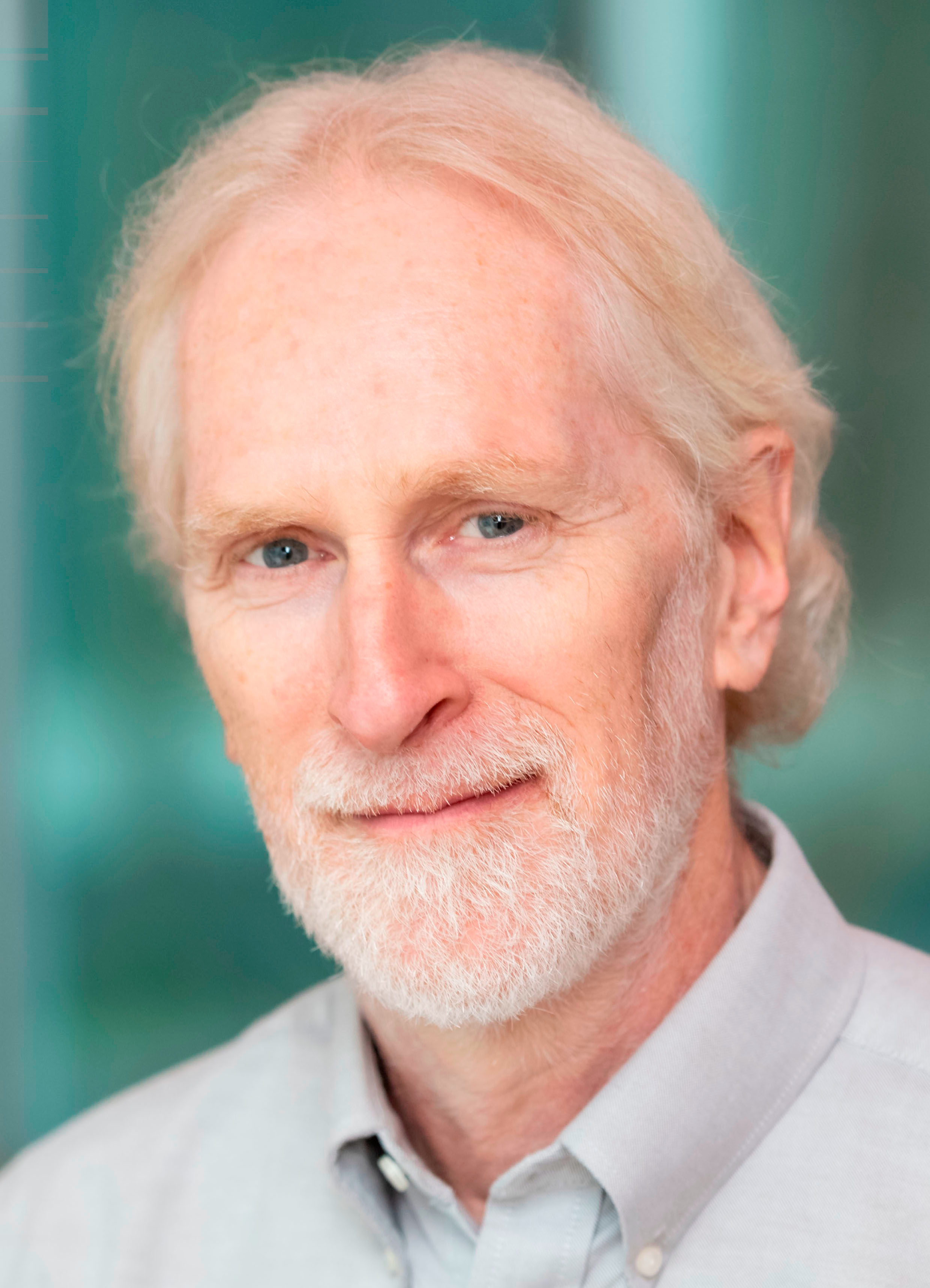 Jamie Callan合作论文数Language Technologies Institute, School of Computer Science, Carnegie Mellon University;School of Information Systems & Management, Heinz College, Carnegie Mellon University9Bin Bi合作论文数Amazon8
 Liying Cheng (程丽颖)合作论文数Alibaba DAMO Academy8
 Min Yang (杨敏)合作论文数Shenzhen Key Laboratory for High-Performance Data Mining, Shenzhen Institute of Advanced Technology, Chinese Academy of Sciences;University of Chinese Academy of Sciences;Large Language Models Center, Faculty of Computer Science and Artificial Intelligence, Shenzhen University of Advanced Technology8
 Christopher W. Clifton合作论文数Department of Computer Sciences, College of Engineering, Purdue University8Mummoorthy Murugesan合作论文数Teradata8Wei Wang (王玮)合作论文数Meituan8
 Yan Ping Xin合作论文数Department of Educational Studies, Purdue University8
 Shoushan Li (李寿山)合作论文数School of Computer Science & Technology, Soochow University8Dzung Hong合作论文数7Linlin Liu合作论文数Cubist Systematic Strategies7
 Linlin Li合作论文数Alibaba Group7
 Binyuan Hui合作论文数Alibaba DAMO Academy7Lei Li合作论文数Tencent7
 Wei Jiang合作论文数University of Missouri-Columbia7
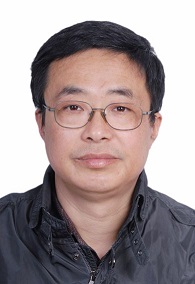 Guodong Zhou (周国栋)合作论文数School of Computer Science & Technology, Soochow University7
 Bin Shen合作论文数Celonis AI7
 Shafiq Joty合作论文数School of Computer Science and Engineering, Nanyang Technological University;College of Computing and Data Science, Nanyang Technological University;Salesforce AI Research7
 Songfang Huang (黄松芳)合作论文数School of Advanced Manufacturing and Robotics, Peking University7Binhua Li合作论文数Alibaba Group6
 Yingchi Liu合作论文数Yohana6
 Jingjing Wang合作论文数Fudan University, Fudan University6
 Chun Yan Miao合作论文数College of Computing & Data Science, Nanyang Technological University;School of Computer Science and Engineering, Nanyang Technological University6
 Ruidan He合作论文数Grab6
) Xiang Chen (陈翔)合作论文数State Key Lab of CAD&CG, College of Computer Science and Technology, Zhejiang University6
Xiang Chen (陈翔)合作论文数State Key Lab of CAD&CG, College of Computer Science and Technology, Zhejiang University6 Rui Wang合作论文数Decilion6
 Zheng-Hua Li (李正华)合作论文数Human Language Technology Research Center, School of Computer Science and Technology, Soochow University6
 Jeongwoo Ko合作论文数Google6James P. Callan合作论文数5




