212 Background: The CHAARTED trial randomized men with metastatic hormone-sensitive prostate cancer (mHSPC) to either Androgen Deprivation Therapy (ADT) alone or with docetaxel. The trial showed an overall survival benefit, more so in patients with high-volume disease. We have previously developed a prostate cancer radiation response signature (PORTOS) which has been validated in multiple randomized trials. Given the similarities in DNA damage, we hypothesized that PORTOS might predict the benefit of docetaxel in CHAARTED. Methods: FFPE tumor samples from the trial were profiled using the commercial Decipher gene expression platform (N=160), and PORTOS was calculated as previously described, and was dichotomized into high/low based on the median, as scores exhibited a bi-modal distribution. Results: There were no significant associations with clinicopathologic variables (age, performance status, tumor volume, PSA, etc.). In patients with high PORTOS, there was a significant benefit for the addition of docetaxel for clinical progression (CP), castration resistance (CR), and overall survival (OS), which were not significant in the low PORTOS patients. The univariable interaction between PORTOS (as a continuous variable) and treatment arm was statistically significant for CP and trended towards significance for CR and OS. When accounting for clinicopathologic variables on a multivariable analysis, the interaction P-values were similar. The predictive effect of PORTOS was present only in the high-volume patients (N=125), where high PORTOS had a significant benefit for the addition of docetaxel for CP, CR, and OS. Conclusions: These results suggest that PORTOS could be used to identify which patients benefit from docetaxel added to ADT in mHSPC, and provides additional information even in high-volume patients. In the era of ADT + ARPIs for mHSPC, studies of PORTOS in cohorts with ADT + ARPI ± docetaxel will be critical in fully evaluating its clinical potential. Patients: All High Volume All PORTOS: High Low High Low PORTOS:Arm Interaction sHR P sHR P sHR P sHR P UVA P MVA P Clinical Progression 0.31 <0.001 0.61 0.11 0.31 <0.001 0.69 0.25 0.04 0.04 Castration Resistance 0.36 <0.001 0.61 0.07 0.36 <0.001 0.59 0.07 0.06 0.06 Overall Survival 0.58 0.05 0.66 0.2 0.50 0.03 0.61 0.14 0.07 0.14
Abstract Objective This work aimed to analyse the expression of and correlation between folate transporters FOLR1, FOLR2, SLC19A1 (reduced folate carrier, RFC), and FOLH1 (PSMA mRNA) in a large cohort of prostate cancer samples, with the goal of better understanding the nature of aggressive disease with low PSMA expression. Subjects and Methods A total of 55 329 radical prostatectomy (RP) tumour specimens tested with the Decipher prostate genomic classifier (Veracyte, CA) were identified from the Decipher GRID database (NCT02609269). Transcriptome‐wide mRNA expression and baseline clinicopathologic data were retrieved. Logistic regression assessed associations between gene expression, pathological Gleason grade group (GG) 4–5, lymph node invasion (LNI), seminal vesicle invasion (SVI), and very high Decipher score (>0.85). Results This cohort had a median age of 65 years and PSA of 4.9 ng/mL. FOLR1and FOLR2 showed no correlation with PSMA. High FOLR2 and RFC were associated with very high Decipher scores and GG4–5. In the lowest 10% PSMA group, high FOLR2 correlated with high Decipher scores, GG4–5, LNI, and SVI (all p < 0.001). Limitations include the retrospective design and the inability to distinguish FR‐β expression from immune cell infiltration. Conclusions Our large‐scale study of transcriptome demonstrates FOLR2 gene expression is associated with aggressive prostate cancer in samples with low expression of PSMA. Future prediction of disease risk could be enhanced by using FOLR2 as a molecular target for identifying aggressive prostate cancer in cases of low PSMA.
BACKGROUND:Inflammation plays a critical role in cancer cell proliferation; however, the specific role of inflammasomes, multiprotein complexes that regulate inflammation-associated signaling pathways, in prostate cancer (PCa) remains insufficiently explored. This study aims to characterize the expression of inflammasome-related genes in PCa and evaluate their association with clinical outcomes. METHODS:De-identified transcriptome data from the Decipher GRID RP, a cohort of 52,266 radical prostatectomy (RP) samples tested (2016-2024) with the Decipher prostate genomic classifier (Veracyte, San Diego, CA), were retrieved from the GRID registry (NCT02609269). Expression analysis of 34 genes involved in inflammatory pathways was conducted to associate their expression with clinical and genomic variables. Outcomes analyses were conducted on a retrospective cohort of 855 patients treated with RP (META855). RESULTS:Analysis of inflammasome gene expression in the GRID RP cohort revealed that most genes exhibit low baseline expression, whereas HSP90AB1, APP, TXN, and TXNIP demonstrate strong expression signals. Additionally, higher expression of most genes was associated with Gleason Grade Group 4-5 and very high Decipher scores. On survival analysis of the META855 cohort, higher expressions of AIM2 and HSP90AB1 were significantly associated with worse metastasis-free survival. Conversely, both high and low expression levels of NLRP3 were associated with better metastasis-free survival outcomes following RP compared to average expression. On multivariable Cox regression analysis, higher expressions of AIM2 (HR 1.75) and HSP90AB1 (HR 1.60) were significantly associated with shorter time to metastasis following RP. CONCLUSIONS:There is molecular heterogeneity within pro-inflammatory genes among patients with PCa. Our findings showed there is a potential association between the expression levels of certain inflammasomes, such as AIM2, HSP90AB1, and NLRP3, and oncological outcomes following RP.
Prostate cancer is a heterogeneous disease comprising diverse cell types within the tumor microenvironment that support cancer cell survival. Using single cell and spatial transcriptomics, we previously identified subpopulations of treatment-persistent cancer cells exhibiting regenerative properties and a distinct molecular signature. Herein, we aimed to characterize the locked ‘Persist’ signature (PS) and its association with outcomes in a large cohort of non-metastatic prostate cancer tumors. Patients with non-metastatic prostate cancer that underwent Decipher prostate genomic classifier and whole-transcriptome profiling on biopsy (BX, n=146,941) and radical prostatectomy (RP, n=55,329) specimens between October 2016 and February 2024 were included (Veracyte Inc., San Diego, CA, USA). Baseline clinical and pathological data from deidentified patients as well as signature scores were retrieved from the Decipher Genomic Resource for Intelligent Discovery (GRID) registry (Clinical Trials identifier: NCT02609269). The PS score based on the expression of 17 genes was calculated for all samples. PS was significantly associated with adverse clinical and pathological variables. In biopsy sample, PS was higher in cases with worse T3/4 clinical stage, Grade group (GG4-5), and high/very high NCCN risk (p<0.001 for all). In RP sample, PS was significantly higher in patients with GG4-5, extraprostatic extension, seminal vesicle invasion and lymph node involvement (p<0.001 for all). PS was also higher in patients with very high Decipher (>0.85) in both BX and RP (p<0.001 for both). When evaluating the prognosis of PS in multiple retrospective cohorts, PS in biopsy was prognostic of adverse pathology features at RP. PS was also prognostic of distance metastasis (DM) in multiple RP cohorts with long-term follow up (META855). In the ARNEO trial testing apalutamide in addition to ADT as neo-adjuvant treatment prior RP, PS was prognostic of early recurrence. In the Stampede trial, PS was prognostic of progression free survival, PCSM and OS in both non-metastatic and metastatic disease. When associating PS with other GRID signatures, PS was higher in samples with homologous recombination deficiency, TP53 mutations, Luminal B and luminal proliferating subtypes. On the other hand, PS was lower in samples with low androgen receptor-activity, RB-loss and neuroendocrine-like tumors. Finally, PS was positively correlated with radiation sensitivity signatures. Persist is a novel molecular signature associated with more aggressive tumor characteristics. Future studies aim to further examine beyond this signature potential to identify patients at risk of aggressive prostate cancer, and understand what the optimal treatments for those with treatment-persistent prostate cancer cells are. Francesco Ballesio, Sinja Taavitsainen, Mohammed Alshalalfa, Antti Kiviaho, Mazlina Ismail, Reetta Nätkin, Alexander Giesen, Thomas Munro, James A. Proudfoot, Hyunnam Ryu, Elai Davicioni, Matthew C. Cooperberg, R. Jeffrey. Karnes, Ruochen Jiang, Steven Joniau, Gerhardt Attard, Frank Claessens, Matti Nykter, Alfonso Urbanucci. Persist: a molecular signature for prostate cancer patients with preexisting treatment-persistent cells associated with aggressive disease [abstract]. In: Proceedings of the AACR Special Conference in Cancer Research: Innovations in Prostate Cancer Research and Treatment; 2026 Jan 20-22; Philadelphia PA. Philadelphia (PA): AACR; Cancer Res 2026;86(2_Suppl):Abstract nr B079.
 Elai Davicioni合作论文数Veracyte, Inc.150
 Edward M. Schaeffer合作论文数Department of Urology, Feinberg School of Medicine, Northwestern University;Northwestern Medical Group, Northwestern University;Northwestern Memorial Hospital73
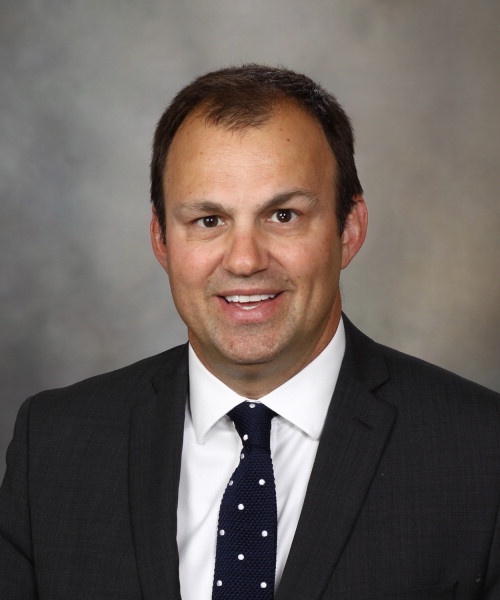 R. Jeffrey Karnes合作论文数Department of Urology, Mayo Clinic73
 Felix Y. Feng合作论文数Department of Radiation Oncology, University of California, San Francisco60
 Erho Nicholas合作论文数Research and Development, GenomeDx Biosciences, Vancouver, British Columbia, Canada.57
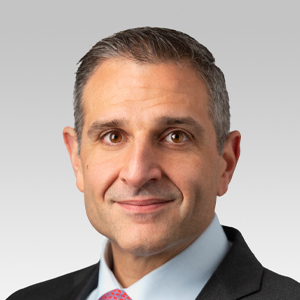 Ashley E Ross合作论文数Polsky Urological Oncology Center, Northwestern Feinberg School of Medicine, Northwestern University;GenomeDx Biosciences44
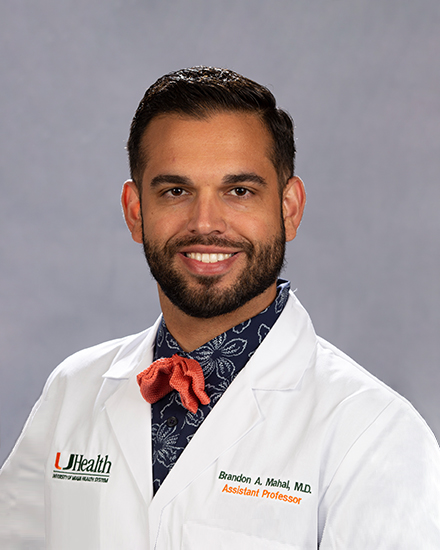 Brandon A. Mahal合作论文数Sylvester Comprehensive Cancer Center, Miller School of Medicine, University of Miami;Sylvester Comprehensive Cancer Center;Department of Radiation Oncology, Miller School of Medicine, University of Miami43
 Robert B. Den合作论文数Department of Radiation Oncology, Thomas Jefferson University;Alpha Tau Medical39
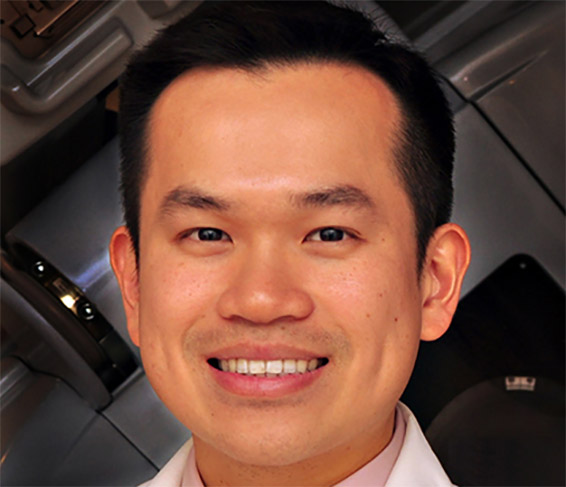 Paul L. Nguyen合作论文数Brigham and Women's Hospital;75 Francis Street;Boston, MA 02115/Dana-Farber Cancer Institute;450 Brookline Avenue;Boston, MA 0221538
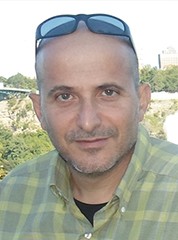 Reda Alhajj合作论文数School of Engineering and Natural Sciences, Istanbul Medipol University;Department of Computer Science, University of Calgary34
 Tamar Lotan合作论文数29
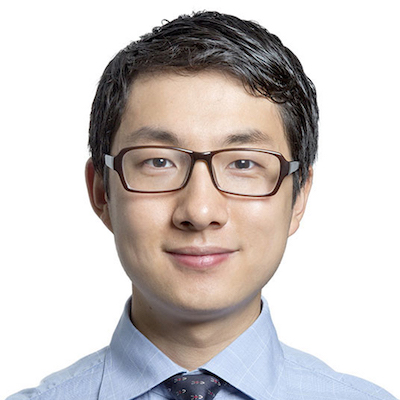 George Zhao合作论文数Department of Human Oncology, School of Medicine and Public Health, University of Wisconsin-Madison27
 Mandeep Takhar合作论文数27
 Daniel Spratt合作论文数Department of Radiation Oncology, University Hospitals Cleveland Medical Center;Case Western Reserve University School of Medicine26
 Eric A. Klein合作论文数Stanford Distinguished Careers Institute, Stanford University;Glickman Urological and Kidney Institute, Cleveland Clinic24
 Yousefi Kasra合作论文数22Haddad Zaid合作论文数16
 Robert B. Jenkins合作论文数Division of Laboratory Genetics and Genomics, Department of Laboratory Medicine and Pathology, Mayo Clinic;Mayo Clinic Comprehensive Cancer Center16
 Adam P. Dicker合作论文数Department of Radiation Oncology, Thomas Jefferson University15
 Tarek A Bismar合作论文数Dept Pathol & Lab Med, Univ Calgary15
 Hussam Al-Deen Ashab合作论文数15Harrison K Tsai合作论文数14Jonathan Lehrer合作论文数GenomeDx Biosci Inc, Vancouver, BC, Canada14Sjöström Martin合作论文数Department of Clinical Sciences Lund, Lund University14
 Bruce Trock合作论文数Departments of Urology, Epidemiology, and Oncology, Johns Hopkins School of Medicine;Division of Epidemiology, Brady Urological Institute, The Johns Hopkins University13
 Yangyang Hao合作论文数12
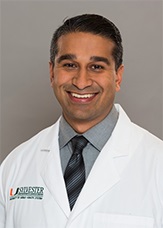 Sanoj Punnen合作论文数Sylvester Comprehensive Cancer Center, University of Miami12
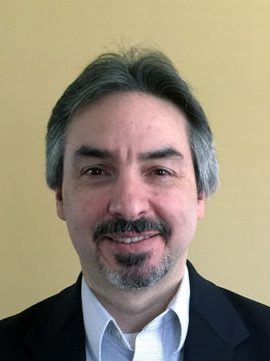 Angelo De Marzo合作论文数School of Medicine, The Johns Hopkins University12
 Ewan A. Gibb合作论文数Department of Microbiology, University of Manitoba12
 Jonathan Chou合作论文数bHelen Diller Family Comprehensive Cancer Center, University of California11
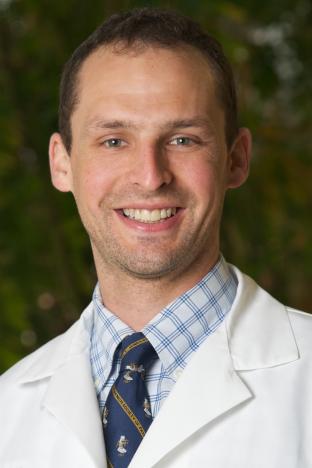 Scott Arthur Tomlins合作论文数Department of Urology, Medical School, University of Michigan;Pathology Department, Medical School, University of Michigan11
 Eric Small合作论文数Department of Urology, University of California, San Francisco;Division of Hematology and Oncology, Department of Medicine, University of California, San Francisco11
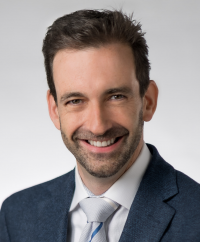 Matthew R. Cooperberg合作论文数Department of Urology, University of California San Francisco11
 Mark Rubin合作论文数Department for BioMedical Research, Faculty of Medicine, University of Bern;Bern Center for Precision Medicine, University of Bern11
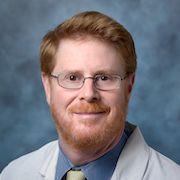 Stephen J. Freedland合作论文数Cedars-Sinai Medical Center;Institute for Medical Research, Inc.;U.S. Department of Veterans Affairs11Lucia Lam合作论文数10William S. Chen合作论文数9
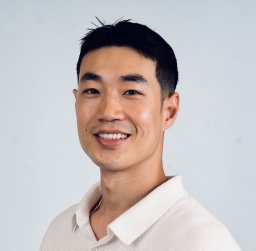 Jimmy A Guo合作论文数Massachusetts General Hospital, Harvard University9
 Nishwant Swami合作论文数gUniversity of Massachusetts Medical School9
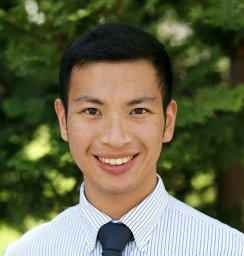 Edward Christopher Dee合作论文数Dept Radiat Oncol, Mem Sloan Kettering Canc Ctr9
 Timothy R Rebbeck合作论文数Department of Epidemiology, Harvard T.H. Chan School of Public Health, Harvard University;Dana-Farber Cancer Institute9
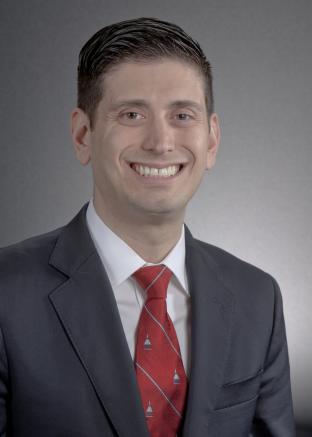 Jeffrey J. Tosoian合作论文数Urologic Oncology, Vanderbilt University Medical Center;University of Michigan, Ann Arbor;Brady Urological Institute, Johns Hopkins University9
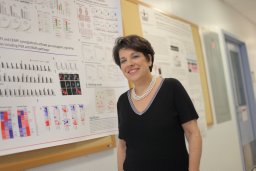 Abate-Shen Cory合作论文数Herbert Irving Comprehens Canc Ctr, Columbia Univ Coll Phys & Surg8
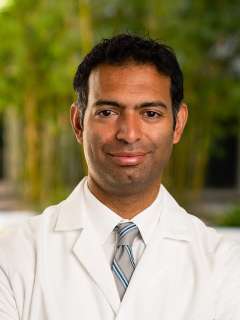 Amar U. Kishan合作论文数Department of Radiation Oncology, David Geffen School of Medicine, University of California, Los Angeles;Jonsson Comprehensive Cancer Center, University of California, Los Angeles;UCLA Health8
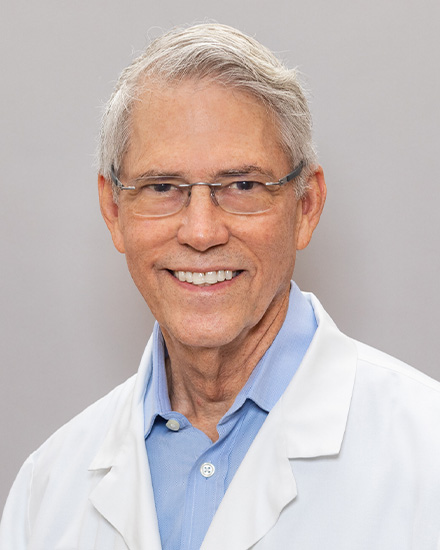 Alan Pollack合作论文数Sylvester Comprehensive Cancer Center, Miller School of Medicine, University of Miami Health Systems;Department of Radiation Oncology, Miller School of Medicine, University of Miami8
 Mohammed Shahait合作论文数Division of Urology and Kidney Transplantation, American University of Beirut8
 Himisha Beltran合作论文数Dana-Farber Cancer Institute;Department of Medicine, Harvard Medical School8
 David A Quigley合作论文数Helen Diller Family Comprehensive Cancer Center, University of California San Francisco8
 Peter R. Carroll合作论文数Department of Urology, University of California, San Francisco8




