Background:Metastasis-directed therapy (MDT) for oligometastatic cancer is utilized for genitourinary malignancies including prostate and kidney cancers. Clinical research on MDT for urothelial carcinoma (UC) remains sparse, especially as systemic therapy advances have improved outcomes. Objective:We investigated the role of MDT, specifically radiotherapy, for patients with oligometastatic bladder or upper-tract UC. Methods:Data were collated on patients with metastatic UC with 5 or fewer metastatic sites undergoing MDT with ablative radiotherapy with or without preceding systemic therapy during January 2016 to July 2024. Endpoints were progression-free survival (PFS), and overall survival (OS). Cox proportional hazards analysis was conducted to determine the covariates associated with these endpoints. Results:Fifty-two patients were included. Most were men (67%). Median age was 68 years (interquartile range, 62-78). Most had bladder primary tumors (79%). Patients had a median of 1 metastatic site. Most received ≥2 lines of systemic therapy before MDT (60%), whereas 8% received no systemic therapy before MDT. MDT was delivered to all metastases in 71% of cases, whereas the remaining cases (29%) had MDT delivered to select sites. Median follow-up from the diagnosis of metastasis was 32 months (interquartile range, 23-42). Median PFS and OS were 19 months (95% CI, 15-24) and 42 months (95% CI, 24-60), respectively. Conclusions:MDT may serve as an effective adjunct to systemic therapy to improve outcomes of oligometastatic and oligoprogressive UC.
The therapeutic landscape for renal cell carcinoma (RCC) and urinary tract cancer (UTC) has transformed dramatically, creating complexity in treatment selection and sequencing. The 2025 Advanced Urologic Cancer Consensus Conference was convened to establish evidence‐based expert consensus recommendations for optimal management. A multidisciplinary panel of 51 experts participated in a modified Delphi process addressing questions developed through iterative consensus‐building covering RCC and UTC management. Voting occurred before and after the conference, and analyses focused on postmeeting responses. Consensus was defined as ≥75% agreement, with strong consensus as >90%. Strong consensus was found on the use of adjuvant pembrolizumab for higher risk RCC (pathologic T2 [pT2], grade 4; pT3–pT4, any grade; pTXN1; or fully resected metastatic disease) and on neoadjuvant therapy before cystectomy for localized UTC. There was strong consensus on the use of enfortumab vedotin plus pembrolizumab as frontline therapy for metastatic UTC and the use of platinum‐based chemotherapy postprogression in biomarker‐negative UTC. For RCC, there was consensus on the role of single‐agent vascular endothelial growth factor receptor–tyrosine kinase inhibitor therapy after progression on frontline immune checkpoint inhibitor/vascular endothelial growth factor receptor–tyrosine kinase inhibitor therapy or dual immune checkpoint inhibitor therapy. However, there was a lack of consensus on other critical areas in the management of RCC and UTC. The 2025 Advanced Urologic Cancer Consensus Conference provides evidence‐informed guidance for complex clinical scenarios while identifying critical research priorities. The group recognizes that the lack of consensus across multiple areas highlights the need for improved patient selection and prospective studies enabling optimal combination and sequencing approaches. This iterative annual process will address evolving treatment paradigms to optimize outcomes.
Radiotherapy-based metastasis-directed therapy (MDT) has emerged as a treatment strategy for oligometastatic clear cell renal cell carcinoma (ccRCC). However, optimal integration of MDT with immune checkpoint inhibition (ICI) is unclear, especially in light of the M1 no evidence of disease subgroup analysis of KEYNOTE-564. We undertook an exploratory cohort study of two previously reported trials evaluating either MDT+ICI (NCT02855203) or MDT (NCT03575611) for oligometastatic ccRCC. The objective was primarily to compare RECIST-defined progression-free survival (PFS) and secondarily to compare peripheral immune populations. Among the 150 patients included in the analysis (MDT+ICI: 30; MDT: 120), the MDT+ICI cohort had more metastases (median 3 vs 1) and was slightly younger (median 62 vs 66) than MDT. After a median follow-up time of 34 mo, there was evidence for longer PFS after MDT+ICI vs MDT that did not reach statistical significance (hazard ratio, 0.57; 95% confidence interval: 0.32-1.02; p = 0.058). Interaction testing demonstrated greater PFS benefit with MDT+ICI among patients with previous receipt of systemic therapy. Immediate systemic induction of activated CD8+ T cells (ICOS+) was more common after MDT+ICI, as were decreases in less functional CD8+ T cell subsets. Taken together, this study provides evidence that adding maintenance ICI to MDT improves clinical outcomes for patients with oligometastatic ccRCC. MDT+ICI-evoked immunomodulatory signals are promising and support the observed superiority in clinical outcomes. The A Randomized Trial of Maintenance Systemic Therapy After Radiation for Oligometastatic Renal Cell Carcinoma (ASTROs) trial (NCT06004336) has been initiated to test the hypotheses generated by the present study.
MOTIVATION:Examination of T cell receptor (TCR) clonality has become a way of understanding immunologic response to cancer and its interventions in recent years. An aspect of these analyses is determining which receptors expand or contract statistically significantly as a function of an exogenous perturbation such as therapeutic intervention. RESULTS:We characterize the commonly used Fisher's exact test approach for such analyses and propose an alternative formulation that does not necessitate pairwise, within-patient comparisons. We develop this flexible Bayesian longitudinal mixture model that accommodates variable length patient followup and handles missingness where present, not omitting data in estimation because of structural practicalities. Once clones are partitioned by the model into dynamic (expanding or contracting) and static categories, one can associate their counts or other characteristics with disease state, interventions, baseline biomarkers, and patient prognosis. We apply these developments to a cohort of prostate cancer patients who underwent randomized metastasis-directed therapy or not. Our analyses reveal a significant increase in clonal expansions among metastasis-directed therapy (MDT) patients and their association with later progressions both independent and within strata of MDT. Analysis of receptor motifs and VJ gene enrichment combinations using a high-dimensional penalized log-linear model we develop also suggests distinct biological characteristics of expanding clones, with and without inducement by MDT. AVAILABILITY AND IMPLEMENTATION:An example model implementation in R/STAN is available at doi.org/10.5281/zenodo.21209546. SUPPLEMENTARY INFORMATION:Supplementary material includes simulation results, longitudinal mixture model component derivation, HLA typing analysis, and stability selection for the VJ gene family.
BACKGROUND AND PURPOSE:MR-Linac (MRL) is well-suited for treatment of oligometastatic disease (OMD) in muscle due to its superior soft tissue contrast. The purpose of this study was to assess dosimetric differences and quantify margins when CT-guidance (CTgRT) is used for OMD treatment compared to MR-guidance (MRgRT) on the MRL. MATERIALS AND METHODS:Five patients with intramuscular oligometastasis were treated with the MRL using daily MRgRT. To simulate CT-based alignment, an in-house deep learning model was used to generate synthetic-CT images from MR images for each fraction. The synthetic-CTs were independently aligned to the corresponding simulation-CTs by seven physicists using rigid registration. The difference between CTgRT and MRgRT alignment was calculated to quantify the inter-fractional image-guidance uncertainty and estimate PTV margins. Dose from the clinical beam sets was recalculated on the synthetic-CTs for comparative analysis. RESULTS:The CTgRT alignment compared to MRgRT were -0.59 ± 3.49 mm, 2.04 ± 3.96 mm, and 1.23 ± 1.20 mm in left-right (LR), superior-inferior (SI), and anterior-posterior (AP) directions, respectively. Compared to clinical plans, the dosimetric parameters of recalculated synthetic-CT plans, V95 and D95, were significantly lower, while the homogeneity index was significantly higher (p < 0.001 for each metric). Compared to MRgRT, CTgRT required additional treatment margins of 10.0 mm in LR, 11.5 mm in SI, and 4.6 mm in AP directions. CONCLUSIONS:We quantified the dosimetric difference in treating intramuscular metastases using MRgRT versus CTgRT and showed that treatment margin can be reduced by at least 5 mm in each direction with MRgRT.
PURPOSE We tested the hypothesis that adding metastasis-directed therapy (MDT) to standard-of-care (SOC) systemic therapy improves progression-free survival (PFS) among patients with oligometastatic disease. METHODS EXTEND was a multicenter randomized phase II trial. Patients with 1-5 metastases were randomly assigned to MDT + SOC versus SOC in one of the six baskets (breast, pancreas, kidney, two prostate baskets, and an other basket) with basket-specific stratification and powering. PFS, the primary end point, was prespecified in the per-protocol set within each basket, across all baskets, and across all baskets excluding the prostate baskets. Exploratory end points included circulating tumor DNA (ctDNA) and immune profiling. RESULTS From 2018 through 2023, 521 patients were screened, 350 were randomly assigned, and 334 were analyzed per protocol (MDT + SOC, n = 166; SOC, n = 168). Radiotherapy was used as MDT for 98% of metastases (370/379). Overall, after a median follow-up of 53 months, PFS was improved with MDT + SOC (hazard ratio [HR], 0.54 [95% CI, 0.41 to 0.72], P < .001). Similarly, PFS was improved when excluding the prostate baskets (HR, 0.60 [95% CI, 0.40 to 0.89]). Within each basket, PFS superiority was identified for the pancreas, prostate, and other baskets, whereas the breast and kidney baskets were inconclusive. At enrollment, detectable ctDNA correlated with shorter PFS and survival; by contrast, ctDNA clearance 3 months postenrollment correlated with improved survival. MDT + SOC-induced systemic immune activation was most pronounced among baskets demonstrating PFS superiority. CONCLUSION The phase II EXTEND trial supports the addition of MDT to SOC for oligometastatic disease. Histology-specific efficacy signals were identified for phase III testing. Translational insights suggest the potential for optimizing the definition of oligometastasis using ctDNA and point to systemic immune responses as a possible mechanism of benefit from MDT.
PURPOSE:Radiotherapy treatment planning is a resource-intensive process characterized by multiple manual steps that can contribute to treatment delays and interobserver variability. The Radiation Planning Assistant (RPA) is a Web-based platform designed to deliver automated contouring and planning approaches tailored to low-resource settings. This work expands the RPA to develop and clinically validate end-to-end, artificial intelligence-driven workflows for prostate and cervical cancers, designed to improve efficiency, consistency, and accessibility in low- and middle-income countries. MATERIALS AND METHODS:We developed deep learning-based auto-contouring models using nnU-Net and integrated them with knowledge-based planning models trained on curated data sets from over 1,000 prostate and 110 cervical cancer treatment plans. For prostate cancer, models were developed to accommodate prostate directed, prostate bed, and nodal treatment scenarios. Cervical cancer planning followed EMBRACE II guidelines and included pelvic and para-aortic nodal volumes. These tools were integrated into the RPA. Clinical acceptability of the auto-contours and plans was assessed retrospectively by radiation oncologists using a five-point Likert scale. RESULTS:In all, 50 test patients (40 prostate, 10 cervical) were evaluated end-to-end. For prostate cancer, 70% of target auto-contours and 73% of treatment plans were clinically acceptable without edits; for cervical cancer, these rates were 80% and 80%, respectively. For prostate cancer planning, 77% of target and 98% of organ-at-risk structures met all per-protocol compliance criteria. For cervical cancer planning, all EMBRACE II protocol hard constraint criteria were met. Bowel and vaginal contours demonstrated lower performance, but these did not compromise plan quality. CONCLUSION:We present validated, end-to-end radiotherapy planning workflows for prostate and cervical cancers that leverage the RPA's infrastructure to streamline treatment planning in a globally accessible platform and demonstrate high clinical acceptability.
BACKGROUND:Oligometastatic disease represents the proximal end of a metastatic spectrum. Metastasis-directed therapy (MDT) is increasingly used to treat oligometastatic disease despite the absence of level 1 evidence. We amalgamated individual patient data across trials to evaluate the effectiveness of MDT for oligometastatic prostate cancer. METHODS:We conducted a systematic review and individual patient data meta-analysis. We systematically searched Embase, PubMed, CENTRAL, MEDLINE, and ClinicalTrials.gov to identify randomised trials of MDT enrolling patients with oligometastatic prostate cancer. Inclusion criteria were published randomised prospective trials enrolling patients with oligometastatic (up to five metastases) prostate cancer, in which investigators recorded sufficient data to evaluate progression-free survival and overall survival. This systematic review was conducted from database creation to Nov 3, 2023, and was updated on May 4, 2025. Data appraisal was conducted using Covidence with two investigators (CT and ADS) performing independent screens. Studies were evaluated using the Cochrane Collaboration's risk-of-bias assessment (version 2.0). Individual patient data were provided by investigators. Coprimary endpoints were progression-free survival and overall survival. Secondary endpoints were radiographic progression-free survival and castration resistance-free survival. The primary analysis was conducted in the subset of studies in which patients were randomly assigned to MDT plus standard of care (SOC) versus SOC. The primary analysis included a trial-level analysis using a random effects model and a patient-level analysis stratifying by trial. This meta-analysis is registered with PROSPERO (CRD42023479078). FINDINGS:Of 2975 studies identified for screening, seven phase 2 studies randomly assigning 574 men were included. Six trials randomly assigning 472 patients to MDT plus SOC (n=248) versus SOC (n=224) were used to evaluate MDT and had a median follow-up time of 40·7 months (IQR 25·6-53·7). MDT was associated with improved progression-free survival (trial-level hazard ratio [HR] 0·44, [95% CI 0·35-0·56], p<0·0001; patient-level HR 0·45 [0·35-0·57], p<0·0001), radiographic progression-free survival (trial-level HR 0·60 [0·42-0·85], p=0·0039; patient-level HR 0·59 [0·46-0·76], p<0·0001), and castration resistance-free survival (trial-level HR 0·58 [95% CI 0·37-0·92], p=0·019; patient-level HR 0·58 [95% CI 0·37-0·91], p=0·017). The association between MDT and overall survival showed an HR of 0·63 (95% CI 0·39-1·00, p=0·051) in trial-level analyses and 0·64 (95% CI 0·40-1·01, p=0·057) in patient-level analyses. INTERPRETATION:WOLVERINE showed a benefit with MDT for oligometastatic prostate cancer in progression-free survival, radiological progression-free survival, and castration resistance-free survival. Overall survival benefit was not significant and further research is needed. FUNDING:Philanthropic gift and National Cancer Institute.
BACKGROUND:While the ProtecT randomized trial demonstrated comparable oncologic outcomes between radical prostatectomy (RP) and radiation therapy (RT) for localized prostate cancer, several retrospective studies have reported mixed findings. In this study, we investigated whether non-randomized studies tend to favor RP or RT and assessed whether the specialty of leading authors-urologists or radiation oncologists-correlates with study conclusions. METHODS:We identified non-randomized clinical studies published between 1993 and 2024 that compared RP and RT for localized prostate cancer and reported oncologic outcomes including biochemical, metastasis, and/or survival outcomes. Author specialty was determined based on whether the first and senior authors were affiliated with urology or radiation oncology departments. Studies in which a urologist and radiation oncologist were first and senior authors were excluded. Each study's conclusion was categorized as favoring surgery, favoring radiation, or reporting no conclusive difference in oncologic outcomes. Multivariate logistic regression was used to evaluate predictors of study conclusions. RESULTS:A total of 105 studies met inclusion criteria. Nearly half (44%) reported no conclusive difference in outcomes, while 42% favored RP and 14% favored RT. Multivariate analysis showed that use of national databases (P = .01) and urology author specialty (P = .01) predicted conclusions aligning with the author's specialty. In a subgroup excluding studies relying solely on biochemical recurrence-free survival outcomes, author specialty remained associated with conclusions, with urologists more likely to favor RP (P = .006). CONCLUSION:Author specialty was associated with the direction of study conclusions. Further research is needed to understand how these patterns may influence interpretation and decision-making in prostate cancer treatment.
BACKGROUND AND OBJECTIVE:Studies reported to date indicate that local therapy may improve outcomes in men with de novo metastatic (M1) prostate cancer (PCa). The aim of this study was to evaluate the effect of local therapy to the primary tumor on progression-free survival (PFS) in men with M1 PCa. METHODS:In a multicenter, randomized phase 2 trial, men with de novo M1 PCa, after receiving 6 mo of best systemic therapy (BST), were randomly assigned (1:1) to continue BST alone (arm 1) or BST with the addition of either radiotherapy or surgery to their primary tumor (arm 2). The primary endpoint was PFS, defined as the time from randomization to progression (Prostate Cancer Working Group 2) by prostate-specific antigen, radiographic or symptomatic progression, or the time to change systemic therapy as per physician discretion and/or clinical decision, or death, whichever occurred first. Immunohistochemistry for the tumor suppressors p53, RB1, and PTEN was performed on available prostate biopsies at baseline and 6 mo. The aggressive variant PCa molecular signature (AVPC-MS) was assigned if two or more of these tumor suppressors were abnormal. In the current intent-to-treat analysis, the Kaplan-Meier product-limit method was used to estimate the median PFS. KEY FINDINGS AND LIMITATIONS:Between March 2013 and April 2018, 119 patients were randomized (arm 1: 59 and arm 2: 60). The median follow-up for patients who survived was 66 mo (64 mo for BST alone and 67 mo for BST plus local therapy groups). BST included androgen deprivation therapy (n = 119), with docetaxel (n = 37) or with androgen receptor pathway inhibitor agents (n = 9). Local therapy included surgery (n = 45), radiation (n = 13), or none (n = 2). At data analysis, 88 patients met Prostate Cancer Working Group 2 progression, and 53 patients had died. The median PFS was 17.9 mo (95% confidence interval [CI] 11.7-36.4) in arm 1 and 14.8 mo (95% CI 11.4-42.9) in arm 2 (hazard ratio [HR] 0.89, 95% CI 0.59-1.34, p = 0.6). Toxicity was limited in both arms, with grade 3 toxicities in four patients (6.7%) in arm 2 and zero patients in arm 1. Three patients required palliative intervention for symptomatic local progression in arm 1, while an additional six patients crossed over to receive local therapy after meeting castration-resistant PCa progression criteria. Predictors of worse overall survival (OS) for all comers included CHAARTED high-volume (HR 1.84, 95% CI 1.06-3.19) and clinical cT3b/T4 (HR 1.97, 95% CI 0.88-4.41) disease. Having the AVPC molecular profile (AVPC-MS) at baseline or 6 mo was significantly associated with worse PFS (HR 1.74, 95% CI 1.02-2.98, p = 0.04). However, there was no statistically significant association with OS (HR 1.83, 95% CI 0.94-3.56, p = 0.08). CONCLUSIONS AND CLINICAL IMPLICATIONS:This phase 2 randomized study failed to demonstrate improved PFS in men with de novo M1 PCa treated with BST with the addition of local therapy to their primary tumor. Its effect on OS is being tested in an ongoing phase 3 trial (SWOG 1802). We identified biomarkers of potential prognostic value (CHAARTED volume status, cT3b/cT4 disease, and the AVPC-MS) that may serve to optimize therapy selection and stratification in this population, but these require further evaluation.
12005 Background: To determine if the combination of exercise (EX) plus methylphenidate (MP) is superior to EX plus placebo (PL) for 12 weeks in the treatment of cancer-related-fatigue (CRF) in patients with prostate cancer receiving androgen deprivation therapy (ADT) and/or radiation therapy (RT). Methods: Using a phase III randomized double-blind placebo-controlled design, we assessed treatments combining either EX or its stretching (ST) control with either MP (5mg twice a day, with dose titrated up to 20mg a day) or placebo. Patients were eligible if they had prostate cancer patients who are receiving androgen deprivation therapy and/or radiation therapy and had CRF; Eligible patients were randomized into one of four arms, EX + MP, EX + PL, ST + MP, ST + PL (2:1:1:1). Primary outcome was assessed using linear mixed-effects model comparing the differences in Functional Assessment of Chronic Illness Therapy-Fatigue (FACIT-F) scores at Weeks 1, 2, 4, 8 and 12. Results: 161 eligible patients were randomly assigned to 4 arms EX+MP (n = 65), EX+PL(n = 34), ST+MP (n = 30), and ST+PL (n = 32). Demographics, including mean age (65-67 years) were similarly distributed between arms (all p > 0.05). Bone metastases (~25%), and treatment modality distributions (ADT alone, ADT + RT, or RT alone) were comparable among the arms. The baseline FACIT-F scores [mean (SD) were 28.5(11.0), 28.7(8.9), 28.5(9.3), and 30.3(11.0)] respectively in arms EX+MP, EX+PL, ST+MP, and ST+PL arms. All 4 arms showed CRF improvement over time. There was a nonsignificant improvement in CRF in the EX+MP intervention arm, compared with EX+PL arm [FACIT-F coefficient, 2.73(95% CI, –0.49 to 5.96); P = 0.097]. Methylphenidate-containing arms (EX+MP and ST+MP) significantly improved CRF compared with their placebo counterparts (EX+PL and ST+PL), [FACIT-F coefficient, 3.23 (95% CI 0.84 to 5.63), P = 0.008]. There were no significant differences in CTCAE v.5 grade ≥3 adverse events by arms (P > 0.99). Conclusions: EX+MP arm was not superior to EX+PL arm in improvement of CRF. Methylphenidate-containing arms significantly improved CRF compared with their placebo arms. All four treatment arms showed improvement of CRF overtime suggesting strong placebo response. Further methylphenidate-containing multimodal CRF studies are needed. Clinical trial information: NCT03772834 .
Purpose/Objective(s) Prognostic gene expression testing of primary tumor tissue has become widely adopted for localized prostate cancer risk stratification. Recent retrospective analyses of clinical trials have examined such testing in metastatic hormone-sensitive disease but little has been reported outside of this context. Here we examine the Decipher prostate genomic classifier (GC) used in the context of routine clinical practice. Materials/Methods Clinical and transcriptomic data from clinical use of the GC between 2013-2022 were linked with real-world data (RWD) aggregated from insurance claims, pharmacy records, and electronic health record (EHR) data. Patients were anonymously linked between datasets by deterministic methods through a de-identification engine using encrypted tokens. A hierarchical claims-based algorithm was used to identify de novo distant metastasis in the patient’s record. De novo metastasis was defined using administrative claims and diagnosis codes within 90 days from initial prostate cancer diagnosis and at least 90 days earlier than non-prostate cancer diagnosis (if present), excluding a set of codes identifying metastases without specification of sites or for pelvic lymph node metastases. The distribution of GC scores in these samples was compared to localized prostate cancer after matching on baseline clinical and pathological factors drawn from 116,971 patients who received GC testing. Results A total of 92,976 patients with Decipher prostate GC were successfully linked to RWD, including 53,871 from biopsy and 39,105 from radical prostatectomy (RP) tests. De novo metastases were identified in 194 patients (0.21%) and compared to a matched set of 13,192 patients with localized disease. Among patients with de novo metastasis, the median age at Decipher testing was 69 years (IQR 63, 75), median percentage of positive cores was 58% (IQR 33-92%), median PSA was 14 ng/mL (IQR 6.3- 47) and 70% had NCCN high or very high-risk disease at diagnosis. Compared to the matched set 25% of metastatic patients had PSA > 50 vs. 5% for localized patients. Median Decipher score for metastatic patients was 0.88 (IQR 0.56, 0.98) compared to 0.69 (IQR 0.44, 0.9) and 0.46 (0.29, 0.68) in the matched and unmatched localized patient cohorts, respectively. Conclusion Using the largest linkage of transcriptomic and clinical data to date, we developed algorithms to identify de-novo metastatic disease from a cohort of patients tested with a GC. These patients tended to have high PSA and NCCN risk groups at time of diagnosis and accordingly had substantially elevated GC scores. This unique resource could be leveraged to enhance understandings of de novo metastatic disease biology, patterns of care and treatment effectiveness.
 James W. Welsh合作论文数Department of Thoracic Radiation Oncology, Division of Radiation Oncology, The University of Texas MD Anderson Cancer Center;MolecularMatch65
 Daniel Gomez合作论文数59
 Joe Y. Chang合作论文数Division of Radiation Oncology, University of Texas MD Anderson Cancer Center;Department of Radiation Oncology, University of Texas MD Anderson Cancer Center54
 David S Hong合作论文数Department of Investigational Cancer Therapeutics, Division of Cancer Medicine, The University of Texas MD Anderson Cancer Center49
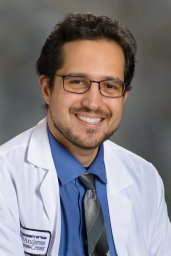 Pavlos Msaouel合作论文数Department of Genitourinary Medical Oncology, The University of Texas MD Anderson Cancer Center47
 Steven Frank合作论文数Department of Anesthesiology and Critical Care Medicine, School of Medicine, Johns Hopkins University46
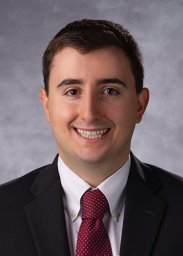 Alexander D Sherry合作论文数Department of Radiation Oncology, Vanderbilt University Medical Center40
 Karen Elizabeth Hoffman合作论文数Department of Breast Radiation Oncology, Division of Radiation Oncology, MD Anderson Cancer Center, The University of Texas38
 Kenneth R. Hess合作论文数Department of Biostatistics, University of Texas MD Anderson Cancer Center37
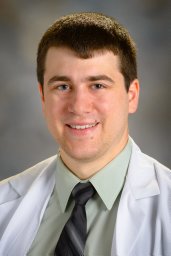 Ludmir Ethan B合作论文数Duke Cancer Institute, Duke University Medical Center35Seungtaek Choi合作论文数33
 Tharakeswara Kumar Bathala合作论文数32
 John V. Heymach合作论文数Department of Thoracic-Head & Neck Med Onc, Division of Cancer Medicine, The University of Texas MD Anderson Cancer Center;Graduate School of Biomedical Sciences, The University of Texas MD Anderson Cancer Center32
 Zhongxing Liao合作论文数Department of Radiation Oncology, Division of Radiation Oncology, The University of Texas MD Anderson Cancer Center31
 Nizar M. Tannir合作论文数Department of Genitourinary Medical Oncology, Division of Cancer Medicine, The University of Texas MD Anderson Cancer Center27
 Ritsuko Komaki合作论文数University of Texas MD Anderson Cancer Center;Department of Radiation Oncology, Baylor College of Medicine;Department of Scientific Research, Baylor College of Medicine27Henry Mok合作论文数27
 Steven J. Frank合作论文数Department of Radiation Oncology, Division of Radiation Oncology, The University of Texas MD Anderson Cancer Center26
 Teresa L Bruno合作论文数26Brian F. Chapin合作论文数26
 Quynh-Nhu Nguyen合作论文数25Rajat J. Kudchadker合作论文数25
 Jeremiah W. Sanders合作论文数24
 Aung Naing合作论文数Investigational Cancer Therapeutics (Phase I Program), University of Texas M. D. Anderson Cancer Center24
 Sean E McGuire合作论文数Department of GU Radiation Oncology, Division of Radiation Oncology, The University of Texas MD Anderson Cancer Center;Department of Molecular & Cellular Biology, Baylor College of Medicine;Dan L Duncan Comprehensive Cancer Center, Baylor College of Medicine23
 Vivek Subbiah合作论文数Sarah Cannon Research Institute22Q.N. Nguyen合作论文数21
 Ramez Kouzy合作论文数Dept Radiat Oncol, Univ Texas MD Anderson Canc Ctr21Mitchell S. Anscher合作论文数21
 Siqing Fu合作论文数Department of Investigational Cancer Therapeutics, Division of Cancer Medicine, The University of Texas MD Anderson Cancer Center20
 Ana Aparicio合作论文数Department of Genitourinary Medical Oncology, Division of Cancer Medicine, The University of Texas MD Anderson Cancer Center20
 Irving Weissman合作论文数Department of Developmental Biology, Stanford University;Department of Biology and Neurosurgery, Stanford University;Department of Pathology, Stanford University20
 Hara Kieko合作论文数Department of Human Pathology, Juntendo University School of Medicine18Verma Vivek合作论文数Allegheny General Hospital;Mercy Health - St. Elizabeth Boardman Hospital18
 Maria Angelica Cortez合作论文数Medical School, The University of Texas Southwestern Medical Center;Children's Medical Center Research Institute, The University of Texas Southwestern Medical Center18Amishi Y Shah合作论文数17
 Joseph Abi Jaoude合作论文数Department of Radiation Oncology, The University of Texas MD Anderson Cancer Center17
 Apostolia-Maria Tsimberidou合作论文数Department of Investigational Cancer Therapeutics, The University of Texas MD Anderson Cancer Center17
 Osama Mohamad合作论文数Department of Anesthesiology, Emory University School of Medicine17Paul G. Corn合作论文数17
 Stephen G. Chun合作论文数Department of Radiation Oncology, Division of Radiation Oncology, The University of Texas MD Anderson Cancer Center17Timothy Lin合作论文数16Roshal R Patel合作论文数16
 Eugene J. Koay合作论文数Department of Radiation Oncology, Division of Radiation Oncology, The University of Texas MD Anderson Cancer Center;Department of Gastrointestinal Radiation Oncology, Division of Radiation Oncology, The University of Texas MD Anderson Cancer Center;Department of Nanomedicine, Houston Methodist Research Institute16Pachynski Russell K合作论文数Department of Medicine, Washington University School of Medicine;rkpachynski@gmail.com.;Department of Medicine, Washington University School of Medicine16
 Stephen Hahn合作论文数16Jonasch Eric合作论文数16
 Funda Meric-Bernstam合作论文数Division of Cancer Medicine, Department of Investigational Cancer Therapeutics, University of Texas MD Anderson Cancer Center16
 Charles R. Thomas合作论文数Department of Radiation Medicine, School of Medicine, Oregon Health & Science University;Knight Cancer Institute, Oregon Health & Science University16




