OBJECTIVE: The aim of this study was to evaluate the prognostic performance of the revised 2023 International Federation of Gynecology and Obstetrics staging system for endometrial cancer compared with the 2009 system, with a particular focus on its ability to discriminate between intermediate- and advanced-stage disease. METHODS: This retrospective cohort study included 400 patients who underwent surgical treatment for endometrial cancer at a tertiary referral center between 2008 and 2018. Patients were reclassified according to both the International Federation of Gynecology and Obstetrics 2009 and 2023 criteria. Clinicopathological variables and survival outcomes were compared across staging systems. Kaplan-Meier curves with log-rank testing and Cox proportional hazards models were used to assess disease-free survival and overall survival. Harrell's concordance index and the Akaike Information Criterion were calculated to compare prognostic discrimination between staging systems. RESULTS: International Federation of Gynecology and Obstetrics 2023 system demonstrated superior prognostic performance with significantly improved concordance index values for both disease-free survival (C-index 0.681 vs. 0.647, p=0.041) and overall survival (C-index 0.709 vs. 0.672, p=0.037). Five-year disease-free survival rates under International Federation of Gynecology and Obstetrics 2023 were 87.1, 75.9, and 52.3% for Stages I, II, and III-IV respectively, compared with 86.2, 71.8, and 52.3% under International Federation of Gynecology and Obstetrics 2009. Fiveyear overall survival rates showed similar improvement in Stage II discrimination (92.1, 79.2, and 58.7% for International Federation of Gynecology and Obstetrics 2023 vs. 91.3, 76.5, and 58.7% for International Federation of Gynecology and Obstetrics 2009). CONCLUSION: The 2023 International Federation of Gynecology and Obstetrics staging system provides improved prognostic discrimination compared with the 2009 classification, particularly in delineating intermediate- from advanced-stage endometrial cancer. By incorporating adverse histopathological parameters and allowing integration of molecular classifiers, the revised system enables more accurate risk stratification and individualized treatment planning.
This retrospective, single-centre cohort study evaluated the Four-Clamp Technique for primary laparoscopic access in 45 morbidly obese women (body mass index ≥40 kg/m2) undergoing gynaecological procedures at a tertiary centre between January 2015 and August 2025. The technique utilised four symmetrically positioned towel clamps to allow omnidirectional traction to achieve stable abdominal wall elevation before direct trocar insertion. First-attempt success was achieved in 39 (86.7%) of patients, with overall success in 42 (93.3%) women. No major vascular or visceral injuries occurred. Ten (22.2%) minor complications occurred: trocar-site or clamp-site bleeding (4, 8.9%), minor omental injury (3, 6.6%), subcutaneous emphysema (2, 4.4%), and extraperitoneal insufflation (1, 2.2%). Mean time to intraperitoneal access was 74±18 seconds. Target intra-abdominal pressure was maintained at 12-14 mmHg. The Four-Clamp Technique may represent a feasible and reproducible method for primary laparoscopic access in morbidly obese patients in this single-centre cohort; however, prospective comparative studies are warranted to confirm these preliminary findings.
Surgical video presentations at international congresses are essential for global knowledge sharing, yet they overwhelmingly favor polished, best-case scenarios instead of reflecting routine clinical practice. This perspective examines the selection bias embedded in surgical educational media, a phenomenon we term the “Performance Paradox.” Such selective curation distorts perceptions of procedural complexity, risk, and expected outcomes, ultimately hindering genuine surgical education and compromising scientific transparency. This bias represents a surgical manifestation of the broader positive outcome bias, or “file-drawer problem.” By omitting videos that include complications, unanticipated technical challenges, or even average results, educators unintentionally promote unrealistic expectations among trainees and colleagues. The absence of representative cases is driven by professional prestige, competitive pressures, and fear of criticism. These forces encourage the showcasing of idealized performance, with ethical implications for informed consent, trainee preparedness, and the reliability of evidence used in systematic reviews. Through systematic review of video submission guidelines from 16 major surgical organizations, we demonstrate that while 68.75
Abstract Objective To evaluate the association between serum 25-hydroxyvitamin D [25(OH)D] levels and pain severity in women with surgically and histopathologically confirmed endometriosis, and to assess whether this association differs between ovarian endometrioma (OE) and deep infiltrating endometriosis (DIE) phenotypes. Methods This retrospective observational analytical study included 427 women with surgically confirmed endometriosis. Patients were classified according to dominant phenotype as OE (n=231) or DIE (n=196). Serum 25(OH)D levels were categorized as deficient (<20 ng/mL), insufficient (20–30 ng/mL), and sufficient (≥30 ng/mL). Pain severity—including dysmenorrhea, chronic pelvic pain, and dyspareunia—was assessed using the Visual Analog Scale (VAS). Multivariable linear regression analyses were performed to examine the association between vitamin D levels and pain scores, adjusting for age, body mass index, and seasonal variation. Results Serum 25(OH)D levels were inversely associated with all pain parameters (p<0.001). Patients with vitamin D deficiency had higher median VAS scores compared to those with sufficient levels [7.0 (6.0–8.0) vs 4.0 (3.0–5.0), p<0.001]. In multivariable analyses, lower 25(OH)D levels remained significantly associated with higher pain severity (β = -0.28, p<0.001). A significant interaction between vitamin D levels and disease phenotype was observed (interaction p=0.004), suggesting that the association between lower vitamin D levels and higher pain scores was more pronounced in patients with the DIE phenotype compared to those with OE. A threshold value of 18.5 ng/mL demonstrated 74% sensitivity for identifying patients with severe pain (VAS ≥7). Conclusion Lower serum vitamin D levels are significantly associated with greater pain severity in women with endometriosis, with a stronger association observed in the DIE phenotype. However, given the retrospective and cross-sectional nature of the analysis, causality cannot be inferred. Prospective studies are needed to further clarify these associations and their potential clinical implications.
Objective : This study aims to investigate the relationship between serum 25-hydroxyvitamin D [25(OH)D] levels and pain severity in women with surgically confirmed endometriosis, according to disease phenotypes (Ovarian Endometrioma [OE] and Deep Infiltrating Endometriosis [DIE]). Methods : This retrospective cohort study included 427 women with a histopathologically confirmed diagnosis of endometriosis. Patients were divided into two groups: OE (n = 231) and DIE (n = 196). Serum 25(OH)D levels were categorized as deficient (< 20 ng/mL), insufficient (20–30 ng/mL), and sufficient (≥ 30 ng/mL). The severity of dysmenorrhea, chronic pelvic pain, and dyspareunia was measured using the Visual Analog Scale (VAS). Confounding factors such as seasonal variability, age, and BMI were controlled for using multivariate analyses. Results : A significant negative correlation was found between serum 25(OH)D levels and all pain parameters (p < 0.001). Median VAS scores were significantly higher in the group with vitamin D deficiency compared to the group with sufficient levels [7.0 (6.0–8.0) vs 4.0 (3.0–5.0), p < 0.001]. In a multivariate linear regression analysis, low 25(OH)D levels were identified as an independent predictor of pain intensity (β = -0.28, p < 0.001). The most striking finding was a significant interaction between vitamin D levels and disease phenotype (Interaction p = 0.004); this indicated that the exacerbating effect of low vitamin D on pain was much more pronounced in patients with the DIE phenotype compared to the OE group. A threshold value of 15.4 ng/mL demonstrated 74% sensitivity in predicting severe pain (VAS ≥ 7). Conclusion : Low serum vitamin D levels are directly associated with the severity of pain related to endometriosis. The dramatic strengthening of this association, particularly in the DIE phenotype, suggests that vitamin D may act as a critical modulator in neuro-inflammatory mechanisms within deep infiltrating lesions.
Background: Preoperative anxiety (PA) is a common condition that can negatively affect surgical outcomes. As digital health resources become more integrated into patient care, e-health literacy (eHL) is gaining importance as a determinant of surgical readiness and emotional well-being. This study aimed to evaluate the relationship between eHL and PA in patients undergoing elective gynecologic surgery. Methods: This cross-sectional study was conducted at a tertiary hospital between June and November 2024. Patients scheduled for elective gynecologic surgery were included. Participants completed the sociodemographic form, eHealth Literacy Scale (eHEALS), and the State-Trait Anxiety Inventory (STAI-I and STAI-II) during their preoperative anesthesia consultation. Results: A total of 325 patients scheduled for elective gynecologic surgery were included. The mean eHEALS score was 35.1 ± 8.4, with 47.7% of patients classified as having high eHL. Patients with higher eHL were significantly younger (P < 0.05), had lower BMI (P < 0.05), and had higher educational attainment (P < 0.05). High eHL was associated with lower state anxiety scores (38.3 ± 8.6 vs. 47.2 ± 7.7, P < 0.05) and trait anxiety scores (42.2 ± 7.7 vs. 49.4 ± 8.2, P < 0.05). Patients with higher eHL reported lower postoperative pain scores and were more likely to perceive themselves as well-informed about their surgery (P < 0.05). Conclusions: Higher eHL is significantly associated with lower PA in patients undergoing gynecologic surgery. These findings highlight the importance of digital health competencies in surgical preparedness.
OBJECTIVES:The aim of the study was to evaluate whether endometrial polyp localization is associated with premalignant/malignant histopathology and to compare clinical and morphological characteristics between benign and premalignant/malignant polyps. DESIGN:This is a single-center retrospective observational study. Participants/Materials: A total of 580 women who underwent hysteroscopic polypectomy with subsequent histopathological evaluation were included. SETTING:The study was conducted at a tertiary referral center between January 2010 and December 2024. METHODS:Polyps were categorized according to hysteroscopic localization (fundal, anterior wall, posterior wall, cornual, lower uterine segment). Cases were grouped as benign versus premalignant/malignant based on histopathology. Demographic variables (age, menopausal status), clinical presentation (abnormal uterine bleeding), and morphological parameters (polyp size, endometrial thickness) were compared. A multivariate logistic regression model including age, menopausal status, abnormal uterine bleeding, polyp size, endometrial thickness, and polyp localization was used to identify independent predictors. RESULTS:Most polyps were fundal (31.0%), anterior wall (24.3%), or posterior wall (21.0). Premalignant/malignant pathology was detected in 6.4% of cases and occurred more frequently in fundal and cornual localizations. Compared with the benign group, the premalignant/malignant group had a higher mean age (56.7 ± 8.1 vs. 48.9 ± 9.4 years) and a higher proportion of postmenopausal women (78.9 vs. 37.5%). Abnormal uterine bleeding was more common in premalignant/malignant cases (94.7 vs. 61.3%). Median polyp size was larger (18 mm [7-38] vs. 12 mm [4-34]) and mean endometrial thickness was greater (15.2 ± 5.1 mm vs. 10.1 ± 4.6 mm). In multivariate analysis, fundal (OR 2.18, 95% CI: 1.02-4.66) and cornual localization (OR 2.87, 95% CI: 1.21-6.79) remained independently associated with premalignant/malignant pathology. LIMITATIONS:This is a retrospective, single-center design; results depend on the completeness and accuracy of hysteroscopic records. Data regarding tamoxifen and hormone replacement therapy use were not available. CONCLUSIONS:Beyond established risk factors, fundal and cornual localization of endometrial polyps is independently associated with premalignant/malignant pathology. Localization may add clinical value to risk stratification during hysteroscopic assessment.
AIM:High-risk HPV infection is a necessary but not sufficient factor for the development of precancerous lesions and cervical cancer. Beyond mere HPV positivity, the persistence of infection over time plays a crucial role. This study aims to evaluate the clearance and persistence rates of HPV 16 and 18 genotypes. METHODS:The cervical cytology results were reported using the 2014 Bethesda System classification. The cervical cytology samples were analyzed using the Roche Cobas® 4800 HPV tests. Patients with any HPV genotype other than 16 or 18, those with missing data, those who were lost to follow-up, those who underwent excisional procedures or hysterectomy, and those with high-grade cervical dysplasia were excluded from this study. RESULTS:Among 191 patients (mean age: 41.2 ± 0.6 years, 16.8% postmenopausal), the mean follow-up was 21.6 ± 0.7 months. No significant differences were found between the clearance and persistence groups in age, follow-up duration, cervical biopsy, or endocervical curettage results. However, HPV 16 had a higher persistence rate (28.2%), and abnormal cytology was more frequent in the persistence group (p = 0.038). CONCLUSIONS:Around 25% of patients had persistent HPV infection. Close monitoring is essential for those with CIN 1 on initial colposcopy, as they may have a higher risk of progressing to high-grade dysplasia compared to those without dysplasia.
 Esra Keles合作论文数58
 Ugur Kemal Ozturk合作论文数Dept Gynecol Oncol, Univ Hlth Sci35
 Serkan Akis合作论文数Fac Med, Adiyaman Univ31
 Boza Aysen合作论文数Department of Obstetrics and Gynecology, Goztepe Training and Research Hospital27
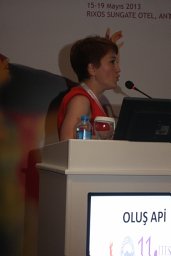 Olus Api合作论文数Department of Obstetrics and Gynecology, Dr. Lutfi Kirdar Kartal Teaching and Research Hospital27
 Semra Kayataş Eser合作论文数Clinics of Obstetric and Gynecology, Goztepe Education and Research Hospital22
 Hakan Nazik合作论文数19Ahmet Cetin合作论文数17Husnu Gorgen合作论文数16
 Yunus Emre Purut合作论文数Gynecology-Oncology clinic, SBU Van Research and Training Hospital15Orhan Unal合作论文数15
 Hakan Aytan合作论文数Department of Obstetrics and Gynecology, Gaziosmanpasa University Faculty of Medicine15Raziye Narin合作论文数13
 Burak Giray合作论文数Sch Med, Koc Univ11Canan Kabaca合作论文数Clin Gynaecol Oncol, Univ Hlth Sci Turkey11
 Cihat Murat Alınca合作论文数10Yavuz Ceylan合作论文数9Arınkan Sevcan Arzu合作论文数8Murat Yayla合作论文数Dicle Üniversitesi8M. Guray Uzun合作论文数7C. Kabaca Kocakusak合作论文数7
 Behiye Pinar Cilesiz Goksedef合作论文数7
 Sami Acar合作论文数7
 Fatih sanlıkan合作论文数7
 Abdurahman Cetin合作论文数Department of Chemistry, Arts and Sciences Faculty, Firat University7H. Görgen合作论文数6
 Eser Ozyurek合作论文数Department of Obgyn, Bagcilar Training and Research Hospital6
 Mehmet ali Narin合作论文数Ministry of Health, Ankara Etlik Maternity and Women's Health Teaching Hospital6Eroglu Mustafa合作论文数6
 Polat Mesut合作论文数6Ismail Baglar合作论文数5
 Selcuk Kaya合作论文数Dept Gen Surg, Kartal Dr Lutfi Kirdar Training & Res Hosp5Baris Boza合作论文数5Kadir Guzin合作论文数5P. Çilesiz合作论文数4didar kurt合作论文数4Fulya Adamhasan合作论文数4
 Şafak Yılmaz Baran合作论文数Adana Dr Turgut Noyan Applicat & Res Hosp, Baskent Univ4Vedat Ugurel合作论文数4Akil A合作论文数4
 Mehmet Ceyhan合作论文数Department of Paediatrics, Memorial Ahmet Örs Hospital4Sefik Eser Ozyurek合作论文数3Fulya Bayer合作论文数3Erman ÇİFTÇİ合作论文数3Muzaffer Seyhan Çıkman合作论文数Department of Gynecologic Oncology, Denizli State Hospital3O KADAYIFCI合作论文数3
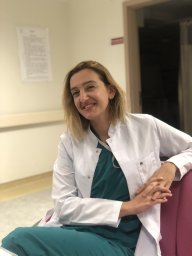 Evrim Bostancı合作论文数Dept Obstet & Gynecol, Zeynep Kamil Matern & Childrens Training & Res Ho3
 Guzel Ahmet Baris合作论文数Department of Gynecologic Oncology, Cukurova University School of Medicine3Aka Nurettin合作论文数3




