INTRODUCTION:Acquired demyelinating syndromes (ADS) of the central nervous system in children present a diagnostic challenge due to overlapping presentations. Differentiating monophasic from potentially recurrent conditions, such as pediatric-onset multiple sclerosis (POMS), myelin-oligodendrocyte glycoprotein antibody-associated disease (MOGAD), and other seronegative ADS, is essential for treatment and prognosis. This study aimed to characterize the initial presentation of pediatric ADS and evaluate the evolution of diagnosis over time to better guide treatment. METHODS:A retrospective study of 59 children with ADS diagnosed at a tertiary pediatric center in Italy (2012-2024) was conducted. Initial classifications included MS, acute disseminated encephalomyelitis (ADEM), clinically isolated syndrome (CIS), optic neuritis (ON), neuromyelitis optica spectrum disorder (NMOSD), or "Indeterminate". Final diagnoses were categorized as MS, MOGAD, or "Other" demyelinating conditions. Demographic, clinical, MRI, CSF, and outcome were analyzed. Statistical comparisons among groups used Mann-Whitney U, Chi-square, or Fisher's exact tests (p < 0.05). RESULTS:At final diagnosis, older age at onset, absence of preceding infection and characteristic MRI findings (periventricular/callosal lesions, cerebellar involvement) were more frequent in MS group. Younger age, preceding infection, fever, irritability, and cortical involvement were associated with MOGAD. Nearly one-third of final MS cases (29%) were initially CIS or ON, while no ADEM cases converted to MS. "Other" ADS (non-MS/MOG-IgG antibody negative patients) showed more severe initial disability (p = 0.01). Transition to adult neurology was significantly higher in MS (p < 0.001). CONCLUSION:these findings underscore the heterogeneity of pediatric ADS at onset and the value of accurate acute management and longitudinal follow-up to refine diagnosis and guide treatment.
Minimally Invasive Repair of Pectus Excavatum (MIRPE) is the most popular technique to repair pectus excavatum in young patients. One or more metallic bars are inserted and maintained for at least 2–3 years. Only a few reports on possible metal release in these patients have been published. The study aimed to search for an increase in blood metal levels in patients after MIRPE and to investigate if surgical details (number of bars and stabilizers) were correlated with metal release. We have prospectively studied blood levels of chromium, nickel, molybdenum and manganese before bar implant in a group of patients undergoing MIRPE between 2017 and 2019 and, in the same patients, at the moment of bar removals between 2020 and 2022. All our patients had the same stainless-steel bar. Blood samples were analysed using inductively coupled plasma mass spectrometry. We included a total of 53 (10 females) patients. Median age at MIRPE was 15.4 years. After a median bar maintenance time of 3.1 years, we observed significantly higher mean levels of chromium (2.43 vs. 0.52 µg/L) and molybdenum (1.87 vs. 0.35 µg/L; p < 0.05). Nickel (4.24 vs. 80.80 µg/L) and manganese (12.69 vs. 19.81 µg/L) were also higher, although not statistically significant. No differences were found regarding the number of bars, stabilizers implanted or gender. No patients had clinical symptoms of metallosis. We demonstrated that metal blood levels increase in patients with retrosternal bars after MIRPE. Clinical implications of our finding are still unknown.
Context:Lumbar spine bone mineral density (BMD) rises sharply during puberty; earlier onset, as in central precocious puberty (CPP), may accelerate skeletal maturation and modify bone accrual. Objective:To assess bone and body composition in girls with CPP/early puberty (EP), premature thelarche (PT), and prepubertal controls (PC). Patients and methods:We analyzed 184 girls aged 5-9 years with suspected CPP/EP (108 CPP/EP, 76 PT) and 47 PC. DXA assessed L1-L4 and total body less head (TBLH) BMD, bone mineral content (BMC), and body composition. Derived measures included bone mineral apparent density (BMAD), trabecular bone score (TBS), android-gynoid fat ratio (A/G), fat mass index (FMI), and fat-free mass index (FFMI). Results:Group CPP/EP showed greater height, BMI SDS, bone age (BA), FM, lean mass, and FFMI than controls, with higher L1-L4 BMD (P < .001) and a trend for higher ΔBMD L1-L4-TBLH Z-score (P = .07); L1-L4 BMAD Z-scores were similar. Versus Group PT, Group CPP/EP had higher Δheight-target height SDS (P = .005), BA (P < .001), and lean mass (P = .03); Group PT had higher A/G (P = .02) and TBS (P = .03). Within Group PT, girls with pubarche had higher height, BMI SDS, BA, FMI, A/G (P = .02) and L1-L4 BMAD Z-scores (P = .01). Conclusion:Both CPP/EP and PT showed higher fat and lean mass than controls, with PT marked by greater central adiposity. Only overweight/obesity, and pubarche onset in PT, were associated with increased L1-L4 BMAD Z-scores. DXA provides additional insight into body composition and bone accrual in girls with early pubertal signs.
CONTEXT:Neuroradiological findings in Noonan syndrome (NS) remain insufficiently characterized. OBJECTIVE:To characterize neuroimaging abnormalities in children with genetically confirmed NS and evaluate their associations with clinical phenotype. DESIGN, SETTING, AND PARTICIPANTS:In this multicenter retrospective study, brain MRI scans and longitudinal clinical and genetic data were reviewed from children with genetically confirmed NS evaluated between 2008 and 2023 at seven pediatric endocrinology centers. MAIN OUTCOME MEASURES:Prevalence and spectrum of neuroimaging abnormalities and their associations with genotype and clinical features. RESULTS:The cohort included 130 individuals with NS (71 males; mean age at MRI, 9.7 years), most carrying PTPN11 variants (69.2%). Structural brain abnormalities were identified in 84.7% and included midbrain-hindbrain malformations (69.2%), callosal anomalies (52.3%), cortical malformations (50%), white matter abnormalities (48.4%), and cranio-cervical junction anomalies (40%). Brain tumors and Chiari I malformation were present in 12.3% and 10.7%, respectively. Seizures were associated with cortical tumors (p = 0.02) and callosal anomalies (p = 0.03), whereas developmental delay was associated with callosal anomalies (p = 0.02) and microcephaly (p < 0.01). Follow-up MRI, available in 41 patients over a mean duration of 6.3 years, showed interval changes in 48.7%, including tumor progression, progressive tonsillar descent, odontoid retroversion, and newly detected lesions. CONCLUSIONS:In this selected cohort of children with NS who underwent brain MRI as part of routine clinical care, structural brain abnormalities were frequent and were associated with neurological manifestations. These findings support a role for RAS/MAPK pathway dysregulation in brain development and highlight the clinical value of MRI in selected patients with NS.
Background: Expanded Newborn Screening (NBS) allows screening for more than 50 inborn errors of metabolism (IEMs), thanks to the use of tandem mass spectrometry (MS/MS). Beyond its primary diagnostic function, NBS offers a valuable opportunity to obtain comprehensive information regarding the nutritional status of each newborn. This aspect is particularly significant in very-low-birth-weight (VLBW) preterm infants, who are at increased risk of multiple perinatal complications. The objective of the present study was to leverage the extensive dataset generated from NBS samples of VLBW infants to explore potential correlations with longitudinal extrauterine growth restriction (EUGR). Methods: We retrospectively analyzed 155 VLBW newborns hospitalized in the neonatal intensive care unit (NICU) and screened at IRCCS Giannina Gaslini Children's Hospital between May 2021 and December 2023. Forty-six NBS metabolites were evaluated at 48-72 h of life (T0), 30 days of life (T1), and at a body weight of 1800 g (T2). Results: Several metabolites showed significant differences between infants with and without longitudinal EUGR in the univariate analyses across the three sampling time points. However, after adjustment for multiple comparisons using the Benjamini-Hochberg procedure, no metabolite remained significantly associated with longitudinal EUGR. Conclusions: Although several metabolites initially appeared to be promising candidates, no independent metabolic signature of longitudinal EUGR was identified after adjustment for multiple testing. Nevertheless, the biological plausibility of several metabolic pathways potentially implicated in postnatal growth provides a rationale for future prospective studies with larger cohorts and more targeted metabolic panels to better elucidate the biological mechanisms underlying longitudinal EUGR.
Background: Obstetrical brachial plexus palsy (OBPP) often results in medial shoulder contracture, with limited abduction and external rotation due to muscle imbalance and joint deformities. Late nerve transfers, such as spinal accessory nerve (SAN) to suprascapular nerve (SSN) transfer, combined with soft tissue release, represent a therapeutic option for shoulder reanimation in children presenting after infancy. Methods: 56 children treated between 2007 and 2019 have been evaluated. Inclusion criteria were as follows: age at time of surgery > 9 months, no primary reconstruction of the brachial plexus, late presentation, two years of follow-up. Patients were divided into groups based on age (<18 months vs. >18 months) and procedures: SAN to SSN transfer associated with subscapularis release (58.9%), SAN to SSN transfer associated with coracohumeral ligament release (17.9%), isolated SAN to SSN (12.5%), multiple nerve transfer (10.7%). Universal Mallet Grading Score was applied. A review of literature on the topic published on Pub Med up to December 2024 was associated with the retrospective analysis of clinical data. Results: At 2 years 84% of patients achieved Mallet Scores > 3, with progressive improvement up to 5 years. No significant differences were observed between age groups or type of palsy. Coracohumeral ligament release demonstrated comparable effectiveness to subscapularis release with fewer complications. Secondary surgical interventions were required in 30% of cases, mainly in those undergoing multiple nerve transfers. Conclusions: SAN to SSN transfer is a reliable and effective procedure for restoring shoulder external rotation. Coracohumeral ligament release provides a minimally invasive means to improve passive range of motion while preserving internal rotation muscle integrity. These combined interventions may reduce the need for more invasive secondary surgeries.
Introduction:Limited evidence exists on whether administering oral dextrose gel immediately after birth reduces the risk of hypoglycemia in the early hours of life. The primary objective of this study was to assess whether early administration of 40% dextrose gel in infants with risk factors could reduce the incidence of hypoglycemia during the first few hours after birth. A secondary aim was to evaluate the impact of early dextrose gel administration on breastfeeding outcomes. Methods:This was a double-arm, randomized trial conducted in two phases that included a total of 297 patients. In the first phase, 200 infants at risk for hypoglycemia were recruited including those who were small for gestational age (SGA), late preterm (LP, born between 34 + 0 and 36 + 6 weeks), large for gestational age (LGA), and infants of diabetic mothers: 100 infants were assigned to the "Dextrose group" and received 40% dextrose oral gel 15 minutes after birth, 100 infants in the "Control group" did not receive any dextrose. Capillary blood glucose was measured at 2 and 4 hours of life. Based on the preliminary findings, the second phase of the study randomized an additional 97 LP infants: 50 in the dextrose group and 47 in the control group, following the same intervention protocol. Results:In the first phase, no significant differences in blood glucose levels were found at 2 and 4 hours of life in infants of diabetic mothers or those who were LGA. In SGA infants blood glucose levels tended to decrease significantly between 2 and 4 hours in the control group. In the second phase, LP infants who received dextrose had significantly higher blood glucose at 2 hours compared to those in the control group. Additionally, LP infants in the dextrose group who were breastfed within the first two hours showed significantly higher blood glucose at two hours than those in the control group. Discussion:Early administration of 40% dextrose gel may be beneficial in maintaining higher blood glucose levels during the first hours of life in LP and SGA infants; our findings suggest that only in LP and SGA patients early intervention with dextrose gel could support glucose homeostasis and potentially improve breastfeeding outcomes.
Historically, appendectomy was the standard treatment for acute appendicitis (AA). Recently, interest has grown in conservative management of uncomplicated AA (UA). This study compared outcomes between non-operative management (NOM) and appendectomy, exploring preoperative factors to guide optimal UA management. In a monocentric retrospective study, we reviewed data on 774 pediatric patients with a primary diagnosis of AA from July 2017 to July 2022. We analyzed demographic, clinical, laboratory, and ultrasound data at first and last admission. Operated patients were stratified by management type and surgery timing. Minimum follow-up was 6 months. Of the 530 children (68.5
Background and aims:Management of Type 1 Diabetes (T1D) in young children is challenging. A poor glycaemic control during the first years of disease increases the risk of microvascular complications. Moreover, hyperglycaemia and glucose variability have a negative effect on the brain development. Advanced hybrid closed loop (AHCL) systems demonstrated to improve glycaemic control in adolescents and adults with T1D although data on younger children are limited. The aim of the study was to evaluate the safety and the effectiveness of AHCL systems' off-label use in children aged less than 7 years. Methods:A retrospective single-center study on T1D patients aged less than 7 years using AHCL systems was conducted. Glycated hemoglobin (HbA1c) values, Continuous Glucose Monitoring (CGM) and insulin requirement data were collected at T0 (AHCL starting), T1 (1-month), T2 (3-months) and T3 (1-year). Results:41 patients were included in the study. No episode of severe hypoglycaemia occurred. Three patients experienced an episode of ketoacidosis (DKA) due to insulin delivery set occlusion. During the 12-months study period, an improvement in HbA1c value (7.50 vs 6.59%, p<0.001), Time in Range (TIR, +10.21%, p<0.001) and Time in Tight Range (TITR, +7.56%, p=0.003) were observed, with a reduction in time in hyperglycaemia and without an increase in time in hypoglycaemia. The AHCL use increased insulin requirement at 12-months, especially in bolus doses (p<0.001). Conclusions:Although AHCL systems are not currently approved for this age group, we have demonstrated their safety and efficacy in children under 7 years with T1D. The use of these systems resulted in significant improvement in glycaemic control without increasing the risk of hypoglycaemia. The impact of early glycaemic control on brain development during the first years of life may support the early introduction of AHCL systems in very young children with T1D. It is essential to gather data that could support the approval of these systems for use in younger age groups.
OBJECTIVE:Some children with Childhood Absence Epilepsy (CAE) exhibit focal abnormalities similar to those observed in Self-Limited Focal Epilepsies of Childhood (SeLFEs). It remains unclear whether this subgroup of patients may present distinct clinical characteristics or prognoses compared to those with CAE and generalized discharges alone. In this study, we retrospectively evaluated the electroclinical features of patients with CAE plus focal abnormalities and compared them with those with CAE lacking focal abnormalities. METHODS:We included children diagnosed with absence epilepsy with onset before the age of 10 years and normal neuropsychomotor development prior to seizure onset. These patients were evaluated and followed up at our Institute between January 2013 and January 2023. RESULTS:Fifteen out of 100 patients with CAE (15%) exhibited focal epileptiform abnormalities characteristic of SeLFEs. In 6 cases (40%), focal interictal epileptiform discharges (IEDs) emerged only after the resolution of absences during routine electroencephalograms (EEGs), while in 9 cases (60%), they occurred concurrently with generalized discharges in the same EEG. Three patients experienced clinical seizures associated with both syndromes, and one of them displayed during the same recording a focal seizure immediately followed by an absence seizure. Patients with both generalized and focal epileptiform abnormalities (CAE plus SeLFE-IEDs/SeLFEs) showed similar outcomes compared to those with generalized abnormalities alone, but they had an earlier age at absence onset (4.3 years vs. 5.7 years, p = 0.03), an increased occurrence of automatisms during absence seizures (50% vs. 17.5%, p = 0.02), and required a higher number of antiepileptic drugs to control absences (average 2.1 vs. 1.4, p = 0.002). SIGNIFICANCE:CAE and SeLFEs share several features, and their coexistence or sequential evolution in clinical practice is not uncommon. This overlap may suggest common pathophysiological mechanisms involving cortico-thalamo-cortical circuits.
Background/Objectives: Oral health plays a crucial role in the physical, emotional, and social well-being of children. Data from 2019 indicate that oral diseases remain a major concern in the Italian paediatric population, affecting not only children's health but also caregivers' well-being. This study aimed to assess the importance attributed by Italian families to their children's oral health and correlate parents' perceptions with children's actual oral health status. Methods: A total of 131 children aged 0-12 years, admitted to the IRCCS Giannina Gaslini Children's Hospital (Genoa, Italy) for reasons other than dental problems, were enroled between 1 January and 31 December 2024. Parents completed validated questionnaires (ECOHIS or PCPQ + FIS) based on their child's age, along with supplementary questions on socio-demographic background and dental history. Oral examination was performed to assess dmft/DMFT scores, the Index of Orthodontic Treatment Need (IOTN), and the Modified Gingival Index (MGI). Results: In younger children (0-5 years), oral health was generally good, but the presence of caries negatively impacted the family's quality of life. Older children (6-12 years) showed higher rates of caries and gingival inflammation, affecting their daily functioning and emotional well-being. Poor oral health was more common among children of non-European backgrounds and those with lower parental education. Early dental visits, within the recommended 24 months of age, were rare. Conclusions: Despite clear international recommendations, early dental visits remain uncommon, and many children experience preventable oral health issues. These findings highlight the urgent need to improve caregiver education and public health strategies to promote early preventive dental care.
Minimally invasive repair of pectus excavatum (MIRPE) creates an iatrogenic communication between the pleural cavities, known as a "buffalo chest." Patients with pectus excavatum are also at increased risk of spontaneous pneumothorax due to congenital apical blebs. When these two conditions coexist, the risk of bilateral spontaneous pneumothorax becomes potentially life-threatening. This study aims to evaluate the incidence and characteristics of spontaneous pneumothorax following MIRPE, with particular attention to the presence and role of congenital blebs.We retrospectively reviewed patients who underwent MIRPE between 2005 and 2024 to identify cases of spontaneous pneumothorax. Only cases occurring at least 1 month postoperatively and unrelated to intraoperative thoracoscopy were included. Patients were followed for at least 10 months. We analyzed laterality, clinical presentation, presence of blebs, treatment, and outcomes. A systematic literature review was also conducted to explore the relationship between buffalo chest, pneumothorax, and pectus excavatum.Among 795 patients, 7 developed spontaneous pneumothorax: 4 unilateral, 3 bilateral. In six cases, blebs were identified and treated with thoracoscopic bullectomy and pleurodesis. Two patients with bilateral pneumothorax experienced cardiac arrest: one recovered after emergency drainage; the other died in a peripheral hospital, where blebs were suspected but not confirmed. The literature review identified nine similar cases in five reports.Bilateral spontaneous pneumothorax after MIRPE can be a life-threatening emergency due to the buffalo chest. Patients and families should be informed of this rare but serious risk to enable early recognition and prompt treatment. Preoperative detection of apical blebs may help reduce this risk.
Background: Survivors of childhood brain cancer survivors (CBCS) have a higher risk of endothelial dysfunction and cardiovascular mortality. Recombinant human growth hormone (rhGH) replacement therapy may help reduce endothelial damage and the development of cardiovascular diseases (CVD). This study aimed to assess biochemical and biophysical endothelial function in CBCS with GH deficiency (GHD). Methods: CBCS who were at least two years post-treatment underwent clinical evaluation, including anthropometric measurements and metabolic assessments (adiponectin, blood clotting, and lipid profile). Endothelial function was evaluated using the estimation of the reactive hyperemia index (RHI) measured by the EndoPAT 2000. A value < 1.5 was considered pathologic. CBCS without GHD served as the control group. Results: The study included 60 participants: 12 controls (mean age 14 ± 4.7 years) and 48 CBCS with GHD (mean age 16.6 ± 4.9 years), 8 of whom were not receiving rhGH therapy. The cohort showed a high prevalence of abnormal RHI values. Although there were no significant differences in weight or body mass index between groups, those with GHD, especially those not on rhGH therapy, had a higher prevalence of an RHI < 1.5, lower pathological adiponectin levels and a disrupted lipid profile. Conclusions: CBCS exhibited altered RHI values consistent with early endothelial biophysical dysfunction. Among patients with GHD, this impairment was further associated with an adverse lipid profile and signs of adipose tissue dysfunction. Recombinant growth hormone replacement therapy may contribute to a partial improvement in biochemical indicators of endothelial function.
BACKGROUND:Rett syndrome (RTT) is a rare neurodevelopmental disorder linked with MECP2 variants, frequently presenting with movement disorders (MDs). OBJECTIVES:This study examined the frequency, types, and associations of MDs with RTT characteristics and severity. METHODS:Twenty female patients (median age 11 years, range 3-40) with MECP2 variants were recruited and assessed using disease severity and MD scales, alongside videotaped neurological examinations. RESULTS:Prevalent MD was hypokinetic in 55% of the patients and hyperkinetic in 45%. Parkinsonism and dystonia were the most common, coexisting in 75% of patients. Higher Movement Disorders-Childhood Rating Scale (MD-CRS) scores correlated with greater severity on the Rett Assessment Rating Scale (RARS) (P = 0.04). Dystonia was significantly associated with respiratory (P < 0.05) and gastrointestinal problems (P = 0.02). CONCLUSIONS:The study identified parkinsonism and dystonia as the prevalent MDs in RTT, emphasizing the association between dystonia and gastrointestinal/respiratory problems and reflecting the complex nature of MDs in RTT.
Introduction: The impact of ETI therapy on pulmonary function and nutritional status has been widely studied; the literature on the possible outcomes on glycemic control and insulin requirement in patients affected by CFRD is controversial. Aim: The main objective of our study was to evaluate HbA1c levels in patients with cystic fibrosis-related diabetes (CFRD) after one year of therapy with elexacaftor/tezacaftor/ivacaftor (ETI). The secondary objective was to study the changes in the total daily insulin dose (TDD), pulmonary function and metabolism in this population. Materials and methods: A retrospective single-center observational study was conducted at the Regional Cystic Fibrosis Centre and Diabetology Centre of IRCCS Istituto Giannina Gaslini. The observation period was divided into four different time points: initiation (T0), 3 months (T3mo), 6 months (T6mo) and 12 months (T12mo) of ETI therapy. Demographic and clinical data were collected. The results were then stratified by genotype (homozygous or heterozygous F508del). Results: Twenty-eight patients with CFRD undergoing insulin therapy were included. TDD (IU) significantly decreased at T3mo and T6mo, but not at T12mo, whereas HbA1c decreased significantly at all three times. The number of hospitalizations and pulmonary exacerbations decreased significantly. Conclusion: We demonstrated both improvement in glycemic control (by means of HbA1c) and insulin requirement in insulin-dependent CFRD patients after one year of ETI treatment.
In recent years, the use of robotic-assisted minimally invasive surgery in pediatric oncology has increased. Despite its benefits, its adoption remains limited. This single-center retrospective analysis examines technical nuances, indications, and surgical limitations to prevent complications. Data from cancer patients treated robotically in 2015–2016 (Group A) and 2020–2022 (Group B) were compared. Decision-making considered tumor characteristics and risks, guided by multidisciplinary tumor board discussions. Data collected included demographics, intra/post-operative details, and tumor classifications. Statistical analysis evaluated influencing factors. Thirty-eight pediatric patients underwent robotic-assisted tumor resection, the median age was 5 years and weight 21.5 kg. Group A had higher median age and weight. Lesions included 23 malignant, 9 borderline, 5 benign cases; neuroblastoma (n = 19) was prevalent procedure and adrenalectomy was the predominant (28.94
The relation between glucose homeostasis and cerebral blood flow (CBF) and their correlation to outcome in neonatal hypoxic-ischemic encephalopathy are unclear. In this short communication, we tried to determine whether changes in regional oxygen saturation (rSO2), as measured by near-infrared spectroscopy (NIRS), in asphyxiated neonates during therapeutic hypothermia correlate with the glycemic profile and whether NIRS and continuous glucose monitoring are useful in identifying cooled asphyxiated neonates at high risk of brain injury. Although there was no correlation between blood glucose and CBF in this small cohort of asphyxiated neonates (13 neonates admitted to the IRCCS Giannina Gaslini NICU in Genoa between March and September 2021), after 24?h of life, increased rSO2 and glucose variability with a tendency toward hyperglycemia distinguished neonates who subsequently acquired brain injury from those who did not. As a result of this, it may be possible to monitor cerebral perfusion and metabolic changes as soon as possible after delivery in order to prevent poorer outcomes.
Objective: Cerebral cavernous malformations (CCMs) are cerebral vascular lesions that occasionally occur with seizures. We present a retrospective case series from IRCCS Gaslini Children’s Hospital, a systematic review, and meta-analysis of the literature with the goal of elucidating the post-surgery seizure outcome in children with CCMs. Methods: a retrospective review of children with cavernous malformation related epilepsy who underwent surgery at Gaslini Children’s Hospital from 2005 to 2022 was conducted. We also conducted a comprehensive search on PubMed/MEDLINE and Scopus databases from January 1989 to August 2022. Inclusion criteria were: presence of CCMs-related epilepsy, in under 18 years old subjects with a clear lesion site. Presence of post-surgery seizure outcome and follow-up ≥ 12 months. Results: we identified 30 manuscripts and 223 patients with CCMs-related epilepsy, including 17 patients reported in our series. We identified 85.7
AimDrowning is a leading cause of unintentional death. Ongoing efforts are dedicated to preventing these tragic incidents. Our aim was to evaluate whether demographic, environmental and epidemiological characteristics of drowned children influence their prognosis.MethodsSingle-centre retrospective study spanning 12 years. Each patient's record included: age, sex, place of residence, presence of siblings, season of incident, location of event, associated trauma, loss of consciousness, need for cardiopulmonary resuscitation, intubation, admission to intensive care unit, length of stay and mortality.ResultsWe enrolled 60 patients, with a mean age of 5.9 +/- 3.4 years; 63.5% were male. Children who did not reside near the sea were significantly older than those who did (p = 0.01) and faced a higher risk of experiencing sea-related drowning (p = 0.05). No patients died. Loss of consciousness and need for cardiopulmonary resuscitation were recorded in 30 and 19 patients respectively. Seven patients sustained trauma. Only one patient requiring intubation. Pool-related drowning were associated with a higher incidence of needing cardiopulmonary resuscitation (p = 0.02). The need for cardiopulmonary resuscitation (p = 0.05) and the occurrence of trauma (p = 0.02) were identified as risk factors for a longer hospitalisation.ConclusionPrevention and early initiation of cardiopulmonary resuscitation are essential for achieving a favourable prognosis. Identifying demographic and environmental risk factors may help identify other effective preventive measures.
 Luca A. Ramenghi合作论文数Giannina Gaslini Hospital31
 Mohamad Maghnie合作论文数Clinica Pediatrica;Università di Pavia;Clinica Pediatrica, Università di Pavia25
 Matteo Bruschettini合作论文数Departments of Pediatrics and Obstetrics and Gynecology, Giannina Gaslini Children's University Hospital24
 Natascia di Iorgi合作论文数Dept Pediat, Univ Genoa17
 Michele Torre合作论文数Department of Otolaryngology - Head and Neck Surgery, IRCCS Istituto Giannina Gaslini16
 Olga Romantsik合作论文数Neonatal Intensive Care Unit, Istituto Giannina Gaslini16
 Andrea Rossi合作论文数15Tortora Domenico合作论文数Department of Radiology, University Hospital of Chieti;Chieti;Department of Radiology, University Hospital of Chieti15
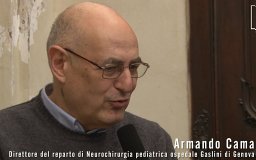 Armando Cama合作论文数Department of Pediatric Neuroradiology, G. Gaslini Children’s Research Hospital15
 Patrizia De Marco合作论文数U.O. Neurochirurgia, Istituto G. Gaslini15Carlo Bellini合作论文数15
 Mariasavina Severino合作论文数14
 Valeria Capra合作论文数U.O. Neurochirurgia, Istituto G. Gaslini14
 Flavia Napoli合作论文数14Giuseppa Patti合作论文数13Emilio Casalini合作论文数13Anna Elsa Maria Allegri合作论文数12
 Marta Bassi合作论文数Dipartimento di Scienze Cliniche Luigi Saccos, Università degli Studi di Milano12Giuseppe D'Annunzio合作论文数Department of Pediatrics, IRCCS Policlinico S. Matteo11Filippo M. Senes合作论文数10
 Lino Nobili合作论文数Department of Neuroscience, Rehabilitation, Ophthalmology, Genetics, and Mother-Child, School of Medical and Pharmaceutical Sciences, University of Genoa;Child Neuropsychiatry Unit, G. Gaslini Children Hospital10Daniela Fava合作论文数9Parodi Alessandro合作论文数9Zappettini Simona合作论文数9Renata Lorini合作论文数Institute G. Gaslini, University of Genova9E Merello合作论文数8Tommaso Bellini合作论文数Pediatric Emergency Room and Emergency Medicine, IRCCS Istituto Giannina Gaslini8Roberto Ravazzolo合作论文数University of Genova8
 Giovanni Morana合作论文数Department of Neurosciences, University of Turin8Elisa De Grandis合作论文数8
 Moresco L合作论文数Department of Fetal, Maternal and Neonatal Medicine, C. Armgo, Alessandria, Italy.8
 Malova Mariya合作论文数Neonatal Intensive Care Unit, Istituto Giannina Gaslini8De Angelis Laura合作论文数Department of Paediatrics, University of Milano;Ospedale Luigi Sacco", via G.B. Grassi 74, 20157 Milano, Italy.;Department of Paediatrics, University of Milano8Giovanni Serra合作论文数8Nicola Minuto合作论文数Pediatric Clinic, G. Gaslini Institute8
 Roberto Gastaldi合作论文数University of Genoa8Margherita Lerone合作论文数8Maurizio Schiavone合作论文数7
 Nunzio Catena合作论文数Microsurgery and Hand Surgery Unit-Orthopaedics and Traumatology Department, G. Gaslini Institute7Mancardi Maria Margherita合作论文数7
 Riccardo Haupt合作论文数Epidemiology and Biostatistics Section, Scientific Directorate G. Gaslini Children’s Hospital7Maura Valle合作论文数7Silvia Russo合作论文数7
 Anwar Baban合作论文数7A Moroni合作论文数6Maurizio Marasini合作论文数6Federica Malerba合作论文数6
 Roberto D’Agostino合作论文数IRCCS Giannina Gaslini, Airway Team6
 Giacomo Pongiglione合作论文数6




