Background: Caudal regression syndrome (CRS) or sacral agenesis is a rare congenital disorder characterized by a constellation of congenital caudal anomalies affecting the caudal spine and spinal cord, the hindgut, the urogenital system, and the lower limbs. CRS is a complex condition, attributed to an abnormal development of the caudal mesoderm, likely caused by the effect of interacting genetic and environmental factors. A well-known risk factor is maternal type 1 diabetes. Method: Whole exome sequencing and copy number variation (CNV) analyses were conducted on 4 Caucasian trios to identify de novo and inherited rare mutations. Results: In this pilot study, exome sequencing and copy number variation (CNV) analyses implicate a number of candidate genes, including SPTBN5, MORN1, ZNF330, CLTCL1 and PDZD2. De novo mutations were found in SPTBN5, MORN1 and ZNF330 and inherited predicted damaging mutations in PDZD2 (homozygous) and CLTCL1 (compound heterozygous). Importantly, predicted damaging mutations in PTEN (heterozygous), in its direct regulator GLTSCR2 (compound heterozygous) and in VANGL1 (heterozygous) were identified. These genes had previously been linked with the CRS phenotype. Two CNV deletions, one de novo (chr3q13.13) and one homozygous (chr8p23.2), were detected in one of our CRS patients. These deletions overlapped with CNVs previously reported in patients with similar phenotype. Conclusion: Despite the genetic diversity and the complexity of the phenotype, this pilot study identified genetic features common across CRS patients.
BACKGROUND:Neural Tube Defects (NTD) are a common class of birth defects that occur in approximately 1 in 1000 live births. Both genetic and nongenetic factors are involved in the etiology of NTD. Planar cell polarity (PCP) genes plays a critical role in neural tube closure in model organisms. Studies in humans have identified nonsynonymous mutations in PCP pathway genes, including the VANGL genes, that may play a role as risk factors for NTD.METHODS:Here, we present the results of VANGL1 and VANGL2 mutational screening in a series of 53 NTD patients and 27 couples with a previous NTD affected pregnancy.RESULTS:We identified three heterozygous missense variants in VANGL1, p.Ala187Val, p.Asp389His, and p.Arg517His, that are absent in controls and predicted to be detrimental on the protein function and, thus, we expanded the mutational spectrum of VANGL1 in NTD cases. We did not identify any new variants having an evident pathogenic effect on protein function in VANGL2. Moreover, we reviewed all the rare nonsynonymous or synonymous variants of VANGL1 and VANGL2 found in patients and controls so far published and re-evaluated them for their pathogenic role by in silico prediction tools. Association tests were performed to demonstrate the enrichment of deleterious variants in reviewed cases versus controls from Exome Variant Server (EVS).CONCLUSION:We showed a significant (p = 7.0E-5) association between VANGL1 rare genetic variants, especially missense mutations, and NTDs risk.
Vangl2 was identified as the gene defective in the Looptail (Lp) mouse model for neural tube defects (NTDs). This gene forms part of the planar cell polarity (PCP) pathway, also called the non-canonical Frizzled/Dishevelled pathway, which mediates the morphogenetic process of convergent extension essential for proper gastrulation and neural tube formation in vertebrates. Genetic defects in PCP signaling have strongly been associated with NTDs in mouse models. To assess the role of VANGL2 in the complex etiology of NTDs in humans, we resequenced this gene in a large multi-ethnic cohort of 673 familial and sporadic NTD patients, including 453 open spina bifida and 202 closed spinal NTD cases. Six novel rare missense mutations were identified in seven patients, five of which were affected with closed spinal NTDs. This suggests that VANGL2 mutations may predispose to NTDs in approximately 2.5% of closed spinal NTDs (5 in 202), at a frequency that is significantly different from that of 0.4% (2 in 453) detected in open spina bifida patients (p = 0.027). Our findings strongly implicate VANGL2 in the genetic causation of spinal NTDs in a subset of patients and provide additional evidence for a pathogenic role of PCP signaling in these malformations.
Aims: Herein we report on the successful isolation and establishment of a novel, long‐term, primary, neurosphere‐like cell line called 1603‐MED from a 5‐year‐old boy affected by a highly aggressive anaplastic medulloblastoma. Methods: Elaboration of the new protocol for neurosphere assay is extensively discussed, together with a complete immuno‐histochemical and cytogenetic characterization of 1603‐MED. Results: Clinical course and histopathology are briefly discussed. The 1603‐MED possesses a high capacity for proliferation, CD133 expression, self‐renewal and differentiation, thus indicating that anaplastic medulloblastoma contains a subpopulation of cancer stem cells as observed in classic medulloblastoma. Conclusions: 1603‐MED provides us with the first in vitro model of anaplastic medulloblastoma that may be suitable for studying both tumour progression and the genetic mechanisms related to therapy resistance, and may lead to the development and testing of chemosensitivity and new therapeutic targets.
BACKGROUND:The retinoic acid (RA)-catabolizing enzyme Cyp26a1 plays an important role in protecting tailbud tissues from inappropriate exposure to RA. Cyp26a1-null animals exhibit caudal agenesis and spina bifida, imperforate anus, agenesis of the caudal portions of the digestive and urogenital tracts, and malformed lumbosacral skeletal elements. This phenotype closely resembles the most severe form of caudal agenesis in humans. In view of these findings, we investigated a potential involvement of the human CYP26A1 gene in the pathogenesis of caudal regression syndrome (CRS).METHODS:Mutational screening of 49 CRS patients and 132 controls was performed using denaturing high-performance liquid chromatography and sequencing. Differences in the genotype and allele frequency of each SNP were evaluated by chi(2) analysis. The biological significance of the intronic variants was investigated by transfection assays of mutant constructs and by analysis of the splicing patterns with RT-PCR.RESULTS:Mutational screening allowed us to identify 6 SNPs, 4 of which (447 C>G, 1134 G>A, IVS 1+10 G>C, and IVS 4+8 AG>GA) are new. In addition, we describe a novel 2-site haplotype consisting of the 2 intronic SNPs. Both single-locus and haplotype analyses revealed no association with increased risk for CRS. The consequences of the 2 intronic polymorphisms on the mRNA splicing process were also investigated. Moreover, using functional and computational methods we demonstrated that both of these intronic polymorphisms affect the intron splicing efficiency.CONCLUSIONS:Our research did not provide evidence that CYP26A1 has implications for the pathogenesis of human CRS. However, the relationship between CRS risk and the CYP26A1 genotype requires further study with a larger number of genotyped subjects.
BACKGROUND:Caudal regression syndrome (CRS) is a congenital heterogeneous constellation of caudal anomalies that include varying degrees of agenesis of the spinal column, anorectal malformations (ARMs), genitourinary anomalies, and pulmonary hypoplasia. The combination of a particular form of hemisacrum, ARM, and presacral mass (teratoma, anterior meningocele, rectal duplication, or a combination thereof) constitutes Currarino syndrome (CS). Previous reports have shown HLXB9 to be a major causative gene for CS. The aim of our study was to reevaluate the involvement of the HLXB9 gene in a larger group of CRS cases.METHODS:SSCP analysis was performed on a series of 48 CRS cases without CS. A case-control approach was used to test whether an alteration of the length of the GCC triplets in exon 1 of the HLXB9 gene could contribute to CRS risk.RESULTS:No pathological variants of the HLXB9 gene were identified by mutational analysis. We also found no evidence that the length of the GCC triplets had any effect on the CRS risk, even when the allelic frequencies were stratified according to the presence or absence of ARMs and the type of sacral agenesis.CONCLUSIONS:We confirmed that the HLXB9 gene is not involved in the pathogenesis of CRS, and to date is known as a causative gene only for CS.
BACKGROUND:Neural tube defects (NTDs) are complex embryological malformations, affecting 1 in 1,000 live births. Antisense studies have implicated murine Mab21 genes as having an important role in neural tube development. We investigated whether MAB21L1/L2 genes could be involved in the aetiology of NTDs.METHODS:Denaturing HPLC (DHPLC) analysis of MAB21 genes was performed in 116 NTD cases. A case-control approach was used to test if the two single nucleotide polymorphisms (SNPs) of the MAB21L1 gene might be associated with increased NTD risk.RESULTS:No pathological variants of MAB21L1/L2 genes were identified by DHPLC analysis. Case-control studies demonstrated that the two SNPs (CAG triplets in 5'UTR; A-->C in 3'UTR) in the MAB21L1 gene are unlikely to be directly responsible for myelomeningocele.CONCLUSIONS:We suggest that MAB21 genes are unlikely to have substantial impact on NTDs. These preliminary findings will need to be investigated in larger samples before firm conclusions can be made.
Homozygosity for the C677T mutation in the methylenetetrahydrofolate reductase (MTHFR) gene is a risk factor for neural tube defects (NTDs) in many populations, including Italians. Another common mutation on the MTHFR gene, A1298C, has also been described as a risk mutation. Furthermore, several studies have suggested that a defective methionine synthase (MS) enzyme could be a critical defect in folate-related NTDs. An A-to-G transition at bp 2756 on the MS gene has also been reported. In this case-control study, we studied the frequencies of these two polymorphisms in 203 Italian probands with non-syndromic NTDs: 98 mothers, 67 fathers, and 210 control individuals. Although the A1298C polymorphism is common in the Italian population (0.25), the allelic frequency was significantly higher among NTD cases and their parents. Heterozygous patients and mothers have an odds ratio (OR) of 1.98 and 2.11, respectively. The risk associated with the 1298CC genotype was higher for cases (OR = 3.67), for fathers (OR = 3.28), and, above all, for mothers (OR = 6.23). The prevalence of the A2756G polymorphism of the MS gene was determined (0.15). No increased prevalence of the mutated G allele was found in NTD families. This study shows that the MTHFR A1298C polymorphism is a genetic determinant for NTD risk in Italy. No association between the MS A2756G and NTD susceptibility was found.
Moderate hyperhomocysteinemia in pregnant women has been associated with an increased risk of neural tube defects (NTDs). Periconceptional supplementation with multi-vitamins containing folic acid may normalize homocysteine metabolism and decrease the NTD risk. The C677 T variant of the MTHFR gene coding for a thermolabile enzyme has been described as the first genetic risk factor that accounts for a group of NTDs characterized by low maternal folate status and high homocysteine concentrations. Another common mutation of the same MTHFR gene, A1298 C, has also been described as an NTD risk factor. In addition to abnormal folate metabolism, anything that compromises the internalization of folate into the cell may be involved in the pathogenesis of NTDs. For this reason, a common polymorphism in the RFC-1 gene encoding the reduced folate carrier protein (A80 G) could also be an additional NTD risk factor. In the present study we examined the genotypic distributions and the allele frequencies of MTHFR A1298 C and RFC-1 A80 G polymorphisms in DNA samples from healthy Italian individuals and compared them to the frequencies observed in NTD cases and their parents. By means of restriction enzymatic analysis, we determined that the frequency of the mutated C allele of the A1298 C mutation was 0.25 among control individuals, which is in the range of that recently reported in other ethnic groups. However, we report that the mutant C allele frequencies are significantly higher among NTD cases and case mothers than among controls (0.39, 0.44, 0.25). Furthermore, for the RFC-1 A80 G mutation, we found that the frequency of the G allele of the RFC-1 mutation was 0.46 in the control population, suggesting that this is a common polymorphism in the Italian population. In spite of the high prevalence of the 80 G/G genotype among healthy subjects, we observed an increased frequency of the G allele in NTD-affected children, and their mothers and fathers. These preliminary results indicate that both the MTHFR and RFC-1 polymorphisms may play a role in NTD risk, at least in the Italian population. Further studies should be directed toward the evaluation of the level of risk conferred by the mutant MTHFR and RFC-1 genotypes, as well as the interaction between these genetic determinants and other nutritional and environmental factors.
Periconceptional folate supplementation reduces the recurrence and occurrence risk of neural tube defects (NTD) by as much as 70%, yet the protective mechanism remains unknown. Inborn errors of folate and homocysteine metabolism may be involved in the aetiology of NTDs. Previous studies have demonstrated that both homozygosity for the C677T mutation in the methylenetetrahydrofolate reductase (MTHFR) gene, and combined heterozygosity for the C677T and for another mutation in the same gene, the A1298C polymorphism, represent genetic risk factors for NTDs. In an attempt to identify additional folate related genes that contribute to NTD pathogenesis, we performed molecular genetic analysis of folate receptors (FRs). We identified 4 unrelated patients out of 50 with de novo insertions of pseudogene (PS)-specific mutations in exon 7 and 3'UTR of the FRalpha gene, arising by microconversion events. All of the substitutions affect the carboxy-terminal amino acid membrane tail, or the GPI anchor region of the nascent protein. Furthermore, among 150 control individuals, we also identified one infant with a gene conversion event within the FRalpha coding region. This study, though preliminary, provides the first genetic association between molecular variations of the FRalpha gene and NTDs and suggests that this gene can act as a risk factor for human NTD.
 Valeria Capra合作论文数U.O. Neurochirurgia, Istituto G. Gaslini15
 Patrizia De Marco合作论文数U.O. Neurochirurgia, Istituto G. Gaslini15
 Armando Cama合作论文数Department of Pediatric Neuroradiology, G. Gaslini Children’s Research Hospital12
 A Moroni合作论文数9
 Maria Grazia Calevo合作论文数Istituto Giannina Gaslini;Giannina Gaslini Hospital8
 Alessandro Raso合作论文数Neurosurgery Unit, IRCCS G. Gaslini Hospital8S Mascelli合作论文数4L Arata合作论文数4Luciano Andreussi合作论文数4
 Richard Finnell (理查德·菲纳尔)合作论文数Center for Precision Environmental Health, Baylor College of Medicine;Department of Nutritional Sciences, University of Texas;Dell Children's Medical Center;Department of Chemistry and Biochemistry, University of Texas4
 Zoha Kibar合作论文数2RC Barber合作论文数1M. Garcia-Barcelo合作论文数1M Lerone合作论文数1Catherine Ottaviano合作论文数1Laura Rodríguez合作论文数1S Parodi合作论文数1S Salem合作论文数1R de Franchis合作论文数1M Ravegnani合作论文数1F Blasi合作论文数1
 Michele Torre合作论文数Department of Otolaryngology - Head and Neck Surgery, IRCCS Istituto Giannina Gaslini1
 Stacey Cherny合作论文数Tel Aviv University1
 Giacomo Consalez合作论文数1
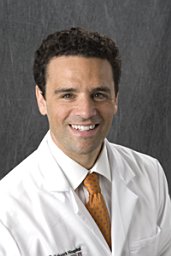 Bassuk Alexander G合作论文数Dept Pediat, Univ Iowa1
 Desmond Campbell合作论文数1Bosoi Ciprian M合作论文数CHU Sainte Justine Research Center, University of Montreal1Robert Milan Porsch合作论文数Department of Psychiatry, University of Hong Kong1
 Philippe Gros合作论文数Department of Biochemistry, School of Biomedical Sciences, McGill University;McGill University Research Centre on Complex Traits1A. Gregorio合作论文数1F. Negri合作论文数1E Pauwels合作论文数1Guo Cheng合作论文数1Alessandro Consales合作论文数Department of Neurosurgery, Giannina Gaslini Institute1Claudia Milanaccio合作论文数1
 Pak Chung Sham (沈伯松)合作论文数Department of Psychiatry, School of Clinical Medicine, Li Ka Shing Faculty of Medicine, The University of Hong Kong;State Key Laboratory of Brain and Cognitive Sciences, The University of Hong Kong1Paolo Nozza合作论文数1
 Giuseppe Martucciello合作论文数Department of Pathology, Nagoya University1
 Tam, Kwong Hang Paul (谭广亨)合作论文数Department of Surgery, Li Ka Shing Faculty of Medicine, The University of Hong Kong;Lincoln College, University of Oxford1
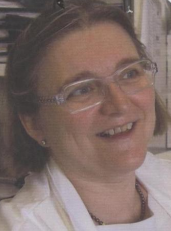 Maria Luisa Garre合作论文数Istituto Giannina Gaslini1
 Gianluca Piatelli合作论文数Department of Neurosurgery, Giannina Gaslini Institute1Manting So合作论文数1




