The editorial content of Cardiology Rounds is determined solely by the Cardiovascular Division of Brigham and Women’s Hospital. This publication is made possible by an educational grant. of the heart and recognized by a characteristic pattern of hemodynamic, renal, neural, and hormonal responses. 7 And, in 1988, Professor Jay Cohn suggested that HF should be defined as “a syndrome in which cardiac dysfunction is associated with reduced exercise tolerance, a high incidence of ventricular arrhythmias, and shortened life expectancy. 8” The Task Force of the European Society of Cardiology defined HF “as a condition when symptoms of HF, objective evidence of cardiac dysfunction, and response to treatment directed towards HF exist. 9” The definitions above were proposed to recognize systolic HF, since diastolic HF was only appreciated rather recently. The contemporary clinical definition of systolic HF is “a clinical syndrome associated with congestive symptoms and/or symptoms of low cardiac output due to impaired ventricular pump function (reduced EF).”
A simplified design method for a group delay equalizer with multiple poles has been developed, which replaces the conventional approach of cascading several C- and D-type equalizers by one equalizer with multiple poles. A prototype 4-pole equalizer has been designed and tested with satisfactory performance.
An equivalent network for a multiple screen bandpass filter with an obliquely incident plane wave has been developed. Based upon this network, the design formulation for this type of filter is derived. Such quasi-optical filter may be used as a diplexer or a multiplexer.
A simplified equivalent network for a quasi-optical bandpass filter consisting of several wire-grid polarizers has been developed based upon the concept of local coordinates. Various modes of loss are evaluated, and the equivalent unloaded Q is computed.
This paper describes a filter tuning method based upon the match of measured and computed input impedances for a short-circuited filter. Two singly terminated filters, an 8-pole Chebychev filter and a 6-pole pseudo-elliptic function filter, tuned by using this method have demonstrated excellent performance.
2 whereas genetic syndromes of high HDL-C are often associated with decreased risk of CHD. These observations led to the recommendation for the inclusion of HDL-C in routine screening of all adults 3 and as an independent risk factor in the assessment of
Cardiovascular disease (CVD) accounts for over 40% of all deaths in women in the United States and is the leading killer of women in most developed countries. For many years, nearly all studies of coronary artery disease (CAD) excluded women. This was likely due to age bias, rather than gender bias, as men present with CVD at a younger age. The problem of CVD in women has therefore been masked by the protective effect from cardiac death in young premenopausal women. This issue of Cardiology Rounds reviews the role of gender in CAD with specific emphasis on the current understanding of the role that ovarian function and hormone replacement therapy (HRT) plays in atherosclerosis.
 Mark A Creager合作论文数Department of Medicine, Geisel School of Medicine, Dartmouth College;Department of Surgery, Geisel School of Medicine, Dartmouth College;Dartmouth Hitchcock Medical Center18
 Samuel Zachary Goldhaber合作论文数Division of Cardiovascular Medicine, Brigham and Women's Hospital;Harvard Medical School18
 Charles M. Blatt合作论文数18
 Joshua Beckman合作论文数Section of Vascular Medicine, Division of Cardiovascular Medicine, Vanderbilt University Medical Center17
 Michael Mark Givertz合作论文数Heart and Vascular Center, Brigham and Women's Hospital;Harvard Medical School17Thomas B. Graboys合作论文数17
 Elliott Marshall Antman合作论文数Brigham and Women's Hospital;Harvard Medical School;Boston Biomedical Innovation Center17Laurence Epstein合作论文数17
 Robert P Giugliano合作论文数Cardiovascular Division, Brigham and Women’s Hospital;Harvard Medical School16
 Elazer Edelman合作论文数Edelman Lab;Department of Biology, Norwegian University of Science and Technology16
 Peter Ganz合作论文数Department of Medicine, School of Medicine, University of California16Andrew Eisenhauer合作论文数16
 Scott Kinlay合作论文数Department of Medicine, Chobanian & Avedisian School of Medicine, Boston University;Brigham and Women's Hospital15Michael Chin合作论文数15
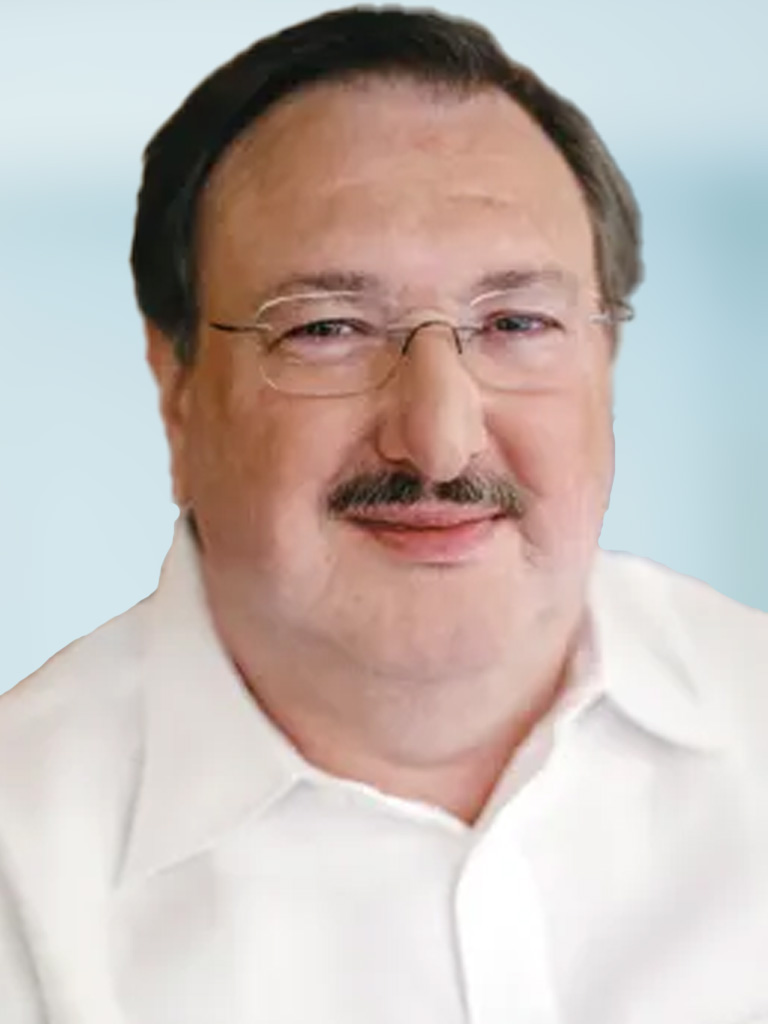 Donald Baim合作论文数Baim Institute for Clinical Research15Howard Hartley合作论文数15
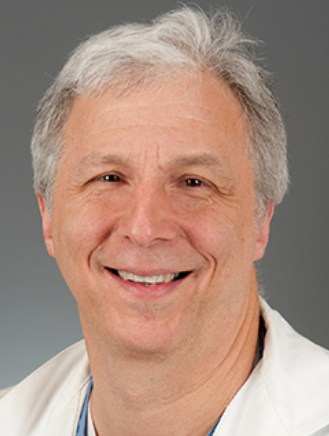 Michael J. Landzberg合作论文数Department of Cardiology, Boston Children's Hospital14J. Michael Gaziano合作论文数13
 Gideon Koren合作论文数Medical School, Brown University;Cardiovascular Research Center, Rhode Island Hospital13
 Raymond Yan-Kit Kwong合作论文数Department of Medicine, Harvard Medical School;Division of Cardiovascular Medicine, Brigham and Women's Hospital13Jamil Kirdar合作论文数13
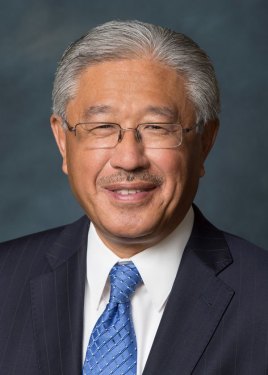 Victor J. Dzau (曹文凯)合作论文数Department of Medicine, Duke University School of Medicine;National Academy of Medicine12
 Mark E. Feinberg合作论文数Department of Human Development and Family Studies, The Pennsylvania State University;Edna Bennett Pierce Prevention Research Center, College of Health and Human Development, The Pennsylvania State University12
 Richard E. Kuntz合作论文数Medtronic12
 Mukesh Jain合作论文数School of Computational and Integrative Sciences, Jawaharlal Nehru University12
 Paula Johnson合作论文数12James Kirshenbaum合作论文数12Jonas Galper合作论文数12Michelle Albert合作论文数12Christopher Cannon合作论文数11Anju Nohria合作论文数Cardiology, Brigham and Women's Hospital, Boston, MA10
 Bernard Lown合作论文数Brigham and Women's Hospital;School of Public Health, Harvard T.H. Chan10
 David A. Morrow合作论文数Levine Cardiac Intensive Care Unit, Brigham and Women's Hospital;Harvard Medical School, Harvard University10
 Marie D. Gerhard合作论文数10
 Marc A. Pfeffer合作论文数Carl J. and Ruth Shapiro Cardiovascular Center, Heart and Vascular Center, Brigham and Women's Hospital;Harvard Medical School10
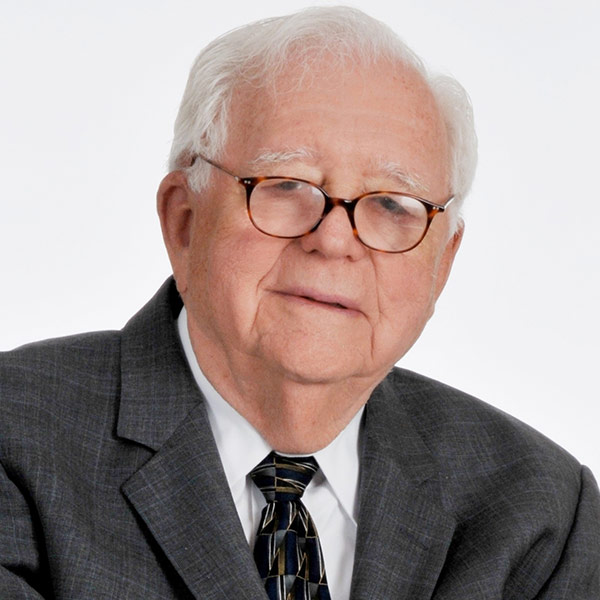 Eugene Braunwald合作论文数Department of Medicine, Brigham and Women's Hospital, Harvard Medical School10Gilbert Mudge合作论文数10
 Carolyn Yung Ho合作论文数Cardiovascular Genetics Center, Brigham and Women's Hospital;Harvard Medical School10
 James C. Fang合作论文数School of Medicine, University of Utah9Karen Moulton合作论文数9Kenneth Baughman合作论文数9John Jarcho合作论文数8
 Patrick T. O'Gara合作论文数Division of Cardiovascular Medicine, Brigham and Women's Hospital7Gavin Blake合作论文数7Ralph Kelly合作论文数7William Maisel合作论文数7Leonard Lilly合作论文数6James Fang合作论文数6




