Sample return missions are the most difficult tasks we ask robotic spacecraft to undertake in exploring our solar system, but we do so because of the high value returned samples have for the planetary science community. Thus far, we have only acquired samples from: the Moon, three asteroids, a comet’s tail, and the solar wind at the Earth-Sun Lagrange Points. The National Academy’s most recent decadal survey of planetary science in NASA — Origins, Worlds, Life (OWL) — emphasized the value of samples returned to Earth for analysis and called for NASA to prioritize samples returned from Mars, the Moon’ South Pole, a Jupiter-family comet, and Ceres. Currently available rockets and propulsion technology impose severe, and possibly insurmountable, limits to where we can send robot explorers and return samples within a reasonable timescale. Now, the advent of large new rockets offers the potential for very high C3 Earth escape trajectories. Parallel developments in Nuclear Propulsion yield much higher ISP than chemical propulsion and can operate far away from the Sun. Our novel trajectory and mission architecture analysis shows that, combining these technologies, sample return from all across the solar system starts to become feasible within the career lifetime of a planetary scientist.
Titan's atmospheric methane requires replenishment due to photolysis-driven loss. We have modeled the destabilization of an upper layer of methane clathrate hydrates (MCH) containing some ammonia (NH3) through thermal interaction with a warm ice intrusion (such as a diapir). Given the potential abundance of MCH in Titan's crust, the volumes of methane released by such episodic thermal exchange processes are sufficient to maintain Titan's current atmospheric methane abundance over geological time. The presence of ammonia is required for MCH destabilization. The destabilization process relies on the concentration of ammonia in partial melts that form in pockets in the Titan crust. We find that the minimum ammonia content in these pockets of partial melt required for MCH to be a source of methane supply (caused by thermal destabilization by warm (260 K) ice intrusive bodies) is 26wt% if the MCH layer is 5 km thick and 21wt% where the MCH layer is 10 km thick. The volumes of water-ammonia remaining after MCH destabilization and methane escape can possibly provide sources of postulated cryovolcanic liquids on Titan's surface.
The conventional wisdom in space systems engineering holds that simplicity is golden: systems should minimize complexity while meeting requirements. A simpler system is typically considered more robust and less prone to risk because it can be tested thoroughly and has fewer points of failure. While the core philosophy of this principle remains valid, we argue that the reality is more nuanced-particularly for planetary exploration missions, which face substantially greater uncertainties than Earth-orbiting missions. We investigated eight past and ongoing missions that encountered unexpected situations and either successfully or unsuccessfully adapted to them: Galileo, Hayabusa, Deep Space 1, Juno, SMAP, OSIRIS-Rex, InSight, and Mars 2020 Rover (Perseverance). Our study draws on a series of interviews with experts directly involved in these missions, as well as a thorough review of relevant literature. We found that it is often departures from design minimalism that enabled, or could have enabled, missions to adapt to anomalies and surprises. Specifically, we identified six key design features that enabled in-space adaptivity. These findings can help establish new design principles for making space systems adaptive by design.
The Curiosity rover uncovered new evidences of fluvial-deltaic deposits at the Gale crater, suggesting the existence of a long-lasting lake in the past. Additional observation of methane (CH _4 ) emanations has led to the idea that the past water-rich environment was also conducive to the stabilization of CH _4 -clathrates in the subsurface. If we consider that one of the possible sources of CH _4 can come from subsurface clathrates, it is crucial to determine whether other secondary minerals coexisting in the underground, such as clay minerals and/or salts, affect their stability. Both clay minerals and salts may affect clathrate thermodynamics and kinetics, as they can decrease gas availability through gas adsorption on clay surfaces or salting-out effects. In this work, we experimentally studied the kinetics of formation and dissociation of CH _4 -clathrates in the presence of MgSO _4 brines and two types of clay minerals, i.e., one montmorillonite (2:1 type), and kaolinite (1:1 type), by differential scanning calorimetry. The results showed that the presence of both sulfates and clay minerals at high concentrations can favor the induction time of clathrate formation, but reduce the final amount of clathrates. Both the salting out effect caused by the salts and the water being strongly bonded to the clay surfaces are the main factors that prevent clathrate growth. These results have important implications for evaluating clathrates as a potential source for the CH _4 detections in Gale, since the experiments demonstrate the inhibition of clathrate crystallization within mineral associations found in the crater.
The surface and subsurface of worlds beyond Mars remain largely unexplored. Yet these worlds hold keys to fundamental questions in planetary science - from potentially habitable subsurface oceans on icy moons to ancient records preserved in Kuiper Belt objects. NASA's success in Mars exploration was achieved through incrementalism: 22 progressively sophisticated missions over decades. This paradigm, which we call Planetary Exploration 2.0 (PE 2.0), is untenable for the outer Solar System, where cruise times of a decade or more make iterative missions infeasible. We propose Planetary Exploration 3.0 (PE 3.0): a paradigm in which unvisited worlds are explored by a single or a few missions with radically adaptive space systems. A PE 3.0 mission conducts both initial exploratory science and follow-on hypothesis-driven science based on its own in situ data returns, evolving spacecraft capabilities to work resiliently in previously unseen environments. The key enabler of PE 3.0 is software-defined space systems (SDSSs) - systems that can adapt their functions at all levels through software updates. This paper presents findings from a Keck Institute for Space Studies (KISS) workshop on PE 3.0, covering: (1) PE 3.0 systems engineering including science definition, architecture, design methods, and verification validation; (2) software-defined space system technologies including reconfigurable hardware, multi-functionality, and modularity; (3) onboard intelligence including autonomous science, navigation, controls, and embodied AI; and (4) three PE 3.0 mission concepts: a Neptune/Triton smart flyby, an ocean world explorer, and an Oort cloud reconnaissance mission.
Sample return missions are among the most difficult tasks for robotic spacecraft in exploring our solar system. However, the samples they return to Earth have significantly high value for the planetary science community. Thus far, we have only acquired samples from the Moon, three asteroids, a comet's tail, and the solar wind at the Earth-Sun Lagrange Points. The National Academy's most recent decadal survey of planetary science at NASA emphasized the value of samples returned to Earth for analysis and called for NASA to prioritize samples returned from Mars, the Moon's South Pole, a Jupiter-family comet, and Ceres. Currently available rockets and propulsion technology impose severe, and possibly insurmountable, limits to where we can send robot explorers and return samples within a reasonable timescale. Now, the advent of large new rockets offers the potential for very high C3 (characteristic energy) Earth escape trajectories. Parallel developments in Nuclear Propulsion yield much higher ISP than chemical propulsion and can operate far away from the Sun. Our novel trajectory modeling results and mission architecture analysis show that, by combining these technologies, sample return from across the solar system becomes feasible within the career lifetime of a planetary scientist.
Launched in April, 2023, ESA’s JUpiter ICy moons Explorer (JUICE) is now two years into its journey to the Jupiter system. Upon arrival in 2031, the spacecraft will orbit Jupiter for 3.5 years, making 35 total encounters with Ganymede, Europa, and Callisto, before going into orbit about Ganymede for 1 year. NASA’s Europa Clipper successfully launched in October 2024, and arrives in the Jupiter system in 2030, more than a year before JUICE. Orbiting Jupiter, the Clipper spacecraft will spend a year in the system before focusing on ~52 flybys of Europa during a nominal three-year primary mission phase, while also making multiple serendipitous flybys of Ganymede and Callisto.A preliminary analysis of potential joint science opportunities has been conducted by a small team of scientists from the JUICE and Clipper mission teams. Ideas have been collated from JCSC members as well as from three joint Clipper-JUICE workshops (2018, 2019, 2022), and the Science Traceability Matrix from a prior joint ESA-NASA study, the Europa Jupiter System Mission (EJSM). We have produced two reports on science that can be accomplished during the two spacecrafts’ cruise and Jupiter approach phases, and potential opportunities once JUICE and Clipper are both in orbit around Jupiter. For the former, we note that cruise represents a rare occasion for joint measurements of interplanetary space between the orbits of Mars and Jupiter, and an unprecedented opportunity for an upstream solar wind monitor (JUICE) during approach to the Jupiter system once Clipper is already orbiting Jupiter. For the latter, we find that the presence of two flagship-class, well-instrumented spacecraft in the Jovian system during the same 4.3 year period affords extraordinary opportunities to increase the science return beyond that possible from each mission alone. Joint observations are possible of all four Galilean satellites, the Jovian rings and small satellites, Jupiter’s atmosphere, and the magnetosphere. 100 potential joint science objectives have been identified, of which 50 are considered high priority. These include many synergistic measurements; some which would take place contemporaneously, and some measurements that are coordinated but asynchronous; and many complementary objectives such as cross-calibration of instruments and also serendipitous opportunities. The data return would be further enhanced by coordination with ground- or space-based assets during some of the measurements.There are currently no firm commitments from NASA or ESA to accomplish science beyond that of each mission’s primary science objectives. However, discussions continue and we are hopeful that our recommendations for the opportunities afforded by the two missions’ alignment will enable resource support to be found.
Jupiter’s icy moon Europa is an ocean world that is a prime candidate in our search for potential extraterrestrial habitability and life beyond Earth. Europa’s surface hosts many features proposed to originate from brine sources within its icy shell, which may represent the most accessible liquid water bodies within our solar system. An intriguing possible example is the asterisk-shaped “spider” at the center of Manannán crater, identified by the Galileo mission, for which we propose the informal name Damhán Alla. We present a new formation hypothesis for Damhán Alla based on morphological analysis and preliminary analog modeling. We suggest that the feature may originate from a process similar to that forming dendritic “lake stars;” seasonal features found on frozen ponds and lakes on Earth, but under elevated post-impact pressure and temperature conditions. We present laboratory experiments performed in a liquid nitrogen-cooled glove box at NASA’s Jet Propulsion Laboratory, which indicate that similar patterns can form in Europa granular ice simulant under lower-temperature regimes expected after impact, and we present initial calculations to describe the hypothesized process.
Calcium sulfate minerals are found in multiple environments on Earth and Mars, with chloride (Cl) salts widely distributed on both planets. Low-temperature studies have explored geochemical processes, including the formation of transient liquid water and ion migration on Mars. Some Cl-salts (e.g., NaCl and CaCl2) can dissolve gypsum (CaSO42H2O) in certain environments, making gypsum-Cl salt interactions significant. Additionally, gypsum's geochemical transformation at high temperatures reveals dehydration pathways crucial for understanding Mars' aqueous history and potential for life. This study examines gypsum dehydration through (i) thermal analyses and (ii) interactions with Cl-salts over a temperature range of -90 to 400 degrees C. We applied three spectroscopic techniques (Raman, visible/near-infrared, and mid-IR) plus X-ray diffraction (XRD) to analyze these samples under variable conditions. This study also provides a low-temperature spectral data set for gypsum and gypsum-Cl salt mixtures, beneficial for orbital analyses. Our findings reveal that experimental (i) heating rates, (ii) temperature ranges, (iii) relative masses of gypsum and Cl-salts, and (iv) dehydration environments (e.g., in situ and in vacuo) influence Ca-sulfate phase formation. Although we find different results in some cases, this study demonstrates that changing experimental conditions affects the detectability and transformation of gypsum. Further, these results indicate that the geochemical environmental conditions on Mars play a role in gypsum's geochemical transformation to dehydrated components. This study also provides structural and chemical data for Ca sulfate assemblages from vibrational spectroscopy and XRD, which extends our knowledge of gypsum and related materials under variable conditions, thus aiding orbital and surface planetary analyses that may help to advance our understanding of planetary geochemistry on Mars.
ESA’s JUpiter ICy moons Explorer (JUICE) launched on April 14, 2023, beginning an eight-year journey to the Jupiter system. Arriving in 2031, JUICE will make 35 total flybys of Ganymede, Europa, and Callisto before going into orbit about Ganymede. NASA’s Europa Clipper is scheduled to launch in October 2024, arriving in the Jupiter system in 2030, a year ahead of JUICE. Clipper will spend a year in the system before undertaking 49 flybys of Europa during a nominal three-year primary mission phase, while also making multiple serendipitous flybys of Ganymede and Callisto. Having two highly instrumented spacecraft in close proximity in time and space affords unprecedented opportunities for synergistic observations during the missions’ main orbital phases, and unique heliospheric and magnetosphere science during cruise and Jupiter approach. While there are currently no firm commitments from NASA or ESA to accomplish science beyond that of each mission’s primary science objectives, discussions are ongoing and the task of the appointed JUICE-Clipper Steering Committee (JCSC) is to provide recommendation of compelling joint science opportunities between the two missions. This paper will focus on the cruise and Jupiter approach phases. We have identified a number of potential opportunities for investigating the evolution of the solar wind plasma and interplanetary magnetic field and related structures such as monitoring Coronal Mass Ejections (CMEs) or Corotating Interaction Regions (CIRs) during times when the two spacecraft are radially aligned (i.e. at similar heliocentric longitudes) or at similar heliocentric distances, as well as radio science observations of the solar wind and/or Solar Energetic Particle (SEP) events that could be observed throughout interplanetary transfer. There is also potential for investigating the evolution of solar wind structures and disturbances when both spacecraft are “connected” through Parker Spiral field lines. The cruise science return from JUICE and Clipper could be further enhanced by data from other operational spacecraft (e.g., BepiColombo, Solar Orbiter, Parker Solar Probe, MAVEN, IMAP, Psyche), thus expanding the catalogue of opportunities for these identified configurations, as well as simultaneous observations by ground and space-based observatories (e.g., JWST, Keck, etc.). The >1 year Jupiter approach phase of the JUICE spacecraft while Clipper orbits within the jovian magnetosphere provides an unrivalled opportunity to study the complexity of the solar wind-magnetosphere interaction and aurora at Jupiter, a topic where there remain many open questions. This phase would provide a unique opportunity for preparatory joint observations to understand if and how the solar wind influences the moon’s local space environment, and the related interaction with Jupiter’s rapidly rotating magnetosphere.
The search for extraterrestrial bio-signatures and the origin of Earth's water remain two of the most compelling questions in planetary science. While no direct evidence of life beyond Earth has been found, water is a key prerequisite for life, and tracing its presence throughout the solar system may provide vital clues. A leading theory suggests that Earth's water may have originated from comets, supported by limited water isotopic measurements that match Earth's ocean water. However, more data from a larger sample of comets is needed to validate this theory. Traditional sub-millimeter wave spectrometers, capable of such measurements, are often too large and power-intensive for small spacecraft platforms. To address this, we present WHATSUP-a next-generation, ultra-compact, low-power, room-temperature submillimeter-wave (500-600 GHz) spectrometer-designed primarily for CubeSat and SmallSat platforms, though equally well-suited for a range of other missions. WHATSUP utilizes advances in CMOS system-on-chip electronics, innovative low profile and low mass silicon lens antenna, Micro-electro mechanical system (MEMS)-based THz switching, and a novel programmable calibration load. Together, these innovations deliver a highly integrated system with a total mass of only 2 kg and power consumption under 7 W, which is a substantial improvement over previous submillimeter-wave instruments. This enables affordable, high-frequency spectral observations from multiple low-cost missions, potentially revolutionizing how isotopic studies of cometary water are conducted and opening new pathways for outer solar system exploration. WHATSUP instrument was flown on the NASA Hand Launch Payload (HLP) ballooncraft and performed atmospheric soundings across Texas, USA in July 2023.
Hydrogen sulfide (H2S) is the fifth most abundant molecule observed in the coma of comet 67P/Churyumov-Gerasimenko (67P). Prior to its incorporation into cometary materials, H2S likely underwent ultraviolet (UV) radiation exposure, which is thought to initiate a complex sulfur chemistry. We present an investigation into the UV photochemistry of H2S ices using infrared, Raman, and mass spectrometry techniques. Our study reveals the production of complex sulfur allotropes ranging from S-2 to S-6, alongside polysulfanes (H2Sn, n = 2-3). Temperature-programmed desorption measurements postirradiation of H2S exhibit two peaks for S-2 molecules: a broad peak between 80 and 140 K and a distinct peak at similar to 245 K. Notably, larger allotropes S-3-S-5 exclusively display the 245 K peak. Furthermore, ROSINA measurements of the S-2/H2S ratio during dust impact events and previously reported S-2/H2S ratios in the undisturbed coma are compared to our laboratory-determined S-2/H2S values. This analysis identifies two distinct sources of S-2: a volatile S-2 potentially sublimated directly from the comet's surface and a secondary source likely resulting from fragmentation of larger sulfur chains during dust impacts. We determined the ratio of produced S-2 to the initial H2S for both the volatile component and the refractory component at 245 K with both measurements conducted at an irradiation incident fluence of 2.25 x 10(17) photons cm(-2). These laboratory-derived S-2/H2S ratios exhibit concordance with ROSINA measurements. When extrapolated to incident fluences anticipated in molecular clouds, this photoprocessing mechanism offers a plausible explanation for the measured S-2/H2S ratio in comet 67P.
Geological investigations planned for the Europa Clipper mission will examine the formation, evolution, and expression of geomorphic structures found on the surface. Understanding geologic features, their formation, and any recent activity are key inputs in constraining Europa’s potential for habitability. In addition to providing information about the moon’s habitability, the geologic study of Europa is compelling in and of itself. Here we provide a high-level, cross-instrument, and cross-discipline overview of the geologic investigations planned within the Europa Clipper mission. Europa’s fascinating collection of ice-focused geology provides an unparalleled opportunity to investigate the dynamics of icy shells, ice-ocean exchange processes, and global-scale tectonic and tidal stresses. We present an overview of what is currently known about the geology of Europa, from global to local scales, highlighting outstanding issues and open questions, and detailing how the Europa Clipper mission will address them. We describe the mission’s strategy for searching for and characterizing current activity in the form of possible active plumes, thermal anomalies, evidence for surface changes, and extremely fresh surface exposures. The complementary and synergistic nature of the data sets from the various instruments and their integration will be key to significantly advancing our understanding of Europa’s geology.
The MAss Spectrometer for Planetary EXploration (MASPEX) is a high-mass-resolution, high-sensitivity, multi-bounce time-of-flight mass spectrometer (MBTOF) capable of measuring minor species with abundances of sub-parts-per-million in Europa’s sputter-produced and radiolytically modified exosphere and in its oceanic plumes. The goal of the MASPEX-Europa investigation is to determine, through in-situ measurement of the exosphere and plume composition, whether the conditions for habitability exist or have existed on Europa. As conventionally defined, based on our knowledge of Earth life, the three fundamental conditions for habitability are: (1) the presence of liquid water; (2) the presence of organic compounds and the biogenic elements CHNOPS; and (3) a source of energy available for metabolic processes, which for Europa will most probably be chemosynthetic rather than photosynthetic. Condition (1) is already established by previous indirect (magnetic field) measurements, while MASPEX will contribute directly to the evaluation of condition (2) through highly specific compositional measurements in the Europan exosphere and plumes. The composition measurements will also contribute to the test of condition (3) through disequilibrium states of chemical reactions. Thus, the primary goal of MASPEX for Europa Clipper is to assess the habitability of Europa and specifically of its interior ocean. MASPEX has been developed successfully, and its calibration has demonstrated that it meets its specified requirements for sensitivity, dynamic range, and mass resolution. This paper reports the development of the MASPEX scientific investigation, the instrument, its performance, and calibration.
The goal of NASA’s Europa Clipper mission is to assess the habitability of Jupiter’s moon Europa. After entering Jupiter orbit in 2030, the flight system will collect science data while flying past Europa 49 times at typical closest approach distances of 25–100 km. The mission’s objectives are to investigate Europa’s interior (ice shell and ocean), composition, and geology; the mission will also search for and characterize any current activity including possible plumes. The science objectives will be accomplished with a payload consisting of remote sensing and in-situ instruments. Remote sensing investigations cover the ultraviolet, visible, near infrared, and thermal infrared wavelength ranges of the electromagnetic spectrum, as well as an ice-penetrating radar. In-situ investigations measure the magnetic field, dust grains, neutral gas, and plasma surrounding Europa. Gravity science will be achieved using the telecommunication system, and a radiation monitoring engineering subsystem will provide complementary science data. The flight system is designed to enable all science instruments to operate and gather data simultaneously. Mission planning and operations are guided by scientific requirements and observation strategies, while appropriate updates to the plan will be made tactically as the instruments and Europa are characterized and discoveries emerge. Following collection and validation, all science data will be archived in NASA’s Planetary Data System. Communication, data sharing, and publication policies promote visibility, collaboration, and mutual interdependence across the full Europa Clipper science team, to best achieve the interdisciplinary science necessary to understand Europa.
Jupiter's icy moon, Europa, harbors a subsurface liquid water ocean; the prospect of this ocean being habitable motivates further exploration of the moon with the upcoming NASA Europa Clipper mission. Key among the mission goals is a comprehensive assessment of the moon's composition, which is essential for assessing Europa's habitability. Through powerful remote sensing and in situ investigations, the Europa Clipper mission will explore the composition of Europa's surface and subsurface, its tenuous atmosphere, and the local space environment surrounding the moon. Clues on the interior composition of Europa will be gathered through these assessments, especially in regions that may expose subsurface materials, including compelling geologic landforms or locations indicative of recent or current activity such as potential plumes. The planned reconnaissance of the icy world will constrain models that simulate the ongoing external and internal processes that act to alter its composition. This paper presents the composition-themed goals for the Europa Clipper mission, the synergistic, composition-focused investigations that will be conducted, and how the anticipated scientific return will advance our understanding of the origin, evolution, and current state of Europa.
Autonomous planning and scheduling is a key enabling technology for future robotic Solar System explorers: as missions venture farther in the Solar System, light-speed delays and low available bandwidth make on-board autonomy increasingly attractive to maximize science returns and enable otherwise-infeasible observations of transient phenomena, e.g. storms on gas giants and plumes on icy worlds. However, ground operations of future autonomous explorers will require a paradigm shift, moving from the current practice of specifying timed sequences of commands to specifying high-level goals that on-board autonomy should elaborate based on the spacecraft's state and on the sensed environment. In this paper, we explore the problem of adapting ground operations processes, roles, and tools to accommodate on-board planning and scheduling. We design and prototype a framework of user interfaces and algorithmic tools to support uplink and downlink processes of future autonomous spacecraft. The framework's goals are to allow scientists and engineers to both convey their desired intent to the spacecraft in a format compatible with the on-board planner, and reconstruct and explain the decisions made onboard and their impact on the state of the spacecraft. We assess the performance of the framework through a design simulation where JPL scientists and operators simulate realistic operations of an Ice Giant multi-flyby mission concept, aided by the proposed framework. The design simulation confirms that the proposed approach holds promise to enable operators to interact with on-board autonomy, and suggests a number of recommendations for the next generation of operations tools supporting autonomous spacecraft.
Clathrate hydrates of methane as well as its ambient pressure analogues of tetrahydrofuran (THF) and cyclopentane have been reported to undergo partial dissociation at temperatures as low as 200 K in the presence of ammonia (NH3). This behavior has significant implications for the hydrocarbon cycle on Titan because the destabilization of subsurface clathrate deposits could contribute to the replenishment of atmospheric methane. In addition, the ternary H2O-THF-NH3 system exhibits great chemical complexity, with a previous report of an unknown THF- NH3-rich phase. In this study, we have investigated the H2O- THF-NH3 system at 1 bar with X-ray diffraction and Raman spectroscopy to further characterize the inhibiting effect of ammonia on clathrates and the various phases formed between 90 and 280 K. Our data are in agreement with previous Raman spectroscopy and calorimetry studies and confirm the partial dissociation of THF clathrates in aqueous solutions of ammonia between 200 and 270 K. Transposing this effect to methane clathrates implies that the presence of small amounts of ammonia in Titan's icy shell could trigger partial melting of these subsurface methane reservoirs. Furthermore, these new data enabled the characterization of a previously unknown THF-NH3-rich phase observed below 220 K. Our analysis suggests a trigonal crystal system for this novel compound, with a unit cell volume of 1617 angstrom 3 at 90 K.
Titan, Saturn's largest moon, has a plethora of organic compounds in the atmosphere and on the surface that interact with each other. Cryominerals such as co-crystals may influence the geologic processes and chemical composition of Titan's surface, which in turn informs our understanding of how Titan may have evolved, how the surface is continuing to change, and the extent of Titan's habitability. Previous works have shown that a pyridine:acetylene (1:1) co-crystal forms under specific temperatures and experimental conditions; however, this has not yet been demonstrated under Titan-relevant conditions. Our work here demonstrates that the pyridine:acetylene co-crystal is stable from 90 K, Titan's average surface temperature, up to 180 K under an atmosphere of N2. In particular, the co-crystal forms via liquid-solid interactions within minutes upon mixing of the constituents at 150 K, as evidenced by distinct, new Raman bands and band shifts. X-ray diffraction (XRD) results indicate moderate anisotropic thermal expansion (about 0.5-1.1%) along the three principal axes between 90-150 K. Additionally, the co-crystal is detectable after being exposed to liquid ethane, implying stability in a residual ethane "wetting" scenario on Titan. These results suggest that the pyridine:acetylene co-crystal could form in specific geologic contexts on Titan that allow for warm environments in which liquid pyridine could persist, and as such, this cryomineral may preserve the evidence of impact, cryovolcanism, or subsurface transport in surface materials.
Clathrate hydrates may represent a sizable fraction of material within the icy shells of Kuiper Belt objects and icy moons. They influence the chemical and thermal evolution of subsurface oceans by locking volatiles into the ice shell and by providing more thermal insulation than pure water ice. We model the formation of these crystalline compounds in conditions relevant to outer solar system objects, using Pluto as an example. Although Pluto may have hosted a thick ocean in its early history, Pluto’s overall heat budget is probably insufficient to preserve liquid today if its outer shell is pure water ice. One previously proposed reconciliation is that Pluto’s ocean has a winter jacket: an insulating layer of methane clathrate hydrates. Unfortunately, assessments of the timing, quantity, and type of clathrate hydrates forming within planetary bodies are lacking. Our work quantifies the abundance of clathrate-forming gases present in Pluto’s ocean from accreted ices and volatiles released during thermal metamorphism throughout Pluto’s history. We find that if Pluto formed with the same relative abundances of ices found in comets, then a buoyant layer of mixed methane and carbon dioxide clathrate hydrates may form above Pluto’s ocean, though we find it insufficient to preserve a thick ocean today. In general, our study provides methodology for predicting clathrate formation in ocean worlds, which is necessary to predict the evolution of the ocean’s composition and whether a liquid layer remains at present.
 Robert Hodyss合作论文数Jet Propulsion Laboratory, 4800 Oak Grove Dr., Pasadena Ca, 91109-8099, USA64
 Tuan Vu合作论文数51
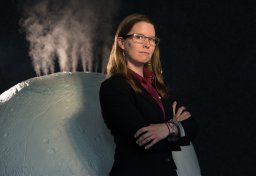 Morgan Cable合作论文数Harriet L. Wilkes Honors College, Florida Atlantic University36
 Mark Hofstadter合作论文数Jet Propulsion Laboratory, California Institute of Technology32
 Christophe Sotin合作论文数Jet Propulsion Laboratory, California Institute of Technology;University of Nantes29
 Samuel Gulkis合作论文数Jet Propulsion Laboratory, California Institute of Technology23
 Julie Castillo-Rogez合作论文数Jet Propulsion Laboratory, California Institute of Technology23
 Stephen J. Keihm合作论文数22
 Paul Von Allmen合作论文数21
 Helen Maynard-Casely合作论文数Australian Nuclear Science and Technology Organisation21
 Gabriel Tobie合作论文数CNRS;Laboratoire de Planétologie et Géosciences, Faculté des Sciences et des Techniques, Nantes Université20
 Michael J Malaska合作论文数Neurochemistry Research20
 Rezac L合作论文数19Olivier Grasset合作论文数19
 Cedric Leyrat合作论文数Inserm;Granier-Mouillac Lab, Institut de Génomique Fonctionnelle18
 Emmanuel Lellouch合作论文数Observatoire de Paris16
 Pierre J. Encrenaz合作论文数Department of Physics,Pierre et Marie Curie University16Jacques Crovisier合作论文数Laboratoire d'etudes spatiales et d'instrumentation en astrophysiqu, Observatoire de Paris16
 Seungwon Lee合作论文数NASA Jet Propulsion Laboratory, California Institute of Technology15
 Paul Hartogh合作论文数Abteilung für Planetenwissenschaften, Max-Planck-Institut für Sonnensystemforschung15
 M. A. Janssen合作论文数Jet Propulsion Laboratory, National Aeronautics and Space Administration15N. Biver合作论文数13Martin Barmatz合作论文数13C. Jarchow合作论文数13J. Blacksberg合作论文数12
 Scott Moreland合作论文数Jet Prop Lab, CALTECH11
 Ahmed Mahjoub合作论文数Jet Prop Lab, CALTECH11
 Ashley Davies合作论文数Jet Propulsion Laboratory, California Institute of Technology11
 Thérèse Encrenaz合作论文数Laboratoire D'études Spatiales Et D'instrumentation En Astrophysique, Centre National De La Recherche Scientifique, Observatoire de Paris11
 Kevin Peter Hand合作论文数Jet Propulsion Laboratory, California Institute of Technology11
 Steve Vance合作论文数Astrobiology Program, University of Washington11
 Dominique Bockelee-Morvan合作论文数10
 Elodie Gloesener合作论文数10Holger Sierks合作论文数10
 Margaret A. Frerking合作论文数Jet Propulsion Laboratory10
 Yann Morizet合作论文数10
 Jonathan Lunine合作论文数Jet Propulsion Laboratory, California Institute of Technology;Division of Geological and Planetary Sciences, California Institute of Technology9F Peter Schloerb合作论文数9Paul G. Backes合作论文数Jet Propulsion Laboratory9
 Kathrin Altwegg合作论文数Center for Space and Habitability, Faculty of Science, University of Bern;Department of Space Research and Planetology, University of Bern9Gerard Beaudin合作论文数9
 Karl Mitchell合作论文数Jet Propulsion Laboratory, California Institute of Technology9O. Bollengier合作论文数8
 John M. Eiler合作论文数Division of Geological and Planetary Sciences, California Institute of Technology8
 Thomas R. Spilker合作论文数8
 Bethany Ehlmann合作论文数Division of Geological and Planetary Sciences, California Institute of Technology;College of Arts and Sciences, University of Colorado Boulder8
 Mircea Badescu合作论文数Jet Propulsion Laboratory;California Institute of Technology;Jet Propulsion Laboratory, California Institute of Technology8Nicolas Biver合作论文数8E. Le Menn合作论文数7




