Global seabird declines underline the need for accurate behavioural inference at sea to guide conservation. For pursuit-diving species such as auks, differentiating between resting and foraging is difficult due to similar above-water movement patterns, biasing estimates of behaviour-specific habitat use and energy expenditure. We deployed combined GPS-time depth recorders on 28 puffins during the 2021, 2023, and 2024 breeding seasons and compared inferred behaviours using outputs from GPS-only, dive-informed, semi and fully supervised hidden Markov models (HMMs) using state forcing rules. GPS-only and dive-informed models routinely conflated resting/drifting and foraging behaviours. The semi-supervised model best distinguished behavioural states, identifying 89
Biologging studies rely on the assumption that equipped animal behaviours are representative of the ones displayed by unequipped individuals. Identifying any tagging effects is therefore necessary to correctly interpret recorded data from equipped animals. The majority of seabird studies report an absence of tag effects using broad metrics such as breeding success or foraging trip duration. However, animals may compensate for tag attachment through increased effort or behavioural responses. We compared foraging trip and dive characteristics of 42 breeding Manx shearwaters (Puffinus puffinus) equipped with a range of biologging tags representing 0.9–3.7
In a warming Arctic, circumpolar long-term monitoring programs are key to advancing ecological knowledge and informing environmental policies. Calls for better involvement of Arctic peoples in all stages of the monitoring process are widespread, although such transformation of Arctic science is still in its infancy. Seabirds stand out as ecological sentinels of environmental changes, and priority has been given to implement the Circumpolar SeabirdMonitoring Plan (CSMP). We assessed the representativeness of a pan-Arctic seabird monitoring network focused on the black-legged kittiwake (Rissa tridactyla) by comparing the distribution of environmental variables for all known versus monitored colonies. We found that with respect to its spatiotemporal coverage, this monitoring network does not fully embrace current and future environmental gradients. To improve the current scheme, we designed a method to identify colonies whose inclusion in the monitoring network will improve its ecological representativeness, limit logistical constraints, and improve involvement of Arctic peoples. We thereby highlight that inclusion of study sites in the Bering Sea, Siberia, western Russia, northern Norway, and southeastern Greenland could improve the current monitoring network and that their proximity to local populations might allow increased involvement of local communities. Our framework can be applied to improve existing monitoring networks in other ecoregions and sociological contexts.
Arctic birds and mammals are physiologically adapted to survive in cold environments but live in the fastest warming region on the planet. They should therefore be most threatened by climate change. We fitted a phylogenetic model of upper critical temperature ( T UC ) in 255 bird species and determined that T UC for dovekies ( Alle alle ; 22.4°C)—the most abundant seabird in the Arctic—is 8.8°C lower than predicted for a bird of its body mass (150 g) and habitat latitude. We combined our comparative analysis with in situ physiological measurements on 36 dovekies from East Greenland and forward-projections of dovekie energy and water expenditure under different climate scenarios. Based on our analyses, we demonstrate that cold adaptation in this small Arctic seabird does not handicap acute tolerance to air temperatures up to at least 15°C above their current maximum. We predict that climate warming will reduce the energetic costs of thermoregulation for dovekies, but their capacity to cope with rising temperatures will be constrained by water intake and salt balance. Dovekies evolved 15 million years ago, and their thermoregulatory physiology might also reflect adaptation to a wide range of palaeoclimates, both substantially warmer and colder than the present day.
Climate change is transforming bioenergetic landscapes, challenging behavioral and physiological coping mechanisms. A critical question involves whether animals can adjust behavioral patterns and energy expenditure to stabilize fitness given reconfiguration of resource bases, or whether limits to plasticity ultimately compromise energy balance. In the Arctic, rapidly warming temperatures are transforming food webs, making Arctic organisms strong models for understanding biological implications of climate change-related environmental variability. We examined plasticity in the daily energy expenditure (DEE) of an Arctic seabird, the little auk (Alle alle) in response to variability in climate change-sensitive drivers of resource availability, sea surface temperature (SST) and sea ice coverage (SIC), and tested the hypothesis that energetic ceilings and exposure to mercury, an important neurotoxin and endocrine disrupter in marine ecosystems, may limit scope for plasticity. To estimate DEE, we used accelerometer data obtained across years from two colonies exposed to distinct environmental conditions (Ukaleqarteq [UK], East Greenland; Hornsund [HS], Svalbard). We proceeded to model future changes in SST to predict energetic impacts. At UK, high flight costs linked to low SIC and high SST drove DEE from below to above 4 × basal metabolic rate (BMR), a proposed energetic threshold for breeding birds. However, DEE remained below 7 × BMR, an alternative threshold, and did not plateau. Birds at HS experienced higher, relatively invariable SST, and operated above 4 × BMR. Mercury exposure was unrelated to DEE, and fitness remained stable. Thus, plasticity in DEE currently buffers fitness, providing resiliency against climate change. Nevertheless, modeling suggests that continued warming of SST may promote accelerating increases in DEE, which may become unsustainable.
Combined effects of multiple, climate change-associated stressors are of mounting concern, especially in Arctic ecosystems. Elevated mercury (Hg) exposure in Arctic animals could affect behavioral responses to changes in foraging landscapes caused by climate change, generating interactive effects on behavior and population resilience. We investigated this hypothesis in little auks (Alle alle), a keystone Arctic seabird. We compiled behavioral data for 44 birds across 5 years using accelerometers while also quantifying blood Hg and environmental conditions. Warm sea surface temperature (SST) and low sea ice coverage reshaped time activity budgets (TABs) and diving patterns, causing decreased resting, increased flight, and longer dives. Mercury contamination was not associated with TABs. However, highly contaminated birds lengthened interdive breaks when making long dives, suggesting Hg-induced physiological limitations. As dive durations increased with warm SST, subtle toxicological effects threaten to increasingly constrain diving and foraging efficiency as climate change progresses, with ecosystem-wide repercussions.
Fisheries waste is used by many seabirds as a supplementary source of food,1 but interacting with fishing vessels to obtain this resource puts birds at risk of entanglement in fishing gear and mortality.2 As a result, bycatch is one of the leading contributors to seabird decline worldwide,3 and this risk may increase over time as birds increasingly associate fishing vessels with food. Light-level geolocators mounted on seabirds can detect light emitted from vessels at night year-round.4 We used a 16-year time series of geolocator data from 296 northern fulmars (Fulmarus glacialis) breeding at temperate and arctic colonies to investigate trends of nocturnal vessel interactions in this scavenging pelagic seabird. Vessel attendance has progressively increased over the study period despite no corresponding increase in the number of vessels or availability of discards over the same time frame. Fulmars are highly mobile generalist surface feeders,5 so this may signal a reduction in available prey biomass in the upper water column, leading to increased reliance on anthropogenic food subsidies6 and increased risk of bycatch mortality in already threatened seabird populations. Individuals were consistent in the extent to which they interacted with vessels, as shown in other species,7 suggesting that population-level increases may be due to a higher proportion of fulmars following vessels rather than changes at an individual level. Higher encounter rates were correlated with lower time spent foraging and a geographically restricted overwintering distribution, suggesting an energetic advantage for these scavenging strategists compared with foraging for natural prey.
Many animals migrate after reproduction to respond to seasonal environmental changes. Environmental conditions experienced on non-breeding sites can have carryover effects on fitness. Exposure to harmful chemicals can vary widely between breeding and non-breeding grounds, but its carryover effects are poorly studied. Mercury (Hg) contamination is a major concern in the Arctic. Here, we quantified winter Hg contamination and its carryover effects in the most abundant Arctic seabird, the little auk Alle alle. Winter Hg contamination of birds from an East Greenland population was inferred from head feather concentrations. Birds tracked with Global Location Sensors (GLS, N = 28 of the total 92) spent the winter in western and central North Atlantic waters and had increasing head feather Hg concentrations with increasing longitude (i.e., eastward). This spatial pattern was not predicted by environmental variables such as bathymetry, sea-surface temperature or productivity, and needs further investigation. Hg concentrations in head feathers and blood were strongly correlated, suggesting a carryover effect of adult winter contamination on the consequent summer concentrations. Head feather Hg concentrations had no clear association with telomere length, a robust fitness indicator. In contrast, carryover negative effects were detected on chick health, as parental Hg contamination in winter was associated with decreasing growth rate of chicks in summer. Head feather Hg concentrations of females were not associated with egg membrane Hg concentrations, or with egg volume. In addition, parental winter Hg contamination was not related to Hg burdens in chicks' body feathers. Therefore, we hypothesise that the association between parental winter Hg exposure and the growth of their chick results from an Hg-related decrease in parental care, and needs further empirical evidence. Our results stress the need of considering parental contamination on non-breeding sites to understand Hg trans-generational effects in migrating seabirds, even at low concentrations.
ABSTRACT Accelerometry has been widely used to estimate energy expenditure in a broad array of terrestrial and aquatic species. However, a recent reappraisal of the method showed that relationships between dynamic body acceleration (DBA) and energy expenditure weaken as the proportion of non-mechanical costs increases. Aquatic air breathing species often exemplify this pattern, as buoyancy, thermoregulation and other physiological mechanisms disproportionately affect oxygen consumption during dives. Combining biologging with the doubly labelled water method, we simultaneously recorded daily energy expenditure (DEE) and triaxial acceleration in one of the world's smallest wing-propelled breath-hold divers, the dovekie (Alle alle). These data were used to estimate the activity-specific costs of flying and diving and to test whether overall dynamic body acceleration (ODBA) is a reliable predictor of DEE in this abundant seabird. Average DEE for chick-rearing dovekies was 604±119 kJ day−1 across both sampling years. Despite recording lower stroke frequencies for diving than for flying (in line with allometric predictions for auks), dive costs were estimated to surpass flight costs in our sample of birds (flying: 7.24× basal metabolic rate, BMR; diving: 9.37× BMR). As expected, ODBA was not an effective predictor of DEE in this species. However, accelerometer-derived time budgets did accurately estimate DEE in dovekies. This work represents an empirical example of how the apparent energetic costs of buoyancy and thermoregulation limit the effectiveness of ODBA as the sole predictor of overall energy expenditure in small shallow-diving endotherms.
Here, we provide two datasets from a study in which we used triaxial accelerometers (Axy 4, Technosmart, 3g) to collect detailed behavioral records from little auks (Alle alle) at Ukaleqarteq (UK), East Greenland (70°44′N, 21°35′W) and Hornsund (HS) (77°00′N, 15°33′E; Svalbard archipelago), during the chick rearing period. We used this data to compile time activity budgets, from which we estimated daily energy expenditure (DEE). Data spans five years (2017-2021) at UK and two years at HS (2020, 2021). We assessed whether variation in DEE was affected by variability in climate change-sensitive environmental variables that affect availability of the little auk’s resource base of cold water zooplankton, that is sea surface temperature (SST) and sea ice coverage (SIC). SIC was only used for UK, since there was no appreciable sea ice at HS, which experiences higher average SST than UK. We also obtained small ~0.2-0.5 ml blood samples from the brachial veins of focal individuals to measure contamination from a potent chemical contaminant, mercury (Hg). We assessed the hypothesis that DEE is forced upward by challenging foraging conditions, but may be limited at some point due to energetic thresholds. We also assessed whether Hg contamination levels modified patterns of energy expenditure. In addition, to further examine the relationship that emerged between DEE and SST, we compiled a dataset of 12 site-year observations of average DEE of breeding little auks using data from Gabrielsen et al. (1991) (n = 13), Grémillet et al. (2012) (n = 70) and the present study. This dataset spanned 35 years (1986-2021) and 3 sites (UK, HS, and Kongsfjorden, KF). KF is another breeding colony of little auks on Svalbard that experiences even warmer SST than HS.
Understanding the sensory ecology of species is vital if we are to predict how they will function in a changing environment. Visual cues are fundamentally important for many predators when detecting and capturing prey. However, many marine areas have become more turbid through processes influenced by climate change, potentially affecting the ability of marine predators to detect prey. We performed the first study that directly relates a pelagic seabird species's foraging behaviour to oceanic turbidity. We collected biologging data from 79 foraging trips and 5472 dives of a visually dependent, pursuit-diving seabird, the Manx shearwater (Puffinus puffinus). Foraging behaviour was modelled against environmental variables affecting underwater visibility, including water turbidity, cloud cover and solar angle. Shearwaters were more likely to initiate area-restricted search and foraging dives in clearer waters. Underwater visibility also strongly predicted dive rate and depth, suggesting that fine-scale prey capture was constrained by the detectability of prey underwater. Our novel use of dynamic descriptors of underwater visibility suggests that visual cues are vital for underwater foraging. Our data indicate that climate change could negatively impact seabird populations by making prey more difficult to detect, compounded by the widely reported effects of reduced prey populations.
Animal-borne telemetry devices provide essential insights into the life-history strategies of far-ranging species and allow us to understand how they interact with their environment. Many species in the seabird family Alcidae undergo a synchronous molt of all primary flight feathers during the non-breeding season, making them flightless and more susceptible to environmental stressors, including severe storms and prey shortages. However, the timing and location of molt remain largely unknown, with most information coming from studies on birds killed by storms or shot by hunters for food. Using light-level geolocators with saltwater immersion loggers, we develop a method for determining flightless periods in the context of the annual cycle. Four Atlantic puffins (Fratercula arctica) were equipped with geolocator/immersion loggers on each leg to attempt to overcome issues of leg tucking in plumage while sitting on the water, which confounds the interpretation of logger data. Light-level and saltwater immersion time-series data were combined to correct for this issue. This approach was adapted and applied to 40 puffins equipped with the standard practice deployments of geolocators on one leg only. Flightless periods consistent with molt were identified in the dual-equipped birds, whereas molt identification in single-equipped birds was less effective and definitive and should be treated with caution. Within the dual-equipped sample, we present evidence for two flightless molt periods per non-breeding season in two puffins that undertook more extensive migrations (>2000 km) and were flightless for up to 77 days in a single non-breeding season. A biannual flight feather molt is highly unusual among non-passerine birds and may be unique to birds that undergo catastrophic molt, i.e., become flightless when molting. Although our conclusions are based on a small sample, we have established a freely available methodological framework for future investigation of the molt patterns of this and other seabird species.
Each winter, the North Atlantic Ocean is the stage for numerous cyclones, the most severe ones leading to seabird mass-mortality events called "winter wrecks.''(1-3) During these, thousands of emaciated seabird carcasses are washed ashore along European and North American coasts. Winter cyclones can therefore shape seabird population dynamics(4,5) by affecting survival rates as well as the body condition of surviving individuals and thus their future reproduction. However, most often the geographic origins of impacted seabirds and the causes of their deaths remain unclear.(6) We performed the first ocean-basin scale assessment of cyclone exposure in a seabird community by coupling winter tracking data for similar to 1,500 individuals of five key North Atlantic seabird species (Alle alle, Fratercula arctica, Uria aalge, Uria lomvia, and Rissa tridactyla) and cyclone locations. We then explored the energetic consequences of different cyclonic conditions using a mechanistic bioenergetics model(7) and tested the hypothesis that cyclones dramatically increase seabird energy requirements. We demonstrated that cyclones of high intensity impacted birds from all studied species and breeding colonies during winter but especially those aggregating in the Labrador Sea, the Davis Strait, the surroundings of Iceland, and the Barents Sea. Our broad-scale analyses suggested that cyclonic conditions do not increase seabird energy requirements, implying that they die because of the unavailability of their prey and/or their inability to feed during cyclones. Our study provides essential information on seabird cyclone exposure in a context of marked cyclone regime changes due to global warming.(8)
We explored the implications of reaching the Paris Agreement Objective of limiting global warming to <2°C for the future winter distribution of the North Atlantic seabird community. We predicted and quantified current and future winter habitats of five North Atlantic Ocean seabird species (Alle alle, Fratercula arctica, Uria aalge, Uria lomvia and Rissa tridactyla) using tracking data for ~1500 individuals through resource selection functions based on mechanistic modeling of seabird energy requirements, and a dynamic bioclimate envelope model of seabird prey. Future winter distributions were predicted to shift with climate change, especially when global warming exceed 2°C under a “no mitigation” scenario, modifying seabird wintering hotspots in the North Atlantic Ocean. Our findings suggest that meeting Paris agreement objectives will limit changes in seabird selected habitat location and size in the North Atlantic Ocean during the 21st century. We thereby provide key information for the design of adaptive marine‐protected areas in a changing ocean.
Climate models predict that by 2050 the Arctic Ocean will be sea ice free each summer. Removing this barrier between the Atlantic and the Pacific will modify a wide range of ecological processes, including bird migration. Using published information, we identified 29 arctic-breeding seabird species, which currently migrate in the North Atlantic and could shift to a transarctic migration towards the North Pacific. We also identified 24 arctic-breeding seabird species which may shift from a migratory strategy to high-arctic year-round residency. To illustrate the biogeographical consequences of such drastic migratory shifts, we performed an in-depth study of little auks (Alle alle), the most numerous artic seabird. Coupling species distribution models and climatic models, we assessed the adequacy of future wintering and breeding areas for transarctic migrants and high-arctic year-round residents. Further, we used a mechanistic bioenergetics model (Niche Mapper), to compare the energetic costs of current little auk migration in the North Atlantic with potential transarctic and high-arctic residency strategies. Surprisingly, our results indicate that transarctic little auk migration, from the North Atlantic towards the North Pacific, may only be half as costly, energetically, than high-arctic residency or migration to the North Atlantic. Our study illustrates how global warming may radically modify the biogeography of migratory species, and provides a general methodological framework linking migratory energetics and spatial ecology.
Paysages énergétiques des oiseaux marins hivernant en Atlantique Nord dans le contexte des changements climatiques Les oiseaux marins sont particulièrement vulnérables aux effets directs et indirects du changement climatique, cependant on sait peu de choses sur ces impacts en dehors de la période de reproduction. Ce manque de connaissances est problématique car les conditions rencontrées pendant la migration et l'hivernage déterminent fortement les dynamiques populationnelles des oiseaux marins. Il est donc essentiel de comprendre les effets du climat sur leurs distributions hivernales et leurs itinéraires de migration. Lier distribution des organismes et facteurs environnementaux est une tâche primordiale bénéficiant du concept de paysages énergétiques (définit comme la variation des besoins énergétiques d’un organisme dans l’espace en fonction de l’environnement) qui a récemment permis de fournir une explication mécaniste à la distribution de nombreux animaux. Dans ce contexte, nous avons déterminé les habitats hivernaux actuels et futurs de cinq espèces représentant 75% de la communauté d’oiseaux marins en Atlantique Nord (Alle alle, Fratercula arctica, Uria aalge, Uria lomvia and Rissa tridactyla). Pour cela, nous avons suivi électroniquement les mouvements de plus de 1500 individus afin d’identifier leurs habitats préférentiels par le biais de fonctions de sélection de ressources basées sur la modélisation de leurs dépenses énergétiques et de la disponibilité de leurs proies. Les données de suivi électroniques ont également été recoupées avec les emplacements des cyclones afin de cartographier les zones d’exposition pour la communauté d’oiseaux marins à l'échelle de l’Atlantique Nord. De plus, nous avons exploré les conséquences énergétiques de l'exposition des oiseaux marins aux tempêtes en utilisant un modèle bioénergétique mécaniste (Niche MapperTM). Enfin, nous avons examiné l'impact de la fonte totale de la banquise estivale à partir de 2050 sur la migration des oiseaux de l'Arctique. Nos analyses prévoient un déplacement vers le nord des zones préférentielles d'hivernage des oiseaux marins en Atlantique Nord, surtout si le réchauffement climatique mondial dépasse 2°C. Nos résultats suggèrent que les conditions cycloniques n'augmentent pas les besoins énergétiques des oiseaux marins, ce qui implique que l'indisponibilité des proies et/ou l’incapacité à se nourrir pendant les cyclones causeraient leur mort. Enfin, la fonte de la banquise au pôle nord pourrait permettre à 29 espèces d'oiseaux arctiques de bientôt effectuer de nouvelles migrations transarctiques entre l’Atlantique et le Pacifique. Nous estimons également que 26 autres espèces actuellement migratrices pourraient rester en Arctique toute l'année. Ce travail illustre comment les changements climatiques pourraient modifier radicalement la biogéographie des espèces migratrices et fournit une boîte à outils méthodologique permettant d’évaluer et de prévoir ces modifications en mariant écologie du mouvement et physiologie énergétique.
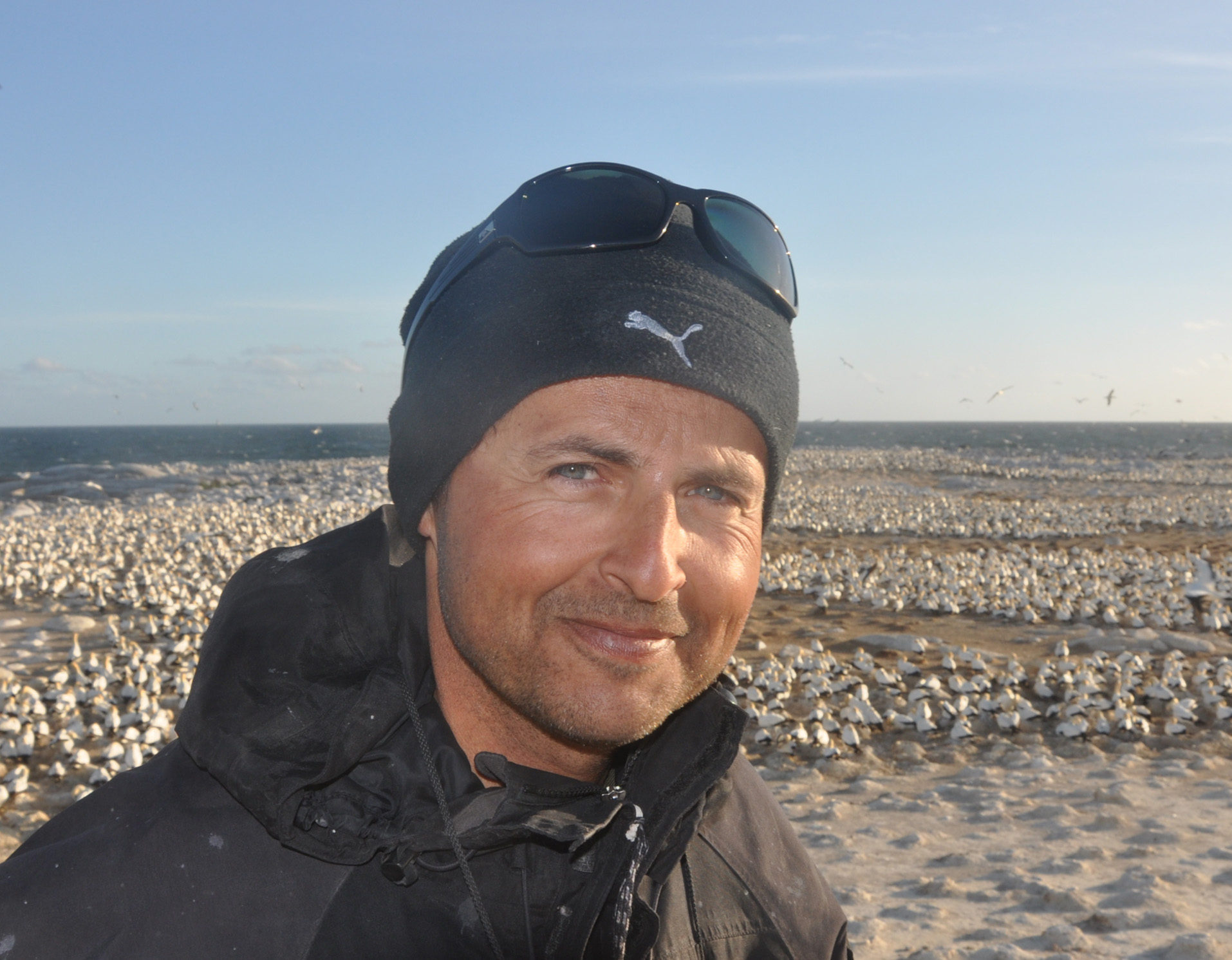
 Jerome Fort合作论文数Centre National de la Recherche Scientifique (CEFE),10
 David Gremillet合作论文数FitzPatrick Institute of African Ornithology, University of Cape Town;Center of Excellence at the FitzPatrick Institute, University of Cape Town;Centre D’Ecologie Fonctionnelle Et Evolutive, Universite De Montpellier10
 M. J. Jessopp合作论文数Department of Zoology, Ecology and Plant Science Enterprise Centre, University College Cork10
 Samuel Perret合作论文数6Émile Brisson-Curadeau合作论文数CNRS, La Rochelle Univ5Strøm Hallvard合作论文数5
 Jamie Darby合作论文数Sch Biol Earth & Environm Sci, Univ Coll Cork4
 Eric Ste-Marie合作论文数McGill Univ4Céline Albert合作论文数4
 Bustamante Paco合作论文数University of La Rochelle4
 Marta Cruz-Flores合作论文数UMR 7266, CNRS-La Rochelle Université3
 Gentès Sophie合作论文数UMR IPREM5254, Université de Pau et des Pays de l'Adour3
 Mark Mallory合作论文数Department of Biology, Acadia University3
 Maria Gavrilo合作论文数3
 Annette Fayet合作论文数Norwegian Institute for Nature Research3
 Olivier Chastel合作论文数Centre of Biological Studies of Chizé, French National Centre for Scientific Research3
 Andrea Grunst合作论文数Department of Biology, University of California, Riverside3
 Grunst Melissa L合作论文数Department of Biology, University of California, Riverside3
 H. Grant Gilchrist合作论文数National Wildlife Research Centre, Carleton University3
 Tycho Anker-Nilssen合作论文数Norwegian Institute for Nature Research3Bergur Olsen合作论文数3
 Tim Guilford合作论文数Department of Zoology, University of Oxford3
 Katarzyna Wojczulanis-Jakubas合作论文数Department of Vertebrate Ecology and Zoology;University of Gdansk;Department of Vertebrate Ecology and Zoology, University of Gdansk3Paul D. Mathewson合作论文数3
 Warren P. Porter (Warren Porter)合作论文数Department of Integrative Biology, College of Letters & Science, University of Wisconsin-Madison3
 Johannis Danielsen合作论文数Norðuri í Sundum 73
 Flemming Merkel合作论文数Greenland Institute of Natural Resources3
 Vegard Sandøy Brathen合作论文数2Yuri Krasnov合作论文数2
 Magdalene Langset合作论文数2
 Þorkell Lindberg Þorarinsson合作论文数2Tony Diamond合作论文数2
 Laura A. McFarlane Tranquilla合作论文数2
 Antoine Grissot合作论文数2Vegard Sandøy Bråthen合作论文数2Sébastien Descamps合作论文数2
 Alexey Ezhov合作论文数2Nicholas Per Huffeldt合作论文数Greenland Inst Nat Resources2Newell Mark合作论文数2
 William Montevecchi合作论文数Department of Psychology, Biology and Ocean Sciences, Faculty of Science, Memorial University of Newfoundland2Fitzsimmons Michelle G合作论文数2
 Benjamin Merkel合作论文数Fram Centre, Norwegian Polar Institute2
 Akiko Kato合作论文数National Institute of Polar Research2
 Francis Daunt合作论文数Centre for Ecology & Hydrology Bush Estate2
 Nina Dehnhard合作论文数Max Planck Institute for Ornithology, Vogelwarte Radolfzell, Schlossallee 2, 78315 Radolfzell, Germany2
 Geir Helge Systad合作论文数The Polar Environmental Centre, Norwegian Institute for Nature Research2
 Jannie Fries Linnebjerg合作论文数2
 John Quinn合作论文数Edward Grey Institute, University of Oxford2
 Kjell Einar Erikstad合作论文数The Polar Environmental Centre, Norwegian Institute for Nature Research2




