Abstract The plant immune system engages cell-surface receptors that detect microbe-associated molecular patterns to initiate pattern-triggered immunity (PTI), and intracellular receptors that sense microbe-secreted effectors to activate effector-triggered immunity (ETI). Whether additional modes of microbial detection exist remains unclear. Here, we define membrane mechanosensing immunity (MSI), a third layer of immune signaling. A bacterial lipid, the main diffusible signal factor (DSF) from Xanthomonas campestris pv. campestris , acts as a membrane-active molecule that alters plasma membrane biophysical properties, activates Mechanosensitive Channel of Small Conductance ( MscS ) -like ( MSL )-dependent immune signaling, and triggers a broad transcriptional reprogramming that overlaps with PTI and ETI. MSI modulates PTI signaling and requires both PTI and ETI components for effective disease resistance. These findings establish the sensing of metabolite-induced membrane perturbations as a mechanism of microbial detection.
Bacteria-derived lipopeptides are immunogenic triggers of host defences in metazoans and plants. Root-associated rhizobacteria produce cyclic lipopeptides that activate induced systemic resistance against microbial infection in various plant species. Whether and how these molecules are perceived at the plant cell surface remains elusive. Here we reveal that immune activation in Arabidopsis thaliana by the lipopeptide elicitor surfactin is mediated via a specific interaction with membrane sphingolipids. It relies on host membrane remodelling and subsequent activation of mechanosensitive ion channels. This mechanism leads to host defence potentiation and resistance to the necrotrophic fungus Botrytis cinerea and appears distinct from pattern-triggered immunity induced by classical host pattern recognition receptors. These results reveal a previously uncharacterized mechanism through which lipopeptides derived from non-pathogenic bacteria activate plant immune responses.
Lipopeptides produced by beneficial bacilli present promising alternatives to chemical pesticides for plant biocontrol purposes. Our research explores the distinct plant biocontrol activities of lipopeptides surfactin (SRF) and fengycin (FGC) by examining their interactions with lipid membranes.Our study shows that FGC exhibits a direct antagonistic activity against Botrytis cinerea and no marked immune-eliciting activity in Arabidopsis thaliana while SRF only demonstrates an ability to stimulate plant immunity. It also reveals that SRF and FGC exhibit diverse effects on membrane integrity and lipid packing. SRF primarily influences membrane physical state without significant membrane permeabilization, while FGC permeabilizes membranes without significantly affecting lipid packing. From our results, we can suggest that the direct antagonistic activity of lipopeptides is linked to their capacity to permeabilize lipid membrane while the stimulation of plant immunity is more likely the result of their ability to alter the mechanical properties of the membrane.Our work also explores how membrane lipid composition modulates the activities of SRF and FGC. Sterols negatively impact both lipopeptides' activities while sphingolipids mitigate the effects on membrane lipid packing but enhance membrane leakage.In conclusion, our findings emphasize the importance of considering both membrane lipid packing and leakage mechanisms in predicting the biological effects of lipopeptides. It also sheds light on the intricate interplay between the membrane composition and the effectiveness of the lipopeptides, providing insights for targeted biocontrol agent design.
Apple scab, caused by the hemibiotrophic fungus Venturia inaequalis, is currently the most common and damaging disease in apple orchards. Two strains of V. inaequalis (S755 and Rs552) with different sensitivities to azole fungicides and the bacterial metabolite fengycin were compared to determine the mechanisms responsible for these differences. Antifungal activity tests showed that Rs552 had reduced sensitivity to tebuconazole and tetraconazole, as well as to fengycin alone or in a binary mixture with other lipopeptides (iturin A, pumilacidin, lichenysin). S755 was highly sensitive to fengycin, whose activity was close to that of tebuconazole. Unlike fengycin, lipopeptides from the iturin family (mycosubtilin, iturin A) had similar activity on both strains, while those from the surfactin family (lichenysin, pumilacidin) were not active, except in binary mixtures with fengycin. The activity of lipopeptides varies according to their family and structure. Analyses to determine the difference in sensitivity to azoles (which target the CYP51 enzyme involved in the ergosterol biosynthesis pathway) showed that the reduced sensitivity in Rs552 is linked to (i) a constitutive increased expression of the Cyp51A gene caused by insertions in the upstream region and (ii) greater efflux by membrane pumps with the involvement of ABC transporters. Microscopic observations revealed that fengycin, known to interact with plasma membranes, induced morphological and cytological changes in cells from both strains. Sterol and phospholipid analyses showed a higher level of ergosta-7,22-dien-3-ol and a lower level of PI(C16:0/C18:1) in Rs552 compared with S755. These differences could therefore influence the composition of the plasma membrane and explain the differential sensitivity of the strains to fengycin. However, the similar antifungal activities of mycosubtilin and iturin A in the two strains indirectly indicate that sterols are probably not involved in the fengycin resistance mechanism. This leads to the conclusion that different mechanisms are responsible for the difference in susceptibility to azoles or fengycin in the strains studied.
ABSTRACT Sphingolipids are ubiquitous, highly diverse molecules constituting at least 40% of plant plasma membranes. Initially known as modulators of membrane integrity, they now emerge as important players in plant responses to (a)biotic stresses. The interaction between Arabidopsis thaliana and the bacterium Pseudomonas syringae pv. tomato DC3000 AvrRpm1 ( Pst AvrRpm1 ) culminates in the activation of a programmed cell death known as the hypersensitive response, which is part of the plant immune response. In this study, we showed that the co-infiltration of Pst AvrRpm1 and sphinganine (d18:0) in Arabidopsis leaves suppress the hypersensitive response. This suppression phenotype is also observed with bacteria carrying the effectors AvrB and AvrPphB but not with the ones carrying AvrRpt2 and AvrRps4. Sphingolipid-induced hypersensitive response suppression by Pst AvrRpm1 is correlated with the down-regulation of the gene AtNMT1 encoding a N -myristoyltransferase. d18:0 does not have a direct antibacterial effect and its co-infiltration in plants does not display typical signs of immune response such as activation of salicylic acid signaling pathway and extracellular reactive oxygen species production. Biophysical studies showed that d18:0 interacts with plant plasma membrane lipids. More specifically, d18:0 disturbs plant plasma membrane organization and mechanical properties. Our results demonstrate that sphingolipids play an important role in plant resistance, especially by interfering with the plasma membrane organization and effector localization and thus disturbing their function and subsequent immune responses.
Microbial lipopeptides are synthesized by nonribosomal peptide synthetases and are composed of a hydrophobic fatty acid chain and a hydrophilic peptide moiety. These structurally diverse amphiphilic molecules can interact with biological membranes and possess various biological activities, including antiviral properties. This study aimed to evaluate the cytotoxicity and antiviral activity against severe acute respiratory syndrome coronavirus 2 (SARS-CoV-2) of 15 diverse lipopeptides to understand their structure-activity relationships. Non-ionic lipopeptides were generally more cytotoxic than charged ones, with cationic lipopeptides being less cytotoxic than anionic and non-ionic variants. At 100 µg/mL, six lipopeptides reduced SARS-CoV-2 RNA to undetectable levels in infected Vero E6 cells, while six others achieved a 2.5- to 4.1-log reduction, and three had no significant effect. Surfactin, white line-inducing principle (WLIP), fengycin, and caspofungin emerged as the most promising anti-SARS-CoV-2 agents. Detailed analysis revealed that these four lipopeptides affected various stages of the viral life cycle involving the viral envelope. Surfactin and WLIP significantly reduced viral RNA levels in replication assays, comparable to neutralizing serum. Surfactin uniquely inhibited viral budding, while fengycin impacted viral binding after pre-infection treatment of the cells. Caspofungin demonstrated a lower antiviral effect compared to the others. Key structural traits of lipopeptides influencing their cytotoxic and antiviral activities were identified. Lipopeptides with a high number of amino acids, especially charged (preferentially anionic) amino acids, showed potent anti-SARS-CoV-2 activity. This research paves the way for designing new lipopeptides with low cytotoxicity and high antiviral efficacy, potentially leading to effective treatments. IMPORTANCE:This study advances our understanding of how lipopeptides, which are molecules mostly produced by bacteria, with both fat and protein components, can be used to fight viruses like severe acute respiratory syndrome coronavirus 2 (SARS-CoV-2). By analyzing 15 different lipopeptides, researchers identified key structural features that make some of these molecules particularly effective at reducing viral levels while being less harmful to cells. Specifically, lipopeptides with certain charged amino acids were found to have the strongest antiviral effects. This research lays the groundwork for developing new antiviral treatments that are both potent against viruses and safe for human cells, offering hope for better therapeutic options in the future.
Microbial natural products are widely explored for their therapeutic potential. Understanding the underlying evolutionary and adaptive forces driving their production remains a fundamental question in biology. Amphiphilic cyclic lipopeptides (CLPs), a prominent category of bacterial specialized metabolites, show strong antimicrobial activity, particularly against phytopathogens. It is thus assumed that these compounds are deployed by soil- or rhizosphere-dwelling bacteria as microbial weapons in competitive natural environments. Here, we challenge this reductionist perspective and present evidence that Bacillus CLPs are prominent chemical mediators of ecological interactions. They help Bacillus to communicate, compete, defend against predators, or cooperate and establish mutualistic relationships with other (micro)organisms. Additional parallel examples are highlighted in other genera, such as Pseudomonas. This broader perspective underscores the need for further investigation into the role of CLPs in shaping the adaptive strategies of key rhizobacterial species.
Bacteria-derived lipopeptides are immunogenic triggers of host defenses in metazoans and plants. Root-associated rhizobacteria produce cyclic lipopeptides that activate systemically induced resistance (IR) against microbial infection in various plants. How these molecules are perceived by plant cells remains elusive. Here, we reveal that immunity activation in Arabidopsis thaliana by the lipopeptide elicitor surfactin is mediated by docking into specific sphingolipid-enriched domains and relies on host membrane deformation and subsequent activation of mechanosensitive ion channels. This mechanism leads to host defense potentiation and resistance to the necrotroph B. cinerea but is distinct from host pattern recognition receptor-mediated immune activation and reminiscent of damage-induced plant immunity.
Intraspecific chemical communication between echinoderms has often been limited to prespawning aggregation. However, sea cucumber farmers have long observed year-round adult aggregation as a potential source of disease propagation and the suboptimal use of available sea pen acreage and food resources. In this study, through spatial distribution statistics, we demonstrated the significant aggregation of the aquacultivated sea cucumber Holothuria scabra both as adults in large sea-based pens and as juveniles in laboratory-based aquaria, proving that aggregation in these animals is not only observed during spawning. The role of chemical communication in aggregation was investigated using olfactory experimental assays. Our study established that the sediment that H. scabra feeds on as well as the water preconditioned by conspecifics induced positive chemotaxis in juvenile individuals. More specifically, through comparative mass spectrometry, a distinct triterpenoid saponin profile/mixture was identified to be a pheromone allowing sea cucumber intraspecific recognition and aggregation. This “attractive” profile was characterized as containing disaccharide saponins. This “attractive” aggregation-inducing saponin profile was, however, not conserved in starved individuals that were no longer attractive to other conspecifics. In summary, this study sheds new light on the pheromones in echinoderms. It highlights the complexity of the chemical signals detected by sea cucumbers and suggests a role of saponins well beyond that of a simple toxin.
Dendrimers are increasingly being studied in the context of encapsulation. Many potential applications of dendrimers are based on their properties. They are used in drug delivery systems, cosmetics, food and chemistry. This review is first devoted to different synthesis approaches for dendrimers and to their ability to encapsulate active molecules. Their applications in different fields, as well as their cytotoxicity, are then detailed. To conclude this review, the main works on the interaction of dendrimers with the stratum corneum (SC) are also presented.
Raw data and codes associated to the paper " Mechanosensing and Lipid-Docking Mediate Non-Canonical Lipopeptide-Induced Immunity in Arabidopsis"
Apple scab is an important disease conventionally controlled by chemical fungicides, which should be replaced by more environmentally friendly alternatives. One of these alternatives could be the use of lipopeptides produced by Bacillus subtilis. The objective of this work is to study the action of the three families of lipopeptides and different mixtures of them in vitro and in vivo against Venturia inaequalis. Firstly, the antifungal activity of mycosubtilin/surfactin and fengycin/surfactin mixtures was determined in vitro by measuring the median inhibitory concentration. Then, the best lipopeptide mixture ratio was produced using Design of Experiment (DoE) to optimize the composition of the culture medium. Finally, the lipopeptides mixtures efficiency against V. inaequalis was assessed in orchards as well as the evaluation of the persistence of lipopeptides on apple. In vitro tests show that the use of fengycin or mycosubtilin alone is as effective as a mixture, with the 50–50% fengycin/surfactin mixture being the most effective. Optimization of culture medium for the production of fengycin/surfactin mixture shows that the best composition is glycerol coupled with glutamic acid. Finally, lipopeptides showed in vivo antifungal efficiency against V. inaequalis regardless of the mixture used with a 70% reduction in the incidence of scab for both mixtures (fengycin/surfactin or mycosubtilin/surfactin). The reproducibility of the results over the two trial campaigns was significantly better with the mycosubtilin/surfactin mixture. The use of B. subtilis lipopeptides to control this disease is very promising.
Plants have to constantly face pathogen attacks. To cope with diseases, they have to detect as early as possible the invader via the sensing of conserved motifs called invasion patterns (IPs). The first step of perception occurs at the plasma membrane. While many IPs are perceived by specific proteinaceous immune receptors, several studies highlighted the influence of lipid composition and dynamics of the plasma membrane in the sensing of IPs. In this review, we summarize the current knowledge on how some microbial IPs could interact with the lipids of the plasma membrane leading to a plant immune response. Depending on the IP, different mechanisms are involved. This review will outline the potential of combining biological with biophysical approaches to decipher how plasma membrane lipids are involved in the perception of microbial IPs.
For this study, new dendrimers were prepared from poly(propylene imine) (PPI) and polyamidoamine (PAMAM) dendrimers using an efficient acid-base reaction with various phenolic acids. The syntheses were also optimized in both microwave and microfluidic reactors. These ionic and hydrophilic dendrimers were fully characterized and showed excellent antioxidant properties. Their cytotoxic properties have been also determined in the case of fibroblast dermal cells.
Vitamin C is one of the most sensitive cosmetic active ingredients. To avoid its degradation, its encapsulation into biobased carriers such as dendrimers is one alternative of interest. In this work, we wanted to evaluate the potential of two biobased glycerodendrimer families (GlyceroDendrimers-Poly(AmidoAmine) (GD-PAMAMs) or GlyceroDendrimers-Poly(Propylene Imine) (GD-PPIs)) as a vitamin C carrier for topical application. The higher encapsulation capacity of GD-PAMAM-3 compared to commercial PAMAM-3 and different GD-PPIs, and its absence of cytotoxicity towards dermal cells, make it a good candidate. Investigation of its mechanism of action was done by using two kinds of biomimetic models of stratum corneum (SC), lipid monolayers and liposomes. GD-PAMAM-3 and VitC@GD-PAMAM-3 (GD-PAMAM-3 with encapsulated vitamin C) can both interact with the lipid representatives of the SC lipid matrix, whichever pH is considered. However, only pH 5.0 is suggested to be favorable to release vitamin C into the SC matrix. Their binding to SC-biomimetic liposomes revealed only a slight effect on membrane permeability in accordance with the absence of cytotoxicity but an increase in membrane rigidity, suggesting a reinforcement of the SC barrier property. Globally, our results suggest that the dendrimer GD-PAMAM-3 could be an efficient carrier for cosmetic applications.
Surfactin, one of the best lipopeptide surfactants, was first isolated from Bacillus sp. in 1969. Since then, Bacillus sp. has been a remarkable source of bioactive lipopeptides, with a huge natural biodiversity. Lipopeptides from Bacillus sp. are now divided into three main families: surfactin, fengycin, and iturin. The peptide moiety of these lipopeptides is synthesised by huge multi-enzymatic proteins called nonribosomal peptide synthetases, which are responsible for the peptide biodiversity of these lipopeptides. Moreover, the fatty acid chain also encompasses a high diversity with different β-hydroxy or β-amino fatty acid chains of different lengths, isomery, or saturation, which can be incorporated. After describing the mode of synthesis of the different families of lipopeptides produced by Bacillus sp. and their biodiversity, this chapter describes how this lipopeptide biodiversity can be increased using genetic engineering and how the lipopeptides can be overproduced and purified. The high biodiversity of lipopeptides induces a broad range of physicochemical properties, which can be linked to multiple biological activities with many applications in different sectors. The increasing understanding of the mode of biosynthesis of these lipopeptides should lead to the development of novel compounds with increased properties and applications.
The role of membrane lipids is increasingly claimed to explain biological activities of natural amphiphile molecules. To decipher this role, biophysical studies with biomimetic membrane models are often helpful to obtain insights at the molecular and atomic levels. In this review, the added value of biophysics to study lipid-driven biological processes is illustrated using the case of surfactins, a class of natural lipopeptides produced by Bacillus sp. showing a broad range of biological activities. The mechanism of interaction of surfactins with biomimetic models showed to be dependent on the surfactins-to-lipid ratio with action as membrane disturber without membrane lysis at low and intermediate ratios and a membrane permeabilizing effect at higher ratios. These two mechanisms are relevant to explain surfactins’ biological activities occurring without membrane lysis, such as their antiviral and plant immunity-eliciting activities, and the one involving cell lysis, such as their antibacterial and hemolytic activities. In both biological and biophysical studies, influence of surfactin structure and membrane lipids on the mechanisms was observed with a similar trend. Hence, biomimetic models represent interesting tools to elucidate the biological mechanisms targeting membrane lipids and can contribute to the development of new molecules for pharmaceutical or agronomic applications.
 Laurence Lins合作论文数Be-Life143
 Nasir Mehmet Nail合作论文数Université de Lyon82
 Marc Ongena合作论文数68
 Marie-Laure Fauconnier合作论文数Unité de Chimie Générale et Organique, Faculté Universitaire des Sciences Agronomiques de Gembloux, Passage des Déportés 2, B-5030 Gembloux, Belgium68
 Michel Paquot合作论文数54
 Jean-Marc Crowet合作论文数54Katherine Nott合作论文数Unité de Chimie Biologique Industrielle, Faculté Universitaire des Sciences Agronomiques de Gembloux, Passage des Déportés, 2 B-5030 Gembloux, Belgium36
 Sandrine Bouquillon合作论文数28
 Yves Dufrene合作论文数Louvain Institute of Biomolecular Science and Technology, Université Catholique de Louvain;Faculty of Bioscience Engineering, Université Catholique de Louvain;Institute of Condensed Matter and Nanosciences, Université Catholique de Louvain26Philippe Thonart合作论文数26Stephan Dorey合作论文数Stress, Défenses et Reproduction des Plantes, Université de Reims Champagne-Ardenne24
 Jérôme Christine合作论文数Faculté des Sciences, Université de Liège;Département de Chimie, Université de Liège;Centre d'études et de Recherches sur les Macromolécules, Université de Liège22Mongrand Sébastien合作论文数19
 Haissam Jijakli合作论文数(fsagx), Faculté Universitaire des Sciences Agronomiques de Gembloux19walter luzuriaga loaiza合作论文数18
 Manon Genva合作论文数Gembloux Agro Bio Tech, Univ Liege18
 Marie-Paule Mingeot-Leclercq合作论文数Unitede Pharmacologie cellulaire et moleculaire;Universitecatholique de Louvain;Unitede Pharmacologie cellulaire et moleculaire, Universitecatholique de Louvain18
 Christophe Blecker合作论文数Université de Liège18
 Marc Eeman合作论文数17
 Gaetan Richard合作论文数16
 Robert Brasseur合作论文数Centre de Biophisique moleculaire numerique, University of Liege15Sylvain Gatard合作论文数15Pascal Laurent合作论文数14
 Estelle Deboever合作论文数Lab Mol Biophys Interfaces, Univ Liege13
 Luc Willems合作论文数university of liege13
 Hary Razafindralambo合作论文数Department of Food Technology Faculty of Agricultural Sciences Gembloux13Jean-Paul Wathelet合作论文数13
 Philippe Jacques合作论文数12
 Christophe Clement合作论文数Institut Georges Chappaz de la Vigne et du Vin en Champagne, University of Reims Champagne-Ardenne12pauline sainvitu合作论文数11Thomas Happi Emaga合作论文数11Patrick A. Gerin合作论文数Laboratory of Bioengineering, Université Catholique de Louvain11Arnaud Haudrechy合作论文数11
 Severine Coppee合作论文数10Jean-Luc Wertz合作论文数10Simon Lebecque合作论文数10Aurore Richel合作论文数10
 Valeria Rondelli合作论文数Department of Medical Biotechnology and Translational Medicine, University of Milan10Franzil Laurent合作论文数10
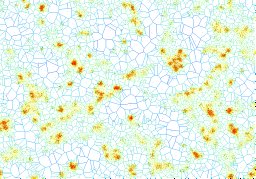 Gronnier Julien合作论文数Laboratoire de Biogenèse Membranaire (LBM),, CNRS;Laboratoire de Biogenèse Membranaire (LBM),, Univ. Bordeaux;Laboratoire de Biogenèse Membranaire (LBM),, Univ. Bordeaux10Tommy Nylander合作论文数Physical Chemistry LUND UNIVERSITY10Guillaume Gilliard合作论文数9Maurice Boda合作论文数9Jelena Pršić合作论文数9Florent Awedem Wobiwo合作论文数9
 Elie Fokou合作论文数9P Jacques合作论文数8Aurélien Legras合作论文数8




