Importance:Amyotrophic lateral sclerosis (ALS) is a fatal neurodegenerative disease with limited treatment options. PrimeC is a fixed-dose oral combination of celecoxib and ciprofloxacin designed to target ALS-related mechanisms, including neuroinflammation, iron homeostasis, and dysregulated microRNAs. Objective:To evaluate the safety, tolerability, and potential efficacy of PrimeC in people living with ALS. Design, Setting, and Participants:This was a randomized, double-blind, placebo-controlled, phase 2b trial conducted at 4 ALS referral centers from May 2022 to November 2023 and followed by 12-month open-label extension. Adults with definite or probable ALS and disease duration of 30 months or less were eligible. Of 73 screened, 69 were randomized and 68 were included in the intent-to-treat population. Interventions:Participants were randomized 2:1 to receive PrimeC or placebo for 6 months, followed by open-label extension PrimeC for all. Main Outcomes and Measures:The primary outcome was safety and tolerability. The prespecified primary biomarker outcome was plasma neuron-derived-exosomal TAR DNA-binding protein 43 (TDP-43) or prostaglandinJ2. Secondary outcomes included change in ALS Functional Rating Scale-Revised (ALSFRS-R) score at 6 and 18 months, survival, and time-to-composite events. Exploratory biomarkers included neurofilament light chains, iron-regulatory proteins, and circulating microRNAs. Results:The 68 participants were well balanced in age at entry and sex. In the PrimeC group, the mean (SD) age was 59.1 (9.1) years, and 27 of 45 participants were male. In the placebo group, the mean (SD) age was 55.0 (13.0) years, and 14 of 23 participants were male. PrimeC was well tolerated, with a safety profile comparable to placebo (adverse event rate, 66.7% PrimeC vs 65.2% placebo). Drug-related adverse events were more frequent with PrimeC (20.0% vs 4.3%), mostly mild to moderate, and transient. At month 6, the mean ALSFRS-R difference was 2.23 points between PrimeC and placebo (95% CI, -0.61 to 5.07; P = .12). At month 18, ALSFRS-R scores in participants continuously treated with PrimeC maintained a difference (7.92 points; 95% CI, 2.25 to 13.60; P = .007), with significant bulbar difference (3.18 points; 95% CI, 1.32 to 5.04; P = .001). Continuous treatment was associated with lower risk of ALS complications, including hospitalization, respiratory failure, or death (HR, 0.36; 95% CI, 0.15-0.85; P = .02). In the double-blind period, transferrin levels were preserved with PrimeC (1.90 μmol/L difference; P = .03), the negative ferritin-ALSFRS-R correlation observed in placebo (ρ = -0.50; P = .02) was abolished, and ALS-associated microRNAs were downregulated (log2 fold change: miR-199a-3p, -1.87; false discovery rate [FDR] P = .004; miR-199a-5p, -2.23; FDR P < .001; miR-181a-5p: -1.89; FDR P = .001; miR-181b-5p, -1.62; FDR P = .005). Prespecified neuron-derived exosome TDP-43/PgJ2 analyses will be reported separately following completion of development and analyses. Conclusions and Relevance:PrimeC was safe and well tolerated over 18 months. Although not powered for efficacy, functional and biomarker findings support a confirmatory trial. Trial Registration:ClinicalTrials.gov Identifier: NCT05357950.
ALS Untangled reviews alternative and off-label treatments for people living with amyotrophic lateral sclerosis (PALS). Here we review clenbuterol, a β-2 adrenergic agonist, as a potential treatment for amyotrophic lateral sclerosis (ALS). Clenbuterol has biological effects that could be relevant to the pathophysiology of ALS such as inducing muscle hypertrophy, improving mitochondrial function, and reducing neuroinflammation. Two studies in mouse models of motor neuron disease and two open label trials suggest possible benefits. However these have methodological flaws which limit interpretation. Clenbuterol can have an array of side effects, some severe. Drop-outs due to side effects were very common in one of the ALS trials and in a separate expanded access program. Based on this information, we cannot currently endorse clenbuterol as an ALS treatment, but we do hope to see further studies of it, or another long acting β-2 adrenergic agonist in people with ALS.
Importance Amyotrophic lateral sclerosis (ALS) is a fatal neurodegenerative disease with limited treatment options. PrimeC is a fixed-dose oral combination of celecoxib and ciprofloxacin designed to target ALS-related mechanisms, including neuroinflammation, iron homeostasis, and dysregulated microRNAs. Objective To evaluate the safety, tolerability, and potential efficacy of PrimeC in people living with ALS. Design, Setting, and Participants This was a randomized, double-blind, placebo-controlled, phase 2b trial conducted at 4 ALS referral centers from May 2022 to November 2023 and followed by 12-month open-label extension. Adults with definite or probable ALS and disease duration of 30 months or less were eligible. Of 73 screened, 69 were randomized and 68 were included in the intent-to-treat population. Interventions Participants were randomized 2:1 to receive PrimeC or placebo for 6 months, followed by open-label extension PrimeC for all. Main Outcomes and Measures The primary outcome was safety and tolerability. The prespecified primary biomarker outcome was plasma neuron-derived-exosomal TAR DNA-binding protein 43 (TDP-43) or prostaglandinJ2. Secondary outcomes included change in ALS Functional Rating Scale–Revised (ALSFRS-R) score at 6 and 18 months, survival, and time-to-composite events. Exploratory biomarkers included neurofilament light chains, iron-regulatory proteins, and circulating microRNAs. Results The 68 participants were well balanced in age at entry and sex. In the PrimeC group, the mean (SD) age was 59.1 (9.1) years, and 27 of 45 participants were male. In the placebo group, the mean (SD) age was 55.0 (13.0) years, and 14 of 23 participants were male. PrimeC was well tolerated, with a safety profile comparable to placebo (adverse event rate, 66.7% PrimeC vs 65.2% placebo). Drug-related adverse events were more frequent with PrimeC (20.0% vs 4.3%), mostly mild to moderate, and transient. At month 6, the mean ALSFRS-R difference was 2.23 points between PrimeC and placebo (95% CI, −0.61 to 5.07; P = .12). At month 18, ALSFRS-R scores in participants continuously treated with PrimeC maintained a difference (7.92 points; 95% CI, 2.25 to 13.60; P = .007), with significant bulbar difference (3.18 points; 95% CI, 1.32 to 5.04; P = .001). Continuous treatment was associated with lower risk of ALS complications, including hospitalization, respiratory failure, or death (HR, 0.36; 95% CI, 0.15–0.85; P = .02). In the double-blind period, transferrin levels were preserved with PrimeC (1.90 μmol/L difference; P = .03), the negative ferritin-ALSFRS-R correlation observed in placebo (ρ = −0.50; P = .02) was abolished, and ALS-associated microRNAs were downregulated (log 2 fold change: miR-199a-3p, −1.87; false discovery rate [FDR] P = .004; miR-199a-5p, −2.23; FDR P < .001; miR-181a-5p: −1.89; FDR P = .001; miR-181b-5p, −1.62; FDR P = .005). Prespecified neuron-derived exosome TDP-43/PgJ2 analyses will be reported separately following completion of development and analyses. Conclusions and Relevance PrimeC was safe and well tolerated over 18 months. Although not powered for efficacy, functional and biomarker findings support a confirmatory trial. Trial Registration ClinicalTrials.gov Identifier: NCT05357950
Abstract Introduction Amyotrophic lateral sclerosis (ALS) is a neurodegenerative disorder characterized by progressive motor neuron loss and eventual paralysis. While autoimmune mechanisms have long been suspected to contribute to ALS pathology, disease-associated antigen targets have remained elusive. Methods We analyzed if ALS was associated with increased autoreactive T cell responses towards TDP-43, SOD1, and C9orf72, compared to healthy controls. Peptide megapools consisting of 15 amino acid peptides overlapping by 10 residues spanning the entire sequence was synthesized for each protein. Fluorospot assays were used to measure T cell responses to the peptide pools by measuring release of interferon-γ (IFNγ), interleukins 5 (IL-5) and 10 (IL-10). Results We demonstrate that the ALS-associated protein C9orf72 is a major antigenic target in ALS. Epitope mapping revealed multiple immunogenic regions across the C9orf72 protein. While the reactivity was found broadly in ALS subjects, the responses were particularly high ALS donors who carried the C9orf72 hexanucleotide repeat expansion mutation in the non-coding regions of the gene. Importantly, IL-10-mediated responses were significantly higher in individuals with longer predicted survival, suggesting a regulatory and potentially protective influence on disease progression. Conclusion Together, these findings identify the first defined target of autoreactive T cell responses in ALS, and support the hypothesis that disease trajectory is in part shaped by the balance of inflammatory and counter-inflammatory T cell activity. Funding Source Supported by LJI & Kyowa Kirin, Inc. (KKNA- Kyowa Kirin North America), the Swedish Research Council (salary for E.J., grant references 2024-00175), the Freedom Together Foundation (to D.S.), and in part by the Intramural Research Program, NINDS, NIH (A. Topic Categories Neuroimmunology (NEUR)
Amyotrophic lateral sclerosis (ALS), like many neurodegenerative disorders, features cytoplasmic inclusion of proteins, with the most prominent component identified being TDP-43. Neuroinflammation is also apparent in affected tissues, including elevated T cell infiltration and enhanced expression of HLA Class I and II by microglia. However, the role of T cells in ALS is still largely unknown. We have previously found that a subset of individuals with Parkinson’s disease (PD) have increased frequencies of T cells recognizing alpha-synuclein, a protein found in Lewy body aggregates in PD patients. We therefore hypothesized that autoreactive T cells could also play a role in ALS pathology. We generated 15-mer peptide pools spanning the three ALS-related proteins TDP-43, SOD1, and C9orf72. Cytokine production (IFNγ, IL-5, IL-10) against these proteins was measured by the fluorospot assay, using PBMCs collected from ALS patients and age- and sex-matched healthy controls (HCs). Intriguingly, we found that ALS patient have significantly elevated T cell responses towards C9orf72 compared to HCs, particularly IL-5 mediated T cell responses. We further found IL-5-mediated responses to be associated with higher ALS Functional Rating Scale (ALSFRS), raising the possibility that these responses exert a regulatory and protective influence on disease manifestations. Importantly, these are the first findings of autoreactive T cells playing a role in ALS pathology. Supported by Kyowa Kirin, Inc. (KKNA-Kyowa Kirin North America) Neuroimmunology (NEUR)
AIMS:RNS60 is an investigational product in clinical development for amyotrophic lateral sclerosis (ALS). RNS60 slowed disease progression in the ALS SOD1G93A mouse model and was safe and well tolerated both in an open-label pilot study and a randomized, placebo-controlled, multicenter phase 2 trial in people living with ALS. The objective of this ongoing expanded access protocol (EAP) was to provide RNS60 to people living with ALS who are ineligible for controlled clinical trials and to collect data on the safety and tolerability of dosing RNS60 via twice-daily nebulization rather than the previously studied daily nebulization with weekly intravenous administration. METHODS:Eligible participants (≥ 18 years old, diagnosed with ALS per investigator assessment, and ineligible for an ALS clinical trial testing RNS60) were treated with twice-daily nebulization of RNS60 at home. Safety was evaluated by the assessment of adverse events and routine safety labs. RESULTS:A total of 84 participants have been treated with RNS60 via nebulization twice daily for up to 48 months so far. The most common treatment-related adverse event was increased secretions [N = 27 (32%)]. Serious adverse events (SAEs) [69 occurrences; N = 38 (45%) with at least one SAE] and deaths [N = 24 (28%)] were deemed not related to RNS60. DISCUSSION:This EAP supports the benign side effect profile of RNS60 when administered via twice-daily nebulization and demonstrates the feasibility of long-term EAPs as a complementary approach to controlled trials in people with advanced ALS.
Background and Objectives:The lack of approved therapies for N-methyl-d-aspartate receptor (NMDAR) encephalitis has contributed to substantial variability in treatment. Inebilizumab is a humanized anti-CD19 monoclonal antibody that can be administered intravenously. Inebilizumab may be an efficacious treatment for patients with NMDAR encephalitis, with the potential to achieve early robust and sustained suppression CD19+ plasmablasts, some plasma cells, and NMDAR autoantibodies, with the potential to improve short-term and long-term outcomes in patients with NMDAR encephalitis. Methods:The ExTINGUISH trial is a multisite, phase 2B, randomized, double-blind, placebo-controlled trial designed to evaluate the safety and efficacy of inebilizumab 300 mg for the acute treatment of participants with moderate-to-severe NMDAR encephalitis. ExTINGUISH will randomize 116 patients across the United States and Europe. Participants will receive standard first-line immunotherapies (intravenous steroids and intravenous immunoglobulins and/or plasma exchange) before randomization (1:1). In addition, cyclophosphamide rescue therapy will be offered to participants with persistent moderate-to-severe disease 6 weeks after randomization. Primary outcomes will be measured 16 weeks from randomization using the change in the adapted ExTINGUISH modified Rankin scale and accepted safety measures in 32 weeks. Secondary outcomes will be measured up to 96 weeks and include comprehensive neuropsychological tests, bedside cognitive screening tools, and quality-of-life/functional indices. Clinical data will be combined with blood and CSF biomarkers of immune activation to inform putative biologic contributors to outcomes (exploratory outcomes). Study operations are supported by the National Institute of Neurological Disorders and Stroke-supported Network for Excellence in Neuroscience Clinical Trial (NeuroNEXT) infrastructure. Discussion:The ExTINGUISH trial will determine the safety and efficacy of inebilizumab as a treatment of NMDAR encephalitis while evaluating the utility of clinical, cognitive, and quality-of-life outcome measures and supporting standardized collection and measurement of biofluid biomarkers. These innovations will inform development of future treatments and trials for patients with NMDAR encephalitis and other types of autoimmune encephalitis. The ExTINGUISH trial opened to enrollment of adult patients (older than 18 years) in 2022 and pediatric patients (older than 12 years) in 2024; enrollment is ongoing.
 Jeremy M. Shefner合作论文数Department of Neurology, Barrow Neurological Institute;Gregory W. Fulton ALS & Neuromuscular Disease Center, Barrow Neurological Institute105
 Berry James D合作论文数101
 Sabrina Paganoni合作论文数Neurological Clinical Research Institute, Massachusetts General Hospital;Center for ALS, Massachusetts General Hospital;Harvard Medical School75Atassi Nazem合作论文数Massachusetts Gen Hosp, Neurol Clin Res Inst73
 Robert H. Brown合作论文数Department of Neurology, UMass Chan Medical School61
 David A. Schoenfeld合作论文数Harvard Medical School, Harvard School of Public Health55
 Eric Macklin合作论文数Massachusetts General Hospital;Harvard Medical School43
 Alex Sherman合作论文数40
 Christopher Coffey合作论文数School of Public Health, University of Alabama40
 Nicholas John Maragakis合作论文数Department of Otolaryngology-Head and Neck Surgery, School of Medicine, Johns Hopkins University38
 Jonathan Glass合作论文数Emory ALS Center, Department of Neurology, School of Medicine, Emory University38
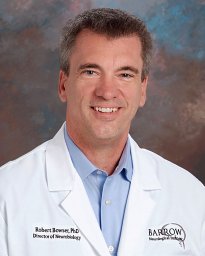 Robert Bowser合作论文数Department of Pathology, University of Pittsburgh Medical School38
 Richard Stanley Bedlack合作论文数Department of Neurology, School of Medicine, Duke University36
 Jeffrey Rothstein合作论文数The Solomon H. Snyder Department of Neurology, School of Medicine, Johns Hopkins University;Institute for Clinical and Translational Research, Johns Hopkins University33Robert G. Miller合作论文数31Yu Hong合作论文数30
 Orla Hardiman合作论文数Trinity College Institute of Neuroscience, Trinity College Dublin, The University of Dublin;RCSI Clinical Research Centre, Royal College of Surgeons in Ireland30
 Hiroshi Mitsumoto合作论文数Vagelos College of Physicians & Surgeons, Columbia University28
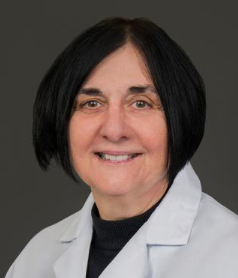 Terry Heiman-Patterson合作论文数Lewis Katz School of Medicine, Temple University28Michael Benatar合作论文数27
 Timothy Miller合作论文数Department of Neurology, School of Medicine, Washington University in St. Louis26
 Leonard Van Den Berg合作论文数University Medical Centre Utrecht;European Network for the Cure of ALS;TRICALS26
 Andrews Jinsy合作论文数26Robin A. Conwit合作论文数26
 Dixie Ecklund合作论文数25
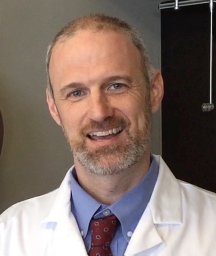 Stephen J. Kolb合作论文数Howard Hughes Medical Institute, University of Pennsylvania24Melanie L Leitner合作论文数23
 Angela Genge合作论文数Amyotrophic Lateral Sclerosis Global Centre of Excellence, The Montreal Neurological Institute;Department of Neurology and Neurosurgery, Faculty of Medicine and Health Sciences, McGill University;Genge Partners Inc.;Angela Genge Medical Services Inc.23Goyal Namita A合作论文数22Caress James B合作论文数22
 Oskarsson Björn合作论文数Department of Neurology, University of California Davis Medical Center22Gary L. Pattee合作论文数22John T. Kissel合作论文数22
 Michael D Weiss合作论文数22
 Jon Yankey合作论文数22Marianne Chase合作论文数20Fournier Christina N合作论文数20
 Tahseen Mozaffar合作论文数College of Medicine, University of California20Stacy A. Rudnicki合作论文数20
 Carlayne E Jackson合作论文数19Jeffrey Rosenfeld合作论文数18Ervin Sinani合作论文数18
 Zachary Simmons合作论文数18Babu Suma合作论文数Neuromuscular Center, Cleveland Clinic17
 Stanley H. Appel合作论文数Ann Kimball and John W. Johnson Center for Cellular Therapeutics, Houston Methodist;Stanley H. Appel Department of Neurology, Houston Methodist;Weill Cornell Medical College;Academic Institute17
 Lorne Zinman合作论文数Institute of Medical Science and Rehabilitation Sciences Institute, University of Toronto17Mamede De Carvalho合作论文数17
 Paul Wicks合作论文数Sano Genetics17
 Michael Rivner合作论文数Department of Neurology, Medical College of Georgia17




