Habitat transitions are a major driver of morphological evolution. Teleost fishes have repeatedly transitioned from benthic to pelagic habitats, often evolving predictable changes in body shape that enhance hydrodynamic efficiency. While freshwater sculpins (Cottidae, Perciformes) are usually benthic, two genera in Lake Baikal, Comephorus and Cottocomephorus , have independently evolved into midwater niches. As sculpins lack a swim bladder, these lineages instead improved buoyancy through reduced skeletal density and increased lipid stores. Using micro-computed tomography and two-dimensional morphometrics, we characterized skeletal evolution across the Baikal sculpin radiation. We found that parallel changes in bone mineral density and microstructure independently evolved in the two pelagic clades. Density reductions occurred throughout the skull in pelagic species. The basibranchials and neurocranium exhibited the lowest overall bone density across all cranial elements. While the jaws maintained the highest absolute density values among the bones we measured, they also showed the greatest proportional reduction in density associated with pelagic habitat use, with a 56.86% decrease in percentage hydroxyapatite and a 21.39% increase in porosity. Morphometric analyses further identified convergence toward an elongate body shape, reduced and posteriorly shifted eyes, and elevated fin insertion in pelagic taxa. These results demonstrate a repeated skeletal lightening and body shape changes accompanying benthic-to-pelagic transitions. This pattern mirrors other benthic-to-pelagic transitions in teleosts that lack swim bladders, highlighting shared biomechanical and microstructural solutions to life in the open water.
Earth's largest habitats, the deep oceans, are home to an incredible diversity of organisms that are adapted to low light, cold temperatures, often limited food availability, and high hydrostatic pressures. With increasing habitat depth, these environmental variables and a long evolutionary history drive biodiversity shifts across deep-sea communities. However, the relative influences of physical and biological factors in structuring deep-sea community composition remain complex to disentangle. Here, we document shifts in the biodiversity of fish assemblages with increasing depth in the tropical Atlantic Ocean and Caribbean Sea using remotely operated vehicle and human occupied vehicle surveys across a 6000-meter depth range. We show significant declines in fish assemblage biodiversity and abundance with increasing depth based on 1137 observations of at least 94 species of fishes. These changes correlate strongly with co-varying environmental factors such as declining temperatures and increasing hydrostatic pressure. Habitat also influenced observations, with no pelagic taxa seen here deeper than 1200 m and with fishes most commonly observed over soft, rather than hard or mixed substrates. These findings add to our understanding of deep-sea fish biogeography, with expanded depth and regional ranges for multiple taxa. At abyssal and hadal depths in and around the Puerto Rico Trench, most observations were of cusk eels in the family Ophidiidae, highlighting the importance of this understudied group to ultradeep ecosystems. These findings demonstrate the value of in situ observational approaches to study deep-sea fish ecology and behaviour and inform understanding of how changes in temperature and pressure influence biodiversity across depth.Los h & aacute;bitats m & aacute;s extensos de la Tierra, los oc & eacute;anos profundos, sostienen una incre & iacute;ble diversidad de organismos adaptados a la poca luz, las bajas temperaturas, las altas presiones hidrost & aacute;ticas, y frecuentemente la disponibilidad limitada de alimentos. Con el aumento de la profundidad, estas variables ambientales y una larga historia evolutiva cambian la biodiversidad de las comunidades del mar profundo. Sin embargo, la influencia relativa de los factores f & iacute;sicos y biol & oacute;gicos en la composici & oacute;n de las comunidades profundas sigue siendo compleja de desenredar. En este estudio, documentamos los cambios en la biodiversidad del conjunto de peces a trav & eacute;s de un rango de profundidad de 6000 metros en el Atl & aacute;ntico tropical y el mar Caribe usando sondeos por veh & iacute;culos operados a distancia (ROV) y veh & iacute;culos tripulados (HOV). Con 1137 observaciones de al menos 114 especies de peces mostramos disminuciones significativas en la biodiversidad y abundancia del conjunto de peces con el aumento de la profundidad. Estos cambios se correlacionan fuertemente con covariables ambientales, como la disminuci & oacute;n de las temperaturas y el aumento de la presi & oacute;n hidrost & aacute;tica. El h & aacute;bitat tambi & eacute;n influy & oacute; en las observaciones, ya que no se observaron taxones pel & aacute;gicos a m & aacute;s de 1200 m de profundidad y los peces se observaron con mayor frecuencia en sustratos blandos, en lugar de duros o mixtos. Estos hallazgos ampl & iacute;an nuestra comprensi & oacute;n de la biogeograf & iacute;a de los peces del mar profundo. Ampliaron los rangos de profundidad y de distribuci & oacute;n regional para varios taxones. En las profundidades abisales y hadales de la Fosa de Puerto Rico y sus alrededores, la mayor & iacute;a de las observaciones correspondieron a la familia Ophidiidae, lo que resalta la importancia de este grupo poco estudiado para los ecosistemas ultraprofundos. Estos hallazgos demuestran el valor de observaciones in situ para estudiar la ecolog & iacute;a y el comportamiento de los peces del mar profundo e informan sobre c & oacute;mo los cambios de temperatura y presi & oacute;n influyen en la biodiversidad a lo largo de la profundidad.
Although the deep oceans represent Earth's largest habitat, the challenges of studying deep-sea organisms in situ have limited our understanding of adaptation, ecology, and behaviour in these important ecosystems. One fundamental trait of fishes that remains largely unexplored in the deep ocean is swimming, a vital process for movement, migration, and dispersal in marine habitats. Deep-sea conditions such as temperature, pressure, and food availability could each impact the speed and efficiency of swimming in fishes. To investigate swimming kinematics of fishes with increasing depth, we analysed in situ video of bony fishes across a 6000-m depth gradient. We compared open-source videos of fishes from National Oceanic and Atmospheric Administration (NOAA) Ocean Exploration with tank-based recordings of shallow-water relatives from Puget Sound, Washington, USA to understand how both habitat depth and phylogeny influence swimming in fishes. We analysed kinematics in four dominant demersal fish groups, the orders Anguilliformes, Gadiformes, Ophidiiformes, and Perciformes. Deep-sea fishes swam consistently slowly. Swimming kinematics varied across temperature, oxygen, body elongation, and depth. These results suggest that swimming kinematics do not change linearly with increasing habitat depth in fishes and that the impacts of deep-sea conditions such as low temperatures, high pressures, and low nutrient availability on swimming behaviour need to be considered independently of one another. These findings provide insight into the evolution of fish form and function in the deep ocean.
Bony fishes have a well-developed acoustic and vestibular sense, which is registered in the highly specialized otolithic end-organ containing a pair of three aragonitic otoliths. Usually, the largest otolith is the sagitta, which is considered to be primarily responsible for sound detection and is known to be morphologically diverse and specific across species and higher taxonomic levels. We investigated sagittal otoliths of abyssal and hadal fishes of three families containing taxa adapted to these deep habitats: the Liparidae (snailfishes), Macrouridae (rattails), and Ophidiidae (cusk eels). The purpose of our study was to ascertain whether specific depth-dependent effects on otolith size or morphology could be observed in comparison to the shallower-living counterparts in these groups. We were able to identify a trend toward size reduction in otoliths with depth and certain “simplifications” in otolith morphology. However, we also observed that such trends would only become detectable when studying otoliths within well-defined clades because of the many complexities that occur in otolith morphologies that are unrelated to habitat depth. We propose future work to study freshly caught hadal liparids for the physiology of the otolith end-organ and macula acustica to learn more about the functioning of the organ in fishes living at great depths. Together these findings provide new insights into the drivers of otolith diversity and the evolution of fishes into deep-sea environments.
Evidence of anthropogenic impacts on deep-ocean systems is frequently observed, even upon the first explorations of these remote environments. One of these impacts comes from marine debris, trash that is dumped or transported into the deep ocean. Understanding the abundance and distribution of marine debris is critical to identifying holistic changes and feedbacks that influence the health and sustainability of ocean ecosystems. Here, we document widespread plastic, metal, and glass debris in deep waters of the tropical Atlantic and Caribbean Sea, observed by remotely operated and human occupied submersibles. Trash was observed from depths 250 to >6000 m. A total of 139 pieces of debris were found, including a ladder, clothing, cans, cutlery, single-use sauce packages, and a parachute. These findings further illustrate the extent of debris pollution in deep waters and the need to understand the impact of debris pollution on sustainability in Earth's largest habitat. Con frecuencia se observan evidencias de que los desechos antropógenos afectan a los sistemas oceánicos profundos, incluso en las primeras exploraciones de estos ambientes remotos. Uno de estos impactos viene de desechos marinos, basura que es tirada o transportada a los oceánicos profundos. Entendiendo la abundancia y la distribución de los desechos marinos es crítico para identificar cambios holísticos y comentarios que influencian la salud y la sostenibilidad de los ecosistemas oceánicos. En esta investigacion documentamos una extensa variedad de desechos como: plásticos, metal y vidrio en los ecosistemas oceánicos del Atlántico tropical y el Mar Caribe, observados por vehiculos robóticos controlados remotamente y ocupados por humanos. La basura fue observada desde las profundidades de 250 a más de 6000 m. Se encontraron un total de 139 piezas de desechos, incluyendo una escalera, ropa, latas, cubiertos, paquetes de salsa de un solo uso y un paracaídas. Estos descubrimientos ilustran la gran relevancia de la contaminación por los desechos en aguas profundas y la necesidad de comprender el impacto de dicha polución por desechos en la sostenibilidad en el hábitat más grande de la Tierra.
Most deep-ocean life relies on organic carbon from the surface ocean. While settling primary production rapidly attenuates in the water column, pulses of organic material can be quickly transported to depth in the form of food falls. One example of fresh material that can reach great depths across the tropical Atlantic Ocean and Caribbean Sea is the pelagic macroalgae Sargassum. However, little is known about the deep-ocean organisms able to use this food source. Here, we encountered the isopod Bathyopsurus nybelini at depths 5002-6288 m in the Puerto Rico Trench and Mid-Cayman Spreading Center using the Deep Submergence Vehicle Alvin. In most of the 32 observations, the isopods carried fronds of Sargassum. Through an integrative suite of morphological, DNA sequencing, and microbiological approaches, we show that this species is adapted to feed on Sargassum by using a specialized swimming stroke, having serrated and grinding mouthparts, and containing a gut microbiome that provides a dietary contribution through the degradation of macroalgal polysaccharides and fixing nitrogen. The isopod's physiological, morphological, and ecological adaptations demonstrate that vertical deposition of Sargassum is a direct trophic link between the surface and deep ocean and that some deep-sea organisms are poised to use this material.
Opportunities for students to conduct research in courses increase feelings of belonging in science, retention in STEM majors, and sense of ownership in a student’s educational experience. However, many research fields are challenging to bring to students: for example, deep-sea biology often requires expensive expeditions, restricting participation and accessibility. Access to deep-sea systems has been expanded by programs such as the National Oceanic and Atmospheric Administration's Ocean Exploration (NOAA Ocean Exploration), which uses telepresence to bring deep-sea exploration to a global audience. Here, we present one example of how remotely operated vehicles can engage students in original research. Students in an undergraduate Marine Biology lab at at the State University of New York at Geneseo investigated the relationship between substrate rugosity and biodiversity of cold-water coral communities and associate fauna. The study site in the Pacific Remote Islands Marine National Monument was explored by NOAA Ocean Exploration using NOAA Ship Okeanos Explorer as part of the 2017 Mountains in the Deep Expedition, EX1705. Organism density was greater at higher rugosity levels, suggesting that complex substrates support higher abundances in deep-sea communities. This research experience enhanced student’s understanding of the scientific process, appreciation for deep-sea communities, and engagement in the course. Open access deep-sea data provide impactful opportunities for students to participate in original research, increasing the accessibility and reach of deep-sea science.
Hadal trenches, characterized by high hydrostatic pressures and low temperatures, are one of the most extreme environments on our planet. By examining the microbiome of abyssal and hadal fishes, we provide insight into the diversity and distribution of host-associated life at great depth.
Snailfishes are among the most rapidly radiating families of marine fishes, resulting in a global distribution from the coastal intertidal to deep subduction trenches. The true diversity and distribution of deep-water snailfishes, particularly at hadal depths (>6000 m) and in the Southern Hemisphere, remain uncertain due to the rarity of samples. Here, we present the snailfish diversity at near-hadal and hadal depths in the Atacama Trench, which runs along the southwest coast of South America. Using free-fall baited cameras and traps, we documented at least three species of hadal snailfishes between 5920 and 7608 m based on distinct morphologies. One snailfish specimen was recovered from 6714 m, which we describe herein as Paraliparis selti sp. nov., based on a combined morphological and molecular taxonomic approach (16S, COI, and Cyt-b). Paraliparis selti sp. nov. is morphologically distinct from described snailfishes due to a combination of high number of; vertebrae (65) particularly the abdominal vertebrae (12), dorsal fin rays (60), anal fin rays (52), and caudal fin rays (8); comparatively low number of pectoral fin rays (18) which forms a deep notch with two widely spaced non-rudimentary rays. Micro-CT was used to minimise dissection of the specimen and to provide a digital holotype. Paraliparis selti sp. nov. highlights the importance of the Liparidae at hadal depths and provides evidence for at least two independent radiations of snailfishes into the hadal zone.
Synopsis Extreme abiotic factors in deep-sea environments, such as near-freezing temperatures, low light, and high hydrostatic pressure, drive the evolution of adaptations that allow organisms to survive under these conditions. Pelagic and benthopelagic fishes that have invaded the deep sea face physiological challenges from increased compression of gasses at depth, which limits the use of gas cavities as a buoyancy aid. One adaptation observed in deep-sea fishes to increase buoyancy is a decrease of high-density tissues. In this study, we analyze mineralization of high-density skeletal tissue in rattails (family Macrouridae), a group of widespread benthopelagic fishes that occur from surface waters to greater than 7000 m depth. We test the hypothesis that rattail species decrease bone density with increasing habitat depth as an adaptation to maintaining buoyancy while living under high hydrostatic pressures. We performed micro-computed tomography (micro-CT) scans on 15 species and 20 specimens of rattails and included two standards of known hydroxyapatite concentration (phantoms) to approximate voxel brightness to bone density. Bone density was compared across four bones (eleventh vertebra, lower jaw, pelvic girdle, and first dorsal-fin pterygiophore). On average, the lower jaw was significantly denser than the other bones. We found no correlation between bone density and depth or between bone density and phylogenetic relationships. Instead, we observed that bone density increases with increasing specimen length within and between species. This study adds to the growing body of work that suggests bone density can increase with growth in fishes, and that bone density does not vary in a straightforward way with depth.
Hadal snailfishes are the deepest-living fishes in the ocean, inhabiting trenches from depths of ∼6,000 to 8,000 m. While the microbial communities in trench environments have begun to be characterized, the microbes associated with hadal megafauna remain relatively unknown. Here, we describe the gut microbiomes of two hadal snailfishes, Pseudoliparis swirei (Mariana Trench) and Notoliparis kermadecensis (Kermadec Trench) using 16S rRNA gene amplicon sequencing. We contextualize these microbiomes with comparisons to the abyssal macrourid Coryphaenoides yaquinae and the continental shelf-dwelling snailfish Careproctus melanurus . The microbial communities of the hadal snailfishes were distinct from their shallower counterparts and were dominated by the same sequences related to the Mycoplasmataceae and Desulfovibrionaceae. These shared taxa indicate that symbiont lineages may have remained similar to the ancestral symbiont since their geographic separation or that they are dispersed between geographically distant trenches and subsequently colonize specific hosts. The abyssal and hadal fishes contained sequences related to known, cultured piezophiles, microbes that grow optimally under high hydrostatic pressure, including Psychromonas, Moritella , and Shewanella . These taxa are adept at colonizing nutrient-rich environments present in the deep ocean, such as on particles and in the guts of hosts, and we hypothesize they could make a dietary contribution to deep-sea fishes by degrading chitin and producing fatty acids. We characterize the gut microbiota within some of the deepest fishes to provide new insight into the diversity and distribution of host-associated microbial taxa and the potential of these animals, and the microbes they harbor, for understanding adaptation to deep-sea habitats. Importance Hadal trenches, characterized by high hydrostatic pressures and low temperatures, are one of the most extreme environments on our planet. By examining the microbiome of abyssal and hadal fishes, we provide insight into both the physiology of the deepest-living vertebrates and the microbes which colonize them. Our findings show that there are similar microbial populations in fishes geographically separated by thousands of miles, reflecting strong selection for specific microbial lineages. Only a handful of psychropiezophilic taxa, which do not reflect the diversity of microbial life at great depth, have been successfully isolated in the laboratory. Our examination of deep-sea fish microbiomes shows that typical high-pressure culturing methodologies, which have largely remained unchanged since the pioneering work of Claude ZoBell in the 1950s, may simulate the chemical environment found in animal guts and helps explain why the same deep-sea genera are consistently isolated.
We tested the hypothesis that deep-sea fishes have poorly mineralized bone relative to shallower-dwelling species using data from a single family that spans a large depth range. The family Liparidae (snailfishes, Cottiformes) has representatives across the entire habitable depth range for bony fishes (0 m-> 8000 m), making them an ideal model for studying depth-related trends in a confined phylogeny. We used micro-computed tomography (micro-CT) scanning to test three aspects of skeletal reduction in snailfishes (50 species) across a full range of habitat depths: 1) reduction of structural dimensions, 2) loss of skeletal elements, and 3) reduction in bone density. Using depth data from the literature, we found that with increasing depth, the length of the dentary, neurocranium, and suborbital bones decreases. The ventral suction disk decreases width with increasing maximum habitat depth and is lost entirely in some deeper-living taxa, though not all. Although visual declines in bone density in deeper-living taxa were evident across full skeletons, individual densities of the lower jaw, vertebra, suction disk, hypural plate, and otoliths did not significantly decline with any depth metric. However, pelagic and polar taxa tended to show lower density bones compared to other species in the family. We propose that skeletal reductions allow snailfishes to maintain neutral buoyancy at great depths in the water column, while supporting efficient feeding and locomotion strategies. These findings suggest that changes in skeletal structure are non-linear and are driven not only by hydrostatic pressure, but by other environmental factors and by evolutionary ancestry, calling the existing paradigm into question.
Bony fishes are extremely successful in the marine environment, having evolved into nearly every ocean habitat. However, bony fishes do not seem to inhabit the ocean’s deepest depths, likely due to constraints of pressure adaptation. How deep do bony fishes live? Relatively few studies have examined the deepest living vertebrates, because sampling in hadal environments, depths 6000–11,000 m, is technologically challenging. Here, we review the literature on records of the deepest living bony fishes. Current depth records are held by the hadal snailfish Pseudoliparis swirei (family Liparidae) in the Mariana Trench, collection depth 7966 m, filmed to 8178 m, and the cusk eel Abyssobrotula galatheae (family Ophidiidae) in the Puerto Rico Trench, collection depth 7965 m. Observations of abyssal and hadal fish communities suggest that hadal snailfishes are endemic to trenches but occasionally cross into abyssal areas. On the other hand, cusk eels dwell on the abyssal plains, but can extend their ranges into the trenches. These habitat differences allow both snailfishes and cusk eels to occupy distinct niches in the greatest ocean depths. We then comment on the ecological and physiological significance of these two major hadal families and present recommendations for future research.
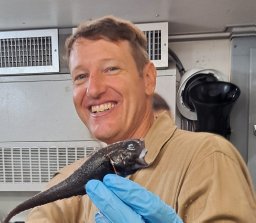 Jeffrey C. Drazen合作论文数University of Hawaii;Department of Oceanography;Department of Oceanography, University of Hawaii16
 Alan Jamieson合作论文数School of Natural and Environmental Sciences, Newcastle University15
 Thomas D. Linley合作论文数Ocean Lab, University of Aberdeen14
 Paul H. Yancey合作论文数11
 Adam Summers合作论文数Department of Biology, School of Aquatic and Fishery Sciences, College of the Environment, University of Washington6
 Natalya D. Gallo合作论文数Scripps Institution of Oceanography, University of California San Diego4
 Brian N. Popp合作论文数University of Hawaii at Manoa4A. A. Von Hagel合作论文数3B. Woodworth合作论文数3
 Kasey Cantwell合作论文数US Dept Commerce, NOAA3Logan M Peoples合作论文数Univ Montana3
 Johanna Weston合作论文数3
 Douglas Bartlett合作论文数Marine Biology Research Division, Scripps Institution of Oceanography, University of California;Center for Marine Biotechnology and Biomedicine, Scripps Institution of Oceanography, University of California3
 Anna P. M. Michel合作论文数3
 Adam Soule合作论文数3
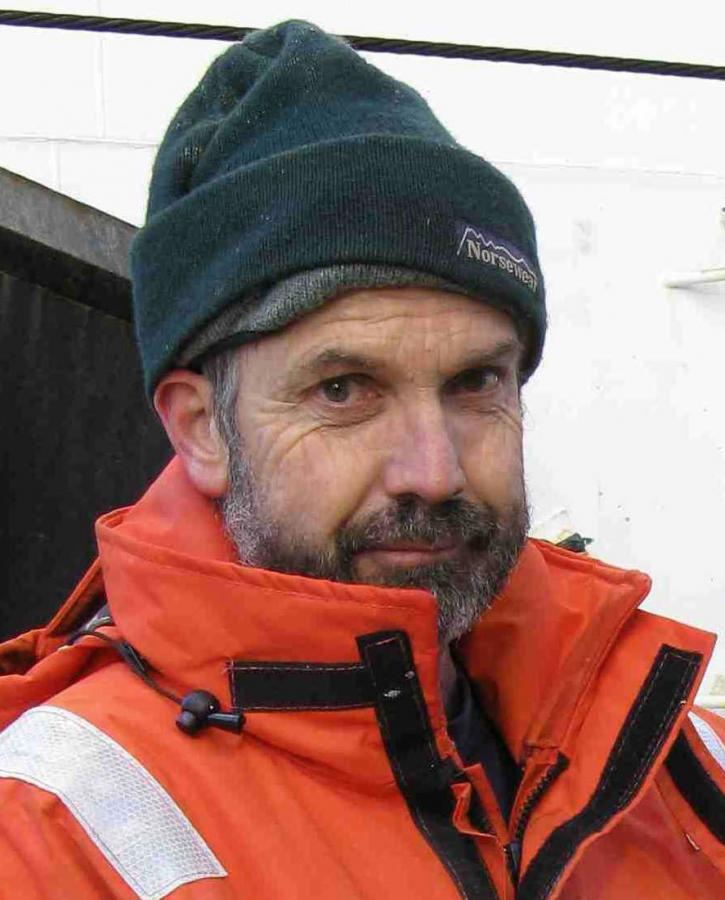 Malcolm Clark合作论文数National Institute of Water and Atmospheric Research3S. C. Farina合作论文数2K. Nagashima合作论文数2Abbey Dias合作论文数2Amy Scott-Murray合作论文数2Eleanna Grammatopoulou合作论文数2Jessica Blanton合作论文数2
 Eric Allen合作论文数Molecular Biology, Division of Biological Sciences, University of California, San Diego2
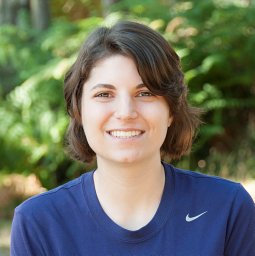 Cassandra M. Donatelli合作论文数Tufts Univ, Dept Biol, Medford, MA 02155 USA2
 Heather Ritchie合作论文数RZSS WildGenes, Royal Zoological Society of Scotland2
 Dmitri Davydov合作论文数Skaggs Sch Pharm & Pharmaceut Sci, Univ Calif San Diego2
 Victor Zgoda合作论文数Orekhovich Inst Biomed Chem, Russian Acad Med Sci2
 Gary R. Huss合作论文数W. M. Keck Cosmochemistry Laboratory, School of Ocean and Earth Science and Technology, University of Hawai‘i at Manoa;Hawai‘i Institute of Geophysics and Planetology, School of Ocean and Earth Science and Technology, University of Hawai‘i at Manoa2Friedman Jason合作论文数Department of Physical Therapy, Tel Aviv University2James W. Orr合作论文数Division of Gynecologic Oncology, The Watson Clinic2
 Andrea M. Quattrini合作论文数Dept Biol, Temple Univ2
 Timothy Shank合作论文数Institute of Marine and Coastal Sciences, Rutgers University2
 Allen H Andrews合作论文数Moss Landing Marine Laboratories, California State University2Olga V. Tikhonova合作论文数2
 Daniel J. Mayor合作论文数Institute of Biological and Environmental Sciences, University of Aberdeen2Jorgen G. Nielsen合作论文数2Taylor P. Heyl合作论文数1Jhoann Canto-Hernández合作论文数1Grace Sheehan合作论文数1Brett H. H. Woodworth合作论文数1Jillian Quay合作论文数1Hailey Niles合作论文数1Lydia Fregosi合作论文数1Ryan Bohen合作论文数1Franchesca G. Gonzales Peralta合作论文数1Arline C. Camilo Hernandez合作论文数1Kayla A Cannon合作论文数1Yumna Ismail合作论文数1
 Bruce C. Mundy合作论文数Natl Marine Fisheries Serv, Pacific Isl Fisheries Sci Ctr1




