Background: Survivors of head and neck cancer (sHNC) often show low levels of physical activity (PA), particularly those with advanced disease, despite the well-established benefits of PA. This study explored capabilities, opportunities, and motivation for PA engagement among sHNC and their significant others (SO), and gathered suggestions for PA promotion. Methods: A qualitative descriptive design guided by the COM-B model of behavior was applied. Semistructured interviews were conducted with sHNC and SO. All interviews were audio-recorded, transcribed verbatim, anonymized, and coded using a deductive–inductive approach. Results: Twenty participants (12 sHNC and 8 SO) were interviewed. PA engagement was facilitated by prior PA experience, knowledge, positive beliefs, and intrinsic motivation, but hindered by treatment sequelae and psychosocial factors such as shame and social withdrawal. While structured therapies, expert guidance, and supportive networks presented opportunities, access remained constrained by fragmented care, poor referral coordination, and financial barriers. Participants recommended introducing PA early in treatment, appointing a coordinator, providing structured rehabilitation, and involving families. They emphasized that PA promotion must be tailored, coordinated, and integrated throughout the treatment trajectory. Conclusions: sHNC face multifactorial barriers to PA engagement despite recognizing its importance. Key strategies include enhancing capability through symptom management and education, improving opportunity via coordinated, accessible programs, and strengthening motivation with individualized, supportive approaches. Integrating PA promotion into standard oncologic care and training healthcare professionals in PA counseling may foster sustainable engagement. Future research should evaluate tailored, family-inclusive PA promotion across the cancer care continuum.
OBJECTIVES:This study analyzed the acceptability of an electronic patient-reported outcomes measures-based model of care (IePRO MoC) and the usability of its complementary ePROM mobile app to monitor and manage symptoms related to immune checkpoint inhibitors. In this MoC, symptoms reported by patients treated at an outpatient clinic were reviewed by oncology triage nurses who provided symptom management interventions by telephone. METHODS:As part of a larger intervention trial (ClinicalTrials.gov.NCT05530187) we conducted an abductive, semantic thematic analysis through semistructured interviews of patients participating in the intervention arm. Acceptability was deduced from Sekhon et al's (2017) Theoretical Framework of Acceptability completed with inductively generated themes. Usability analysis was guided by the mHealth App Usability Questionnaire's domains by Zhoul et al (2019). RESULTS:A total of 17 interviews were performed. The IePRO MoC was reported to be an acceptable intervention. Patients expressed feeling safe and empowered due to continuous monitoring and timely support from nurses. Personalized support motivated patients to use the MoC throughout treatment. Some questioned the predefined response options of the app, and the standardized approach regarding notifications and monitoring requirements. Despite high app usability, some expressed discomfort from being frequently reminded of their illness and being confronted with questions about their sexuality and other intimate themes. CONCLUSIONS:The feedback loop between patients and nurses facilitated the acceptability of the IePRO MoC. The app's usability further facilitated adherence to the MoC. A more personalized approach regarding the frequency of assessments and the way symptoms are conveyed is recommended to decrease discomfort and support the implementation of similar MoCs in the future.
Background: Different approaches exist to support self-management in breast cancer (BC) survivors. The aim of this project was to cocreate a new version of an existing peer-led program to meet the needs of BC survivors in Switzerland. In a pilot study, the preliminary efficacy in terms of self-management skills and symptom burden and the feasibility of implementing it in two Swiss university hospitals was assessed. Methods: A prospective nonequivalent pretest-posttest control group design with two consecutive cohorts of women with early-stage BC who had completed primary treatment was applied. BC survivors (peers) led the 7-week course of weekly small-group sessions of 2.5 to 3 hours. The primary outcome was change in selfmanagement skills; secondary outcomes included change in self-efficacy, symptom burden, and health literacy. Between-group changes were assessed using the Mann-Whitney U or X2 test, individual changes using the Reliable Change Index. Feasibility was assessed using qualitative methods. Results: Of the 95 BC survivors screened for inclusion criteria, 68 were eligible, 18 agreed to participate in the control group and 20 in the intervention group. No significant differences were found between the groups for any of the outcomes. Individual changes in self-management skills were noted in both groups. Several issues related to course delivery and feasibility were identified. Conclusions: The current form of the program did not fully meet the needs of BC survivors, and implementation into the clinical care pathway appeared to be challenging. The program may benefit from providing the possibility of spontaneous interaction and discussion and considering elements of e-health interventions. (c) 2025 Elsevier Inc. All rights are reserved, including those for text and data mining, AI training, and similar technologies.
Objet : La première réunion d’infirmières expertes en science des symptômes du cancer s’est tenue les 11 et 12 octobre 2023, à Lausanne, en Suisse. Quarante infirmières chercheuses représentant sept pays ont assisté à cette réunion qui visait à renforcer la collaboration au sein de la communauté internationale des chercheurs en science des symptômes, préciser les domaines d’intérêt commun, faire ressortir les lacunes dans les connaissances et les possibilités de recherche, et élaborer des stratégies pour surmonter les difficultés et accélérer la recherche en science des symptômes à l’échelle internationale. Le présent livre blanc sert à résumer les discussions et les recommandations formulées lors de cette réunion et à présenter la Global Research Alliance in Symptom Science (alliance GRASS). Déroulement : Au cours de la réunion de deux jours, on a présenté des exposés sur des problèmes cruciaux et des questions qui restent sans réponses en science des symptômes du cancer et d’autres maladies chroniques. Quatre groupes de travail ont repéré des lacunes dans les connaissances et des occasions à saisir, et défini les orientations stratégiques et les mesures indispensables à prendre pour faire progresser la science des symptômes. Résultats :Voici les recommandations formulées par les groupes de travail : GT1) utiliser les meilleures méthodes possibles pour recueillir, analyser et utiliser des données sur les symptômes destinées à servir en clinique et en recherche; GT2) créer un ensemble minimum de données, ou un modèle de données commun, pour la recherche en science des symptômes; GT3) raffiner les pratiques exemplaires de mise en œuvre de stratégies scientifiques de manière à améliorer la gestion des symptômes fondée sur les données probantes dans les soins de routine; et GT4) renforcer les capacités et l’infrastructure pour créer une alliance internationale en science des symptômes du cancer (Alliance GRASS). Conclusions :La communauté internationale se mobilise pour faire progresser la science des symptômes. Le mini-symposium a permis de jeter les bases de la création de l’alliance GRASS, qui se consacre à la science des symptômes du cancer et d’autres maladies chroniques. Organiser des réunions scientifiques à intervalles réguliers, promouvoir la collaboration interdisciplinaire et mobiliser des chercheurs de la science des symptômes, voilà les orientations que l’alliance s’est choisies pour l’avenir. Mots-clés : cancer; maladie chronique; états comorbides; santé globale; science des symptômes
The identification of potential patient partners (PP) remains a major challenge for researchers seeking to integrate patient and public involvement and engagement (PPIE) into their research projects. In the French-speaking part of Switzerland, PPIE groups or platforms have developed various approaches to engage PPs. However, the information required to gain a better understanding of these PPs can be organized into six common dimensions: sociodemographic data, experience with and knowledge of research and PPIE, experiential and technical knowledge of the disease, transversal knowledge and abilities, expectations for partnership, and constraints and availabilities. These dimensions help align the needs of research projects in terms of PPIE with the motivations, knowledge, and skills of the patients.
OBJECTIVES:The inaugural "Cancer Symptom Science Expert Meeting," held in Lausanne, Switzerland, on October 11 to 12, 2023, brought together 40 nurse scientists from seven countries. The event aimed to enhance collaboration across the global symptom science community; identify common research interests, gaps in knowledge, and opportunities for research; and develop strategies to address challenges and accelerate symptom science research internationally. This White Paper summarizes the discussions and recommendations deliberated during the meeting and introduces the Global Research Alliance in Symptom Science (GRASS). METHODS:This 2-day meeting featured presentations that highlighted critical issues and unanswered questions in cancer symptom science. Four core topic areas based on knowledge gaps were reflected throughout presentations. The co-occurrence of cancer with other chronic conditions (eg, cardiovascular disease, diabetes) that may share similar contributors and underlying mechanisms were included. Four working groups (WGs) were formed to identify gaps and opportunities associated with each topic and to outline strategic directions and essential actions to advance symptom science. RESULTS:WGs developed four recommendations. WG1 explored optimal approaches to collect, analyze, and use symptom data for research and clinical purposes. WG2 addressed the development of a minimum dataset or common data model for symptom science. WG3 focused on enhancement of best practices in implementation science strategies to improve uptake of evidence-based symptom management in routine care. WG4 addressed capacity building and infrastructure for the creation of a GRASS. CONCLUSIONS:WGs' recommendations underscore the commitment of an international coalition of scientists to advance symptom science. The symposium established the groundwork for the development of GRASS, dedicated to symptom science in cancer and other chronic conditions. Future directions include establishing regular scientific meetings, fostering interdisciplinary collaboration, and engaging with symptom scientists. IMPLICATIONS FOR NURSING PRACTICE:GRASS is an alliance for symptom science and its implementation into clinical practice. Nurses are at the forefront of this work.
Mindfulness and relaxation exercises are effective face-to-face interventions for reducing distress in people with cancer. Their effectiveness in mobile health settings has yet to be investigated. This study evaluated the effectiveness of the CanRelax 2 app in reducing distress in people with cancer. German-speaking adults diagnosed with cancer within the last five years with elevated distress levels (Distress Thermometer ≥5) were recruited. Participants were randomized to the CanRelax 2 app or a waitlist control group. The primary endpoint was the Patient Health Questionnaire Anxiety and Depression Scale (PHQ-ADS) after 10 weeks (210 participants). We observed a clinically meaningful larger reduction in PHQ-ADS scores in the intervention group compared to the control group (-3.7, 95%-CI from -5.7 to -1.6; p = 0.0005). Similar effects were found for distress, well-being, and self-regulation. Our results confirm the effectiveness of a mobile health app in reducing distress in people with cancer. Registration: German Clinical Trials Register (DRKS00027546) on 23.02.2022.
OBJECTIVES:Adoptive cell therapy (ACT) is a growing personalized immuno-oncology approach, delivered both in standard of care (SOC) and clinical trial (CT) settings. Understanding patient and informal caregivers (ICs) experiences is crucial to optimizing care. This qualitative systematic review explores the ACT experience across three elements: actors (patients and ICs), settings (CT and SOC), and phases of the care continuum. METHODS:A systematic search was conducted across Medline, Embase, CINAHL, APA PsycInfo, Cochrane, Web of Science, ProQuest Dissertations & Theses, and Google Scholar up to May 8, 2024. Studies were appraised using the JBI Critical Appraisal Checklist for Qualitative Research, with data extracted and synthesized using a meta-aggregation approach. MAXQDA was used to generate co-occurrence networks between key elements and inductively derived codes. A comparative sentiment analysis highlighted emotional differences between CT and SOC settings. RESULTS:Nineteen qualitative studies were included, capturing experiences of patients (n = 19) and ICs (n = 7) receiving chimeric antigen receptor T cell (n = 17) and tumor-infiltrating lymphocyte (n = 2) therapy in CT (n = 13) and SOC (n = 9) settings. Findings revealed phase-specific challenges across physical, cognitive, psychological, emotional, social, financial, professional, communication, and informational domains. These challenges originate from ACT-related toxicities, care pathway complexity, and the novel nature of the therapy. CONCLUSIONS:This review identifies the key challenges faced by patients and ICs throughout the ACT care pathway, emphasizing the need for tailored interventions based on the phase and setting, as well as improved support systems. IMPLICATIONS FOR NURSING PRACTICES:Recommended strategies include developing decision support tools, establishing caregiver support programs, and implementing navigation services to enhance patient and ICs experiences.
Background Mindfulness-Based Interventions (MBIs) are recognized as beneficial in oncology supportive care. While qualitative analyses of mindfulness program experiences exist, this is the first mixed methods study to examine patients' experiences after participating in the online Mindfulness-Based Cancer Recovery (e-MBCR) program.Methods The SERENITY study was a pilot randomized controlled trial evaluating the early implementation, and effects of the e-MBCR program for women with breast or gynecological cancer in a French-speaking context. This article reports on secondary outcomes from a mixed methods analysis, exploring psychosocial aspects through questionnaires and participants' experiences through interviews. Sixty-two patients were randomized in a 2:1 ratio. Quantitative assessments were carried out at three timepoints; qualitative interviews only post-intervention. Both datasets were analyzed separately, then merged for interpretation.Results The intervention group showed a significant reduction in depression compared to the control group, with a medium effect size post-intervention. While other psychological measures did not show significant differences, this exploratory analysis revealed favorable trends, particularly in anxiety, spiritual well-being, and post-traumatic growth. At 3-month follow-up, most scales showed a diminished effect compared to post-intervention. Qualitative interviews revealed four themes: a safe and validating environment, acquiring skills and taking action, enhanced well-being, and exposure to memories of cancer. This last dimension was a source of beneficial inner work for most participants, although it was a deeply challenging experience for four women.Conclusion Participation in the e-MBCR program led to beneficial experiences, notably self-exploration, and enhanced self-efficacy. However, MBIs can also bring up challenging experiences, which are important to acknowledge.Trial Registration NCT04564768
BackgroundThe inaugural "Cancer Symptom Science Expert Meeting," held in Lausanne, Switzerland, on October 11-12, 2023, brought together 40 nurse scientists from seven countries to enhance collaboration across the global symptom science community; identify common research interests, gaps in knowledge, and opportunities for research; and develop strategies to address challenges and accelerate symptom science research internationally.ObjectivesThe aim of this white paper were to summarize the discussions and recommendations deliberated during the meeting and introduce the Global Research Alliance in Symptom Science (GRASS).MethodsThis 2-day meeting featured presentations that highlighted critical issues and unanswered questions in cancer symptom science and other chronic conditions. Attendees identified four core topic areas based on the knowledge gaps reflected throughout the presentations. Four working groups (WGs) were formed to identify gaps and opportunities associated with each topic and to outline strategic directions and essential actions to advance symptom science.ResultsThe WGs developed recommendations on four core topic areas. WG1 explored optimal approaches to collect, analyze, and use symptom data for research and clinical purposes. WG2 addressed the development of a minimum dataset or common data model for symptom science research. WG3 focused on enhancement of best practices in implementation science strategies to improve uptake of evidence-based symptom management strategies in routine clinical care. WG4 addressed the questions of capacity building and infrastructure for the creation of a global alliance in symptom science (GRASS).DiscussionWGs' recommendations underscore the commitment of an international coalition of scientists to advance symptom science. The symposium established the groundwork for the group to constitute GRASS, a global research alliance dedicated to symptom science in cancer and other chronic conditions. Future directions include establishing regular scientific meetings, fostering interdisciplinary collaboration, and engaging with symptom scientists.
The article demonstrates the positive impact of Patient-Reported Outcomes (PROs) as well as electronically reported outcomes (ePROs) in clinical practice. It highlights how PROs, particularly ePROs, allow for personalized care by enabling increased monitoring of patients' symptoms and health status. The adoption of these tools shows significant benefits by enabling rapid and early interventions, better patient self-management and improvements in care processes. This article also emphasizes the nursing role in the successful integration of ePROMs, from data collection and interpretation to care coordination and supporting patients in using these digital advancements.
Background: The COVID-19 pandemic introduced new challenges for individuals affected by cancer, influencing their subjective experience. This unprecedented public health crisis underscored the importance of understanding how beliefs about a perceived disease threat and its consequences significantly influenced health-related behaviors. This article aims to examine changes in beliefs related to the virus among patients with cancer during the pandemic and analyze how these beliefs influenced individual behaviors regarding preventive measures during a public health crisis. Methods: Using a longitudinal descriptive qualitative design, we conducted two rounds of semistructured telephone interviews with 14 adult patients with cancer in French-speaking Switzerland. The health belief model served as the framework to guide the analysis, using a deductive approach based on content analysis. Results: While cancer remained the primary concern for most patients during the pandemic, they also experienced heightened vulnerability to COVID-19 infection and its potential severity. However, they expressed a decreased susceptibility to the disease and its severity over time, primarily attributing this change to the availability of vaccinations. Vaccination (getting vaccinated) emerged as a critical factor (being vaccinated) in shaping how patients with cancer experienced the pandemic, as it fostered the belief that the risk of COVID-19 infection and its potential complications were significantly reduced. Conclusion: This study provides valuable insights into cancer patients' beliefs and actions related to the pandemic, particularly regarding preventive measures. We identified vaccination as a key behavior and modifying factor influencing individuals' beliefs. Results emphasize the importance of understanding the factors that shape these beliefs to promote vaccination acceptance and support vulnerable populations such as individuals with cancer during future health crises.
Purpose: To describe health care professionals' (HCPs') perceptions of the implementation of an online mindfulness-based cancer recovery (eMBCR) program in the gyneco-oncology departments of two university hospitals in Switzerland.Methods: The study analyzed determinants drawn from the Consolidated Framework for Implementation Research (CFIR) using a deductive, semantic, thematic approach. Five focus groups were conducted with HCPs and managers (12 nurses, 6 physicians, and 1 psycho-oncologist).Results: Most HCPs supported integrating mindfulness meditation into cancer care, although some physicians viewed it as an alternative approach with insufficient evidence. Key facilitators included the presence of a center for integrative medicine within hospitals and the engagement of leaders and champions. Barriers related to time constraints, human resources, materials, and training were mentioned. Suggested strategies for successful implementation included hybrid program delivery (online and in person), context-specific adaptations (e.g., dosage), and securing stable funding for sustainability.Conclusion: This study highlights multilevel factors influencing the implementation of a mindfulness meditation intervention in the context of cancer care and offers strategies to enhance its long-term integration within hospital settings.Trial Registration: ClinicalTrials.gov identifier: NCT04564768
 Sara Colomer-Lahiguera合作论文数University of Lausanne, Lausanne University Hospital49
 Solange Peters合作论文数Département d'Oncologie Clinique, Centre Hospitalier Universitaire Vaudois;Department of Oncology, University Hospital of Lausanne19
 Karin Ribi合作论文数16
 Michael David Mueller合作论文数12
 Francoise Ninane合作论文数11
 Senn Beate合作论文数11Rebecca Spirig合作论文数9
 Olivier Michielin合作论文数Translational Research Centre in Oncohaematology, Faculty of Medicine, University of Geneva;Department of Medicine, Faculty of Medicine, University of Geneva;Department of Oncology, Geneva University Hospital9K. Ribi合作论文数8
 Jelena Stanic合作论文数8
 Addeo Alfredo合作论文数Translational Research Centre in Oncohaematology, Faculté de Médecine, University of Geneva;Oncology Department, Hopitaux Universitaires de Genève8
 Chantal Arditi合作论文数8Célia Darnac合作论文数7
 Andrea Serena合作论文数7Sandra Engberg合作论文数7
 Kate White合作论文数Susan Wakil School of Nursing and Midwifery, Faculty of Medicine and Health, The University of Sydney7
 Isabelle Peytremann-Bridevaux合作论文数7Bryant-Lukosius Denise合作论文数Sch Nursing, McMaster Univ7
 Claudia Witt合作论文数Institut für Komplementäre und Integrative Medizin, Universitätsspital Zürich7B. Senn合作论文数6A. Serena合作论文数6André Manuel Da Silva Lopes合作论文数6Susanne Kropf-Staub合作论文数6M. Bana合作论文数6
 Wengström Yvonne合作论文数Karolinska Institutet, Karolinska University Hospital6
 Deborah R Fenlon合作论文数6
 George Coukos合作论文数Department of Fundamental Oncology, Faculty of Biology and Medicine, University of Lausanne;Ludwig Lausanne Branch, Faculty of Biology and Medicine, University of Lausanne;Swiss Cancer Institute6
 Jürgen Barth合作论文数Institute for Complementary and Integrative Medicine, University Hospital Zürich6
 Pierluigi Ballabeni合作论文数Centre Hospitalier Universitaire Vaudois (CHUV) and, University of Lausanne6
 Khalil Zaman合作论文数Département d'Oncologie, Centre Hospitalier Universitaire Vaudois6E. Näf合作论文数5Tourane Corbière合作论文数5
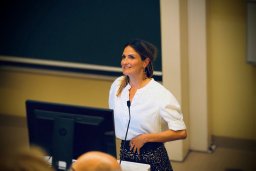 Jenny Gentizon合作论文数Lausanne University Hospital5
 Marilyn Hammer合作论文数Dana-Farber Cancer Institute5
 Christine Miaskowski合作论文数Department of Physiological Nursing, School of Nursing, University of California San Francisco;Helen Diller Family Comprehensive Cancer Center, University of California San Francisco5Pierre-Yves Dietrich合作论文数5Sara Marquard合作论文数5
 Doris Howell合作论文数Princess Margaret Cancer Centre, University Health Network5
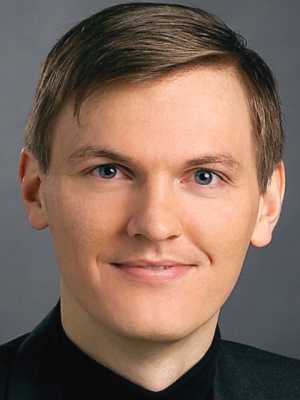 Tobias Kowatsch合作论文数ETH Zurich;University of St. Gallen5S. Claassen合作论文数4Andrea Ullmann-Bremi合作论文数4Stellio Giacomini合作论文数4Sofiya Latifyan合作论文数4Gabriela Schmid-Mohler合作论文数4Johannes Ammann合作论文数4
 Marika Bana合作论文数4S Engberg合作论文数4
 Amanda Drury合作论文数Sch Nursing Psychotherapy & Community Hlth, Dublin City Univ4Spirig Rebecca合作论文数4




