Human intelligence is essential to understand complex ideas, to engage in various forms of reasoning, to learn from experience, and to adapt to new situations by taking thought. The P300 event-related brain potential has been related to intelligence scores and thus represents as a promising biomarker of general cognitive ability. However, empirical results are characterized by enormous heterogeneity, and a quantitative assessment of this literature is lacking. This preregistered meta-analysis provides the first systematic overview of neuroscientific studies that have examined associations between general cognitive ability and the P300 in healthy adult participants. Out of 5641 articles screened, 49 studies with up to 381 effects were eligible for PRISMA-based meta-analytic comparison. Study quality was evaluated using a novel Study Design and Implementation Assessment Device, which we developed particularly for Individual Difference Research (DIAD-ID) and provide together with our analysis code as free online resources to support future meta-analyses. Confirming our hypotheses, a small but significant positive across-study association was observed for general cognitive ability and P300 amplitudes ( r = .13; 95%-CI [.06, .19]), while a significant negative across-study association was revealed for P300 latencies ( r = -.18; 95%-CI [-.24, -.13]). Study heterogeneity was substantial, and sub-analyses highlighted potential moderators such as type of the task during EEG recording. We discuss limitations, open questions, and provide concrete guidelines for future research on the neurobiological underpinnings of individual differences in cognitive ability.
EEG mid-frontal theta-band activity (MFT; 4-8 Hz) is of considerable interest as a possible biomarker in translational research on cognitive control. However, because most of the MFT literature has focused on experimental within-subjects effects, the impact of particular data processing choices on individual difference analyses is not well understood. This study aimed to reduce that gap by examining the psychometric properties of different pipelines for measuring individual differences in MFT power and latency. Ninety-three adults aged 60 or older completed a flanker task during EEG recording. Stimulus-locked MFT was extracted in three primary pipelines via the fast Fourier transform (FFT), linear- and log-spaced wavelet, and filter-Hilbert analyses. The effects of frequency resolution, electrode choice, overall versus peak power, and trial type (overall, congruent, incongruent, and subtraction- and regression-based residual scores contrasting congruent and incongruent activity) were examined, as was the degree of overlap among related variables. Internal consistency reliabilities and associations with reaction times (RT) during the Flanker were assessed for select measures. Results indicated no benefit of higher frequency resolutions or region of interest over single-electrode measurements from FCz. Two-part coefficient alpha reliabilities ranged from 0.63 to 1.00 for MFT power variables, and from 0.02 to 0.83 for latency variables. Contrary to hypotheses and common criticisms of derived scores, correlations with RT were generally strongest for the difference and residual scores, with an additional benefit of time-frequency-based peak power relative to FFT-based overall power (r ~ = 0.30 vs. 0.45). These findings add to the growing literature on psychometric properties of EEG biomarkers, and help clarify measurement strategies that may enhance detection of behavioral and clinical correlates of MFT power and latency.
Individuals with mild cognitive impairment (MCI) demonstrate cognitive decline without major functional impairment and are at increased risk for developing Alzheimer's disease and related dementias (ADRD). Sleep and biobehavioral rhythm disturbances (disruptions in 24-h oscillations in physiology and behavior, including rest-activity patterns and mealtimes) are more than twice as common among patients with MCI than cognitively intact older adults. Importantly, the consequences of sleep and biobehavioral rhythm disruption in MCI extend beyond the patient, also profoundly affecting the spouse/partner. However, scant research has investigated sleep and biobehavioral rhythms that may contribute to the health and cognitive functioning of individuals with MCI and their partners. The current paper presents the rationale and methods for the Couples Healthy Aging and Rhythms (CHARMS) study, a longitudinal cohort study of sleep and biobehavioral rhythms among older couples in which one partner evidences cognitive decline but is independent in daily functioning. The targeted enrollment goal will consist of 185 couples who meet study eligibility criteria including that one partner shows evidence of cognitive decline but reports being independent in daily activities. This is a longitudinal observational study that includes a baseline assessment, a seven-day at-home naturalistic study protocol, and a two-year follow-up to examine change over time. Findings from this study will advance the understanding of the daily and longitudinal relationships between the individual and couple-level processes in sleep and biobehavioral rhythms that influence the progression of cognitive decline in a population at increased risk for developing ADRD.
INTRODUCTION:An important frontier for neuropsychology involves developing additional technologies that could complement current behavioral approaches. Concurrent electroencephalographic (EEG) markers are especially promising for informing the neural processes underlying cognitive performance during neuropsychological assessments. The EEG aperiodic exponent shows sensitivity to both age and task-related effects, with prior studies relating smaller exponents to poorer performance in older adults, and larger exponents to greater task engagement in general. This study aimed to extend these previous experimental findings on the aperiodic exponent to a standardized assessment context and begin clarifying its relations to clinically meaningful aspects of cognition and aging. METHOD:EEG was recorded during resting conditions and administration of the Repeatable Battery for the Assessment of Neuropsychological Status (RBANS) from 21 younger adults and 24 older adults. Two-level mixed-effects regression models were run to assess the effects of age, general cognitive task engagement (vs. rest), and cognitive domain (Index) on the exponent. RESULTS:Consistent with prior studies, exponents were generally larger during cognitive tasks compared to rest (F(2,81.76) = 61.54, p < .001) and in younger versus older adults (F(1,42.37) = 26.80, p < .001). Moreover, compared to younger adults, older adults' exponents exhibited greater sensitivity to cognitive domain (Age ×Index interaction: F(5,206.93) = 9.51, p < .001). CONCLUSIONS:Results suggest that key effects of the exponent (i.e. age and task) can be reproduced during realistic assessment scenarios, and suggest the exponent is more sensitive to between-person and age group differences than task effects. Additional investigations are needed to clarify the potential of the concurrent exponent to capture clinically meaningful cognitive processes.
Historically, stroke and ageing have been associated with changes in narrow-band periodic neuronal activity, but recent work has highlighted the importance of broad-band aperiodic activity. Aperiodic activity is represented by the 1/f slope of power spectral density generated by cortical activity. Here we explored changes in both periodic and aperiodic cortical activity in neurologically intact individuals and individuals with stroke, across the lifespan. We compared 'resting state' electroencephalograms from all participants after applying the specparam algorithm, which decomposes the power spectrum into aperiodic and periodic components. We also correlated motor outcomes to average whole cortex spectral slopes within the stroke group. We found a significant flattening (decrease in exponent) of power spectral slope with normal ageing. We found that both ageing and stroke were associated with fewer periodic peaks. Interestingly, we found that stroke was associated with a significant increase in spectral slope, but age moderated this effect. Younger stroke patients showed minimal difference in slope while older stroke patients had significantly steeper slopes (opposite to the direction in normal ageing). We next investigated the lesion locations most associated with changes in slope. Deep lesions were observed to have the greatest influence on cortical spectral slope. Finally, the slope in the stroke group was associated with performance on a test of manual dexterity, but this association was stronger in older individuals, and varied by scalp region. Our data suggest that stroke in the aged brain has unique effects on aperiodic activity possibly reflecting unique influence of injury on cerebral excitation/inhibition balance in aged individuals.
Normal aging is associated with widespread changes in neuronal structure, function, and activity. The consequences of focal brain injury on global neuronal activity in aged individuals are poorly understood. Historically, stroke and aging have been associated with changes in narrow-band periodic neuronal activity, however recent work has highlighted the importance of broad-band aperiodic activity. Aperiodic activity is represented by the 1/f slope of power spectral density generated by cortical activity. Abnormalities in aperiodic activity have been identified in psychiatric disorders and stroke, are associated with cognitive dysfunction in aging, and have been hypothesized to reflect changes in excitation/inhibition balance. Here we sought to further explore changes in both periodic and aperiodic cortical activity in neurotypical intact young and aged healthy individuals and individuals with stroke. We compared resting state electroencephalograms from all participants after applying the specparam algorithm, which decomposes the power spectrum into aperiodic and periodic components. We also correlated stroke outcomes using previously obtained tests of motor outcome (box and block) to average whole cortex spectral slopes within the stroke group. Consistent with prior work we found a significant flattening (decrease in exponent) of power spectral slope with normal aging. We also found that both aging and stroke were associated with fewer periodic peaks within the power spectrum. Interestingly, we found that stroke was associated with a significant increase in spectral slope, but age moderated this effect. Younger stroke patients showed minimal difference in slope while older stroke patients had significantly steeper slopes (opposite to the direction in normal aging). Using MRIs from stroke participants we investigated the lesion locations most associated with changes in slope. Interestingly deep lesions were observed to have the greatest influence on cortical spectral slope. Finally, slope in the stroke group was correlated with performance on a test of manual dexterity, however this correlation was much more significant in aged individuals. Our data suggest that stroke in the aged brain has unique effects on aperiodic activity possibly reflecting unique influence of injury on cerebral excitation/inhibition balance in aged individuals and that the degree of these changes may be related to stroke outcomes. ### Competing Interest Statement The authors have declared no competing interest.
OBJECTIVE:To establish convergent and discriminant validity for a combined measure of print exposure (i.e., Author Recognition Test and Magazine Recognition Test [ART/MRT]) and assess its potential utility for estimating premorbid cognitive functioning. METHOD:Community-dwelling older adults (N = 84; 95% non-Hispanic White) completed the ART/MRT, Test of Premorbid Functioning (ToPF), Dementia Rating Scale - 2nd Edition (DRS-2), Hopkins Verbal Learning Test - Revised (HVLT-R-DR), and select subtests from the Delis-Kaplan Executive Functioning System (D-KEFS) as measures of executive functioning (i.e., D-KEFS-EF) and processing speed (i.e., D-KEFS-PS). Pearson correlations and linear regressions were used to examine the relationships between the ART/MRT, cognition, and demographics. RESULTS:Cognitive scores, with the exception of HVLT-R-DR, were positively correlated with ART/MRT score such that better cognitive performance was associated with greater print exposure (range r = 0.39-0.49). ART/MRT score was positively correlated with years of education and negatively correlated with age. ToPF and DRS-2 differentially and uniquely predicted ART/MRT score beyond the other cognitive and demographic variables and beyond each other. CONCLUSIONS:Findings indicate that measures of print exposure reflect crystallized knowledge but may also capture fluid abilities that may be more vulnerable to age-related decline or neurodegeneration. Assessment of print exposure may offer an alternative to word reading measures that may be inappropriate for translation into other languages and for use with individuals with certain language difficulties.
Recent studies suggest that the EEG aperiodic exponent (often represented as a slope in log-log space) is sensitive to individual differences in momentary cognitive skills such as selective attention and information processing speed. However, findings are mixed, and most of the studies have focused on just a narrow range of cognitive domains. This study used an archival dataset to help clarify associations between resting aperiodic features and broad domains of cognitive ability, which vary in their demands on momentary processing. Undergraduates (N = 166) of age 18-52 years completed a resting EEG session as well as a standardized, individually administered assessment of cognitive ability that included measures of processing speed, working memory, and higher-order visuospatial and verbal skills. A subsample (n = 110) also completed a computerized reaction time task with three difficulty levels. Data reduction analyses revealed strong correlations between the aperiodic offset and slope across electrodes, and a single component accounted for ~60% of variance in slopes across the scalp, in both eyes-closed and eyes-open conditions. Structural equation models did not support relations between the slope and specific domains tapping momentary processes. However, secondary analyses indicated that the eyes-open slope was related to higher overall performance, as represented by a single general ability factor. A latent reaction time variable was significantly inversely related to both eyes-closed and eyes-open resting exponents, such that faster reaction times were associated with steeper slopes. These findings support and help clarify the relation of the resting EEG exponent to individual differences in cognitive skills.
Summary Natural short sleepers (NSS)—individuals who report minimal sleepiness or daytime dysfunction despite habitually sleeping less than the recommended amount (i.e., <7 h)—are a focus of growing interest in sleep research. Yet, the predominance of research on NSS has relied on subjective reports of functionality. The present study examined subjective and objective sleepiness among actigraphy‐verified NSS in comparison with recommended (7–9 h/day) length sleepers (RLS) who reported similarly minimal daytime dysfunction. The study tested the hypothesis that under conditions of low environmental stimulation, NSS have increased risk of drowsiness and sleep onset, regardless of perceived alertness. The NSS and RLS groups were identified via screening and verified with a 14 day assessment with actigraphy, sleep diaries, and morning ratings of sleep restoration. In‐laboratory resting electroencephalography (EEG) data were analysed using a computerised EEG‐based algorithm (Vigilance Algorithm Leipzig; VIGALL) to classify second‐by‐second changes in objective sleepiness ranging from cognitively active alertness to sleep onset. Results demonstrated that NSS exhibited significantly higher drowsiness and sleep onset (‘microsleeps’) across 15 min of resting EEG despite perceptions of lower subjective sleepiness compared to RLS. Findings suggest that irrespective of perceived sleep restoration and alertness, NSS appear to be at high risk of objective sleepiness that is rapidly unmasked under conditions of low environmental stimulation. Such apparent discrepancy between subjective and objective sleepiness has potentially important public health implications. Future research directions, including tests of mechanisms and tailored sleep extension intervention, are discussed.
EEG has been used for decades to identify neurocognitive processes related to intelligence. Evidence is accumulating for associations with neural markers of higher-order cognitive processes (e.g., working memory); however, whether associations are specific to complex processes or also relate to earlier processing stages remains unclear. Addressing these issues has implications for improving our understanding of intelligence and its neural correlates. The MMN is an ERP that is elicited when, within a series of frequent standard stimuli, rare deviant stimuli are presented. As stimuli are typically presented outside the focus of attention, the MMN is suggested to capture automatic pre-attentive discrimination processes. However, the MMN and its relation to intelligence has largely only been studied in the auditory domain, thus preventing conclusions about the involvement of automatic discrimination processes in humans' dominant sensory modality—vision. EEG was recorded from 50 healthy participants during a passive visual oddball task that presented simple sequence violations and deviations within a more complex hidden pattern. Signed area amplitudes and fractional area latencies of the visual MMN were calculated with and without Laplacian transformation. Correlations between visual MMN and intelligence (Raven's Advanced Progressive Matrices) were of negligible to small effect sizes, differed critically between measurement approaches, and Bayes Factors provided anecdotal to substantial evidence for the absence of an association. We discuss differences between the auditory and visual MMN, the implications of different measurement approaches, and offer recommendations for further research in this evolving field.
Tic disorders are a class of neurodevelopmental disorders characterized by involuntary motor and/or vocal tics. It has been hypothesized that tics function to reduce aversive premonitory urges (i.e., negative reinforcement) and that suppression-based behavioral interventions such as habit reversal training (HRT) and exposure and response prevention (ERP) disrupt this process and facilitate urge reduction through habituation. However, previous findings regarding the negative reinforcement hypothesis and the effect of suppression on the urge-tic relationship have been inconsistent. The present study applied a dynamical systems framework and within-subject time-series autoregressive models to examine the temporal dynamics of urges and tics and assess whether their relationship changes over time. Eleven adults with tic disorders provided continuous urge ratings during separate conditions in which they were instructed to tic freely or to suppress tics. During the free-to-tic conditions, there was considerable heterogeneity across participants in whether and how the urge-tic relationship followed a pattern consistent with the automatic negative reinforcement hypothesis. Further, little evidence for within-session habituation was seen; tic suppression did not result in a reduction in premonitory urges for most participants. Analysis of broader urge change metrics did show significant disruption to the urge pattern during suppression, which has implications for the current biobehavioral model of tics.
In adulthood, neurological structure and function are often affected by aging, with negative implications for daily life as well as laboratory-based tasks. Some of these changes include decreased efficiency modulating cortical activity and lower signal-to-noise ratios in neural processing (as inferred from surface electroencephalography). To better understand mechanisms influencing age-related changes in cortical activity, we explored the effects of aging on narrow-band alpha power (7.5-12.5 Hz) and broadband/aperiodic components that span a wider range (1.5-30.5 Hz) over the occipital region during eyes-open and eyes-closed wakeful rest in 19 healthy young adults (18-35 years) and 21 community-dwelling older adults (59+ years). Older adults exhibited a smaller change in alpha power across conditions compared to younger adults. Older adults also showed flatter aperiodic slopes in both conditions. These changes in narrow-band alpha are consistent with previous work and suggest that older adults may have a reduced ability to modulate state-specific activity. Differences in the aperiodic slope suggest age-related changes in the signal-noise-ratio in cortical oscillations. However, the relationship between narrow-band alpha modulation and the aperiodic slope was unclear, warranting further investigation into how these variables relate to each other in the aging process. In summary, aging is associated with a broadband flattening of the EEG power spectrum and reduced state-specific modulation of narrow-band alpha power, but these changes appear to be (at least partially) independent of each other. The present findings suggest that separate mechanisms may underlie age-related differences in aperiodic power and narrow-band oscillations.
Burst suppression is a brain state consisting of high-amplitude electrical activity alternating with periods of quieter suppression that can be brought about by disease or by certain anesthetics. Although burst suppression has been studied for decades, few studies have investigated the diverse manifestations of this state within and between human subjects. As part of a clinical trial examining the antidepressant effects of propofol, we gathered burst suppression electroencephalographic (EEG) data from 114 propofol infusions across 21 human subjects with treatment-resistant depression. This data was examined with the objective of describing and quantifying electrical signal diversity. We observed three types of EEG burst activity: canonical broadband bursts (as frequently described in the literature), spindles (narrow-band oscillations reminiscent of sleep spindles), and a new feature that we call low-frequency bursts (LFBs), which are brief deflections of mainly sub-3-Hz power. These three features were distinct in both the time and frequency domains and their occurrence differed significantly across subjects, with some subjects showing many LFBs or spindles and others showing very few. Spectral-power makeup of each feature was also significantly different across subjects. In a subset of nine participants with high-density EEG recordings, we noted that each feature had a unique spatial pattern of amplitude and polarity when measured across the scalp. Finally, we observed that the Bispectral Index Monitor, a commonly used clinical EEG monitor, does not account for the diversity of EEG features when processing the burst suppression state. Overall, this study describes and quantifies variation in the burst suppression EEG state across subjects and repeated infusions of propofol. These findings have implications for the understanding of brain activity under anesthesia and for individualized dosing of anesthetic drugs.
Objective: Improving the timeline for intervention in Alzheimer's disease (AD) has considerable potential to delay and mitigate disability and suffering. Neuropsychological assessment is useful for distinguishing AD from normal aging and other dementias but is less useful in preclinical detection due to its limited sensitivity. The N400 (N4), a language-based EEG event-related potential (ERP) related to semantic functioning, is a promising candidate marker of AD with potential to improve early detection and monitoring of AD. For example, studies have shown that individuals with AD show a reduced N4 "effect"—a smaller difference in the size of the N4 to semantically congruent vs. incongruent word-pairs. The goal of this study is to assess the presence of the N4 effect in healthy seniors, and those with amnestic mild cognitive impairment (MCI) or mild AD, and to evaluate associations between performance on the Repeatable Battery for the Assessment of Neuropsychological Status (RBANS) and the N4 across these samples. Participants and Methods: Fifty older adults (intact=27, combined MCI/mild AD group=23; "impaired") completed neuropsychological testing, including the RBANS, as part of a larger study. Participants were re-contacted and returned for EEG assessment between several weeks to one year later. During EEG recording, participants completed a word-pair judgement paradigm, which involved distinguishing between semantically congruent and incongruent word-pairs. Data was collected and analyzed according to customized N4 analysis scripts provided as part of ERPCORE, an online resource for acquiring and analyzing common ERP components (Kappenman et al., 2021; https://osf.io/thsqg/). The change in N4 amplitude between congruent and incongruent trials (the N4 effect) was used as an index of participants' semantic functioning. Participants' N4 effect was quantified using the mean amplitude from 300-550 milliseconds poststimulus at electrode Cz. Results: Repeated measures ANOVAs indicated a significant effect of trial type on the N400 amplitude in the intact individuals (F(1, 26)=77.66, p<.001), which remained significant in the sample as a whole (F(1, 48)=65.18, p<.001). Although intact participants numerically showed a larger N4 effect (intact: M=-4.02, SD=2.37; impaired: M=-2.60, SD=3.40), the expected group-by-trial interaction was not significant (F(1, 48)=3.01, p=.089). Correlational analyses revealed no significant associations between the N4 effect and the RBANS Total Scale scores (r=-.14, p=.32), nor for the Immediate Memory (r=-.002, p=.99), Visuospatial/Constructional (r=-.069, p=.63), Language (r=-.15, p=.30) Attention (r=-.21, p=.14), or Delayed Memory (r=-.18 p=.58) indexes. Conclusions: Results confirmed the presence of the N4 effect in intact participants and in the sample as a whole. Although the N4 effect was numerically smaller in the impaired group as expected, this difference was not significant in the present sample. Likewise, we observed no evidence for associations between the size of N4 effect and performance on RBANS indexes. Overall, the present study provides mixed evidence for the utility of the N4 as a biomarker in mild AD. Factors that may have contributed to the lack of associations between the N4 effect and the RBANS include the limited sample size and variable lengths of time between participants' initial cognitive assessments and EEG testing.
Objective:Concurrent electroencephalography (EEG) during neuropsychological assessment offers a promising method to understand realtime neural and cognitive processes during task performance. For example, previous studies using experimental tasks suggest that midline-frontal theta power (MFT) could serve as a measure of mental exertion and subjective difficulty. The RBANS provides an opportunity to examine this issue in neuropsychological assessment, as a widely-used screening battery that was explicitly developed with subtests that vary according to difficulty within its five domains. This study investigated the effects of task difficulty, cognitive domain, and age on elicitation of MFT during rest and RBANS administration.Participants and Methods:EEG was recorded during eyes-closed and eyes-open resting periods and RBANS administration in a sample of 45 healthy younger adults (n = 21; mean age = 23.29, SD = 3.27, range = 19-33; 48% female) and older adults (n = 24; mean age = 70.58, SD = 5.77, range = 59-83; 83% female). MFT was defined as the highest peak above the overall power spectrum within 4-8Hz from electrode Fz, and operationalized as a binary variable (present/absent). A multilevel generalized logistic regression model was run to assess the main effects of Age (Younger, Older), Difficulty (Easy, Hard), Domain (Rest, Immediate Memory, Visuospatial/Constructional, Language, Attention, Delayed Memory), and their potential interactions, on the presence of MFT.Results:In the full sample, the Coding, Figure Recall, and Picture Naming subtests were numerically most likely to elicit MFT (71.1%, 66.7%, and 62.2%, respectively), whereas Semantic Fluency, Eyes-Closed Rest, and List Recall had the lowest likelihoods (37.7%, 31%, 28.9%). Older adults were also numerically less likely to exhibit MFT (37.50% present) compared to younger adults (62.24% present). An analysis of deviance revealed a significant effect of Age (F(1,43) = 7.22, p = .01) and a significant interaction between Difficulty and Domain (F(5,220) = 4.78, p < .001). Specifically, Hard subtests in the Visuospatial/Constructional (Figure Copy; b = -2.63, p < .05) and Language (Semantic Fluency; b = -2.92, p < .01) Domains were less likely to elicit MFT than the Easy subtests (i.e., Line Orientation and Picture Naming, respectively).Conclusions:Results indicated that MFT can be reliably measured during neuropsychological assessment, and varies in relation to both age and task-related factors. Consistent with previous studies, older adults exhibited less MFT than younger adults in general, possibly suggesting a failure to recruit the relevant networks. Further, present findings suggest that the presence of MFT varies not only by the type of task but also by the level of difficulty. Future research with larger samples can clarify whether and how the amount of MFT elicited during specific subtests relates to objective and subjective difficulty. Overall, MFT can reliably be elicited by cognitive tasks and bears further study as a measure of real-time neural expenditure.
Introduction: Visuospatial ability may explain individual differences in the extent of motor skill learning. This study tested whether frontoparietal functional connectivity at rest, measured by resting-state electroencephalography (EEG) coherence, is related to both visuospatial performance and motor skill acquisition (an early stage of motor learning). Methods: Across 21 participants, the following data were retrospectively analyzed: 2-min eyes-closed resting-state EEG, the Visuospatial/Constructional Index score from the Repeatable Battery for the Assessment of Neuropsychological Status (RBANS), and five practice trials of a functional motor task. Right frontoparietal coherence in the alpha band (8–12 Hz) was computed with imaginary coherence (IC) between electrodes F4 and P4, with ICs from left and midline electrodes included as negative controls. Results: F4–P4 alpha IC was highly correlated with the RBANS Visuospatial/Constructional Index, while left and midline alpha ICs were not. However, there was no correlation between right frontoparietal alpha IC with skill acquisition. Conclusion: This study supports that right frontoparietal IC is positively related with visuospatial function, yet the limited dose of motor practice (five trials) in the retrospective dataset was not inherently designed to investigate motor skill acquisition per se. However, results show proof of concept for developing right frontoparietal alpha IC-based neurofeedback applications for visuospatial training.
Background: Previous research has shown the slope of the EEG power spectrum differentiates between older and younger adults in various experimental cognitive tasks. We extend that work, assessing the relation between the EEG power spectrum and performance on the Repeatable Battery for the Assessment of Neuropsychological Status (RBANS).Methods: Twenty-one younger and twenty-three older adults completed the RBANS with EEG data collected at rest. Using spectral parameterization, we tested the mediating effect of the spectral slope on differences in subsequent cognitive task performance.Results: Older adults performed reliably worse on the RBANS overall, and on the Attention and Delayed Memory domains specifically. However, evidence of mediation was only found for the Coding subtest.Conclusions: The slope of the resting EEG power spectrum mediated age-related differences in cognition, but only in a task requiring speeded processing. Mediation was not statistically significant for delayed memory, even though age-related differences were present.
 Keith R. Lohse合作论文数10
 Ty L McKinney合作论文数9Anupriya Pathania合作论文数Dept Hlth & Kinesiol, Univ Utah7Julia V. Vehar合作论文数6
 Robert J Thoma合作论文数6
 Mindie Clark合作论文数Dept Hlth & Kinesiol, Univ Utah5
 Duff Kevin合作论文数Department of Neurology, University of Utah5
 Jonathan Butner合作论文数Department of Psychology;Arizona State University;Department of Psychology, Arizona State University5Ronald A. Yeo合作论文数5Jasmin E Guevara合作论文数4
 Yana Suchy合作论文数University of Utah4Eric C Landsness合作论文数3
 Jin-Moo Lee合作论文数Center for Advanced Medicine Neuroscience Center, Washington University Physicians3
 Travis J. Wiltshire合作论文数3
 Steven Gangestad合作论文数Department of Psychology, College of Arts & Sciences, University of New Mexico3Bradley Judge合作论文数2Rhiannon L. Cowan合作论文数Dept Hlth & Kinesiol, Univ Utah2
 Hannah M Schryver合作论文数Dept Psychol & Brain Sci, Johns Hopkins Univ2
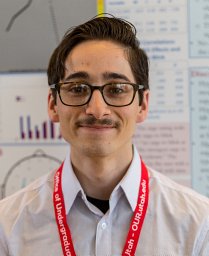 Mark Lavelle合作论文数Dept Psychol, Univ Utah2Madison A Niermeyer合作论文数2
 Steven C. Cramer合作论文数University of California, Los Angeles2
 Miller Matthew W合作论文数2Young Brittany M合作论文数2
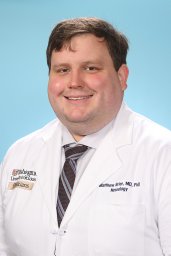 Matthew R. Brier合作论文数Center for BrainHealth, University of Texas at Dallas2
 Sara J Swanson合作论文数2
 Michael Weisend合作论文数Mental Illness and Neuroscience Discovery Institute (MIND), Albuquerque, NM 87106, USA2Bradley R. King合作论文数1
 Angela Eastvold合作论文数1
 Michelle Gereau Mora合作论文数1Asher J. Albertson合作论文数1Sindhu Richards合作论文数1Adam Larson合作论文数1Carter Lybbert合作论文数1Scott Tadler合作论文数1Jason Huang合作论文数1Ava Dixon合作论文数1Asher Albertson合作论文数1
 Libby A DesRuisseaux合作论文数1Kayla R Suhrie合作论文数Dept Neurol, Univ Utah1
 Brianna Wellen合作论文数Univ Utah1
 Melynda Schreiber合作论文数Ergon & Safety Lab, Univ Utah1
 P. Lysne合作论文数Univ New Mexico1
 Jose M Canive合作论文数1Jacob E. Jessop合作论文数1
 Matthew R. Capriotti合作论文数San Jose State Univ, Dept Psychol, San Jose, CA 95192 USA1
 Peiyuan Wang合作论文数School of Biological and Health Systems Engineering, Arizona State University1
 Kirsten Hilger合作论文数Department of Psychology I, Justus Maximilian University Würzburg1
 Sylvain Baillet合作论文数Department of Neurology and Neurosurgery, Faculty of Medicine and Health Sciences, McGill University;Université de Montréal;Centre de Recherche du CHUM;Centre Hospitalier de l'Université de Montréal;The Montreal Neurological Institute1
 Greg Miller合作论文数Department of Psychology, Northwestern University1




