SummaryBronze leaf disease (BLD) of species and hybrids of aspens, grey and white poplars (Genus Populus, section Populus) is a systemic disease incited by the fungus Apioplagiostoma populi (E.K. Cash & A.M. Waterman) M.E. Barr that results in a characteristic bronze to dark brown pigmentation of infected leaves in late summer and early fall. Branches on affected trees die over a period of several years, disfiguring trees and eventually leading to mortality of susceptible trees planted in landscapes. In this study, we describe the histopathology of the disease and fungus development relative to external symptoms on affected trees. A. populi hyphae were observed in leaf vessels, lateral veins and xylem vessels of stems and roots of affected trees. Hyphae were also observed in veins and vessels of asymptomatic leaves. Xylem vessels of growth rings on dead branches were completely occluded with A. populi near the vascular cambium and together with the ray parenchyma were stained a bronze colour. Evidence of putative toxin damage to mesophyll cells, not colonized by hyphae, was observed and may contribute to the characteristic tissue staining observed. The development of the fungus was consistent with previous reports, but in this study, we report additional details including perithecial development and ascospore release from predominantly abaxial leaf surfaces. We also report for the first time the isolation and growth of the pathogen in pure culture and systemic infection of roots.
Butternut canker, caused by the fungus Ophiognomonia clavigignenti-juglandacearum, primarily kills butternut (Juglans cinerea). Rain splash and local air currents are the primary means of conidia dispersal but that does not explain its long-distance spread and infection of isolated trees. Dispersal by insect or animal vectors or plant material likely necessitates the ability for conidia to tolerate drying for a period of time over variable temperature and humidity conditions. The objective of this study was to determine the influence of temperature and humidity on conidial germination and survival of air-dried conidia. Conidia collected from 1-month-old cultures germinated on water agar over a wide range of temperatures (4 to 32°C) and were viable after brief periods at 36°C when returned to a lower temperature. Viability of air-dried conidia held on nylon membranes at various temperatures and humidities varied from less than a day at 28°C and 90% relative humidity (RH) to a mean of 15 days at 20°C and 80% RH. RH had the least effect on viability at 12°C, with conidia remaining viable for 7 days at most humidity levels tested. Conidia held at 100% RH began germinating on the membranes after 21 days. Conidia in a water suspension remained viable for 168 days at all temperatures tested. These results suggest that O. clavigignenti-juglandacearum conidia may remain viable on the surface of a vector or plant material and seed for over 2 weeks, given the proper conditions, or for much longer if in water or in an environment of saturated humidity. This potential may, in part, explain the frequent presence of the disease on isolated trees.
A rapid and reliable technique is needed for identifying butternut trees (Juglans cinerea) with resistance to butternut canker. We investigated the potential of a bark extract bioassay to detect levels of resistance to Ophiognomonia clavigignenti-juglandacearum (Oc-j), the causal agent of butternut canker. Both reagent grade naphthoquinones and crude bark extracts of Juglans species inhibited germination of Oc-j conidia. A disc diffusion bioassay was used to study the level of inhibition by these bark extracts and results indicated extensive variation within and between butternut and other species of Juglans tested. In many months over a 3 year period, bark from butternut trees selected for apparent disease resistance could be distinguished from that of unselected trees. Inhibition of conidia germination roughly correlated to the level of resistance observed in field inoculations of the trees. Quantification of the naphthoquinone compounds juglone and plumbagin in butternut bark was performed using ultra-high performance liquid chromatography mass spectrometry. While the concentrations of these two compounds varied by month and by individual tree, juglone levels correlated well with the bark extract bioassay in some months. These results suggest that juglone concentration may account in part for the observed range of inhibition observed in the bioassay and variation in canker resistance among selections of butternut field inoculated with Oc-j. The bark extract bioassay described in the following report may have potential use for selecting resistant butternut for conservation and restoration purposes.
Bronze leaf disease (BLD) affects several Populus species in North America but is particularly damaging to hybrids in section Populus (4). BLD, caused by the fungus Apioplagiostoma populi (syn. Plagiostoma populi) described by Cash and Waterman (1), takes its name from the characteristic dark purple to brown pigmentation of infected leaves. A. populi has not been cultured on artificial media either from diseased tissues or cast ascospores. An anamorph has not been conclusively identified but spores from blister-like acervuli on symptomatic leaves have been suggested to function as spermatia (3). In an attempt to describe the imperfect stage of A. populi, collections of diseased leaves of P. alba × sieboldii and P. alba × grandidentata'Crandon' growing in a plantation near Rosemount, MN, were made on September 14, 2011 (leaves attached to shoots, rolled inward), October 12, 2011 (leaves attached or on the ground, tightly rolled inward), and November 1, 2011 (most leaves on the ground), and examined in the laboratory for fungal development. Leaf laminae from the September 14 collection were uniformly covered with erumpent, subcuticular blister-like acervuli on the adaxial surface only, containing unicellular, colorless spores ranging in size from 2.2 to 10.0 × 2.0 to 5.0 μm (mean 3.6 × 6.2 μm) (n = 100). Attempts to germinate and obtain cultures from these spores on common artificial media were unsuccessful. On leaves collected October 12, the blister-like acervuli were predominantly empty or releasing spores and immature perithecia of A. populi were present. Leaves collected on November 1 contained immature perithecia but were heavily colonized by surface saprophytic fungi and no intact blister-like acervuli were present. DNA was extracted from bulked samples of spores removed from the blister-like acervuli in leaves from multiple trees collected on September 14 using the DNeasy Plant Mini Kit (Qiagen Sciences, Germantown, MD). The internal transcribed spacer (ITS2) region of rDNA was PCR amplified and sequenced with primers ITS3 and ITS4. BLASTn searches revealed that sequences from three independent bulked samples were homologous (99% identity, 353 of 355 nucleotides) to A. populi from isolated perithecia (GenBank Accession No. GU205341) (2). The inability of the spores to germinate, the timing of their development and release, and the tight, inward roll of infected leaves facilitating their spread across the upper leaf surface suggest that these spores function as spermatia in the life cycle of A. populi and the blister-like acervuli in which they develop are spermogonia. References: (1) E. K. Cash and A. M. Waterman. Mycologia 49:756, 1957. (2) L. M. Kawchuk et al. Plant Disease 94:377, 2010. (3) W. A. Sinclair and H. H. Lyon, Comstock Publishing Associates, Cornell University Press, Ithaca, NY, 2005. (4) J. A. Smith et al. Plant Disease 86:462, 2002.
Increasing the diversity of species and structure of red pine (Pious resinosa) is often a management goal in stands simplified by practices such as fire suppression and plantation management in many areas of the Great Lakes Region. One approach to diversification is to convert predominantly even-aged, pure red pine stands to multi-cohort, mixed-species forests through variable overstory retention at harvest. Based on limited empirical evidence, pathologists have advised against this multi-cohort approach in stands where pathogens causing damaging shoot blight diseases are established. We examined disease incidence among planted red, jack (Pious banksiana), and white pine (Pious strobus) in a variable retention harvest and understory woody vegetation removal (brushing) experiment in northern Minnesota. The experiment included four overstory treatments (dispersed and two aggregated overstory retention treatments and a control, N = 4) that were split by an understory brushing treatment (yes or no). Prior to harvest in 2003, the fungal pine pathogens Diplodia pinea, Sirococcus conigenus and Armillaria solidipes (syn. Armillaria ostoyae) were common on the study site. Within 6 years after harvest, these pathogens reduced the survival of planted red, white and jack pine, potentially interfering with long-term management objectives. Across all treatments, shoot blight incidence was generally higher in dead red and jack pine than white pine seedlings and was predominantly caused by D. pinea. The disease killing white pine seedlings was predominately Armillaria root rot. Overstory treatment affected the percentage of jack and white pine seedling mortality attributable to shoot blight, but not the more susceptible red pine, with greater overstory retention resulting in greater disease incidence. Understory brushing had no effect on the incidence of shoot blight on seedlings. We expect disease to continue to influence stand structure and composition across all treatments. Our study results highlight the need for forest managers to assess long-term risk of potentially damaging pathogens in red pine stands prior to harvest and use that information to guide decisions regarding silvicultural practices to increase age and species diversity. Published by Elsevier B.V.
Butternut trees (Juglans cinerea) clonally propagated via grafting from source trees with putative resistance to butternut canker were inoculated monthly with two isolates of Sirococcus clavigignenti-juglandacearum in a field planting in Minnesota. Significant differences in resulting canker length were found among (i) month of inoculation, (ii) accession, and (iii) isolate. Results support the suggestion that canker-free butternut occasionally found growing among butternut severely affected by butternut canker potentially have disease resistance and may have value for genetic conservation and restoration of the species. Developing an effective resistance screening technique will require additional information on the natural infection process and testing under various climatic conditions across the range of butternut.
The fungus Sirococcus clavigignenti-juglandacearum causes butternut canker in North America and is not known to kill or seriously affect tree species other than butternut (Juglans cinerea). However, this putative exotic pathogen has been found on branches of black walnut (J. nigra) and heartnut (J. ailantifolia var. cordiformis), raising questions regarding the potential host range of the pathogen and its spread to new areas on tree hosts other than butternut. Results of artificial inoculations of several hardwood species indicated that the pathogen, although not causing lethal cankers, has the ability to colonize and survive in the wood of several genera, including Quercus, Carya, Corylus, Prunus, and Castanea. Several commercially important Persian walnut (J. regia) cultivars tested were moderately or highly susceptible, underscoring the importance of preventing the movement of the pathogen into commercial Juglans plantations in California, where its ability to cause disease and damage trees is unknown. Evidence for the presence of variation in aggressiveness among isolates of S. clavigignenti-juglandacearum was detected based on differences in canker lengths resulting from inoculations with two isolates of the pathogen. In a field test of several previously named butternut cultivars, all were found to be highly susceptible to the disease, calling into question the value of these selections for nut production or future restoration uses.
 m e ostry合作论文数8N. A. Anderson合作论文数1
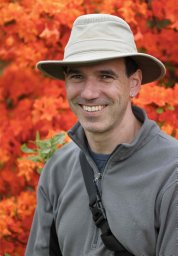 Hegeman Adrian D合作论文数Department of Biochemistry, University of Wisconsin1
 Jason Smith合作论文数Department of Materials, University of Oxford1
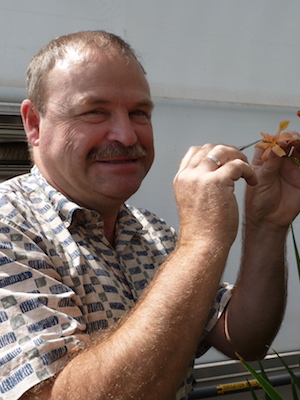 Neil O. Anderson合作论文数Department of Horticultural Science, College of Food, Agricultural and Natural Resource Sciences, University of Minnesota1
 Charles H. Michler合作论文数Agriculture Center;Department of Forestry and Natural Resources1
 Robert C. Venette合作论文数Department of Entomology;University of Minnesota;Department of Entomology, University of Minnesota1
 Keith Woeste合作论文数Department of Biological Sciences;Laboratory for Molecular Biology;University of Illinois at Chicago;Laboratory for Molecular Biology, University of Illinois at Chicago1
 Christel C. Kern合作论文数USDA Forest Service Northern Research Station1
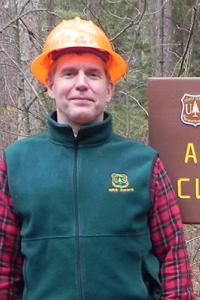 Brian Palik合作论文数Forest Service, U.S. Department of Agriculture1




