New, effective treatment strategies for glioblastomas (GBMs), the most malignant and invasive brain tumors in adults, are highly needed. In this study, we investigated the potential of integrin α10β1 as a therapeutic target in GBMs. Expression levels and the role of integrin α10β1 were studied in patient-derived GBM tissues and cell lines. The effect of an antibody–drug conjugate (ADC), an integrin α10 antibody conjugated to saporin, on GBM cells and in a xenograft mouse model was studied. We found that integrin α10β1 was strongly expressed in both GBM tissues and cells, whereas morphologically unaffected brain tissues showed only minor expression. Partial or no overlap was seen with integrins α3, α6, and α7, known to be expressed in GBM. Further analysis of a subpopulation of GBM cells selected for high integrin α10 expression demonstrated increased proliferation and sphere formation. Additionally, siRNA-mediated knockdown of integrin α10 in GBM cells led to decreased migration and increased cell death. Furthermore, the ADC reduced viability and sphere formation of GBM cells and induced cell death both in vitro and in vivo. Our results demonstrate that integrin α10β1 has a functional role in GBM cells and is a novel, potential therapeutic target for the treatment of GBM.
Traumatic brain injury (TBI) contributes to almost one third of all trauma-related deaths, and those that survive often suffer from long-term physical and cognitive deficits. Ciclosporin (cyclosporine, cyclosporin A) has shown promising neuroprotective properties in pre-clinical TBI models. The Copenhagen Head Injury Ciclosporin (CHIC) study was initiated to establish the safety profile and pharmacokinetics of ciclosporin in patients with severe TBI, using a novel parenteral lipid emulsion formulation. Exploratory pharmacodynamic study measures included microdialysis in brain parenchyma and protein biomarkers of brain injury in the cerebrospinal fluid (CSF). Sixteen adult patients with severe TBI (Glasgow Coma Scale 4-8) were included, and all patients received an initial loading dose of 2.5 mg/kg followed by a continuous infusion for 5 days. The first 10 patients received an infusion dosage of 5 mg/kg/day whereas the subsequent 6 patients received 10 mg/kg/day. No mortality was registered within the study duration, and the distribution of adverse events was similar between the two treatment groups. Pharmacokinetic analysis of CSF confirmed dose-dependent brain exposure. Between- and within-patient variability in blood concentrations was limited, whereas CSF concentrations were more variable. The four biomarkers, glial fibrillary acidic protein, neurofilament light, tau, and ubiquitin carboxy-terminal hydrolase L1, showed consistent trends to decrease during the 5-day treatment period, whereas the samples taken on the days after the treatment period showed higher values in the majority of patients. In conclusion, ciclosporin, as administered in this study, is safe and well tolerated. The study confirmed that ciclosporin is able to pass the blood-brain barrier in a TBI population and provided an initial biomarker-based signal of efficacy.
Freezing of gait (FOG) is defined as an episodic momentary inability to walk associated with parkinsonism or high-level gait disorders [ [1] Giladi and NieuwboerUnderstanding and treating freezing of gait in parkinsonism, proposed working definition, and setting the stage. Mov Dis. 2008; 23: S423-S425 Crossref PubMed Scopus (296) Google Scholar ]. It occurs during distraction, initiation, turns, spatial limitations, and stress [ [1] Giladi and NieuwboerUnderstanding and treating freezing of gait in parkinsonism, proposed working definition, and setting the stage. Mov Dis. 2008; 23: S423-S425 Crossref PubMed Scopus (296) Google Scholar ]. A patient can either have levodopa (l-dopa)-responsive FOG (OFF FOG), which appears when the l-dopa effect wears off or, especially in advanced Parkinson’s disease (PD), a patient may have l-dopa-resistant FOG (ON FOG) despite benefit from l-dopa on other parkinsonian features. The pathophysiology is not understood. One study found that electrode implantation induced OFF FOG in some patients [ [2] Ferraye M.U. Debû B. Fraix V. Xie-Brustolin J. Chabardès S. Krack P. et al. Effects of subthalamic nucleus stimulation and levodopa on freezing of gait in Parkinson disease. Neurology. 2008; 70: 1431-1437 Crossref PubMed Scopus (102) Google Scholar ]. In contrast, we report a unique case of STN electrode implantation acutely inducing ON FOG.
Introduction: This article presents the results of a demonstration project that was designed with the goal to determine the feasibility and acceptability of medical students in using distance technology and virtual reality (VR) simulation within a problem-based learning (PBL). Methods: This pilot project involved students from the Universities of New Mexico and Hawaii and compared (1) control groups consisting of medical students in a tutor-guided PBL session using a text-based case, (2) distance groups using the same text-based case but interacting over distance from multiple sites, (3) groups using a VR simulation scenario integrated into the case without interaction over distance, and (4) combination groups interacting over distance from multiple sites with integration of a VR simulation scenario. Results: The study results suggest that it is possible to successfully conduct a PBL tutorial with medical students from two institutions with the integration VR and distributed distance interaction in combination or independently. The addition of these modalities did not interfere with learning dynamics when compared with traditional tutorial sessions. Conclusions: These findings suggest the feasibility and acceptability by students in the use of VR simulation integrated into a PBL learning session, as well as multipoint distance technologies that allowed interaction between students and tutors in different locations. The authors believe that these modalities can be applied where students and tutors from different institutions are in separate locations and can be used to support interactive experiential learning in a distributed network or on site and suggest areas for additional research.
Mitochondrial uptake of calcium in excitotoxicity is associated with subsequent increase in reactive oxygen species (ROS) generation and delayed cellular calcium deregulation in ischemic and neurodegenerative insults. The mechanisms linking mitochondrial calcium uptake and ROS production remain unknown but activation of the mitochondrial permeability transition (mPT) may be one such mechanism. In the present study, calcium increased ROS generation in isolated rodent brain and human liver mitochondria undergoing mPT despite an associated loss of membrane potential, NADH and respiration. Unspecific permeabilization of the inner mitochondrial membrane by alamethicin likewise increased ROS independently of calcium, and the ROS increase was further potentiated if NAD(H) was added to the system. Importantly, calcium per se did not induce a ROS increase unless mPT was triggered. Twenty-one cyclosporin A analogs were evaluated for inhibition of calcium-induced ROS and their efficacy clearly paralleled their potency of inhibiting mPT-mediated mitochondrial swelling. We conclude that while intact respiring mitochondria possess powerful antioxidant capability, mPT induces a dysregulated oxidative state with loss of GSH- and NADPH-dependent ROS detoxification. We propose that mPT is a significant cause of pathological ROS generation in excitotoxic cell death.
OBJECTIVE The authors report a case of a large intracerebellar hemorrhage that occurred in a professional musician while playing the trumpet. This is the first report of such a complication. CLINICAL PRESENTATION A 60-year-old man presented with severe occipital headache accompanied by nausea, vomiting, and dizziness that occurred while he was practicing the trumpet. On presentation, he was hypertensive with a systolic blood pressure of 255 mmHg and was found to have a large left cerebellar hemorrhage. INTERVENTION Magnetic resonance imaging and magnetic resonance angiography were performed but revealed no tumor or vascular abnormality. The patient was initially stable but, despite maximal medical therapy, deteriorated and was taken to the operating room for suboccipital craniectomy and evacuation of the hematoma. CONCLUSION This patient likely had chronic hypertension; however, the transient increase in systolic blood pressure associated with intensive trumpet playing and the Valsalva maneuver may have contributed to his risk of hemorrhage. We suggest that hypertensive screening and therapy may be especially important in this population and emphasize the importance for neurosurgeons to understand the physiology involved in the Valsalva maneuver.
The authors report the neuroimaging features, treatment planning, and outcome in a case of radiosurgical thalamotomy targeting the centromedian nucleus (CMN) for stroke-induced thalamic pain. A 79-year-old man, with embolic occlusion of the left middle cerebral artery and large hemispheric infarction involving the thalamus, suffered a right hemiplegia and expressive aphasia. One year poststroke, severe right-sided facial, scalp, arm, and trunk pain developed and was exacerbated by any tactile contact. Medical treatment had failed. Medical illness, including mandatory anticoagulation therapy for atrial fibrillation, precluded surgical procedures. Minimally invasive radiosurgery was offered as an alternative. Magnetic resonance imaging and computed tomography were used to localize the left CMN. A single shot of 140 Gy was delivered to the 100% isodose line by using the 4-mm collimator helmet. The patient was evaluated at regular intervals. By 12 weeks posttreatment, he had significant improvements in pain control and his ability to tolerate physical contact during activities of daily living. Magnetic resonance imaging demonstrated baseline encephalomalacia from his prior stroke, and signal changes in the left CMN consistent with gamma irradiation-based thalamotomy. Currently, nearly 7 years after radiosurgery, he continues to enjoy a marked reduction in pain without the need of analgesic medications. Thalamic pain syndrome is generally refractory to conventional treatment. Neurosurgical interventions provide modest benefit and carry associated risks of invasive surgery and anesthesia. The CMN is readily localized with neuroimaging and is an approximate target to reduce the suffering aspect of pain. In this case, radiosurgery was a safe and effective treatment, providing durable symptom control and improved quality of life.
Training professionals for real-world application of required knowledge and skills and assessing their competence are major challenges. Simulations are being used in education and training to enhance understanding, improve performance, and assess competence. Validated virtual reality (VR) simulations provide a means of making experiential learning reproducible and reusable. Advanced communication networks, such as Internet2 Access Grid, allow dissemination of these simulations and collaborative learning independent of distance. The prior experiences of our three universities led to an interdisciplinary collaboration to further develop and evaluate an integrated, fully immersive, interactive VR based system. This environment employs simulations that are visually three-dimensional and are driven dynamically by a rules-based artificial intelligence engine within Flatland, a virtual environments development software tool, and associated commodity hardware. Studies include usability and validation, deployment for distributed testing over Internet2, and evaluation of impact on training and performance using concept mapping and knowledge structure methods. Subject matter experts found face and content validity in our closed head injury simulation. Seven pairs of medical students participated collaboratively in problem solving and managing of the simulated patient in VR. Students stated that opportunities to make mistakes and repeat actions in VR were extremely helpful in learning specific principles and they felt more engaged than in standard text-based scenarios. 48 students participated in knowledge structure experiments pre and post simulation experiences. Knowledge structure relatedness ratings were significantly improved in those students with lower pre-VR relatedness ratings indicating a potential value of VR simulation in learning. This research cuts across the integration of computing, networking, human-computer interfaces, learning, and knowledge acquisition. VR creates a safe environment to make mistakes and could allow rapid deployment for just-in-time training or performance assessment.
OBJECT:The authors tested the hypothesis that two targets are needed to treat postherpetic trigeminal neuralgia (TN): one in the trigeminal nerve for the direct sharp pain and one in the thalamus for the diffuse burning pain.METHODS:Three patients with refractory postherpetic TN were treated with gamma knife surgery (GKS) through a novel two-target approach. In a single treatment session, both the trigeminal nerve and centromedian nucleus were targeted. First, the trigeminal nerve, ipsilateral to the facial pain, was treated with 60 to 80 Gy. Second, the centromedian nucleus was localized using standard coordinates and by comparing magnetic resonance images with a stereotactic atlas. A single dose of 120 to 140 Gy was delivered to the target point with a single 4-mm isocenter. Patients were followed clinically and with neuroimaging studies. Pain relief was scored as excellent (75-100%), good (50-75%), poor (25-50%); or none (0-25%). Follow up ranged from 6 to 53 months. There were no GKS-related complications. Two patients died of unrelated medical illnesses but had good or excellent pain relief until death. One patient continues to survive with 44 months follow up and no decrease in pain intensity, but with a decreased area of pain.CONCLUSIONS:Combined GKS of the centromedian nucleus and trigeminal nerve in a single treatment session is feasible and safe, and the effect was promising. A larger study is required to confirm and expand these results.
Medical knowledge and skills essential for tomorrow's healthcare professionals continue to change faster than ever before creating new demands in medical education. Project TOUCH (Telehealth Outreach for Unified Community Health) has been developing methods to enhance learning by coupling innovations in medical education with advanced technology in high performance computing and next generation Internet2 embedded in virtual reality environments (VRE), artificial intelligence and experiential active learning. Simulations have been used in education and training to allow learners to make mistakes safely in lieu of real-life situations, learn from those mistakes and ultimately improve performance by subsequent avoidance of those mistakes. Distributed virtual interactive environments are used over distance to enable learning and participation in dynamic, problem-based, clinical, artificial intelligence rules-based, virtual simulations. The virtual reality patient is programmed to dynamically change over time and respond to the manipulations by the learner. Participants are fully immersed within the VRE platform using a head-mounted display and tracker system. Navigation, locomotion and handling of objects are accomplished using a joy-wand. Distribution is managed via the Internet2 Access Grid using point-to-point or multi-casting connectivity through which the participants can interact. Medical students in Hawaii and New Mexico (NM) participated collaboratively in problem solving and managing of a simulated patient with a closed head injury in VRE; dividing tasks, handing off objects, and functioning as a team. Students stated that opportunities to make mistakes and repeat actions in the VRE were extremely helpful in learning specific principles. VRE created higher performance expectations and some anxiety among VRE users. VRE orientation was adequate but students needed time to adapt and practice in order to improve efficiency. This was also demonstrated successfully between Western Australia and UNM. We successfully demonstrated the ability to fully immerse participants in a distributed virtual environment independent of distance for collaborative team interaction in medical simulation designed for education and training. The ability to make mistakes in a safe environment is well received by students and has a positive impact on their understanding, as well as memory of the principles involved in correcting those mistakes. Bringing people together as virtual teams for interactive experiential learning and collaborative training, independent of distance, provides a platform for distributed "just-in-time" training, performance assessment and credentialing. Further validation is necessary to determine the potential value of the distributed VRE in knowledge transfer, improved future performance and should entail training participants to competence in using these tools.
OBJECT:The authors investigated whether cyclosporin A (CsA), a cyclophilin ligand with mitochondrial permeability transition pore-blocking and calcineurin-inhibiting properties, affects motor function, neuronal death, and life span in the G93A transgenic mouse model of familial amyotrophic lateral sclerosis (FALS).METHODS:The G93A mice received weekly intracerebroventricular injections of CsA (20 microg/mouse/week) starting at the age of 65 days, and physical performance on an exercise wheel was monitored beginning at 84 days of age. Mice were allowed to survive for clinical observation of body weight, hindlimb weakness, and life span or until a defined end stage or were killed at 110 days of age for histological analysis.CONCLUSIONS:Treatment with CsA significantly delayed the onset of hindlimb weakness and also extended the time from its onset to paralysis. The overall life span of CsA-treated G93A mice was significantly extended, by 12% compared with vehicle-treated transgenic littermates. The CsA also prolonged physical performance on the exercise wheel and delayed weight loss. Histologically, there was significant preservation of both cervical and lumbar spine motor neurons and also tyrosine hydroxylase-positive dopaminergic substantia nigra neurons in 110-day-old CsA-treated mice compared with their transgenic littermates. The local administration of CsA directly into the brain ventricles is an effective means of central nervous system drug delivery (because CsA does not readily cross the blood-brain barrier), which in this study ameliorated clinical and neuropathological features of FALS in G93A mice. The remarkably low intrathecal CsA dose required for neuroprotection reduces potential adverse effects of systemic immunosuppression or nephrotoxicity seen with chronic systemic delivery of the drug.
The mitochondrial permeability transition (mPT) is increasingly implicated in neuronal cell death. In the present study, isolated respiring brain mitochondria were examined for their ability to undergo calcium-induced mPT and their sensitivity to mPT inhibition by cyclosporin A (CsA). Previous studies have suggested a heterogeneous response to calcium, a limitation of CsA inhibition, and a relative resistance in the ability of respiring brain mitochondria to undergo mPT. Using fluorometric and electron microscopic analyses, we found that virtually the whole population of respiring brain mitochondria readily undergo mPT and swell upon calcium exposure. Further, brain mitochondria were highly sensitive to CsA which potentiated morphological recovery after transient swelling as well as completely blocked mPT induction in the presence of a low concentration of ADP. Using flow cytometry, which allows analysis of individual mitochondria, we demonstrate that both brain and liver mitochondria display homogeneous responses to calcium-induced mPT. We conclude that the mPT is one likely target for the broad in vivo neuroprotective effects displayed by CsA when allowed to penetrate the blood-brain barrier, and that development of compounds inhibiting mPT may prove beneficial for the treatment of severe brain disease.
Cyclosporin A (CsA) is highly neuroprotective in several animal models of acute neurological damage and neurodegenerative disease with inhibition of the mitochondrial permeability transition (mPT) having emerged as a possible mechanism for the observed neuroprotection. In the present study, we have evaluated two new nonimmunosuppressive cyclosporin analogs NIM811 (Novartis) and UNIL025 (Debiopharm) for their ability to inhibit mPT in rat brain-derived mitochondria. Both NIM811 and UNIL025 were found to be powerful inhibitors of calcium-induced mitochondrial swelling under energized and deenergized conditions, and the maximal effects were identical to those of native CsA. The potencies of mPT inhibition by NIM811 and UNIL025 were stronger, with almost one order of magnitude higher potency for UNIL025 compared to CsA, correlating to their respective inhibitory action of cyclophilin activity. These compounds will be instrumental in the evaluation of mPT as a central target for neuroprotection in vivo.
Mutations of the copper–zinc superoxide dismutase (SOD1) gene can result in the development of amyotrophic lateral sclerosis (ALS). The exact cellular mechanisms causing ALS are not known, but oxidative stress is thought to play a prominent role. Lysyl oxidase (LOX) is one of the genes that are known to be up-regulated in ALS patients. In this study, we examined LOX localization in wild type rat and mouse brain sections using immunohistochemistry coupled with laser-scanning confocal microscope. The results showed that LOX, an extracellular matrix protein, was expressed in the choroid plexus, blood vessel walls, brain matrix, and neurons of normal rat and mice. In neurons, LOX was localized within the cytoplasm. LOX immunoreactivity increased in neurons of the spinal cord, brain stem and cortex, and the Purkinje cells of the cerebellum in transgenic G93A SOD1 (mSOD1) mouse model of ALS. In situ hybridization indicated that LOX gene expression was enhanced in the neurons of the spinal cord, brain stem, cortex, caudoputamen and cerebellum in mSOD1 mice compared with wild type controls. LOX enzyme activity was increased in mSOD1 mice. An increase in the amount of LOX mRNA, protein and enzyme activity was coincidental with late stage ALS, indicating that LOX may be associated with the progression of the neurodegenerative process in the mSOD1 model of ALS.
Amyotrophic lateral sclerosis (ALS) is a progressive upper and lower motor neuron degenerative disease characterized by loss of motor neurons in the spinal cord, brainstem, and motor cortex (1, 2). It is the most common human motor neuron disease, so far without cure and with only limited treatment options. The combined loss of both upper and lower motor neurons and pyramidal tract degeneration creates a picture of progressive weakness with skeletal muscle wasting. Upper motor neuron loss is manifested histologically as corticospinal tract degeneration. Lower motor neuron loss is manifested as anterior horn and anterior nerve root atrophy. Brainstem motor nuclei cell loss usually spares the oculomotor cranial nerves. Ascending weakness leads to paralysis and death in 3– 5 yr after diagnosis from loss of motor cranial nerves that coordinate swallowing and breathing (3). Sensation and cognition are generally unaffected.
 Eskil Elmér合作论文数Department of Neurology, University Hospital;and Department of Medical Cell Research, University of Lund;University Hospital, University of Lund19
 Stanley M. Saiki合作论文数8
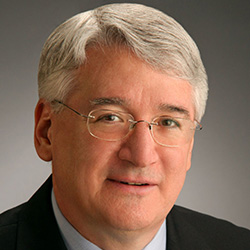 Joshua J. Jacobs合作论文数Department of Orthopedic Surgery, Rush Medical College, Rush University;Department of Materials Science and Engineering, McCormick School of Engineering, Northwestern University;Rush University Medical Center7
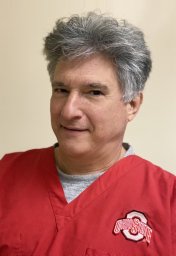 Scott Lozanoff合作论文数Department of Anatomy and Reproductive Biology;University of Hawaii at Manoa;A Burns School of Medicine, John;John A Burns School of Medicine, University of Hawaii at Manoa6
 Dale Alverson合作论文数6Magnus J. Hansson合作论文数6Katalin Csiszar合作论文数5Jenny Karlsson合作论文数5
 Keith S K Fong合作论文数5
 Zaal Kokaia合作论文数Laboratory of Stem Cells and Restorative Neurology, Lund Stem Cell Center, Faculty of Medicine, Lund University4Beth K. Lozanoff合作论文数4Merab Kokaia合作论文数4Hiroyuki Uchino合作论文数4David Wilks合作论文数4Marlene Lindberg合作论文数4
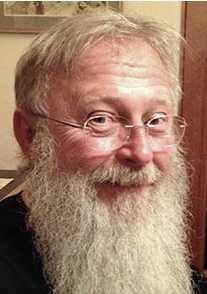 Thomas Caudell合作论文数Department of Electrical and Computer Engineering, University of New Mexico4Kalishman Summers合作论文数3
 Olle Lindvall合作论文数Lund Strategic Research Center for Stem Cell Biology and Cell Therapy, Lund University;Laboratory of Neurogenesis and Cell Therapy, Section of Restorative Neurology, Wallenberg Neuroscience Center, Lund University Hospital3Linda Saland合作论文数3Diane S. Wax合作论文数3Rex Baker合作论文数3Holly Buchanan合作论文数3
 Jeffrey P. Norenberg合作论文数College of Pharmacy, University of New Mexico Health Sciences Center3Kenneth L. Summers合作论文数3Curtis Nakatsu合作论文数3Steven Mitchell合作论文数3lynn s ashby合作论文数2lois mastrofrancesco合作论文数2Rm Alvaradomallart合作论文数2
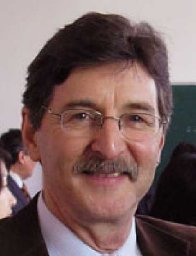 Stewart Mennin合作论文数Sch Med Cell Biol & Physiol, Univ New Mexico2H. Selvadurai合作论文数2
 Anne Fleur Janssen(Anna Janssen)合作论文数Department of Architecture, Faculty of Architecture and the Built Environment, Delft University of Technology2Coulter Robert合作论文数2
 Constantino Sotelo合作论文数CNRS;Institut National de la Santé et de La Recherche Médicale;Catedra de Neurobiologia del Desarrollo Profesora Remedios Caro Almela;Neurosciences Institute, Miguel Hernandez University2
 Andrei Sherstyuk合作论文数Avatar-Reality2Gustav Mattiasson合作论文数2Roland Månsson合作论文数2Julie Rosenheimer合作论文数2
 David Nickles合作论文数2Lisa Serna合作论文数2Jan Mines合作论文数2
 Moad Mowafi合作论文数Jordan University of Science and Technology2Linda C Saland合作论文数2Istvan Ferencz合作论文数2James Holten合作论文数2Summers Kalishman合作论文数2Timothy E. Goldsmith合作论文数available - click to provide one
No description available of Timothy E. Goldsmith2Mircea-Constantin Sora合作论文数1L. Hatton合作论文数1
Moad Mowafi合作论文数Jordan University of Science and Technology2Linda C Saland合作论文数2Istvan Ferencz合作论文数2James Holten合作论文数2Summers Kalishman合作论文数2Timothy E. Goldsmith合作论文数available - click to provide one
No description available of Timothy E. Goldsmith2Mircea-Constantin Sora合作论文数1L. Hatton合作论文数1




